




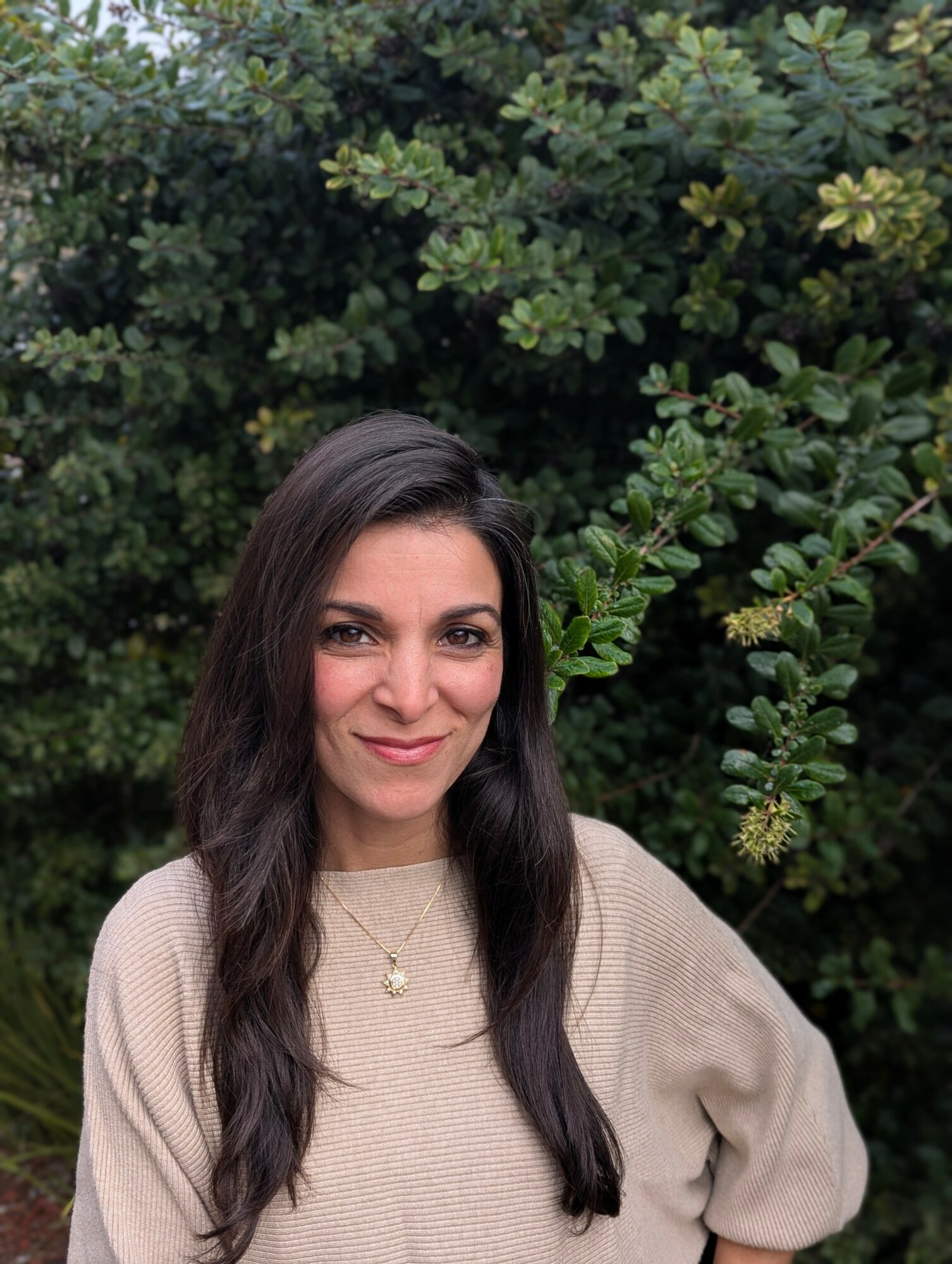
Today we’d like to introduce you to Roya Parsa.
Hi Roya, so excited to have you on the platform. So before we get into questions about your work-life, maybe you can bring our readers up to speed on your story and how you got to where you are today?
My journey began when I discovered how much I enjoyed working one-on-one with children while teaching music lessons. That eventually led me to speech-language pathology and a career working with young children and their families. I received both my Bachelor’s and Master’s degrees in Communication Disorders and Sciences from California State University, Northridge and have been a licensed speech-language pathologist for over 15 years. I began my career at a non-profit agency that provided interdisciplinary, family-centered services for young children. That environment deeply shaped how I view development as something that thrives through relationships, play, and emotional connection.
Over time, I grew into leadership as a speech department supervisor, mentoring other clinicians and collaborating across disciplines. Becoming a mother, and later experiencing the profound loss of my own mom, shifted my priorities and perspective. I felt called to create a practice that allowed me to be present for my family while offering thoughtful, individualized care that isn’t limited by insurance or school policies. That desire ultimately led me to start Dreamy Speech Therapy.
Can you talk to us a bit about the challenges and lessons you’ve learned along the way. Looking back would you say it’s been easy or smooth in retrospect?
It definitely hasn’t been a smooth road, which has led to many different learning experiences along the way. Building a business on my own required stepping into many unfamiliar roles, including handling administrative, legal, and financial responsibilities, managing logistics, and making every decision myself as both the business owner and service provider. Finding clients, promoting myself, and even relocating my practice came with challenges. There were moments of feeling overwhelmed, self-doubt, and imposter syndrome, especially early on. What helped me move forward was giving myself grace, leaning on supportive mentors, colleagues, and family, as well as trusting the skills I’ve built over years of clinical experience. Each challenge pushed me to grow not just as a business owner, but as a more confident clinician.
As you know, we’re big fans of Dreamy Speech Therapy. For our readers who might not be as familiar what can you tell them about the brand?
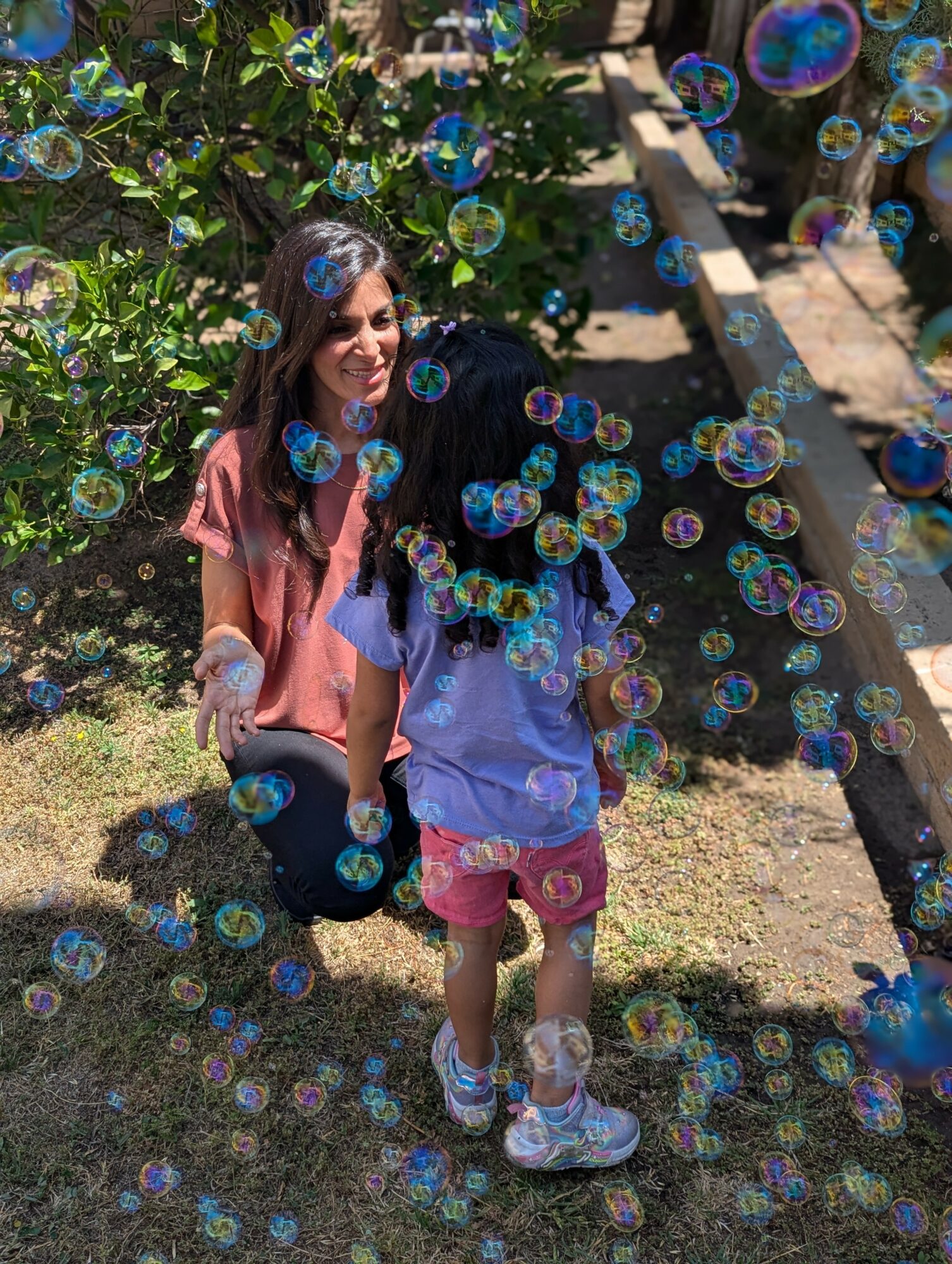
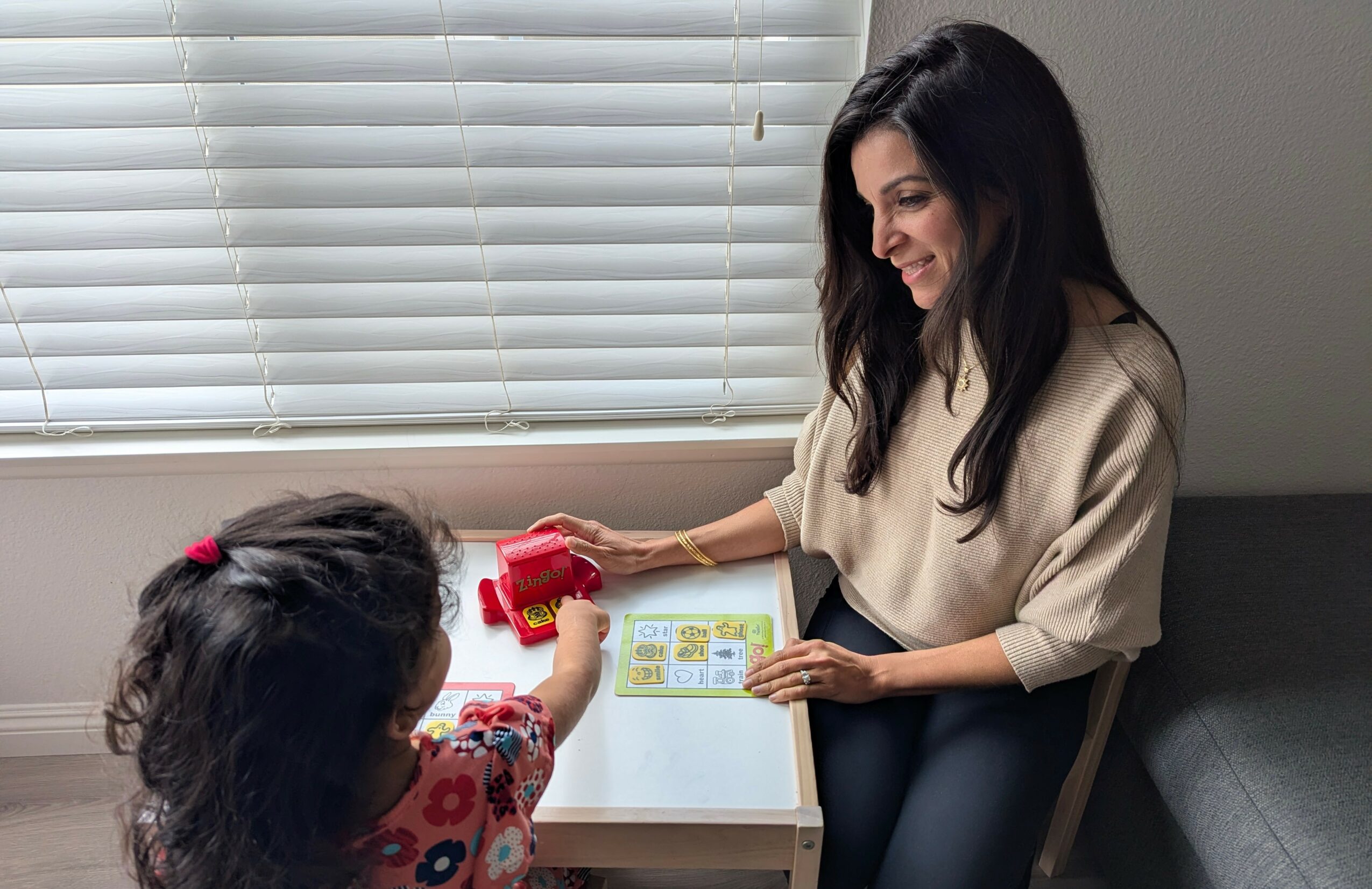
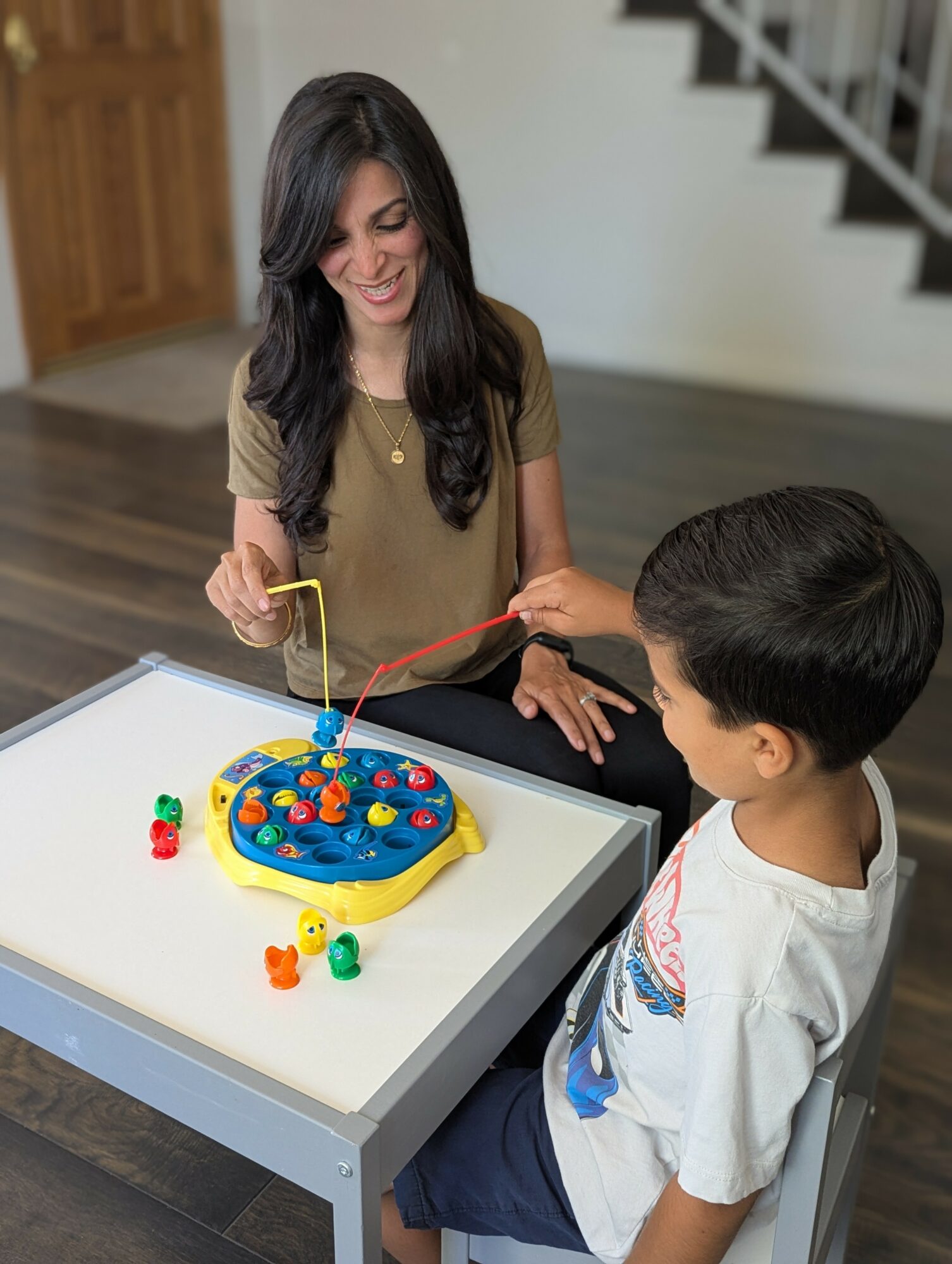
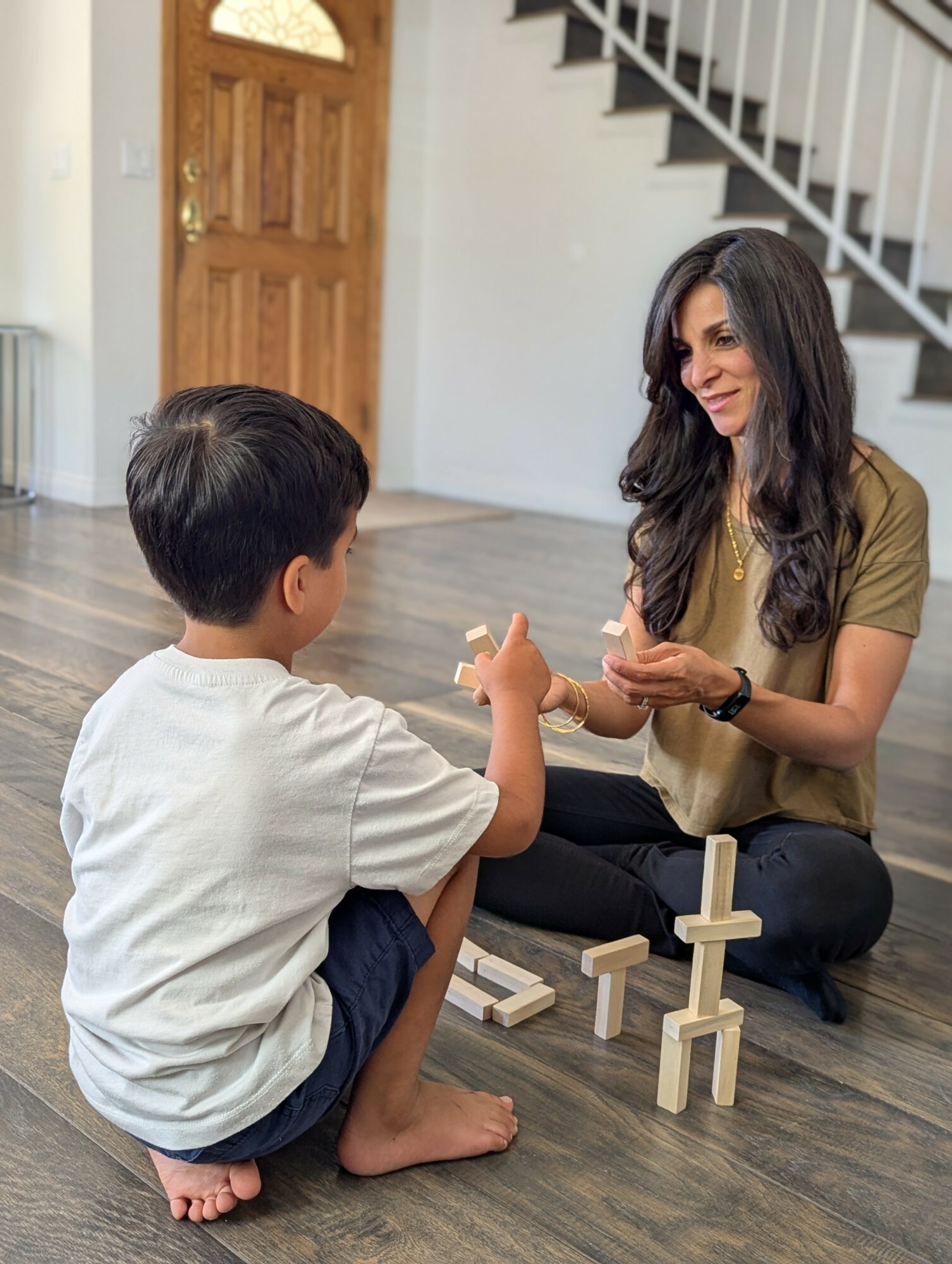
Dreamy Speech Therapy provides in-home, in-community, and teletherapy speech and language services for young children and their families. My work focuses on early childhood communication, using a play-based approach to support children with their expressive and receptive language delays, articulation and phonology, motor speech challenges, social communication, and fluency or stuttering.
What sets my work apart is my emphasis on the whole child and the whole family. I meet children where they are developmentally and partner closely with caregivers, helping them feel confident and involved in the process. Therapy is designed to feel natural, playful, and meaningful, while still being intentional and goal-driven.
I’m most proud of the trust families place in me and the meaningful relationships that come from it. Being included in a family’s journey and celebrating their child’s progress together is one of the most rewarding parts of my work.
What I’d want people to know is that my approach is deeply collaborative. Therapy is most effective when it’s a team effort, with everyone involved so progress carries over beyond our sessions and into daily life.
What sort of changes are you expecting over the next 5-10 years?
I see the field of speech-language pathology continuing to evolve toward more holistic, family-centered care. There’s a growing recognition that social-emotional development, self-regulation, and communication are deeply connected, and therapy works best when families are actively involved. I also anticipate more collaboration across disciplines, expanded teletherapy options, and the thoughtful use of online technology or digital tools. In addition, there seems to be a greater emphasis on flexible, individualized approaches that support children in their natural environments, such as in homes, schools, or communities, rather than just in clinic settings.
Contact Info:
- Website: https://www.dreamyspeech.com
- Instagram: @dreamyspeechtherapy
- Other: royaparsa@dreamyspeech.com

Popular
-

Christina Wren Steps Into the Director’s Chair to Tell Stories That Feel Like Home
-

Portraits of the Valley
-

LA’s Most Inspiring Stories
-

JordanL on ‘Breathe,’ Belief, and Building a Movement Beyond the Music
-

Megan Birney Rudert on How Access to Light Is Powering a More Sustainable and Equitable Future
-

Linda Kneidinger on Building Lasting Change Through Small Steps and Self-Compassion


