




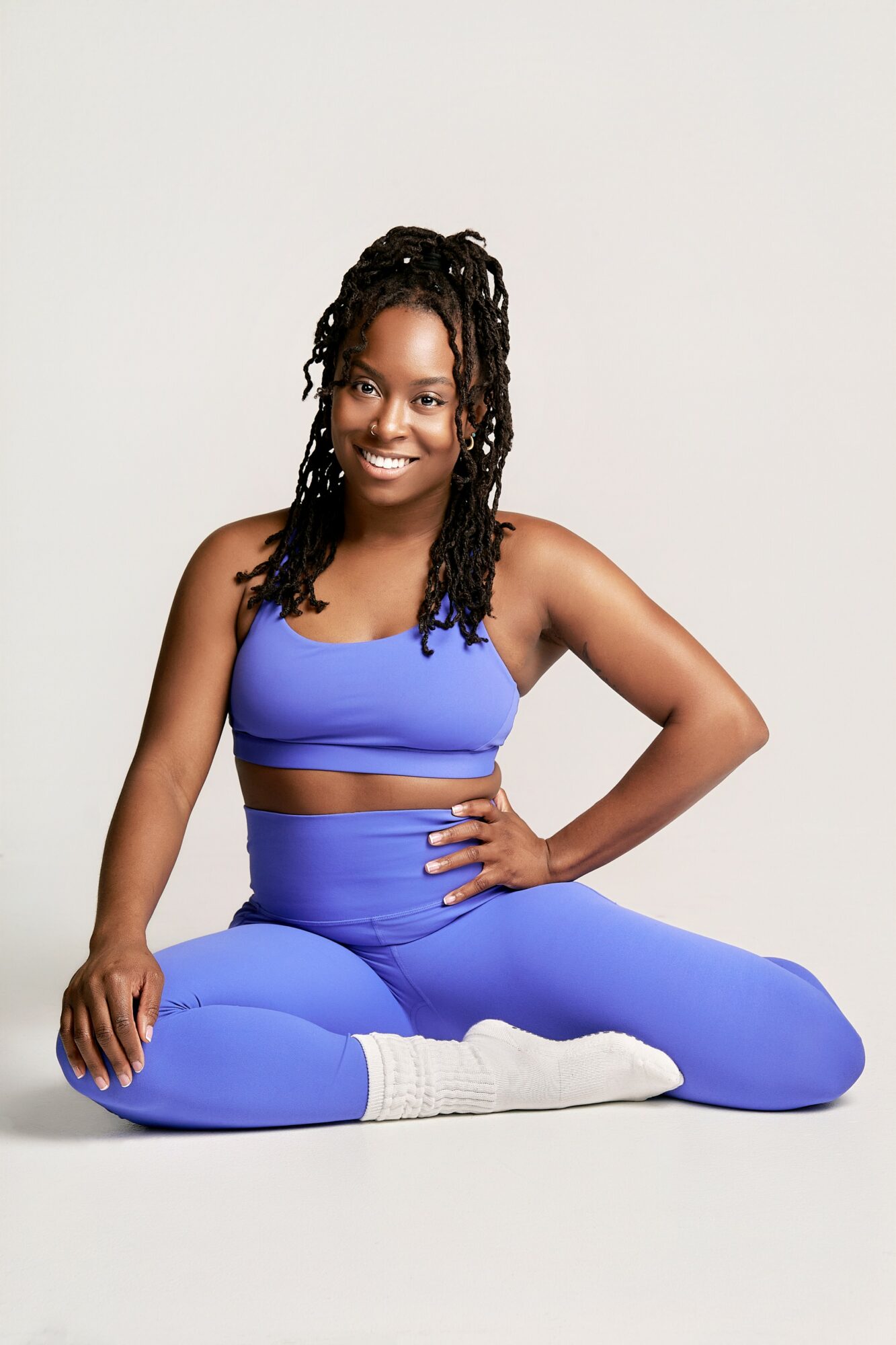
Today we’d like to introduce you to Briana Myers.
Hi Briana, can you start by introducing yourself? We’d love to learn more about how you got to where you are today?
I was an athlete for most of my life. I went on to compete as a hurdler and sprinter for a Division I university, and movement was always central to who I was. I had trained at a high level for years and felt strong, capable, and unstoppable in my body.
In my mid-twenties, that suddenly changed. I began experiencing severe back pain and intense muscle spasms that led to muscle relaxers and pain relievers just to function. At times, the pain was so overwhelming that it brought me to tears. I had been diagnosed with scoliosis at age twelve, but for most of my life, it had little impact — occasional tightness or a mild backache at most. This was different, and it was deeply traumatic to go from feeling powerful in my body to feeling fragile and helpless.
Determined to find a solution beyond symptom management, I was referred to a physical therapist. Over several months of consistent work, my pain resolved, and my understanding of my body completely shifted. I learned how much alignment, strength, mobility, and awareness mattered for long-term health. As I progressed, my physical therapist recommended Pilates as a way to bring balance to my body, alleviate tightness, and prevent pain.
Pilates became part of my life, but another major turning point occurred after I relocated to Los Angeles. I joined a recreational flag football league and suffered a serious injury, tearing my ACL and meniscus. Suddenly, I couldn’t walk, run, or train the way I always had. After years of high-impact, high-intensity training, the injury forced a profound identity shift.
Pilates was the only form of movement I could safely do — and it changed everything. Movement was no longer about competition or intensity. It became something I deeply appreciated. Having experienced the loss of physical abilities I once took for granted, I began to view movement as a privilege and a form of care rather than something that needed to be intense or competitive. It became about longevity, mobility, and creating a healthier relationship with my body.
Pilates didn’t just help me recover physically — it transformed my entire relationship with movement. It taught me that movement can feel good — that a workout doesn’t have to deplete you to be effective, and that true health is about balance and moving through your body without pain, not just how heavy you can lift or how fast you can run.
Today, Pilates is my career. I work as a Pilates instructor with the intention of helping others fall in love with movement — guiding people to move their bodies with care and purpose, appreciate their bodies for what they can do, and build a relationship with movement grounded in gratitude, self-care, and long-term health and balance. Pilates changed my life, and my goal is to help others experience that same sense of connection, confidence, and appreciation in their own bodies.
Can you talk to us a bit about the challenges and lessons you’ve learned along the way. Looking back would you say it’s been easy or smooth in retrospect?
Not at all — it’s been anything but smooth. The biggest struggle was the identity shift that came with injury and chronic pain. I went from being an elite athlete whose body felt reliable and powerful to someone who couldn’t move the way they were used to. That loss was both physical and emotional, and learning to let go of performance-based expectations took time.
There were also moments of fear and uncertainty — trusting my body again after pain and injury, relearning how to move without pushing past my limits, and accepting that progress doesn’t always look linear. Shifting from a mindset of intensity and competition to one of balance, patience, and care was challenging, especially after years of high-impact training.
Professionally, stepping into a new career path required humility and trust in the process. Learning to slow down, listen, and build something intentionally — rather than chasing quick results — was a lesson in itself. But those challenges ultimately shaped how I teach today.
Every setback deepened my understanding of the body and reinforced why this work matters to me. The struggles weren’t detours — they were the foundation that allowed me to approach movement with empathy, respect, and a long-term perspective.
Appreciate you sharing that. What else should we know about what you do?
I’m a Pilates instructor focused on helping people build a healthier, more sustainable relationship with movement. My work centers on intentional, injury-informed Pilates that supports balance, mobility, and long-term health.
People often tell me my sessions feel personalized and supportive. I’m highly attentive to the individual in front of me — their strengths, limitations, and energy that day — and I adjust my teaching to meet them where they are. I bring a lot of excitement and conviction into my work because I truly believe in what Pilates can offer, and that belief helps people feel confident and open to the process.
What sets my work apart is my ability to bridge athletic training with mindful movement. As a former Division I athlete who has navigated injury and recovery firsthand, I love working with former athletes who are learning to move differently — but I’m equally excited to work with people who are new to fitness. I genuinely love teaching and guiding people through movement, whether they’re refining how they move or discovering it for the first time.
I’m most proud of helping people rebuild trust in their bodies, move without pain, and rediscover enjoyment in movement. My goal is for clients to leave feeling stronger, more balanced, and genuinely supported — not pushed past their limits.
Any advice for finding a mentor or networking in general?
I don’t have one formal mentor, and that’s been an important part of my journey. Instead, I’ve focused on learning by placing myself in environments where I could grow. Signing up for a comprehensive Pilates training program gave me access to experienced instructors, structured education, and a community of people who were on a similar path.
I leaned heavily on my classmates and my master instructor — asking questions, observing different teaching styles, and staying curious. That peer-based learning and open dialogue ended up being incredibly valuable. It taught me that mentorship doesn’t always come from one person, but can come from many conversations, shared experiences, and moments of guidance along the way.
In terms of networking, what’s worked best for me is genuine connection rather than forcing it. I’ve spent time researching instructors and businesses doing work I admire, following their journeys, and learning from how they move and teach. Showing up consistently, being curious, and building relationships organically has felt far more meaningful than traditional networking.
My advice would be to start by immersing yourself in the spaces where the work you admire is happening. Be open, ask questions, and don’t underestimate the value of your peers — some of the most impactful support and insight often comes from people growing alongside you.
Contact Info:
- Website: https://movewithbre.com
- Instagram: breezy_in_motion
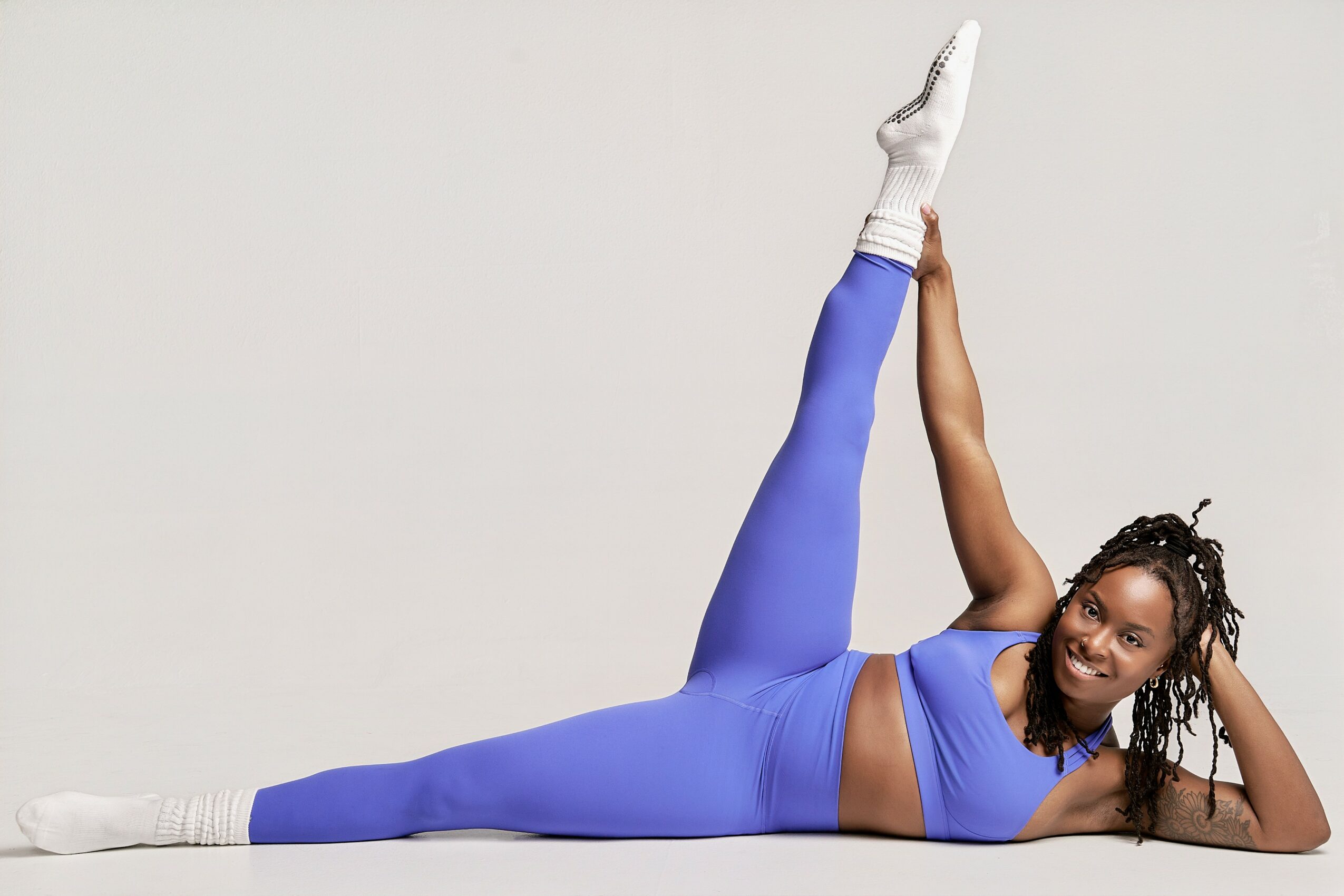
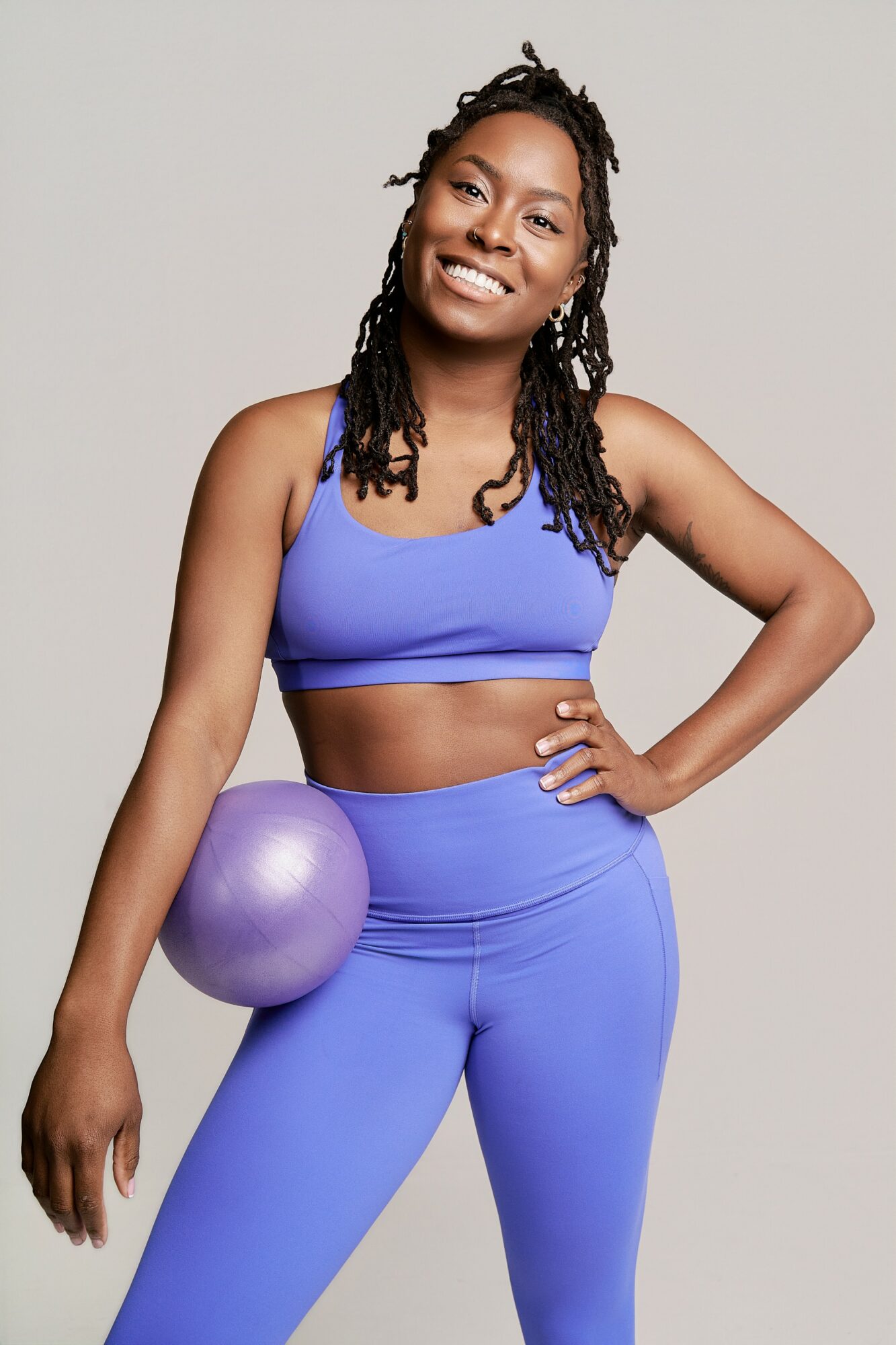
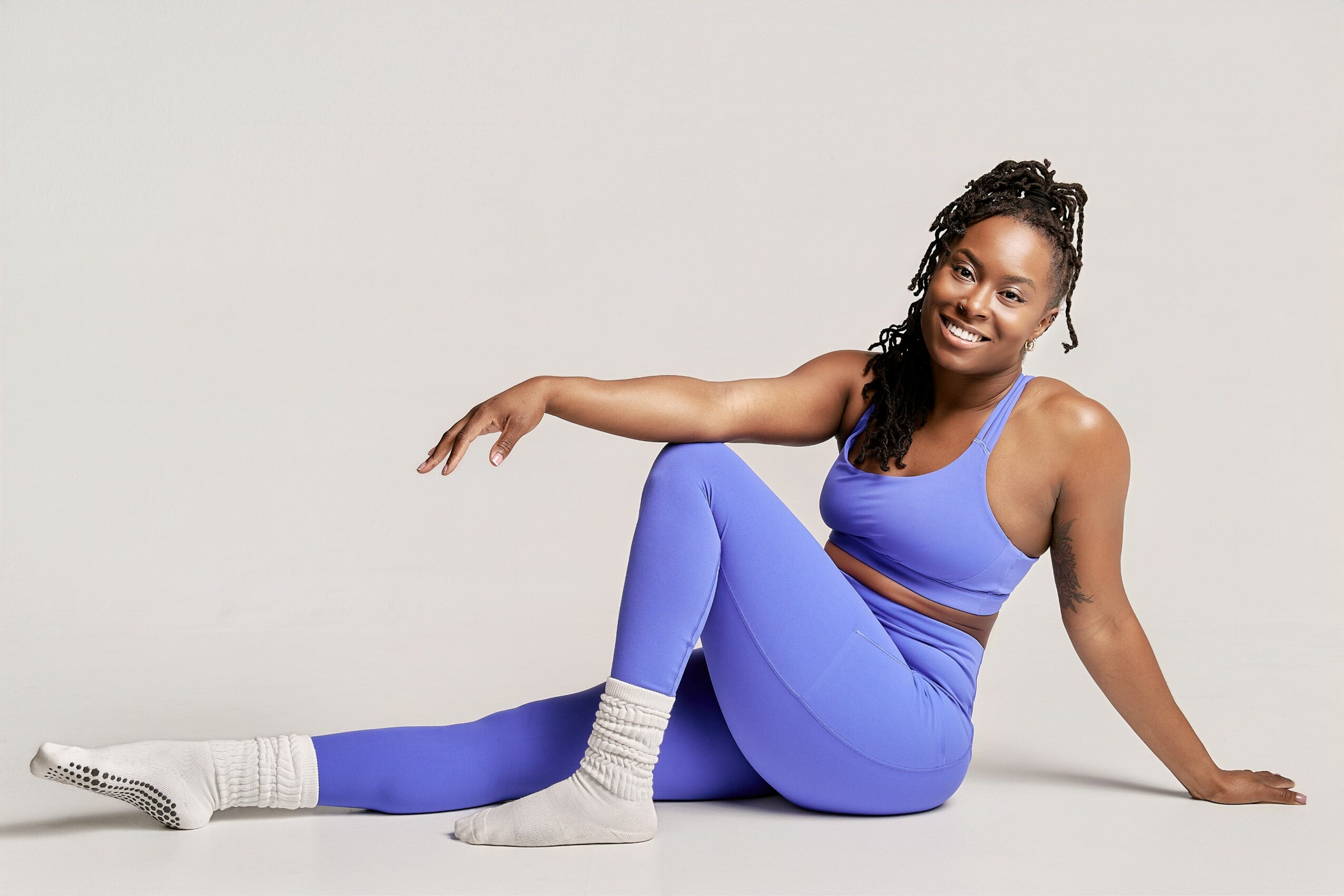
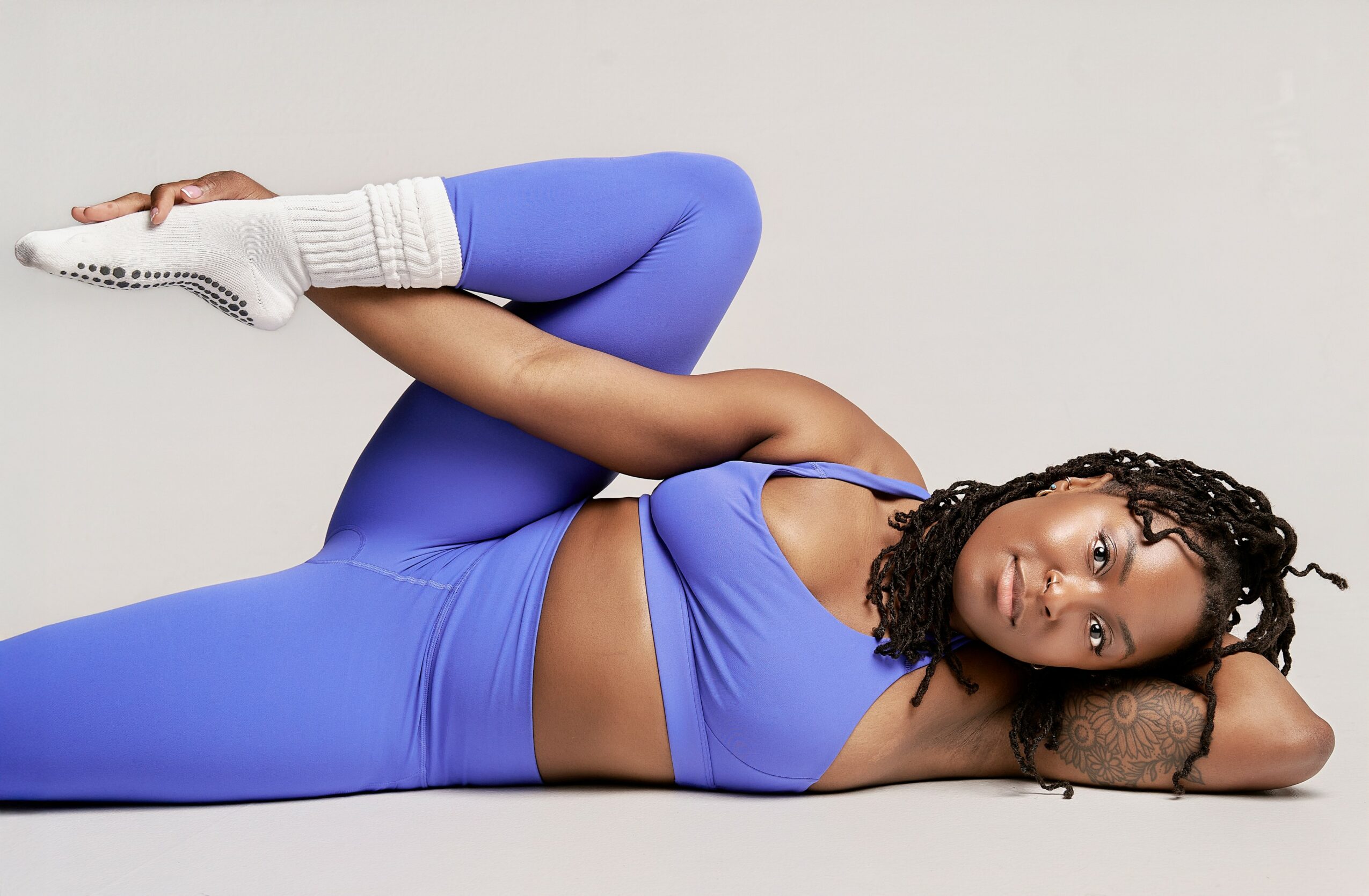
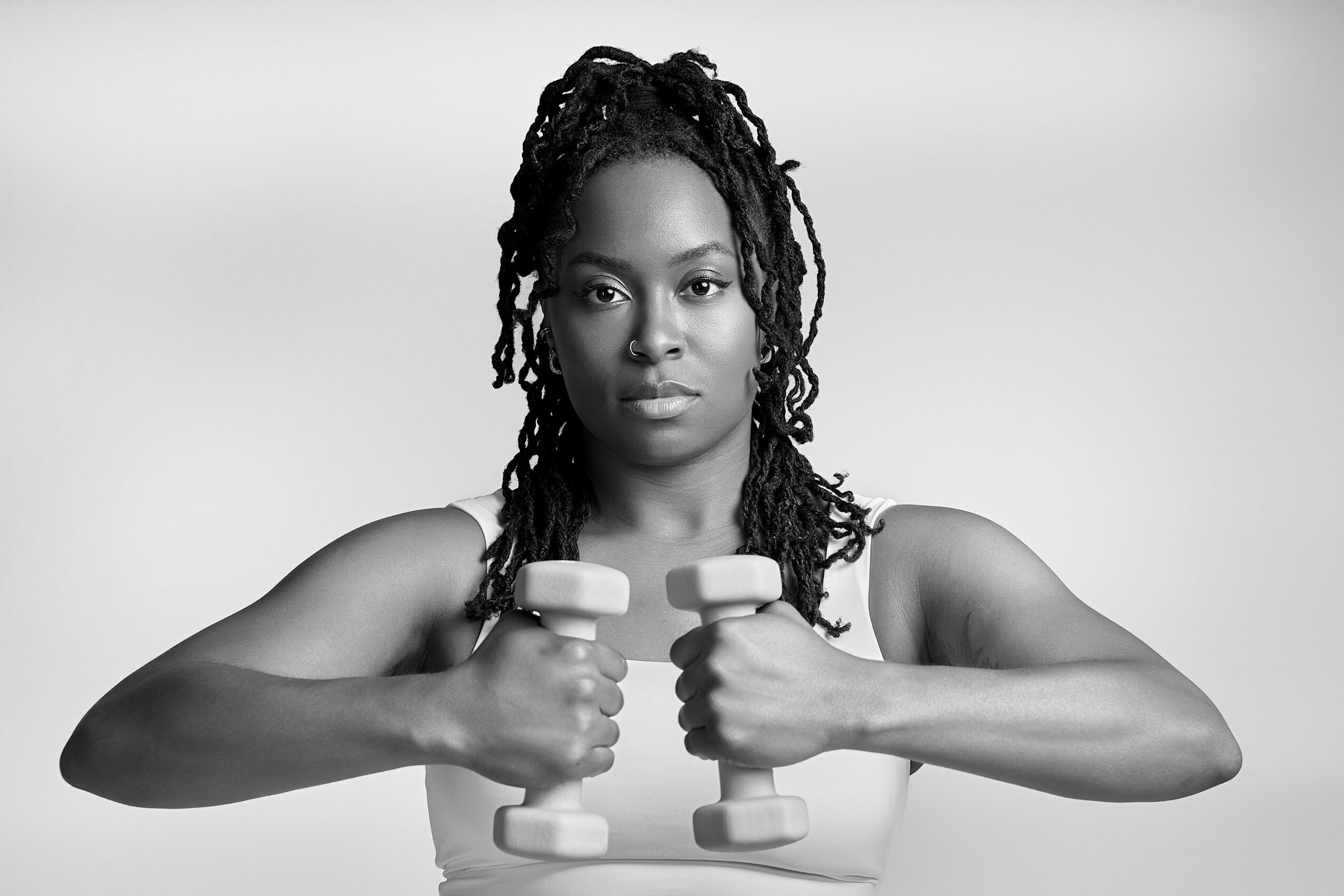
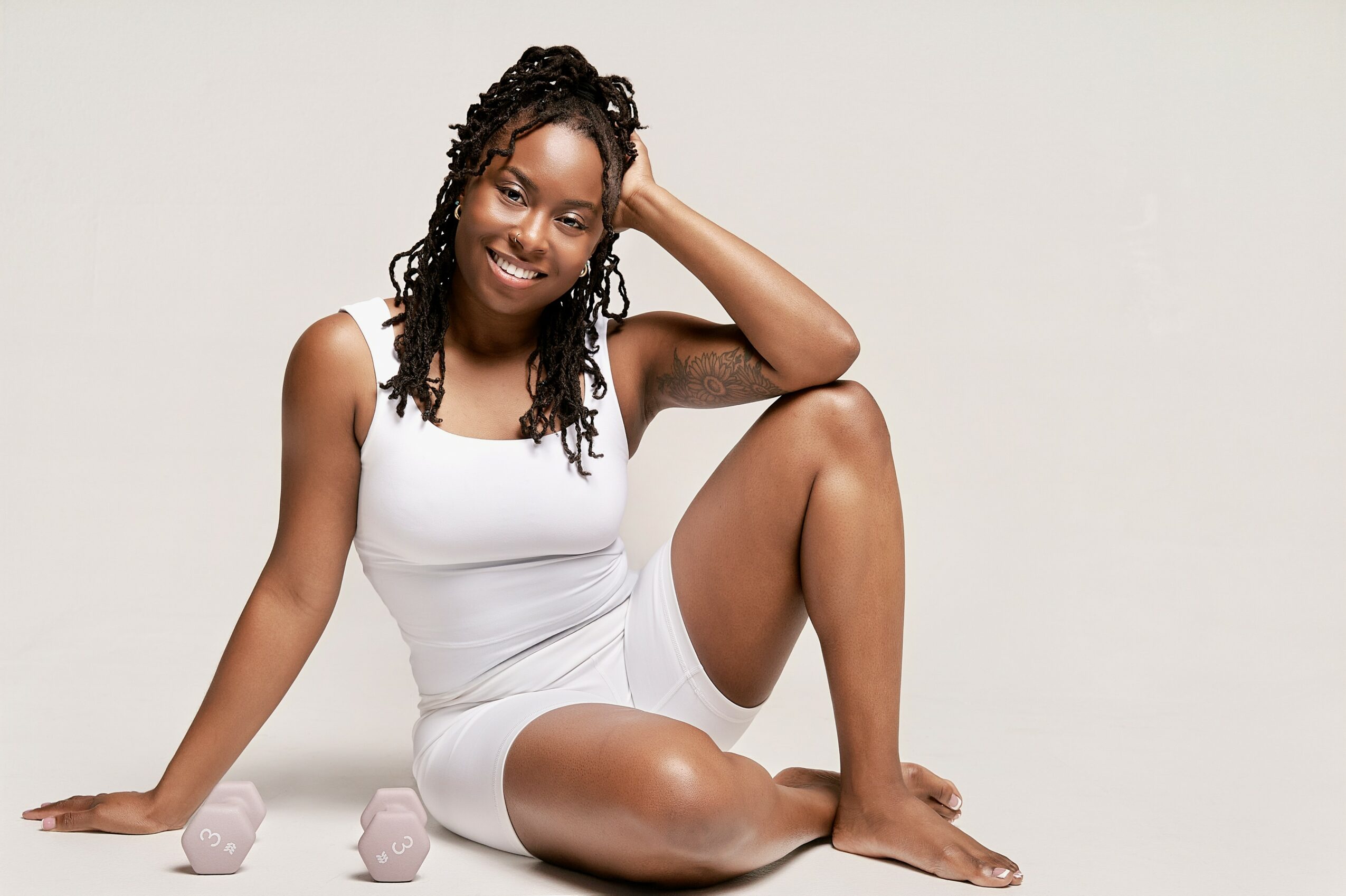
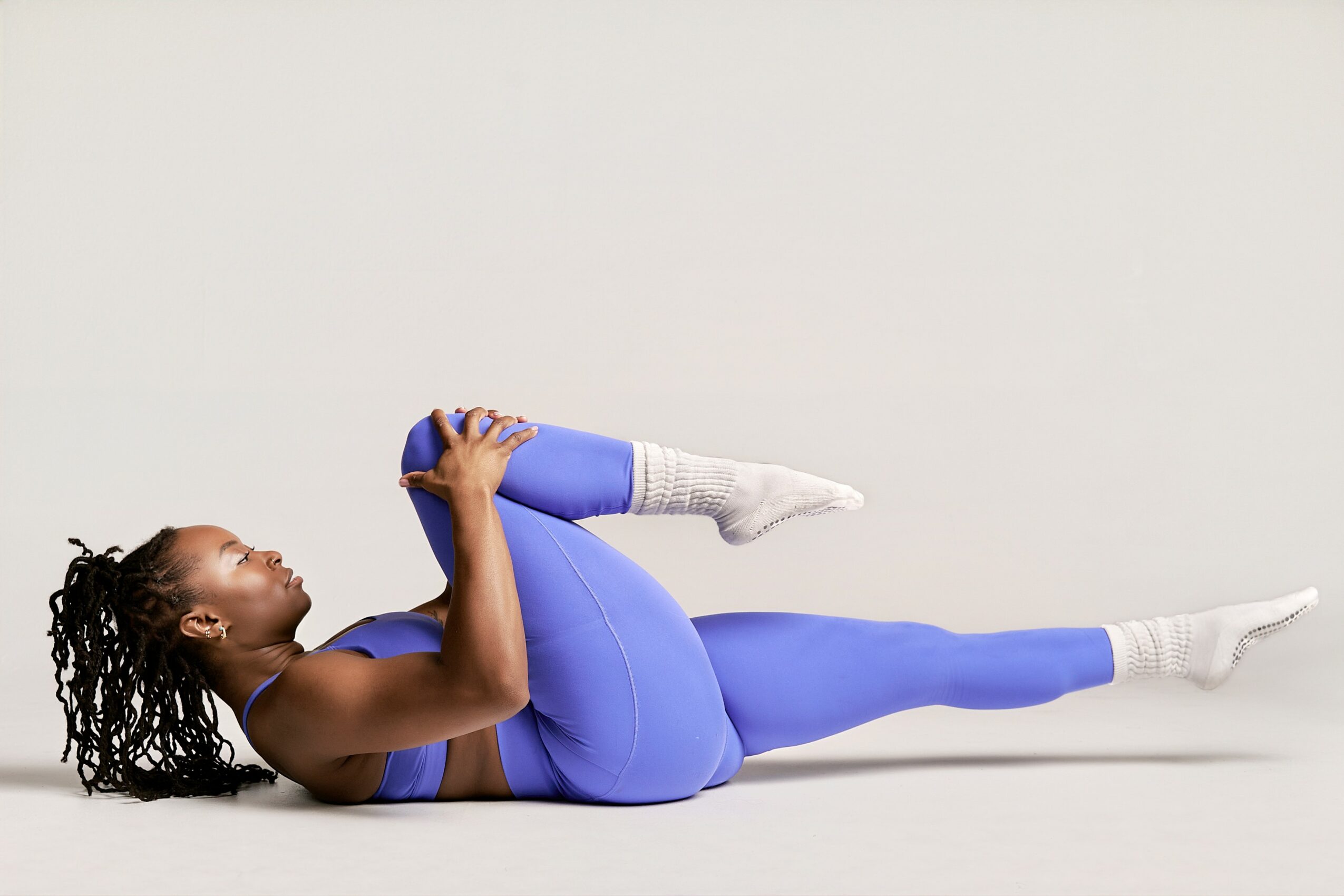
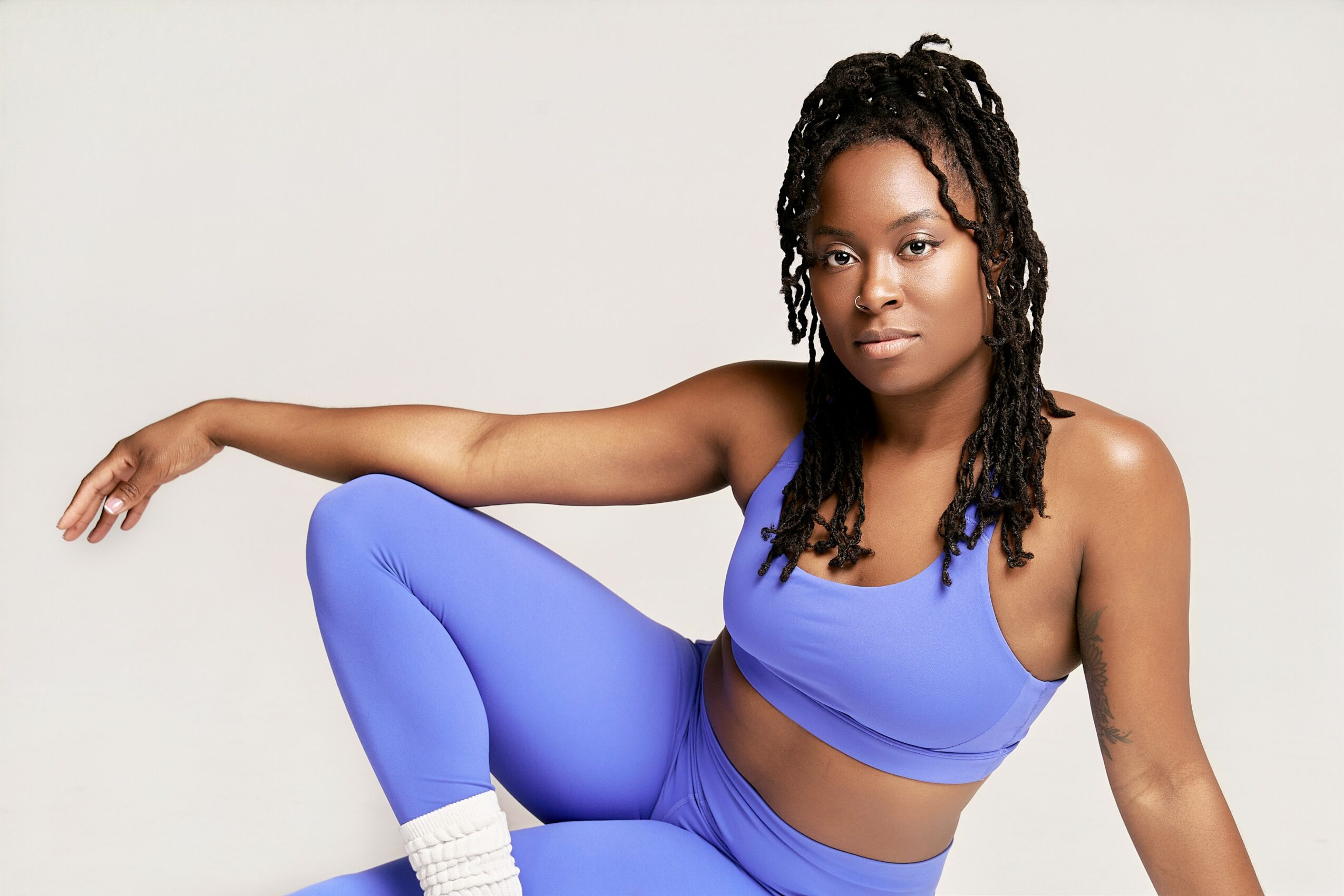
Image Credits
Darrion Woodard
Popular
-

LA’s Most Inspiring Stories
-
Maagic Collins on Building a Fearless Publishing Platform for Truth, Advocacy, and Underrepresented Voices
-
Los Angeles Barea on Turning Green Superheroes into a Global Movement for Youth-Led Change
-

Trisha DuVivier on Bridging the Franchisor–Franchisee Divide with Workhero and “Franulate”
-

Portraits of the Valley
-
Cedar Boschan on Elevating Black Music Rights and Driving Urgent Conversations Around Credit, Equity, and Artist Protection


