



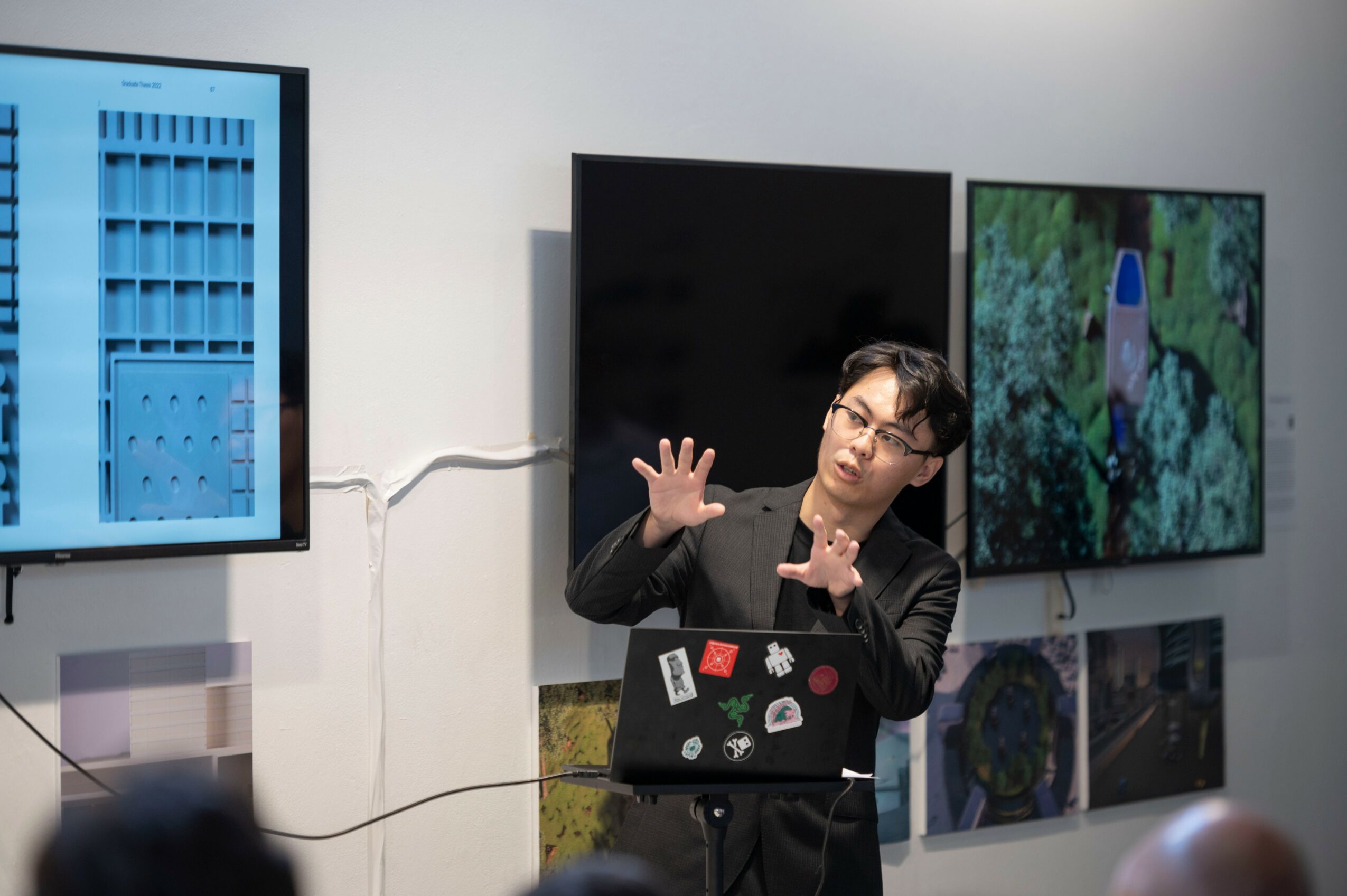
Today we’d like to introduce you to Biao Cao.
Alright, so thank you so much for sharing your story and insight with our readers. To kick things off, can you tell us a bit about how you got started?
My name is Biao Cao, and I am an architectural designer based in Los Angeles, where I have lived for more than 7 years. I graduated from SCI-Arc’s M.Arch 1 program three years ago, and my thesis received the Graduate Merit Award. This recognition was a milestone in my academic journey—proof that my passion for architecture and years of hard work were truly seen and appreciated by architects and artists I deeply admire.
My path to architecture has never been linear. I did not study architecture in my undergraduate years; instead, I taught myself architecture and design software after graduation, which allowed me to begin working as an architectural designer in China. I was fortunate to join several large-scale architectural projects and international competitions, experiences that shaped my design thinking and strengthened my foundation. After two years of practice, I came to the U.S., where SCI-Arc became the place where I formally entered the world of architecture.
For nearly a decade, I have been committed to architectural design—fulfilling a dream I’ve had since childhood. Occasionally, I collaborate with artists on installation projects, which allows me to explore spatial thinking from another perspective. I love designing and making things with my hands. I enjoy identifying a problem, analyzing it, and then building a solution. Architecture captivates me because it allows constant exploration—it connects human experience, art, geography, and culture. Through observation and reflection, I translate ideas into design.
Outside of architecture, I am passionate about photography, especially film photography. I see a strong connection between the two disciplines—both are arts of light, shadow, and color, and both shape how we perceive space and emotion.
Alright, so let’s dig a little deeper into the story – has it been an easy path overall and if not, what were the challenges you’ve had to overcome?
It definitely hasn’t been a smooth or traditional road. Unlike most architectural designers who study architecture first and then enter the profession, my path was the exact opposite. I started by finding a job in an architecture office with no formal background, taught myself everything I could, and only later went to school to pursue architecture academically.
I come from a very traditional Chinese family, and when I first said I wanted to become an architect, no one supported the idea. My family believed I had no talent for architecture or art—they used to say, “If you were gifted, we would have seen it long ago. You weren’t even good at drawing as a child.” Hearing that was difficult, but it also motivated me. I decided the only way to prove myself was to actually work in the field. After sending out many applications, one architect finally gave me an opportunity. He told me he saw a younger version of himself in me—someone deeply passionate about architecture. I worked hard, learned quickly, and within two years became his assistant, contributing meaningfully to the team and the projects.
Later, I went to SCI-Arc to study architecture formally. Because I didn’t have an undergraduate background in architecture, I often had to work twice as hard to reach the same level of output as others. Most of my classmates had a bachelor’s degree in architecture—they were not only hardworking but also incredibly talented—so I had to push myself even harder just to keep up. Still, I was fortunate to learn so much from my instructors and classmates. Unfortunately, shortly after I joined, COVID-19 hit. Online learning made it difficult to experience architecture the way it should be learned, so I eventually returned to China to work again. But work itself became another form of education for me—just like it had at the beginning of my journey.
Looking back, my path has been full of challenges, but every challenge pushed me to grow. It taught me resilience, self-motivation, and the value of carving my own path when the “standard” one wasn’t available to me.
Thanks – so what else should our readers know about your work and what you’re currently focused on?
My work centers on architectural design, and I specialize in concept development, spatial design, and translating complex ideas into clear, expressive forms. I work across different scales—from buildings to installations—and I’m involved in everything from early-stage research to design execution. Because of my background, I’m known for approaching architecture with both an analytical mindset and an artistic sensibility.
One of my strongest skills is my ability to learn through observation. I’ve always been highly perceptive, and I tend to absorb knowledge by closely watching how things are made, how people work, and how ideas come together. Once I understand something, I reinforce it through consistent, repetitive practice—whether it’s a design method, a software tool, or a physical craft. This habit of observing, learning, and refining has shaped the way I grow as a designer and how I approach every new challenge.
I’m particularly strong at visual and conceptual storytelling. Whether I’m designing a building, producing diagrams, or making physical models, I aim to express not just a form but the underlying narrative and logic. I often draw inspiration from art, photography, and cultural studies, which gives my work a sense of depth and emotional resonance.
One of the accomplishments I’m most proud of is my graduate thesis at SCI-Arc, which received the Graduate Merit Award. The award wasn’t just recognition of the project—it represented years of persistence, self-teaching, and proving that an unconventional path can still lead to meaningful achievement. I’m also proud of the international competitions and large-scale projects I worked on early in my career, which shaped my design instincts long before I entered graduate school.
What sets me apart is the way I entered architecture. I didn’t come from a traditional architectural academic background; I built my foundation by learning on the job, observing others, and teaching myself. This gave me a grounded understanding of how ideas translate into real projects, while my education at SCI-Arc strengthened my speculative, experimental side. I also love working with my hands—models, prototypes, installations—which helps me bridge digital thinking with physical craft. In everything I do, I see architecture as a place where art, design, and cultural reflection intersect, and that outlook guides the way I design and create.
Where we are in life is often partly because of others. Who/what else deserves credit for how your story turned out?
I’m grateful to have had several important people who shaped my journey and helped me become the designer I am today. The first person is my grandmother. Her influence on me started very early—she taught me to never give up, no matter how difficult things became. She always believed that I would achieve something meaningful in life, and that belief gave me strength, especially during moments when I doubted myself.
The second person is a Chinese architect who became one of the most pivotal figures in my early career. He was the one who gave me my very first architectural design job at a time when I had no formal architectural training. He saw passion and potential in me and decided to give me a chance when many others didn’t. That opportunity changed everything—it allowed me to enter the architecture world, prove myself, and build the foundation that later supported my academic and professional growth.
The third person is my professor at SCI-Arc, Anna Neimark. She told me that my observational ability and the way I express ideas were talents, and she believed I had artistic talent. She encouraged me to be myself and to design from my own perspective. I still remember her saying something along the lines of, “Some people will love your work, and some won’t—and that’s okay. You’ve already created so many great designs. English may not be your first language, but the language of architecture is universal, and other professionals will always understand your work.” Her words gave me confidence and helped me understand that design is not about pleasing everyone, but about speaking with authenticity.
All three of them played different but equally important roles in my life: one gave me strength, one gave me opportunity, and one gave me belief. Together, they helped me build the foundation of who I am as a designer today.
Contact Info:
- Instagram: https://www.instagram.com/_biaocao/
- LinkedIn: https://linkedin.com/in/biao-cao
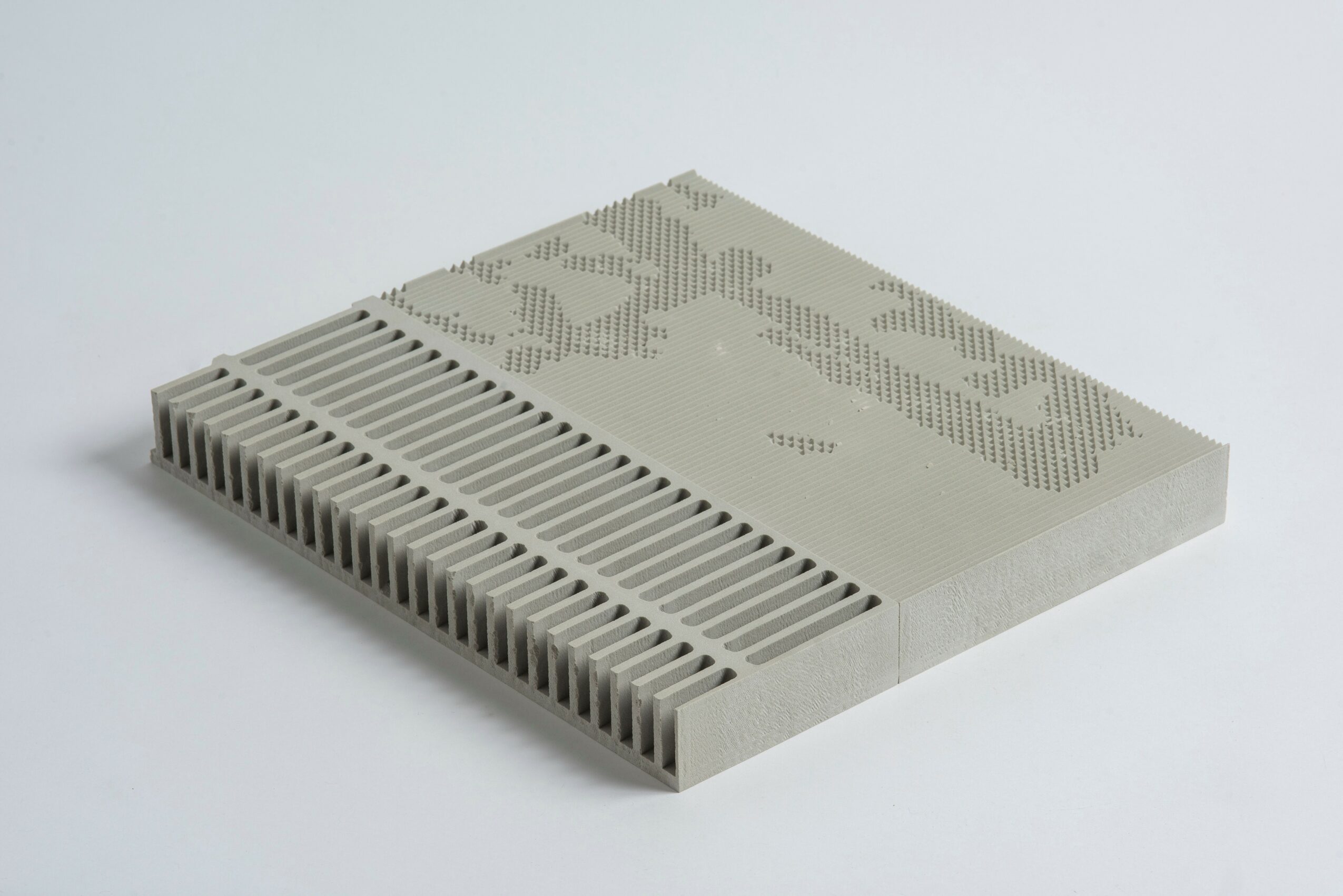
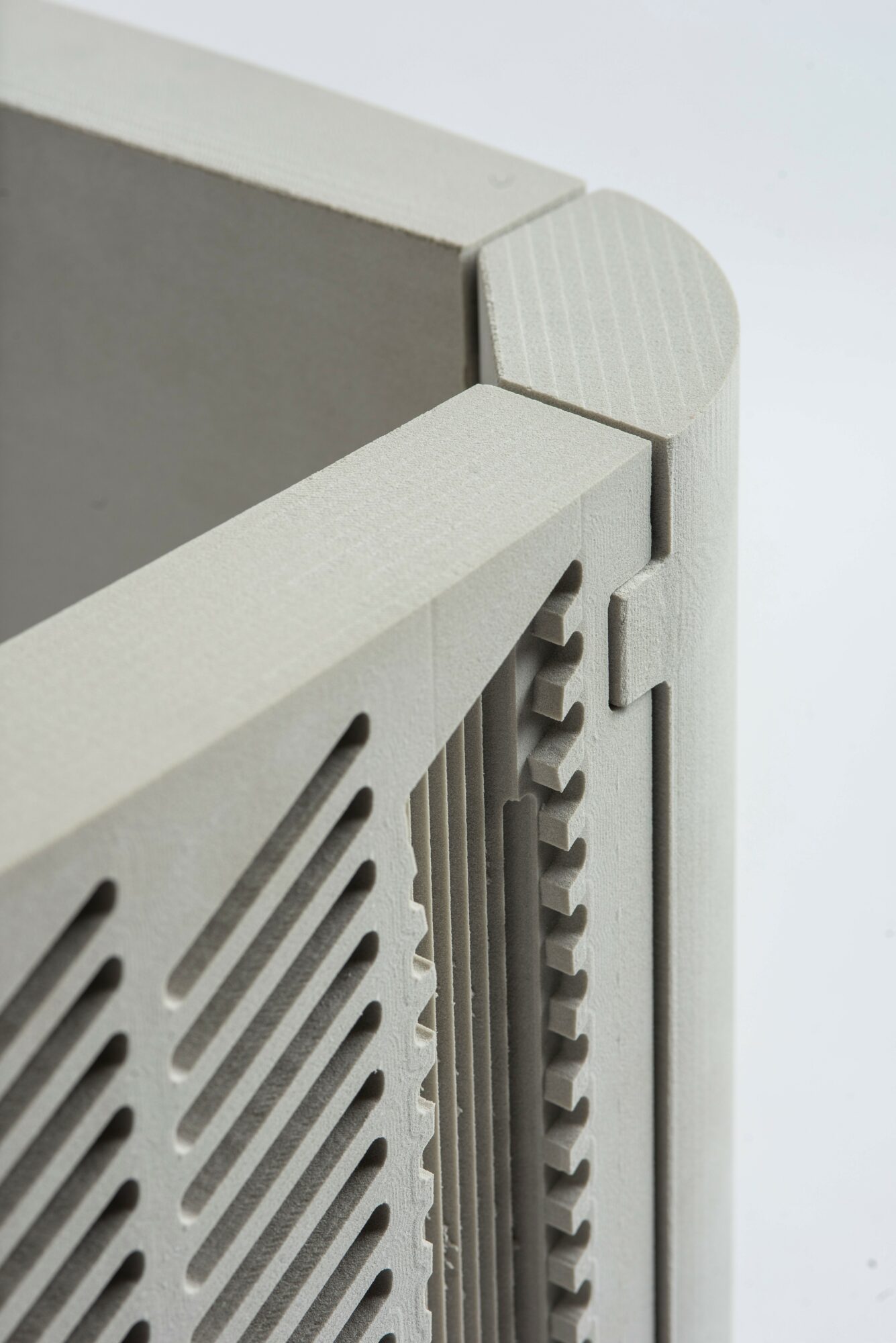
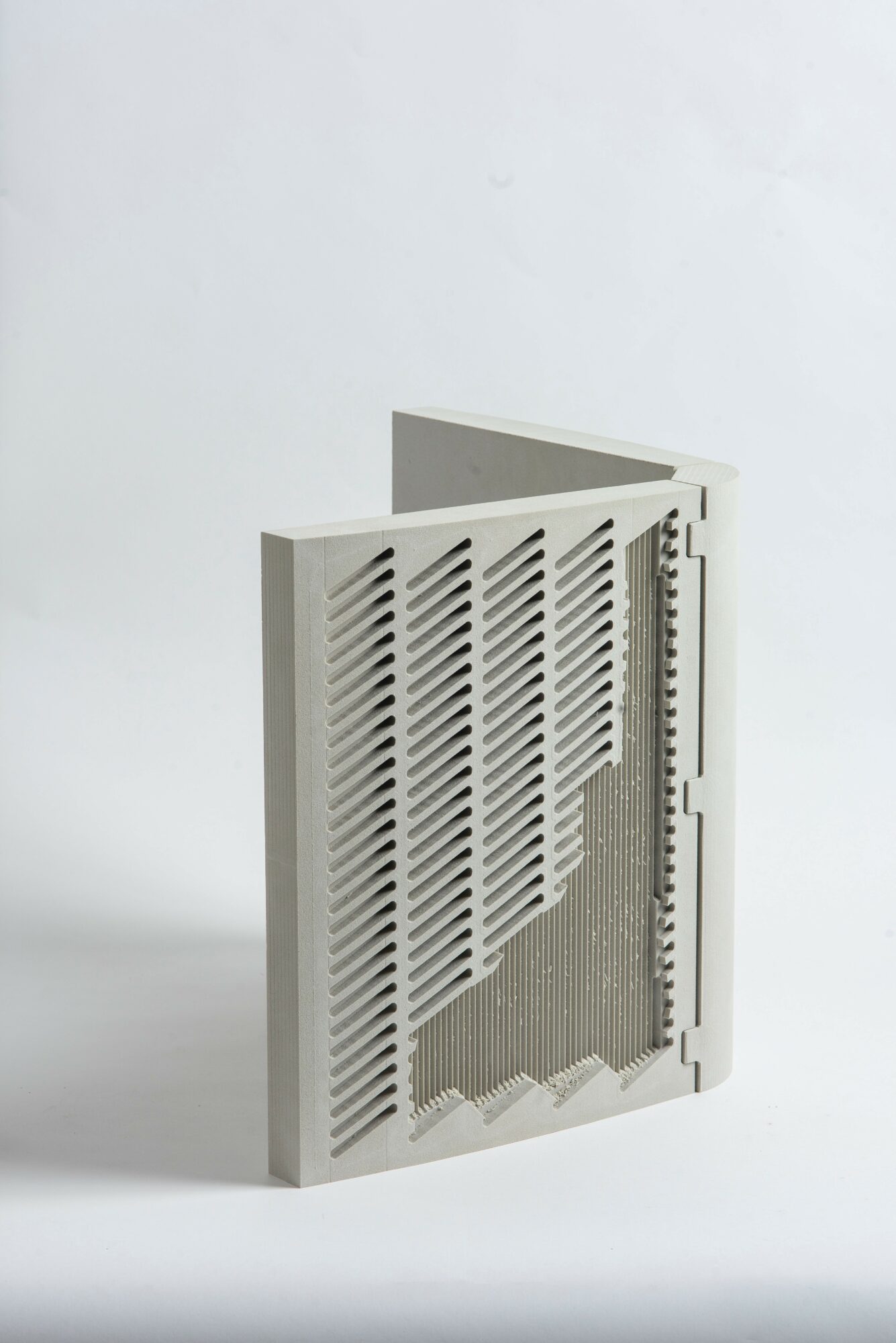
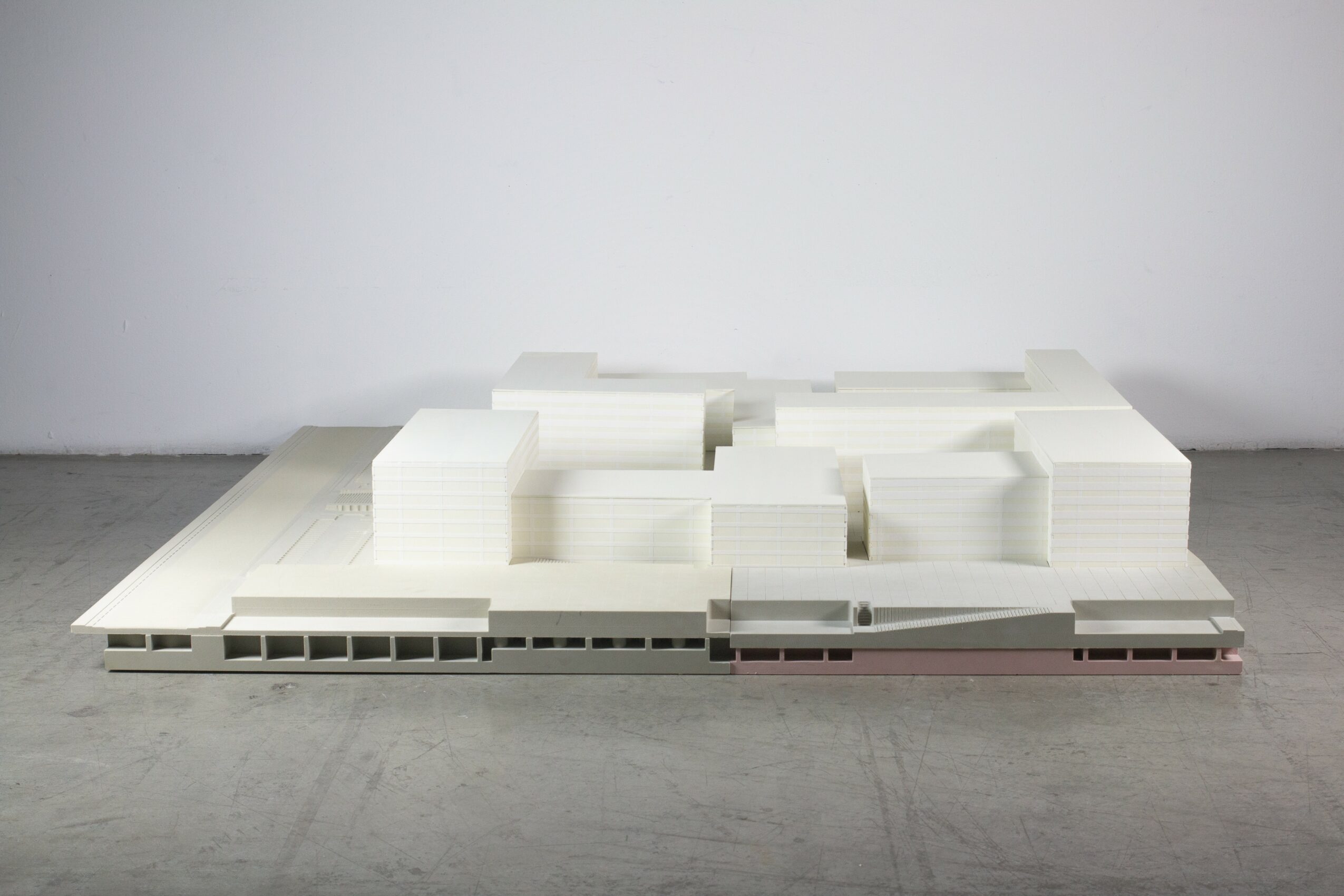


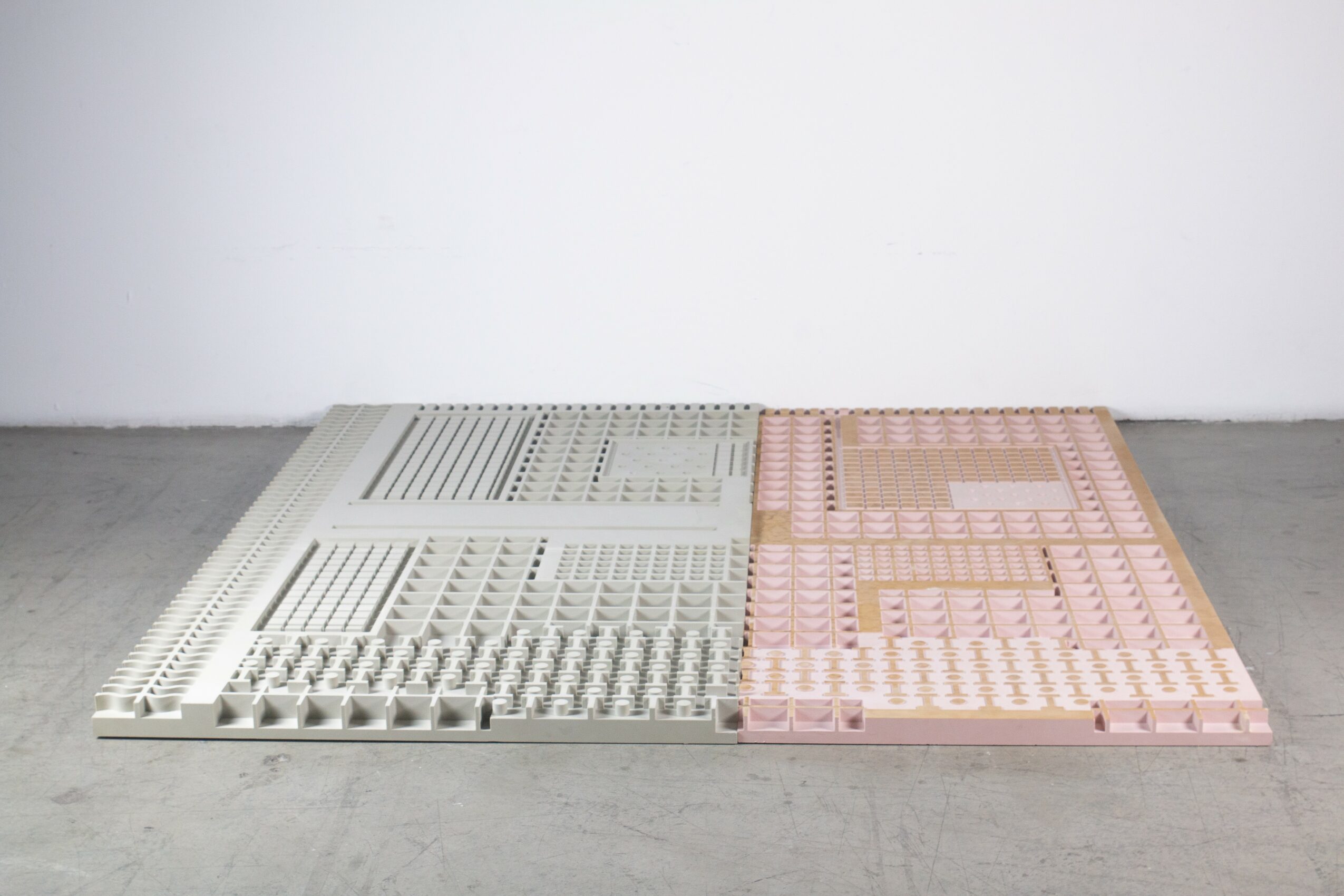

Image Credits
Biao Cao
Popular
-

A New Chapter in Orange County: Paul Madahan Elevates the PaulDavid Salon Experience
-

Portraits of the Valley
-

LA’s Most Inspiring Stories
-

Inside the Future of Search: Robb Fahrion on Building a Global Team and Leading the Rise of GEO
-

From Supporting Local Boutiques to Building Brand Partnerships: Cinthia Jensen’s Creative Marketing Journey
-

Building Community Through Curiosity: Nathanial and Samantha Rowe on the Vision Behind UNEARTHED


