



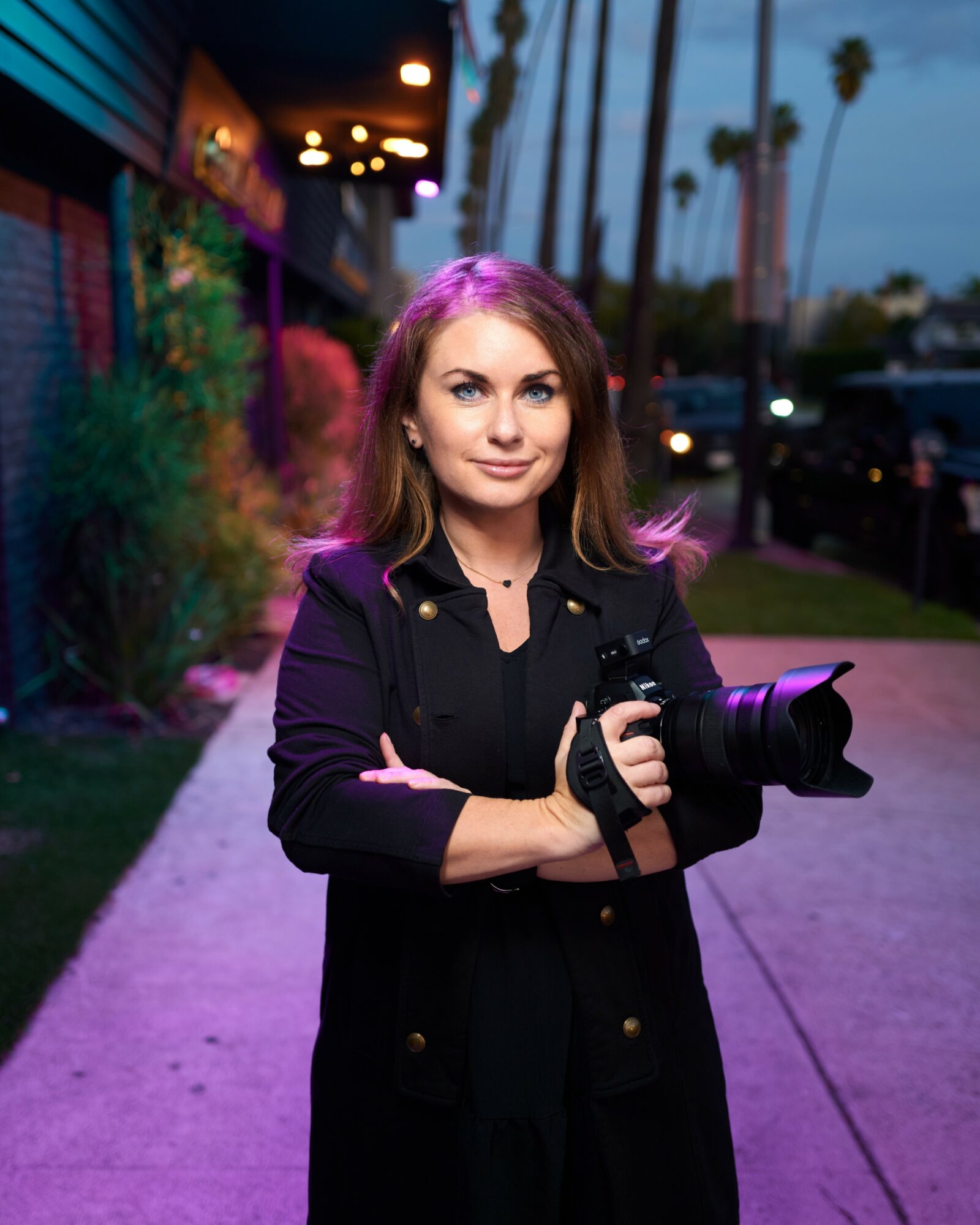
Today we’d like to introduce you to Svitlana Soroka.
Hi Svitlana, we’re thrilled to have a chance to learn your story today. So, before we get into specifics, maybe you can briefly walk us through how you got to where you are today?
I grew up in a large creative family where individuality was not just encouraged — it was cherished. My childhood was filled with paint-stained hands, clay-covered tables, and endless projects that allowed me to shape my own small world. Creativity wasn’t a hobby in our home; it was a language. My father spoke it, my sister lived in it, and years later I learned that my grandfather — a photographer — once saved his family from hunger with the very craft I eventually chose for myself.
Looking back, I think my path began long before I ever picked up a camera. I was the kind of child who noticed everything: the way sunlight shifted across a wall, the patterns in bird feathers, the “ugly” stones that everyone else stepped over but that I found irresistibly beautiful. I loved the imperfect, the overlooked, the quiet details. I didn’t know it then, but I was already learning the essence of photography — to see what others pass by.
I spent countless nights teaching myself Photoshop simply because it felt magical to transform an image with light, color, and imagination. And yet, I chose a different career first. I became a landscape designer and worked in that field for seven years. I was good at it — clients were happy, my director was proud — but inside I never felt that grounding click, that inner voice whispering, this is home.
When I finally stepped away from that profession, I entered a season of uncertainty. And then, almost casually, came a sentence that changed everything. One evening my partner looked at me and said:
“You know… you really love taking photos. Why don’t you try it for real?”
At that moment, the only camera I had was a tiny point-and-shoot we carried on trips. I had never taken photography seriously. But he saw something in me I hadn’t yet dared to acknowledge.
Still, I resisted. I didn’t believe in myself. I had no technical knowledge, no equipment, no budget for classes. And then came the gift that shifted my life’s direction — my first real camera, bought with the combined savings of my father and my then-husband. I still think of that gesture as the moment the universe gently nudged me toward my true path.
Once I started photographing, everything I had ever loved began to fall into place. My attention to detail, my sensitivity to emotion, my curiosity about people — it all came together behind the lens. Before photography, I worked for years in non-formal education with children, teenagers, parents, adults. That experience shaped my ability to listen, connect, and build trust. And in photography, trust is everything. It’s the invisible bridge between the photographer and the person in front of the camera — the place where real, honest images are born.
At some point, I realized that people don’t choose you only for your portfolio.
They choose the energy you bring, the steadiness you offer, the light you carry within yourself.
There are many talented professionals in this world. But your vision — the way you see, you feel, you connect — is uniquely yours. And when you honor that, people feel it. They return because they’re not just drawn to your work; they’re drawn to you.
So this is how my story in photography began.
Not with a camera.
Not with a decision.
But with a way of seeing — with quiet attention to the small, beautiful things that others walked past.
Everything that followed was simply the natural unfolding of that way of looking at the world.
My path in photography wasn’t quick or effortless. For the first several years, I was entirely self-taught — not because I wanted to be, but because I had no other choice. Money was tight, and professional education felt like a luxury. So I learned at night, studying my own mistakes, experimenting endlessly, slowly building my style piece by piece.
When I finally saved enough to enroll in a photography school, I walked in with the hope of “starting properly” — from the basics, from the beginning. But something unexpected happened. Two tall, confident men — the studio director and one of the lead instructors — reviewed my portfolio.
I remember sitting in front of them, small, 160 cm tall, looking up with wide eyes, waiting for their verdict.
The instructor looked at the director and said:
“We won’t take her.”
A wave of cold ran through me.
So I’m truly that untalented? They don’t even want me at the beginner level?
But the director turned to him and said something completely different:
“Why wouldn’t we take her? Look at these images. She has no place in a beginner group — she’ll be bored.”
Then he looked at me gently and said:
“Come to our masterclasses instead. Share your work. Learn with the advanced group. Starting at the beginner level would be a step backwards for you.”
It was the first moment I realized that I often judged myself far more harshly than others did. That my lifelong “modesty” — something deeply rooted in my family’s values — was both a strength and a barrier. A strength, because it kept me grounded. A barrier, because it made me blind to my own growth.
But in time, that humility became part of my signature as a photographer — respecting people, creating an environment of softness and trust, never overstepping with ego. I want people to feel like they can simply be themselves with me. Not “perform,” not impress, not be perfect — just be.
My first real photography job was far from glamorous. I worked for an online clothing store, shooting models from 9 a.m. to 8 p.m. in a never-ending cycle. It was factory-like, repetitive, exhausting. But there were good people there — and for me, the energy of the space always mattered more than the task.
At the same time, I slowly built my own name as an independent photographer. I still remember renting my very first studio — a tiny room for one month. I set an almost laughably small price for sessions, just hoping someone would come. I asked my friends to pose for me so I could build a portfolio and show the world that I existed. It was a time of creating something out of nothing — and there was magic in that.
Then came the first bigger gigs.
One of them became my painful lesson — and a turning point.
I was invited to shoot a large private event. Inspired and flattered, I said yes — not realizing I wasn’t ready. It was the nightmare setup every beginner fears: complete darkness, harsh colored spotlights flashing across faces, guests who didn’t want to be photographed, and a flash I barely knew how to use. I thought there would be other photographers. But no — it was just me.
I delivered the images, but inside I knew it was my personal failure. A necessary one.
Because it taught me something essential:
never say yes to something you’re not ready for — unless you’re prepared to grow fast and painfully.
Six months later, I was a different photographer — stronger, more skilled, more aware of who I was becoming.
With time came bigger projects. I photographed celebrities, actors, politicians, judges, musicians, doctors — people from every walk of life. I worked on film productions, documenting the process behind the scenes.
One of the most defining chapters was the two weeks I spent in Sicily with a media team covering the Taormina Film Festival — the oldest film festival in Europe.
Our schedule was relentless.
We shot the festival every evening, I edited throughout the night, delivered images by morning, slept for a few hours, and began again.
I lost a lot of hair from exhaustion.
I spent my days surrounded by strangers, building relationships, navigating new circles, understanding how to fit into spaces I had never seen before. It was thrilling and draining at the same time.
There, I photographed Nicole Kidman on the red carpet, along with countless European film icons, directors, and producers. I shot private, invitation-only parties — including events hosted by Dolce & Gabbana.
One of the most unforgettable moments was the Alta Moda show — an exclusive runway staged in an ancient hilltop temple. For years, crews built temporary floor structures to protect the sacred ground. As the sun set, models with golden and silver wings walked down the runway, accompanied by music that rose from delicate to explosive. I saw grown cinematographers cry — literally cry — from the beauty of the scene.
⸻
Sicily felt like living an entire lifetime in two weeks.
There were nights when I had to sneak into closed events disguised as a guest — camera hidden in the folds of my dress, high heels clattering on stone streets. Once, a journalist and I had to hide from event security who were searching for unauthorized photographers. We sat casually on a bench by the sea, pretending to be tourists, then ran through narrow alleys and hid in a garage until someone came to escort us to the rooftop where the private event was happening.
Every shot had to be delivered within 15 minutes.
Every moment was adrenaline.
Every day — a new story.
⸻
When people ask about the most memorable moments of my career, I always smile — because there are too many to count.
I’ve traveled to 45 countries.
For me, traveling is visual poetry — each place becomes a folder of thousands of images.
People often say they “take a lot of photos on trips.”
But I always laugh and think:
Try traveling with a photographer once — and you’ll discover what “a lot” really means.
Everything I’ve lived — every failure, every leap, every encounter — has shaped the photographer I am today.
A photographer who sees deeply.
Feels deeply.
And finally knows:
I’m exactly where I’m meant to be.
We all face challenges, but looking back would you describe it as a relatively smooth road?
I don’t think there’s such a thing as an “easy path” in any creative field.
It all depends on how you choose to look at life.
You can see your path as something heavy and difficult —
or you can see it as a fascinating journey.
You can look at challenges as obstacles —
or as opportunities, as growth points, as doors into new parts of yourself.
Starting anything from zero is never simple.
It means stepping into the unknown, facing your own fears, insecurities, and imperfections — the ones only you know about and hope others never see.
But it’s always about perception. About how you choose to move through it.
I was lucky in many ways. I had people around me who believed in me, who supported me. And even when no one was physically near, I always had myself to lean on.
In my family, my sister and I grew up with one simple message:
“You can be anyone. You can do anything. Just decide what you want — and start.”
That mindset became a quiet engine inside me.
One day I simply thought,
“Why not?”
And chose photography.
I was also fortunate to be surrounded by good people throughout my life — friends, colleagues, acquaintances. They helped, guided, recommended me, sent clients my way. Almost all of my early clients came through word of mouth. And in a way, it became my form of protection:
if someone came through someone I trusted, I already knew they were a good person.
So no, the path wasn’t easy.
But it was meaningful.
And it remains an ongoing journey — I’m just standing on the next step now.
Moving to the United States opened an entirely new world for me.
Being a photographer here and being a photographer in Ukraine or Europe are two completely different experiences. It’s a different culture, a different rhythm, a different philosophy of what a “good image” even means.
In Ukraine and Europe, there is a strong emphasis on polish — on the perfect, glossy, meticulously refined picture.
Here, in the U.S., I’ve noticed something else:
a love for naturalness, authenticity, the emotion of the moment, the magic of the real.
I resonate much more deeply with that.
Yes, I am an aesthetic person — but I’m an aesthetic of the soul, not just of visuals. What matters to me is the feeling inside the frame, the truth of the moment, the human connection.
And American clients value exactly that.
With them, I feel like we’re on the same wavelength.
Here, people care about atmosphere, trust, sincerity — about the emotional imprint the photograph leaves behind, not just how technically perfect the image looks. And when someone tells me that we created something special together just steps from their home, in an ordinary place, that means more to me than any magazine-perfect image ever could.
Because that is the true essence of my work.
Thanks for sharing that. So, maybe next you can tell us a bit more about your work?
I’ve never been the kind of person who says, “I’m proud to be a photographer.”
That’s not how I was raised.
In my family, pride was always tied to character — to who you are, what you bring into the world, how you treat others. I was taught to be proud of kindness, honesty, empathy, humanity. So for me, photography is not an identity. It’s a tool.
A language.
A way for my soul to express itself.
When I was a child, I painted with pencils and watercolors.
Today, I paint with light, shadow, emotion, and atmosphere.
My camera is simply the medium through which I create.
If there is something I am truly proud of, it’s not the title of “photographer,” but the fact that people feel good next to me.
I have a small inner superpower — I feel people. Their energy, their mood, their inner rhythm. And I’ve noticed that people tend to relax around me. Their shoulders drop, their breath softens, their eyes become warmer.
Clients often tell me about the energy they feel from me — and I feel theirs in return. It’s as if I’m a receiver that catches the signal and then sends it back into the world through the photograph.
But this ability isn’t just mine.
It’s the result of how I was raised — with love, with creativity, with emotional openness. I was given the space to remain sensitive, artistic, intuitive. And if I can say I’m proud of something, it’s that I managed to preserve that purity inside myself, even as life grew more complex.
Throughout my life, I’ve been blessed with good people.
Kind people.
People who helped me, believed in me, gave me opportunities, recommended me, trusted me. And because of that, I always try to help others in return.
During difficult periods in my life, I often felt an inner pull to give back. That’s how I ended up volunteering for a project raising funds for children with heart defects. I simply walked in and said:
“I’m a photographer. How can I help?”
It led me to extraordinary people and unforgettable experiences.
One of them was photographing dozens of children in a care center — children with severe health conditions, cerebral palsy, limited mobility, children who could not hold their heads still or focus their eyes. We brought a backdrop, and right there on the spot, we learned how to work with each child individually — slowly, carefully, respectfully.
It was emotionally intense, but also one of the most beautiful experiences of my career.
Because in that place, surrounded by devoted caregivers who were like second parents to those kids, I saw what love looks like in its purest form.
But perhaps the thing I am most proud of — the one that still brings tears to my eyes — is the work I did with homeless dogs in Ukraine.
I love animals deeply. Especially dogs.
And when I helped shelters find homes for abandoned dogs, photography became my contribution.
I didn’t just take pictures.
I tried to capture the soul inside their eyes — to show the softness, the hope, the longing for a family. And sometimes, after a shoot, I would receive a message:
“We saw the photo and knew immediately — this is our dog.”
Every time I read those words, I felt chills all over my body.
Because in that moment, an image changed a life.
The life of an animal.
The lives of the people who welcomed it into their home.
The life of a family that suddenly found a friend.
There is nothing more meaningful than that.
No award, no red carpet, no high-profile event can compare to knowing that your photograph made the world a little kinder.
If there is anything I am truly proud of, it is this:
That through my work — through my way of seeing — I am able to give something real and human back to the world.
Everything else — the projects, the events, the opportunities — they are just consequences of doing the right things with the right heart.
Photography truly can change lives.
And that, to me, is the most important thing.
What matters most to you? Why?
When people ask me what truly matters to me, I think not only about work, but about life itself.
Because who I am as a photographer cannot be separated from who I am as a person. They are one and the same.
When it comes to human relationships, the most important things to me are honesty, sincerity, kindness.
Integrity.
Respect.
Openness.
I value people who know how to be real — without masks, without pretending, without trying to be someone else. Authenticity creates trust instantly. And trust is the foundation of everything I do.
When it comes to my work, what matters most to me is feeling the moment — knowing deep inside that what we’re creating together is honest. I don’t like anything artificial. It always shows, and it always takes the emotion away.
For me, the perfect photoshoot is when we’re on the same wavelength.
When we understand each other without too many words.
When the person in front of the camera isn’t “posing,” but living the moment.
I always tell my clients:
“You must enjoy this session. Otherwise, it has no meaning.”
If someone doesn’t experience the emotion, if there is no joy or spark during the shoot, the photos will be just images — nothing more.
But when the moment is real and the feelings are genuine, the photographs hold that energy. They become meaningful. Alive. Emotional.
Because photography is never just about the outside.
It’s about the inside.
About the memory that remains long after the moment has passed.
After the war began in Ukraine, the word “important” took on an entirely new meaning for me.
Now, important means peace.
Safety.
The ability to live without fear, to dream, to create, to build, to love, to be close to the people who matter.
Things we once took for granted became priceless overnight.
Throughout our lives, we each have our own inner gaps — places that need to be filled with something bright: a family, a home, a project, a creation. We all search for what feels personally meaningful.
And eventually you realize something essential:
importance is not objective.
It exists only because we give it meaning.
There is a phrase that I’ve learned through experience, one that feels truer with every year of my life:
“Reality exists only as long as we agree with it.”
The same is true for importance.
Whatever we choose to value becomes valuable.
Whatever we acknowledge becomes real.
And maybe that’s what true adult freedom is — understanding that the world gains meaning only when we ourselves fill it with meaning.
Contact Info:
- Website: https://www.svitlanasoroka.com
- Instagram: https://www.instagram.com/svetlanasorroka?igsh=NTc4MTIwNjQ2YQ%3D%3D&utm_source=qr
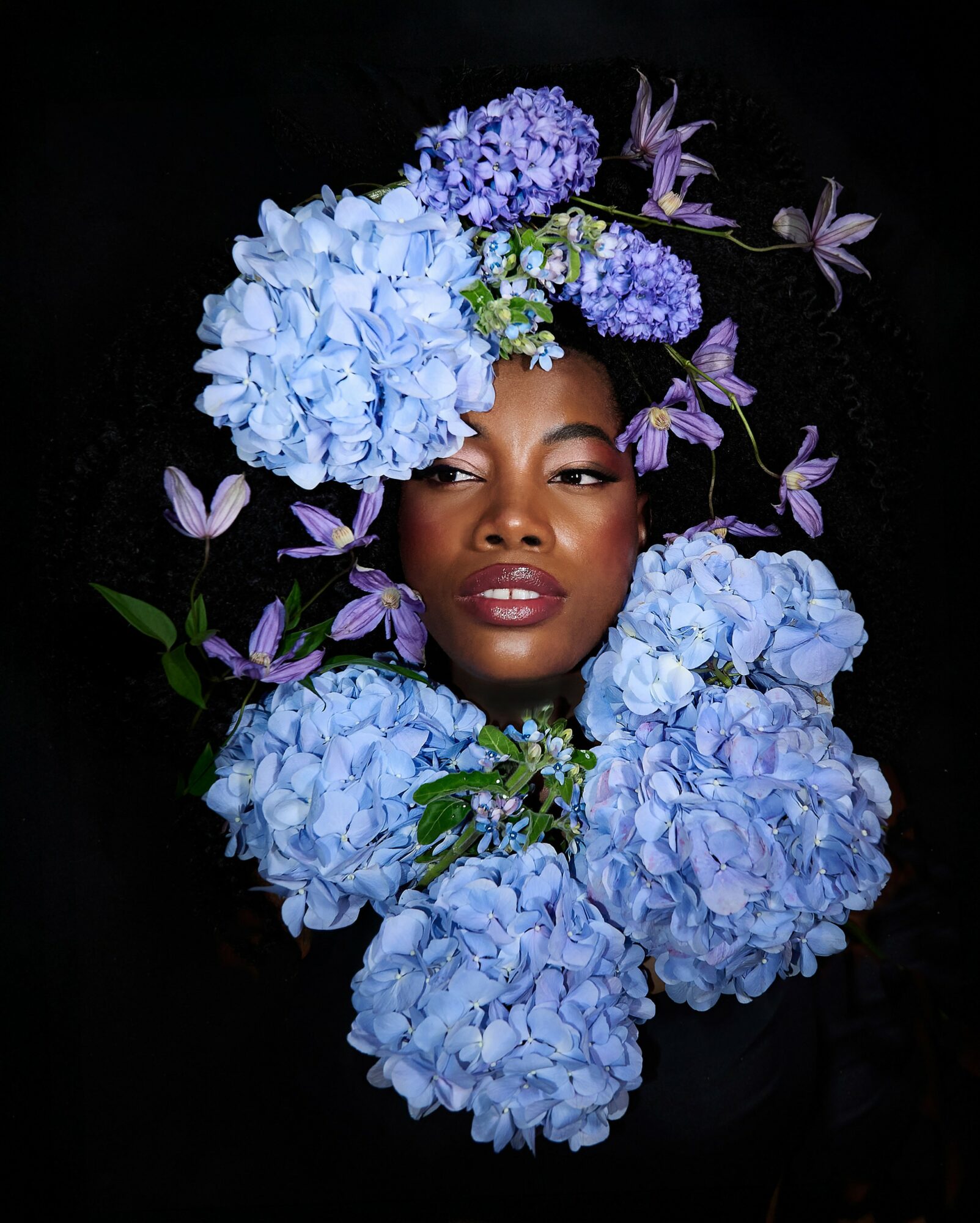
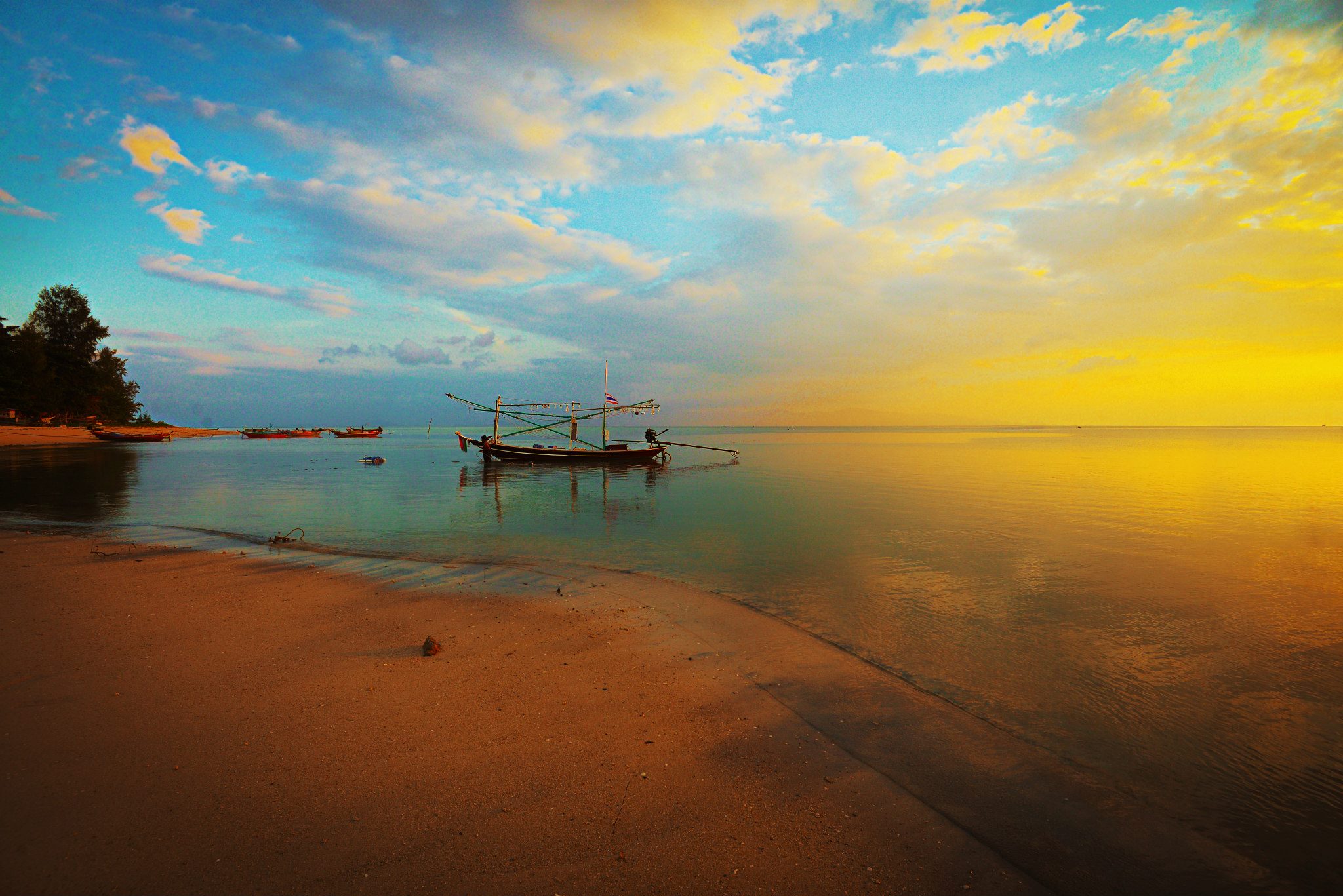
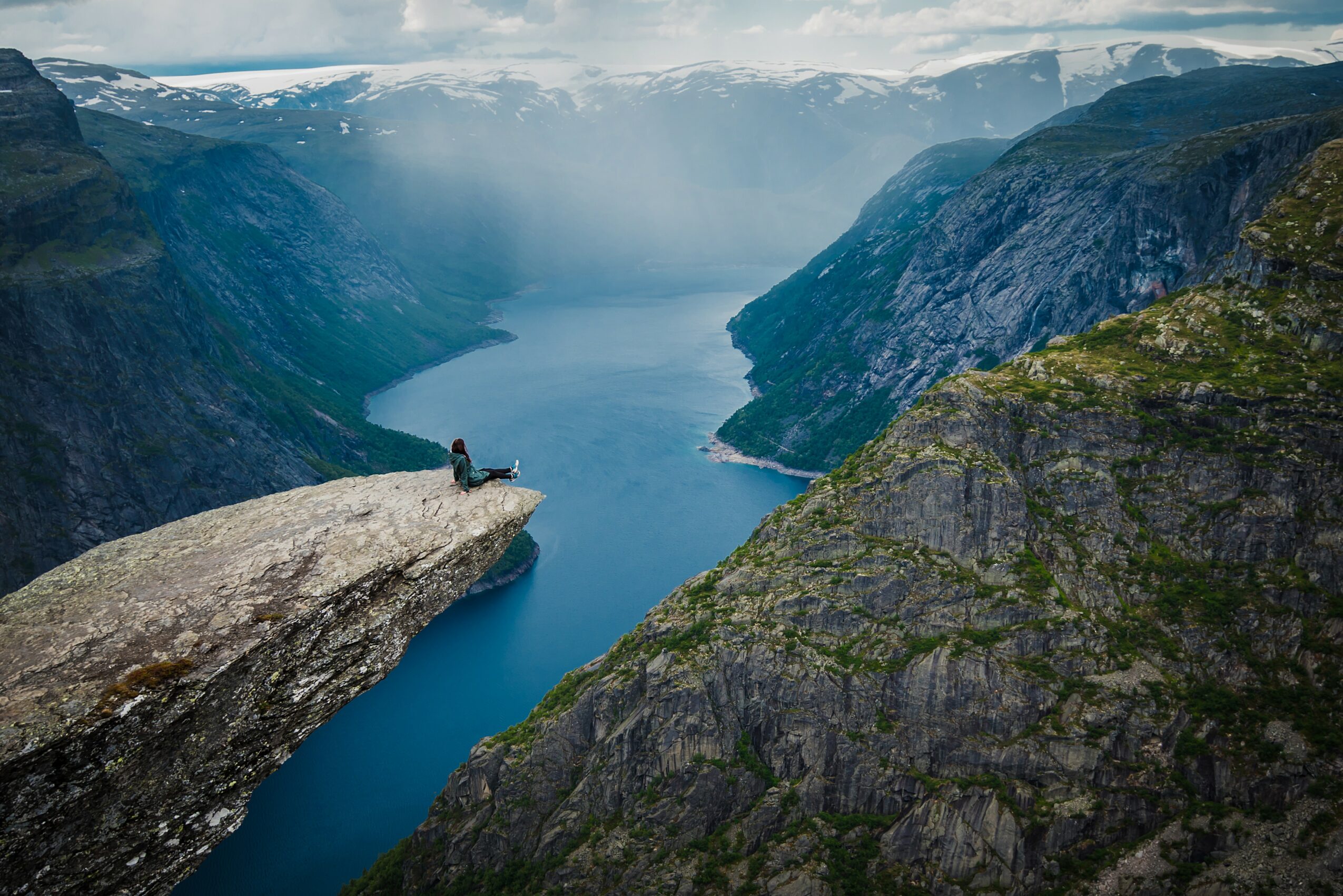
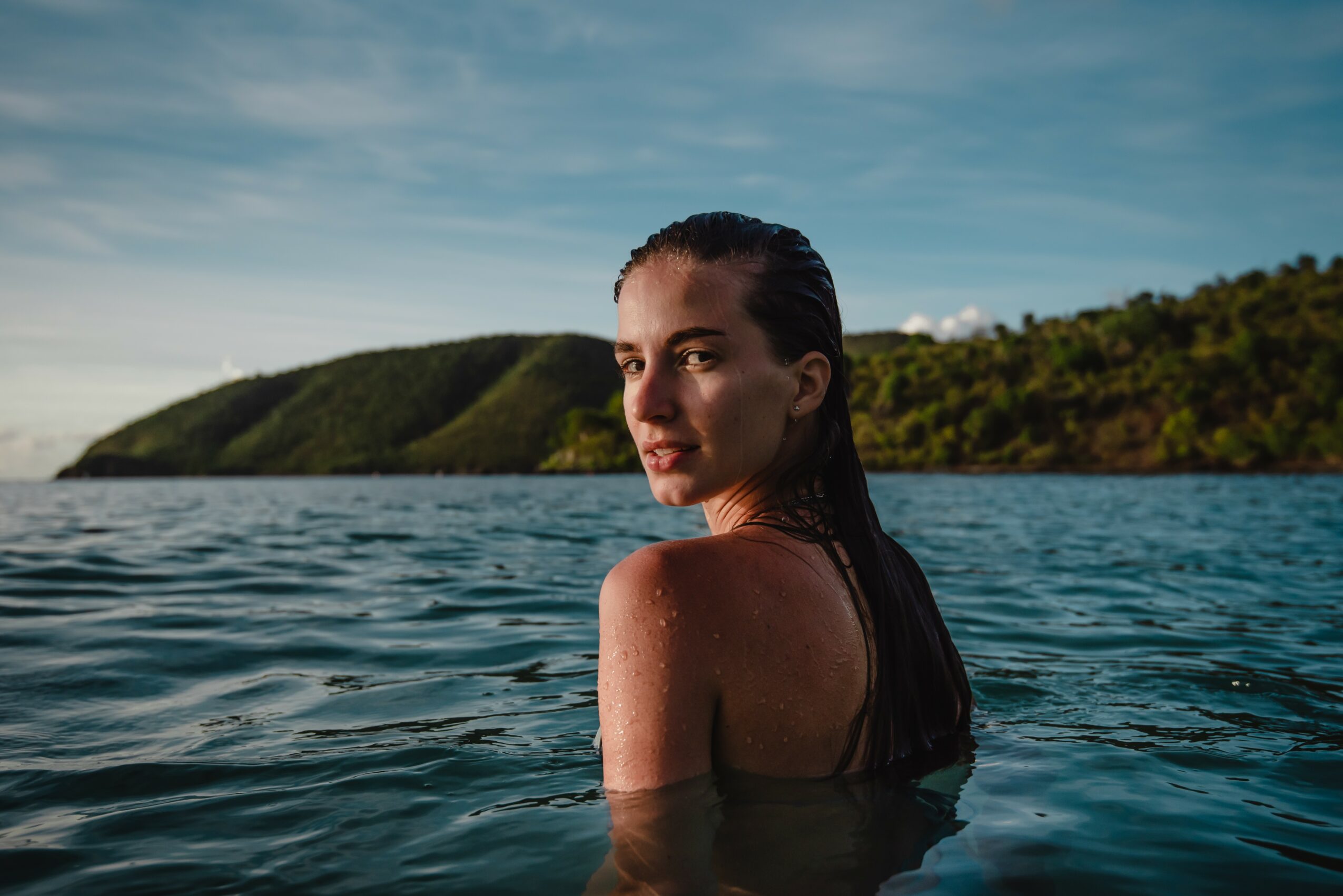
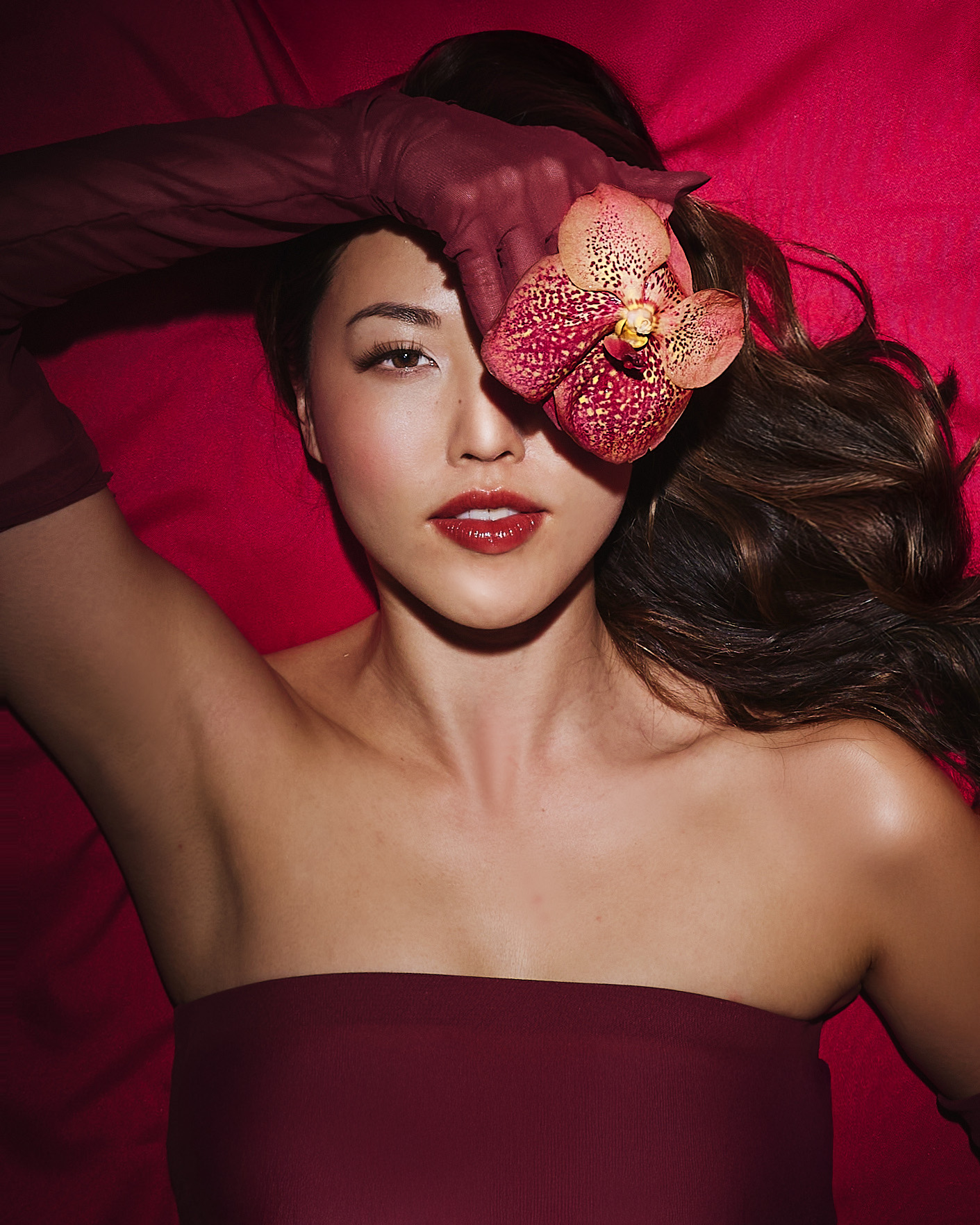
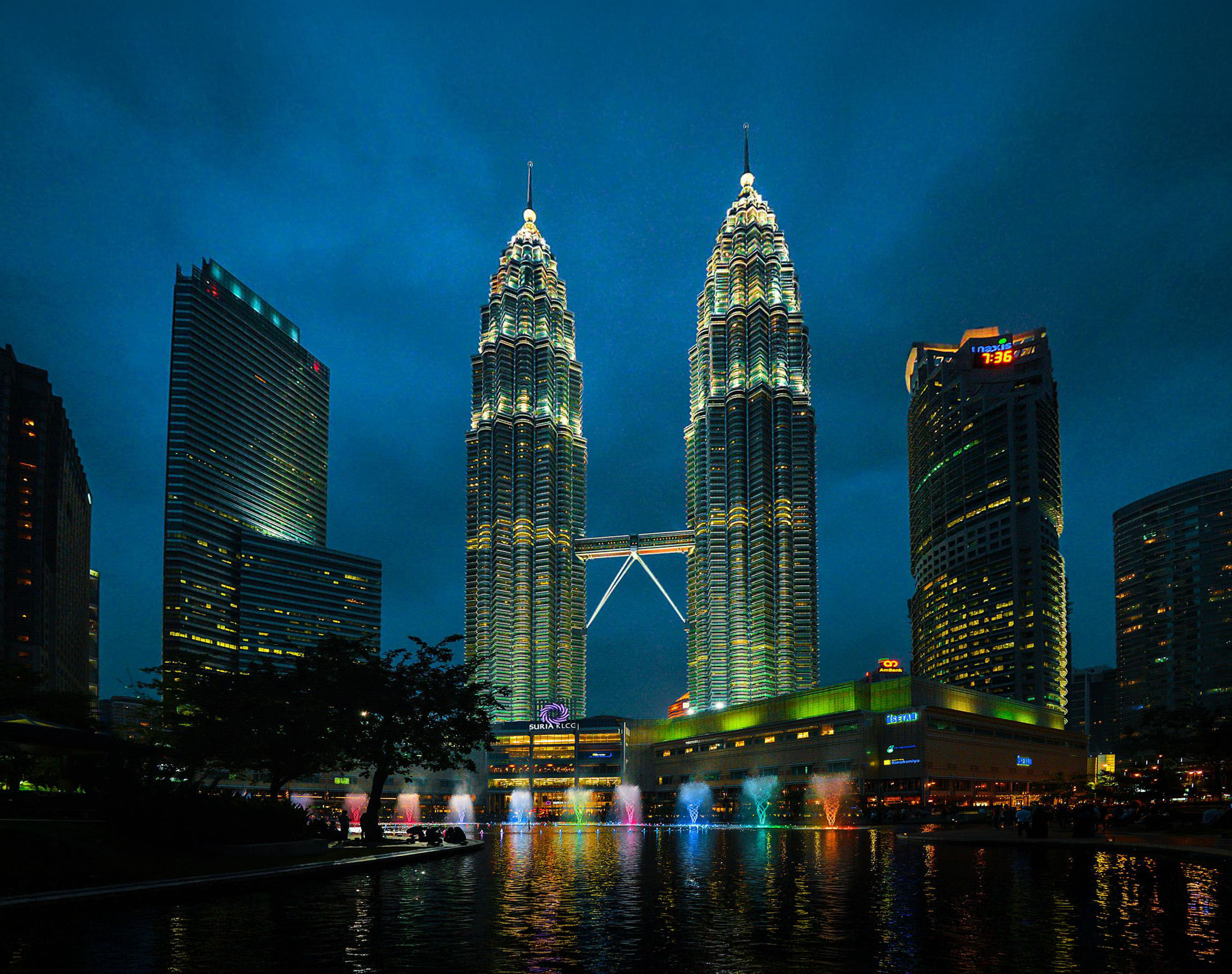
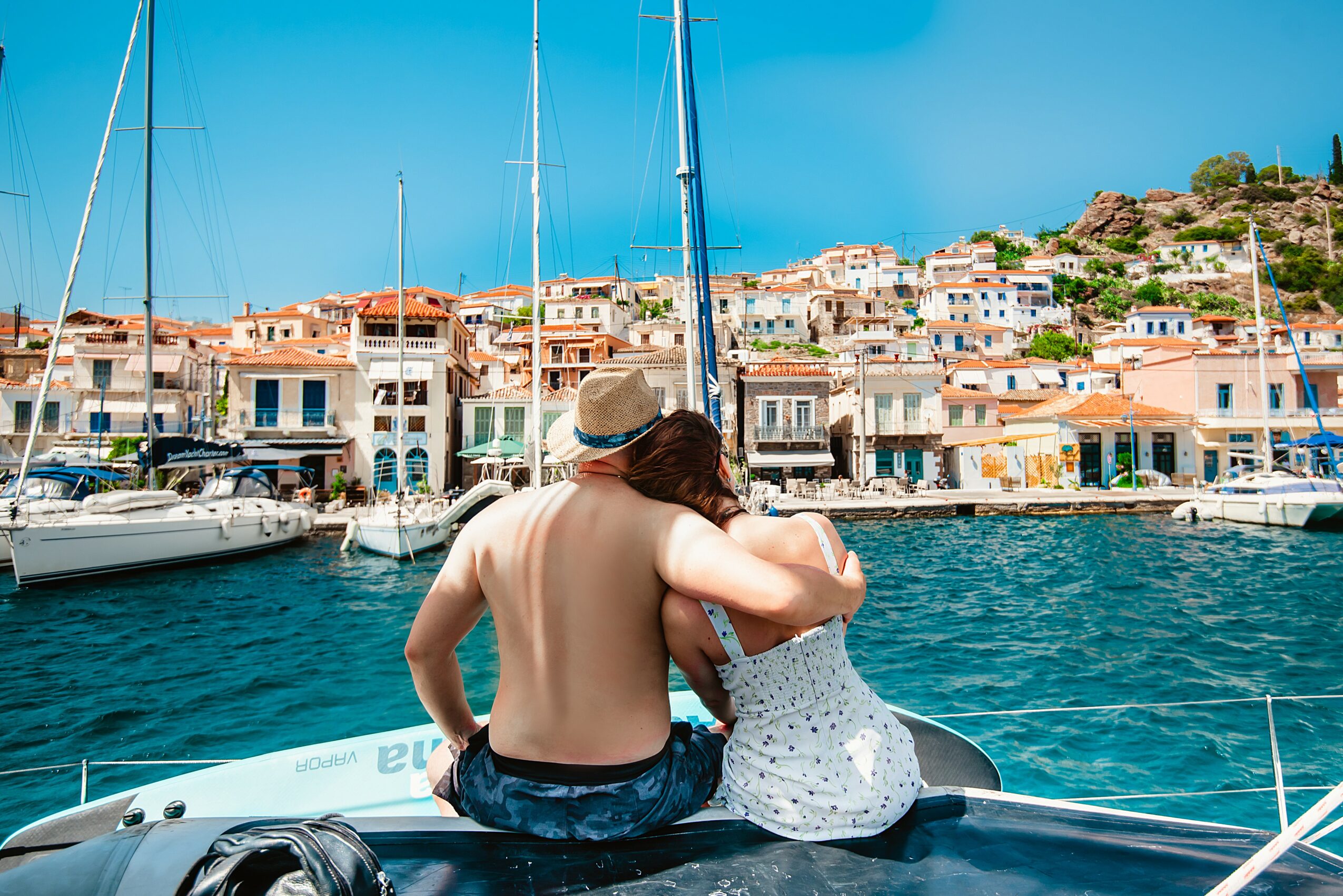
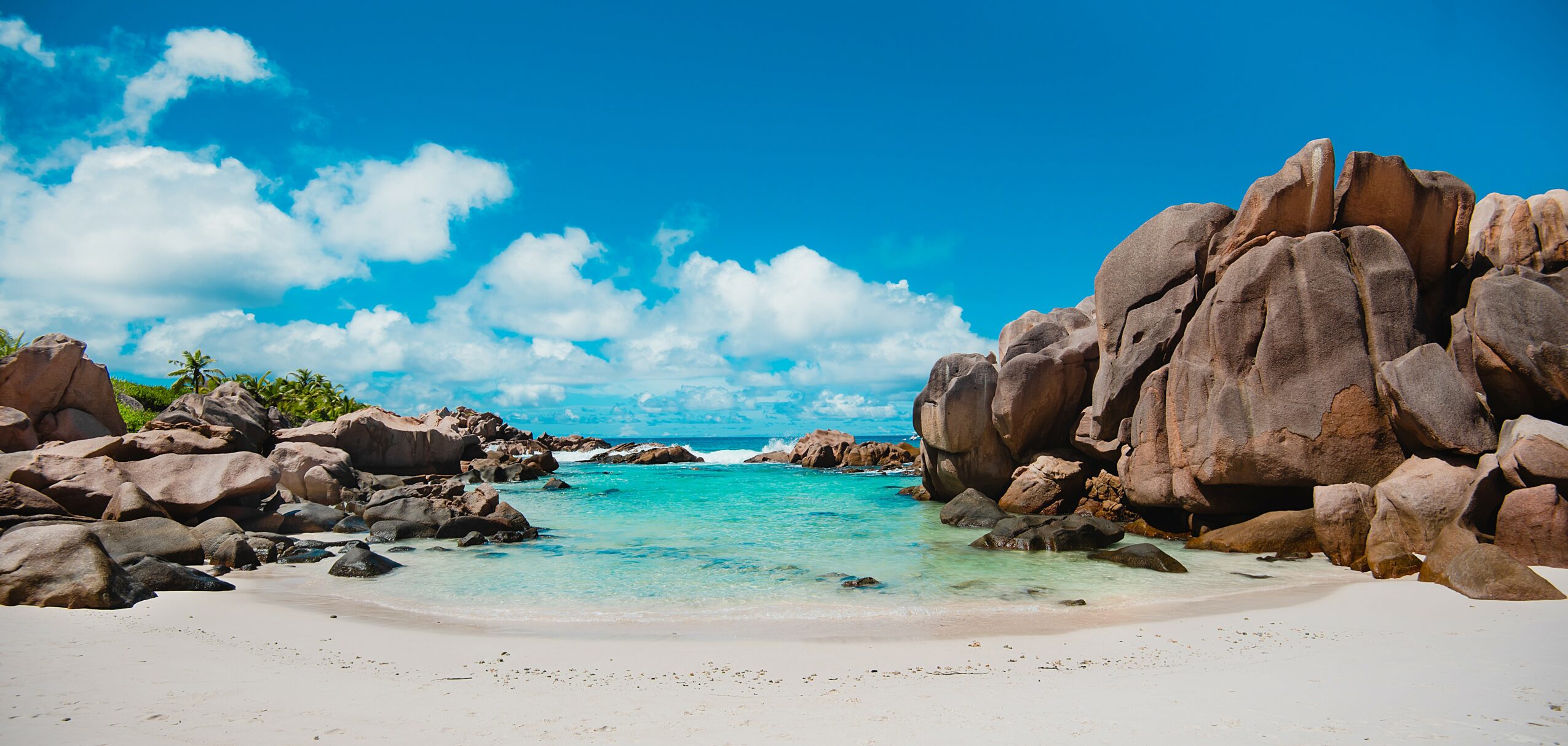
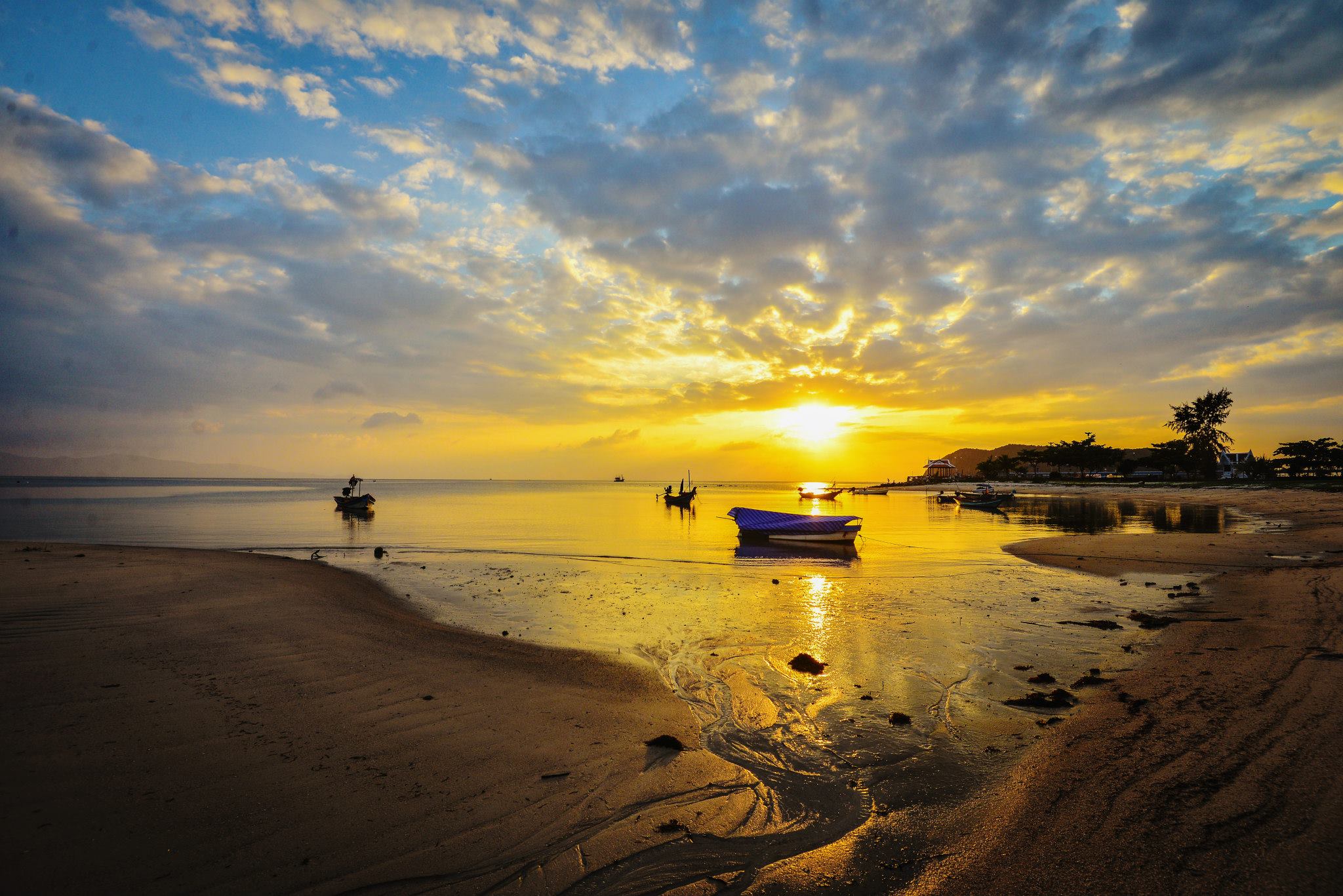
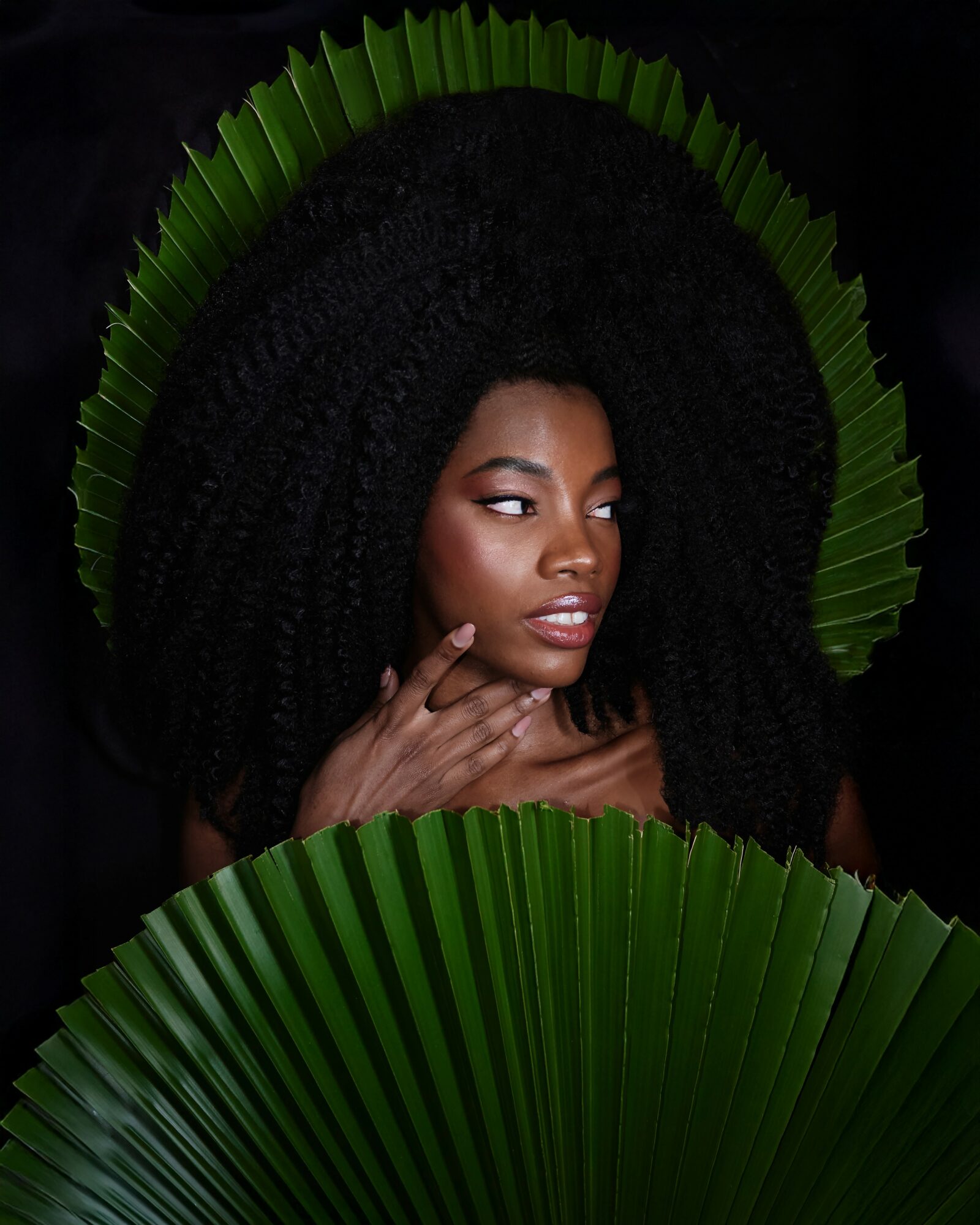
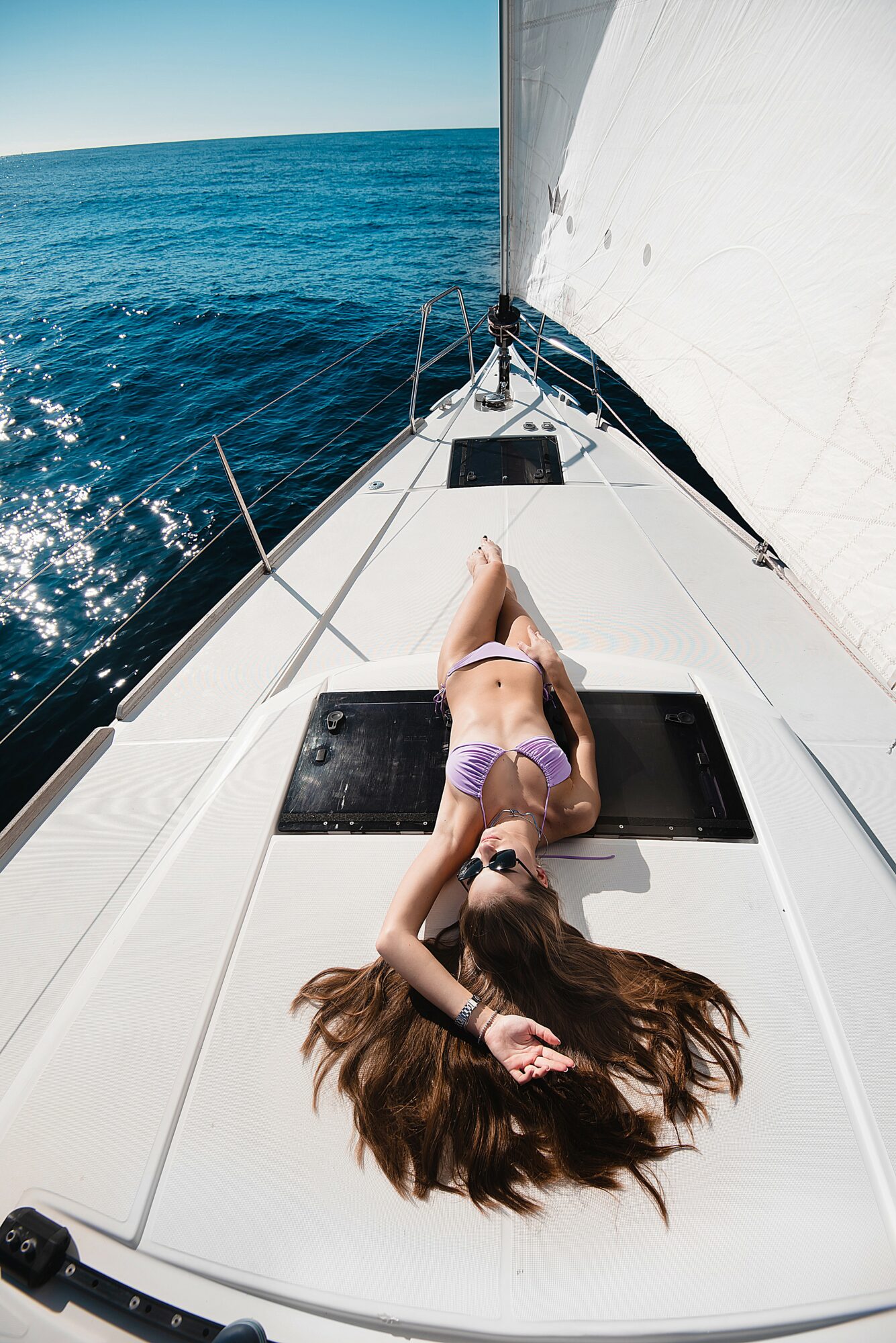
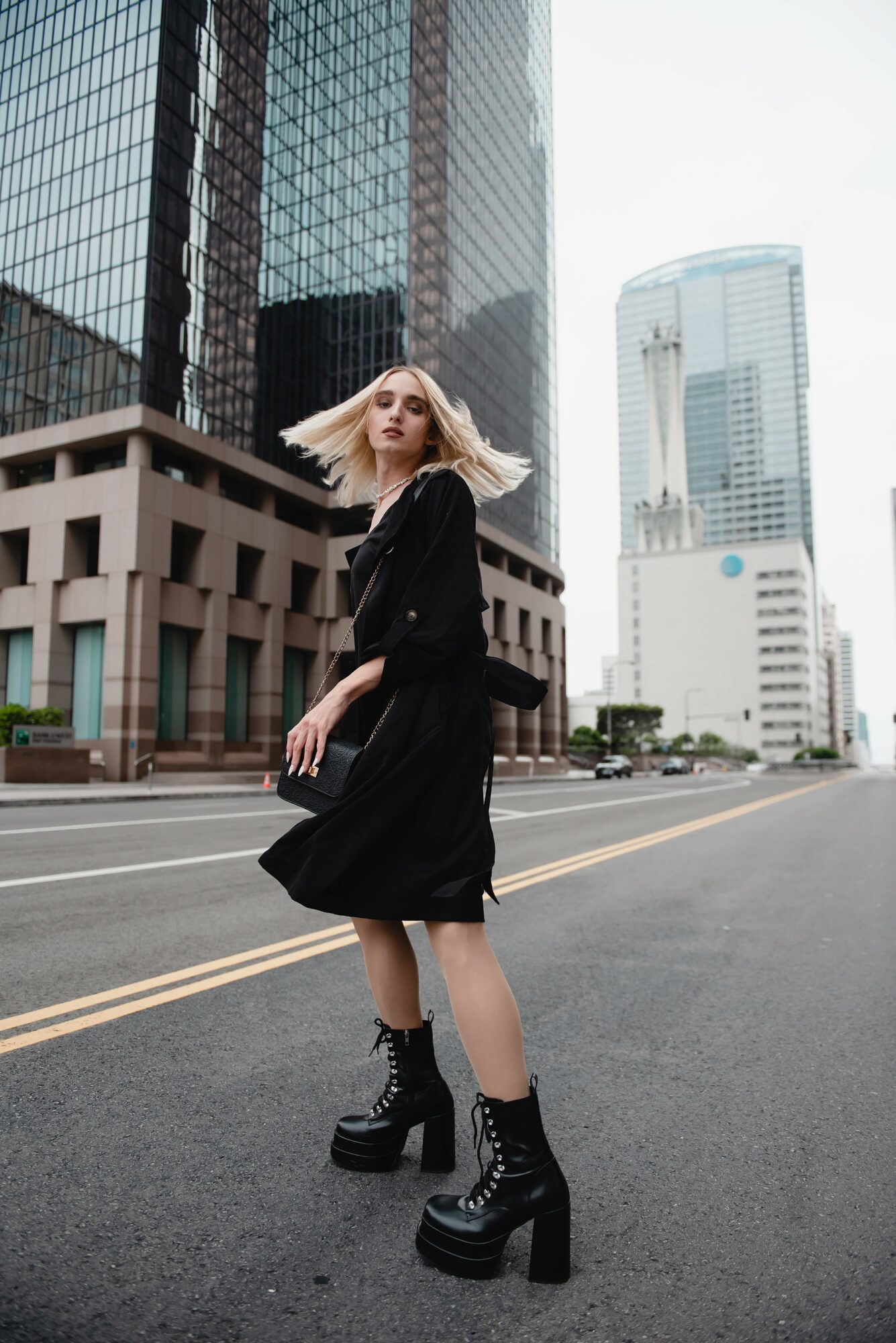
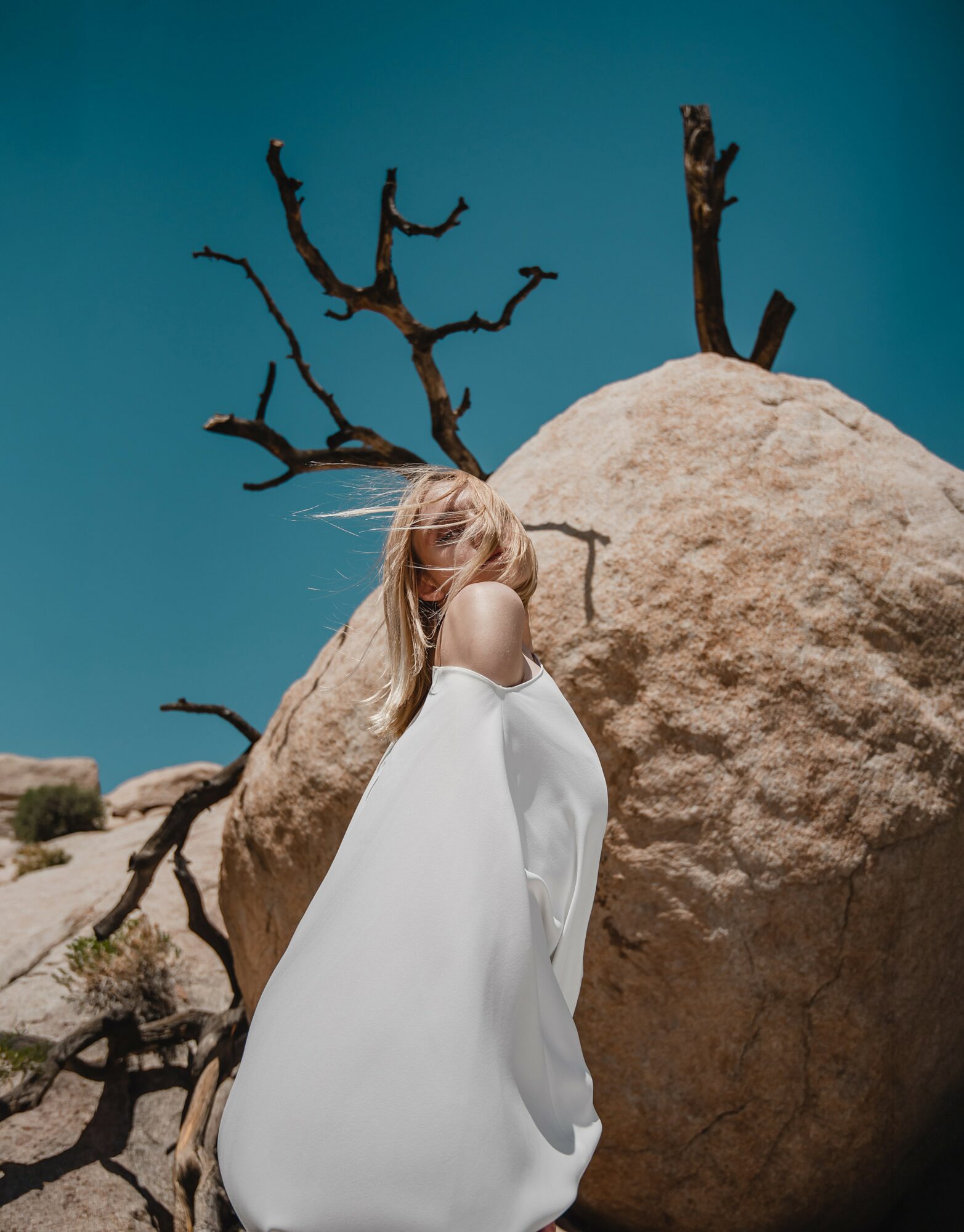
Image Credits
All the photos were taken by me.
Popular
-

Portraits of the Valley
-

LA’s Most Inspiring Stories
-

Inside the Future of Search: Robb Fahrion on Building a Global Team and Leading the Rise of GEO
-

From Supporting Local Boutiques to Building Brand Partnerships: Cinthia Jensen’s Creative Marketing Journey
-
Building Community Through Curiosity: Nathanial and Samantha Rowe on the Vision Behind UNEARTHED
-
Building Creative Bridges: Torrey Tayenaka on Community, Collaboration, and the Future of Sparkhouse


