



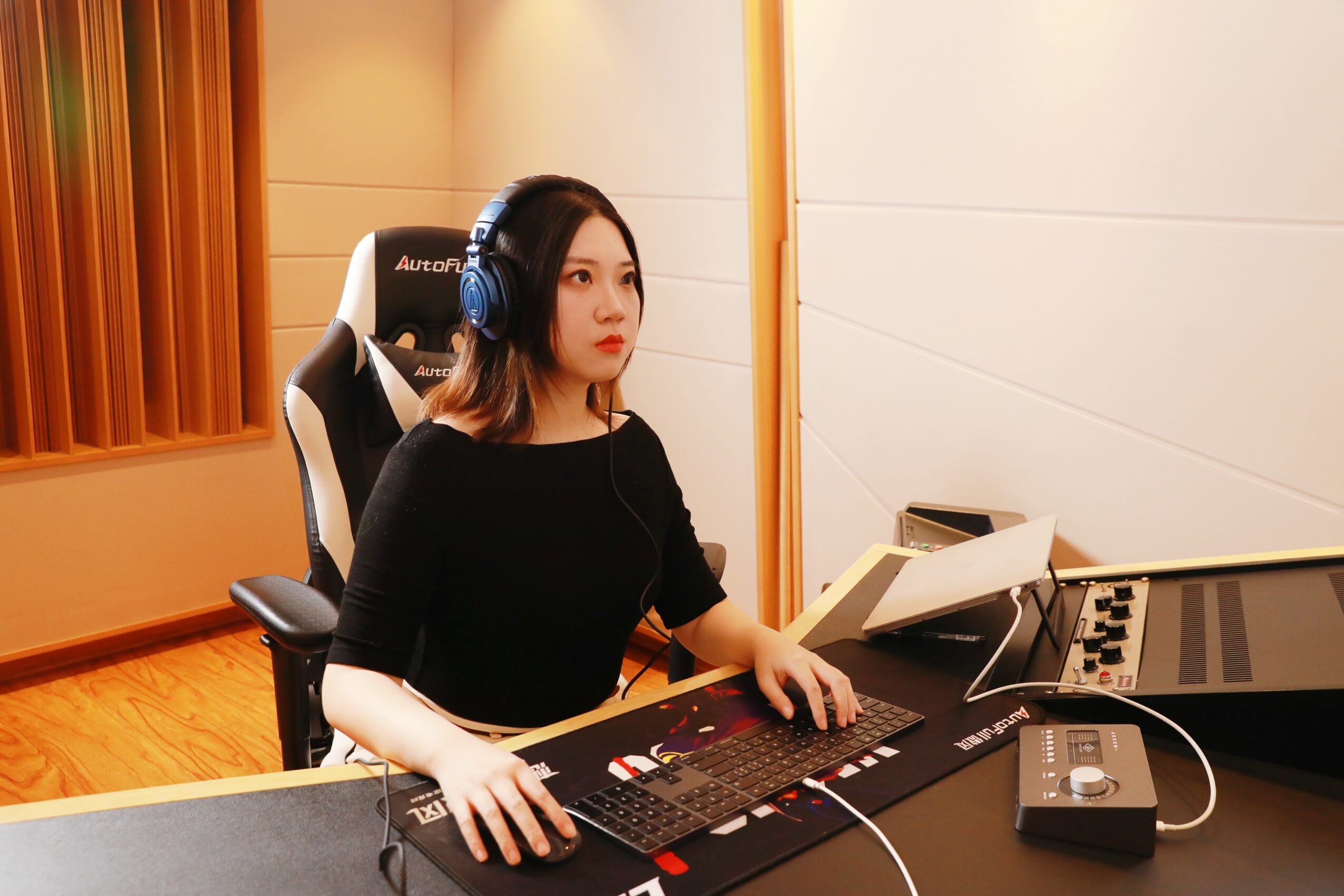
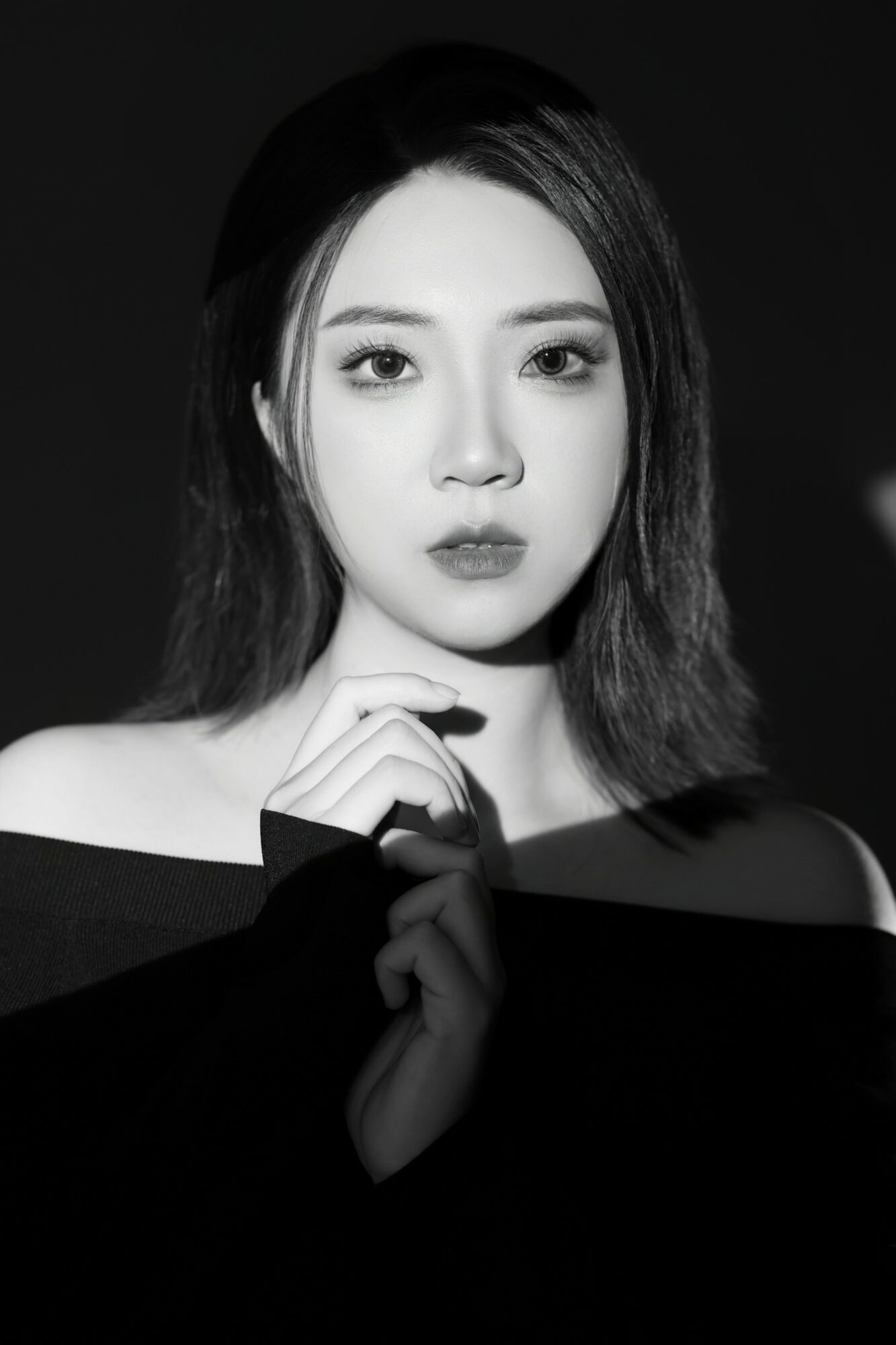
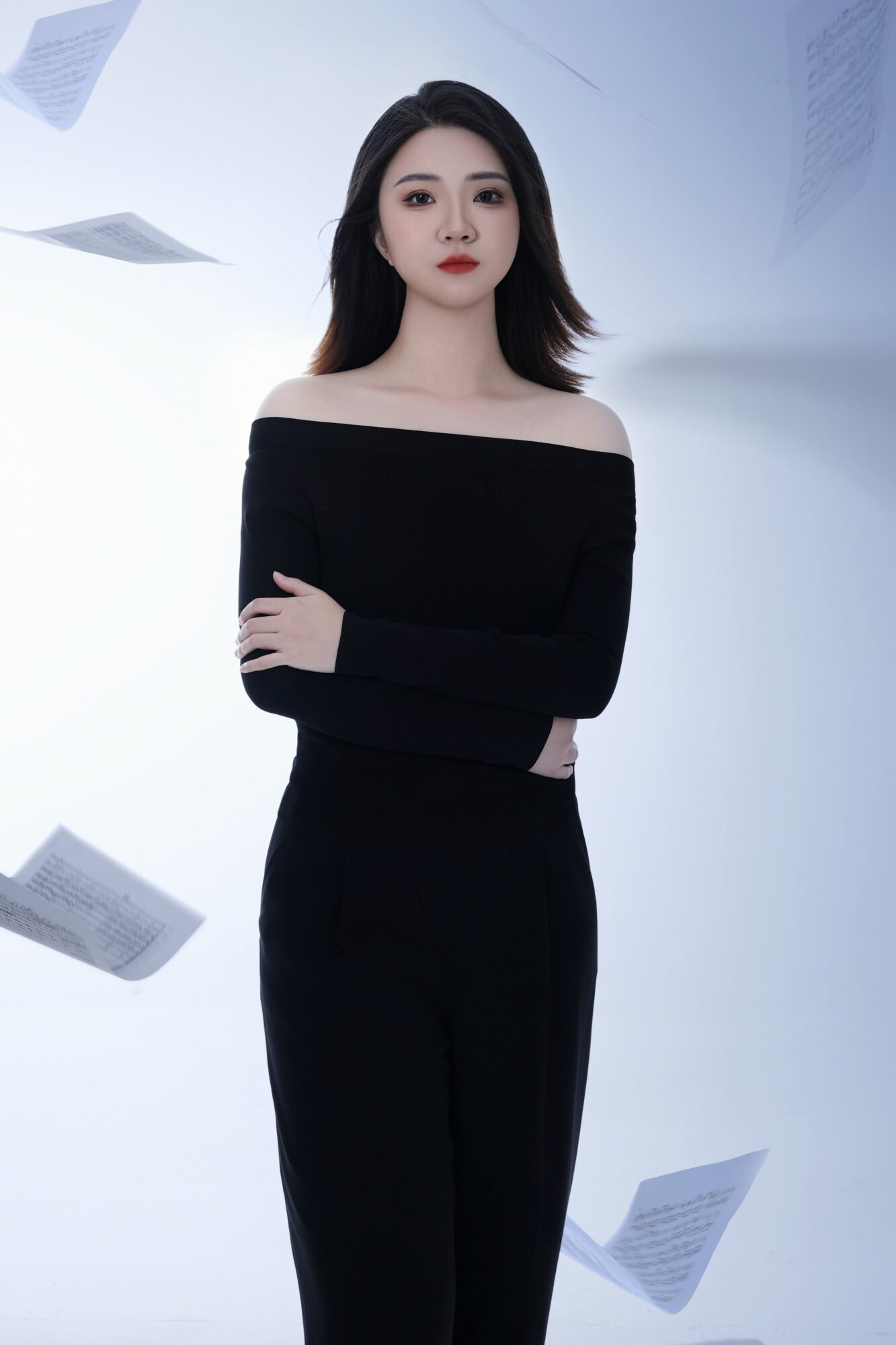
Today we’d like to introduce you to Shixin Zhang.
Hi Shixin, could you tell us a little bit about your story, how you started, and how you got to where you are today? Brief or
detailed.
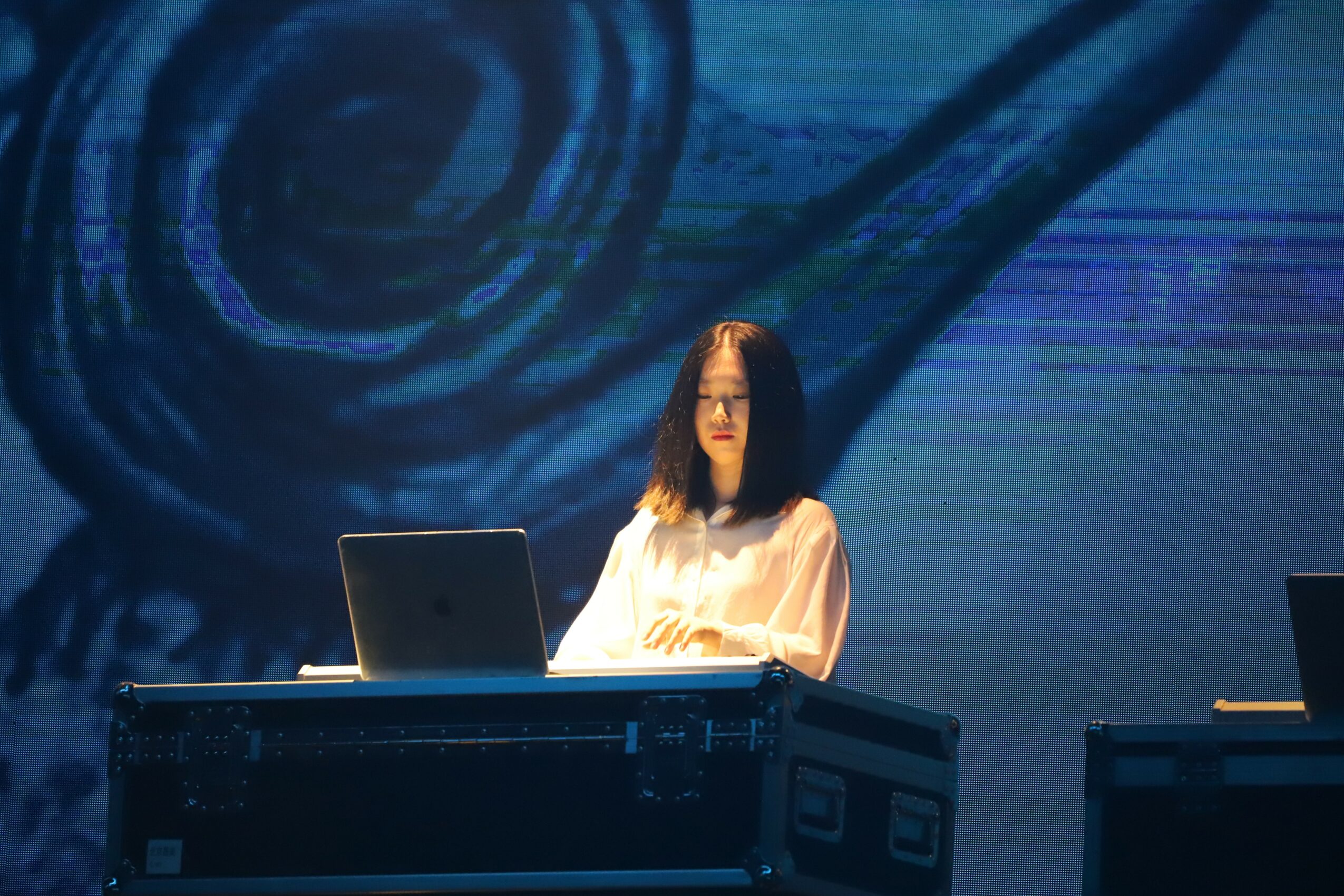
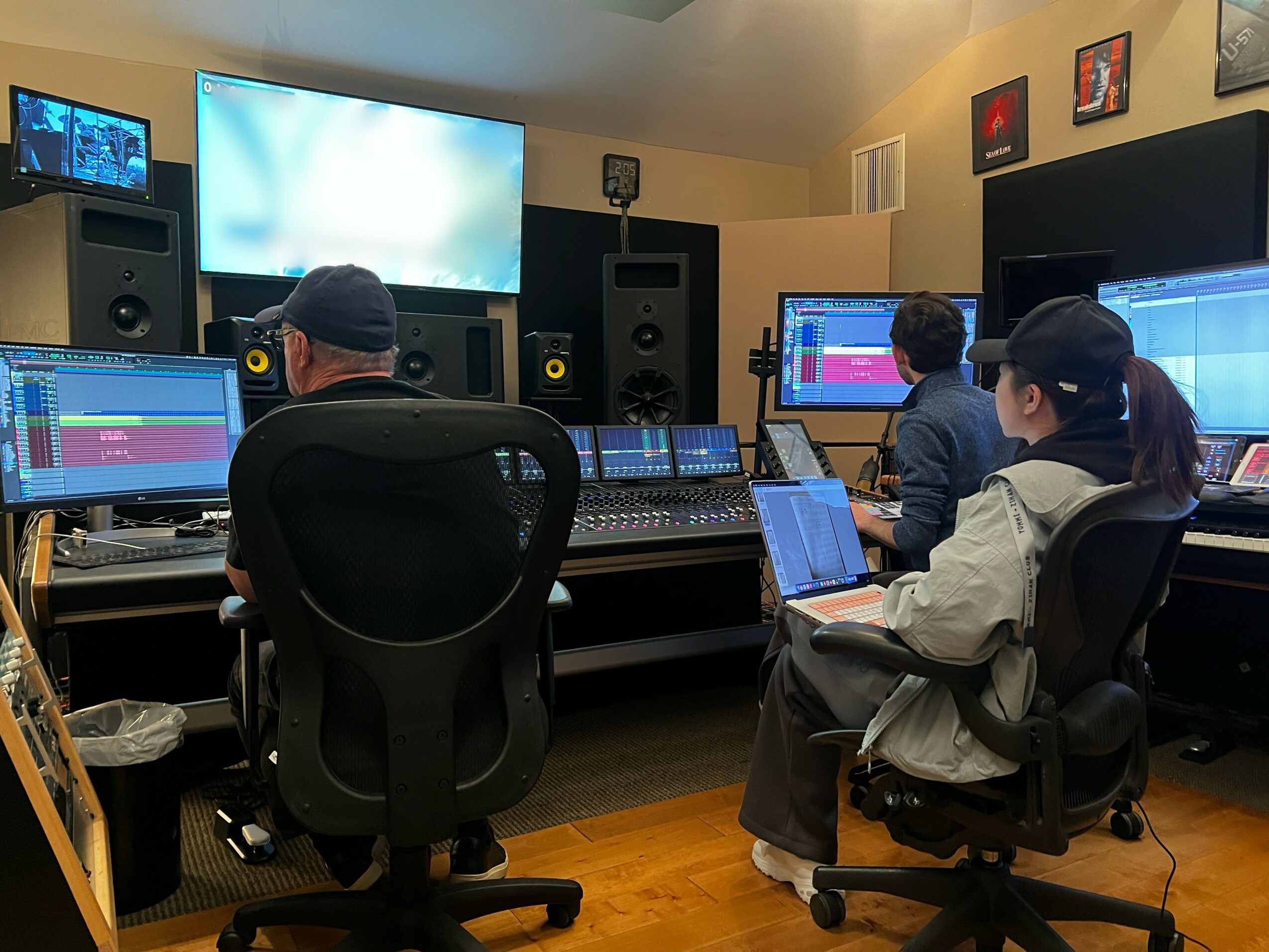
Hi, my name is Shixin Zhang, a composer based in the Los Angeles area. I am currently running my own music company, Infinity Tunes LLC. I earned my bachelor’s degree in Electronic Music Production and composition from the Communication University of China and my master’s degree in Music Scoring for Visual Media from the Jacobs School of Music. I has created a wide range of original music for films, television series, animations, and video games.
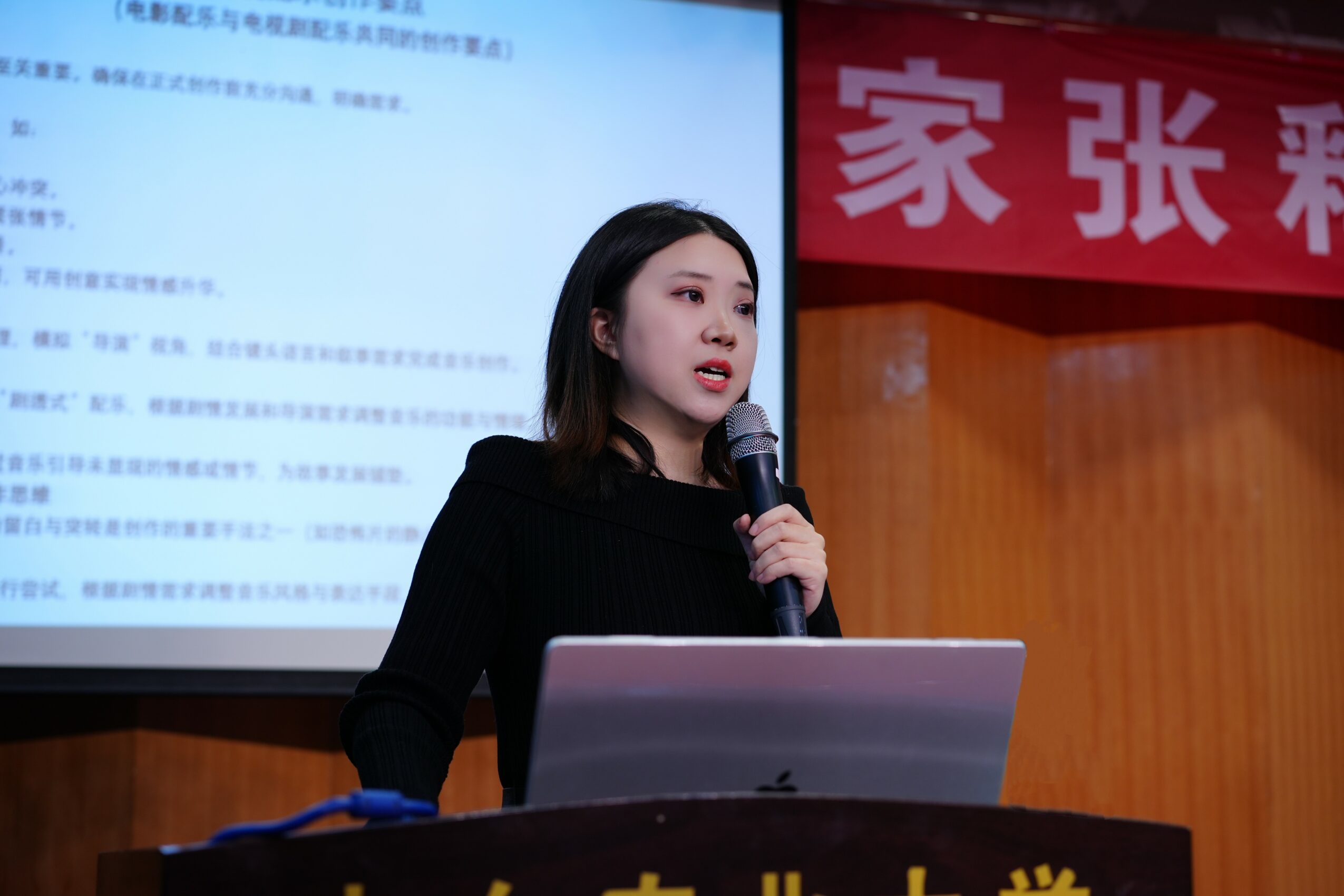
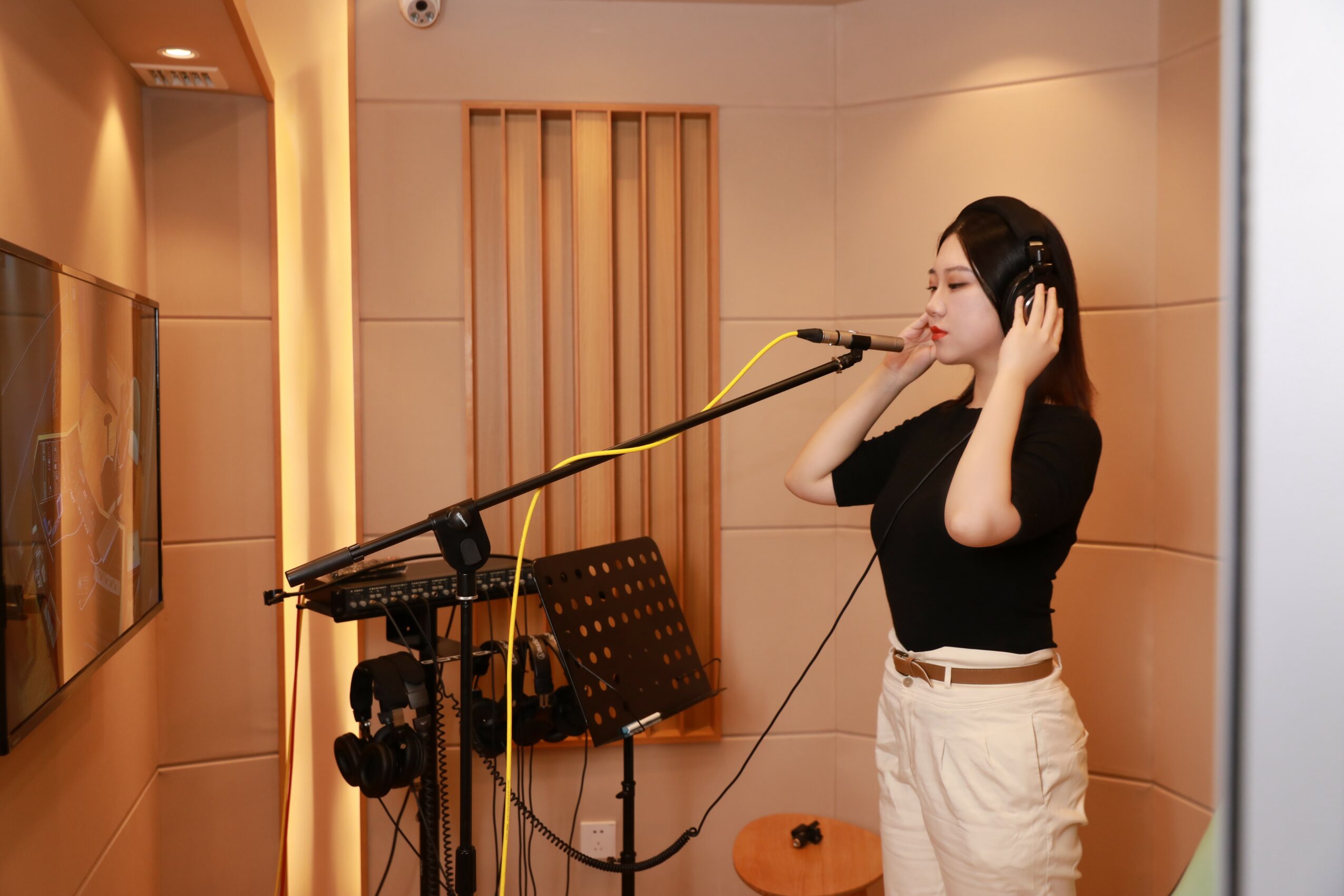
In addition to my work as a film and media composer, I am also an independent musician and songwriter. My original songs have garnered over one million streams and views across online platforms. My work has also been featured and profiled by several reputable media outlets, where I was invited to share insights about my creative process and artistic vision.
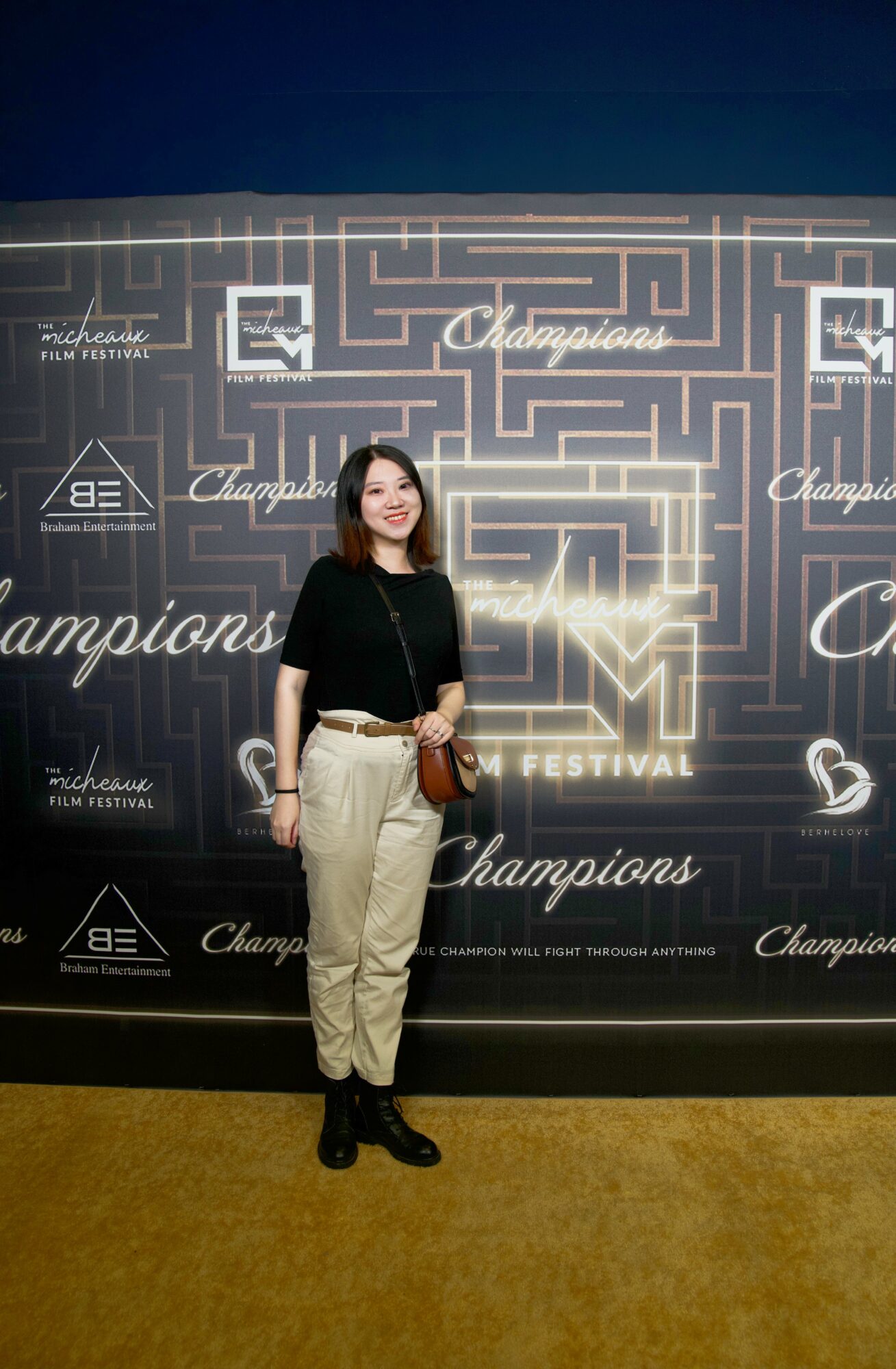
I am a member of the Electronic Music Association of China (EMAC), the Society of Composers and Lyricists (SCL), and the Alliance for Women Film Composers (AWFC). My work has been internationally recognized, including receiving the Excellent Music Composition award at the San Francisco New Concept Film Festival.
As a composer and musician with a global perspective, I am committed to discovering and reimagining the intangible musical heritage of different countries and cultures.
Through innovative approaches and close collaboration with musicians and cultural practitioners from around the world, I strives to bring these valuable sonic traditions onto the international stage with renewed, contemporary expression.
I studied piano, vocal performance, Chinese folk dance, Latin dance, street dance, and Peking Opera from an early age. Influenced by my grandparents, who were devoted Peking Opera enthusiasts and skilled amateur performers, I developed a deep love for music and the arts. In adulthood, I continued expanding my musical expression by learning the guitar and cello.
What draws me most to music is its ability to transform human emotion and spirit into sound — to make the invisible inner world perceptible and shared, allowing feelings and thoughts to resonate between people. Moreover, I find great joy in inviting others
into my inner creative world, while also experiencing theirs. At times, I believe that music transcends language. Because of this lifelong passion, I joined choirs and Peking opera troupes from elementary school onward. During middle and high school, I founded my own music clubs and bands, where I directed and performed numerous choral works, stage plays, and band performances.
I was originally a science student, expected by my family to become a doctor or researcher. However, during the most crucial final year before entering university, I decided to follow my inner voice and pursue a different path — to become a composer. I began working hard to study this field, which felt both familiar and new to me, until I was successfully admitted.
After entering university, in addition to studying my major, I also taught myself music therapy, inspired by my family of doctors. I have always admired their spirit of healing and saving lives, and I hoped to help others and connect with people emotionally through the music I love.
As I approached the end of my undergraduate studies, I made the decision to pursue further education abroad in composition. I felt that I’ve gained a certain amount of knowledge and practical experience in China’s traditional music and arts — invaluable cultural treasures refined over thousands of years. I take great pride in this unique musical heritage, and I wanted to carry that legacy with me as I studied in other countries. I hope to broaden my musical horizons, refine my craft, and ultimately create works that fuse musical cultures from around the world.
During my time in the United States, I met many talented musicians. I am currently continuing my work in the film and media industry, composing original music for films, television series, animations, and video games, while also releasing my own songs as a songwriter.
At the same time, I have been collaborating with a group of cultural scholars in China on the reinterpretation and promotion of an ancient musical tradition—a form of intangible cultural heritage that dates back thousands of years. The project is based on a handwritten musical manuscript preserved by a local historical museum. It is a great honor for me to help bring this remarkable and ancient music to a wider international audience.
Alright, so let’s dig a little deeper into the story – has it been an easy path overall and if not, what were the challenges you’ve had to overcome?
This journey has been far from smooth.
First of all, in the United States, I had to work in a new language—and doing highly specialized work in a language that is not my mother tongue was a real challenge. In addition, every country has its own musical culture, habits, and working models. I had to adapt quickly, study them carefully, and explore how to express my own artistic identity in different environments while finding a unique path for cross-cultural musical fusion. Discovering one’s own musical voice is a long process of exploration and reflection—a journey that is both difficult and deeply rewarding.
Beyond the external challenges of language, technique, and culture, my struggle also came from within—how to find balance between artistic ideals and real-world survival. As a creator living abroad, I often wondered whether my voice would be heard and whether my cultural background could truly be understood. Over time, I learned that authenticity itself is a form of power—as long as the work is genuine, it can transcend cultural and linguistic barriers to touch people’s hearts.
I always have very little time to prepare myself for the next stage and challenges in life, and maintaining sincerity and passion for art under tight deadlines and multiple projects is a constant challenge. Yet, in this collaborative profession, I also find new forms of joy that give me the strength to keep moving forward. Ultimately, these challenges have made me even clearer about why I chose music—because I truly believe in its power to heal and to connect people across the world.
Eventually, I founded my own sound and media company, which was a major step forward. New obstacles continue to appear along my career path, but I face them with hope and excitement for what lies ahead.
We’d love to learn more about your work. What do you do, what do you specialize in, what are you known for, etc. What are you most proud of? What sets you apart from others?
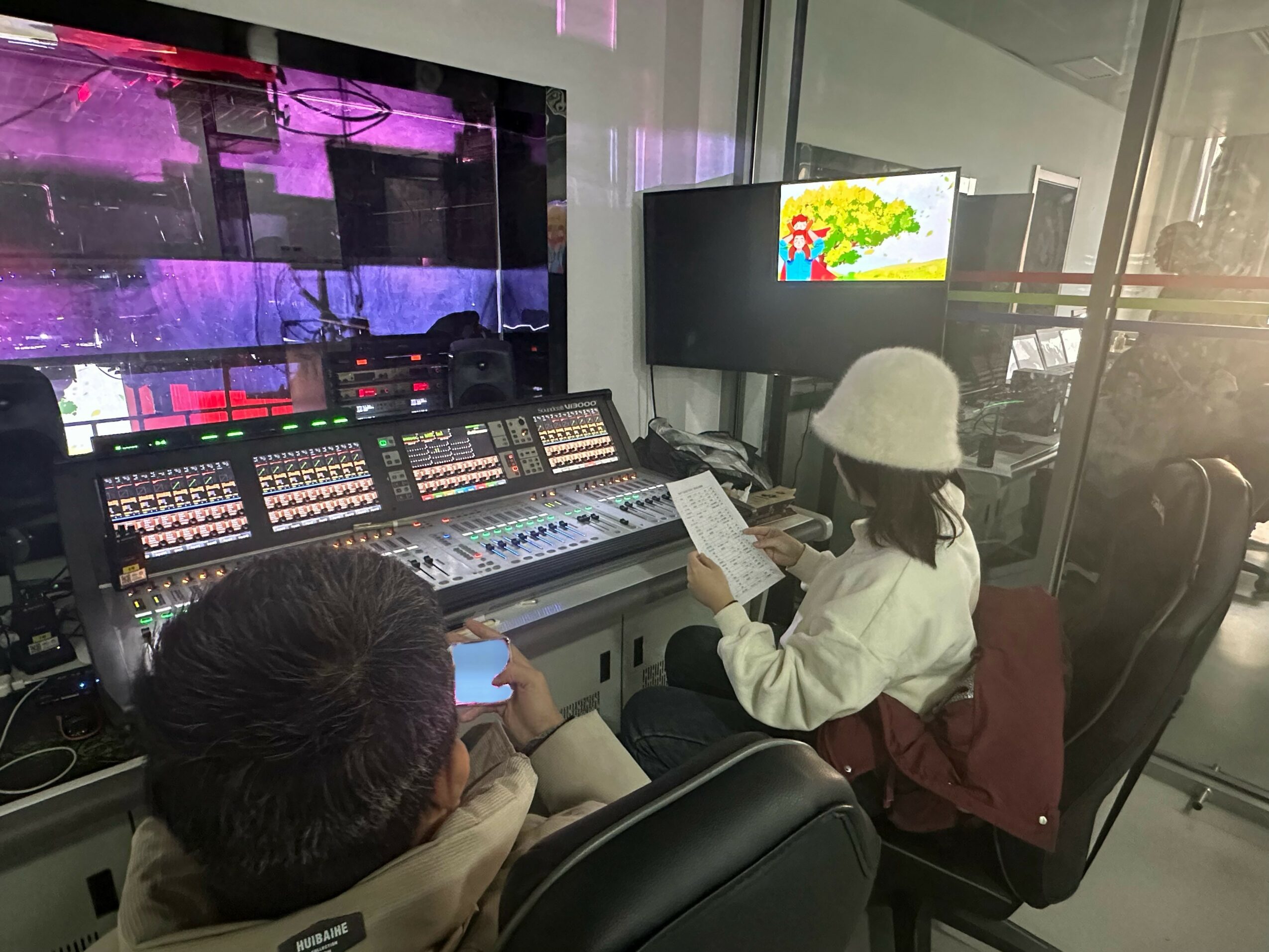
I am a composer and music producer based in Los Angeles, currently operating my own music company, Infinity Tunes LLC. I provide original music composition, sound design, mixing, and music consulting services for films, animations, games, advertisements, and cultural projects, specializing in film scoring and songwriting to create distinctive original music for film, animation, game, and interactive media projects.
My work spans a wide range of styles and mediums, I hope to connect and resonate with people through music. I also aim to use sound as a form of cross-cultural storytelling, allowing emotions and aesthetics from different cultures to meet and harmonize within music. At the same time, I study musical systems, folk instruments, speech rhythms, and aesthetic logics from various cultures, integrating them with modern film scoring, electronic sound design, and orchestral composition to create a distinctive hybrid soundscape.
I also work on modern reinterpretations of cultural heritage, such as an ongoing collaboration involving a unique handwritten score from an intangible cultural heritage in China, where I reimagine and adapt ancient music manuscripts preserved by local museums to bring them to contemporary audiences.
One of the things I’m most proud of is my ability to use music in place of language—to communicate, resonate, and connect different inner worlds through sound. I also cherish my role as a bridge in music, one that expresses the essence of Eastern culture while actively engaging in the global creative dialogue.
I believe that music is a universal language that transcends borders and cultures. I blend Eastern musical language with Western music system, creating a sound that carries both identity and emotion.
I have also studied music psychotherapy, as I believe music not only tells stories but also heals.
Furthermore, I stay attentive to the integration of AR, VR and other emerging technologies with music, aspiring to explore new artistic frontiers between the art of listening and the art of immersive experience.
Where do you see your industry gong over the next 5-10 years? Any big shifts, changes trends, etc.?
In today’s world, where the field of music has already been deeply and extensively developed, the question of “how to sustain innovation and prevent the industry from losing its vitality” is one that deserves serious reflection. As global economic downturns across many interlinked societies and sectors, safeguarding the vitality and sustainable growth of the arts and cultural industries is crucial too.
Furthermore, with the rapid advancement of technology, AI-generated music has brought both curiosities and concerns. How we approach and balance this issue will be a question for the future of the industry. These evolving dynamics make the long-term trajectory of music both unpredictable and full of possibility.
In my view, the music industry of the next decade might become even more globalized; however, cultural identity will emerge as its important competitive strength. Audiences today increasingly seek music with a “cultural soul” rather than merely technically perfect compositions. Composers from around the world will rediscover and reinterpret their own musical languages, and through international collaboration, allow these voices to be reimagined in contemporary forms. This is exactly what I am working on—integrating different musical heritage into the global soundscape to create a more cross-cultural and unified musical expression.
With the rise of immersive media such as XR technologies like AR and VR, music may evolve from being solely “an art of listening” into “an art of experience.” Composers might no longer just score for images—they could collaborate with visual artists, game engines, and spatial audio to craft complete sensory environments. The future composer may become more like a “sound director,” designing holistic auditory narratives and emotional experiences.
In the context of today’s society, healing music and emotionally therapeutic composition may also become a good trends. Music might no longer exist merely as an artistic commodity, but as a medium for psychological care and social connection. The future of the music industry might increasingly emphasize emotional design—where composers act not only as creators of sound, but also as architects of emotional experience.
Contact Info:
- Website: https://www.infinitytunesmusic.com
Popular
-

A New Chapter in Orange County: Paul Madahan Elevates the PaulDavid Salon Experience
-

Portraits of the Valley
-

LA’s Most Inspiring Stories
-
Inside the Future of Search: Robb Fahrion on Building a Global Team and Leading the Rise of GEO
-

From Supporting Local Boutiques to Building Brand Partnerships: Cinthia Jensen’s Creative Marketing Journey
-

Building Community Through Curiosity: Nathanial and Samantha Rowe on the Vision Behind UNEARTHED


