



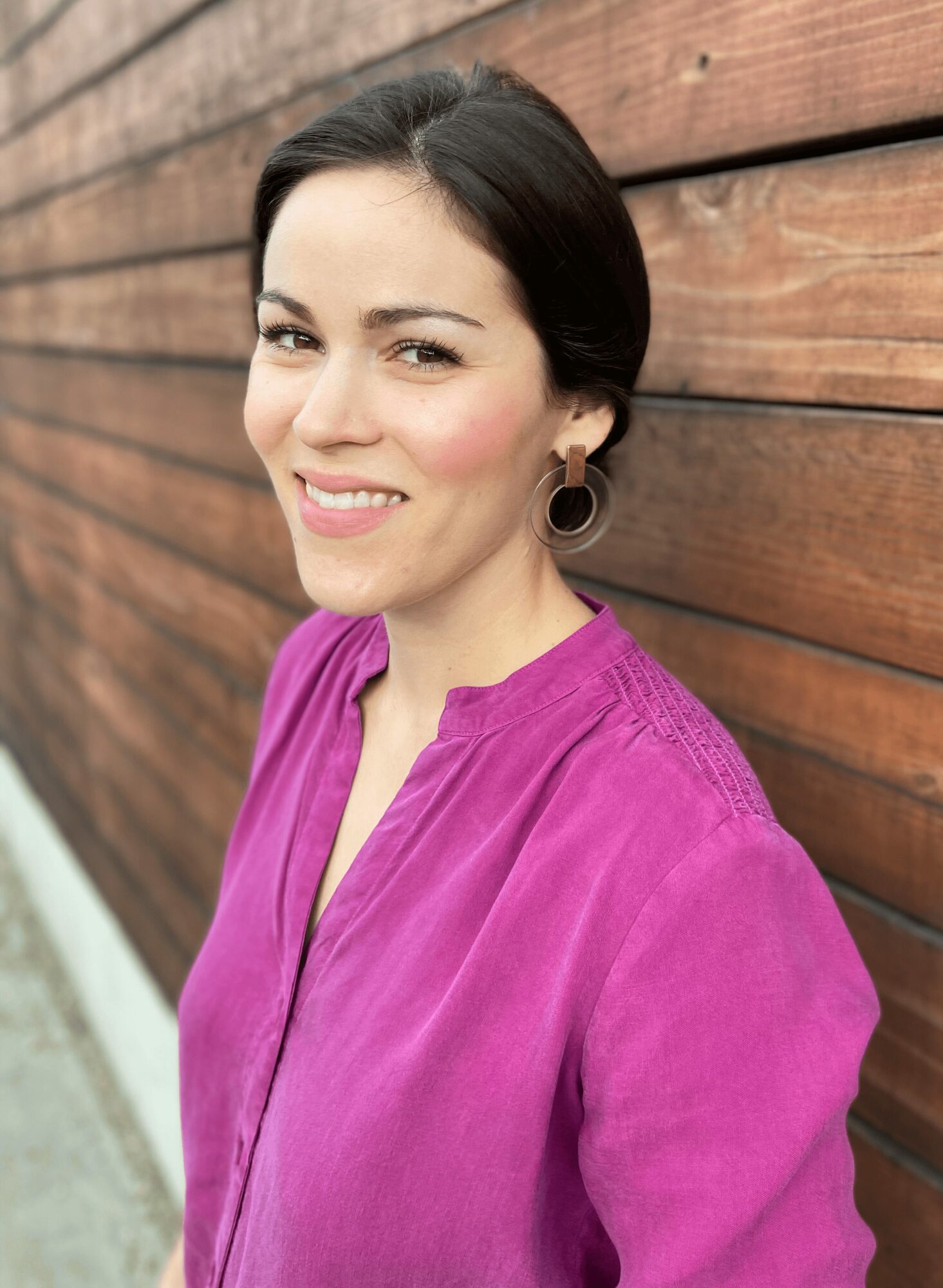
Today we’d like to introduce you to Marjorie (Jorie) Hanscom.
Hi Marjorie (Jorie), we’re thrilled to have a chance to learn your story today. So, before we get into specifics, maybe you can briefly walk us through how you got to where you are today?
I was inspired to become a psychotherapist after therapy helped me navigate a really difficult era of grief and overwhelm in young adulthood. I got a masters degree in sociology from Stanford, but then took some time to gain life experience and work in a few other industries. Eventually I took the plunge to get another masters degree in clinical psychology and pursue therapy licensure because I knew it would be a career that gave me a real sense of purpose. That purpose is both a responsibility to myself and to my clients; if I was going to sit in front of others as a therapist, then I felt I really had to walk the walk in the way I approached my own life. The big breakthrough for me was in realizing that this did not mean I had to be perfect—it meant that I had to be compassionate with myself.
Self-compassion is now at the center of my work with clients, whether I am working with an individual or a couple. A huge part of self-compassion is accepting what is and what is not within your control, and understanding that even though you are not all-powerful, you are not power-less. Self-compassion can build fierceness by helping people trust themselves to navigate obstacles with equanimity and perseverance.
I’ve been growing my therapeutic repertoire ever since I first started working with clients in 2018, and I now work out of my private practice both online and in-person in Pasadena, California.
Alright, so let’s dig a little deeper into the story – has it been an easy path overall and if not, what were the challenges you’ve had to overcome?
The biggest obstacle for me was believing that I could do this job in the first place. While I had thought about being a therapist since my early 20s, I shied away from it because I was worried that I wouldn’t be able to sit with someone else in their pain without taking it home. How could I carry all of that? As I began seriously consider becoming a therapist, a mentor suggested I volunteer at the suicide and crisis lifeline (currently 988) as a way to get some experience. At the time, the lifeline asked that you make a commitment of at least one year. I learned so much over that year. Those first few months were so tough. But as the year went on, my confidence grew. Not just in myself, but in the people on the other end of the line. Now I understand this as one of my most important therapeutic tools: believing in the people I am working with. When my clients understand that I genuinely believe in them, it can help them take the risk to believe in themselves. And when you believe in yourself, you are going to find a way to be okay.
Thanks – so what else should our readers know about your work and what you’re currently focused on?
I am a licensed marriage and family therapist (MFT) in the state of California. I work with adults—both individuals and couples—coping with depression, anxiety, post-traumatic stress disorder, and relationship issues.
The core of my therapeutic approach is self-compassion. A lot of us have this idea that self-compassion will soften us too much, and that being hard on ourselves is the way to keep ourselves in check. But being too hard on yourself is draining; the shaming and punishment take their toll and eventually stop working to “motivate.” Self-compassion does not let us off the hook—it makes it possible for us to actually take accountability for our actions, instead of getting stuck in a cycle of shame that we mistake for accountability. And once you have been honest with yourself and processed your emotional experience, you can get done what needs to get done.
When it comes to couples work, I focus on helping couples see the cycles they get stuck in and to own what is going on between them. Then we work on communication tools to help them feel like they are on the same team, not adversaries trying to defeat one another. Real progress can be made if both members of the couple prioritize understanding their partner rather than demanding to be understood themselves. Many couples also require some detangling: helping them to see themselves as individuals and have respect for each other’s personhood.
Recently, I have been very proud of my training in cognitive processing therapy, which is an evidence-based treatment for post-traumatic stress disorder stemming from threat of death or experiences of sexual assault. This is a systematic, ten-week-long course of therapy. CPT helps the client clarify how the trauma affected their worldview. Then we compassionately challenge any limiting “stuck points” to find more life-affirming beliefs. I have been so heartened by the change I see in my clients, and the skills continue to serve them long after they no longer meet the criteria for PTSD.
We all have a different way of looking at and defining success. How do you define success?
My answer to that is pretty simple: success means perpetually returning to practices that invite more peace into our lives.
Contact Info:
- Website: https://TherapyWithMarjorie.com




Popular
-

A New Chapter in Orange County: Paul Madahan Elevates the PaulDavid Salon Experience
-

Portraits of the Valley
-

LA’s Most Inspiring Stories
-

Inside the Future of Search: Robb Fahrion on Building a Global Team and Leading the Rise of GEO
-

From Supporting Local Boutiques to Building Brand Partnerships: Cinthia Jensen’s Creative Marketing Journey
-

Building Community Through Curiosity: Nathanial and Samantha Rowe on the Vision Behind UNEARTHED


