




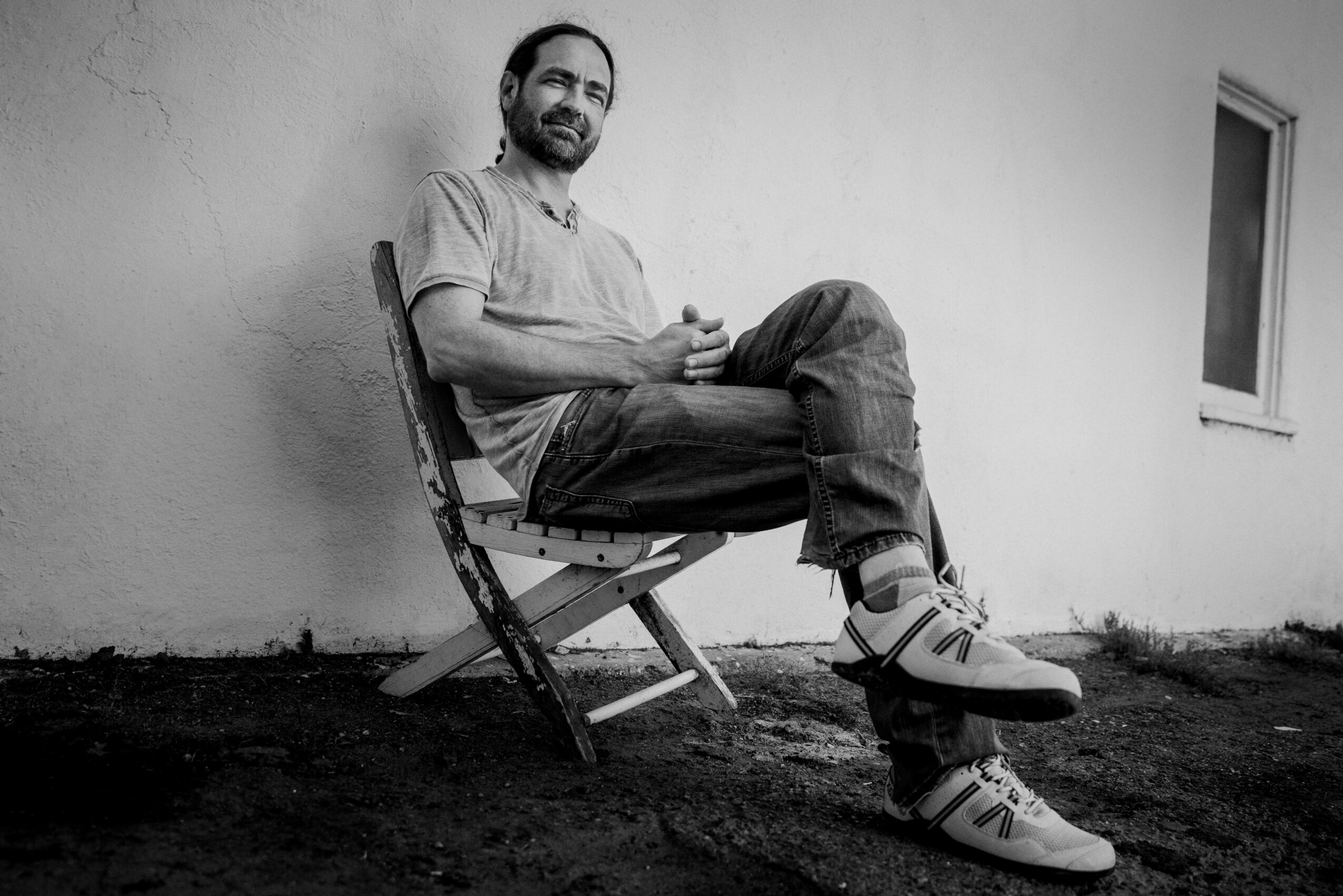
Today we’d like to introduce you to Reilly Wareham.
Hi Reilly, we’d love for you to start by introducing yourself.
As both a psychotherapist and a musician, I stay pretty busy between my private practice and writing and recording new material.
Of course therapy is all about growth and healing, but I’ve always found music to be just as therapeutic. Both involve tuning in to subtle patterns and rhythms, and they’re both forms of emotional expression and communication. I remember one morning when I was maybe nine years old — I was in a bit of a sour mood so I sat down at the piano and began to play. I was just trying to pull myself together before it was time for school, but my mom took notice. “Music soothes the savage beast,” I told her. I guess I was on to something there.
That through-line that connects creativity with healing, it eventually became the thread I’d use to patch my life together. I never really had a grand plan, no schematic, no childhood dreams of becoming a therapist with my own practice (although I’ll admit, I did harbor some early fantasies of rock-stardom). I just kept following what felt real and meaningful to me in the moment, trying to stay true to myself and to my values. I picked up a few bits of this and a few pieces of that along the way. It’s definitely been a patchwork process. If my life were a quilt, it would be a very colorful one.
And I hope all of those colors are shining through, both in my music and in the work I do with my clients. As much as I’ve benefited from years of training and education in counseling and psychology, it’s my lived experience that really informs my therapeutic approach. Working with traumatized kids in residential foster care, living on the road with a rock band, even getting swept away by an epic sci-fi saga or howling at a full moon over the Mojave desert — it’s all a part of who I am, and it’s what got me to where I am today.
I’m sure it wasn’t obstacle-free, but would you say the journey has been fairly smooth so far?
It hasn’t been a smooth road. I spent over fifteen years working in “the system” — foster care, special education, community mental health. I genuinely loved the work and cared deeply for the people I served. Most of my colleagues did too. But over time it became difficult to ignore how broken those systems had become. Bureaucracy had replaced purpose, and it often felt like the people we were trying to help were just suffering in new and different ways than they would have been without us.
I probably stayed in those settings longer than I should have, and eventually it all caught up with me. The burnout was more than psychological — it wore my body down too. And when it was my turn to look for help, it seemed like my only option was to try and navigate the healthcare system. It took a while for me to accept that I didn’t really fit the conventional medical model — or maybe it didn’t fit me. Either way, it was clear that I’d have to find my own path.
So I started sorting through all those bits and pieces that I had picked up along the way and I set about patching myself back together. I leaned into what I already knew, integrating what I’d learned from my training and my work as a therapist with the real-life lessons and deep insights I had gained from some of my less orthodox explorations. With quite a bit of trial and error, and with a lot of support from family, friends, and a few choice helping-professionals, I eventually found myself walking a path to healing that was uniquely my own.
Can you tell our readers more about what you do and what you think sets you apart from others?
I specialize in depth psychotherapy and psychedelic integration. I’d say taking a depth approach to therapy means accepting that there’s a lot more going on with us than we could ever hold in our awareness at any given time — and much of the work is an effort to expand that awareness, to expand our consciousness, to shine a light in the darkness. My practice focuses on individual adults, but my license is actually in Marriage and Family Therapy — so I have a strong foundation in Family Systems Theory, which applies nicely to the integration process. One of the great privileges of my job is the opportunity to bear witness as clients rediscover aspects of themselves they’d long forgotten, and to support them as they find healthy, creative ways to weave those parts back into their lives. To me, that’s the real work of integration. It goes beyond developing insight or learning how to cope — it’s a process of remembering, of reuniting with our true selves.
And it’s a living, ever-evolving process, one that I’m still living out every day. The openness and curiosity I encourage in my clients are the same qualities I strive to nurture in my own life — in my music, in my relationships, and of course in my work. And I think people can pick up on that. So many of the prevailing trends in psychotherapy today seem to emphasize manuals and metrics, developing new technologies, pushing smartphone apps and even chat-bots as substitutes for genuine connection. Meanwhile, much of the actual workload is being farmed out to managed care organizations operating under a medical model that seems to have left humanity out of the equation. I’ve experienced that from both sides, as both a client and a clinician, and I know how alienating it can be. I launched my own practice because I wanted to offer people something more personal, more open, more human than what they might get through a big insurance company or a smartphone app. Because doing it any other way just wouldn’t feel right.
Let’s talk about our city – what do you love? What do you not love?
What I like most about Los Angeles is our culture of creativity, and I’m lucky enough to be immersed in it. Making original music with my band, Captains of Entropy, has given me the opportunity to collaborate with so many talented people — sound engineers, graphic artists, filmmakers, photographers. We released our debut album earlier this year (2025) and a fun music video too, another video is just about ready to release and we’re headed back into the studio in November to work on our next record. It’s such a blessing to be doing that kind of work here in Los Angeles, where people are so invested in their craft. But the creativity goes way beyond content creation. That same inventive, expressive energy really seems to be coursing through the veins of this city — it shows up in the food scene, the fashion scene, the car culture, the list goes on; I mean, even the neighborhood holiday decorations around here are just dripping with imagination and originality. It’s everywhere, and I love it.
Of course, there are a few things I don’t love about this city — they’re all related, and they probably won’t come as much of a surprise. First, is the congestion: there’s such a massive concentration of people here that it can feel overwhelming. I’m incredibly grateful that we have such a surplus of epic, world-class natural beauty surrounding the urban sprawl, and I try to take full advantage of it whenever I can. But all those people add up to my next quibble; our legendary traffic, which might be a bit more tolerable if it weren’t for my final grievance — the drivers. People drive like maniacs around here! Not everyone, of course, but it’s enough to make me feel like I’m taking my life in my hands every time I get behind the wheel. Honestly, I really don’t drive very much at all, but even just walking around my neighborhood can get pretty hairy sometimes.
Pricing:
- Complimentary Consult (20min) $0
- Initial Assessment (90min) – $200
- Psychotherapy (50min) – $200
- Sliding Scale Available
Contact Info:
- Website: https://ReillyWareham.com
- Instagram: https://www.instagram.com/captainsofentropy/?hl=en
- LinkedIn: https://www.linkedin.com/in/reilly-wareham-22632033
- Youtube: https://youtube.com/@captainsofentropy?si=S_sqT2PUGM0AHjFh
- Other: https://CaptainsOfEntropy.com
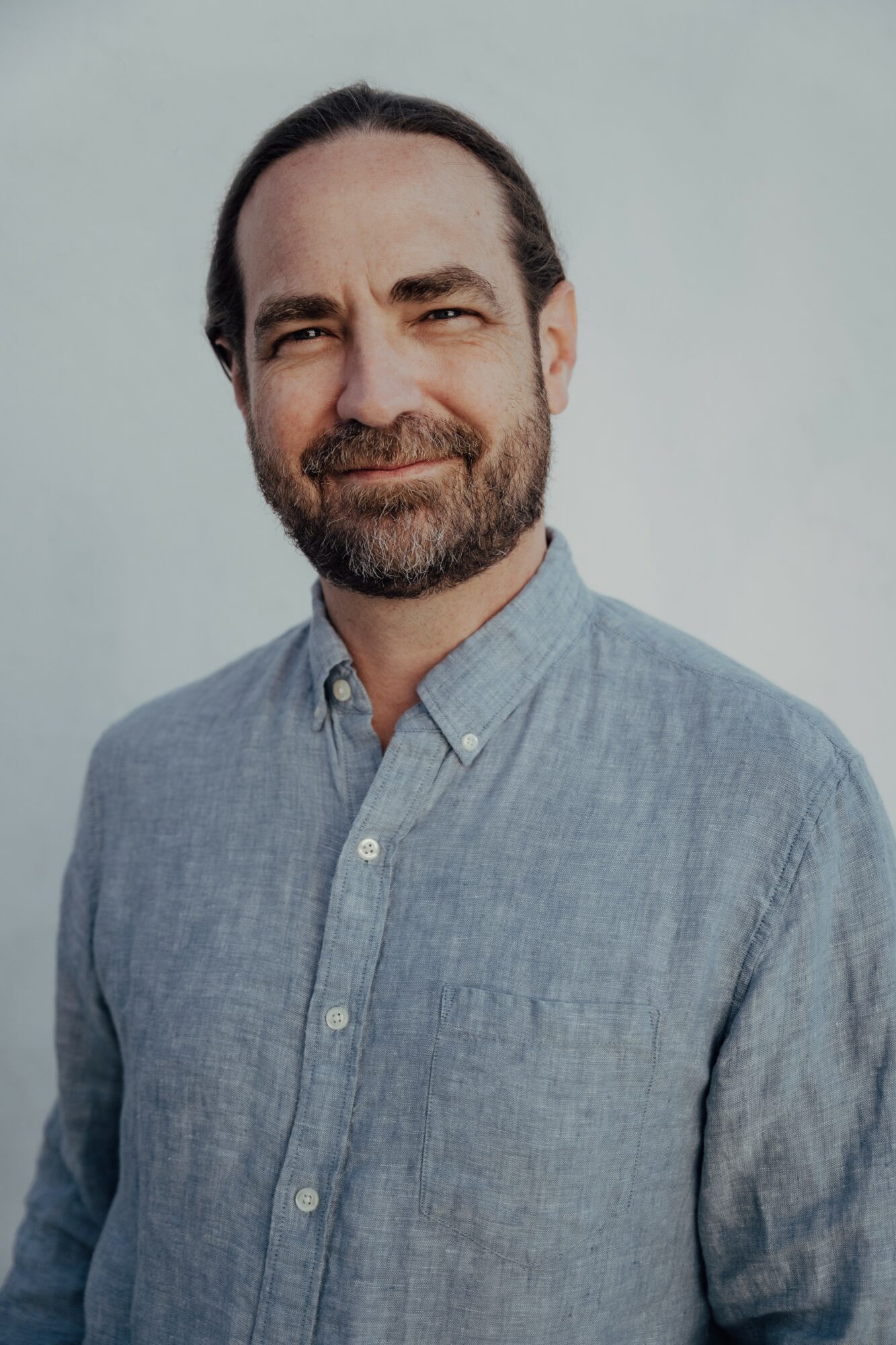
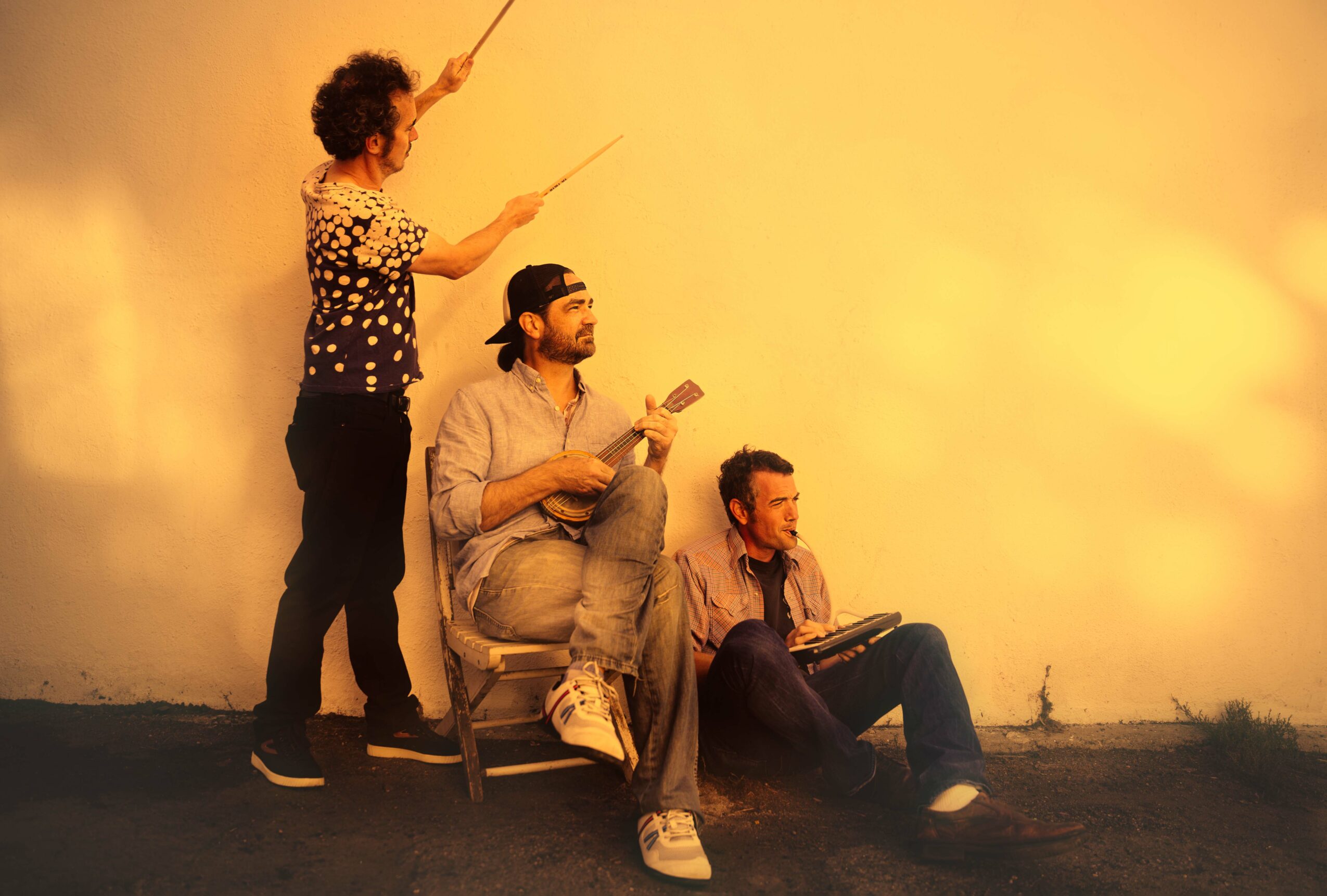
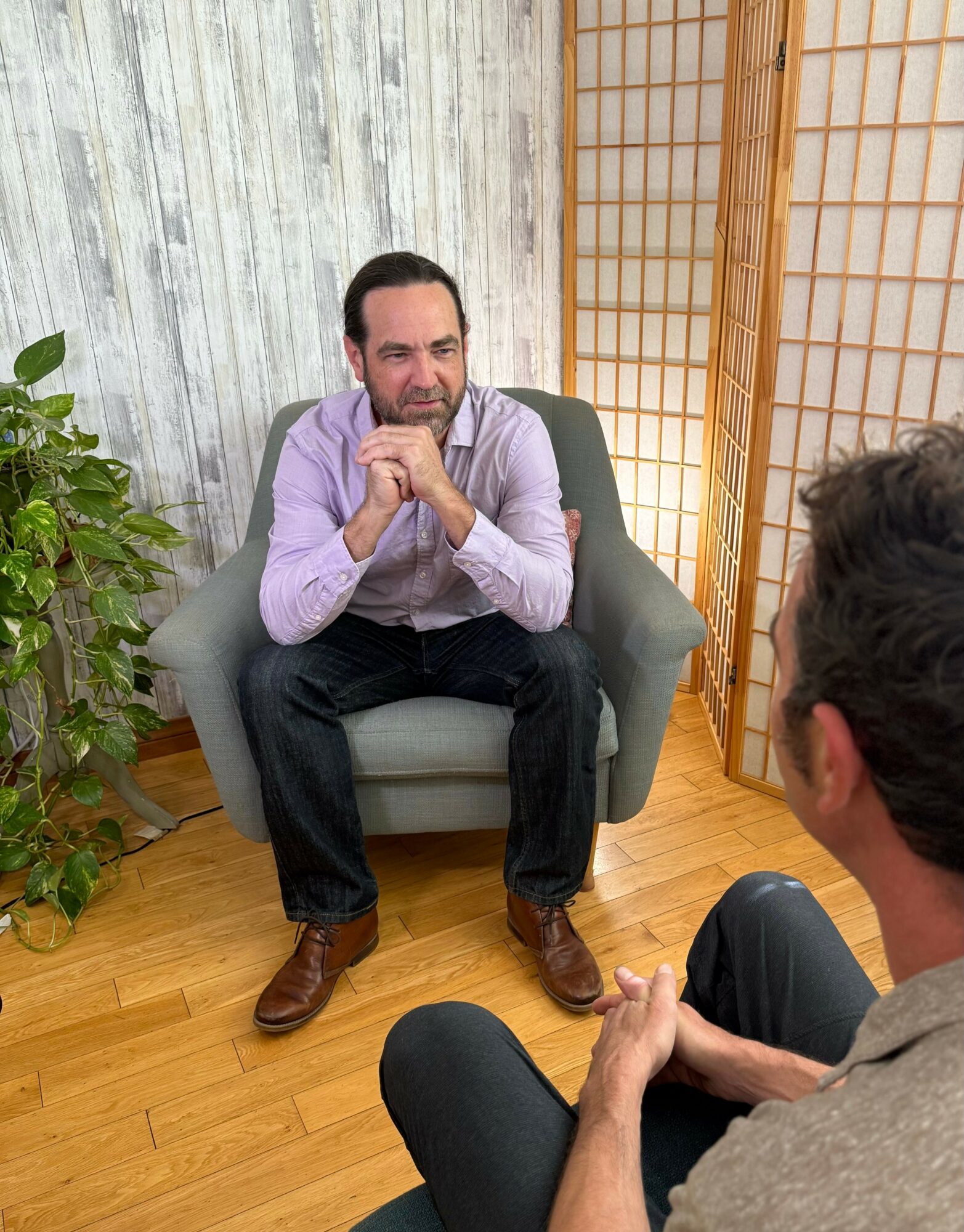
Image Credits
Claudia DiDomenico / Twigs and Forest Photography
Popular
-
Inside the Future of Search: Robb Fahrion on Building a Global Team and Leading the Rise of GEO
-

From Supporting Local Boutiques to Building Brand Partnerships: Cinthia Jensen’s Creative Marketing Journey
-
Building Community Through Curiosity: Nathanial and Samantha Rowe on the Vision Behind UNEARTHED
-

Portraits of the Valley
-

LA’s Most Inspiring Stories
-
Building Creative Bridges: Torrey Tayenaka on Community, Collaboration, and the Future of Sparkhouse


