





Today we’d like to introduce you to April Patterson.
Hi April, thanks for joining us today. Can you briefly walk us through your story-how you started and how you got to where you got to where you are today?
My journey as a physical therapist didn’t start in pelvic health, but I found my way here after facing pelvic health issues of my own and searching for answers. I graduated physical therapy school in 2003 and saw myself only working in orthopedics and sports PT. By 2008, I became board-certified in orthopedics.
During the first decade of my career, I began to notice patterns in patients with persistent pain in the low back, hips, sacrum, or groin—and wondered if the pelvic floor was the missing piece to their puzzle. I had already started pelvic floor therapy myself and was struck by how vital, yet misunderstood, this part of the body is. Most people know very little about their genitals or pelvic floor muscles, even though they play a role in our everyday movement and activity, as well as bowel, bladder, and sexual function. I’ve always believed that sexual health is health. I was already having conversations with my orthopedic patients about intimacy, pain, and function after musculoskeletal surgery or injury, but pelvic health gave me a new lens. It was personal. It was powerful. I saw how often the pelvic floor was overlooked and dismissed. My purpose in my work as a physical therapist revealed itself.
In 2013, I shifted my practice to focus exclusively on pelvic health, integrating my orthopedic background with advanced manual therapy techniques—visceral and nerve mobilization, craniosacral therapy, vascular, lymph, and myofascial release work. In 2019, I opened Whole Body Physical Therapy in Studio City, and in January 2025, we moved into a new space at Studio Wellness Center.
Would you say it’s been a smooth road, and if not what are some of the biggest challenges you’ve faced along the way?
There have been challenges—especially health-related ones—that have shaped how I live, work, and care for others. I was diagnosed with Type 1 Diabetes during my last year of PT school. It’s an autoimmune disease that requires constant blood sugar monitoring and insulin dosing. It’s invisible but always running in the background. Studies say people with Type 1 make around 180 more health decisions a day than those without it.
When working in high-volume clinics, I often burned out. It was hard to manage my blood sugar and still show up the way I wanted to. One of the greatest gifts of running my own practice is being able to build in space—ten minutes between each 60-90 minute patient appointment to re-set, check my levels, and breathe. This structure helps me stay grounded so I can be fully present with every patient.
I’ve also lived with persistent pelvic pain, PGAD (Persistent Genital Arousal Disorder), and GI issues. At their peak, these symptoms made it difficult to work long hours while also managing my home life. My pregnancies were high-risk, and I’ve experienced pregnancy loss and birth trauma. All of these experiences have shaped me—and given me deep compassion for what so many of my patients carry, often silently.
I know how much these conditions can impact identity, relationships, and the sense of safety in your own body. My work is about more than symptom relief—it’s about improving function, dignity, and wholeness within. I’ve built my practice to allow time to truly listen, identify possible contributors, and collaborate with other expert practitioners when needed. Healing is never one-size-fits-all.
As you know, we’re big fans of Whole Body Physical Therapy, PC. For our readers who might not be as familiar what can you tell them about the brand?
At Whole Body Physical Therapy, I offer trauma-informed care and a supportive space for healing—where every person is treated with compassion, acceptance, and respect. I provide inclusive care for all gender identities, and I believe everyone deserves access to pelvic health care. Depending on the patient, even 1-2 sessions can be enough to give someone tools to help support their bowel, bladder, or sexual health. I also offer virtual PT Telehealth sessions (in-state), and 10-minute discovery calls before scheduling an appointment. I take a collaborative approach with other providers, and have a network of trusted colleagues to work with to best serve the needs of my patients.
One of my specialties is treating PGAD/GPD (Persistent Genital Arousal Disorder/Genitoplevic Dysesthesia), and genitopelvic pain. These conditions often include overlapping symptoms and conditions such as: constipation, IBS or IBD, bladder pain, urinary urgency and frequency, pudendal and other pelvic neuralgias, rectal pain, penile, testicle, or vulvovaginal pain, dyspareunia, vaginismus, pain with orgasm, endometriosis, hypermobility syndrome, dysautonomia, inguinal or abdominal hernias, and orthopedic spinal and hip conditions. I also consult virtually (non-PT) for out-of-state clients with PGAD/GPD, working alongside their local PTs to support their care.
I’m known for gentle, responsive manual therapies that work with the nervous system—not against it. For patients with chronic or persistent pain, traditional manual therapy techniques can feel too aggressive. I use approaches like visceral and nerve mobilization, myofascial and vascular release, and craniosacral therapy that meet the body where it is, and help their nervous system find a calmer state.
I also offer Neurac (neuromuscular activation) Therapy using the Redcord©️ suspension system. This type of therapy helps to identify dysfunctional motor patterns in the neuromusculoskeletal system, and then retrains those specific motor patterns while the patient is supported in the Redcord©️ slings. This allows for optimization of motor learning while reducing pain symptoms, which can result in improved function.
With 22 years in PT and 12 years focused on pelvic health, I consider my practice both a science and an art. I look at the whole body, not just the pelvis, and help to identify root causes of patient’s symptoms and give them effective tools for self-management. Whether someone’s goal is to return to a specific exercise, have pain-free sex, or simply feel at ease in their body again with daily function—we work together toward meaningful, functional change.
What’s next?
Alongside patient care, I’m excited to focus more on advocacy for those living with genitopelvic pain, sexual pain, and PGAD/GPD. I want to expand even more into education outside of the treatment room—supporting other pelvic therapists, speaking publicly, and becoming more involved in research.There’s still so much work to do to raise awareness, reduce stigma, and improve care for people navigating pelvic health conditions.
Contact Info:
- Website: https://wholebodyla.com
- Instagram: @wholebodypt
- LinkedIn: https://www.linkedin.com/in/april-patterson-pt-mspt-97b7271aa
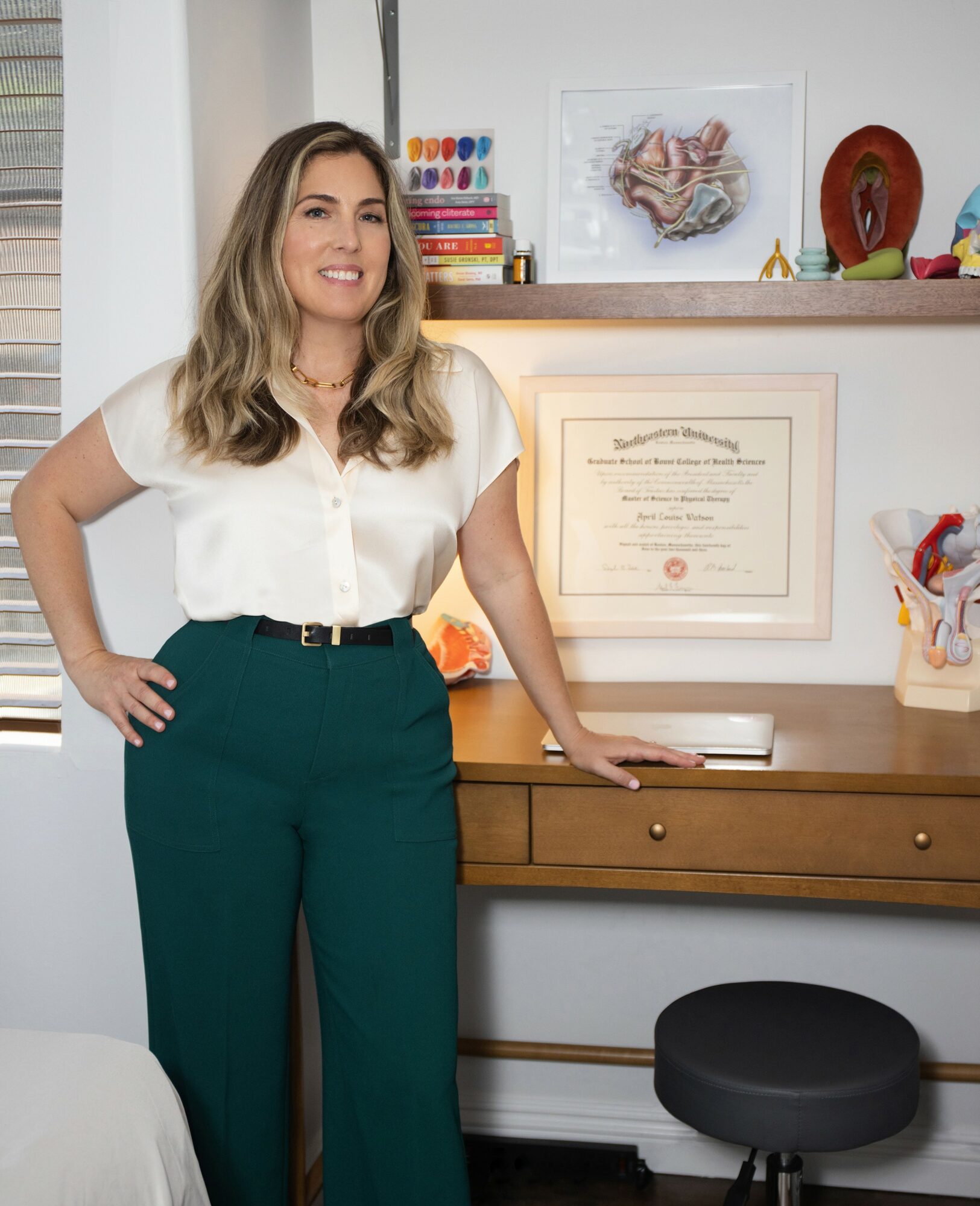

Image Credits
Photo Credit Derek Stettler
Edit by Rochelle Brodin
Popular
-

Owning the Narrative: Drew Dusterhoff Steps Into Power with Lincoln Must Die
-

Portraits of the Valley
-

LA’s Most Inspiring Stories
-

Finding Balance Through Art: Theresa Croft on Blending Music, Wellness, and Visual Storytelling into a Holistic Creative Identity
-

From Street Corners to City Tours: Chef Chuck Glaster on Building SOULD Out Into a Culture-Driven Culinary Movement
-

From Rock Bottom to Calling: How Hasani McLean-Davis Found Purpose Through Faith and Music


