





Today we’d like to introduce you to Jesús Florido.
Jesús, we appreciate you taking the time to share your story with us today. Where does your story begin?
I was born into a very musical household in Venezuela, where my family had immigrated from Italy. My mom signed me up for music lessons because she believed music would be good for me. At first, I wasn’t thrilled—my piano teacher was really mean. So my mom told me I had to switch to orchestra because I needed to stay in music.
I didn’t get to choose my instrument—they gave me a violin. The beginning was tough, but once I realized that with practice I could improve, everything changed. I played a few concerts, people clapped, and I realized: I love making people happy through music. That moment defined my career.
At the time, I didn’t know I was part of the beginnings of what would become the famous Venezuelan music program El Sistema. The experiences I had made a deep impression on me. I was lucky to share the stage with many great musicians, and that inspired me to work even harder. Eventually, I came to the U.S. to study violin and explore new frontiers in music.
All those experiences helped shape my path and contributed to what would become my signature sound. My father also played a huge role—he made sure I listened to all kinds of music growing up: classical, jazz, funk, rock ’n’ roll, heavy metal, folk… a true mix of styles. That eclectic exposure helped me understand and love the spirit of each genre, and I began combining those influences with my own musical instincts. That’s what shaped who I am today.
Since then, I’ve had the opportunity to play all kinds of music and share the stage with artists from a wide range of styles. That made me realize Duke Ellington was right: “There are two kinds of music—good music and bad music.”
People often ask me, “What’s your favorite kind of music?” And I always say: it depends on when you ask.
What I love most about being on stage is making people feel something. I don’t want them to look at me and say, “He’s an amazing violinist.” I want them to say, “That music was incredible. We had a great time.” That’s my goal.
Education and mentoring the next generation have also become an important part of my journey. While I don’t have time to teach regular lessons, I do give many master classes and residencies at schools. Sharing what I’ve learned is essential to me—it’s part of how I pay it forward.
Travel has been one of the most amazing side effects of my career. I’m almost out of places to check off on my bucket list! I once filled out a Facebook survey asking how much of the world I’ve seen—my result was 56%. I’m proud of that. Meeting people from other countries and cultures through food, music, and conversation has become a core part of who I am. It fills my soul.
Would you say it’s been a smooth road, and if not what are some of the biggest challenges you’ve faced along the way?
Then, if you’re paying attention, you start to notice signs, lights—little clues to guide you. And if you’re smart, you follow them.
But yes, the road has been hard. Playing an instrument like the violin at a high level requires enormous amounts of practice. And that means spending long hours alone, which is tough—especially for someone like me, who really enjoys being around people. Still, as hard as it’s been, it’s also been incredibly rewarding. After every concert, I feel energized, renewed, and full of hope.
Moving to the United States in my late teens was another challenge. I had to learn a new language, adapt to a new culture, and deal with unpleasant realities like discrimination—because of my accent or the color of my skin. That was difficult. But when people heard me play, they saw me. And that made all the difference. Music became my way of breaking through prejudice and stereotypes. It was my way of saying, “Here I am.” And I’m still standing.
It might sound like a cliché, but those tough experiences—those rough patches—made me stronger and even more determined. So no, it hasn’t been a smooth road. But it’s been a good road, and I’ve loved every step of it.
Alright, so let’s switch gears a bit and talk business. What should we know about your work?
I’m a classically trained violinist who was exposed to improvisation and a wide range of musical styles early on. That created a very diverse performance career for me around the world. I had excellent teachers—and a few not-so-great ones too. I learned from both: what to do, and what not to do.
I’m proud that, despite the ups and downs, I’ve stayed true to myself. I play music that I believe in, and I do my best to give audiences something meaningful. I take that responsibility seriously. People know me as an eclectic player who puts on a good show and makes sure the audience has a great time.
All these experiences—learning music, playing in the streets with my dad, studying with amazing teachers, joining countless bands—shaped me into a distinctive player with a unique sound. I don’t just perform music—I love music. I’m not only a musician, I’m a music fan.
What was your favorite childhood memory?
One of my favorite memories is from when I was about 10 years old. My father was hosting a jam session at our house with some amazing musician friends. He wanted to show them that his son could play the violin, so he invited me to join.
I was terrified. I didn’t want to play. I didn’t even know what to play. But something inside me said, “Get your violin and join them.” I looked to my dad for advice, and he said, “Play what’s in your head, my boy.” That single moment has stayed with me ever since—and it’s what I try to do in every performance to this day.
Contact Info:
- Website: https://jesusflorido.com/home
- Instagram: https://www.instagram.com/latinfiddler
- Facebook: https://www.facebook.com/jesusfloridomusic
- LinkedIn: https://www.linkedin.com/in/jesusflorido
- Youtube: https://youtube.com/@latinfiddler?si=27oUznJEnDFSmoKj
- Soundcloud: https://on.soundcloud.com/IE3YbN7B4gF7dTMs4J
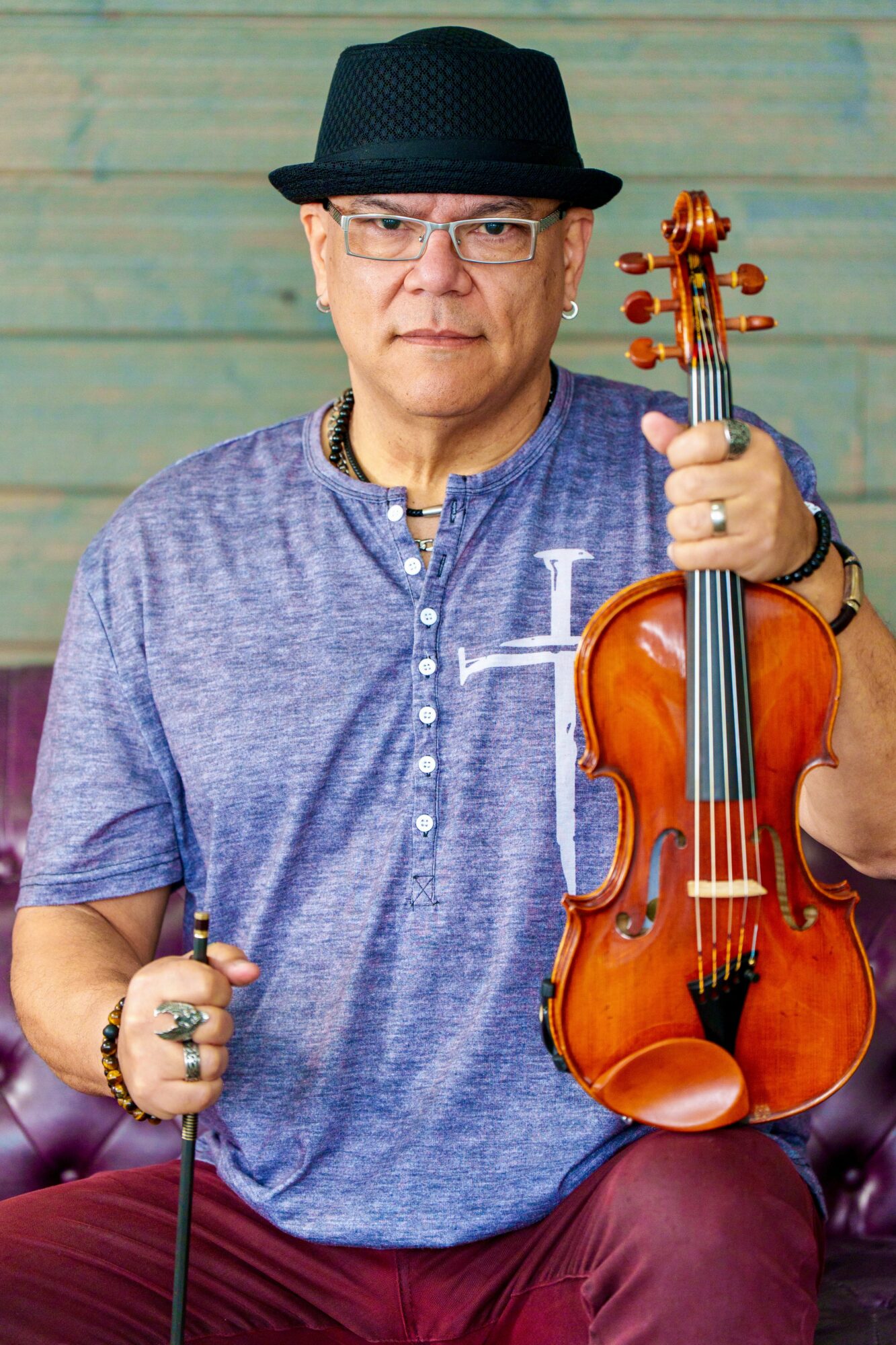
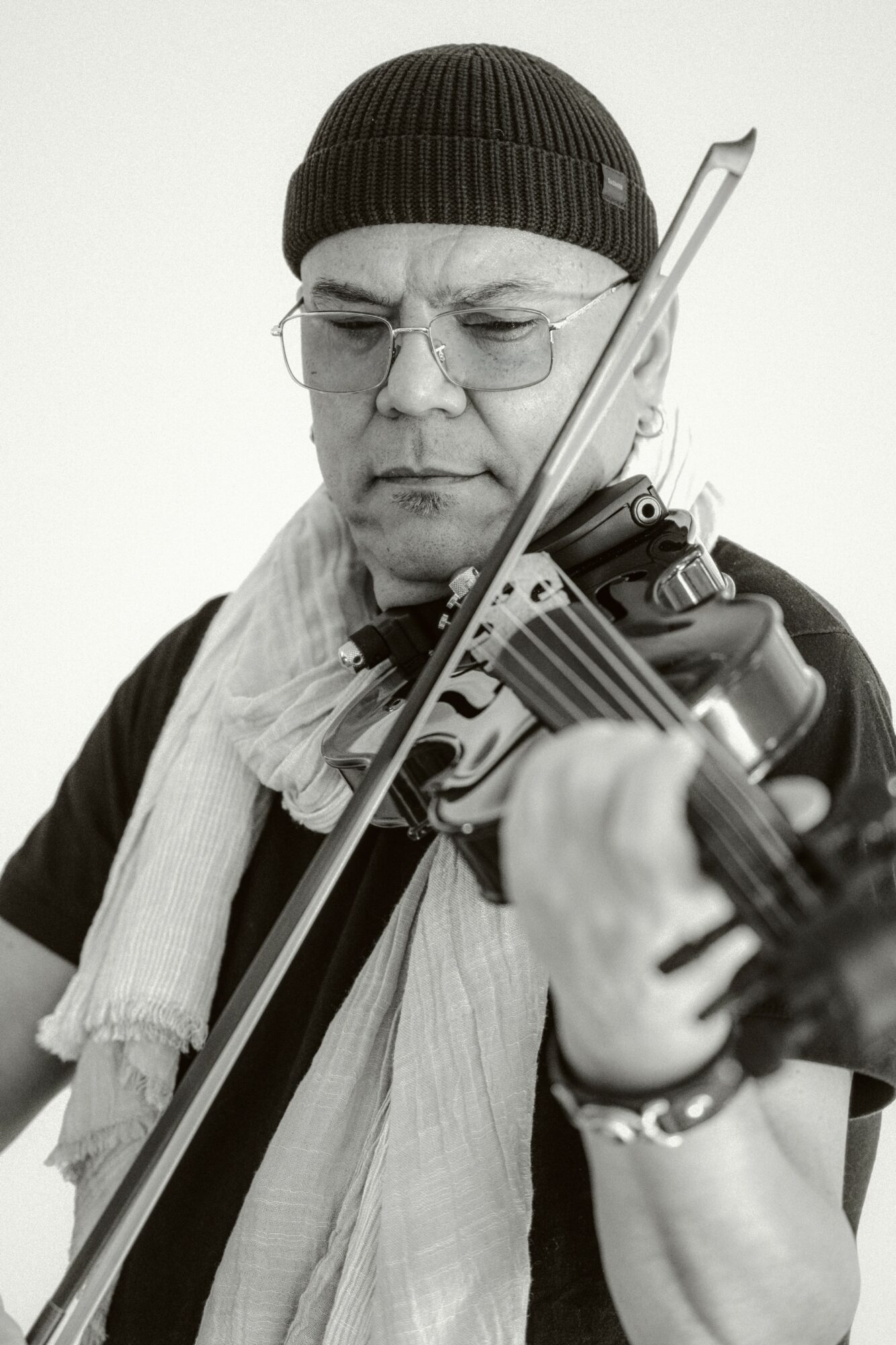
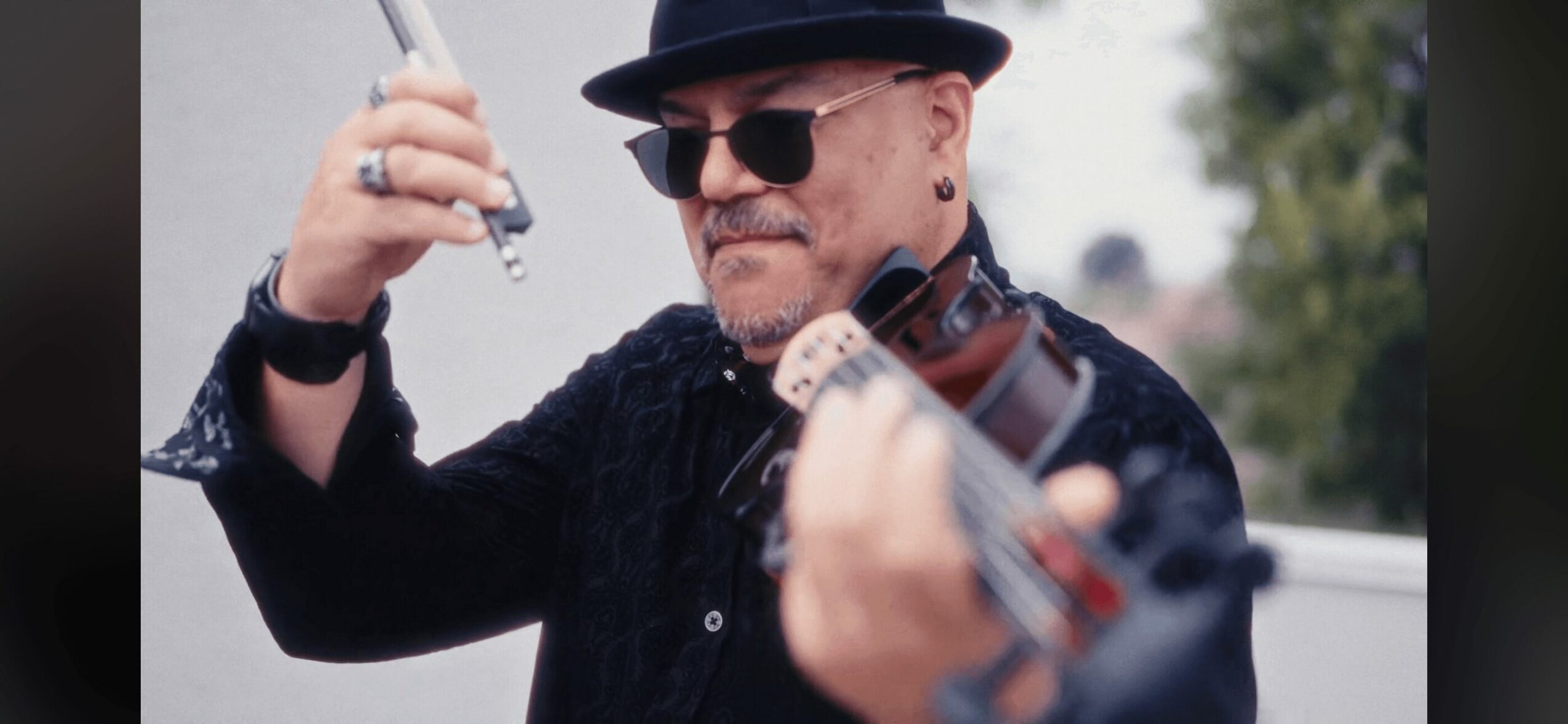
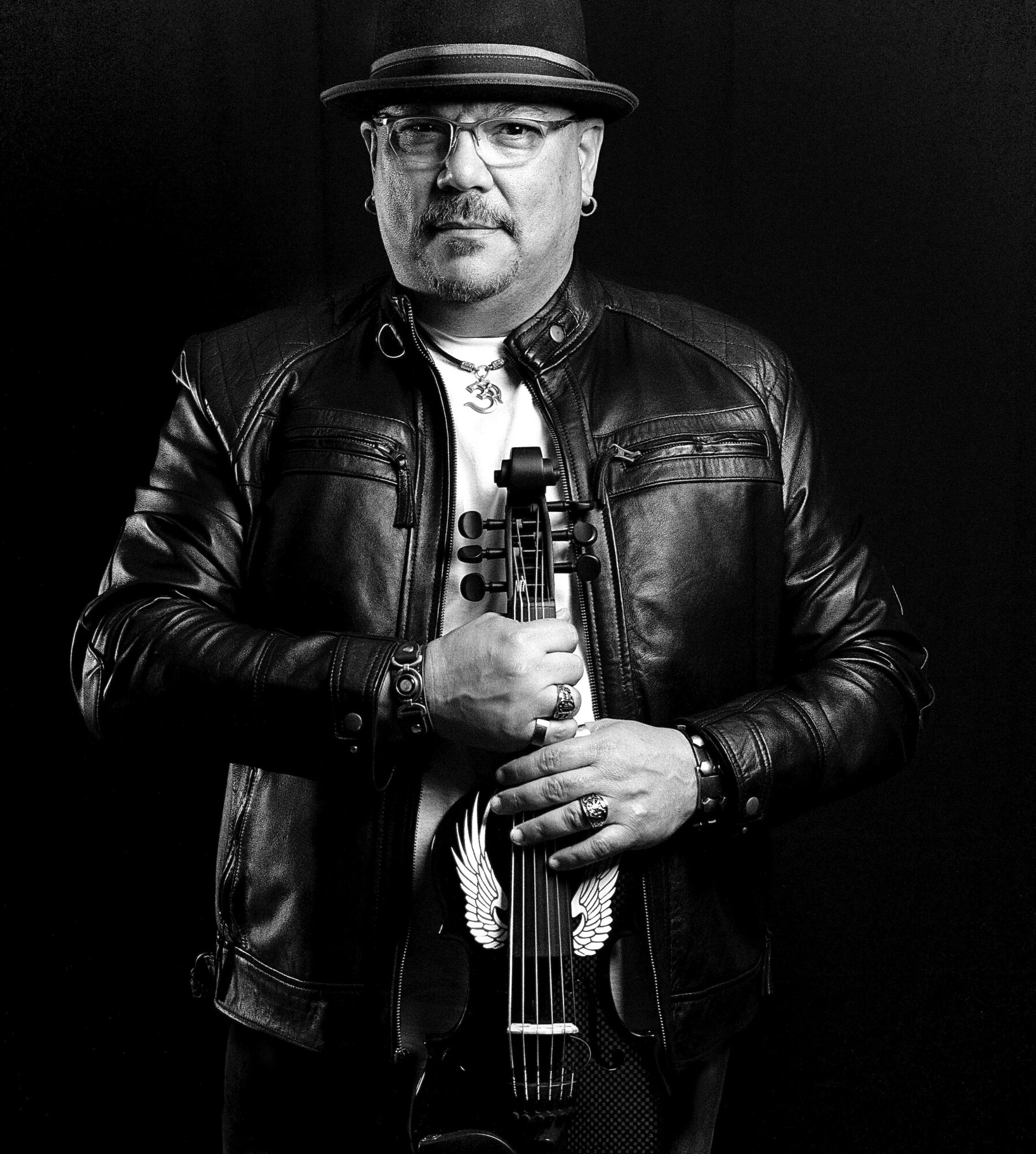
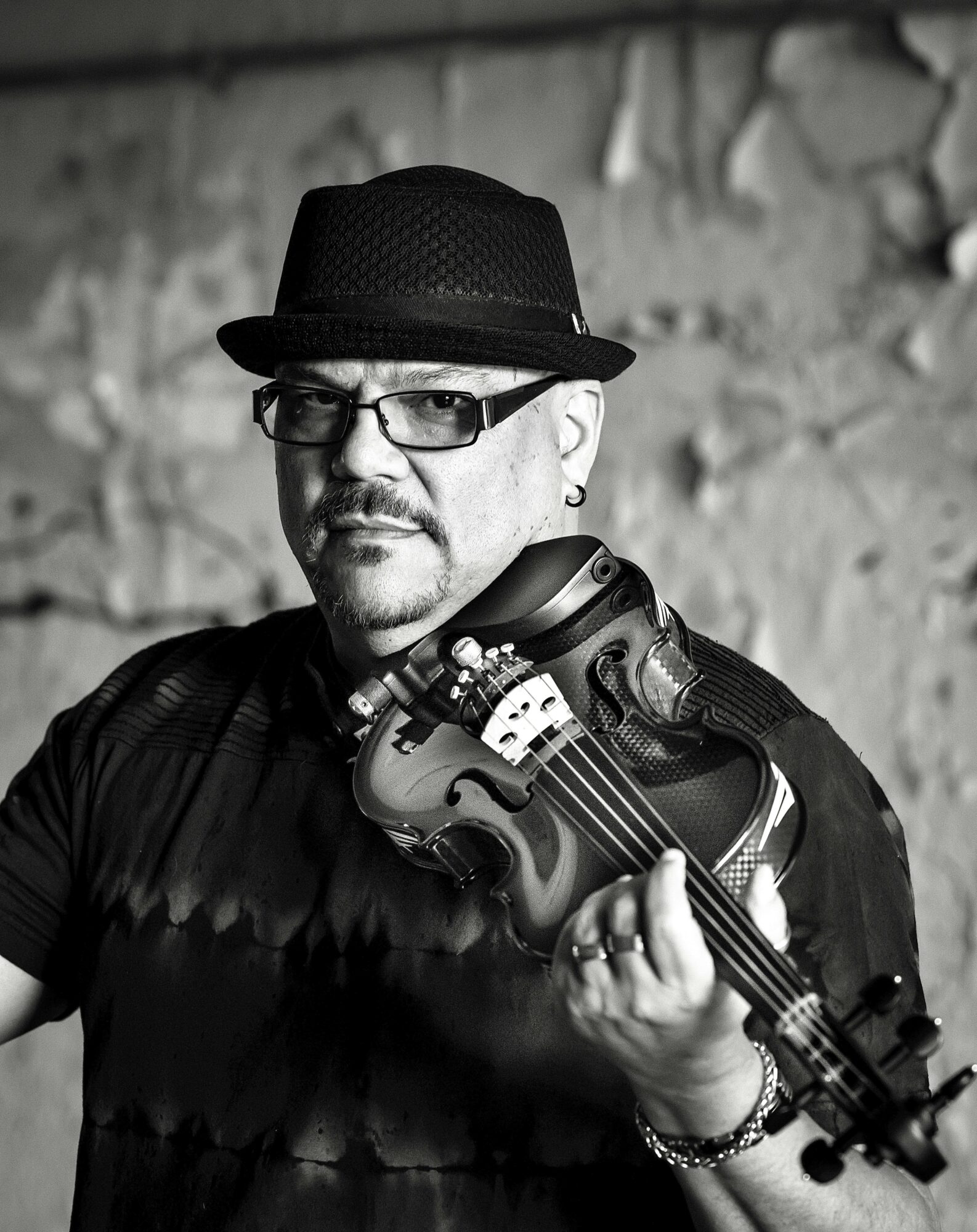
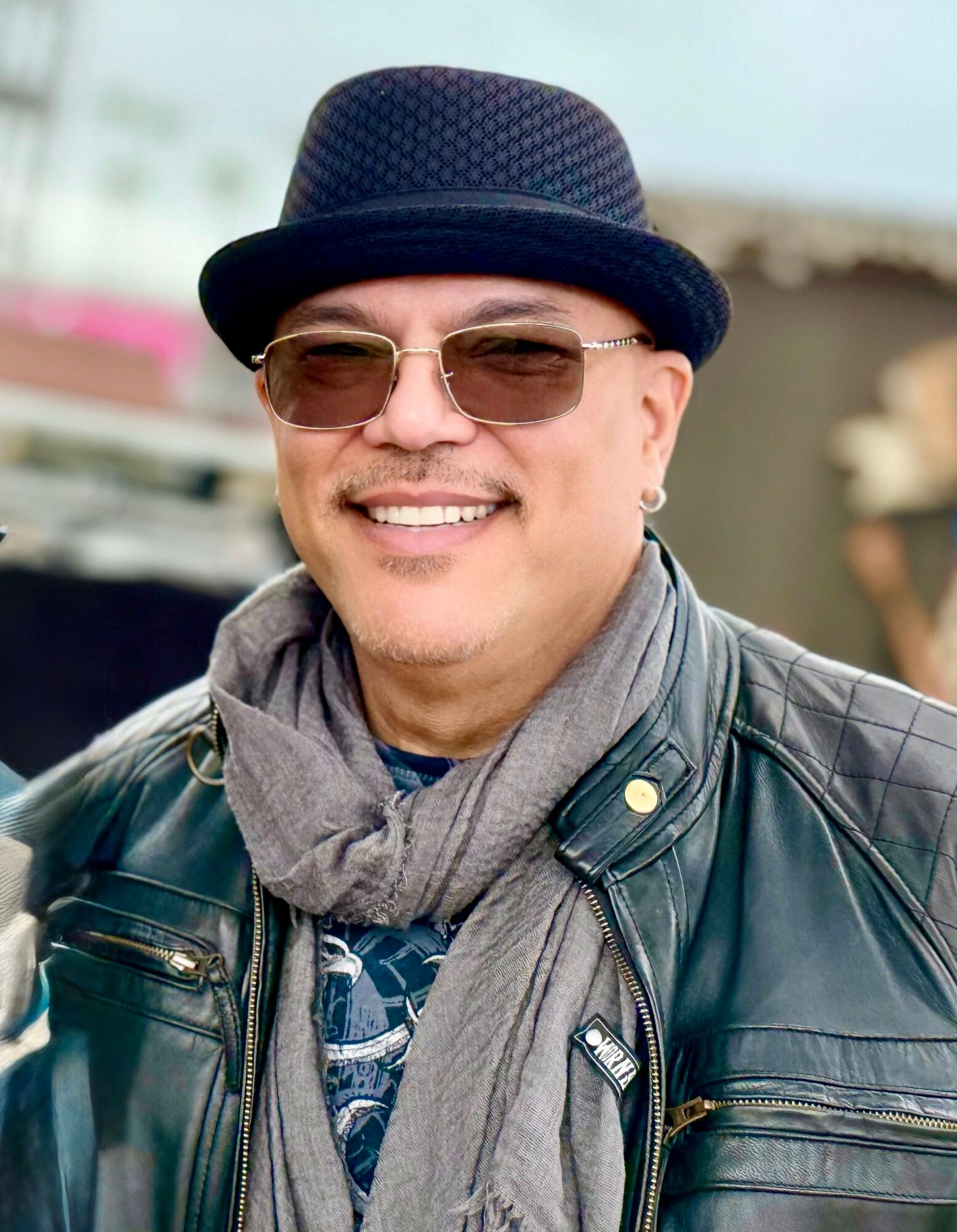
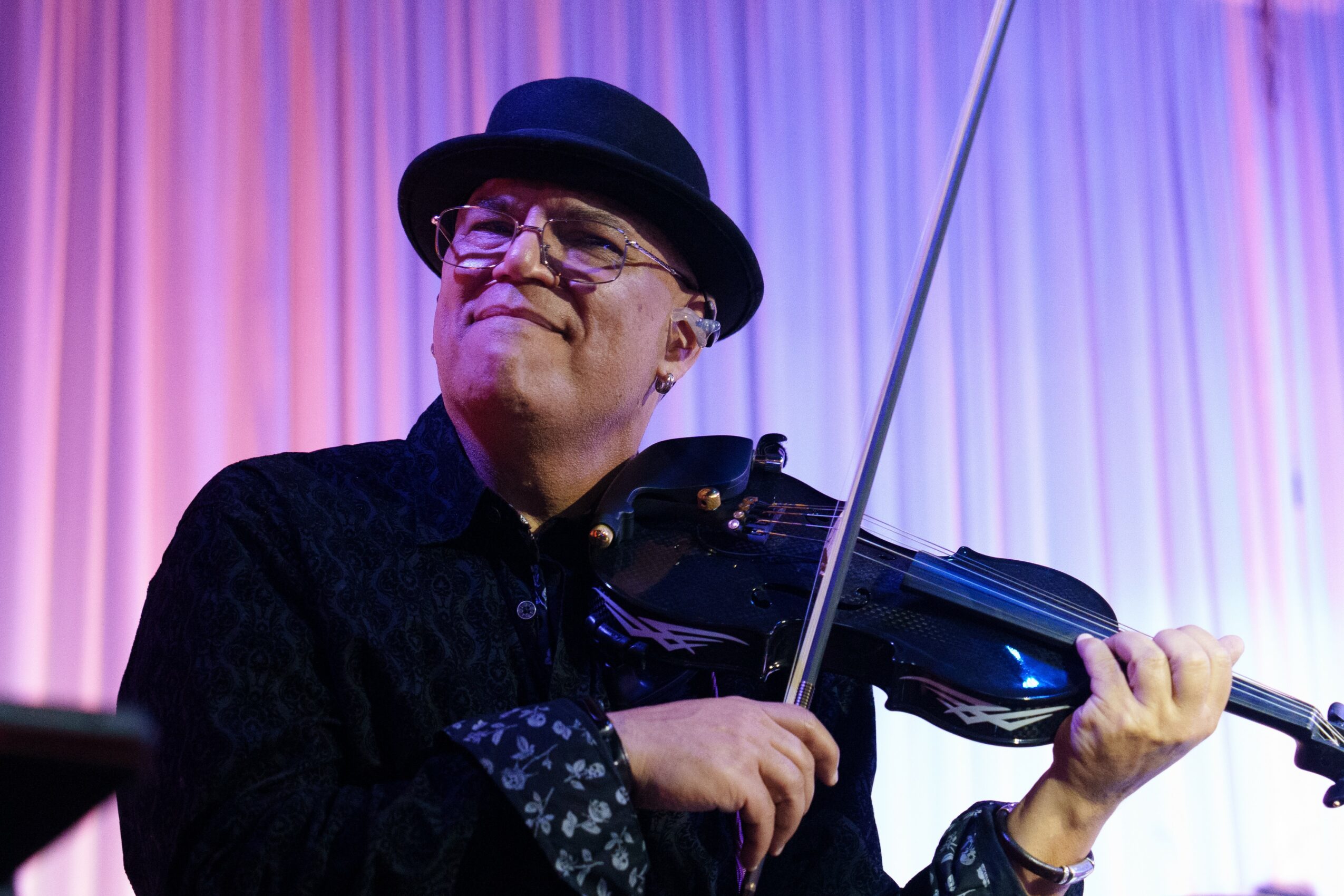
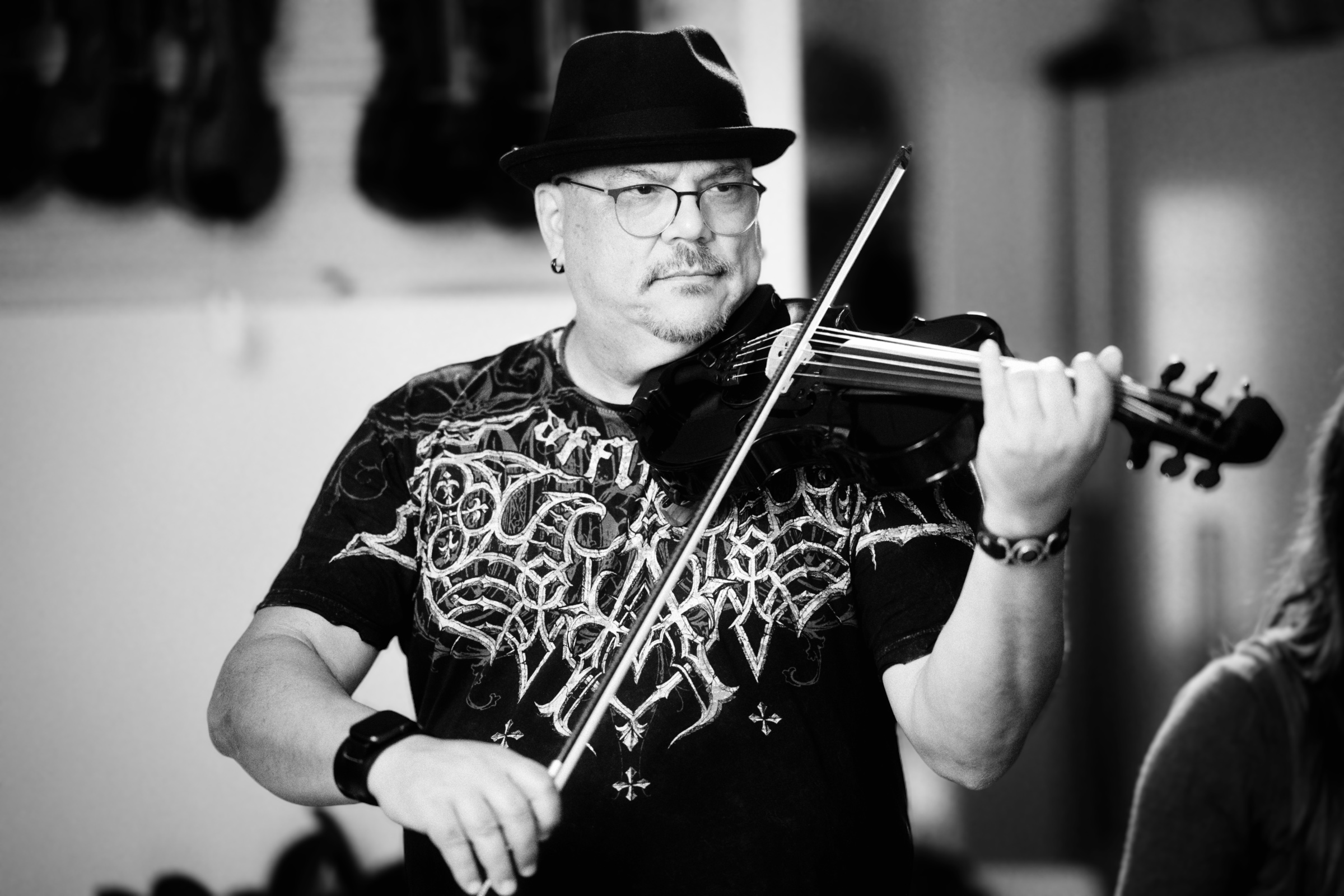
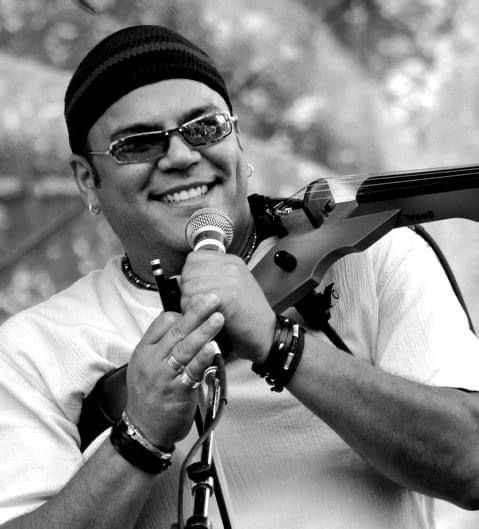
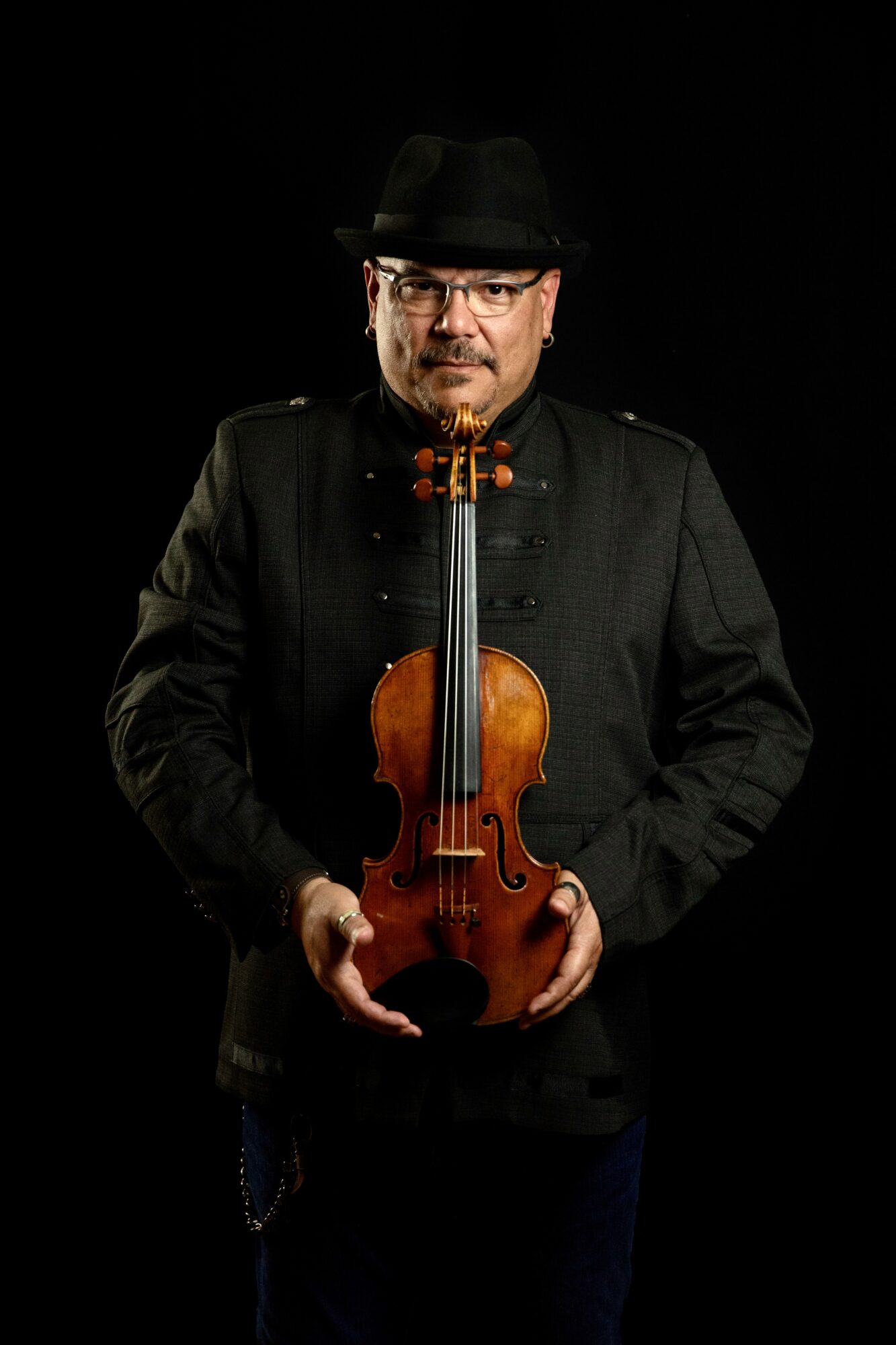
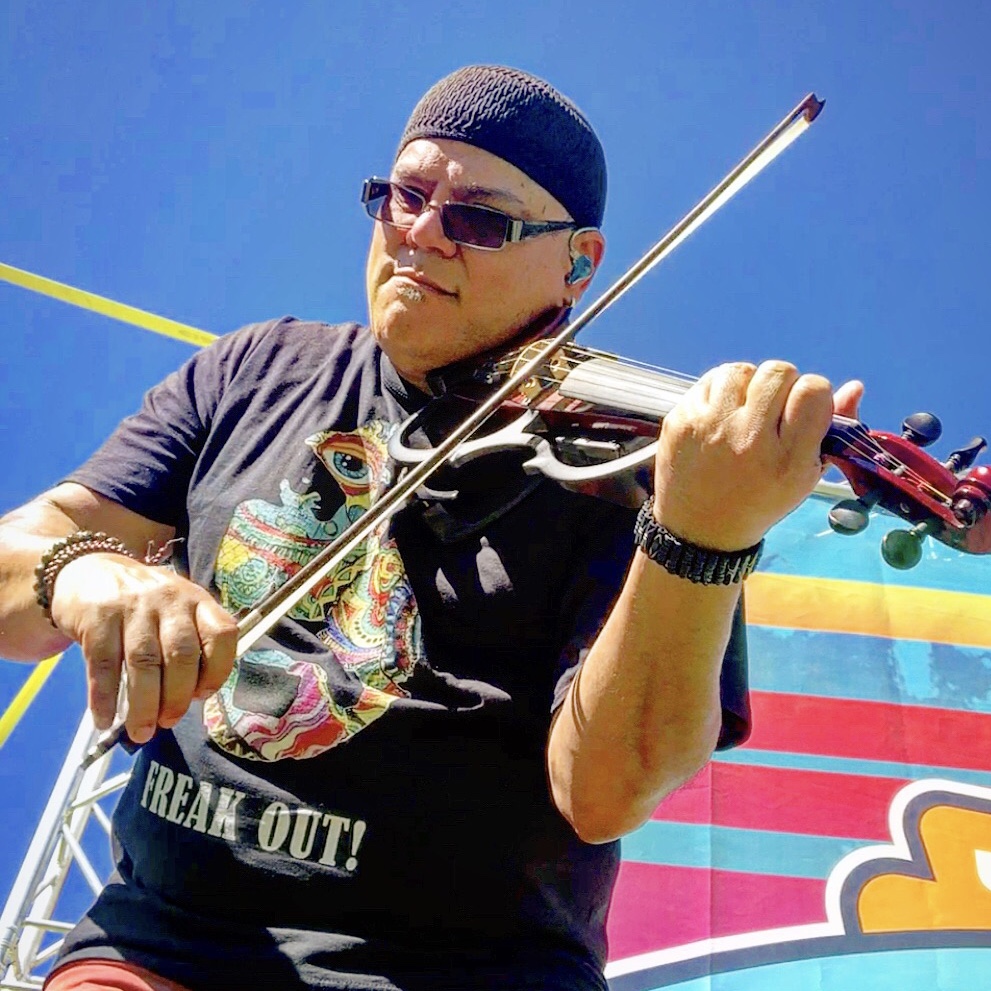
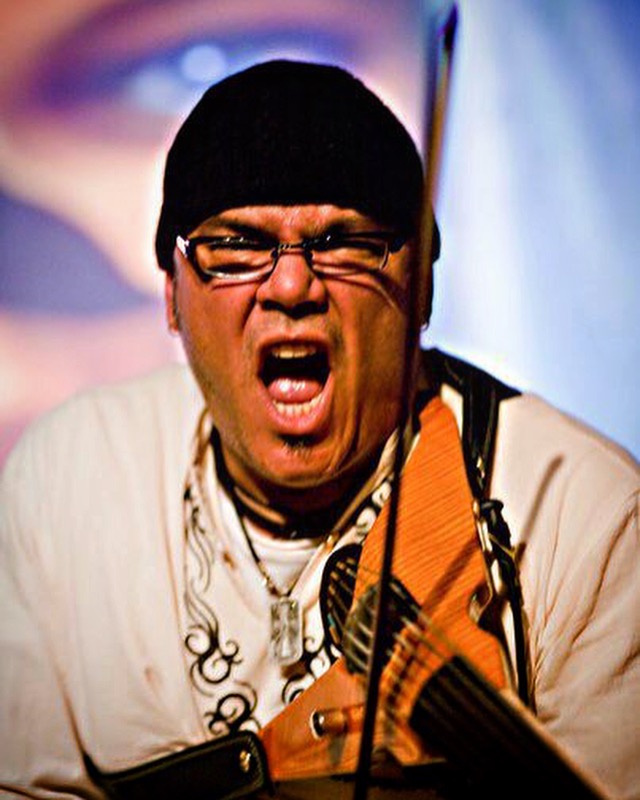
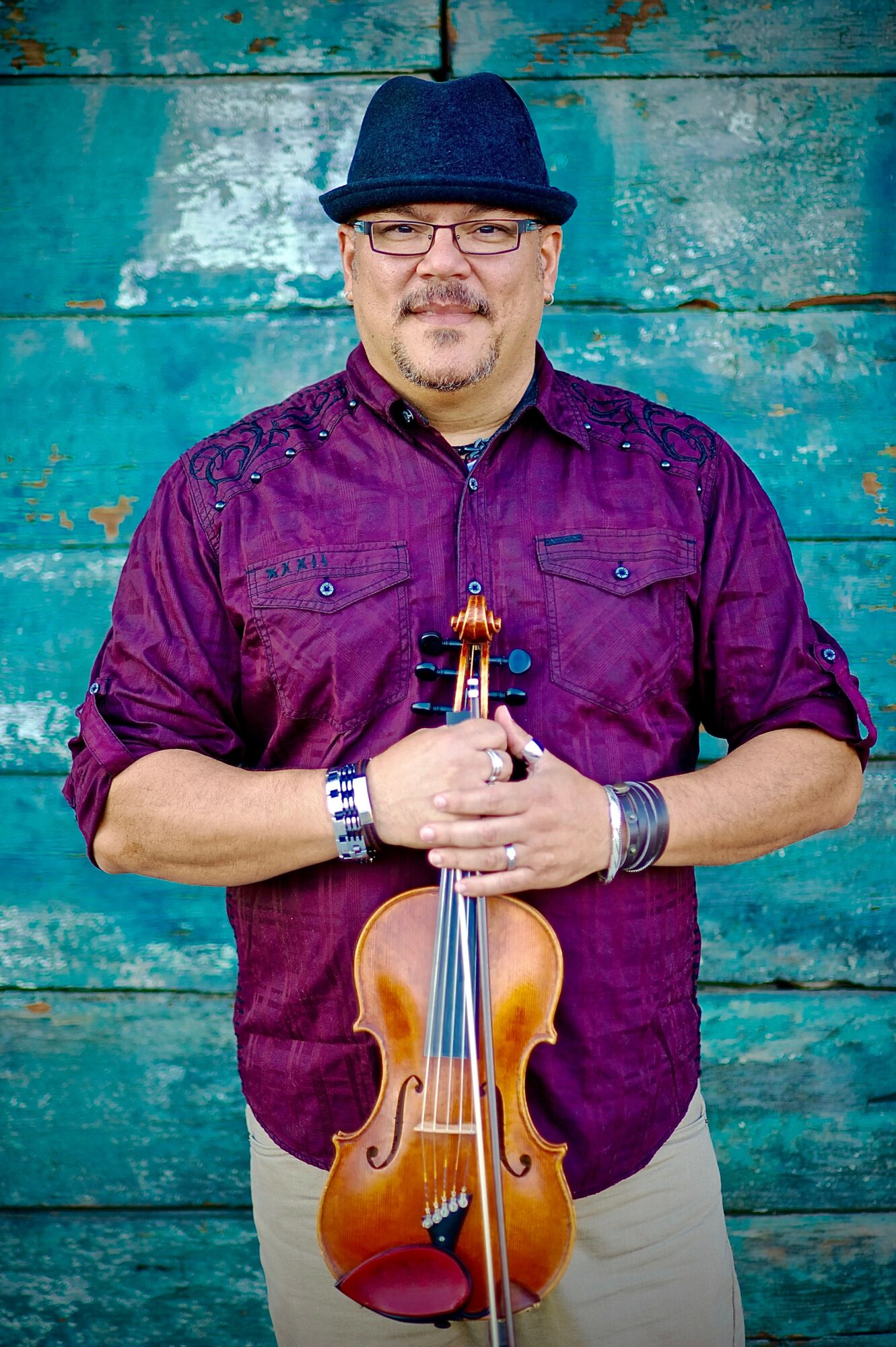
Image Credits
Jacob Mendez, Jacobo Ventura, John O’Hara, Jeff Fasano
Popular
-
Inside the Future of Search: Robb Fahrion on Building a Global Team and Leading the Rise of GEO
-

From Supporting Local Boutiques to Building Brand Partnerships: Cinthia Jensen’s Creative Marketing Journey
-
Building Community Through Curiosity: Nathanial and Samantha Rowe on the Vision Behind UNEARTHED
-

Portraits of the Valley
-

LA’s Most Inspiring Stories
-
Building Creative Bridges: Torrey Tayenaka on Community, Collaboration, and the Future of Sparkhouse


