




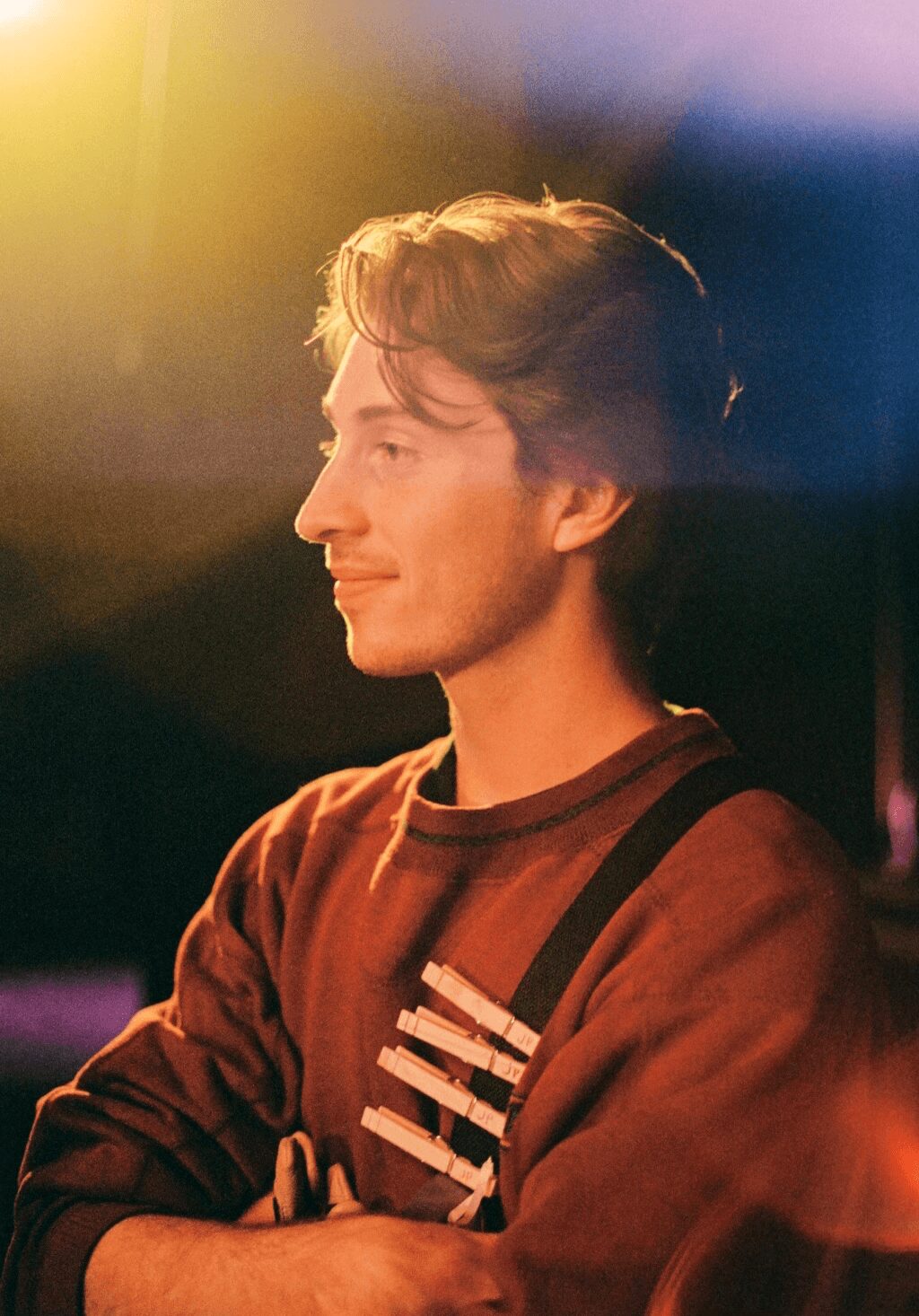
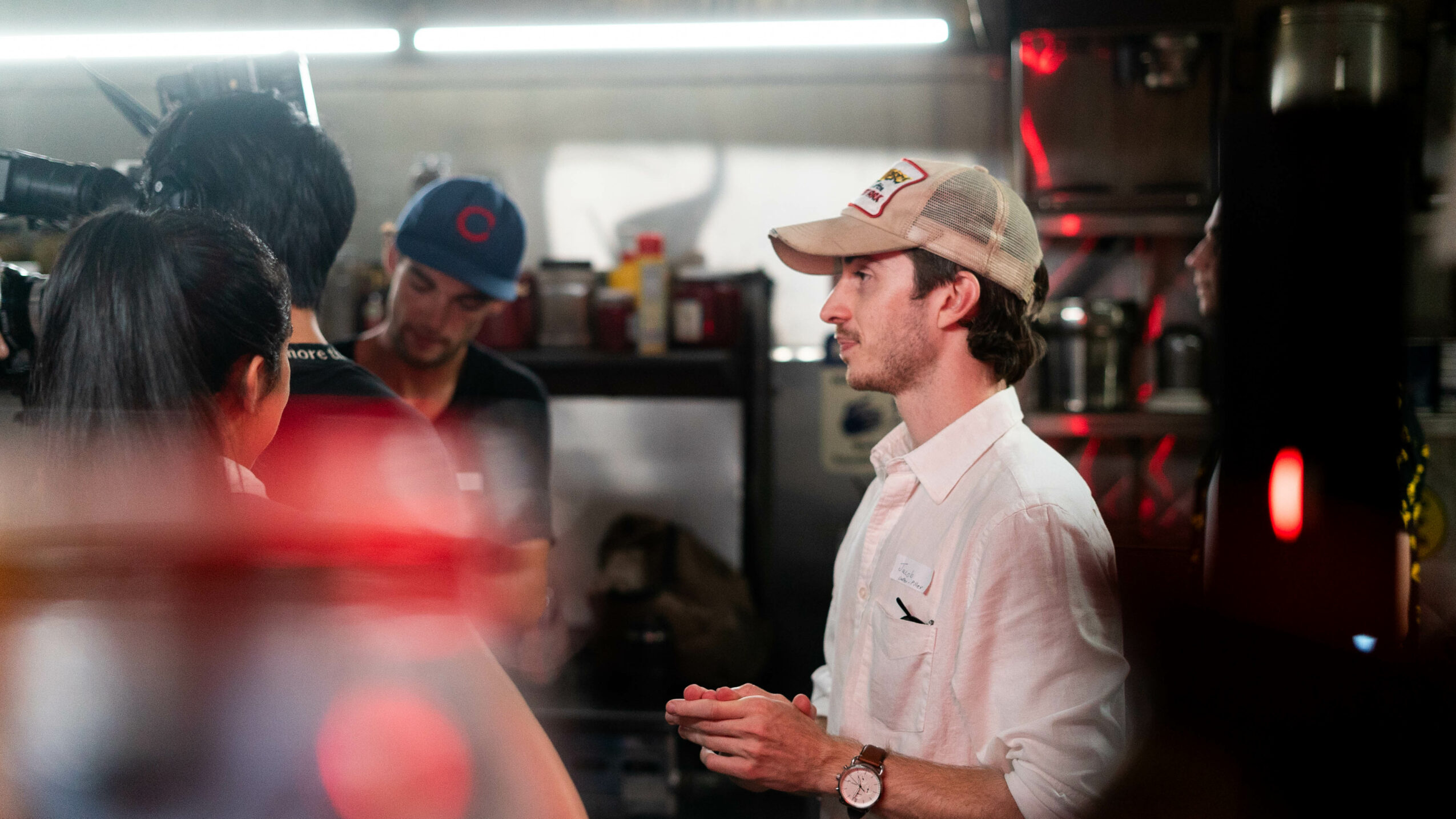
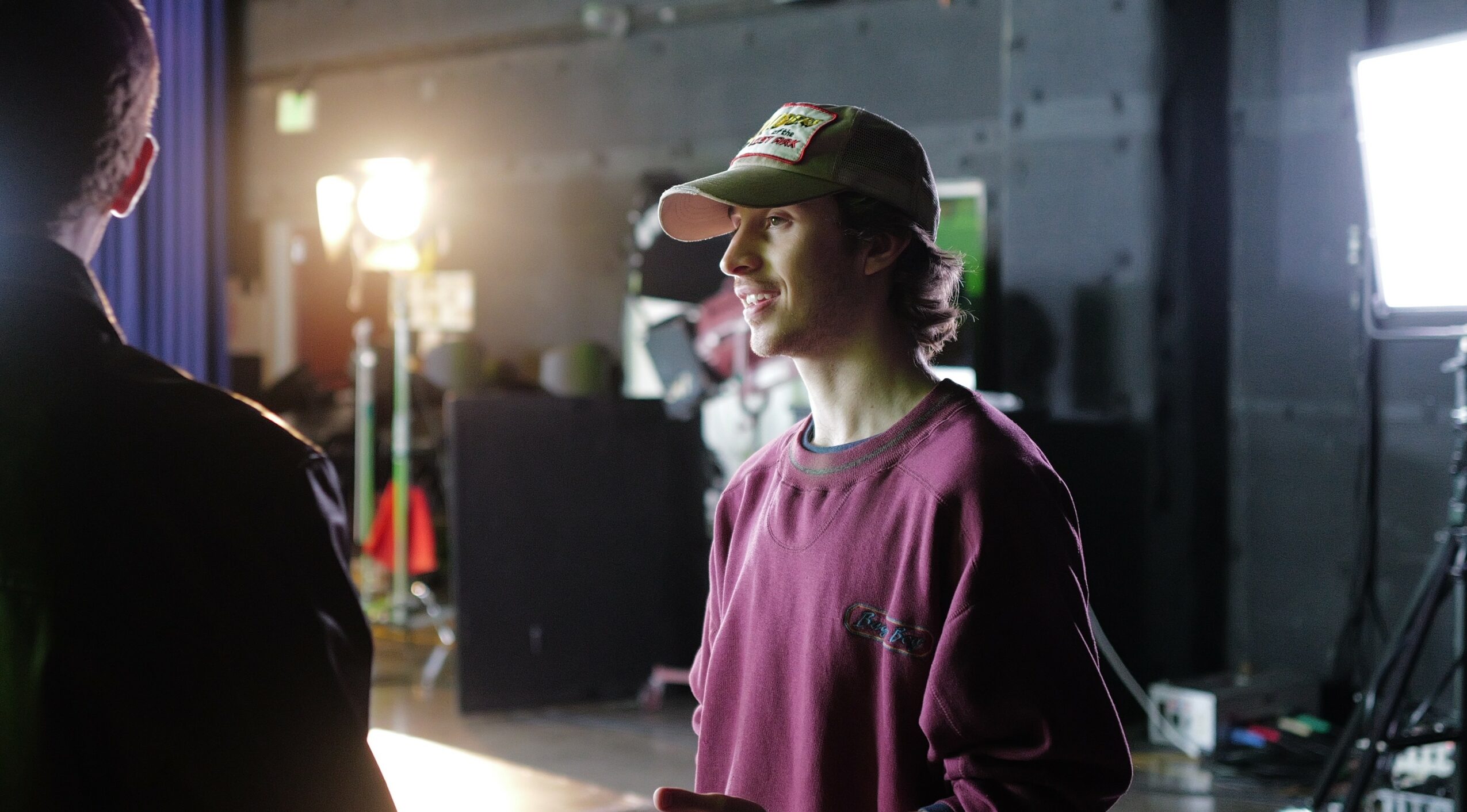
Today we’d like to introduce you to Jacob Piller.
Hi Jacob, so excited to have you with us today. What can you tell us about your story?
My story probably echoes a lot of other filmmakers in some ways. I started making films around age 13 with a cheap Flip video camera, putting together goofy school projects or filming random ideas with my friends. But in hindsight, the video camera was never a new object in my life. My dad documented almost everything with our family’s bulky VHS camcorder. Birthdays, vacations, even just ordinary days at home with my siblings. We have dozens of tapes, and I used to watch them like they were artifacts. So capturing moments and finding stories in reality was something I instantly became drawn to once I discovered the format.
Even though no one in my immediate family came from an artistic background, I found filmmaking on my own. I became a YouTube-era film student watching endless behind-the-scenes videos, tutorials, and interviews, then turning around and trying things out with whoever I could convince to help. I was pretty much the only filmmaker in my high school, so I filled every role on set with friends. I just wanted to tell stories, and I made it happen however I could.
In junior year, one of my shorts got into a local Charlotte film festival and ended up winning Best Student Film. That was a major turning point. It helped me see this path as more than just a passion, it could be a career. I went on to get my undergrad degree in film at SCAD, and while I loved learning the technical side of things, the biggest gift that time gave me was space to start understanding the kind of films I wanted to make. I still haven’t fully answered that question — I’m not sure I ever will — but what I did figure out is that I’m drawn to a very specific feeling. Nostalgia.
Nostalgia has become a kind of creative beacon for me. It’s the emotion that grounds most of my stories. There’s something about recreating the texture of a past era, or chasing the atmosphere of a memory (even if it’s fictional) that feels endlessly rich to me. My senior thesis film was an ‘80s-inspired horror short in the style of the B-slasher. It was a love letter to a different kind of movie experience, tactile, stylized, imperfect in the best way. That film ended up playing at a few horror festivals, which was really encouraging.
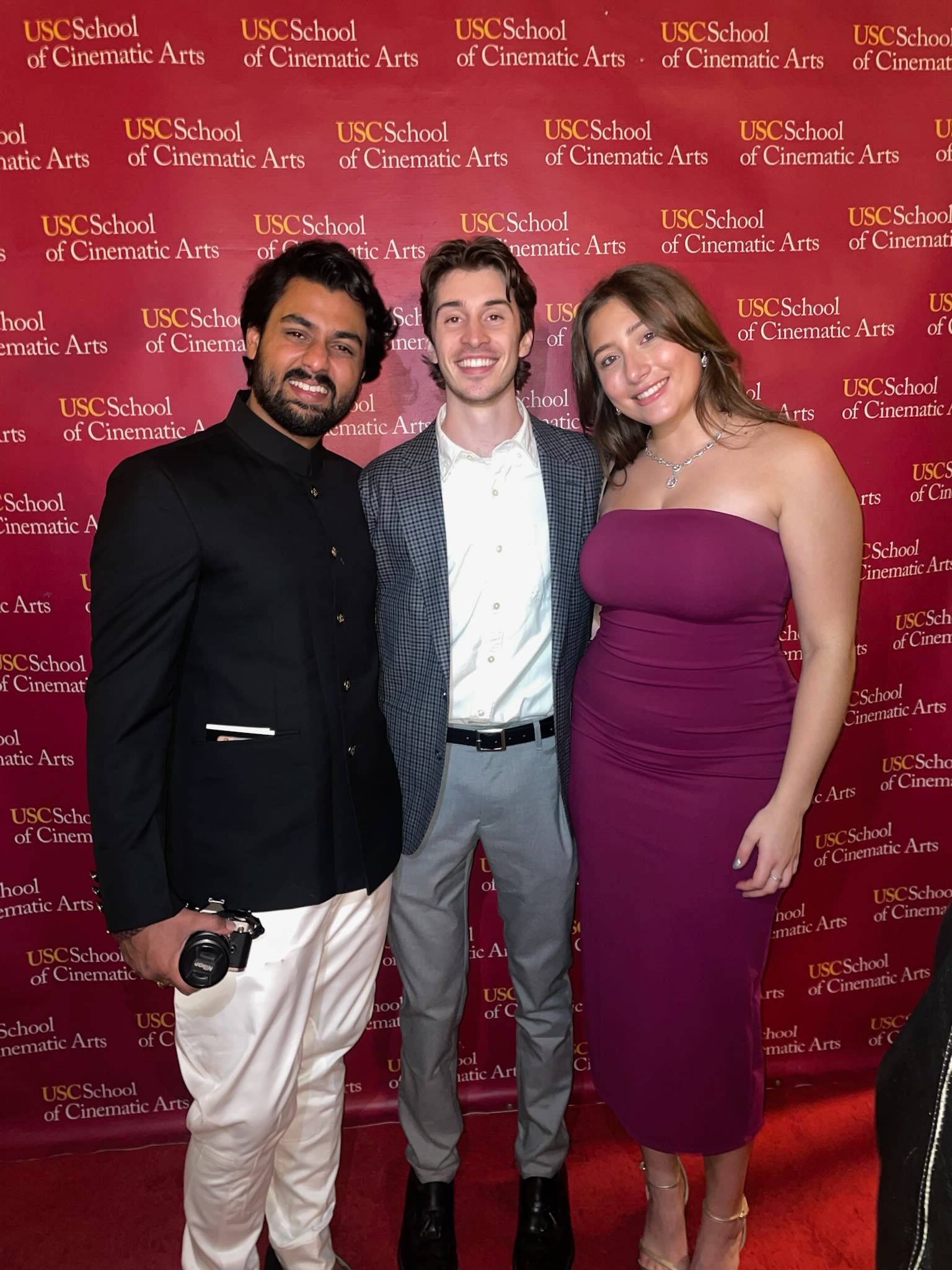
After SCAD, I moved home and worked as an editor for a couple of years. It was a good job, and it kept me close to the process, but I started to feel restless not making my own films. I knew I needed to be in a city where filmmaking was happening all around me, so Los Angeles was the obvious choice. But before diving in fully, I decided to take a chance on grad school. I wanted a space where I could focus solely on directing, push my creative voice further, and build a strong network of collaborators. That led me to USC’s MFA program.
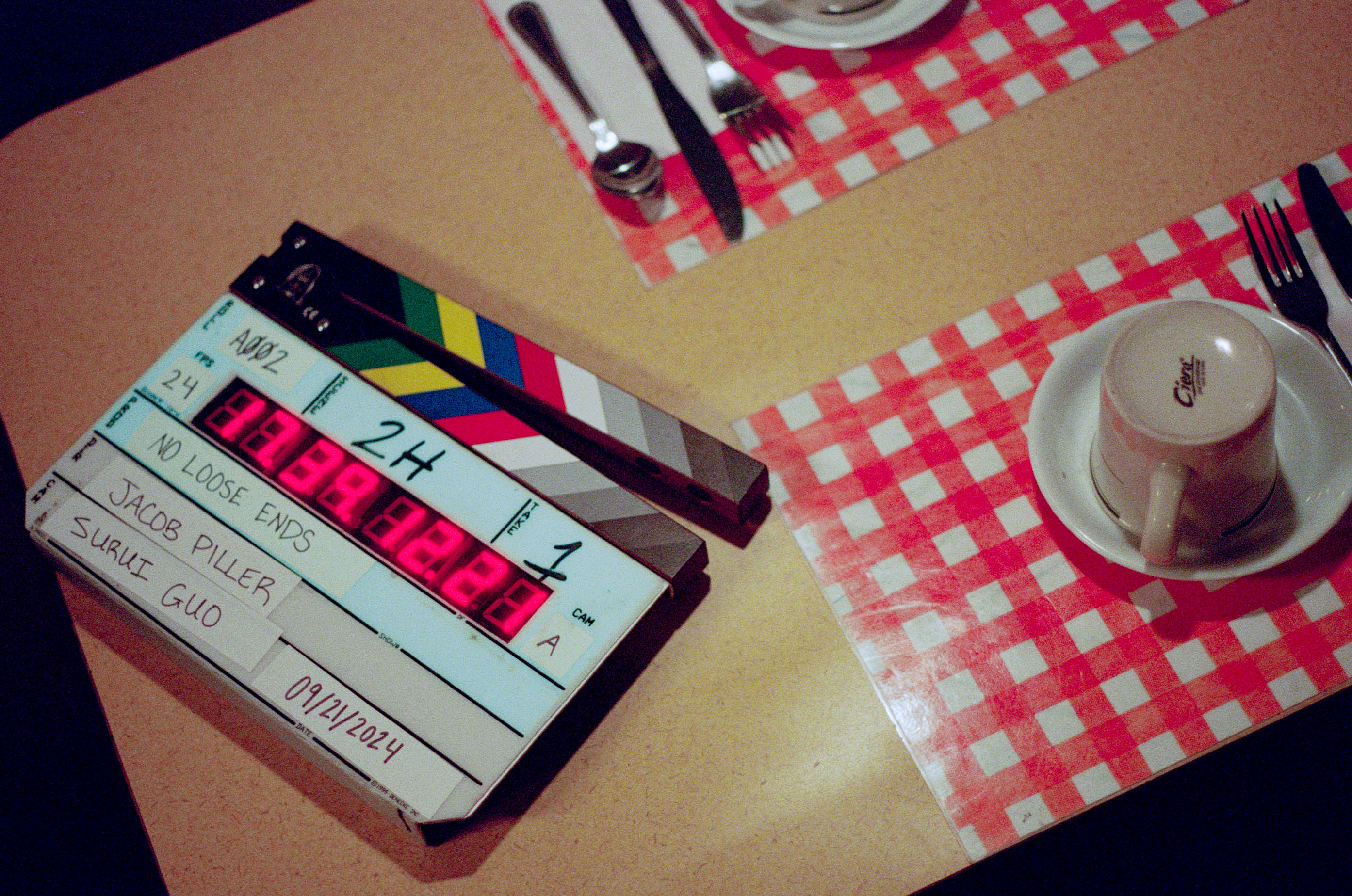
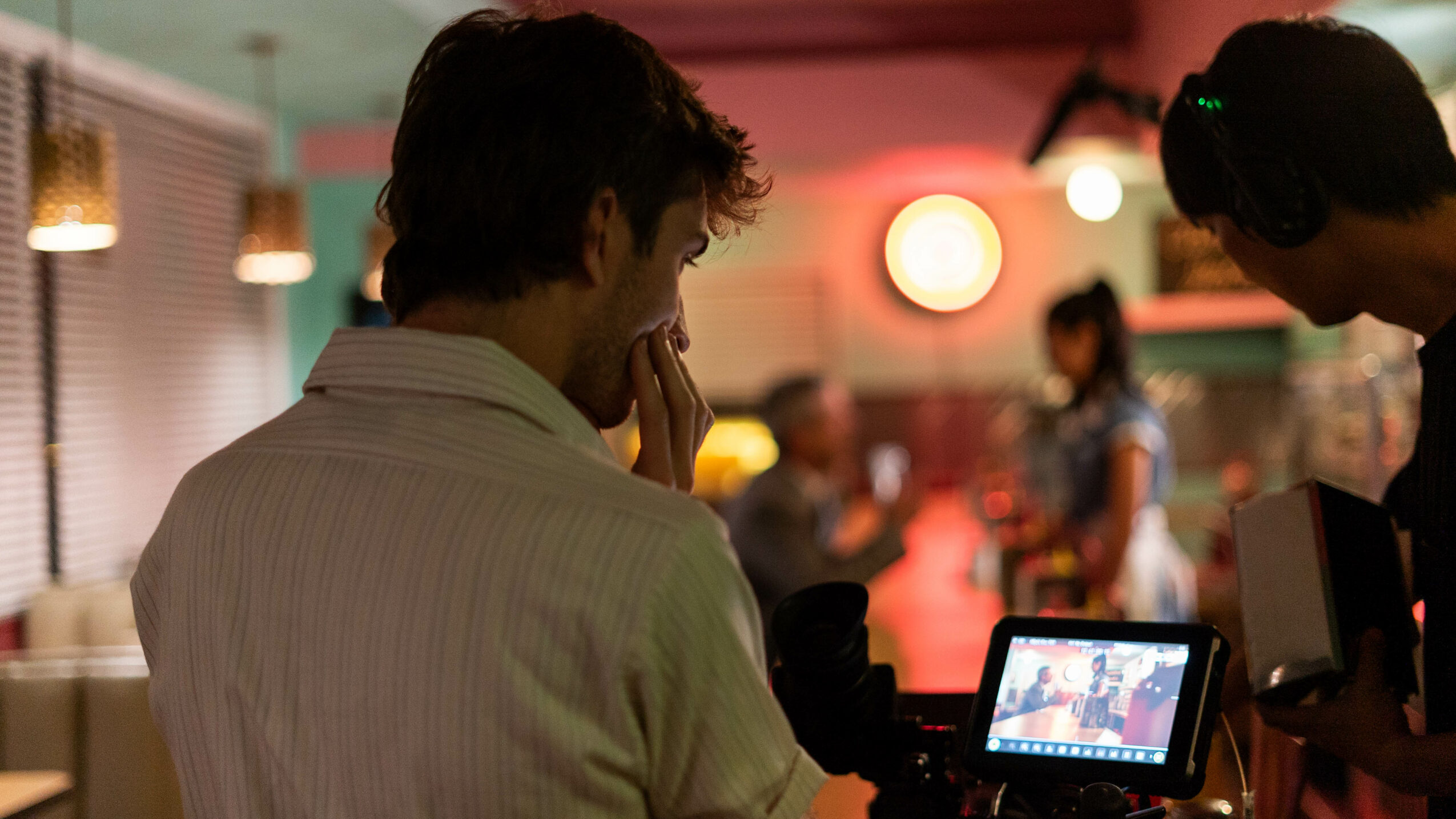
I’ve spent the last two and a half years doing exactly what I came to do. I’ve directed a wide range of projects, met some of the most talented people I’ve ever worked with, and was selected as one of three directors to helm an advanced project, a noir genre film titled No Loose Ends, which is currently being submitted to festivals. That film, like a lot of my work, leans into the past. Set in a stormy roadside diner, it explores themes of fate, hope, and redemption.
Looking ahead, I’m ready to move into the world of features. I’ve spent years honing my craft in short films, and now I’m excited to take all of that and build something longer, deeper, and more immersive. I think nostalgia will continue to be a core part of my voice, not just visually but emotionally. It’s about longing, memory, and time. I’m always looking for new ways to capture that on screen.
Alright, so let’s dig a little deeper into the story – has it been an easy path overall and if not, what were the challenges you’ve had to overcome?
Every road has its bumps, but I try to keep a pretty grounded perspective. The process of filmmaking itself is filled with daily obstacles. Trying to get something made: writing, financing, shooting, editing, and then making it good on top of that? It’s never easy. But I’ve learned to treat the setbacks as redirections. Sometimes when something doesn’t go the way I planned, it opens up an even better opportunity. That attitude helps me stay focused and keep going.
Can you tell our readers more about what you do and what you think sets you apart from others?
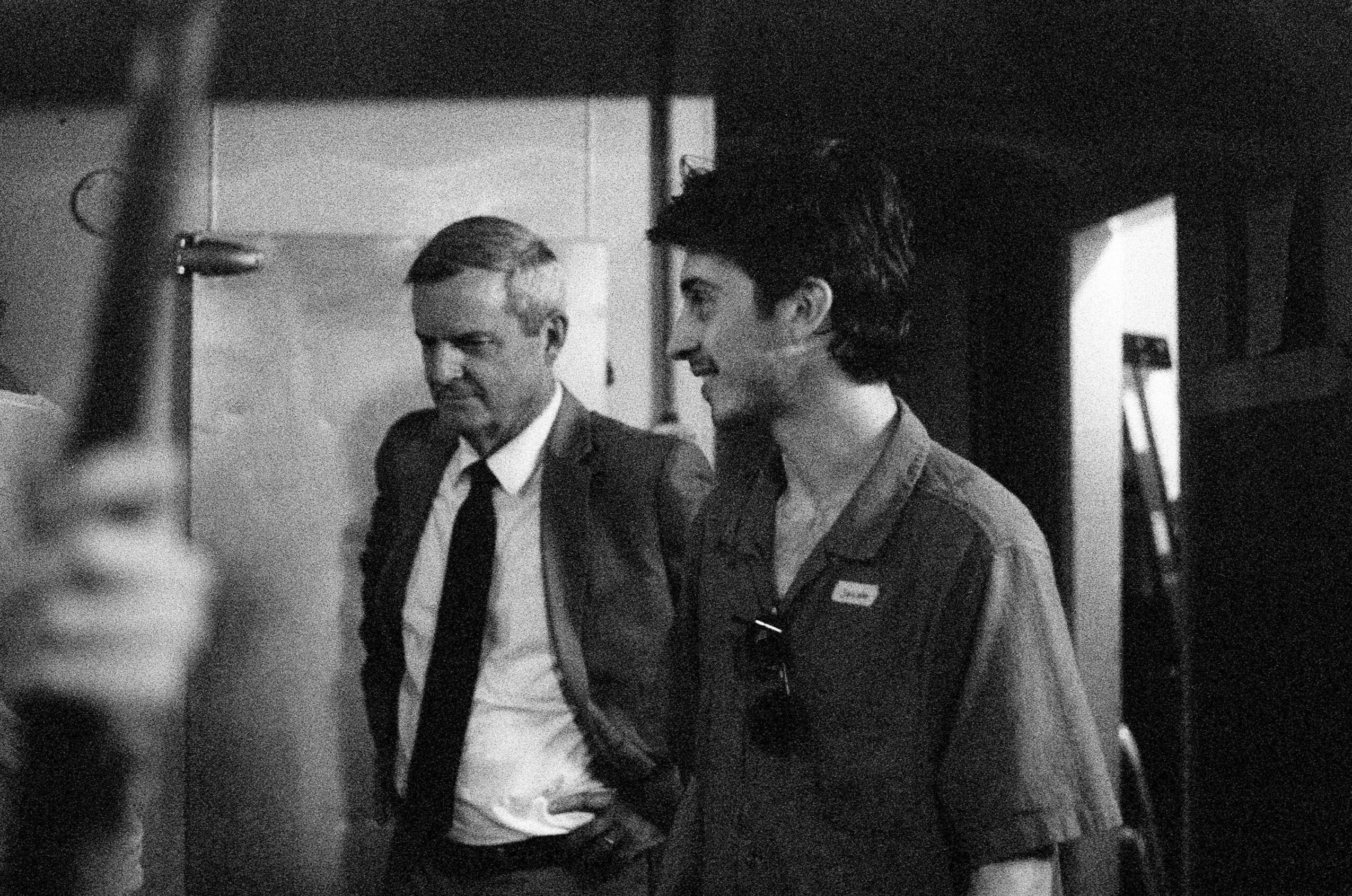
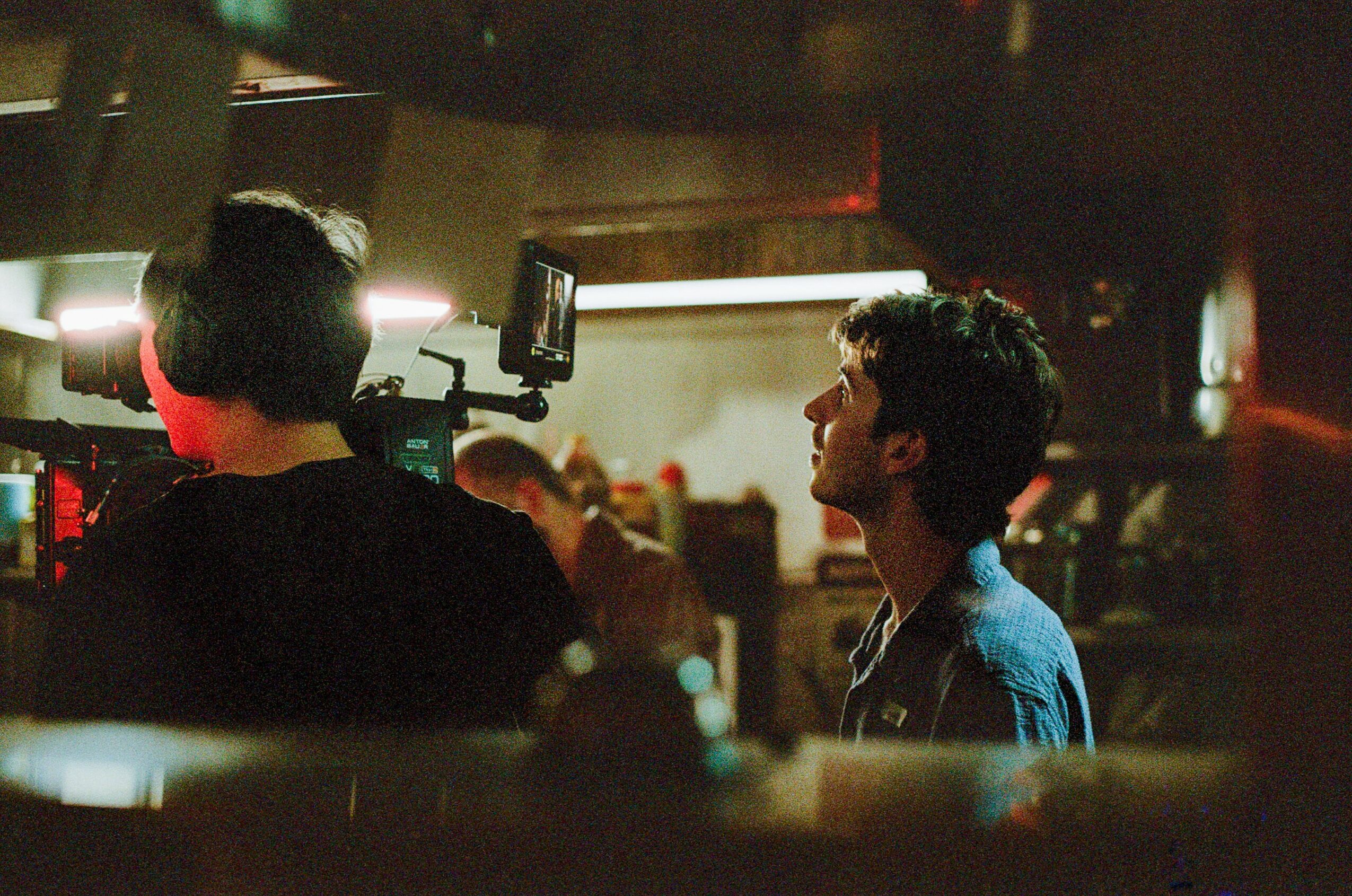
I specialize in directing. If I had to pinpoint my strongest skill, I’d say it’s my visual sensibility, the ability to see how all the pieces of a story can come together on screen (from pre to post-production). Through film school, I’ve been fortunate to gain hands-on experience in every department, from cinematography, editing, sound and writing. That full-spectrum education really shaped the way I approach directing. I believe that if you’re going to lead a team, you should understand the roles of every crew member and be able to step into their shoes when needed. It’s given me a holistic understanding of the process, and more importantly, deep respect for each part of the craft.
But directing has always felt like the right fit for me. It’s where I thrive, guiding a team, shaping a story, and collaborating to bring a vision to life.
Every project I finish feels like an accomplishment, even if a few months later I find myself thinking about what I’d do differently. I try not to dwell too long on this, whether a film went exactly the way I envisioned or not, and instead stay focused on learning and evolving with each new project. Every film is its own classroom, and I try to stay a student throughout.
What I’m most proud of, ultimately, is the way I value the team and the process over anything else. I firmly believe that the right collaborators — people who care, who bring good energy, who are in it for the right reasons — are more valuable than any resume or reel. I’ll always choose someone who fits the spirit of the project and fosters a healthy working environment over someone who might have more experience but less heart.
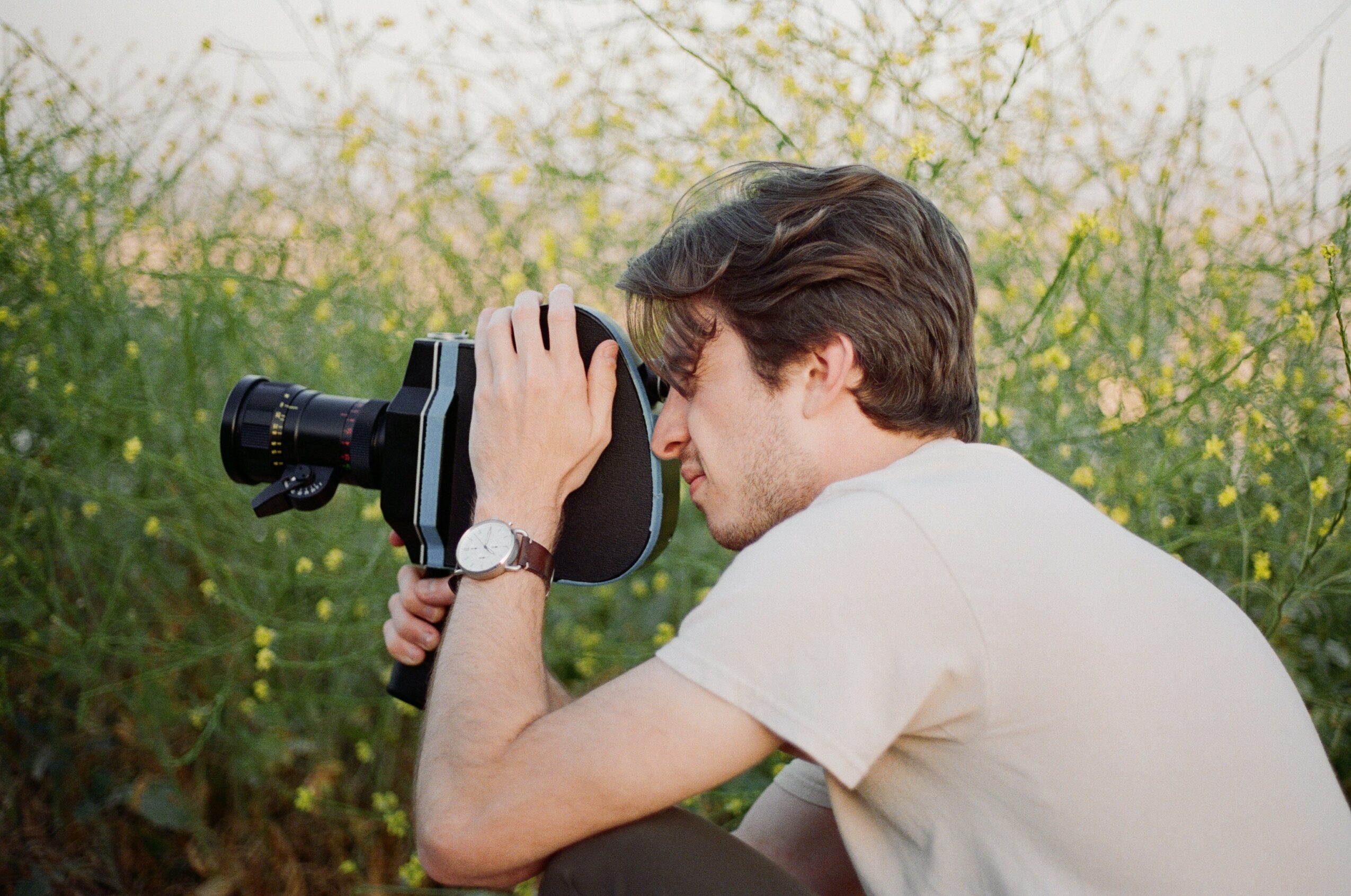
Even though filmmaking is all-consuming, I’ve realized how important it is to step away sometimes and let your creativity flow in other ways. I’ve gotten into film photography, collecting old point-and-shoots, fixing them up, shooting 35mm and Polaroid, even experimenting with Super 8 and 16mm motion picture film. There’s something meditative about it, something low-pressure. I’m not trying to capture the perfect image, I’m just trying to capture a feeling, a moment. That same nostalgic drive shows up here too. I’m drawn to formats that feel aged, honest, and a little bit flawed.
I also play the piano. I’ve never taken lessons; I just play by ear. If I need to think, or more often if I need to stop thinking, I jump over to the instrument. I’ll spend a few hours learning a new song by messing around until it clicks. It’s another creative outlet that keeps the juices flowing without the putting pressure on it.
What do you like and dislike about the city?
What I love most about L.A. is its history. There something inspiring about being in the birthplace of cinema. Walking past old studios, sitting in historic theaters, seeing the places where some of my favorite films were made. It’s like stepping into a living archive. There’s an energy here that I’ve never felt anywhere else. A filmmaking current you can tap into if you want it.
What I don’t love is the feeling that a lot of that magic is slipping away. Theaters are closing. Productions are moving elsewhere. It feels like the old Hollywood spark is flickering. But I’m hopeful, I think there’s a new generation of filmmakers who are just as passionate about bringing it back. I’d like to be part of that revival. To tell stories that remind people why they fell in love with movies in the first place.
Contact Info:
- Website: https://www.jacobpiller.com
- Instagram: https://www.instagram.com/jacobpiller/
- Youtube: https://www.youtube.com/channel/UCvdJq98_O8_CEiMEYiCx4ZA
Popular
-

Portraits of the Valley
-

LA’s Most Inspiring Stories
-
Maagic Collins on Building a Fearless Publishing Platform for Truth, Advocacy, and Underrepresented Voices
-
Los Angeles Barea on Turning Green Superheroes into a Global Movement for Youth-Led Change
-

Trisha DuVivier on Bridging the Franchisor–Franchisee Divide with Workhero and “Franulate”
-
Cedar Boschan on Elevating Black Music Rights and Driving Urgent Conversations Around Credit, Equity, and Artist Protection


