





Today we’d like to introduce you to Clair Case.
Hi Clair, we’re thrilled to have a chance to learn your story today. So, before we get into specifics, maybe you can briefly walk us through how you got to where you are today?
Originally, I am from New England but have migrated to the West over the years and currently reside in the hi-desert of Southern California.
Growing up my first art experiences were vising the Wadsworth Atheneum, and I was enamored with all of it. I love many forms of expression, regardless of being my ‘style’ or not.
Eventually, I went to Columbia College in Chicago, studying Art History and Photography. My photography focused on capturing what was around me, part still life, part nature but creating surreal images by using infrared films.
After school and when I moved to the Pacific Northwest, I had a full-time job. Although I showed my work a few times in Seattle, had commissions for a few office spaces, and even toted my wares down to the Art Walk, I never put myself into solely being an artist first.
During this time, I bought some of the big poster sized targets with an ex. It took me a little while to figure out how I wanted to use them. Eventually, I cut the target into strips (pieces) intersecting Polaroid transfers and other photographs of me, where I’d been, etc. I was hand sewing all the pieces together, creating a quilt of sorts.
However, the more I was working on this piece and viewing it, I felt the strips weren’t where or how I imagined it. Eventually, I realized I didn’t like the layout and ended up cutting it all up. This left me with a stack of Polaroid transfers; I didn’t know this would be a pivotal moment. This was a turning point where my focus shifted from photography to fiber arts, creating hand-sewn and hand-woven works that challenge societal narratives.
Alright, so let’s dig a little deeper into the story – has it been an easy path overall and if not, what were the challenges you’ve had to overcome?
My journey has been both smooth and bumpy. It’s been smooth because I chose a more “solid path” of having jobs that provided a stable income and benefits. I didn’t have to ‘struggle’ which can be a blessing and a curse. It’s kept me safer by not putting myself out there or challenging myself as much.
As you know, we’re big fans of you and your work. For our readers who might not be as familiar what can you tell them about what you do?
I have a few things that I love to work on, cyanotypes keep me connected to Photography, and over the years I’ve enjoyed making books. But I love thread and patterns! I sew my cyanotypes; I sew on paper… I love the back of my work because it’s so unique and abstract. Also, I have several looms and weave.
However, in terms of the art I create, my primary focus is how women are marketed and portrayed in media. The work I create might utilize different materials and focus on one aspect, but it’s all under the same theme. For instance, I’ve repurposed images women from advertisements and hand-sewn them onto mathematic cards, or I use embroidery hoops, weaving and sewing scenes with images from an old bedsheet.
At the moment, I love juxtaposing images with targets, whether hand-sewn or hand-woven. Both sewing and weaving have been practices historically associated with women’s domestic labor, and targets addressed the questions that arose in my mind. Are we scrutinizing ourselves or are we being objectified by someone else? Who is targeting who? My works invite viewers to question their role in engaging with these themes and expectations imposed on female identity.
Since moving to the hi-desert there have been many amazing moments. I am proud that I have put myself first, and I’m exploring fiber and textiles more. In doing so, opportunities presented themselves.
I’m participating in more shows and open calls, as well as participating in the annual Hwy 62 art tours which occurs in the hi-desert during the first 3 weekends in October.
Last year I participated in Measure Once, Cut Twice a collage shows at La Luz de Jesus gallery in LA. What a great show and honor to be included in.
Another great moment was being a part of a massive weaving commission that belonged to Janelle Pietrzak. For several months, I was a weaving assistant on her triptych going to a new US Embassy in Iraq. What an experience – It has inspired me to explore ideas and create works I’ve been thinking about for years.
And soon I will be sharing paper weaving through a program created with the Palm Springs Art Museum where they partner with local libraries in the low desert. I’m really excited for this.
What quality or characteristic do you feel is most important to your success?
First, I want to say that success is such hard word, there is a lot of pressure on how we define success or what we deem as successful. As an artist the ultimate goal might be to have your work in a museum. But success can be in the act of creating, participating in local galleries, or even skill sharing.
In terms of succeeding, authenticity, perseverance, and exploring are important attributes to me. Knowing what you are passionate about, what you’re interested in, and exploring avenues to help convey what your voice is, all aids in creating art that you relate to.
In terms of perseverance, it’s important to remember that “success” doesn’t happen overnight and it is okay if it doesn’t. It’s hard when you aren’t accepted to an open call or your work doesn’t sell every time you show, but you must remember art is subjective. Not every piece or every moment is a “win” and it does not make someone less of an artist.
Keep discovering, keep creating, and don’t give up creating. In the end if you are happy that is the biggest part of being successful.
Contact Info:
- Website: https://www.claircase.com
- Instagram: @claircase
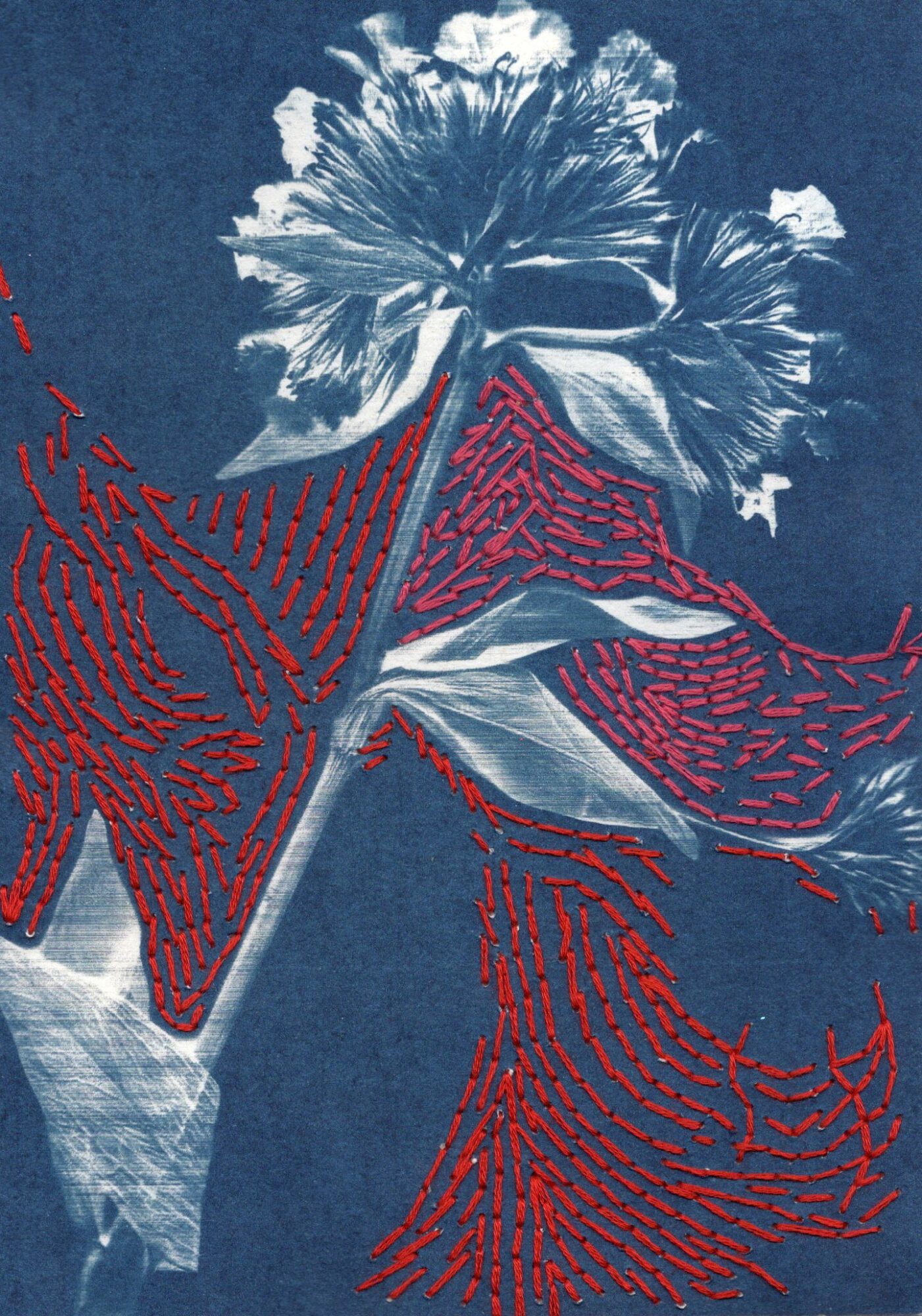
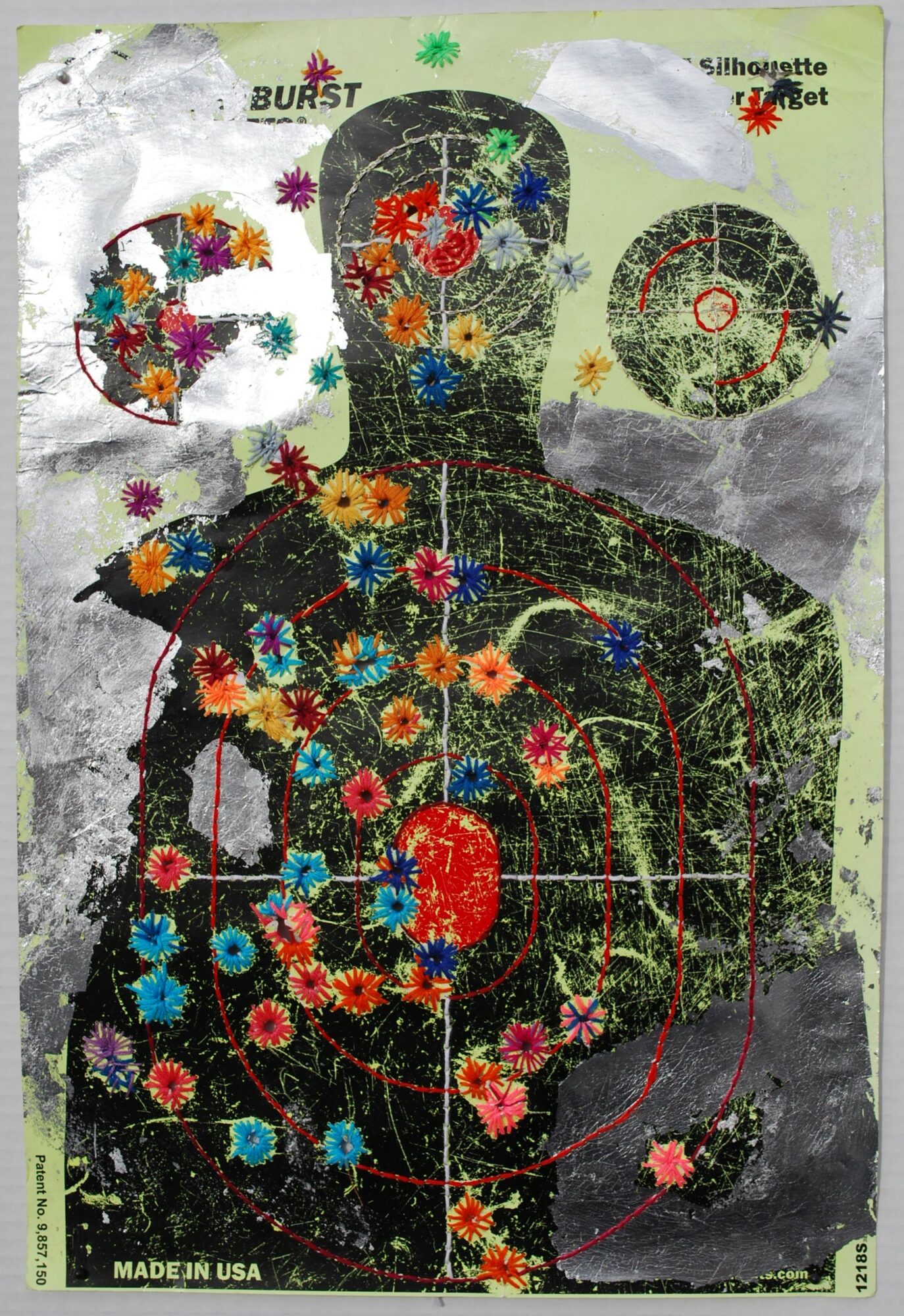
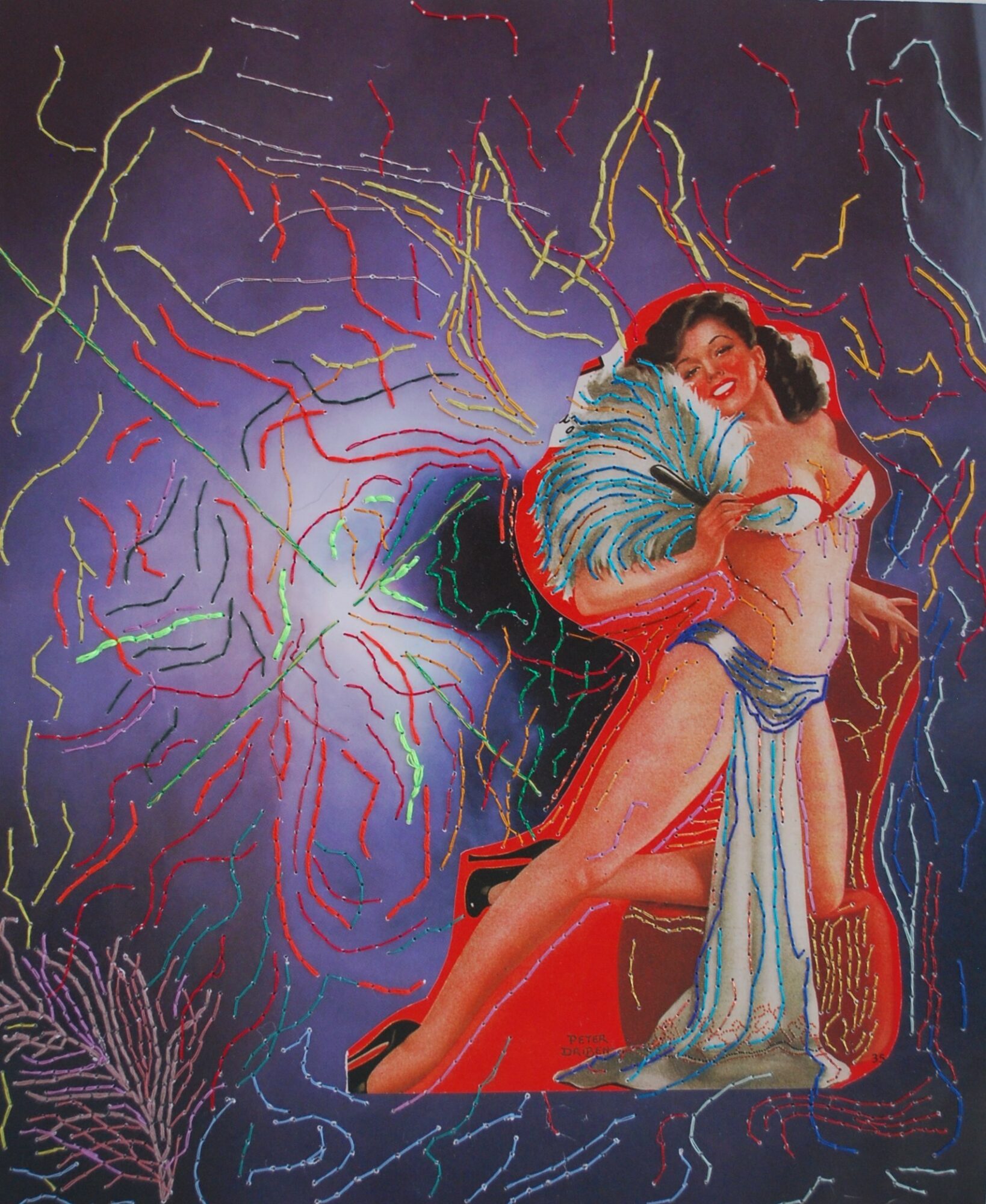
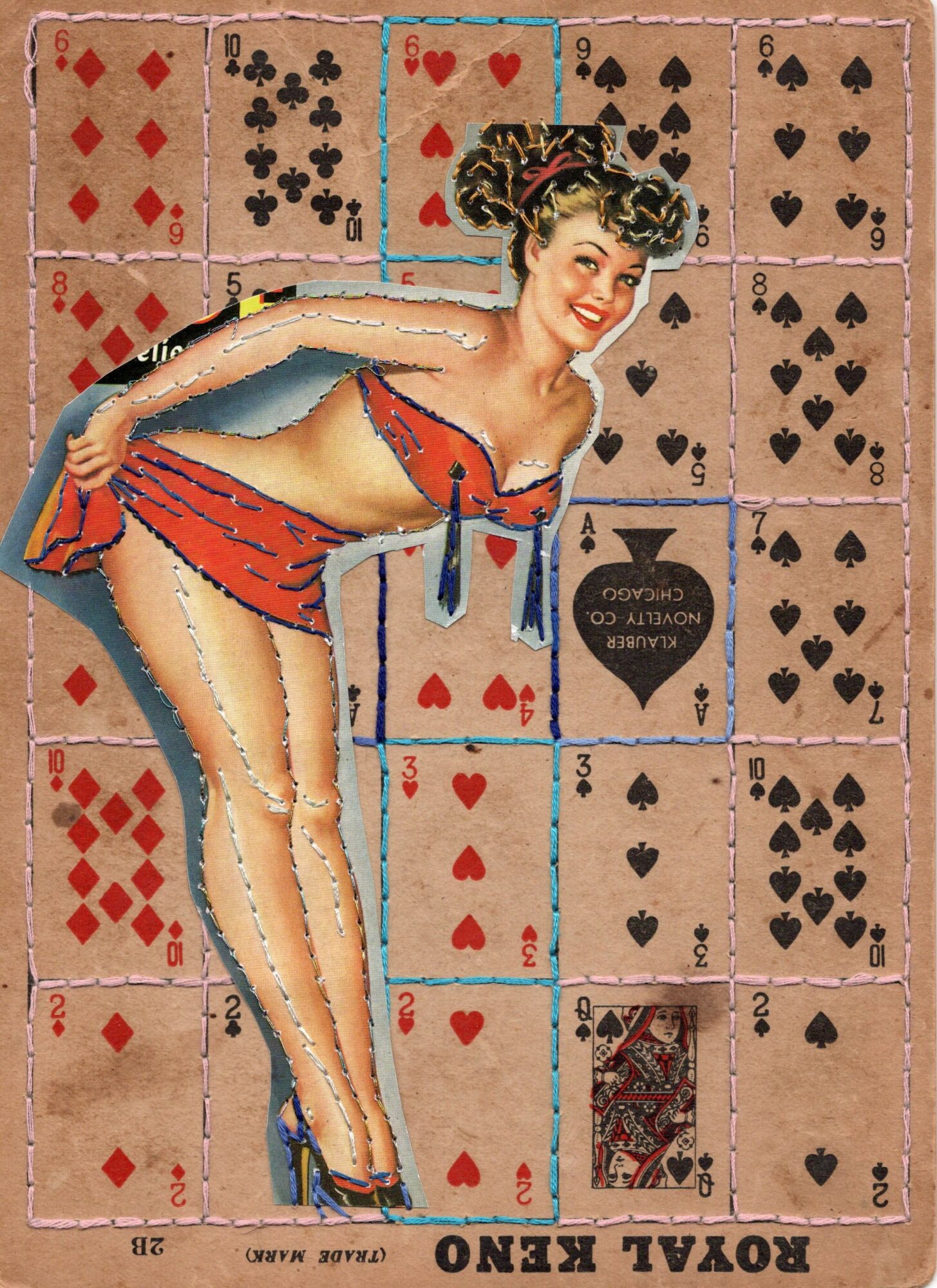
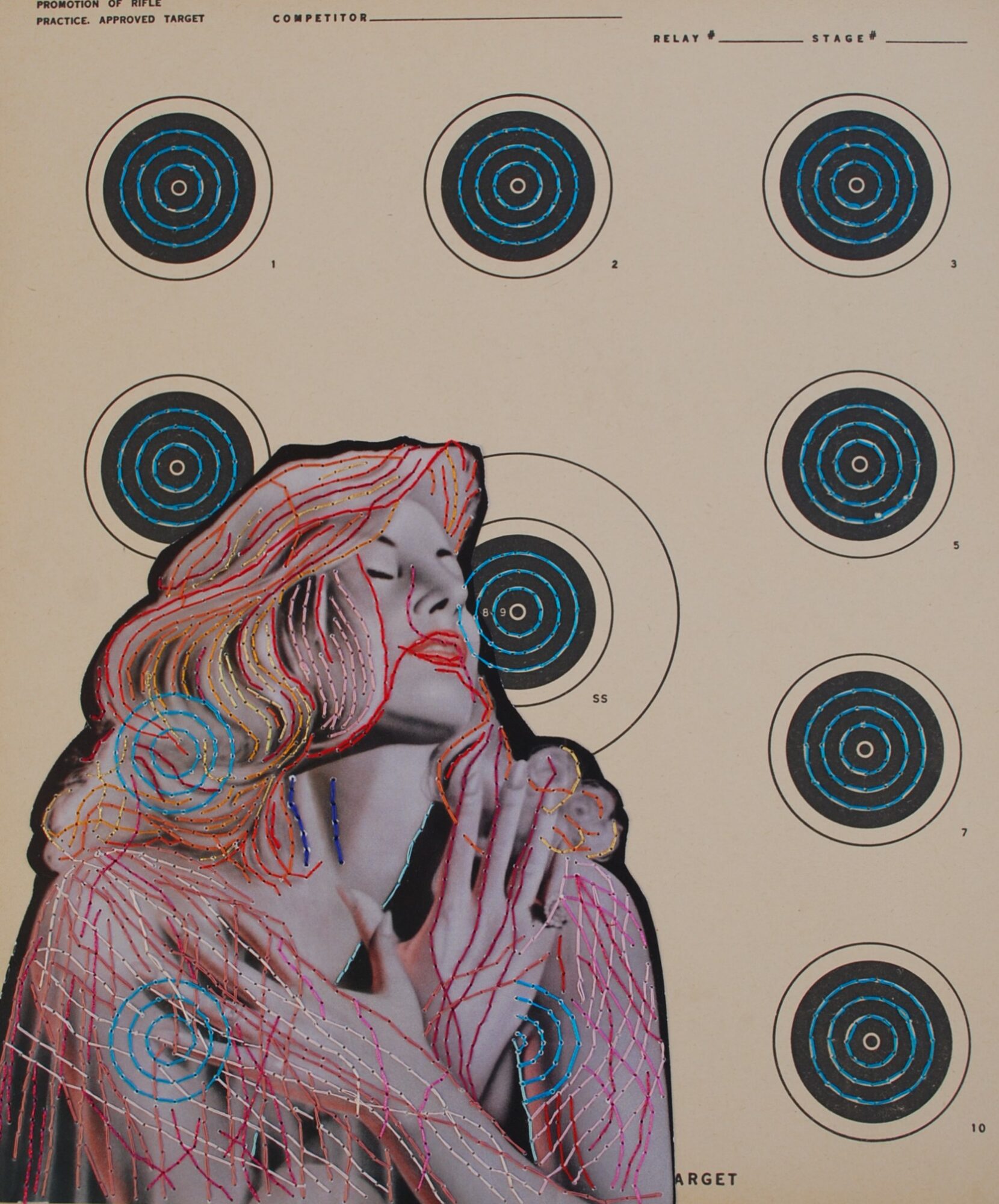
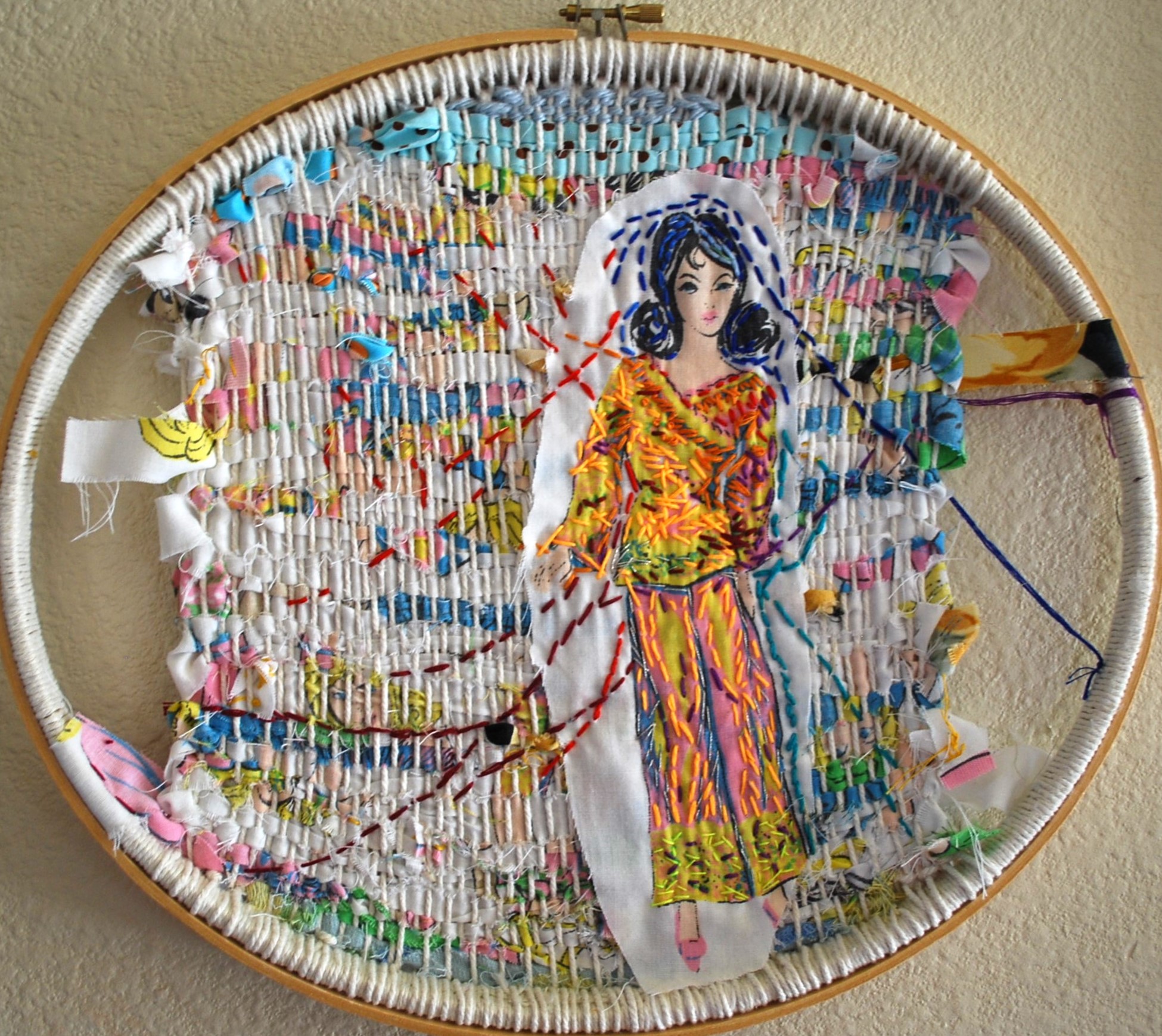
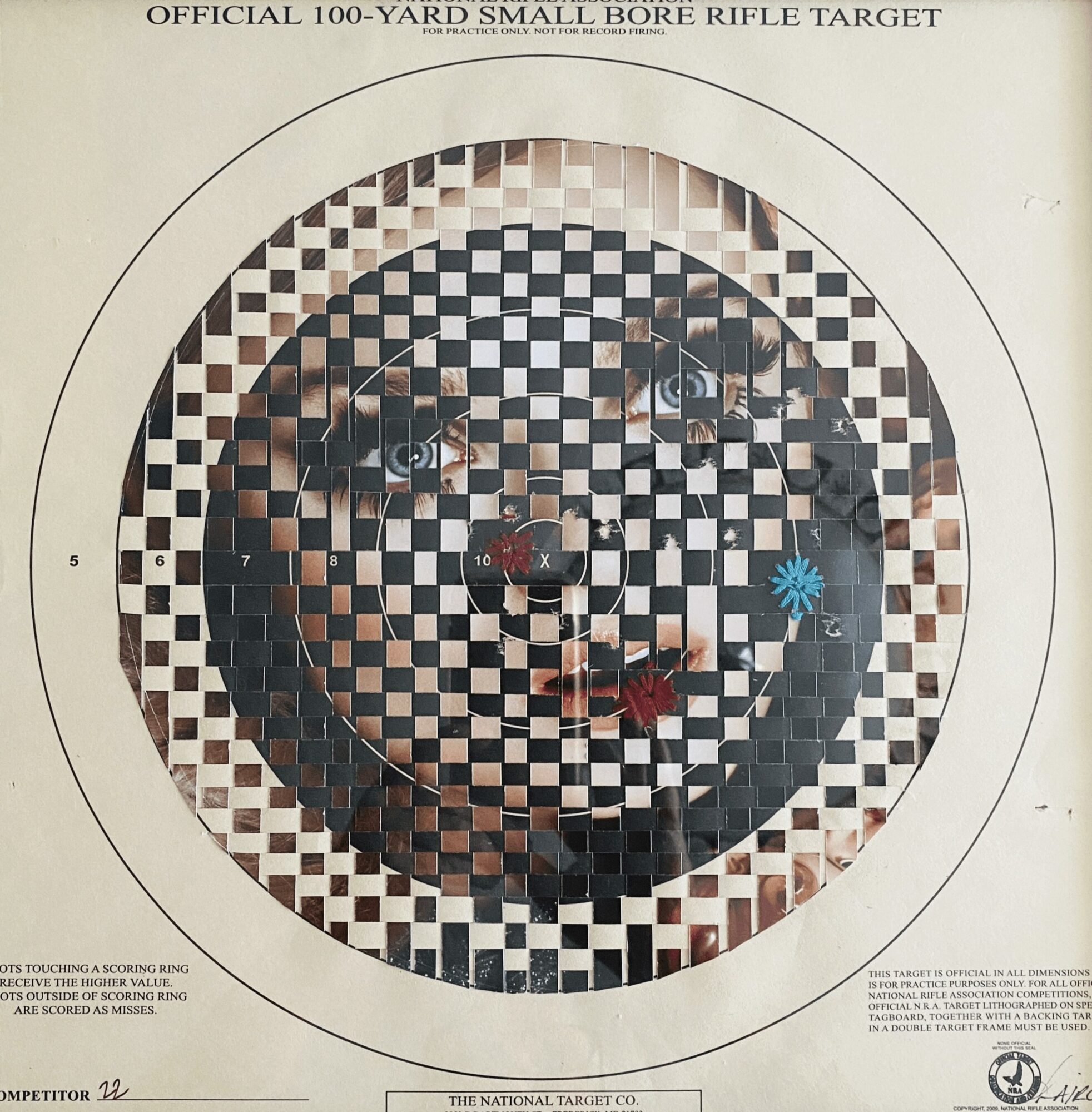
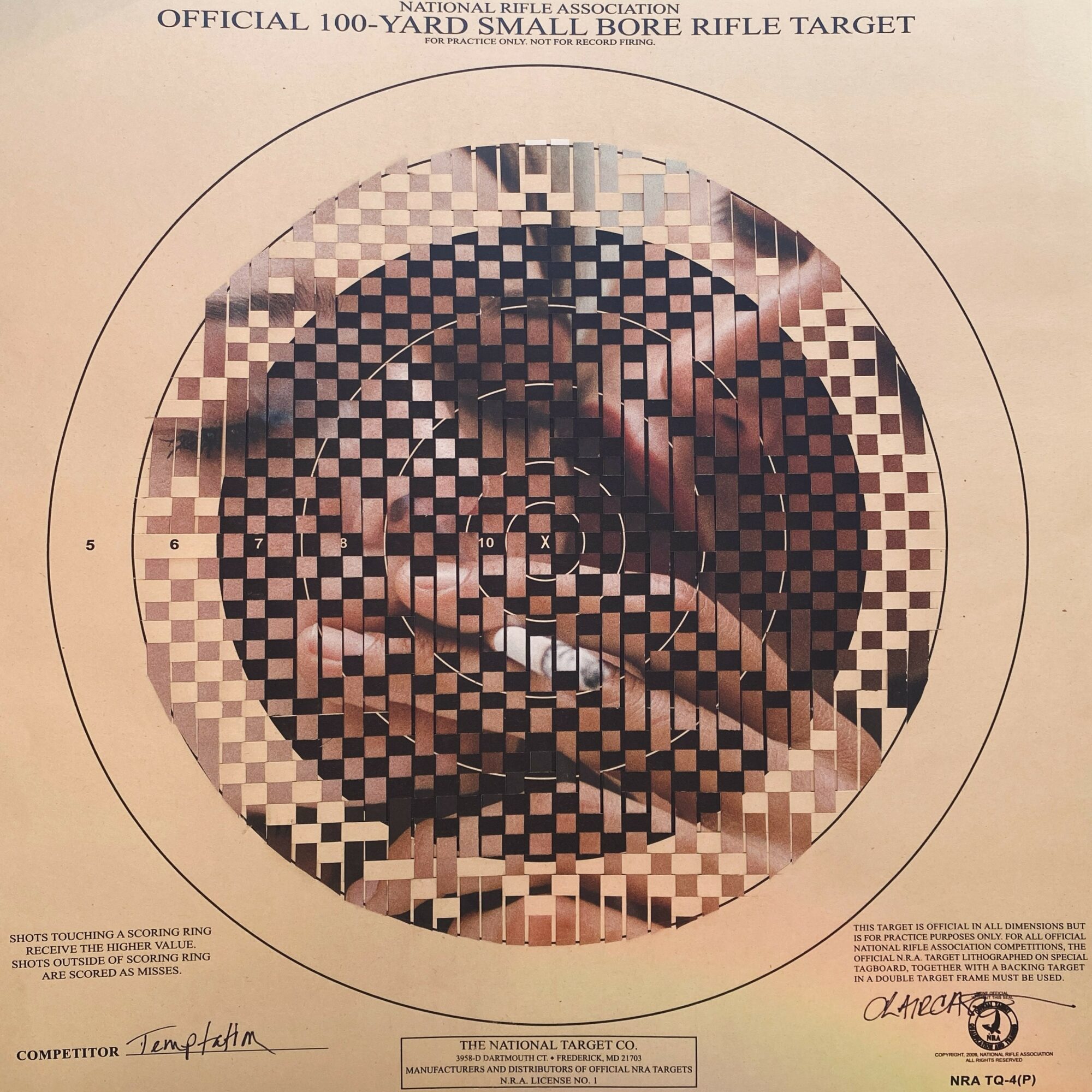
Image Credits
Images courtesy of Clair Case.
Popular
-

Finding Balance Through Art: Theresa Croft on Blending Music, Wellness, and Visual Storytelling into a Holistic Creative Identity
-
From Street Corners to City Tours: Chef Chuck Glaster on Building SOULD Out Into a Culture-Driven Culinary Movement
-

Portraits of the Valley
-

LA’s Most Inspiring Stories
-

From Rock Bottom to Calling: How Hasani McLean-Davis Found Purpose Through Faith and Music
-
Building a Scalable, Soulful Travel Brand: How Abboud Khallouf Turned Morocco Into a Global Experience


