




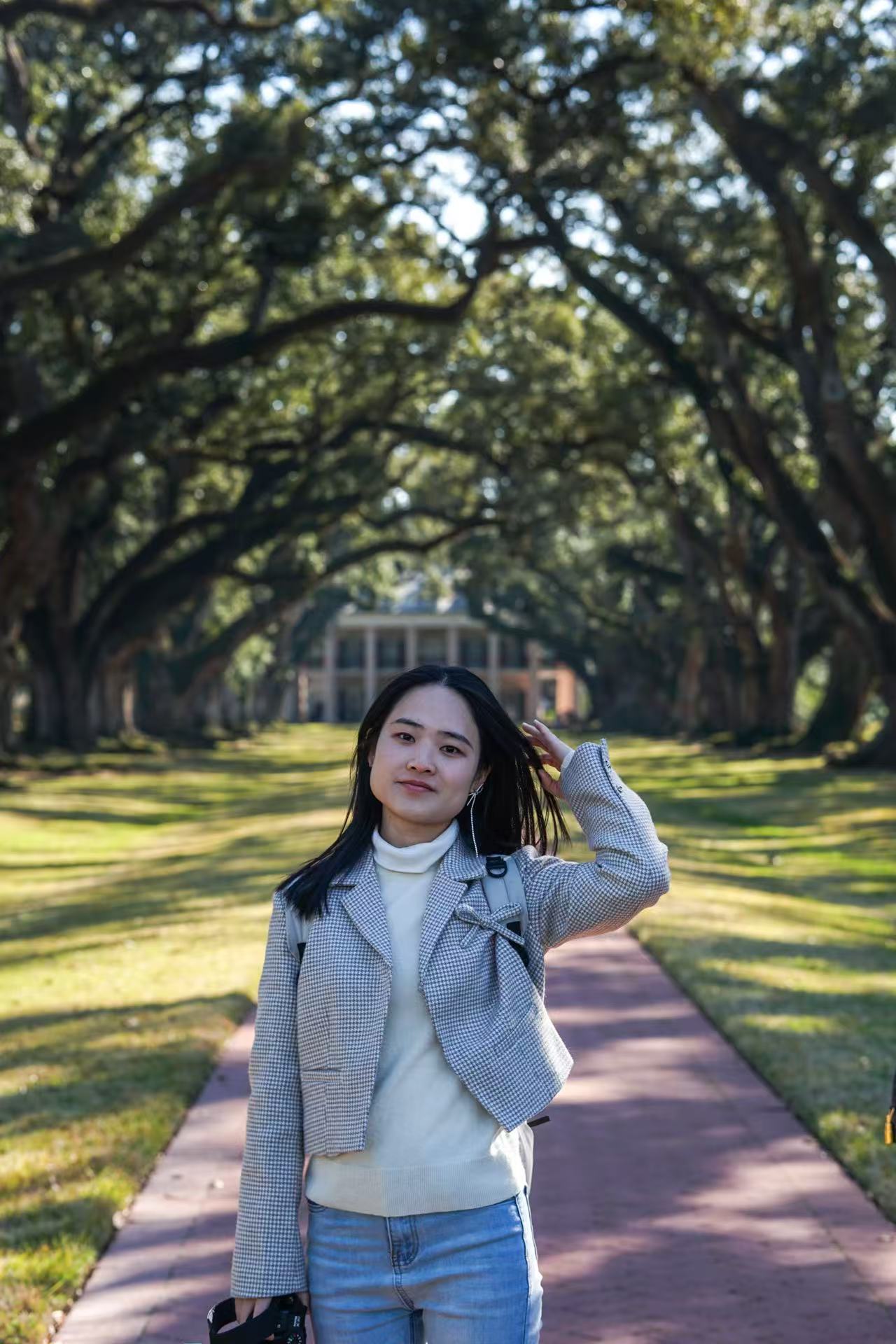
Today we’d like to introduce you to Yihui Wang
Hi Yihui, so excited to have you on the platform. So before we get into questions about your work-life, maybe you can bring our readers up to speed on your story and how you got to where you are today?
My passion for landscape design may have taken root in my childhood. Growing up, I spent a lot of time in my grandparents’ garden, where I became familiar with various plants. I also loved drawing and often imagined how I would design my own house and garden if given the space.
In high school, I developed a strong interest in science and problem-solving, which led me to pursue a field that blends both creativity and technical expertise. When choosing my major in college, I was drawn to landscape architecture for its unique combination of art and technology. Initially, I considered both architecture and landscape, but my university’s five-year curriculum allowed me to explore both before making a final decision. Over time, I realized that my passion leaned more toward landscape design, which led me to further my studies in the field.
I pursued a Master’s in Landscape Architecture at the University of Pennsylvania after my bachelor’s in China. After my first year, I took a gap year to intern at a Paris-based studio of renowned French landscape architect Catherine Mosbach. Due to the pandemic, I later returned to China and gained experience at several firms, including AECOM, DUSCAPE, and the Architectural Design & Research Institute of South China University of Technology in China. In the summer of 2021, I returned to the U.S. to complete my degree and graduated in 2022.
Since then, I have been working at Field Operations, where I’ve contributed to various urban public space projects, including The Underline Phase 3, Future of Fifth, and The Bentway Islands. Each project has reinforced my passion for creating meaningful, people-centric landscapes that enhance urban environments.
Alright, so let’s dig a little deeper into the story – has it been an easy path overall and if not, what were the challenges you’ve had to overcome?
Struggle 1: The transition from landscape architecture education in China to the U.S. was quite challenging. My first year at UPenn was particularly tough—I had to adapt to new landscape theories, design approaches, and drawing methods that had a lot of difference from what I learned during my undergraduate studies. There was also a lot of new knowledge and software skills that I had to learn from scratch, which meant many late nights.
Struggle 2: Working in different countries came with its own set of challenges. During my gap years, I worked in China, the U.S., and France, and each company varied greatly in terms of size, work culture, and project types. The differences in industry norms across these countries sometimes left me feeling lost and uncertain about my path.
Thanks for sharing that. So, maybe next you can tell us a bit more about your work?
Bridging Heritage, Ecology, and Urban Public Spaces
I am a landscape and urban designer specializing in the transformation of public spaces in dense urban environments. My work focuses on revitalizing historic sites, integrating ecological resilience into landscape and urban design, and crafting meaningful connections between people and places. With a background in both China and the U.S., I bring a global perspective to urban landscape renewal, emphasizing the balance between cultural heritage and contemporary urban needs.
At Field Operations, I have contributed to a range of public realm projects, including The Underline Phase 3 in Miami, Future of Fifth in New York, and The Bentway Islands in Toronto. These projects have allowed me to deepen my expertise in spatial narratives, environmental integration, and the user experience of urban spaces. My ability to visualize and communicate design ideas effectively has played a crucial role in these projects, helping to bridge conceptual vision with practical implementation.
What sets me apart is my dual focus on historic preservation and ecological urbanism. I believe that landscape architecture is more than just site transformation—it is about fostering inclusive, adaptive, and culturally significant urban environments. Whether it’s integrating pollinator-friendly habitats in public spaces, revitalizing underutilized historic sites, or implementing stormwater management and urban forestry strategies, my approach seeks to ensure that urban landscapes remain both culturally meaningful and ecologically resilient.
One of the accomplishments I am most proud of is my role in design visualization and before-and-after comparative analysis. By carefully crafting imagery that juxtaposes existing conditions with proposed interventions, I help both clients and the public intuitively understand the impact of design changes. This method has been particularly effective in public engagement, ensuring that design solutions are both compelling and accessible.
Moving forward, I am committed to shaping resilient, vibrant, and sustainable urban spaces that honor both the past and the future. I strive to answer questions like:
How can we integrate nature into dense urban environments in a way that enhances both ecological and social functions?
How can contemporary design reinforce historical narratives without compromising modern usability?
These questions drive my work, guiding me toward innovative and context-sensitive solutions that transform urban public spaces into dynamic, inclusive, and enduring landscapes.
We’d be interested to hear your thoughts on luck and what role, if any, you feel it’s played for you?
I consider myself a lucky person because when I first saw this question, good luck immediately came to mind rather than bad luck—perhaps all the bad luck has already been forgotten, haha!
I’ve always believed in the saying, “The harder you work, the luckier you get.” To me, good luck isn’t just a random occurrence; it’s the reward of persistence, dedication, and effort. Every opportunity I’ve had—whether it was studying at Penn, working on meaningful urban renewal projects, or collaborating with talented teams—has been a result of both preparation and perseverance.
Of course, challenges and setbacks are inevitable, but I see them as stepping stones rather than bad luck. Each difficulty has shaped my growth, making every moment of good luck feel even more valuable. In the end, I believe that luck favors those who are ready for it.
Contact Info:
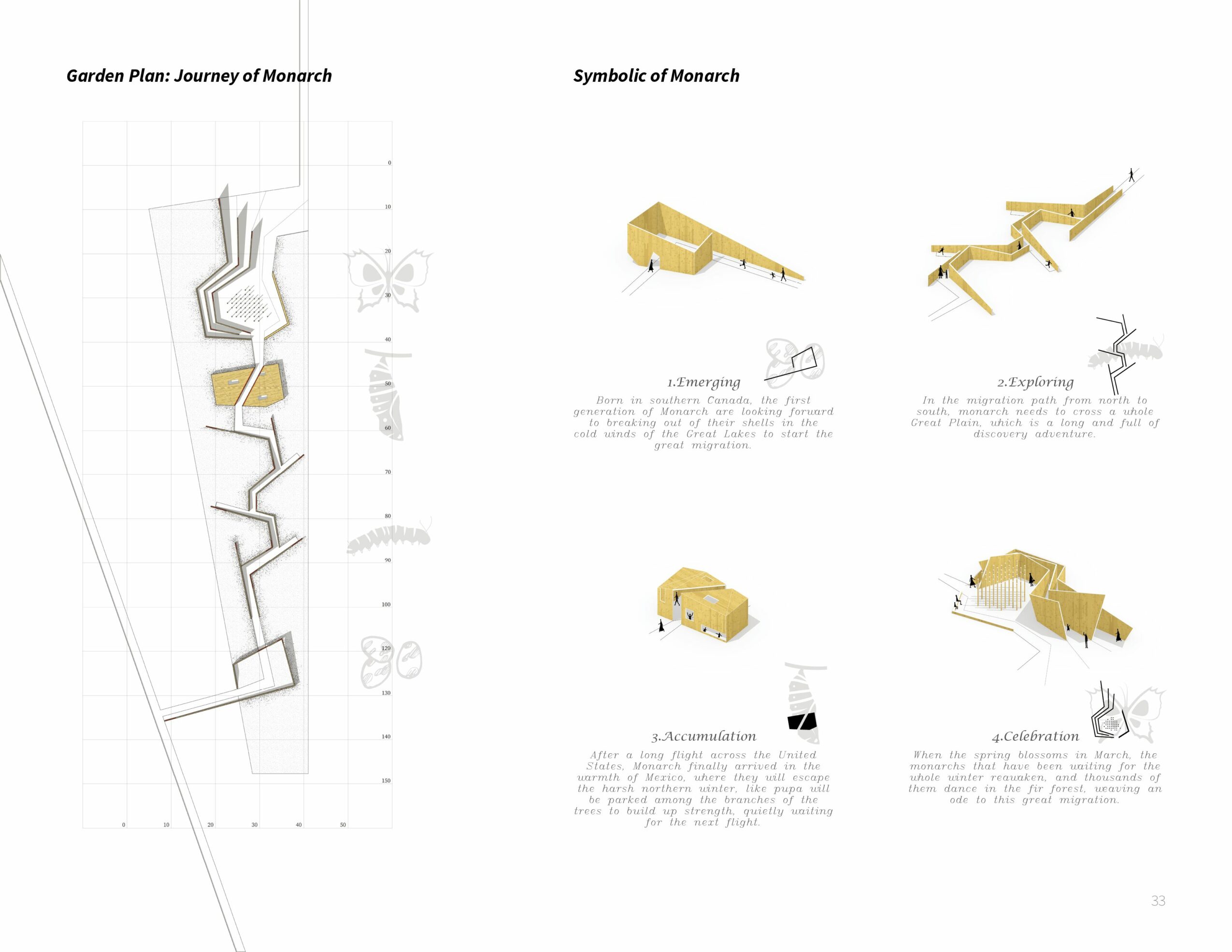
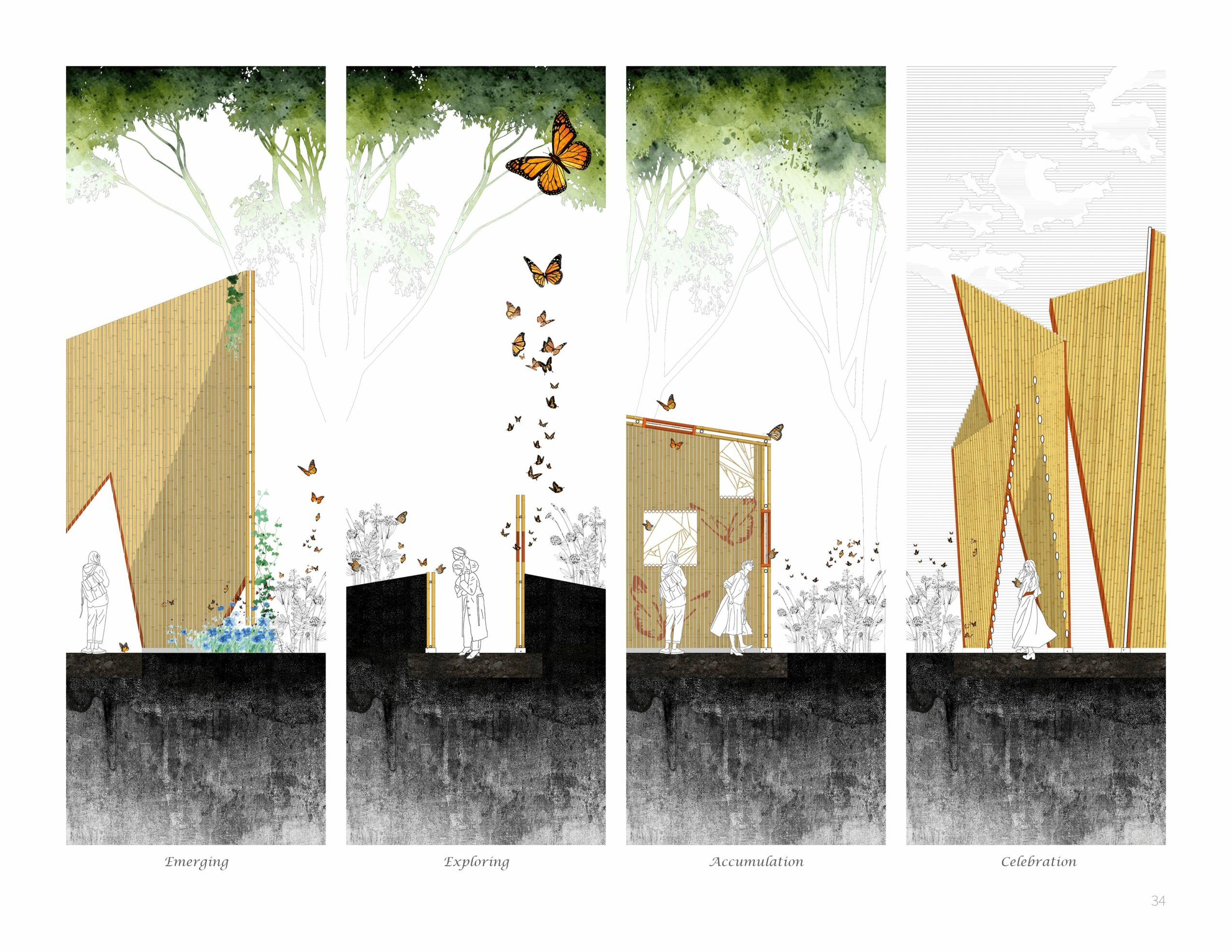
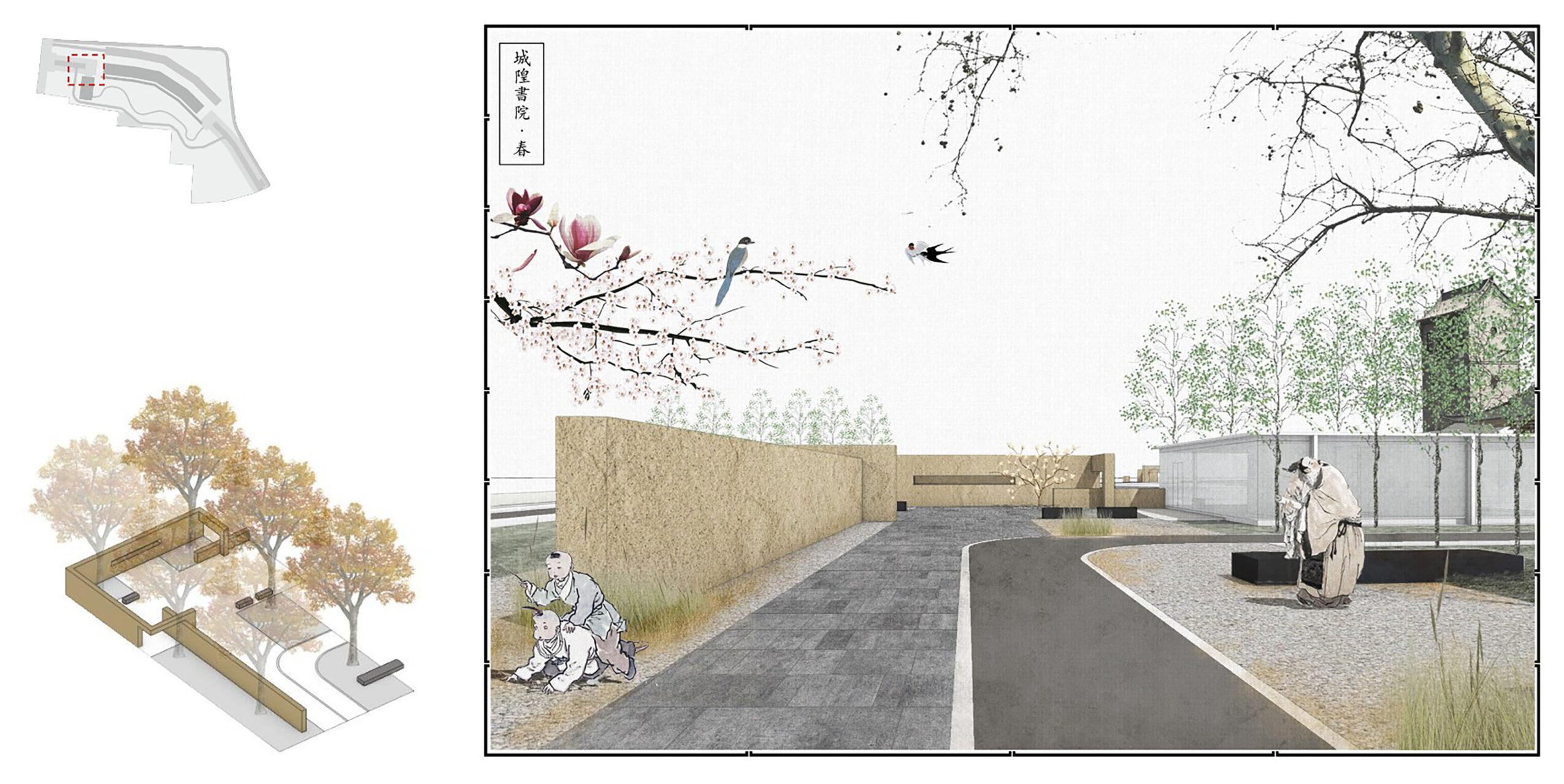
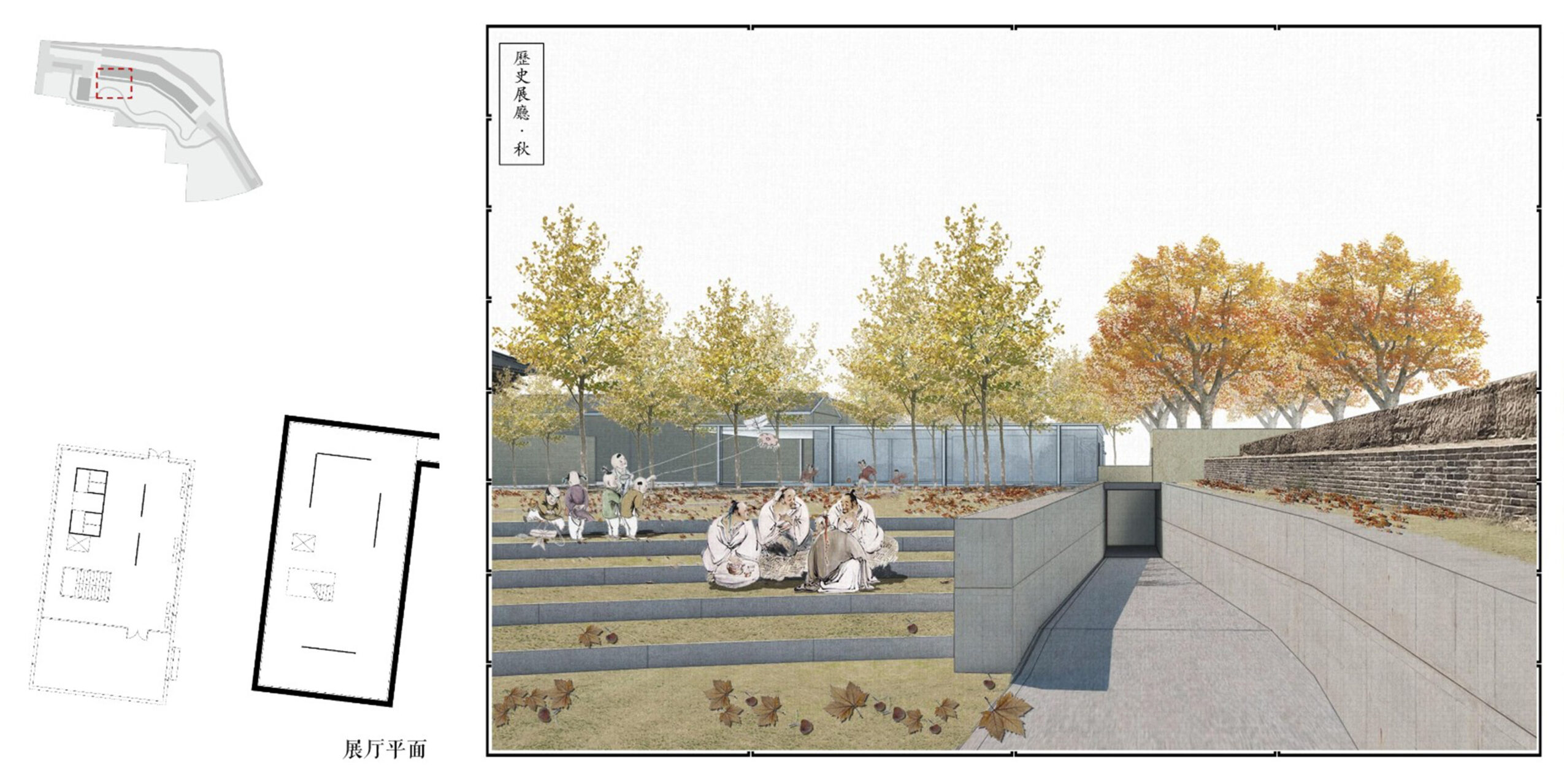
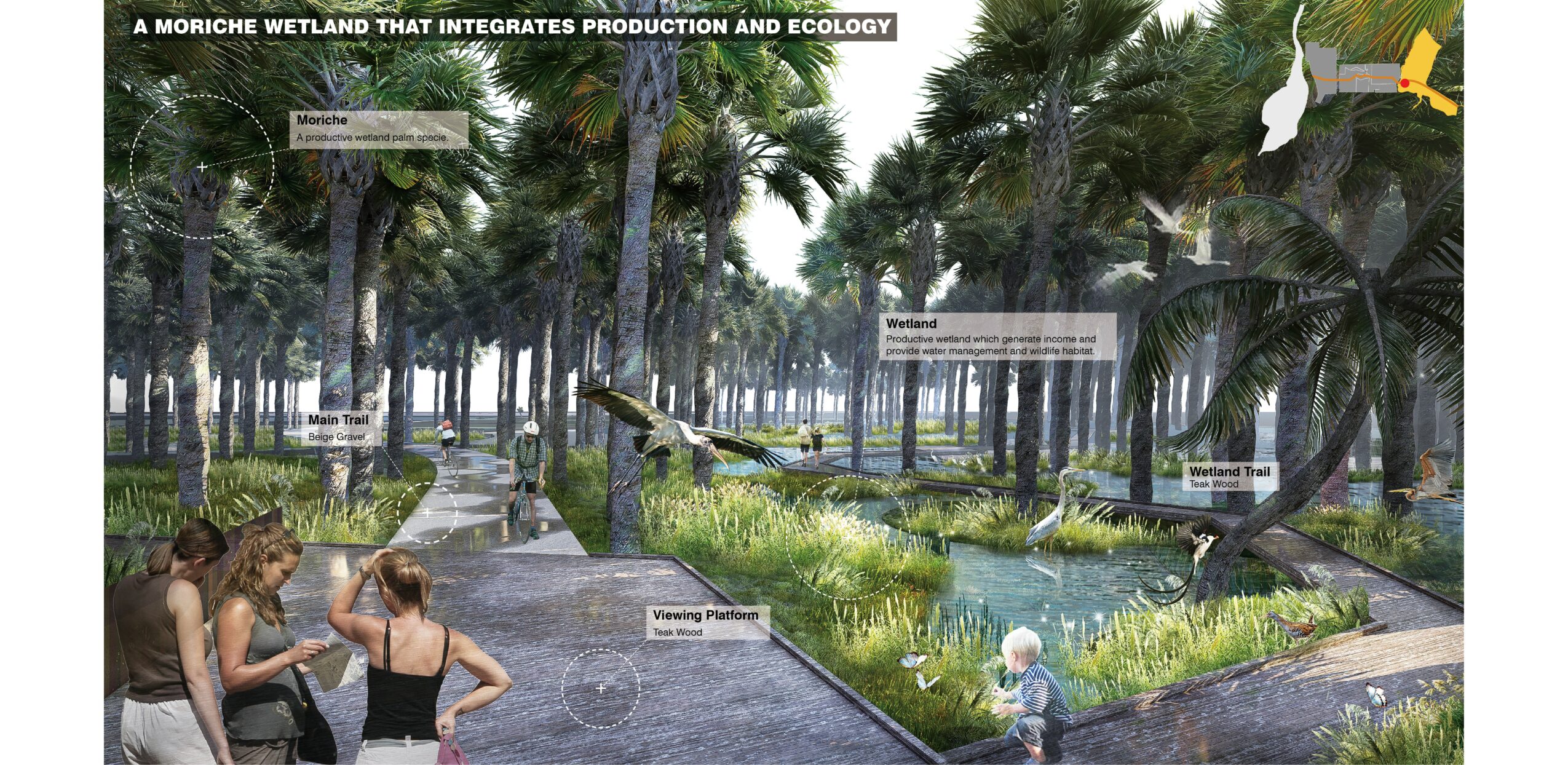
Image Credits
yihui wang
Popular
-
Inside the Future of Search: Robb Fahrion on Building a Global Team and Leading the Rise of GEO
-

From Supporting Local Boutiques to Building Brand Partnerships: Cinthia Jensen’s Creative Marketing Journey
-

Building Community Through Curiosity: Nathanial and Samantha Rowe on the Vision Behind UNEARTHED
-

Portraits of the Valley
-

LA’s Most Inspiring Stories
-
Building Creative Bridges: Torrey Tayenaka on Community, Collaboration, and the Future of Sparkhouse


