



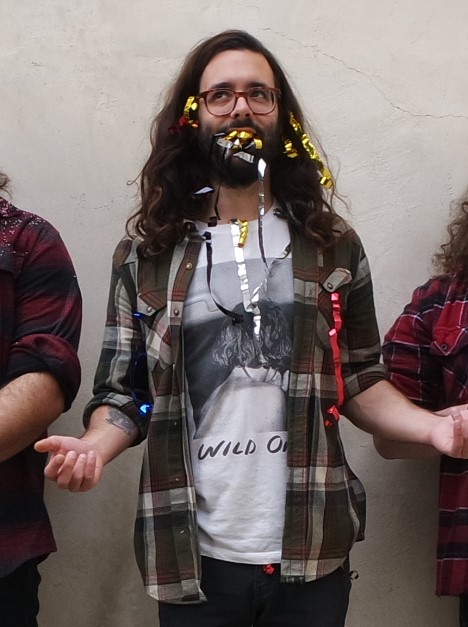
Today we’d like to introduce you to Brad Wallace
Hi Brad, thanks for sharing your story with us. To start, maybe you can tell our readers some of your backstory.
As I sit here, trying to remember when “back in the day” became this far back, it occurs to me: I’ve become the person who gives unsolicited advice. Is that a bad thing? I always thought this would happen much later in life. My journey feels like it’s split into two distinct halves. The first was a collage of post-college experimentation—trying anything and everything audio-related, purely for the love of it. The second half? Taking all those lessons and building a career out of them.
My interest in audio production started back in middle school. A group of friends and I formed a punk band, despite none of us ever having touched an instrument before. As it turns out, ignorance really is punk rock! That moment eventually led me to buy a used 4-track Tascam cassette recorder—the spark that ignited everything.
Years later, that band ended up getting signed to a small indie label. We toured on and off through high school and released a handful of albums before eventually going our separate ways for college. That’s when I decided I wanted to pursue a career in audio production. While I still have mixed feelings about for-profit colleges today, I can’t deny how beneficial it was to learn hands-on and truly understand the fundamentals of this industry.
After graduating college, I had a million ideas swirling around about what I wanted to do next. I kind of knew whatever I chose to do, it was going to be ambitious. I ended up moving to Phoenix, AZ, and spent the first few months networking at shows and meeting new people. I became really good friends with a local musician, Jared Corder, who shared a similar mindset about the state of music. He helped me get my foot in the door at a few places. I landed my first job as a recording studio manager/engineer, and eventually, Jared and I started a record label together too. I know, 2010 and a record label? Bold move! But we wanted to do it differently. We felt there was a real need to create something that put artists first.
We struck a deal with the studio I managed, giving us the freedom to record artists on our label whenever it wasn’t already booked—suddenly, we had our playground. It quickly turned into this real family atmosphere, where we’d spend days on end together, producing, writing, and working to create something special with these artists. Over time, though, the label started to evolve into more of a DIY artist resource center. With the ethos of “For Artists, by Artists,” we partnered with other local companies and became a one-stop shop for everything artist-centric. Need help booking your tour? We’ve got you covered! Graphic design and merch production? No problem! We even had team members who specialized in EPKs and websites. It truly felt like we were making a positive impact in a space that’s typically known for one-sided agreements.
In 2011, we won a business plan contest for the City of Tempe. The prize was two years of free rent on historic Mill Avenue, an ASU-adjacent, heavily trafficked area desperately in need of local culture. My label partners and I had this idea to create a café/artist consignment shop with a live room. During the day, students could use it as a community center, and by night, it would serve as our music venue. Even with two years of free rent, though, we just couldn’t ever quite get enough capital together to feel comfortable moving forward. An audio guy bad at math? Who could’ve guessed! In the end, we were maybe one or two investors away from pulling it off. But that’s the thing about life—it sometimes has other plans. Shortly after, the owner of the studio I worked at decided to sell off his assets to retire, and my time there came to a natural conclusion.
In the spring of 2012, I moved back to the Midwest, splitting my time between Milwaukee and Chicago, where I was doing a lot of freelance audio work. Anyone who’s been in this business for a while knows the feeling—I tried to say yes to everything. I was producing a lot of music and filling in on sessions at a friend’s studio. I also produced a lot of content for 88Nine Radio, and through that, I met another local musician who would go on to inspire me. It’s funny how patterns always seem to emerge in our work.
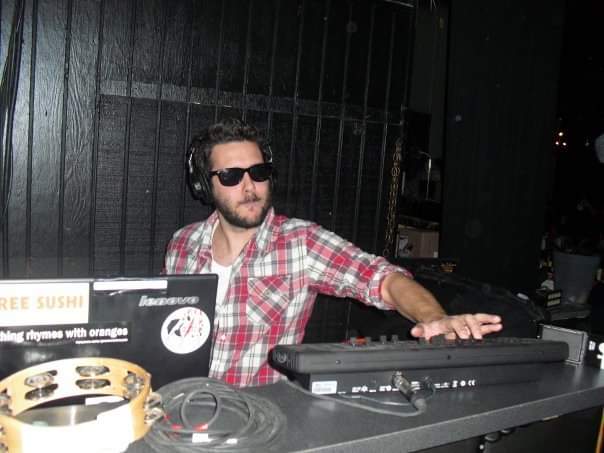
This new acquaintance ended up teaching me the ropes of mobile live sound, emceeing, and how he turned it into a successful business. For the first few weeks, I shadowed him at a variety of events, and eventually, he started booking me my own. Weddings? Let’s boogie! Corporate events? Let’s boogie, but no touching! Weird outdoor park festival with no power hookups? Get me a generator, and then let’s boogie! After doing maybe 50 events over the next year, my entrepreneurial spirit kicked back in, and I decided I could do it on my own. So, I bought all the equipment from him, moved to Portland, OR, and started my own business. I could tell you countless stories from the couple of years that followed—strange events, long travels, and the misadventures that ensued. The short version? It went well, and I was making a living, but it just wasn’t scratching that same itch I got when producing content or working in the studio.
This is where the second distinct half begins. In 2015, I was offered a job in Southern California by a colleague I’d worked with back at the record label. So, I sold off my live sound business to a friend, packed everything I owned into my Saturn SL2, and headed for LA. The Saturn, however, had other plans— as Saturns often do—and my transmission blew about five hours into the drive. But I digress.
For the next three years, I worked on a variety of projects, but mostly focused on advertising, podcasts, and children’s media. We had a handful of reoccurring contracts at the studio, but a lot of my work came from a major advertising agency, and it really served as a great vehicle back into the world of professional audio. This vehicle, thankfully, was far more reliable than the Saturn SL2.
In 2018, I was hired to produce and curate all the audio content onboard for Delta Airlines. It’s one of those areas in our industry that might not always be top of mind, but inflight entertainment is huge. The demographic is fascinating too—you have this large, captive audience in the millions. When I joined, few airlines, if any, had implemented a podcast strategy, so one of the first things I proposed to Delta was introducing this new category to their seatbacks. The response was almost immediate, with a noticeable boost in our listening metrics. We partnered with Wondery to kick things off, and if you’re familiar with their catalog, you know it’s all about incredible storytelling, which makes for a great introduction for podcast novices. We also introduced meditation and calm playlists, which became particularly powerful for those who find flying stressful. Later that year, we partnered with several independent music labels to supplement our UMG offerings, which was another big step in improving the quality of our content.
In 2019, I started producing a podcast for Delta called the Delta Artist Interview Series. Every month, Delta would highlight two artists with new music coming out and promote it across their socials and seatbacks. I would sit down with one or both to talk about what was important to them beyond just their music. What resulted were these incredibly moving episodes about mental health awareness, the struggles of being a public figure, and many other powerful stories. We had so many great conversations, but episodes with Mac DeMarco, Carly Rae Jepsen, Lauv, and mxmtoon are a few that really stand out. With those, it felt less like an interview and more like a genuinely interesting, candid conversation—which is exactly what we were aiming for. The show was incredibly successful, usually averaging a couple million listens per episode. Unfortunately, in 2020, COVID happened, and, well… we all know how that story ends.
And that brings us to the present day… Three years ago, I joined Tonies, a family-focused tech company that creates audio-based entertainment for children. If you’re not familiar, here’s how it works: there’s a Toniebox which is an interactive audio player, and Tonie figurines, which, when placed on top of the box, play long-form stories, music, and educational content. I was brought on as an audio producer for licensed content, and I’ve since moved over to original/music development and production. It’s a really fun and challenging job, and every day is wildly different. With licensed content, you’re taking well-known TV and movie properties and finding the right way to preserve that same magic in audio form. This might involve some script rewrites, adding characters like a narrator to help tie everything together, and, of course, producing something that still taps into kids’ imaginations—whether or not they’re familiar with that IP.
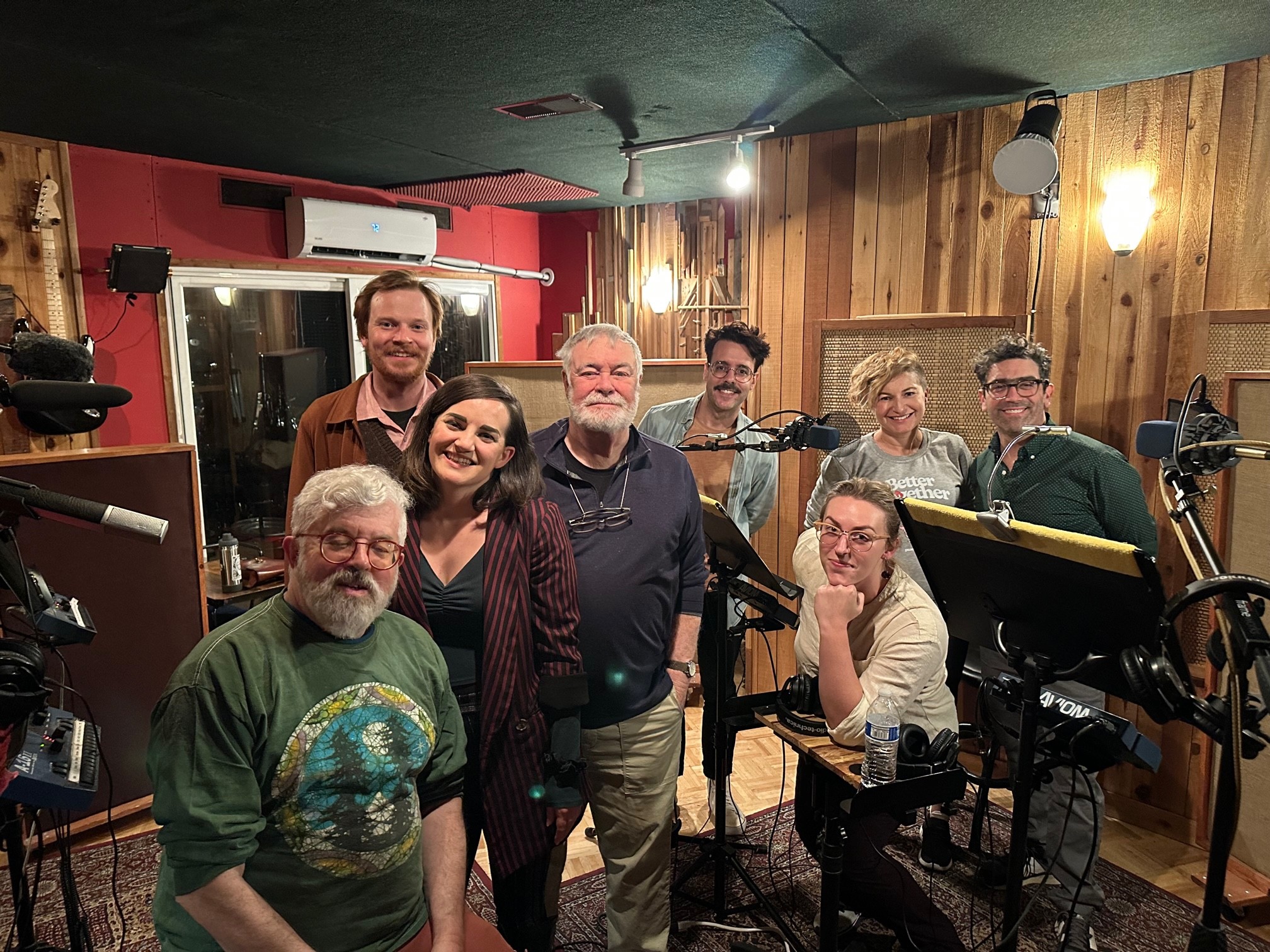
Original content development and production taps into all the sweet spots of my brain. We work with so many talented writers, voice artists, musicians, and studios that it’s hard not to be inspired every day. In a nutshell, my job is to take something from the ideation phase, into script development, through casting, recording, and, of course, everything involved in post-production. The team I work with at Tonies is incredible, and they come from such diverse backgrounds. The best idea doesn’t always come from the most senior member or the person in charge of the project. We’re always bouncing ideas off one another, evaluating all that input, and I think you can hear that in the final product. If you’re a parent of a young child and are concerned about the effects of screens and devices, I highly recommend checking us out—we’re only just getting started!
Can you talk to us a bit about the challenges and lessons you’ve learned along the way. Looking back would you say it’s been easy or smooth in retrospect?
I’ve definitely faced my fair share of challenges, but honestly, in this line of work, it’s kind of inevitable. And that’s true for anything that involves creativity. Am I the best at taking feedback? Probably not, but I try. Sometimes you just want someone to give you a high five and a nod of approval, but the real growth comes from open collaboration, being critical, and letting go of your ego. I don’t always have the best idea, and that’s okay.
Both professionally and personally, I’ve always loved the process of making something from nothing. And with that, you’re bound to face some difficulties along the way. I started that record label when I was just 21, and one of my partners was a former business owner about 15 years my senior. I learned pretty quickly that just because I was passionate and tenacious didn’t mean I always knew what was best. He had real-world experience backing his decisions, and while that was tough to hear at the time, especially when you care so deeply about something, it was also invaluable. We had a lot of tough conversations, from who we’d sign to how we’d market ourselves. Neither of us was necessarily right or wrong—it all came from a well-intentioned place.
Outside of my professional work, like many, I’ve had a number of personal creative projects. I’ve released a lot of music and created a variety of podcasts and shows. With that comes plenty of feedback—maybe even rejection. And because you’re so closely attached to these projects, it can be really difficult to hear. But I think that helps prepare you. Not everything is for everyone, and learning that has been a huge lesson, both personally and professionally.
Don’t look at your struggles as negatives. They’re the things that enable you to grow and be better. And, by the way, you’re great already.
Appreciate you sharing that. What else should we know about what you do?
I’m a seasoned professional in audio production and content development, currently serving as the Senior Audio Production Manager for Original & Music Content at Tonies. I specialize in taking creative concepts and turning them into fully realized audio experiences—whether that’s working with well-known properties or developing original content from scratch that resonates with kids.
My job is to take an idea and turn it into something tangible. I begin by collaborating with scriptwriters or musicians to develop a cohesive and engaging concept—often aiming to tell a unique story or offer a fresh perspective on something familiar. From there, I work closely with the studios and our internal team to cast, direct, and record. We then go through a detailed feedback process with assembly, sound design, and underscore. The approach varies depending on the specific needs of the project, ensuring it’s always tailored to fit the content in the best way possible.
What sets me apart is my holistic approach to production, combining both creativity and technical expertise. With a diverse background in audio, I often bring a fresh perspective to the project. I’m incredibly proud of the work we’ve done at Tonies, but I’m especially excited about some of the content we have coming in the next few years. We’re about to push the boundaries of immersive audio and children’s media in ways that have never been done before.
Networking and finding a mentor can have such a positive impact on one’s life and career. Any advice?
My advice for finding a mentor or building a strong network is to approach it with an open and genuine attitude. Early in my career, I connected with people by just showing up, staying engaged, and being willing to learn from anyone, no matter their experience level. Finding a mentor requires humility—be ready to listen, take feedback, and sometimes be challenged. I met some of my best mentors through collaborations, whether that was working with fellow musicians or industry professionals.
I’ve often found that the best bosses can also be the best mentors. Our current Head of US Content, Dan Flannery, has been incredible at both inspiring and challenging me. We typically juggle multiple productions at once, and Dan leads by example—offering thoughtful feedback and giving each project the attention it truly deserves. One of his standout qualities is his ability to bring a personal touch and a sense of kindness to every meeting, which is invaluable, especially during high-pressure moments.
Similarly, during my time at Delta, our Head of Music, Justin Paul, had a remarkable ability to connect with people. Just stay open, be proactive, and stay willing to learn, and you’ll undoubtedly encounter mentors like that along the way.
Contact Info:
- Website: https://us.tonies.com/
- LinkedIn: https://www.linkedin.com/in/bradwallacemus/
Popular
-
A New Chapter in Orange County: Paul Madahan Elevates the PaulDavid Salon Experience
-

Portraits of the Valley
-

LA’s Most Inspiring Stories
-
Inside the Future of Search: Robb Fahrion on Building a Global Team and Leading the Rise of GEO
-

From Supporting Local Boutiques to Building Brand Partnerships: Cinthia Jensen’s Creative Marketing Journey
-
Building Community Through Curiosity: Nathanial and Samantha Rowe on the Vision Behind UNEARTHED


