





Today we’d like to introduce you to Zihe Ye
Hi Zihe, we’d love for you to start by introducing yourself.
My relationship with architecture and the city began when I was 12 years old. I was deeply inspired when I learned that the urban plaza near our school was designed by my classmate’s father. Something that once felt distant suddenly became concrete and accessible, sparking my initial interest in cities and architecture. That square served as a life anchor for the surrounding residents—people would chat, rest, exercise, dance and enjoy their time there. They spent wonderful moments in the modern, minimalist cafes and restaurants on one side of the square. The changing seasons were reflected in the vegetation and landscape of the square, and children left their laughter in this space as they played. I believe the most captivating aspect of urban spaces and architecture lies in creating memories within these spaces. From that moment on, I was determined to pursue a career related to space and architecture.
During my undergraduate studies, I majored in a field that aligned with my interests. After earning my bachelor’s degree in Urban Planning and Design, I studied in the School of Architecture at the University of Virginia and I got my Master of Architecture degree (M.Arch). I thoroughly enjoyed my time studying architecture at UVA. The architecture school building itself was designed by experienced professors, and as I walked through the space, I found inspiration in the details—the floor-to-ceiling glass windows, the materials and construction of the staircases, the revolving doors at the exhibition hall entrance, and even the design of the classroom furniture. Every aspect revealed the professors’ unique design perspectives and meticulous attention to detail. Being immersed in such an environment taught me to approach design from the user’s perspective and to focus on every detail.
After graduating from my master’s program, I began my career as an architectural designer, specializing in higher education buildings. The first project I worked on was designing a football center for my alma mater, located along the very path I used to walk past as a student. This unique perspective—seeing the project from both the designer’s and the user’s point of view—helped me develop a more comprehensive approach to design. Additionally, I played a key role in the initial team for the design of a laboratory building at Penn State University. Seeing a project evolve from design discussions to technical drawings and ultimately to its completion has been one of the most fulfilling aspects of being an architectural designer.
My focus on space and architecture has evolved from a large-scale perspective to a more detailed one. As an architectural designer, I have learned to coordinate and manage various aspects of design. Due to my strong interest in architectural details, I decided to further explore the field of building envelopes. My current work involves waterproofing design—an often-overlooked aspect of the building process. I contribute not only to the design of new buildings but also to the protection and renovation of existing structures by providing periodic design solutions. My projects range from single-family houses to university campus buildings. Through my work, I hope to enhance the quality of life and work environments for people by creating better-designed buildings.
Alright, so let’s dig a little deeper into the story – has it been an easy path overall and if not, what were the challenges you’ve had to overcome?
I believe that studying architecture and pursuing a career in this field is not an easy journey for anyone. It is a process that requires a significant investment of time in research, documentation, and continuous knowledge updates. Finding a specific direction to explore in depth is not a simple task.
After graduating and entering the professional world, I realized that architectural design is not just about having great concepts and inspirations. It requires precise control and execution of every detail from start to finish. During the actual construction process, many unforeseen issues arise that were not considered in the initial design phase, and these need to be resolved. Every detail must be supported by corresponding drawings to illustrate material transitions and connections.
From design to completion, a building goes through multiple stages of collaboration involving architects, design consultants, code specialists, and project stakeholders. Due to factors such as complexity, funding, and regulatory requirements, project timelines can span several years or even decades. As an architectural designer and detailer, identifying problems, facing challenges, and ultimately solving them is an inevitable and essential part of my work.
Alright, so let’s switch gears a bit and talk business. What should we know about your work?
My work has always been about exploring how architecture and spatial design can improve people’s quality of life and create environments that feel comfortable and inviting. My projects and research span a wide range—from large-scale urban planning to the intimate spaces of everyday life. Whether at the city level or in the smallest architectural details, my design process is rooted in thorough research, on-site investigations, and data collection.
Urban living spaces have long been a critical subject in architecture. As a designer, I focus on the diverse needs of different communities across various cities—not just to create buildings that are “visually beautiful,” but to advocate for those often overlooked in urban development. From the high-density urban villages in China where migrant workers live in close quarters, to the slums in India struggling with inadequate infrastructure, from cultural centers and public plazas in immigrant neighborhoods in California, to affordable housing projects in Manhattan that provide more public gathering spaces for local residents—I believe that city-building should not only prioritize commercial spaces that generate immense economic value but should also strive to improve the daily lives of the people who quietly sustain the city.
In recent years, my work has shifted toward the finer details of architecture, focusing on the often-overlooked elements that significantly impact a building’s quality. Beyond aesthetics and interior finishes, I delve into critical aspects like waterproofing and material selection—areas where developers or private clients often seek to cut costs. As an architectural designer and detailer, part of my responsibility is to uphold professional standards and ensure that buildings are not only visually impressive but also durable, safe, and built to last.
There were times when I questioned the significance of my work, as we often face misunderstanding in this profession. However, after witnessing the devastating wildfires in Los Angeles, I felt an even stronger sense of purpose. My goal is to help mitigate preventable risks, improve construction quality, and ensure safer and more sustainable living environments for the people who call these spaces home.
How do you define success?
I would say that the definition of success is a very personal matter. What others perceive as success might only be an evaluation from a one-sided perspective. But I feel that success is about having passion and perseverance in doing what you love. Regardless of external standards, finding joy in what you do is the most important part.
In an era of overwhelming information and scattered attention, I think being able to focus on something that brings you quality time is a form of personal success. Whether it’s fully immersing yourself in a movie or a book, enjoying the outdoors with family and pets, or methodically achieving a series of personal life goals—these are all valuable forms of success. Rather than measuring success by being the absolute best in a particular field, I believe it belongs to those who remain curious and continuously guide themselves to learn new things.
With today’s easy access to information, many people get lost in media-driven or externally imposed standards of success. But the truth is, we can never achieve real success through comparison with others. Instead, we can find self-fulfillment and satisfaction by constantly exploring our own abilities. For me, despite my busy life, I still find great joy in spending my free time in the kitchen experimenting with new recipes. I genuinely enjoy the process of cooking and document my experiences along the way. Over time, I’ve built a food portfolio filled with happiness and a sense of accomplishment.
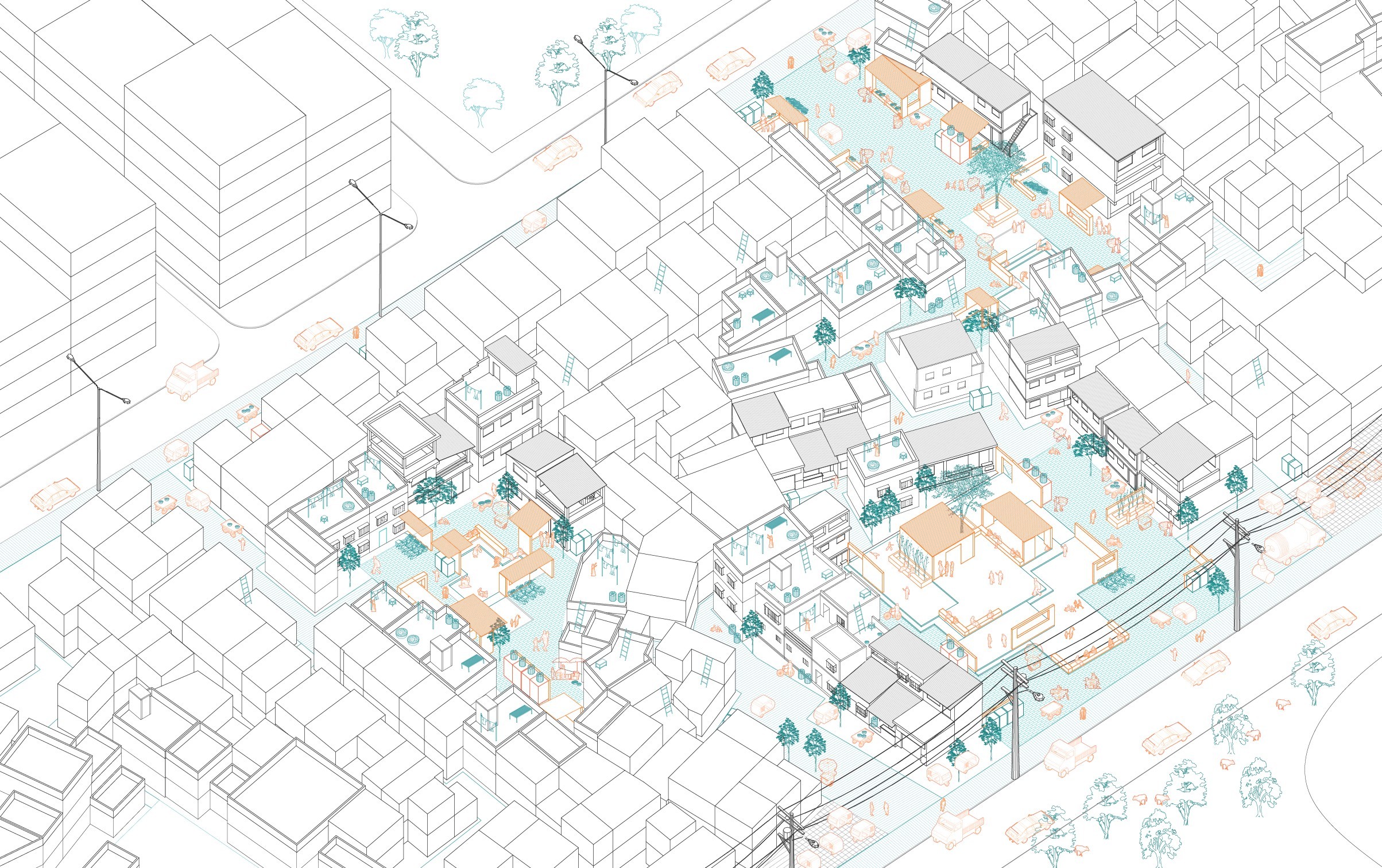
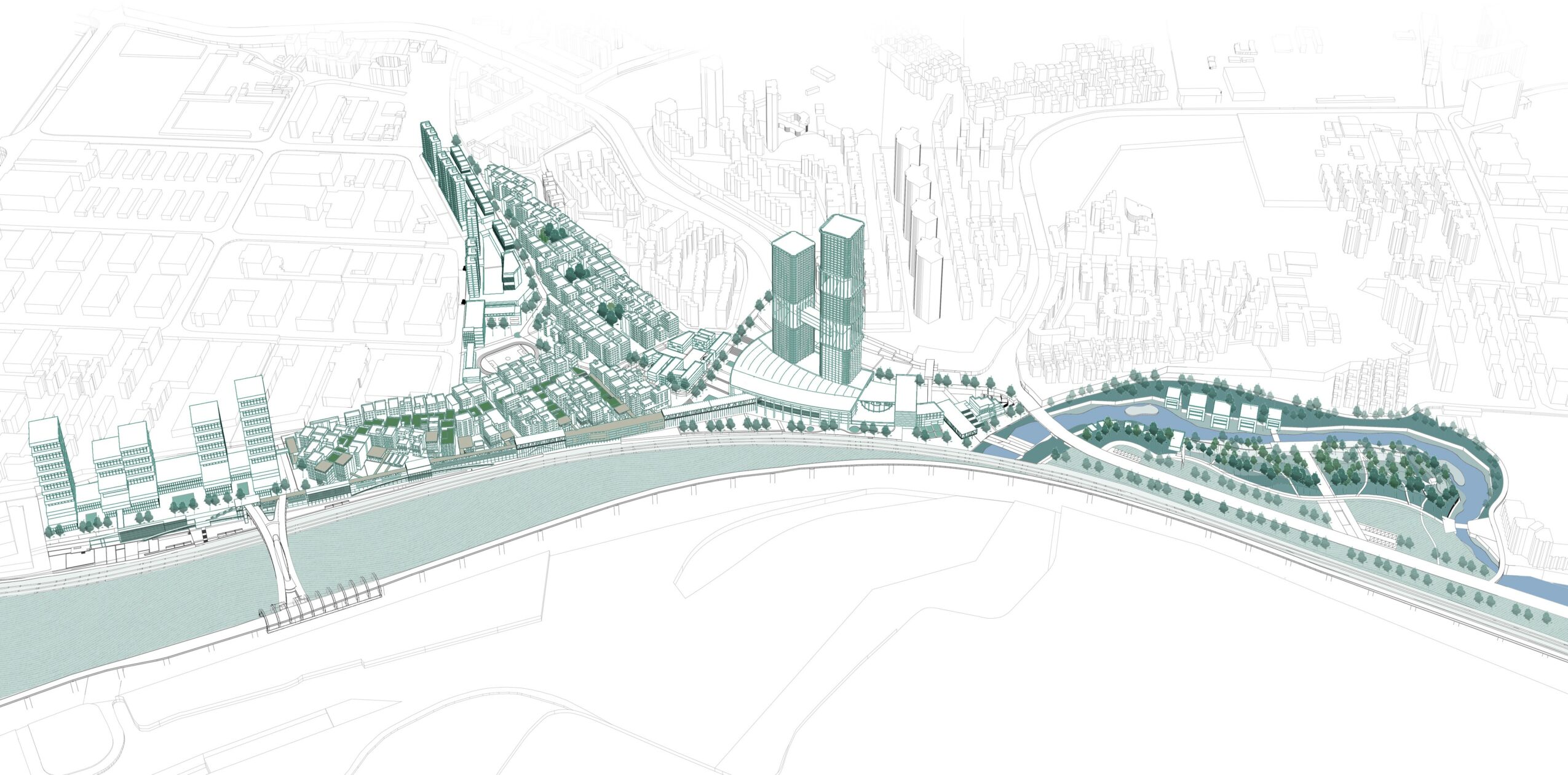
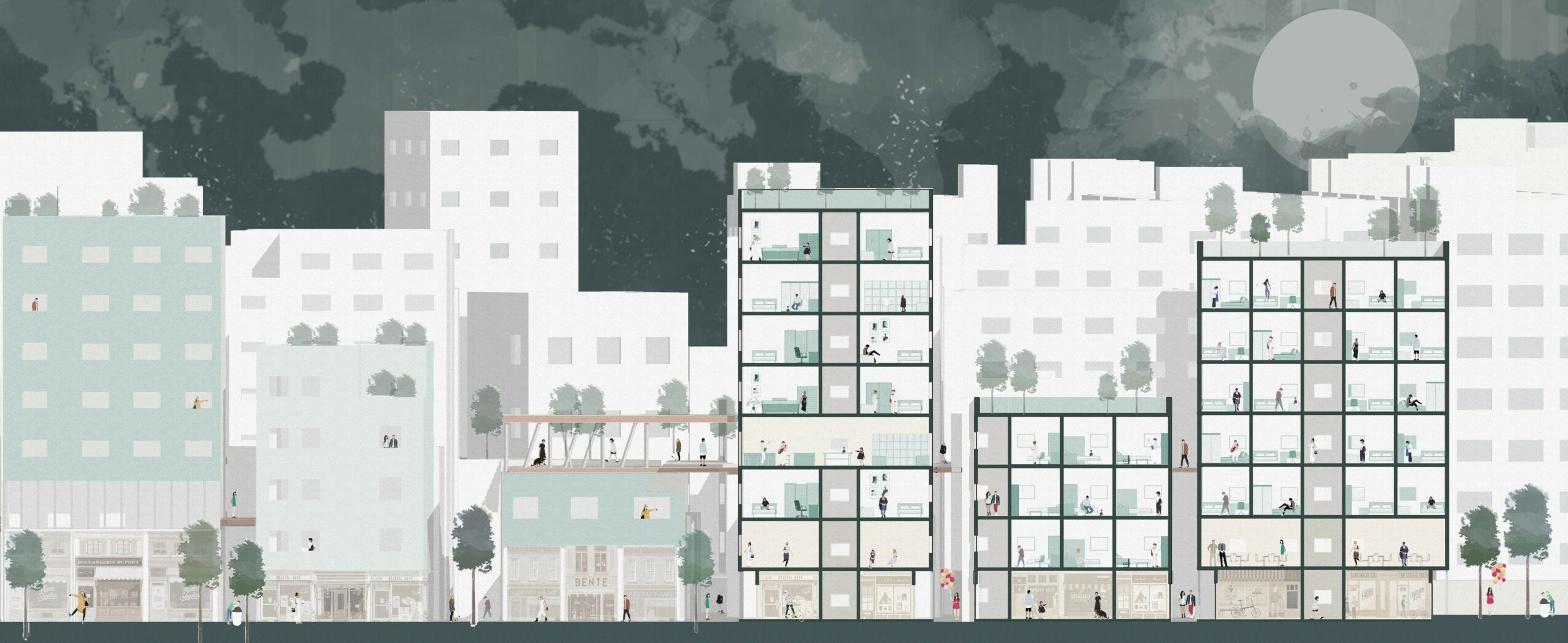
Image Credits
Zihe Ye
Popular
-

Inside the Future of Search: Robb Fahrion on Building a Global Team and Leading the Rise of GEO
-

From Supporting Local Boutiques to Building Brand Partnerships: Cinthia Jensen’s Creative Marketing Journey
-

Building Community Through Curiosity: Nathanial and Samantha Rowe on the Vision Behind UNEARTHED
-

Portraits of the Valley
-

LA’s Most Inspiring Stories
-

Building Creative Bridges: Torrey Tayenaka on Community, Collaboration, and the Future of Sparkhouse


