




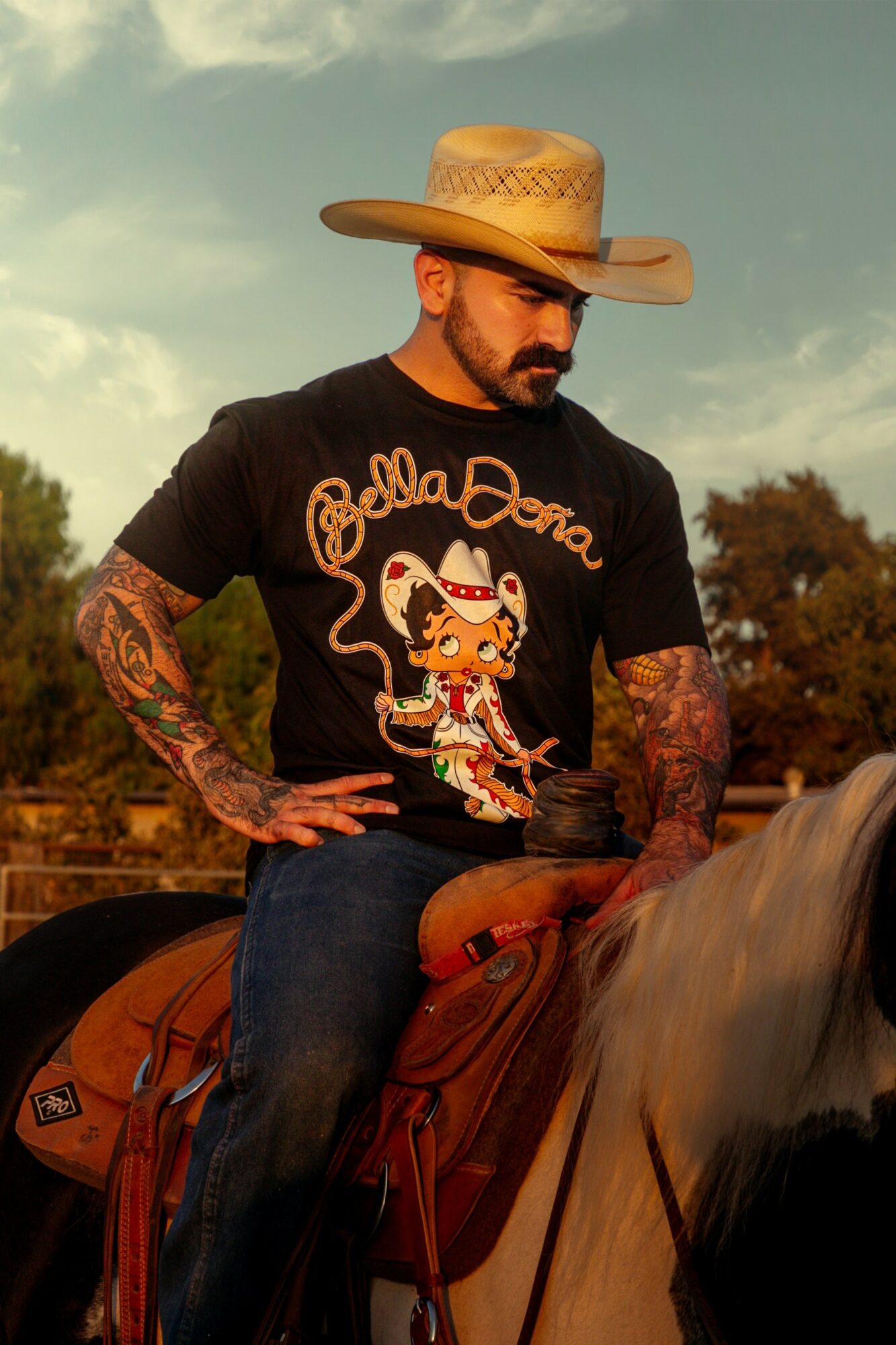
Today we’d like to introduce you to Kayden Muzila
Hi Kayden, please kick things off for us with an introduction to yourself and your story.
At 15, I got shipped off to Canada to play professional hockey. Now, imagine this: a kid from the chaos of Southern California suddenly thrown into a remote, freezing Canadian town where the only things to do were play hockey, eat poutine, and survive a winter that felt like it would never end. I didn’t want to go, but I needed to go. And what I didn’t realize at the time was that this move would completely shift my perspective—not just about hockey, but about life, creativity, and the way I see the world.
Canada was harsh. The cold was relentless, the isolation was real, and the environment itself demanded toughness. But at the same time, it was breathtaking. The snow-covered mountains, the endless forests, the way the landscape could feel both brutal and beautiful at the same time—that contrast stuck with me. For the first time, I started to see the world differently. I realized that harshness and beauty could exist together in the same place, in the same moment. And if I could find inspiration in a place like that, I could find it anywhere.
That experience sparked something in me—a curiosity to see more, to explore beyond what was familiar. It made me hungry for new places, new stories, new ways of seeing things. And that hunger led me straight into creativity.
During those long, isolated days, I stumbled across Photoshop. At first, it was just a way to kill time, but then it became something bigger. I started experimenting with photo manipulation, creating images from scratch, and suddenly, I had a way to capture and reinterpret the world around me. The same way I had learned to find beauty in Canada’s brutal landscape, I started to see that I could take any environment, any experience, and turn it into something visually compelling.
When I retired from hockey, that perspective didn’t go away—it only expanded. I took that passion and ran with it, enrolling in art school and majoring in graphic and web design. Somehow, I managed to graduate with a 4.0—even though I was drunk for most of it (turns out, you can be a functioning mess and a straight-A student). But even in my wildest, most chaotic moments, that drive to create never left me.
After college, I started at the bottom as a graphic designer, taking any project I could get my hands on. I worked my way up, learning the ropes and building a reputation for pushing creative boundaries. And as my career grew, that early lesson from Canada stayed with me—every campaign, every design, every story I told had to balance both the grit and the beauty. That’s what makes something real.
Over the years, I’ve been fortunate to lead campaigns for major brands—Disney+, Paws of Fury, Puss in Boots, The Lord of the Rings, Babylon, Paw Patrol (yes, I’ve designed for hobbits and cartoon puppies). I’ve worked with legends like Anthony Hopkins, George Lopez, and brands like Casa Del Sol and Sweet Street. But the proudest moment of my career? Starting my own full-service advertising agency.
Running my own shop has been the most challenging and rewarding thing I’ve ever done. It’s one thing to create under someone else’s vision—it’s another to build something entirely your own. And that same perspective I gained in Canada still drives my work today. If I can find a story in the middle of nowhere, in the middle of harshness, I can do it anywhere. Whether it’s a high-end luxury brand or a gritty Western campaign, I bring that same ability to see contrast—to find the balance between the raw and the refined, the struggle and the beauty, the real and the aspirational.
But before all of that, before the campaigns, the accolades, and the career wins—there was a moment when I almost didn’t make it. By July 14, 2021, my personal life had hit rock bottom. Addiction had taken its toll, and I finally surrendered. I dropped to my knees and asked God for help. That moment didn’t just save my life—it gave me a new purpose. My recovery became the foundation for everything I do.
Now, as a Creative Director, I get to combine everything I’ve learned along the way. The discipline from hockey, the creativity I discovered in Canada, the perspective I gained from traveling, and the resilience I built through recovery all shape how I approach my work. I see things differently because I lived differently. I know what it’s like to fight for something, to feel like the underdog, and to turn struggle into something worth telling.
It’s been a wild ride—harsh and beautiful in its own way. And honestly, I wouldn’t change a thing.
Alright, so let’s dig a little deeper into the story – has it been an easy path overall and if not, what were the challenges you’ve had to overcome?
I wouldn’t have gained my creativity if I hadn’t gone through those struggles. If life had been easy, I wouldn’t have learned how to see the world the way I do now—how to find beauty in the brutal, light in the darkness, and inspiration in the places most people overlook. My creativity wasn’t built in comfort; it was forged in hardship.
It started in Canada. At 15, I was sent to a freezing, isolated town to play professional hockey. I didn’t want to go, but I needed to go. That place was harsh—brutal winters, relentless competition, and the loneliness of being far from home. But in that isolation, something shifted. I started seeing the world differently. I noticed how the cold could create something breathtaking, how the emptiness made space for reflection, and how struggle and beauty often existed side by side. That contrast stuck with me. It changed the way I looked at everything, and without realizing it, it laid the foundation for how I would one day create.
But the challenges didn’t stop when I left Canada. After retiring from hockey, I had to start from scratch. The creative industry was its own kind of battle—rejection, long nights, impossible deadlines. I worked my way up from a junior designer, taking any project I could get my hands on, constantly proving myself. The pressure was always there, and like I had done in hockey, I pushed through. But the deeper I got into my career, the more I relied on something else to keep me going—alcohol.
Addiction crept in slowly at first, until it had a full grip on my life. I was high-functioning, delivering big projects and leading major campaigns, but behind the scenes, I was barely holding on. The pressure, the need to always be “on,” the constant pursuit of more—it all caught up with me. By July 14, 2021, I had hit rock bottom. It wasn’t just another bad night—it was the night. The one where I saw, with complete clarity, the damage I had done—to myself, to the people around me, to everything I had built.
That was the breaking point. And also the turning point.
Recovery wasn’t easy. It was the hardest thing I’ve ever done. But it was in that process—the struggle of rebuilding, of facing everything I had run from—that I truly understood creativity. Because real creativity doesn’t come from perfection. It comes from the fight. From seeing something broken and making something beautiful out of it. From embracing the struggle instead of running from it.
Now, when I face obstacles—whether in business, creativity, or life—I don’t panic. I don’t numb out. I face them. Because I’ve already been through worse. I know that struggle isn’t the enemy; it’s the thing that shapes you.
So no, my journey hasn’t been a smooth road. But if it had been, I wouldn’t be the person I am today. And I sure as hell wouldn’t be the creative I am today.
Alright, so let’s switch gears a bit and talk business. What should we know about your work?
I tell stories—but not the once-upon-a-time kind. I tell stories that make brands stand out, that turn ideas into moments people actually feel. My job as a Creative Director isn’t just to make things look good; it’s to make people care. Whether it’s a social media campaign, a high-end commercial, or a brand’s entire identity, my job is to take an idea and bring it to life in a way that’s impossible to ignore.
I specialize in creative direction, motion design, and content strategy—turning static brands into living, breathing experiences. I’ve had the privilege of leading campaigns for some of the biggest names in entertainment and lifestyle: Disney+, Puss in Boots, The Lord of the Rings, Babylon, Paw Patrol (yes, designing for hobbits and cartoon puppies in the same career is a real thing), and brands like Casa Del Sol, Sweet Street, and Anthony Hopkins.
But what sets me apart isn’t just the client list—it’s the way I approach the work. I don’t just make content; I create worlds. I fully immerse myself in every project, diving into the culture, the audience, and the emotions behind the brand. If I’m working on a Western campaign, you better believe I’m on horseback, taking in the land firsthand. If it’s a luxury brand, I’m studying every detail of what makes that world feel exclusive. That ability to step inside a brand’s universe and bring it to life is what makes my work resonate.
What am I most proud of? Starting my own full-service advertising agency. After years of working for major studios and agencies, I decided to build something of my own—a place where I could create without limits, collaborate with clients who value bold ideas, and build something bigger than just a portfolio. Through my agency, I’ve had the chance to develop unforgettable campaigns for both new and long-time clients, proving that creative storytelling isn’t just about big budgets—it’s about vision.
At the end of the day, what sets me apart is my story. My journey—from the discipline of hockey, to the isolation of Canada, to the chaos of addiction, to the clarity of recovery—gives me a different way of seeing the world. I know what it means to fight for something, to build from the ground up, to take struggles and turn them into something meaningful. And that’s exactly what I do with my work. I take brands, businesses, and ideas, and I shape them into stories that last.
The crisis has affected us all in different ways. How has it affected you and any important lessons or epiphanies you can share with us?
I learned to rethink the way I work. Shoots had to be reimagined, production had to be more efficient, and digital content had to be stronger than ever. I had to create without the usual tools, think outside of the usual structures, and rely on problem-solving more than ever. It was a reminder that creativity isn’t about perfect conditions—it’s about making something work despite the conditions.
But beyond the professional side, Covid also taught me about perspective. It forced me to slow down and realize how much of my identity had been wrapped up in constant motion. When the world stopped, I had to sit with myself and ask: Who am I when I’m not working? That moment of stillness made me appreciate the value of real connection, the importance of mental health, and the necessity of having a purpose beyond just work.
That shift in mindset changed the way I create today. I no longer chase the next big thing just for the sake of it. I focus on projects that matter, brands that have a story to tell, and work that feels real. Because if there’s one thing Covid proved, it’s that nothing is guaranteed—so the work we do should be intentional, meaningful, and built to last.
Contact Info:
- Website: https://www.muzilacreative.com/
- Instagram: https://www.instagram.com/kayhaos/
- LinkedIn: https://www.linkedin.com/in/kaydenmuzila/
- Other: https://www.staywest.co/
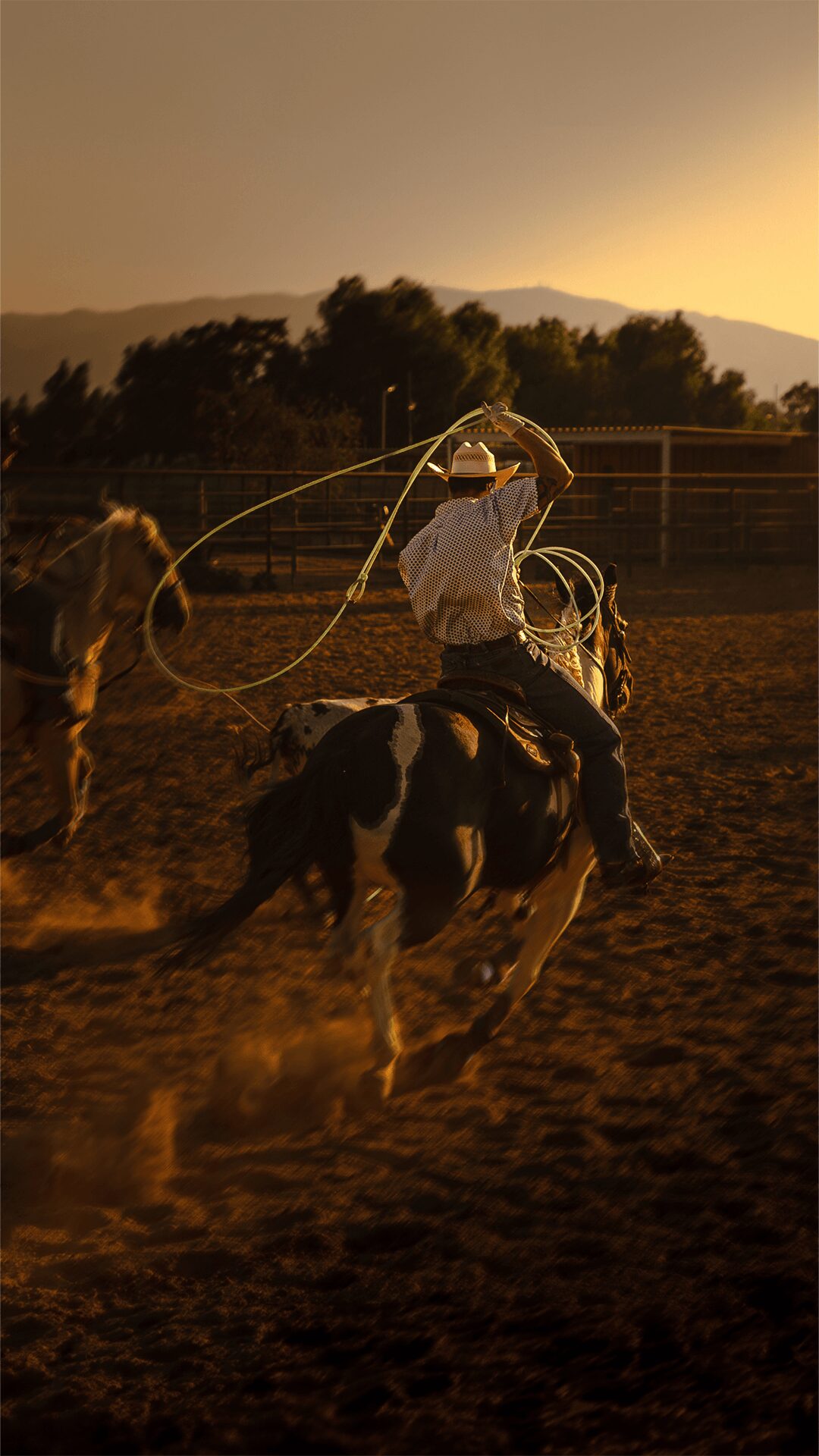
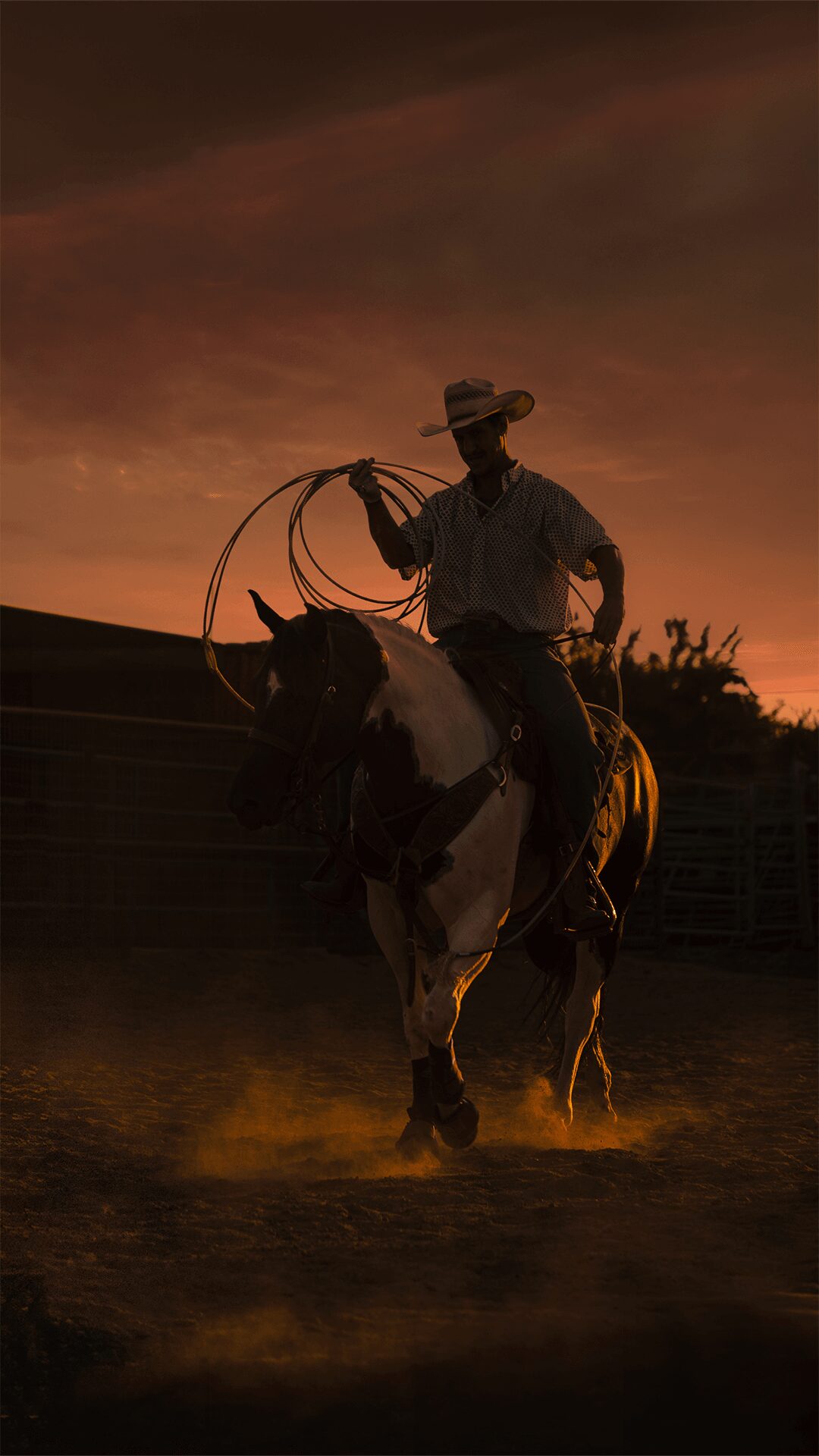
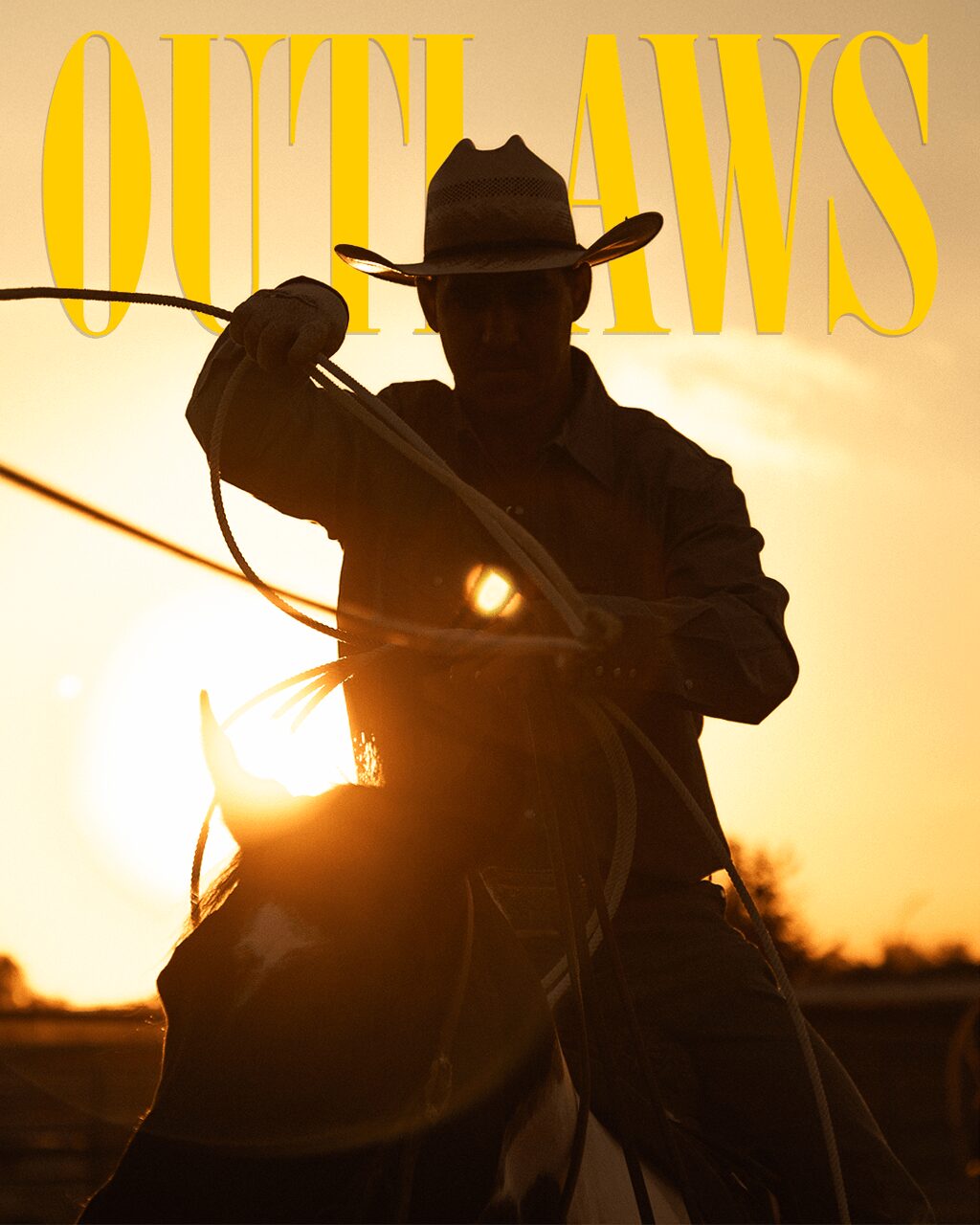
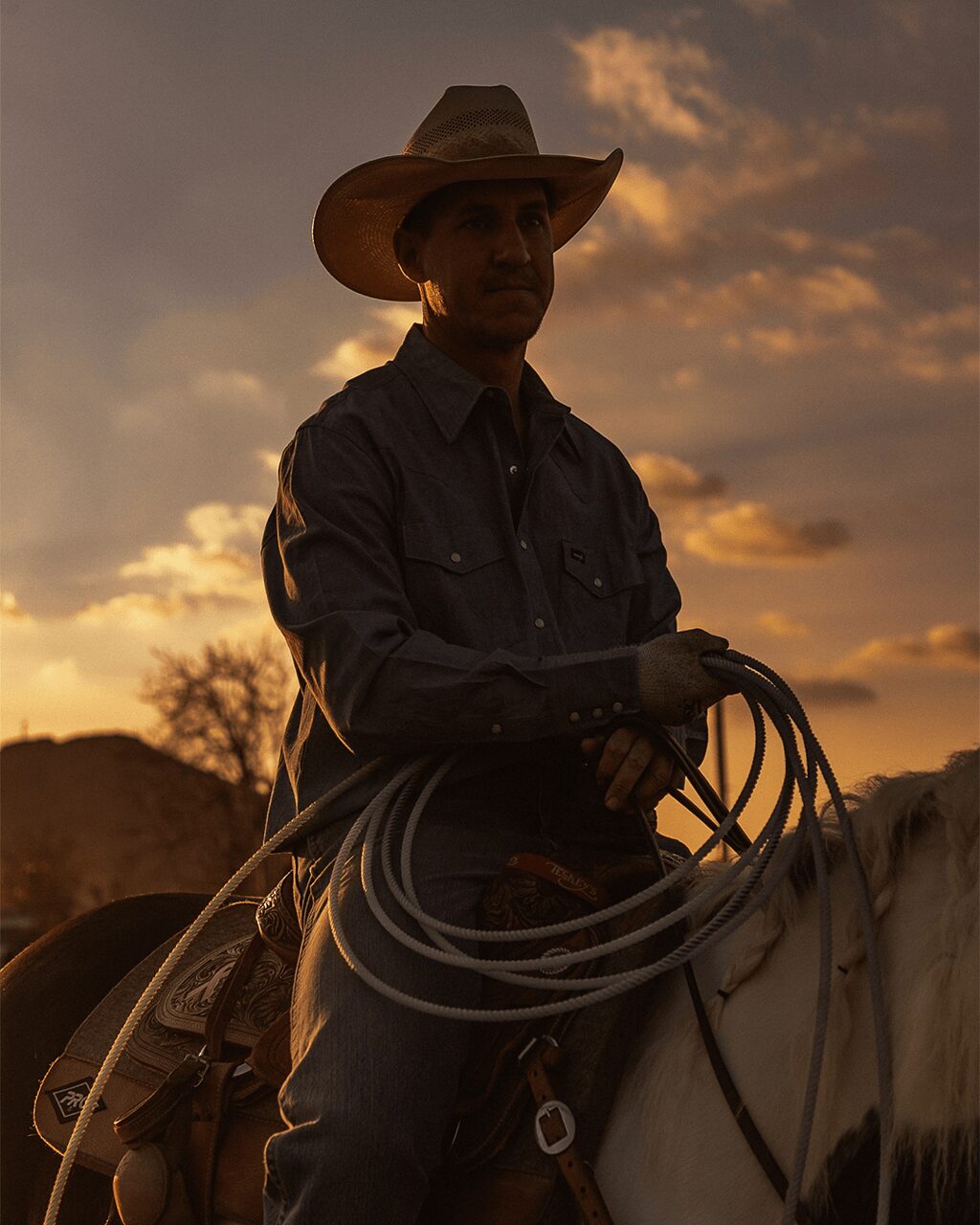
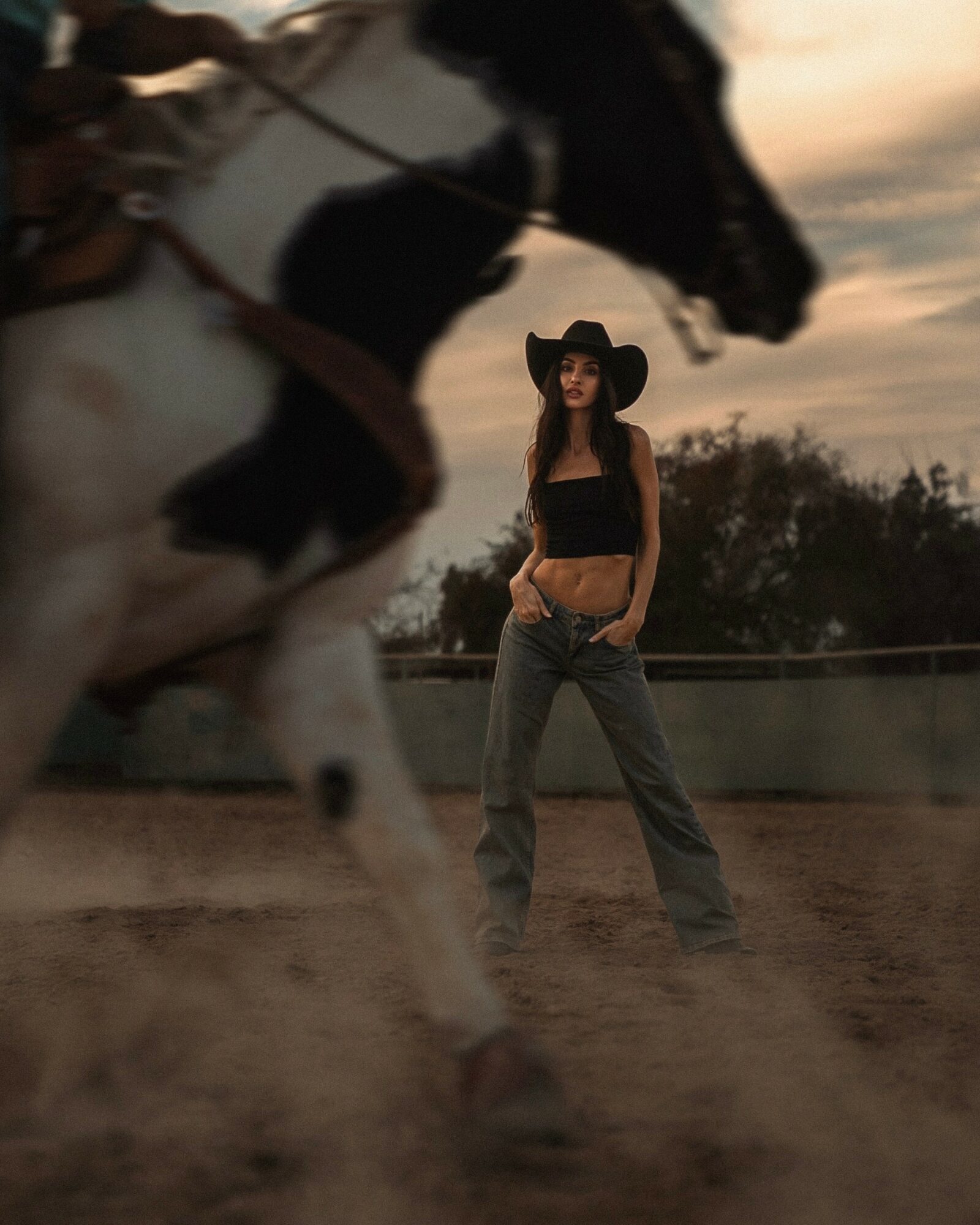
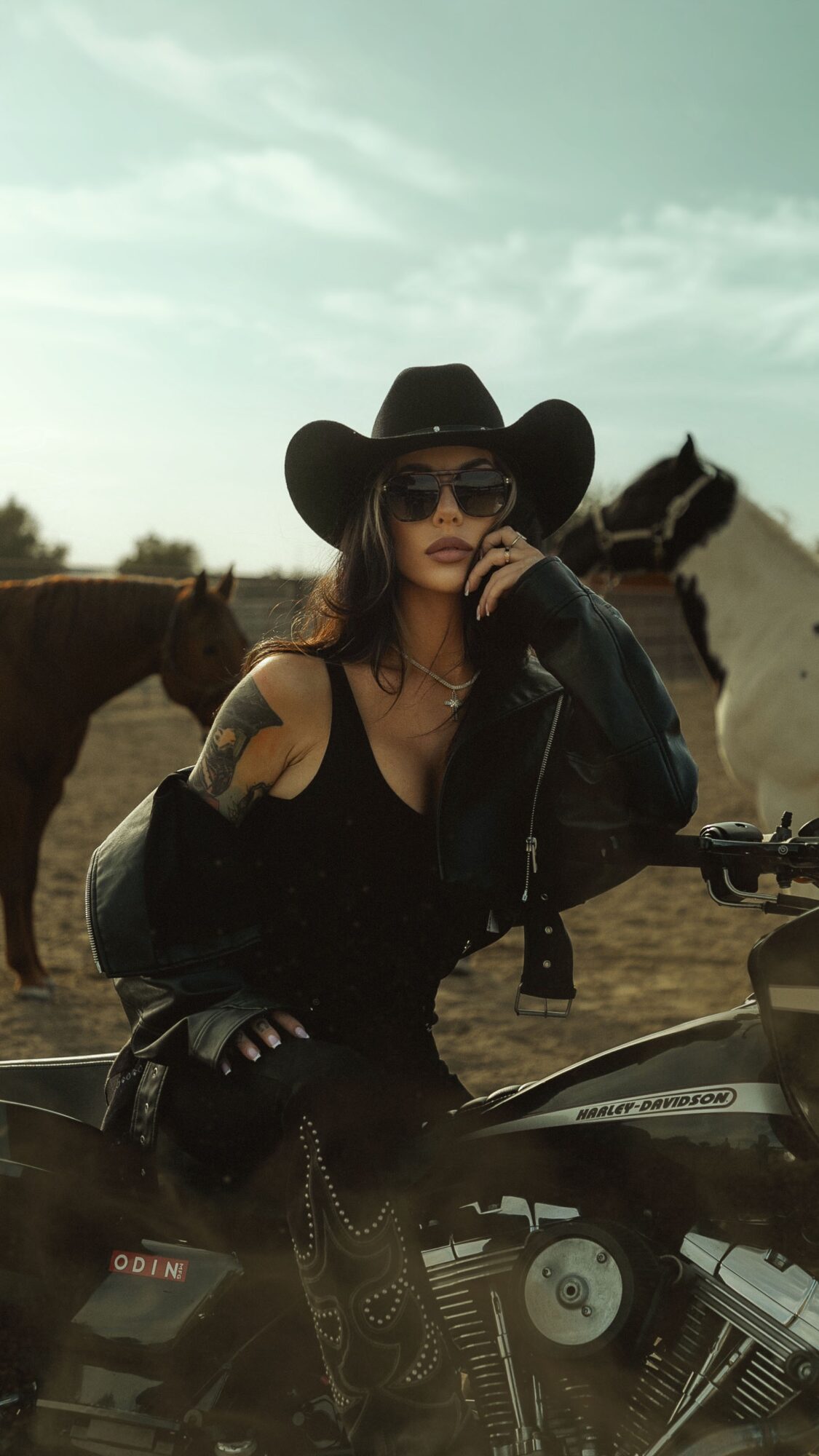
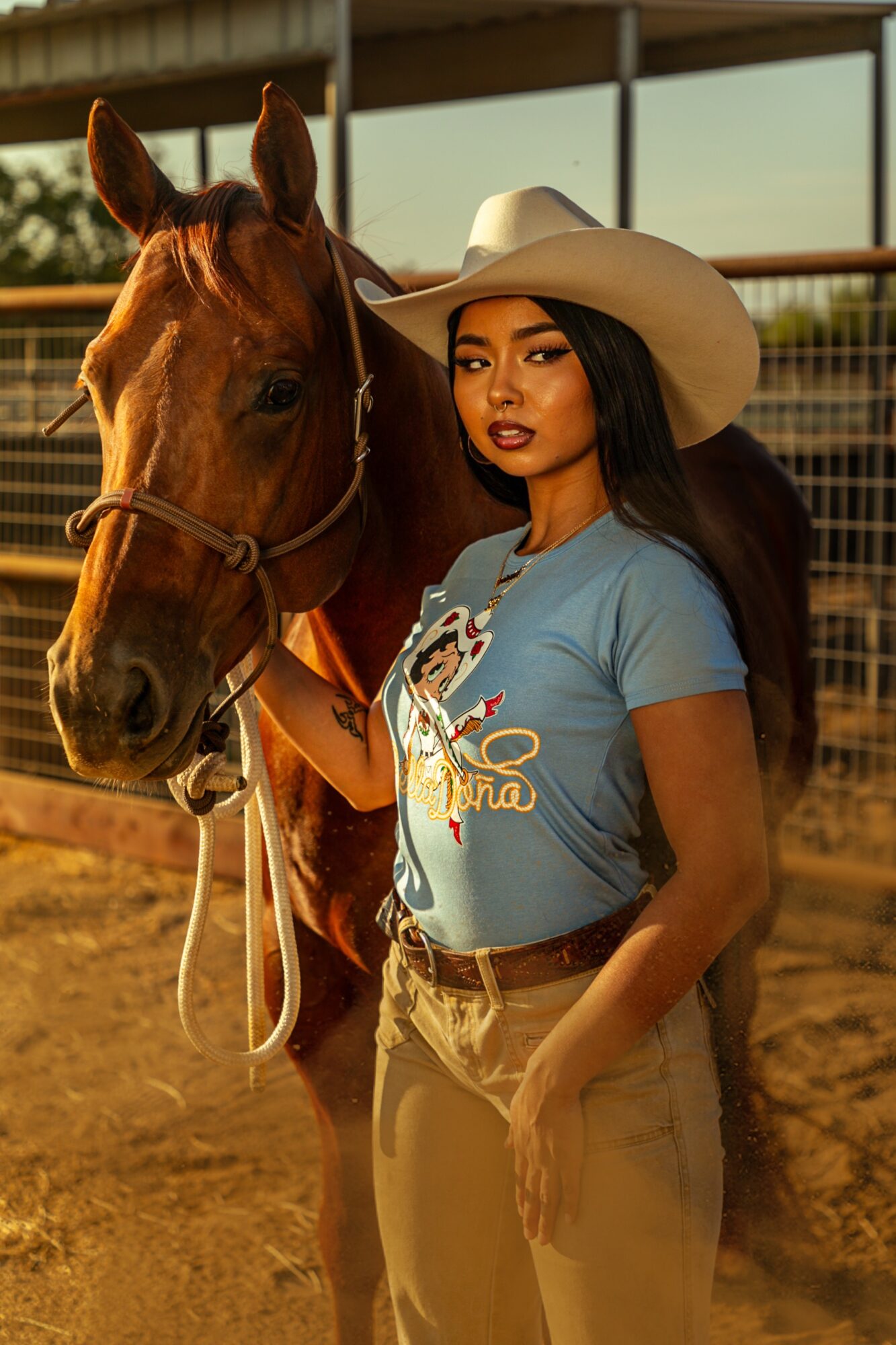
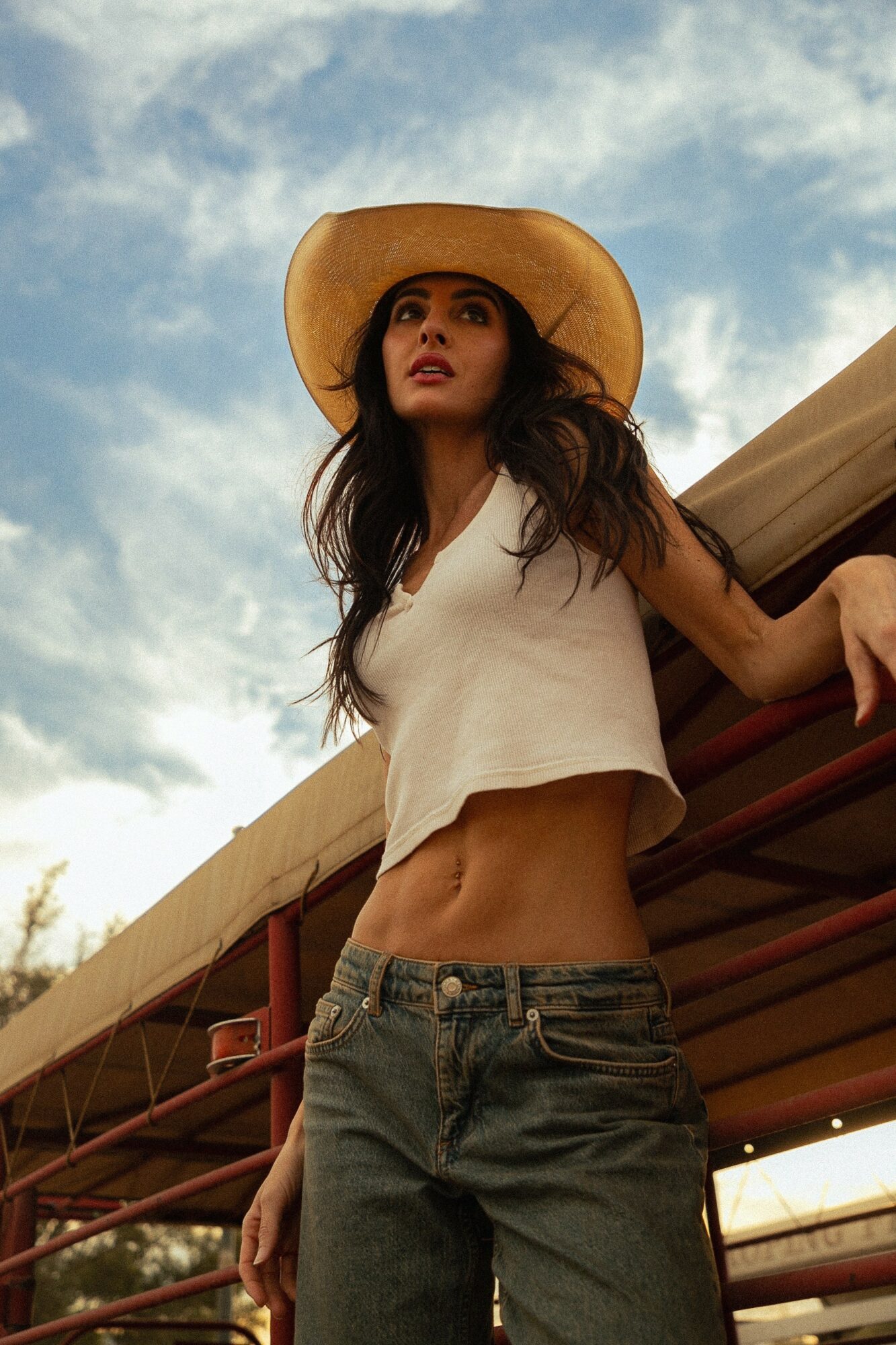
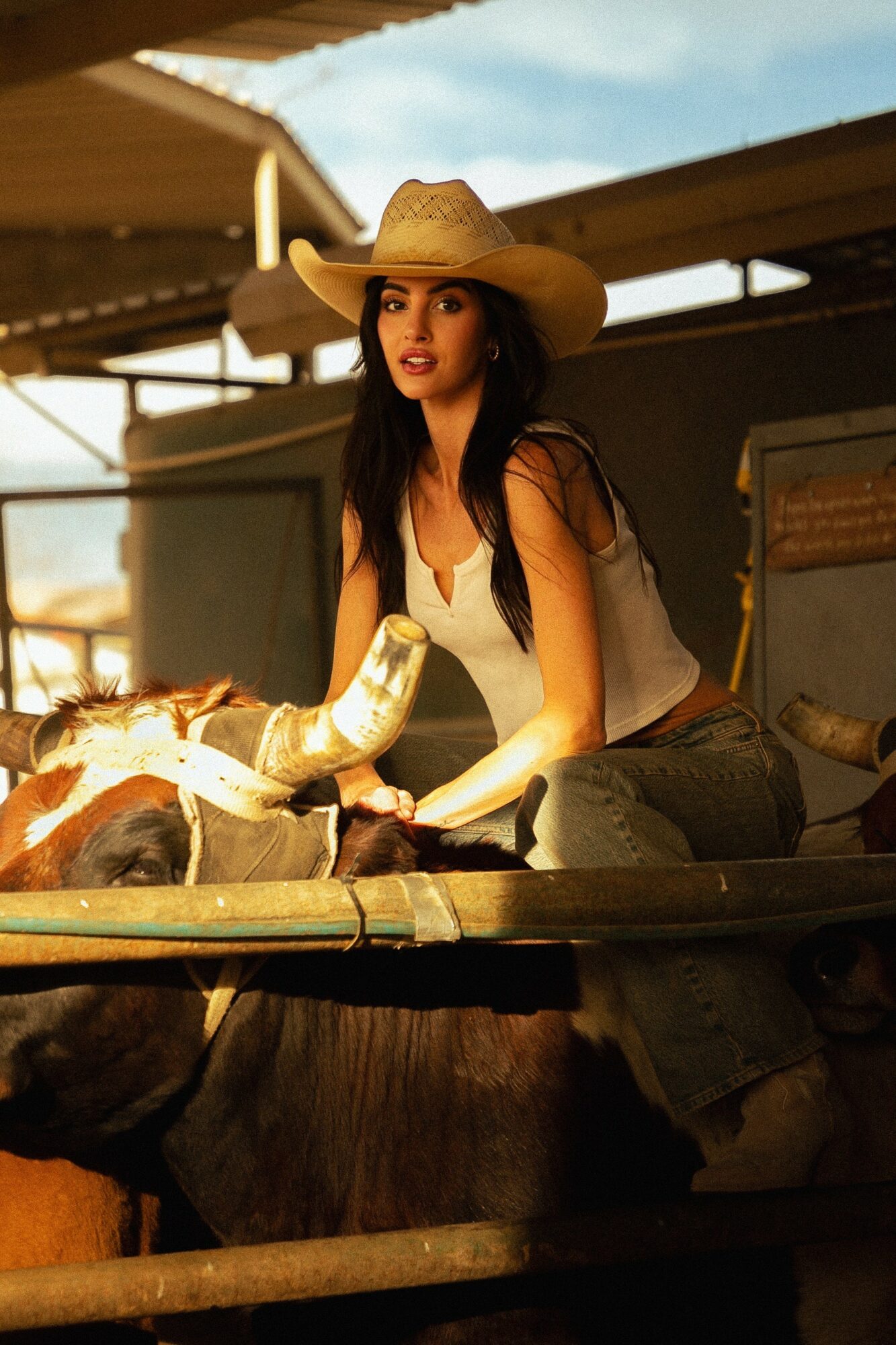
Image Credits
Kayden Muzila
Popular
-

Portraits of the Valley
-

LA’s Most Inspiring Stories
-

Maagic Collins on Building a Fearless Publishing Platform for Truth, Advocacy, and Underrepresented Voices
-
Los Angeles Barea on Turning Green Superheroes into a Global Movement for Youth-Led Change
-

Trisha DuVivier on Bridging the Franchisor–Franchisee Divide with Workhero and “Franulate”
-
Cedar Boschan on Elevating Black Music Rights and Driving Urgent Conversations Around Credit, Equity, and Artist Protection


