




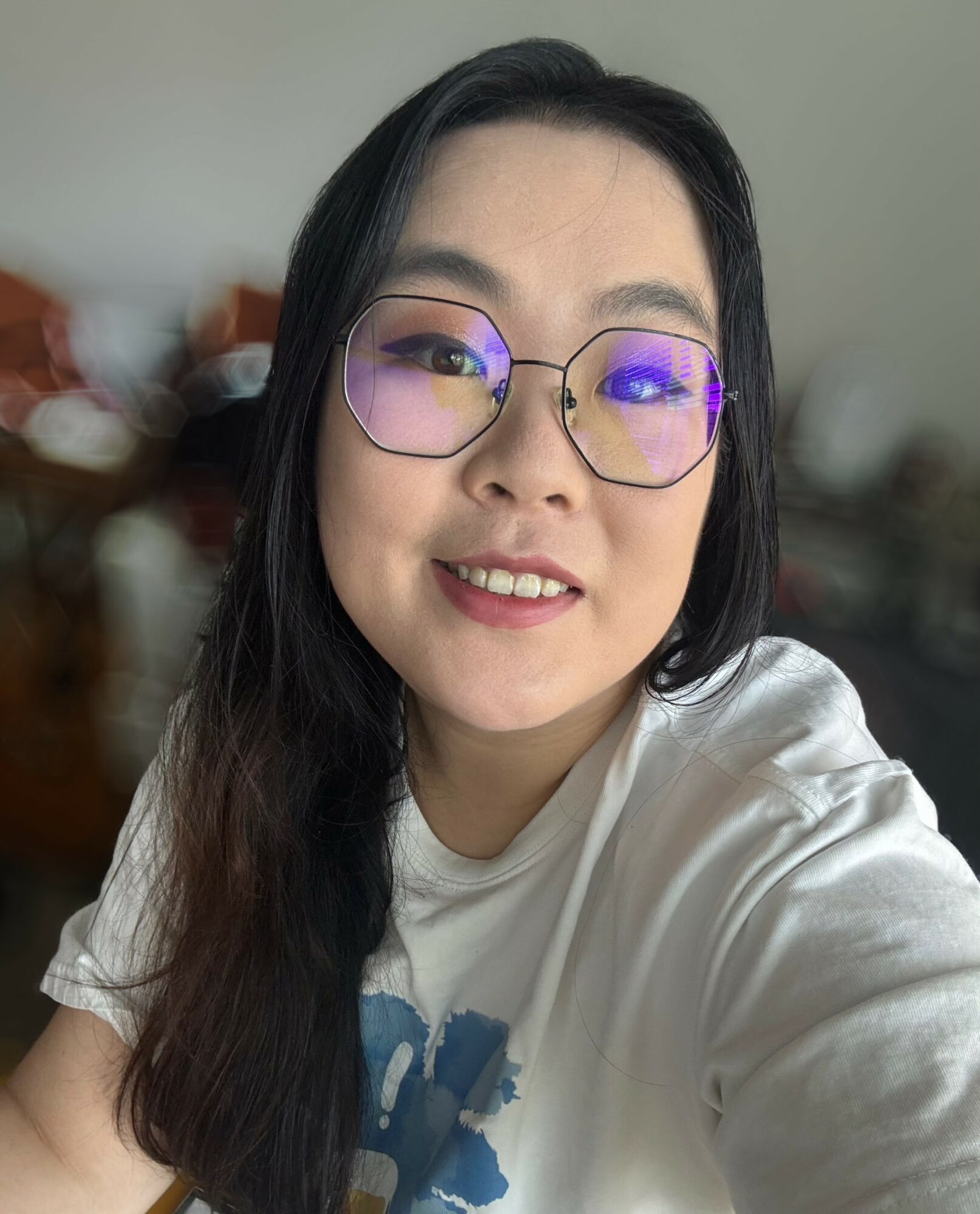
Today we’d like to introduce you to Shirley Zhang
Hi shirley, we’re thrilled to have a chance to learn your story today. So, before we get into specifics, maybe you can briefly walk us through how you got to where you are today?
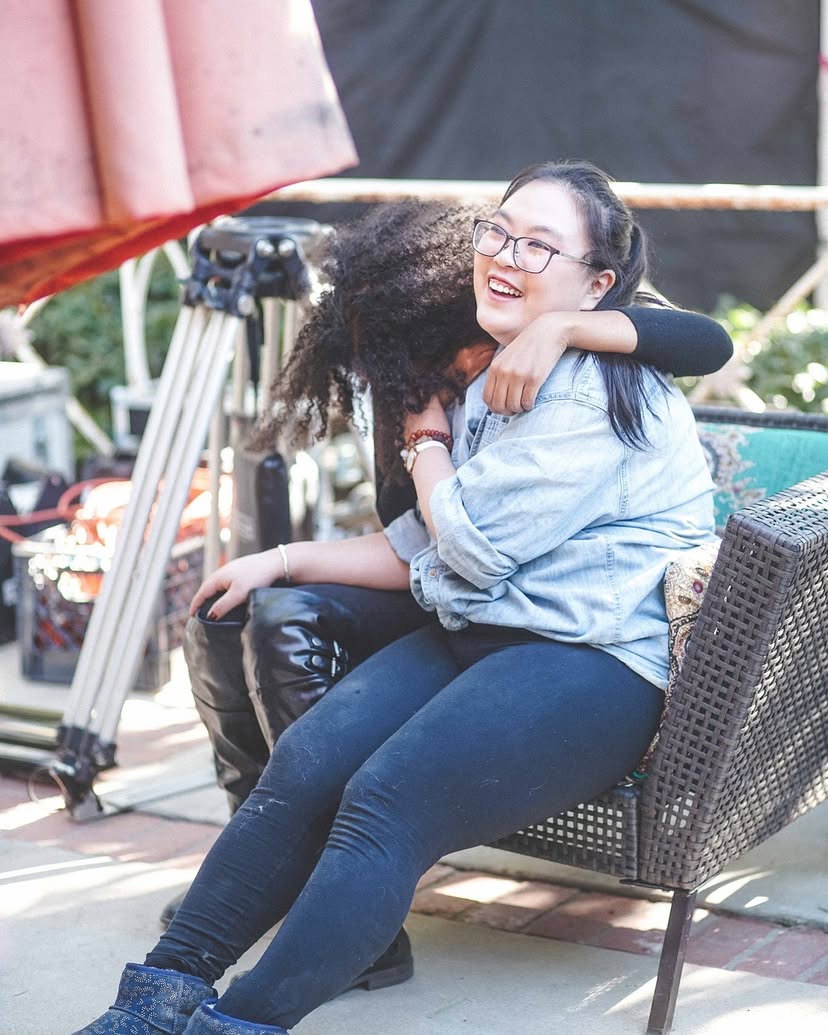
When I started college, I was focused on becoming a reporter. I interned at different news stations and tried out different roles. I liked it, but something just felt off, like there was a missing puzzle piece. Then, in my junior year, a friend asked if I could help out as a PA on a set. At that point, I knew absolutely nothing about film production, but I figured, “Why not?” and jumped in to help.
The moment I stepped onto that set, it was like a light bulb went off. I was completely mesmerized by everything—the lights, the cameras, the chaos! It was so fascinating, and I immediately wanted to learn about all the things. A couple of weeks later, that same friend told me they were working on a web series and needed a producer. Did I know what a producer did? Nope. Did I say yes anyway? Absolutely. I Googled my way through schedules, budgets, and call sheets like a champ. I learned on the job, and with every project I produced, I realized this is what I want to do. So, I quit my job at the TV station, packed up my bags, and made the big move to Los Angeles.
Once in LA, I enrolled at Santa Monica College to figure out if this was just a passion project or something I could actually make a career out of. At SMC, I got the chance to work on a thesis project. It was the hardest shoot I’d ever been on and the longest set I have ever worked on. But it was also the experience that made me realize that if I could survive this, I could handle anything.
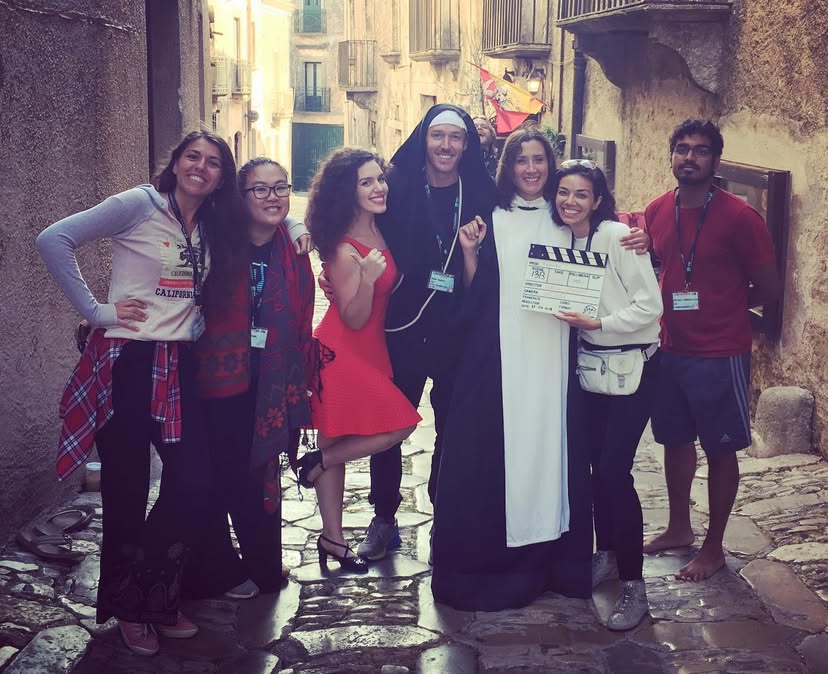
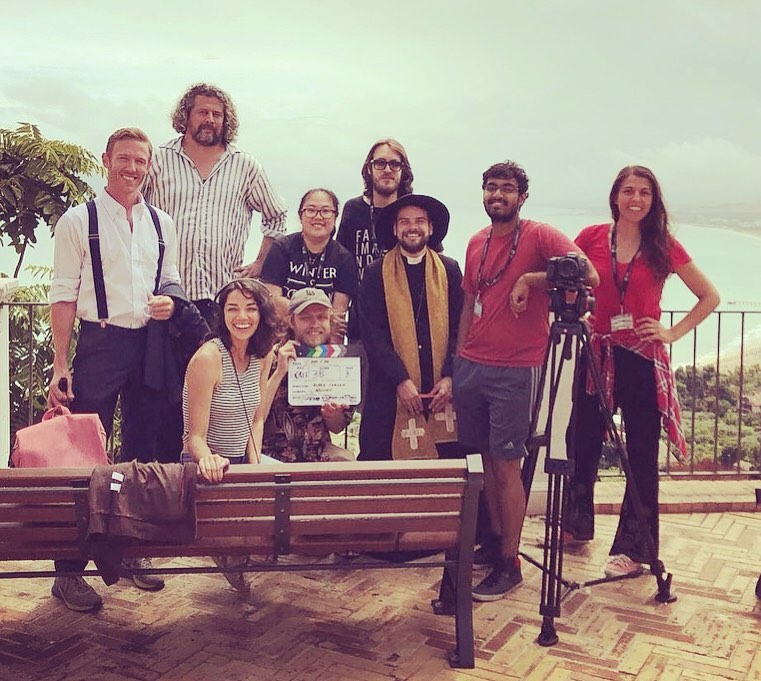
Not long after, my professor at SMC picked me to join a six-person team headed to Italy for Cinemadamare. Six weeks, six different cities, and I produced five different short films. Shooting in a foreign country where you don’t know the language was incredibly challenging. It forced me to think creatively and find solutions outside the box for every curveball thrown our way.
Despite all the challenges, these experiences gave me the confidence to know I can thrive in the entertainment industry. And I knew I had what it takes to be a great producer.
I’m sure it wasn’t obstacle-free, but would you say the journey has been fairly smooth so far?
It hasn’t been a smooth road—at all. Like so many others, I almost quit during the pandemic. It was such a dark time. I was in grad school, working toward becoming a physical production producer, and then Hollywood shut down. No one knew what was going to happen or if things would ever go back to normal.
The freelancing industry doesn’t exactly come with a clear career trajectory. Sure, your title might advance, but that doesn’t mean you’re producing stories you care about or truly want to create. You have to hustle, network, know the right people, and just keep trying. And the hardest part? There’s no guarantee how long it’ll take to “make it.” As the pandemic dragged on, I grew tired—burned out, even—and I hit a breaking point. I couldn’t see the light at the end of the tunnel. The only things keeping me going were playing Animal Crossing and watching Bojack Horseman.
And then, one day, it hit me: Why not learn more about the two things that are making me happy right now? There was no better time to pick up new skills than during the pandemic. I started googling about animation and game production. That little light bulb moment gave me a new purpose, and suddenly, the tunnel wasn’t so dark anymore.
Fast-forward to now, and I have an entirely new career—I work in gaming. If it hadn’t been for the pandemic, I don’t think I’d have ever considered this path. It wasn’t the journey I planned, but it turned out to be the adventure I needed.
Can you tell our readers more about what you do and what you think sets you apart from others?
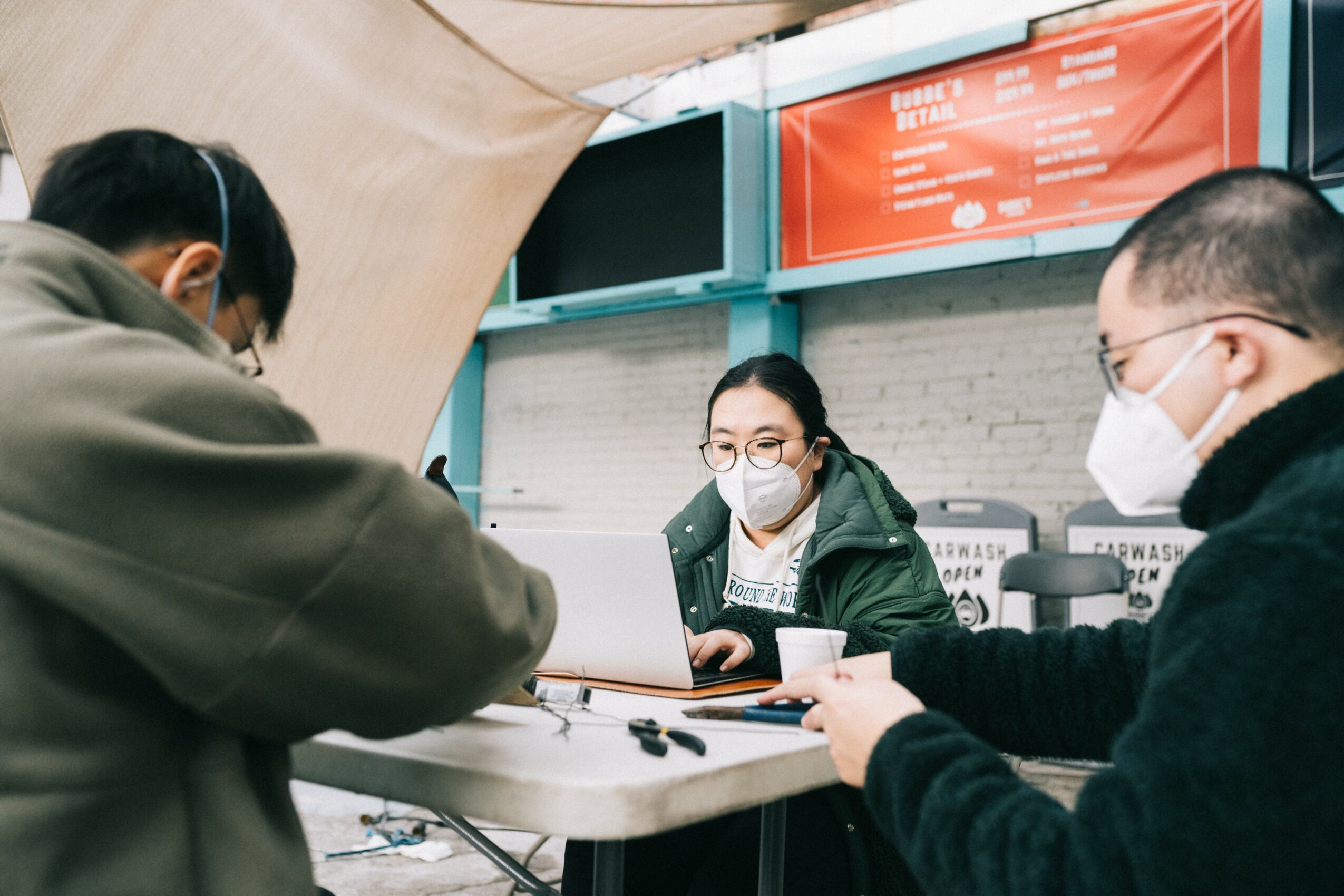
Currently, I’m working at Riot Games as a Content Producer, where I handle a variety of video projects, including live-action, animation, user acquisition content, etc. This is my first job in both gaming and animation, and I’m incredibly grateful that my manager took a chance on me, invested in my growth, and helped shape me into the professional I am today. I’m also fortunate to work alongside some of the smartest and most caring individuals I’ve ever known.
One of the most exciting things I’ve discovered with this job is the creative freedom that comes with animation production. In live-action, there are often “regrets”—things you couldn’t achieve because of budget constraints, unavailability of the perfect talent or location, or something as unpredictable as bad weather. But in animation, you have to create every single element from scratch, and the possibilities are limitless. The world truly becomes your oyster, and you can build it exactly the way you envision it.
One moment that deeply resonated with me was during a team meeting when our creative director shared an insight he read about the cityscape in Turning Red being more accessible compared to the one in Zootopia. As someone who is able-bodied, this isn’t something I would naturally notice while watching the movie, but it’s an incredibly impactful detail for those who rely on accessible design. He emphasized that this is the standard we strive for—to make everyone feel like they belong. I remember how proud I felt when we discussed the intentional design of a cityscape in one of our cinematic backgrounds, where we included ramps on the streets and wheelchair-height push buttons on traffic lights, etc. Even the smallest details were carefully crafted with inclusion in mind.
It’s moments like these that remind me why I love being a part of this team and this industry. We’re not just creating content; we’re creating worlds where everyone feels seen, considered, and welcome. That’s a mission I’m proud to be part of every single day.
What was your favorite childhood memory?
Looking back, my obsession with film started at a young age. My parents are huge movie lovers, and every weekend, they’d pick a film, and we’d watch it together as a family. Not every movie they chose was exactly kid-friendly—I still vividly remember watching Titanic with my parents. Let’s just say my mom had to cover my eyes more than a few times during certain scenes.
In high school, I developed a real love for horror films. At the time, Japanese and Korean horror movies were all the rage. While American horror films relied on blood, gore, and jump scares, Asian horror focused on psychological terror—the kind that lingers with you long after the credits roll. I couldn’t get enough of it.
My dad, however, wasn’t a fan of either type of horror. One day, he came home, dropped a giant box of DVDs on my desk, and said, “Watch how a true master of horror does it.” That box? It was the complete set of Hitchcock Hits.
The first time I watched Vertigo, I was overwhelmed by waves of emotion. I couldn’t stop thinking about it for days. My dad was right—this was on a whole other level. Hitchcock’s work wasn’t just about scaring you; it was about pulling you into a world of suspense and storytelling unlike anything I’d ever experienced. It was better than anything I’d ever seen, and it completely changed the way I viewed films.
Contact Info:
- Website: https://shirleyfanzhang.com
- Instagram: https://instagram.com/yisilingszlp
- Other: https://www.imdb.com/name/nm7574461/?ref_=nv_sr_srsg_0_tt_0_nm_8_in_0_q_shirley%2520fan%2520
Popular
-

LA’s Most Inspiring Stories
-

Maagic Collins on Building a Fearless Publishing Platform for Truth, Advocacy, and Underrepresented Voices
-

Los Angeles Barea on Turning Green Superheroes into a Global Movement for Youth-Led Change
-

Trisha DuVivier on Bridging the Franchisor–Franchisee Divide with Workhero and “Franulate”
-

Portraits of the Valley
-
Cedar Boschan on Elevating Black Music Rights and Driving Urgent Conversations Around Credit, Equity, and Artist Protection


