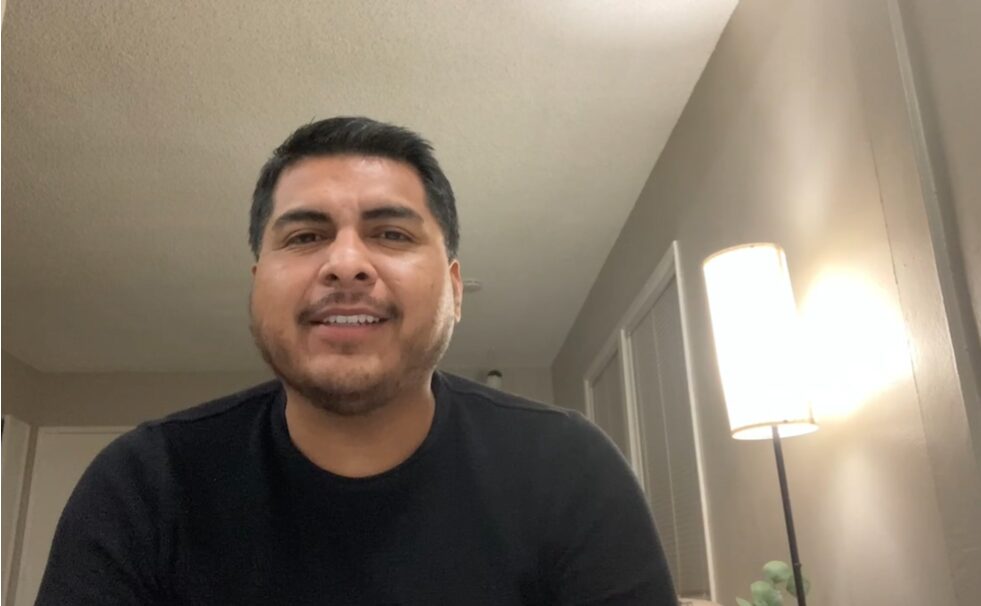
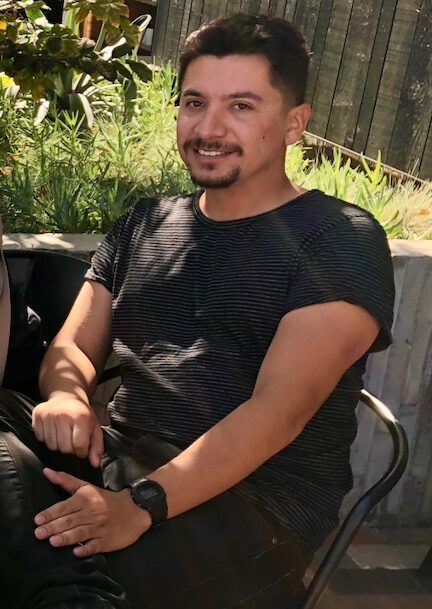
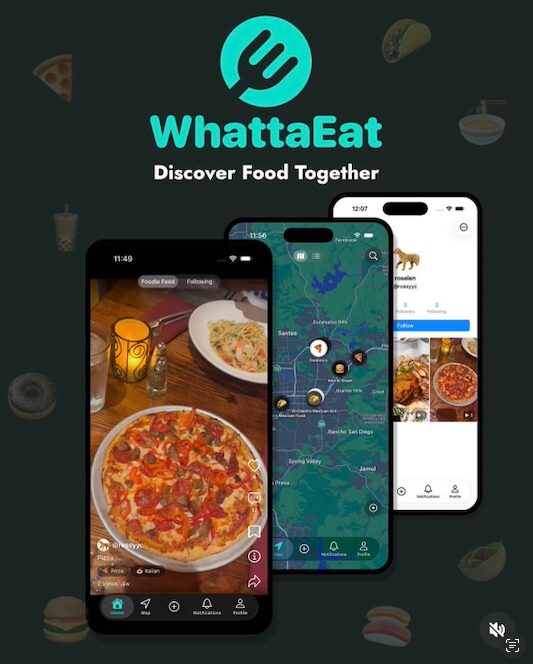
In this interview, Jose Acevedo shares the story behind launching WhattaEat, an iOS app born from a familiar frustration—deciding where to eat—and evolved into a video‑first, community‑driven platform that blends food discovery, social connection, and real experiences, as he reflects on its origins during his college years, the pivotal shift from utility to engagement through short‑form video, building remotely with his co‑founder across Southern California, and his long‑term vision of making WhattaEat the go‑to place people instinctively open when they’re hungry and ready to discover something new together.
Hi Jose, thank you so much for taking the time to share your story with us. With the recent launch of your new iOS app Whattaeat, you’re blending food, tech, and social connection in a really fresh way—so let’s jump right in. What sparked the original idea for Whattaeat, and what problem were you personally trying to solve when deciding where to eat?
The idea for WhattaEat (What to Eat) first came to me during my senior year (2015) at California State University of Los Angeles. My girlfriend and I constantly struggled to decide where or what restaurant to go out to eat. Even if we knew what we were craving, we could not decide where to go. I remember telling her, “I wish there was an App that would help us decide where and what to eat”.
We searched the App Store and could not find anything helpful, so I told her I was going to build one.
In June 2021 the first version of the app was released. It was a tinder style version developed by App Developer Luis Calvillo who had experience creating apps like ShredSpots. In this first version, nearby restaurants would appear, and users could swipe left if you weren’t interested or swipe right if you were. All the restaurants you swiped right on were saved, making it easier to review your options and decide where to eat
Over time, the first version plateaued. I realized the app functioned more as an utility tool and lacked long term engagement. Fast forward five years later Luis Calvillo and I reconnected,and began brainstorming new ideas. As we shared our perspectives, we realized we were onto something bigger -something that could genuinely help people discover restaurants.
We then became partners, and decided to build and release version 2 together as co-founders keeping the same mission but taking a different approach. We pivoted to short form video. Version 2 is far more social and interactive, allowing users to upload food-related videos and share real dining experiences.
Food apps usually focus on reviews or delivery, but Whattaeat feels more social and experience-driven—sharing videos, check-ins, and discovering spots together. How did you land on this “discover food together” concept, and what makes it different from traditional restaurant or review apps?
Yes, WhattaEat is intentionally more social and experience-driven. As we started thinking about version 2, our goal was to create a food app where friends and family could discover places together by sharing short videos of spots they’ve actually visited. That shared experience builds trust in a way traditional reviews don’t.
We also wanted a way to check in and keep track of places I’ve visited, whether locally or while traveling. Within the app, restaurants can add their information and add themselves, or claim their page if it already exists, since users can upload restaurants directly to the map. This allows restaurants to place themselves on our map while helping users discover new restaurants and previously unknown food spots.
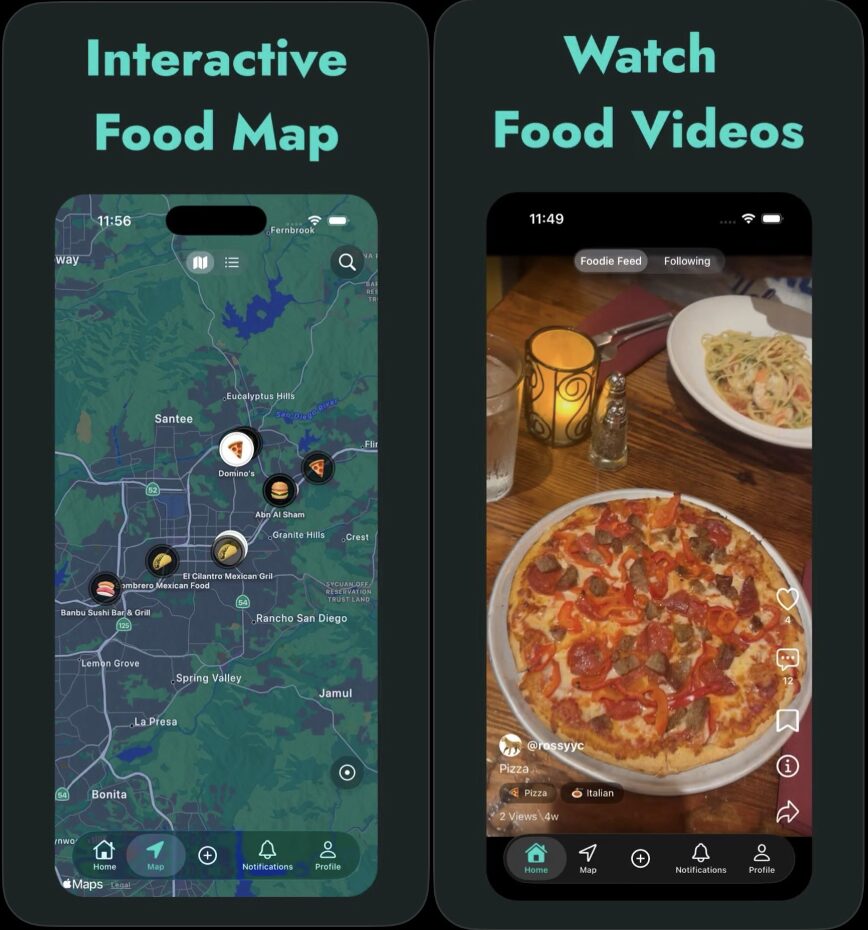
What truly sets WhattaEat apart is that it isn’t a text-based or rating-driven review app. Instead, reviews are videos. Seeing the food, the atmosphere, and the overall vibe through short clips gives people a much more authentic sense of what a place is really like compared to written reviews or static photos. The platform is strictly focused on food and places to eat; restaurants, coffee shops, bars, markets, food trucks, and making discovery feel natural, visual, and social.
Building a startup across cities—with you in Los Angeles and your co-founder/CTO in San Diego—must come with both opportunities and challenges. How have you and your team approached building the product and staying aligned while scaling something new?
Luis, the CTO of WhattaEat, and I share a clear and aligned vision for WhattaEat. From the start, we’ve been intentional about communicating, constantly discussing bugs, improvements, features, and making thoughtful decisions around what to add or remove in the app.
Because we’re in different cities, communication is key. We stay closely connected through daily conversations, scheduled business calls, and regular check-ins to review progress and priorities. For major decisions or milestones, we make it a point to meet in person to ensure alignment. This consistent communication has helped us stay aligned and continue building effectively.
This approach has allowed us to move quickly while staying focused on the long-term vision. By combining consistent communication, clear ownership, and shared goals, we’ve been able to build WhattaEat while working remotely.
Los Angeles has such a strong food culture, from hidden neighborhood gems to big-name spots. How has living there influenced the way you designed the app and the types of food experiences you want users to capture and share?
Los Angeles has had an influence on how we designed WhattaEat. The food culture here is incredibly diverse, you’ll find cuisine from all over the world alongside amazing local mom-and-pop spots that are deeply rooted in their neighborhoods. That diversity pushed us to include a wide range of food categories and experiences in mind, not just traditional restaurants.
Because LA is big, it’s easy to miss great places, even ones that are close by. That challenge directly inspired the map feature, which helps users visualize what’s around them and discover hidden gems they might otherwise overlook. We wanted discovery to feel effortless and local.
Living in LA also shaped the kind of content we want users to share. Short videos capturing the food, the vibe, and the culture of a place help tell a more authentic story, whether it’s a food truck, a small café, or a well-known spot. The goal is to highlight real experiences and make food discovery feel personal, visual, and community-driven.
As Whattaeat continues to grow, what’s next on your roadmap—whether that’s new features, Android expansion, or community-building—and what’s the bigger vision you hope the platform becomes for food lovers over the next few years?
From a growth perspective, we’re actively pursuing VC funding this year to help develop WhattaEat, expand the team, and scale our vision. As WhattaEat continues to grow, our next major milestone is the release of the Android version, which will allow us to reach a much broader audience. In parallel, we’re focused on strengthening the community side of the platform, bringing together food lovers, restaurants, and everyday users in a way that feels authentic and engaging.
We’re continuing to build features that make discovery more social and visual, while also giving restaurants better tools to stay relevant and connect directly with their audience. Community-building is a big part of this, whether that’s through shared experiences, local discovery, or content that feels real and trustworthy.
Long term, we want WhattaEat to become the go-to platform people instinctively open when they’re hungry and deciding where to eat. Ultimately, connecting people through food and making discovery effortless, social, and fun.
Links: