


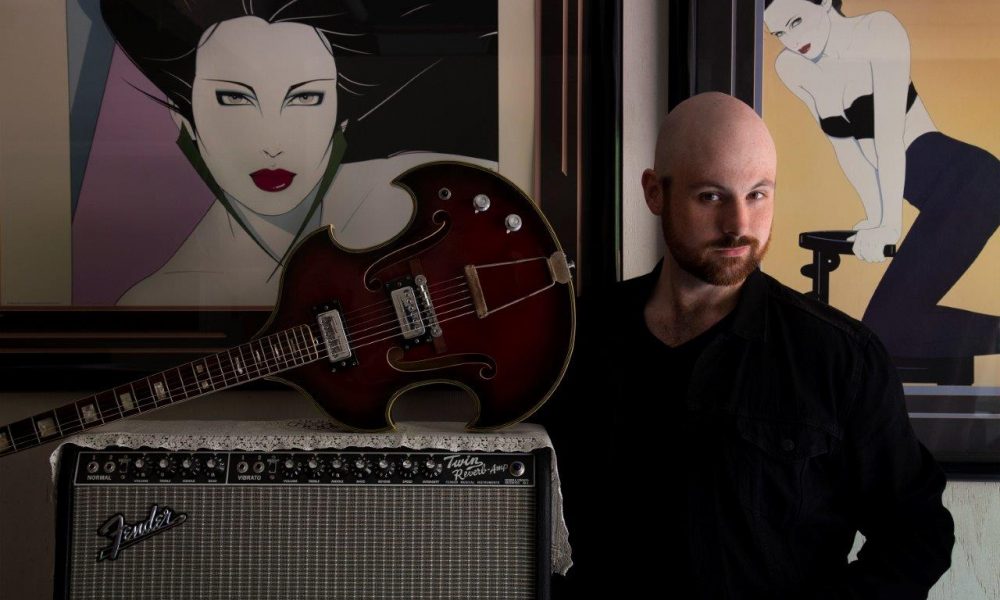
Today we’d like to introduce you to Jeff Mark Leavitt.
Jeff, please share your story with us. How did you get to where you are today?
I feel as though I lead a double life. One as an artist, the other as a historian. When these two lives intersect, I am at my most fulfilled. The genesis of the artist took place on a family trip to Yellowstone when I was around ten. I pleaded with my aunt to let me use her 35mm Konica to catalog everything I saw. I wanted to capture the majestic eruptions of the geysers’ boiling columns, the mesmerizing colors bursting from every hot spring pool, and the craggy ridges rising up the backs of the towering mountains. It was a strange, encyclopedic need; everything I saw had the potential to become a work of art through my lens, and I burned through a lot of film trying. Of course, I didn’t know a damn thing about photography and every image was overexposed. The historian was born much later while attending Santa Monica College. During a US history survey, my professor enabled me to see myself as a part of an ongoing story that we all share; although each person/identity/community is a single thread woven into the fabric of our common history, each is a strand that extends generations, strengthening ties between the past and present and helping determine choices for a mutually better future.
Through thinking of my actions and own identity in a broader context, I became a more conscientious, critically thinking member of my community. The humanities tend to do that for students. From this experience, I sought to give back what I gained, so I decided that I wanted to become a history professor. Community college was also where I renewed my love for photography. It was during my first lecture in a darkroom printing class that I decided to go part-time at my job so I could go to school full-time for photography and history. Education gave me purpose and drive and I am ever grateful for it. I eventually gained my Bachelors and Masters in History from UCLA and Cal State Fullerton, respectively. During my Masters is when I found a way to merge my two passions. After several trips to Manzanar National Historic Site, I noticed that the preservation of the camp, or lack thereof in some cases, told a story of how we decided to remember the Japanese American Incarceration during WWII, an unconstitutional attack on American citizens based on their race. My encyclopedic desires arose again to photograph the state of the site and discuss how its preservation-or lack of preservation-resulted in the endorsement or erasure of memories and historical narratives.
What is vital to understand is that the site is under the stewardship of the National Park Service, a federal agency, therefore the US government, the perpetrators of incarceration, have now become the curators of the memory of its own crimes. For good or ill, their preservation efforts were worth investigating, and that investigation, and all of my subsequent photographs of Manzanar, became my Master’s thesis. I plan to extend this photographic investigation to the remaining nine camps to explore not only how they are preserved but also how the incarcerated Japanese Americans and the communities around the camps interacted with each other. For example, the Native American/Japanese American relations on the Colorado River Reservation, where the Poston War Relocation Center was essentially a concentration camp on a concentration camp. At the time of this writing, I am applying to PhD programs in History to pursue this topic.
Has it been a smooth road? If not, what were some of the struggles along the way?
The balancing act. We all have one. Whether it’s school, work, friends, projects, relationships, passions, interests, opportunities…we all balance these things in our lives and my personal balancing act sometimes results in cameras sitting in their bags for months. Combine this with a good ol’ fashion artistic rut and a lack of inspiration and I basically revert to a non-artist at times. The drag is real.
We’d love to hear more about your business.
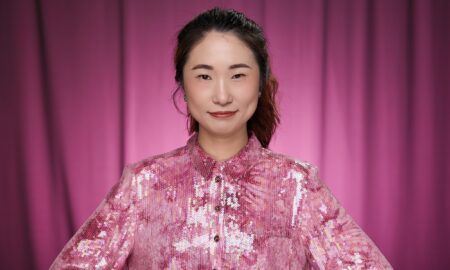
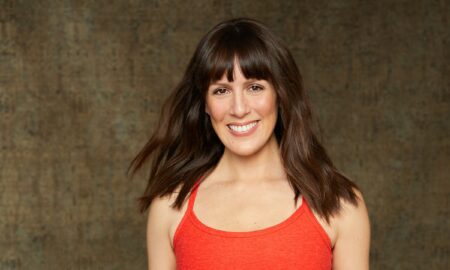
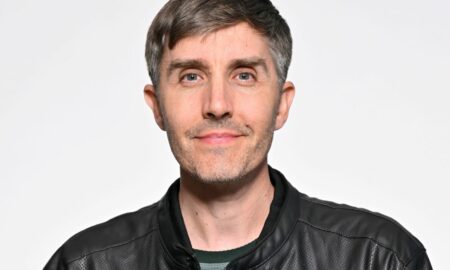
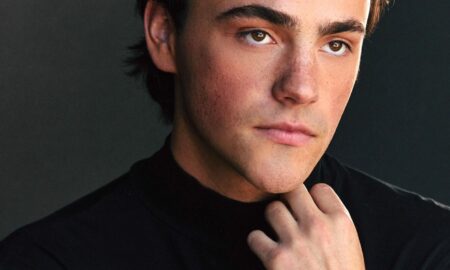
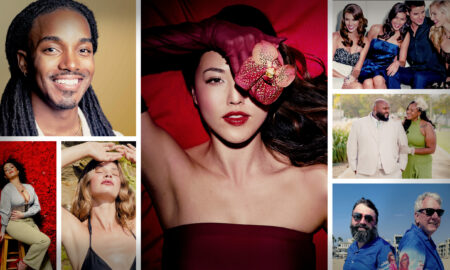
This is where most photographers will tell you that they are storytellers, striving to create visual windows into the lives of their subjects. I am not a storyteller. I wish the viewers of my work to feel pangs of emotion tied to the universal truths that we all share. I do not want my viewers to feel that they are peering through a portal to a reality they cannot relate to or to act as cultural voyeurs. The things I photograph are the things we all have a relationship with, in one way or another. Whether our built environments, our bodies, our expressions, or even the stars above our heads, the subjects that draw me in are the subjects that we encounter every day. I primarily photograph people, mostly nudes and portraits because the body is universally shared, yet each is wholly unique. I enjoy shooting nudes because I witness a sense of freedom, experimentation, expression, vulnerability, and trust well up in those who pose for me. Many have never posed nude before, but once the initial feeling of “nakedness” has passed, I’ve seen them act so confident that you’d think they’d been posing nude for years. It’s a remarkable transformation.
I hear “why nudes?” a lot. I believe that the second clothes appear on the body, the image becomes a statement about status, about culture, about economics, about fashion, etc. It becomes an advertisement if not handled with care. I work with film and make my prints in the darkroom because the tactile experience of loading a camera, agitating the film, or pulling the paper from the developer lets me form a bond with my work. It also lets me slow down, experience, and enjoy the process of making art. My work harkens back to a different age of photography. My greatest influences are Ruth Bernard, Robert Mapplethorpe, and the members of Group F/64, especially Ansel Adams, for his methodical techniques and teachings. Each of these photographers wielded sheer technical prowess and lighting intuition that I aspire to. In today’s age of influencers using phones to capture the most vapid, cookie-cutter scenes, I utilize tools and techniques of the past to render a fresh look for my subjects.
Let’s touch on your thoughts about our city – what do you like the most and least?
I love Los Angeles and its surrounding areas, I will never live anywhere else. The people, the cultures, the communities, and the history of this city is so vibrant, kaleidoscopic, and unique. LA has world-class examples of, well, everything! From artistic, musical, culinary, entertainment, and educational institutions, to historical, cultural, museological, architectural, and natural wonders that all call LA home, this city constantly reminds me of why I call it home too. Whenever I fly in from out of town, seeing the Theme Building at LAX is always a welcome sight that eases the end of any vacation and makes me grateful that my vacations end where many people dream of having them start. Ugly, boring, unaffordable, mixed-use mid-rise “luxury” apartments built by tasteless overseas investment and development conglomerates are destroying all of the above.
Contact Info:
- Website: jeffmarkleavitt.com
- Phone: 310-663-9711
- Email: [email protected]
- Instagram: @jeffmarkleavitt


Image Credit:
DaRon “DayDay” Bell, Andre Mershad, Phoenix Lee, Jennifer White, Cheyenne Jolene, Stirling Silver, Chris Noon, Morgan Barbour
Suggest a Story: VoyageLA is built on recommendations from the community; it’s how we uncover hidden gems, so if you or someone you know deserves recognition please let us know here.
Popular
-

What is the story you hope people tell about you when you’re gone?
-
Who were you before the world told you who you had to be?
-

Was there ever a time you almost gave up?
-
What is something outside of work that is bringing you joy lately?
-

Who saw you clearly before you could see yourself?
-

What are the biggest lies your industry tells itself?