





Today we’d like to introduce you to Hanyue Song.
Hi Hanyue, so excited to have you on the platform. So before we get into questions about your work-life, maybe you can bring our readers up to speed on your story and how you got to where you are today?
From a young age, art and design captivated me as my foremost hobby, sparked by the simple act of doodling with a pencil. As a child, I delved into drawing and crafting, laying the groundwork for my future endeavors. At that point, however, it remained purely a pastime.
Though I initially pursued finance as my university major, I soon recognized the disconnect between my studies and my true passions. Consequently, I set out to explore my interests, attending art exhibitions, immersing myself in journalism, and persistently experimenting with new creations. Ultimately, I chose to focus on communications design for my master’s degree. This field enabled me to draw upon diverse disciplines, delve into various mediums, and bring my ideas to life in ways that inform, persuade, and entertain others.
I pursued my studies in Communications Design at Pratt Institute, where I reveled in the opportunity to continuously explore imaginative approaches throughout the design process. This, in turn, allowed me to make even a small, positive impact on people’s lives. Since then, I have been fortunate enough to receive invaluable professional guidance from numerous mentors. However, their influence on my growth extends far beyond simple advice. Through various collaborations, I have encountered diverse perspectives and approaches to both work and life. These experiences have not only enriched my understanding but have also facilitated my development as a professional. Working with others has further honed my interpersonal skills, such as communication, collaboration, and leadership. Thus, while I take pride in my individual efforts, I recognize the pivotal role played by my mentors, friends, colleagues, and family in shaping the person I am today.
Would you say it’s been a smooth road, and if not what are some of the biggest challenges you’ve faced along the way?
In my view, achieving any objective necessitates relentless effort and unwavering commitment without resorting to shortcuts. As a designer, making the transition from self-motivated projects to client-oriented ones presents a big challenge. The dissimilarities between the two necessitate considerable exertion to overcome. To excel in client-centered design, I must first comprehend their needs and expectations and then place myself in their shoes. By doing so, I can assist them in expressing their ideas via a tailored approach that translates their concepts into a unique visual language. This procedure usually entails extensive research, and I may need to employ diverse methodologies to achieve optimal outcomes for each project. Furthermore, it may be necessary to make concessions since personal design preferences may not always align with the client’s requirements.
As a visual communication designer, I have honed my skills in multiple fields, such as graphic design, advertising design, branding, and marketing design. Nevertheless, I am convinced that my learning journey is an ongoing process, and I endeavor to maintain a childlike sense of wonder about the world. Continuously studying new techniques and design principles enables me to remain current and enhance my abilities, which, in turn, propels me further in my career.
Thanks – so what else should our readers know about your work and what you’re currently focused on?
As a Shanghai-born visual communications designer currently residing in California, I specialize in blending various disciplines such as visual design, branding & marketing design, user experience, and project planning for kids’ education. I earned my Master of Fine Arts from Pratt Institute in 2019.
My artwork incorporates many natural and everyday objects, allowing me to explore, reflect, and make logical use of nature’s offerings. I deeply appreciate the serenity and fulfillment nature provides, and I believe it can enrich my design work by delivering captivating, seamless experiences through creative storytelling.
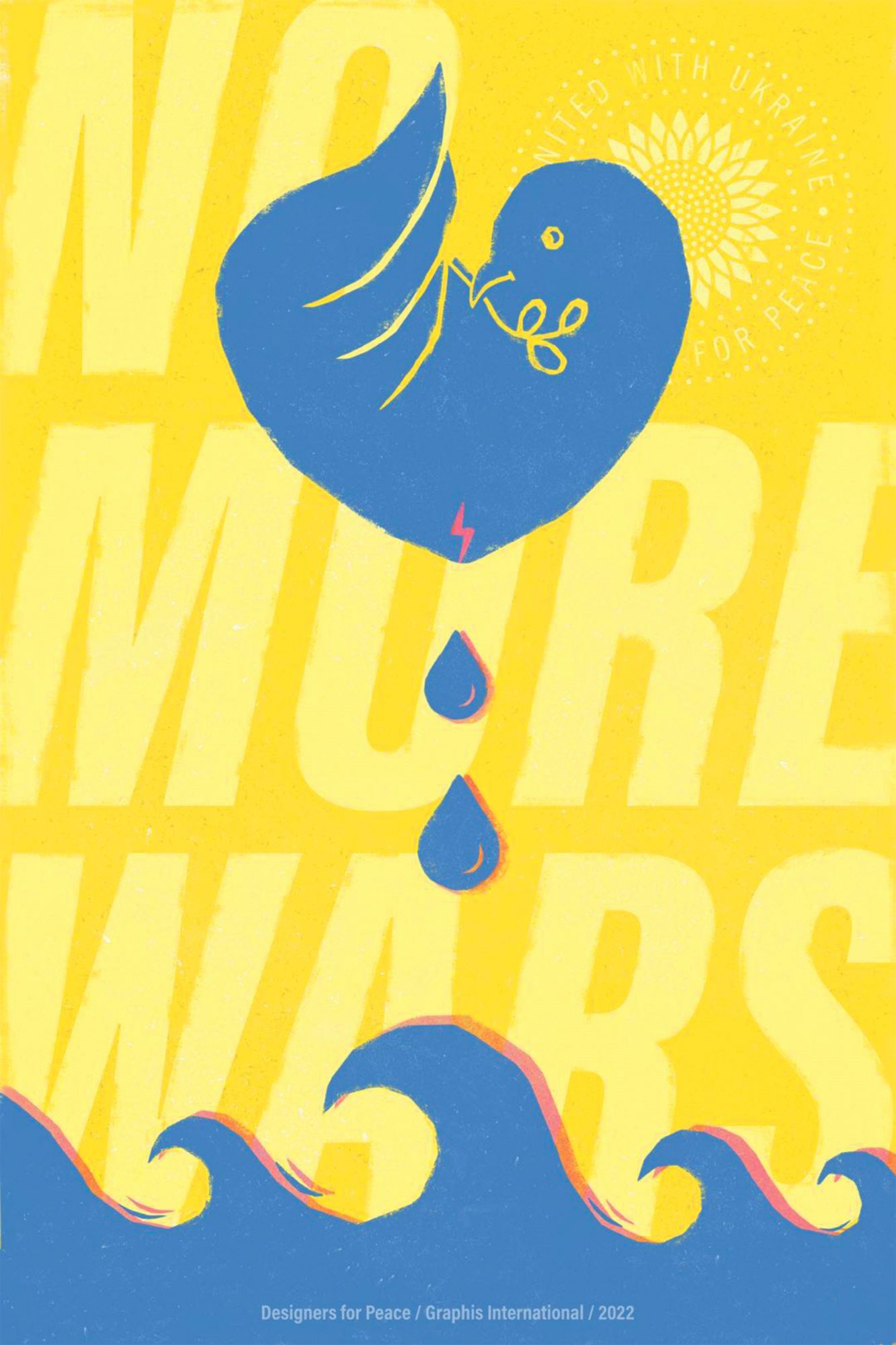
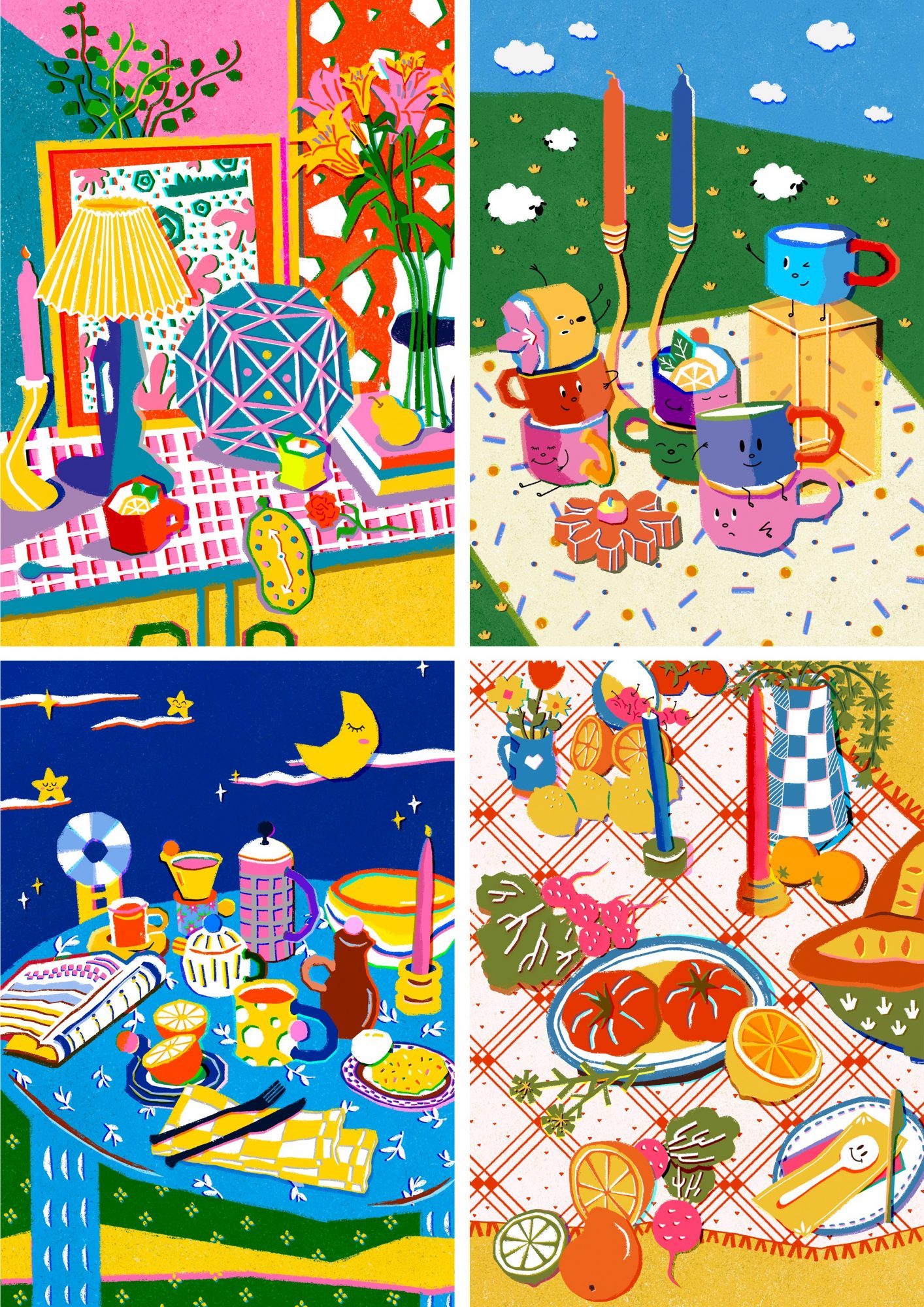
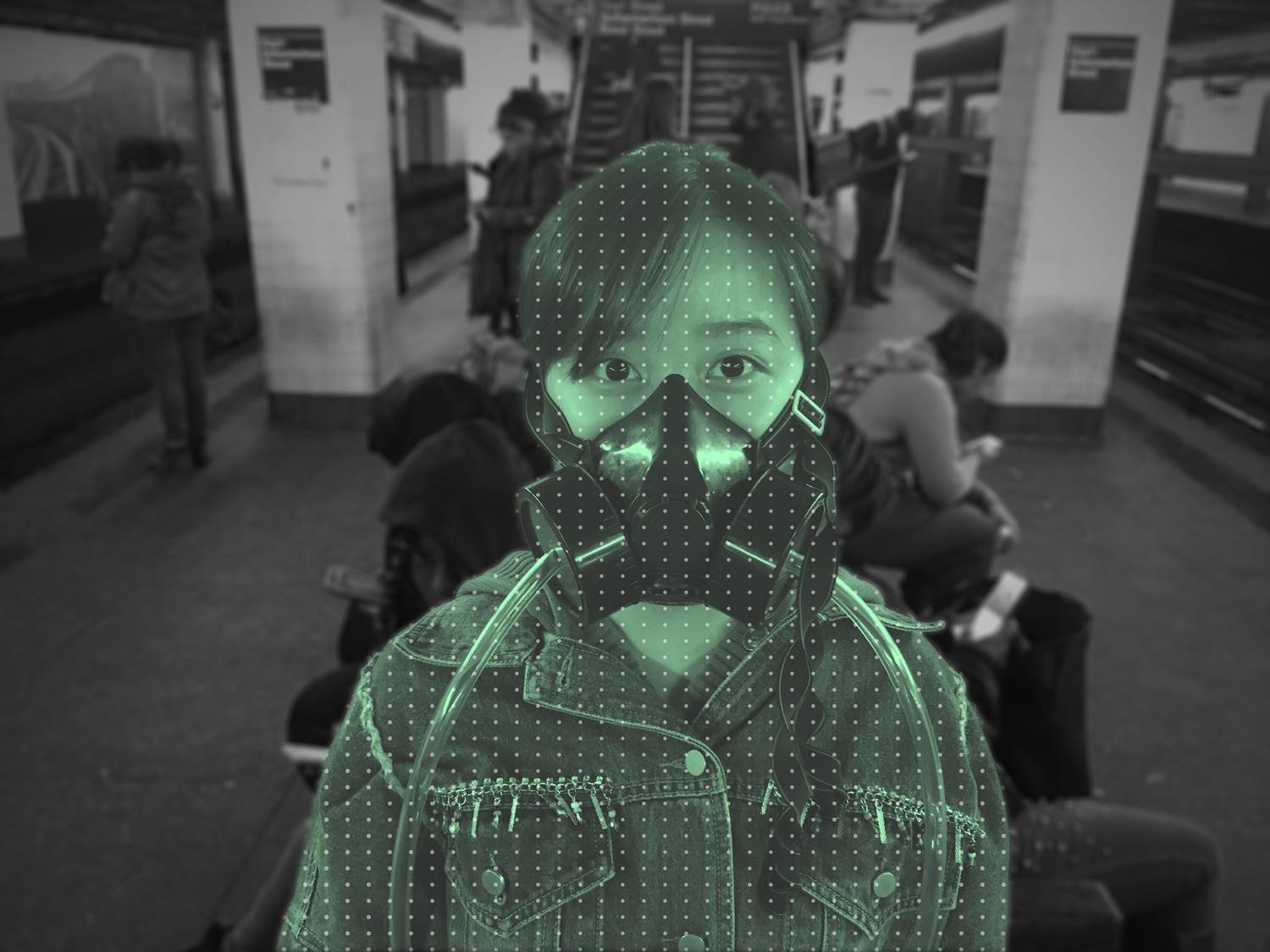
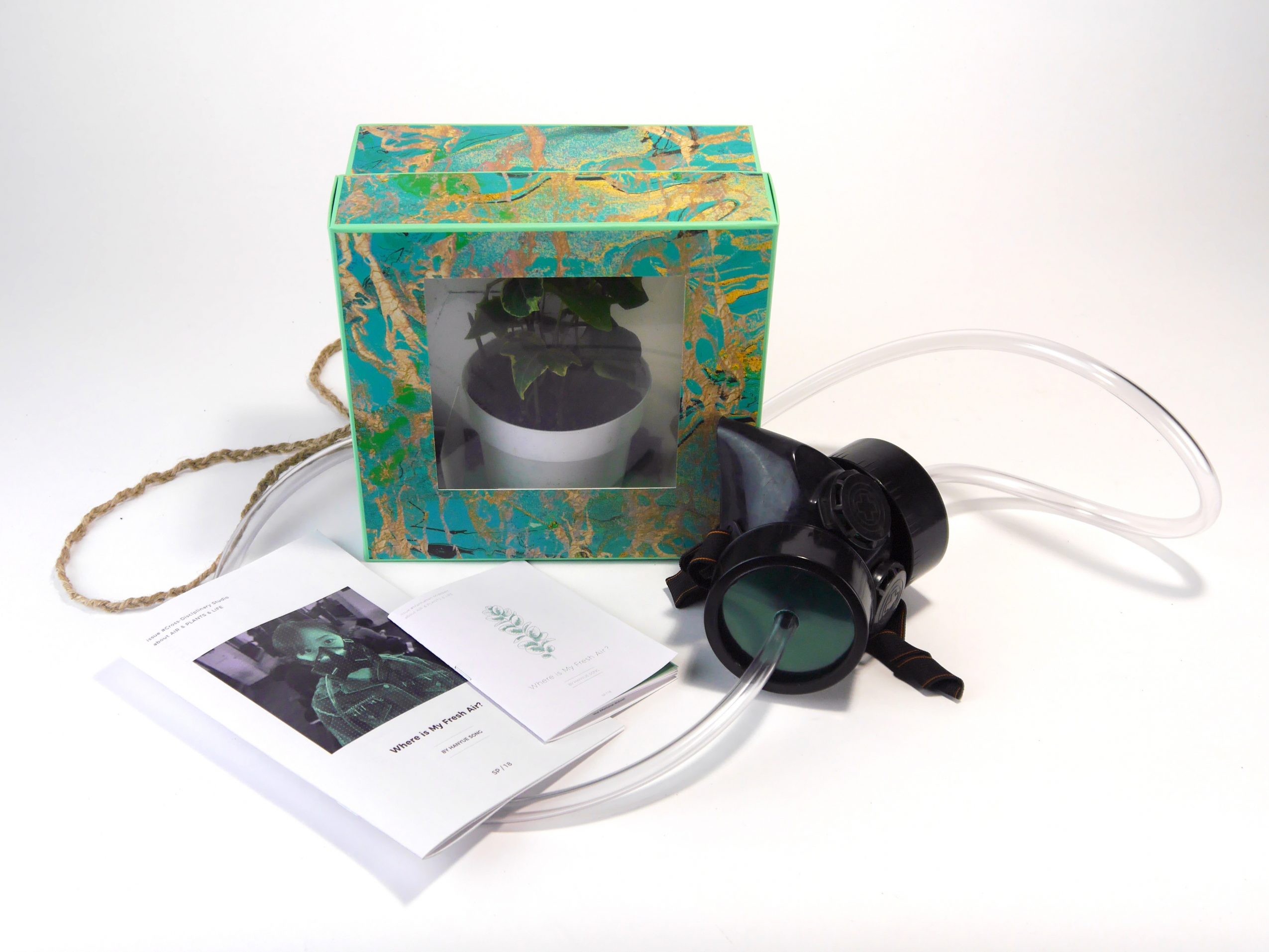
For instance, my “Still Life” series of illustrations imbue warmth, reminding my audience that they are cared for, particularly during these challenging times. The series earned the Merit Award of Communication Exhibition for Asia-Pacific Visual Arts. Moreover, my admiration for nature motivates me to promote environmental consciousness through my performance installation, “Where is my fresh air?” I am conscientious of my environment’s fragility and appreciate its worth. When conflict and unrest occur globally, I feel that it is vital to show support for those impacted. As a result, I designed the “Peace Cries” poster, which advocates for peace and love, receiving an Honorable Mention in Graphis International Designers for Peace competition.
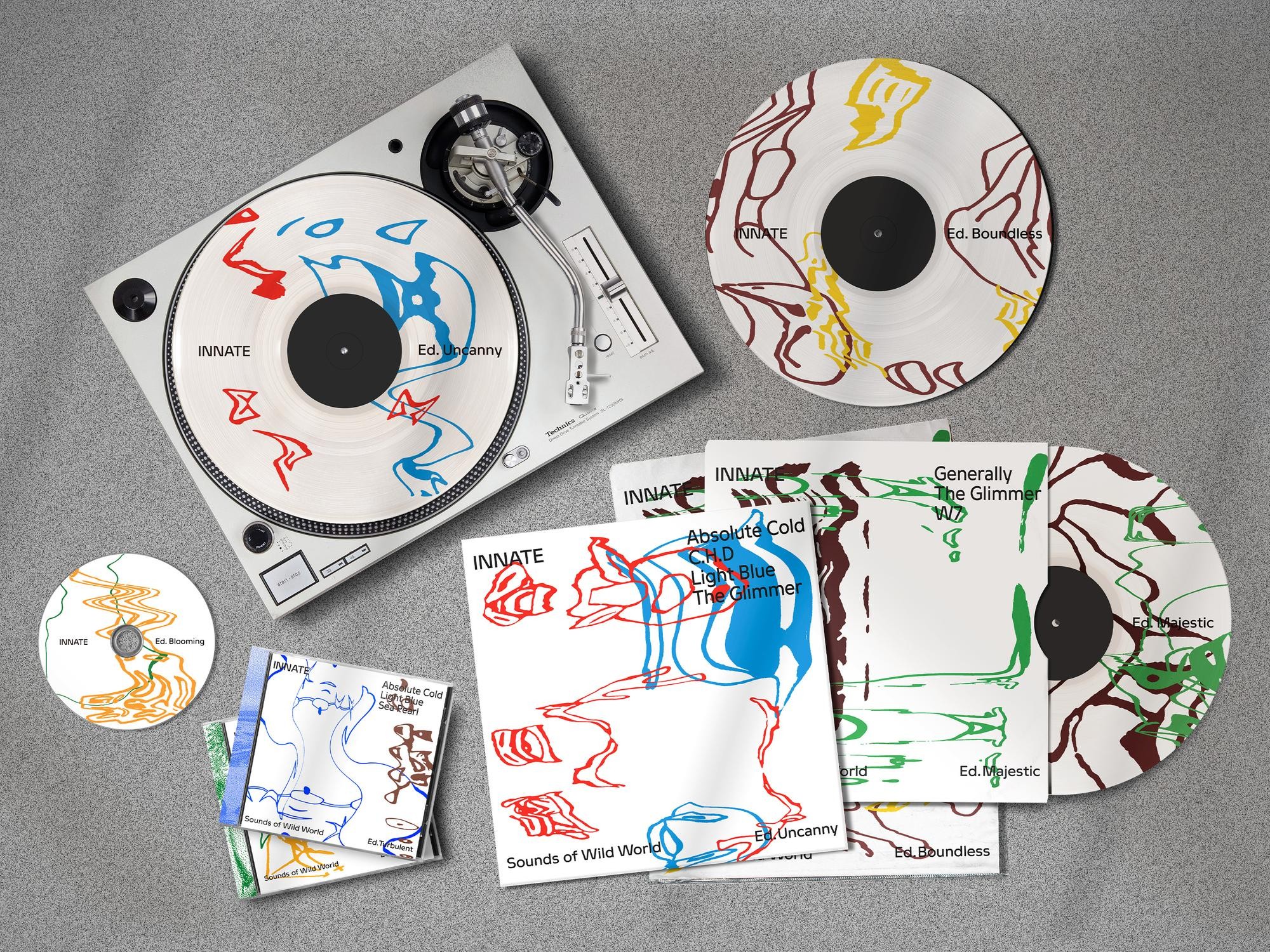
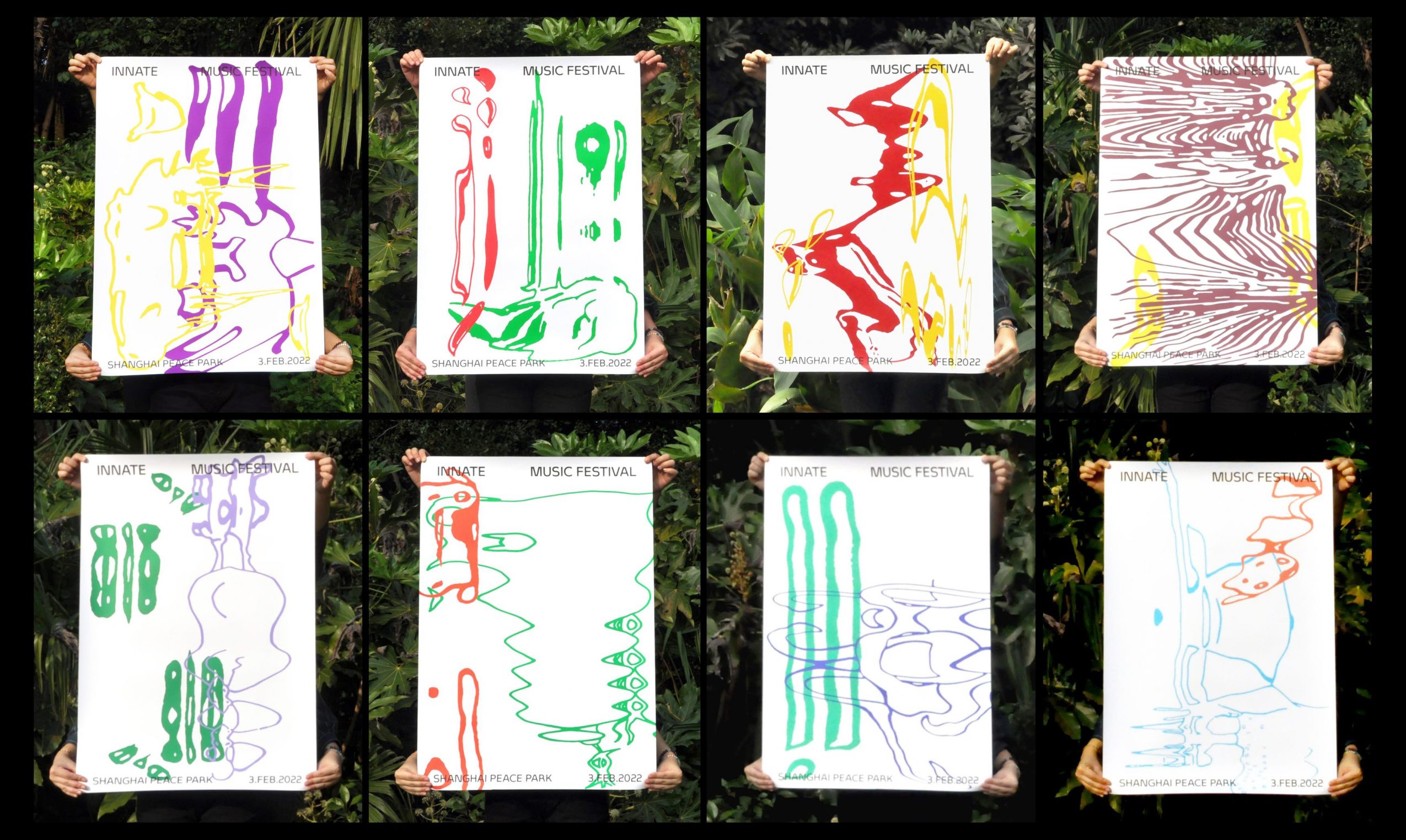
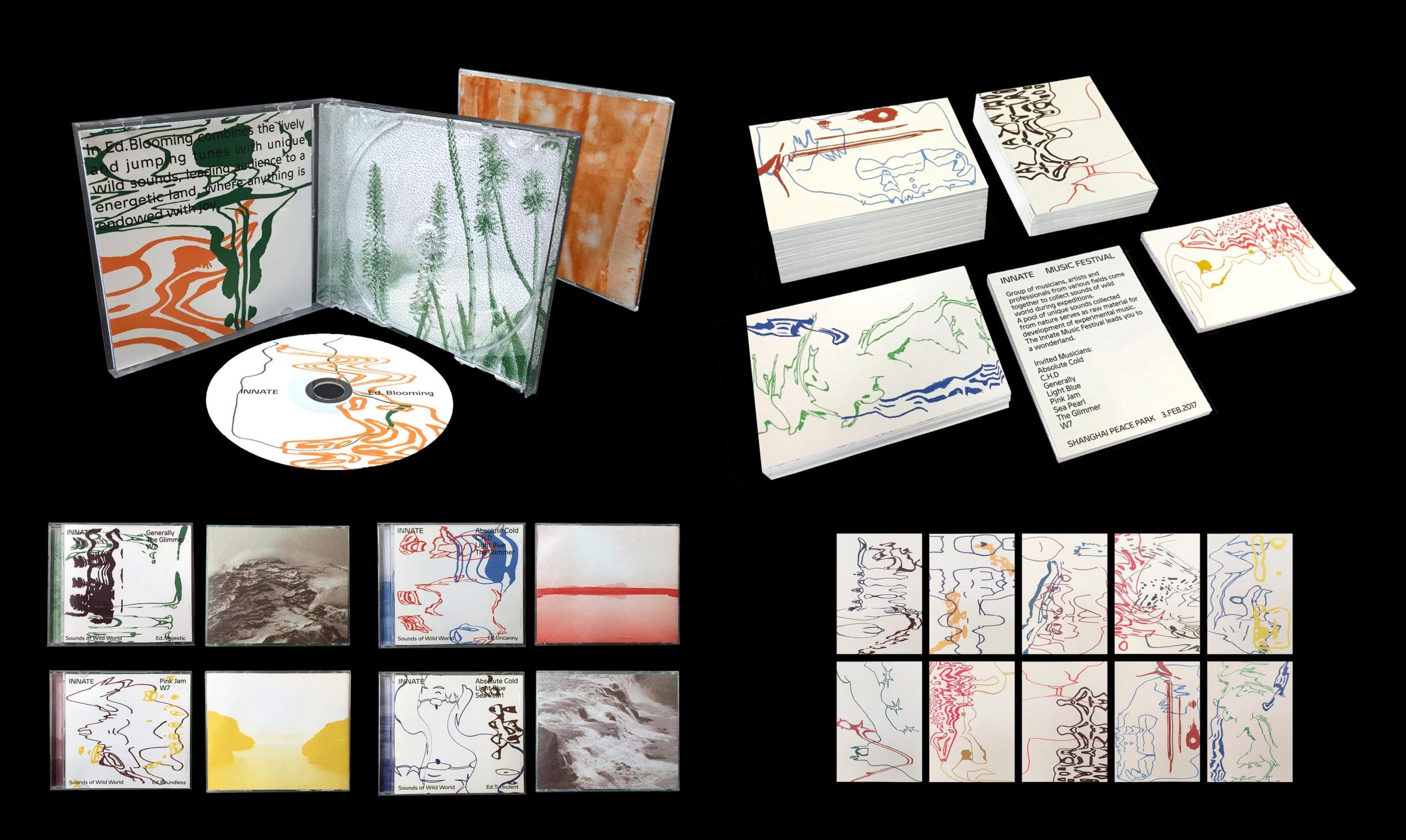
My inquisitive approach to life enables me to discover the intricacies of our world. For example, my experimental project, “Innate Music Festival,” harnesses complementary colors and creative imaging techniques to communicate positive energy and messages effectively. This project earned the gold IDA Design Award and the silver Muse Creative Award, reflecting its uniqueness and visual impact.
Do you have recommendations for books, apps, blogs, etc?
Allow me to recommend two insightful books that have influenced me personally and professionally.
The first one is “The Alchemist” by Paulo Coelho, which I read when I was contemplating switching my major. This novel chronicles the journey of a young shepherd named Santiago, who sets out to pursue his dreams. Santiago’s experiences taught me the importance of following my heart, persevering through adversity, and remaining true to myself. The book’s message is a powerful reminder that pursuing our passions often entails taking risks, but the potential rewards are well worth the effort.
The second book I highly recommend is “The Design of Everyday Things” by Don Norman. This seminal work offers valuable insights into good design principles and usability, emphasizing a user-centered approach to design. While the book primarily targets product designers, its principles can be applied to any design work.
By prioritizing user needs, testing for usability, providing clear feedback, maintaining consistency, and preventing errors, designers can create designs that not only look good but also work effectively and are user-friendly. This book has the potential to benefit any designer by inspiring new approaches to work, experimenting with innovative techniques, and expanding creative horizons. It’s an essential read for anyone who wants to improve their design skills and create designs that resonate with their audience.
Contact Info:
- Website: https://hysong.me/
- Instagram: https://www.instagram.com/hanyue.song/
- Linkedin: https://www.linkedin.com/in/hanyuesong/
Popular
-

What is something outside of work that is bringing you joy lately?
-

Local Highlighter Series
-

What did suffering teach you that success never could?
-

What are you most proud of building — that nobody sees?
-

Who were you before the world told you who you had to be?
-

If you could say one kind thing to your younger self, what would it be?


