


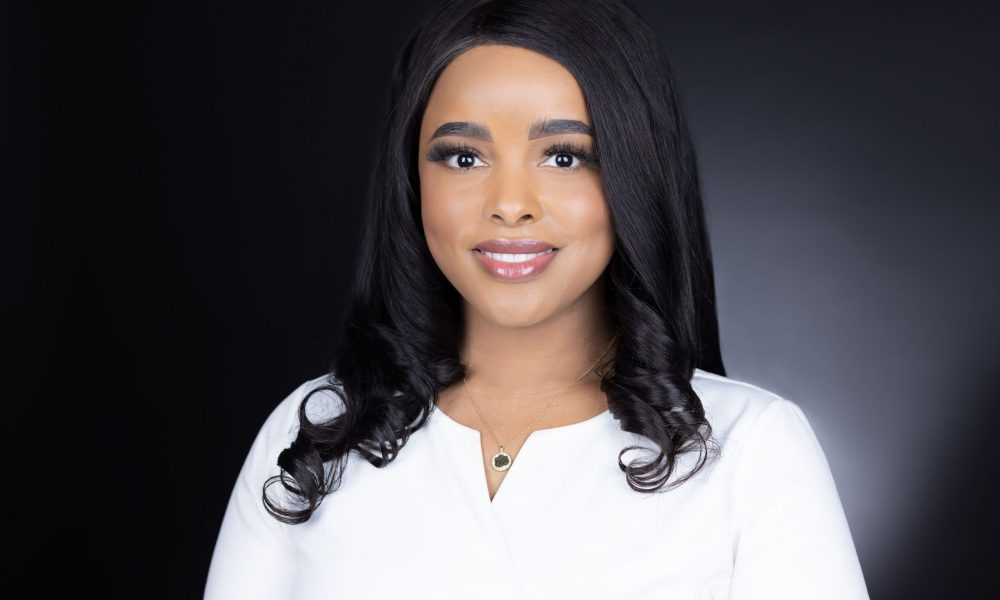
Today we’d like to introduce you to Glahnnia Rates.
Hi Glahnnia, so excited to have you with us today. What can you tell us about your story?
Currently, I work in public health as an epidemiologist, focusing on advancing health equity in infectious and chronic disease prevention and management among local communities in Nevada. I also work as a community health worker facilitator, encouraging students to build individual and community capacity by increasing their knowledge of health and self-sufficiency through outreach, education, informal counseling, social support and advocacy. In 2022, I founded my own non-profit, public health-based organization, the Black Community Health & Wellness Association (BCHWA), after a traumatic experience in the Southern Nevada healthcare system. My non-profit organization aims to improve health outcomes for those of African descent and other minority populations, through health education, advocacy, community partnerships, and the provision of supportive resources. Before I became an epidemiologist, my first role in public health was a community health educator. As a community health educator, I taught substance abuse treatment and recovery program courses for women that were incarcerated in the Nevada Department of Corrections (NDOC) to help successfully reduce their recidivism rates by giving them better life skills to integrate back into society. However, I have always had an innate passion to increase the quality of lives among communities, with a particular interest in giving underserved communities better opportunities to enhance their social equity.
I’m sure you wouldn’t say it’s been obstacle free, but so far would you say the journey have been a fairly smooth road?
It has definitely not been an easy road in achieving my career goals. As an undergraduate student at the University of Nevada, Las Vegas School of Public Health (2016-2018), I attended courses full-time on campus, worked part-time as a substitute teacher and also worked other seasonal jobs to pay for extra living expenses, while being involved in numerous on/off campus organizations that were beneficial to building my network. Sometimes, in between my academic work, paid roles, and organizational activities, I would be away from the house anywhere from 12-16 hours a day. I slept a few hours a day on most days, ate very little to save on time and money, and kept an extra change of clothes in the trunk of my car to reduce the amount of times I needed to come home throughout the day. Even when I graduated, my first role in public health as a community health educator was physically and mentally demanding. The job itself made a positive impact in the local community, but it was difficult trying to find the best methods of support and engagement for women that were incarcerated as well as going through substance abuse recovery.
Many of them had lost everything, beyond their freedom, they often had lost custody of their children, rights to their properties, and overall sense of identity. In addition, the role required a lot of hours driving on the road. At times, I would have to drive up to 80 miles a day, back and forth to the work office, NDOC sites, and sometimes at other locations to cover the shift of co-workers when they were on vacation. I would come home late in the night, and begin the process anew on the following day. Also, as with most entry-level jobs, the pay was just enough to cover the rent, after deducting for other expenses, such as groceries, gasoline, and other household bills. I was chronically exhausted, but I always took the opportunity to learn as many new skills as I could. One day, I knew there was going to be another career opportunity that would be made available to me, but in the meantime I had to stay prepared and continue to hustle until that day came.
Alright, so let’s switch gears a bit and talk business. What should we know?
I am the founder and president of the Black Community Health & Wellness Association (BCHWA) of Nevada, it is a non-profit, public health organization that is focused on improving the quality of lives among people of African descent, and other minority groups. The BCHWA was created to serve the unique needs of black communities, as sometimes within minority-based organizations, they (we) are not effectively supported in reducing their key areas of concern among ongoing health disparities. I believe that it is important to have a public health organization that centers on offering holistic support, health education, promotion, and advocacy from a culturally sensitive, responsive, and inclusive standpoint.
Our organization currently offers 3 community-based programs, which includes the following programs: Public Health Education and Promotion program, Institutes of Higher Education Scholarship program, and the Akintoye African Immigrant & Refugee Scholarship program. The Public Health Education and Promotion program offers at no cost health educational services in the following (but not limited to) areas: chronic disease prevention and management, infectious disease prevention, surveillance, and control, addictive behaviors counseling and education, and immigrant/asylum seeker education. The Institutes of Higher Education Scholarship program consists of 2 scholarships, the African American Scholars program and the Glahnnia Rates Undergraduate Access & Equity Scholarship Endowment at the UNLV School of Public Health. The African American Scholars program will offer quarterly scholarships to full/part-time college students of African descent to assist them with educational costs in pursuing their undergraduate/graduate higher education. Subsequently, the endowed scholarship at the UNLV School of Public Health is to primarily assist minority students that may be experiencing financial hardship and demonstrate strong leadership qualities. This endowment is only for full-time undergraduate students. Finally, the Akintoye African Immigrant & Refugee Scholarship was created to help fund the professional and academic goals of African immigrants. This scholarship will go towards funding education, housing, transportation, and healthcare services.
However, we also support and partner with other organizations to help them achieve their missions, purposes, and goals. Presently, we partner with Dreamsickle Kids Foundation (focused on supporting the lives of children and their families impacted by Sickle Cell Disease) and Good Heart for Support (provides support for educational and healthcare services to vulnerable children in Uganda). The BCHWA hosts community health events throughout the year, we currently have 3 upcoming events in February and 2 upcoming events in March. In February, we are offering a free CPR certification course with the American Heart Association, a Galentine’s Day celebration in honor of American Heart Month to bring awareness about cardiovascular disease among women of color, and we are doing a lecture about access barriers to vaccines in the black community. Following this, in March we are hosting a mental health awareness event about confronting racial and ethnic discrimination in the Nevada healthcare system, and another event with Outdoor Afro to encourage more physical activity among the community in the outdoors. In consideration of all of the things we were able to plan in a brief amount of time, our connections with our community partners have been something that we are most proud about as it gives us a wider range of engagement.
Are there any books, apps, podcasts or blogs that help you do your best?
Yes, I find the following books quite helpful to my personal and professional life: The Financial Freedom Formula by Jacent Wamala, Why Women Pay More by Frances Whittelsey, and Black Women in Public Health by Jasmine Ward, Deanna Wathington, Leslie Hinkson, Sarita Davis, and Stephanie Evans. I also enjoy listening to the following Vlog Channels: HomeTeam Histrory, Kimberly Nicole Foster, Cruel World Happy Mind, Jessica Kent, Dr. Tracey Marks, This is Dan Bell, Destin Troyce, and BossgirliFied.
Pricing:
- No, our services our free. Although, we do accept donations that go to further suppourting our public health education, engagement, and advocacy efforts.
Contact Info:
- Website: www.bchwanv.org
- Instagram: https://www.instagram.com/bchwanv/
- Facebook: https://www.facebook.com/profile.php?id=100087377146454&mibextid=LQQJ4d
- Linkedin: www.linkedin.com/company/black-commmunity-health-wellness-association/ AND https://www.linkedin.com/in/glahnniarates/
- Twitter: https://twitter.com/BCHWANV
- Other: https://www.tiktok.com/@bchwanv?_t=8Z7CWtVXlh0&_r=1
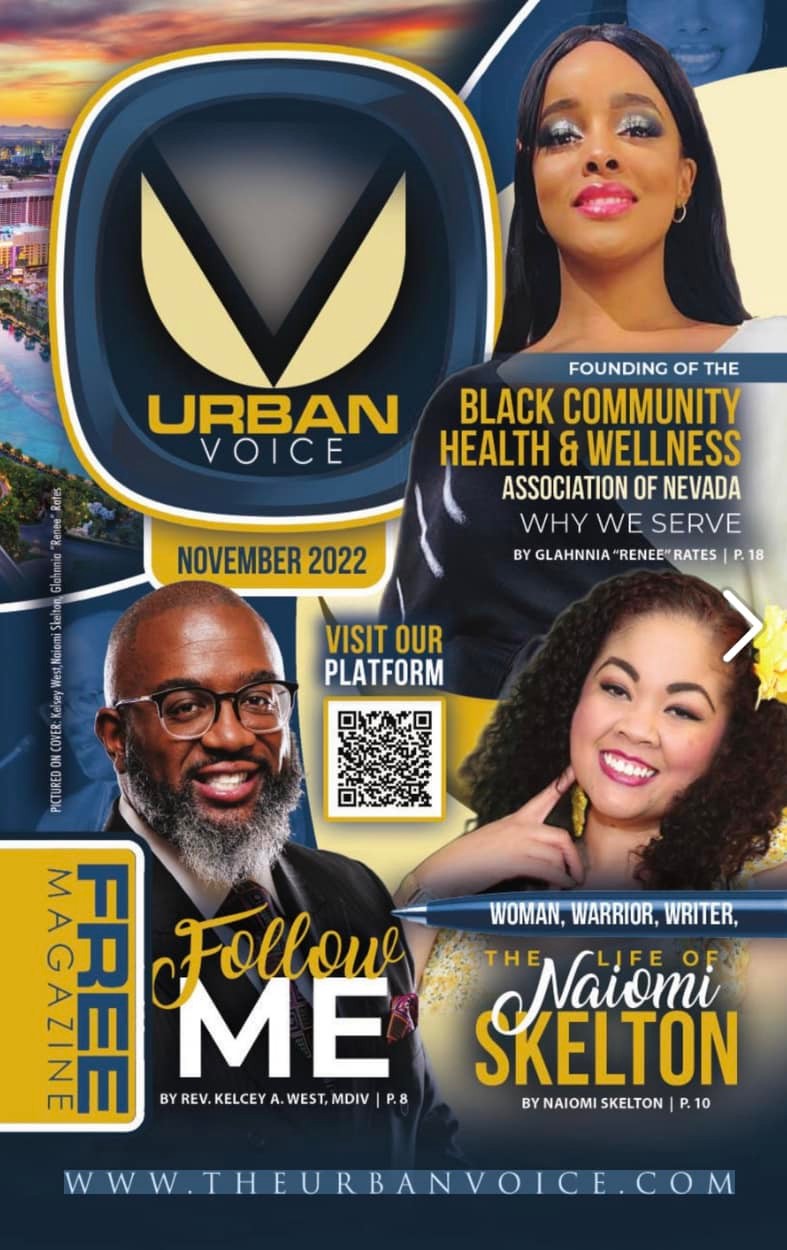
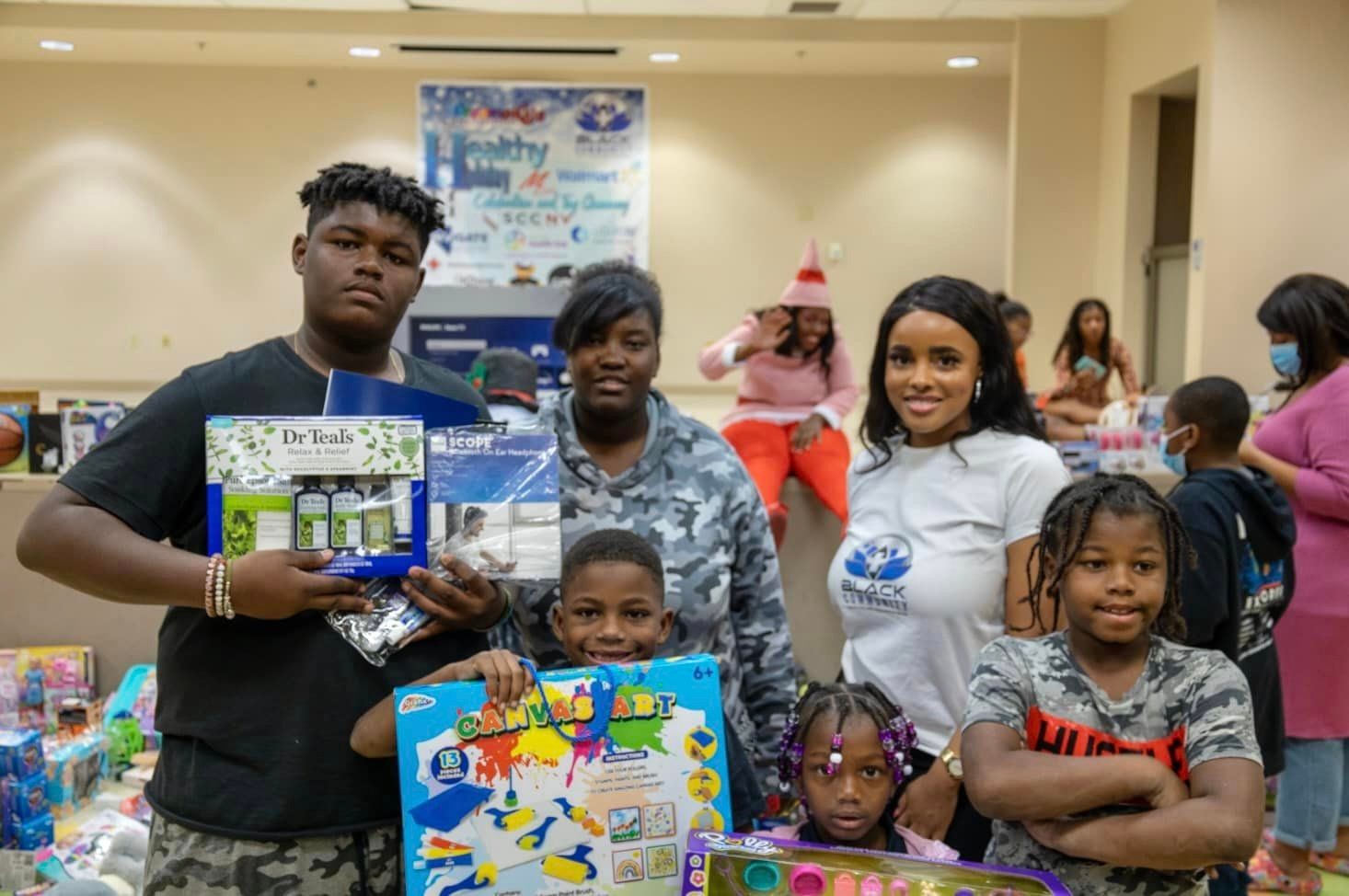
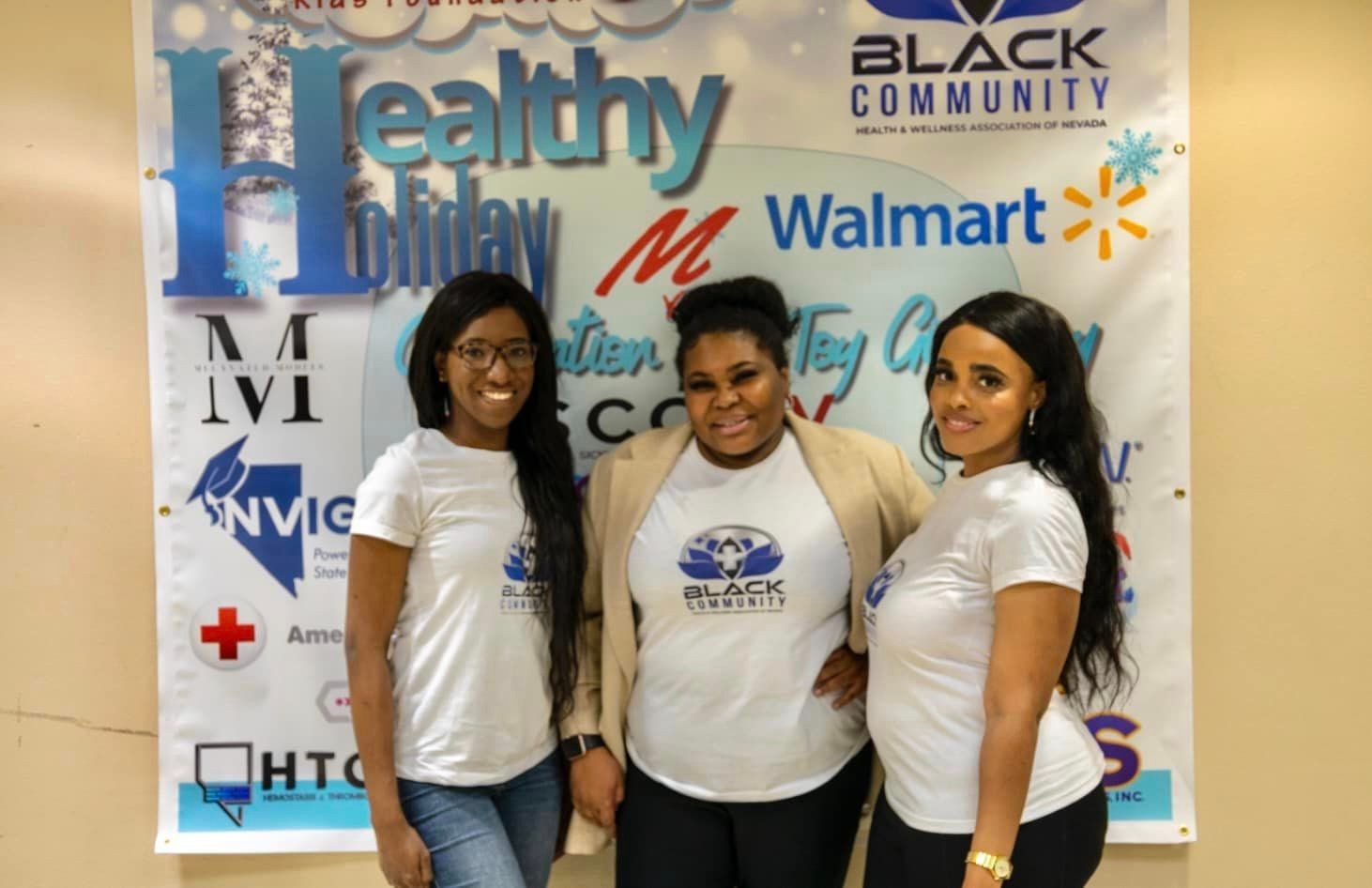
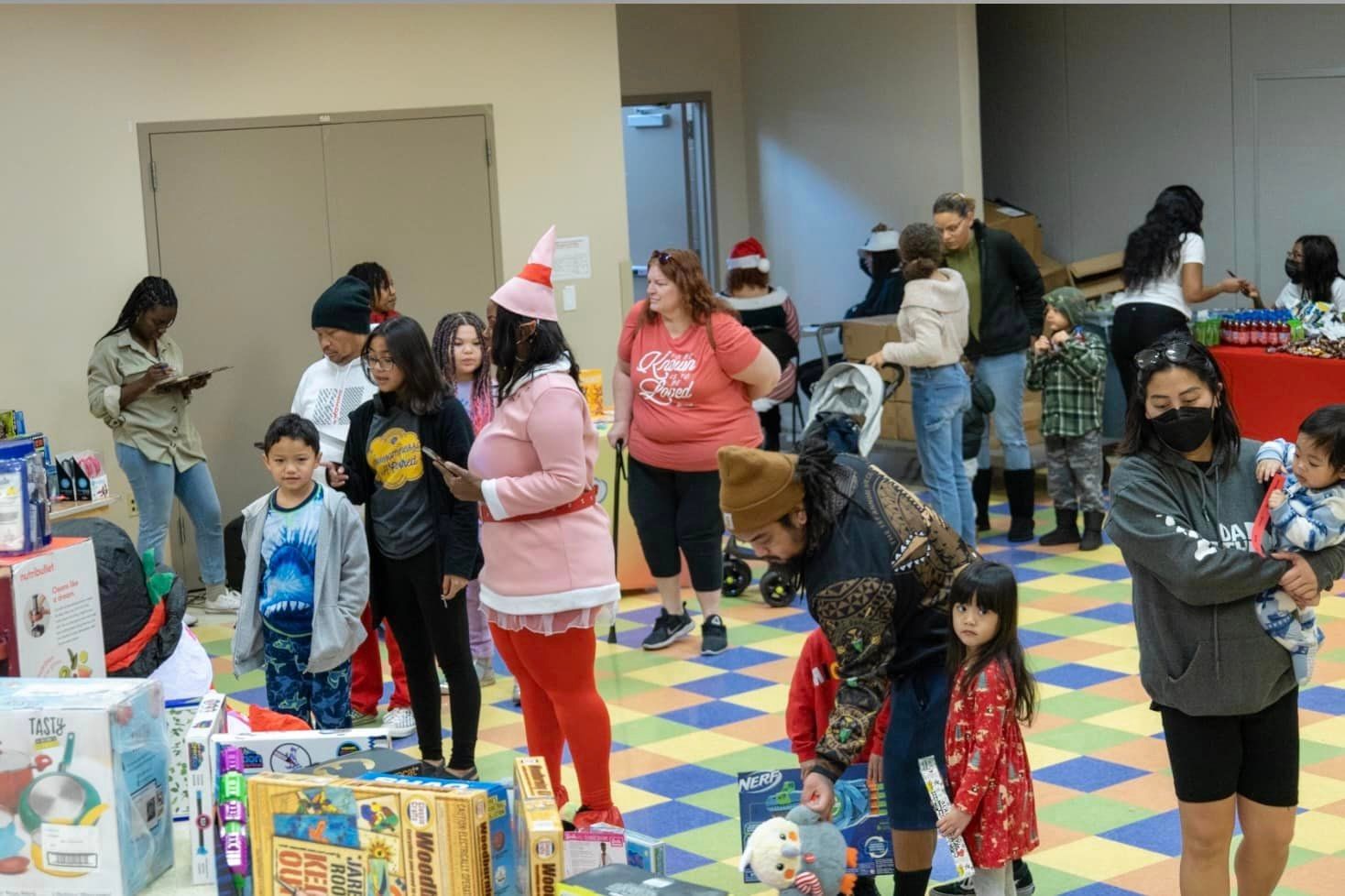
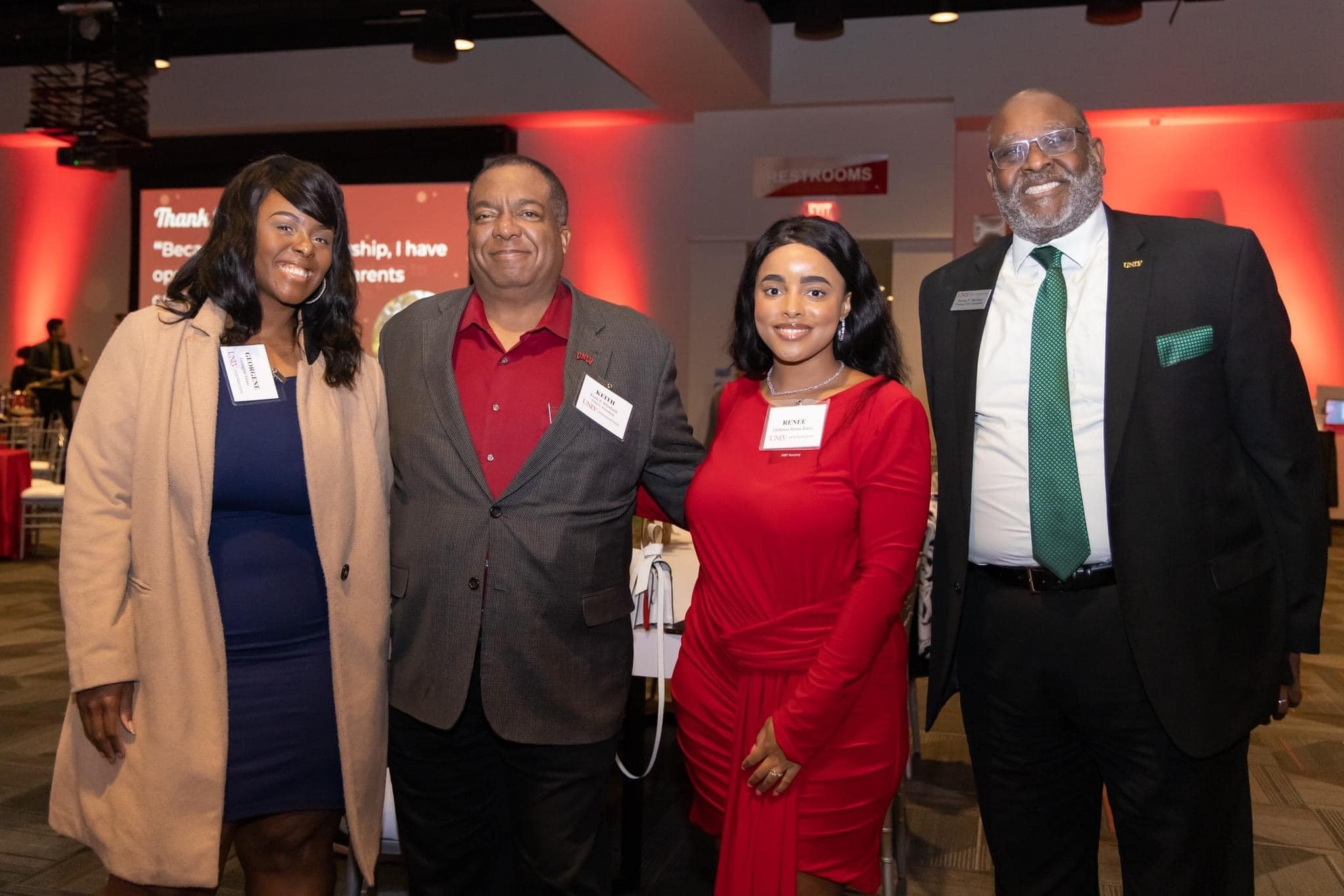


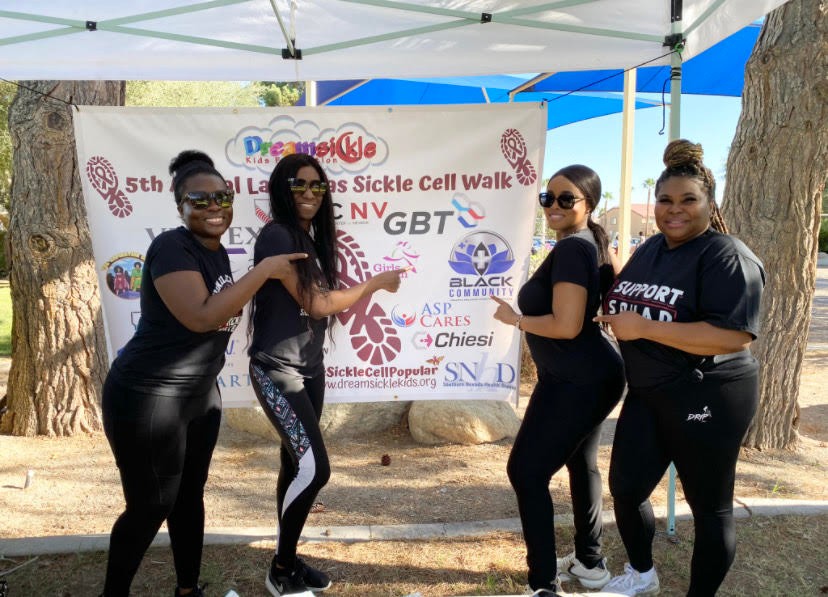
Image Credits
Black Community Health & Wellness Association Dreamsickle Kids Foundation The Urban Voice