




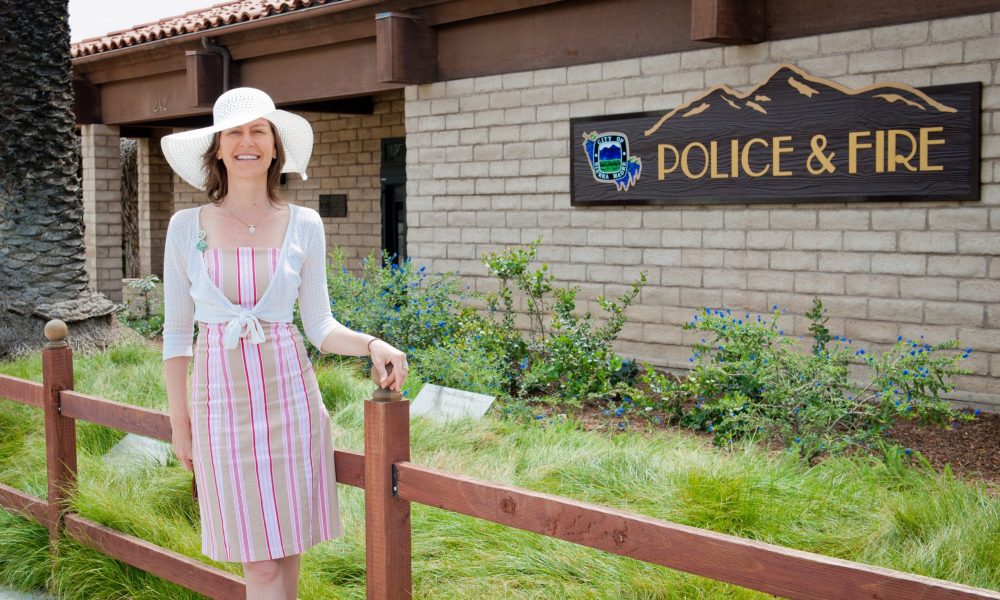
Today we’d like to introduce you to Cassy Aoyagi.
Hi Cassy, so excited to have you with us today. What can you tell us about your story?
While we’ve been creating beautiful, drought-tolerant landscapes with mostly native plants for decades, we began paying more attention to wildfire risk mitigation after the 2010 Station Fire. In 2018, when LA felt consumed by the Woolsey, Thomas, Creek, and La Tuna Canyon fires, we honed this interest and our expertise.
Our starting point was an understanding of California’s native plant palette. We chose to work with them as they thrive year-round in drought and high-water years. They don’t need any of the chemical fertilizers or pesticides that pollute our waterways or compromise landscaper health. Obviously, those qualities are selling points in and of themselves, but they also relate to fire. Hydrated plants withstand ignition, and native plants have an easier time maintaining hydration. Fertilizers and gasoline are obviously explosive, so it is great to eliminate the need to have them around.
Pre-Woolsey, pre-Paradise, fire defense wasn’t really so much a selling point with prospective clients as our own private point of fascination. In 2018, we saw a flood of interest. It inspired us to dig deeper into the design, building, and maintenance strategies that could further reduce risk. Not surprisingly, we found the plant spacing strategies we use for plant health and to reduce maintenance needs also reduced wildfire risk. We met with fire scientists who taught us how trees and other smartly spaced foliage can actually defend a home from the most common source of ignition – flying embers.
At some point, we began to realize that we needed to reorient our thinking – and that of Angelenos. Yes, a strategically designed and maintained landscape can reduce the risk of losing a home. Just as importantly, it can reduce the risk of a home fire destroying wild space. It makes us humans less dangerous to the nature we love and the world needs to survive. Our latest fire defensive landscaping work, oddly enough, involves encouraging people to prioritize home renovations.
Turning in and really studying fire and where it connects to this profession has really had profound personal impacts. I realize I don’t need to leave nature I love to feel safe. With smart action, my family and I can learn to live with wildfire. It’s the same with my team. We now have great confidence that the same things we do to save LA water, money, time, and energy can also save us and our fellow Angelenos from fear.
Would you say it’s been a smooth road, and if not what are some of the biggest challenges you’ve faced along the way?
Smooth? Oh no, not at all! There have been moments when we felt a little over our skis. We had a firm grasp of fire science, but we had so many naysayers! Including close friends, and some quite knowledgeable about landscaping. Even with knowledge, it can be hard to defend a concept against a tide like that.
As we first started out, we took great inspiration from who was then a new friend, Richard (Rick) Halsey with Chaparral Institute. Rick fearlessly championed smarter urban planning and fire defensive landscaping and building practices for more than a decade before the Woolsey and Paradise Fires generated sufficient attention to the issue.
Also, the stakes are so high. I mean, if we are saying native plants and the right landscaping strategies can save homes from fire, that is a really big claim. We really had to be sure we were operating on the most vetted, credible information possible. For that reason, even as we advocated for fire-defensive design, building, and maintenance, we didn’t sell our work as such. We simply designed, built, and maintained in accordance with the principles we advocated. We were able to market only as we developed an expanded sense of team.
The mentorship of two LA County Fire Department Forestry Division Chiefs, J. Lopez, and Ron Durbin gave us still more confidence and the understanding that the right approach to our work could actually protect firefighters too.
One other challenge was that by talking about the role of landscapes and wildfire, we could inadvertently reinforce well-worn misperceptions that nature is the danger Not homes. Partnering with the U.S. Green Building Council’s Los Angeles Chapter really helped with that. The team helps with everything.
Thanks for sharing that. So, maybe next you can tell us a bit more about your business?
FormLA® Landscaping believes authentic beauty can save LA. So we are bringing it! During our 25 years in business, our team has added nearly 2 million square feet of authentic, native habitat to Los Angeles, ranging from Tujunga to Playa Del Rey, western Malibu to the San Marina foothills.
As a result of removing more than 250,000 square feet of thirsty turf grass, each year we save LA: Well over 10 million gallons of water. More than 2400 lbs of toxic chemical fertilizers, pesticides, insecticides, and herbicides would otherwise pollute our watershed and air. Air pollution is equivalent to taking tens of Ford F-150 Raptors off the road. From extreme heat as trees establish and reduce surrounding temperatures by as much as 20 degrees. Approximately $700,000 a year in lawn care expenses.
We take pride in creating beauty reflective of LA’s creativity, authenticity, and diversity, and in the knowledge, this beauty supports LA’s long-term resilience.
Philosophy. We believe you and Los Angeles deserve our best. Whether we are creating a smart LEED® landscape design, impeccably crafting hardscapes with sustainable materials and practices, or ensuring your landscape thrives, our work is infused with the knowledge that our work can save the world… or at least LA!
In providing beautiful, architecturally significant landscapes, we are:
Supporting the health of all who use the space,
Enhancing LA’s independence from external water sources,
Facilitating neighborhood cohesion and safety,
Lessening our communal tax burden, and
Protecting our oceans, wild lands, and water sources.
History. Owners Kirk and Cassy Aoyagi founded FormLA in 1997 as C&K Landscape Design, Inc. After 12 years of creating noteworthy landscapes throughout Los Angeles County, we adopted the name FormLA Landscaping to better reflect our growing team, commitment to sustainability, and the depth of our expertise.
We’ve been listed among Los Angeles Business Journal’s most influential family-owned businesses, and we are the first and only California Air Quality Board Zero-Emission Landscaper serving all of LA County.
Do you have any advice for those just starting out?
It is so different now. If you are interested in working outside, in climate or environmental justice, there are so many places to get a foothold. Instead of carving out an industry or a niche, it’s possible to join one – that feels so remarkable and exciting to me!
Everyone is hiring, so even finding a job in these spaces is relatively easy. With the drought sparking renewed grants and public education, there is most certainly a market for this work.
If you are looking for a career in wildfire defensive building or landscaping, USGBC-LA now has really smart, free certification programs. The Resource Conservation District of the Santa Monica Mountains is training and deploying home ignition assessment professionals. The Theodore Payne Foundation has a Native Plant Landscaper Certification program that touches on so many of the hallmarks of fire defensive design – as well as designing for beauty, water efficiency, and habitat.
Contact Info:
- Website:FormLA.com
- Instagram: @lagardens
- Facebook: https://www.facebook.com/formlainc
- Twitter: @formlainc
- Youtube: https://www.youtube.com/channel/UCTLJJRtnYVaIo1NqYOk5sjg/videos
- Other: https://www.houzz.com/professionals/landscape-architects-and-landscape-designers/formla-landscaping-pfvwus-pf~1006726801
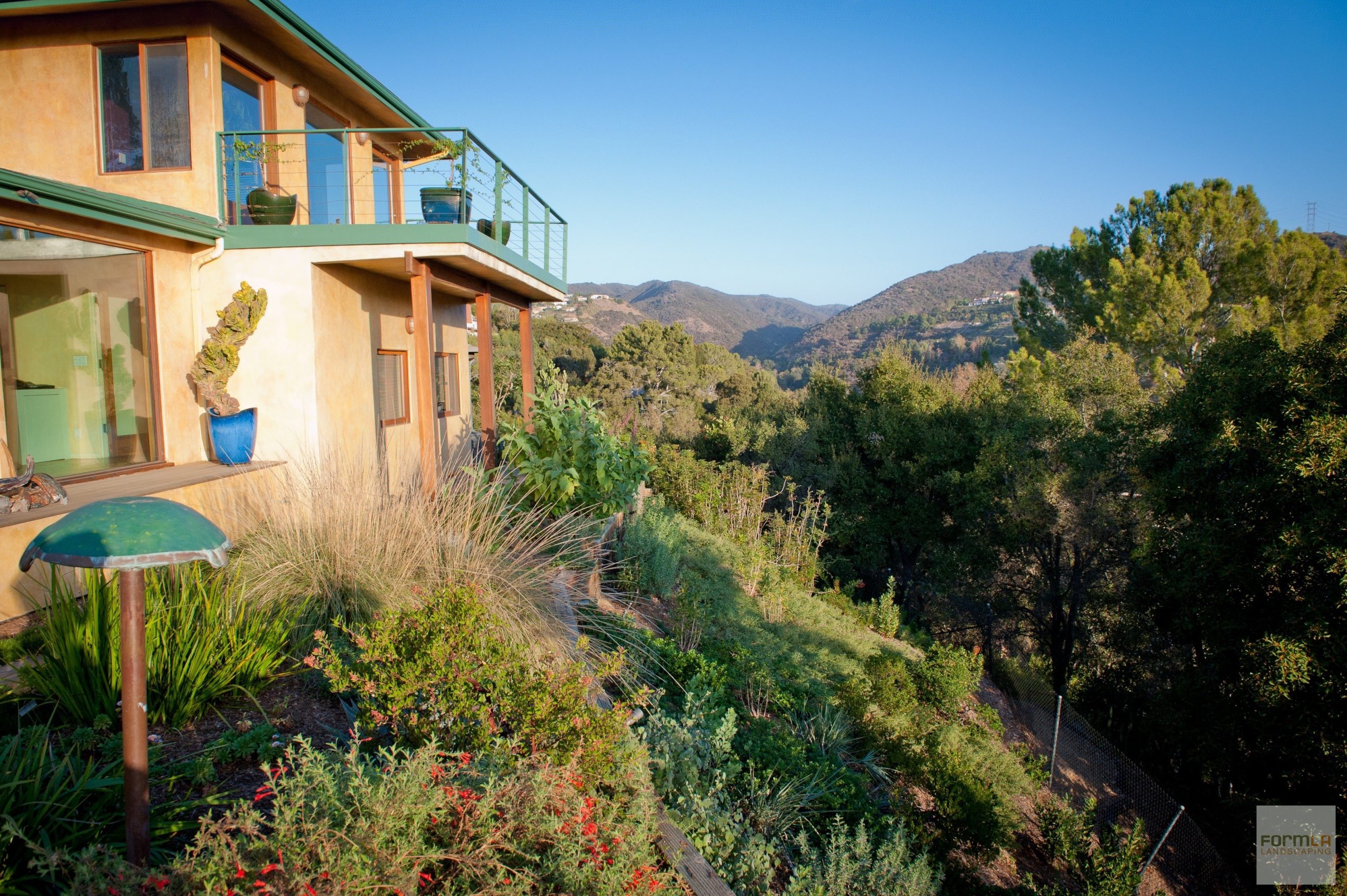
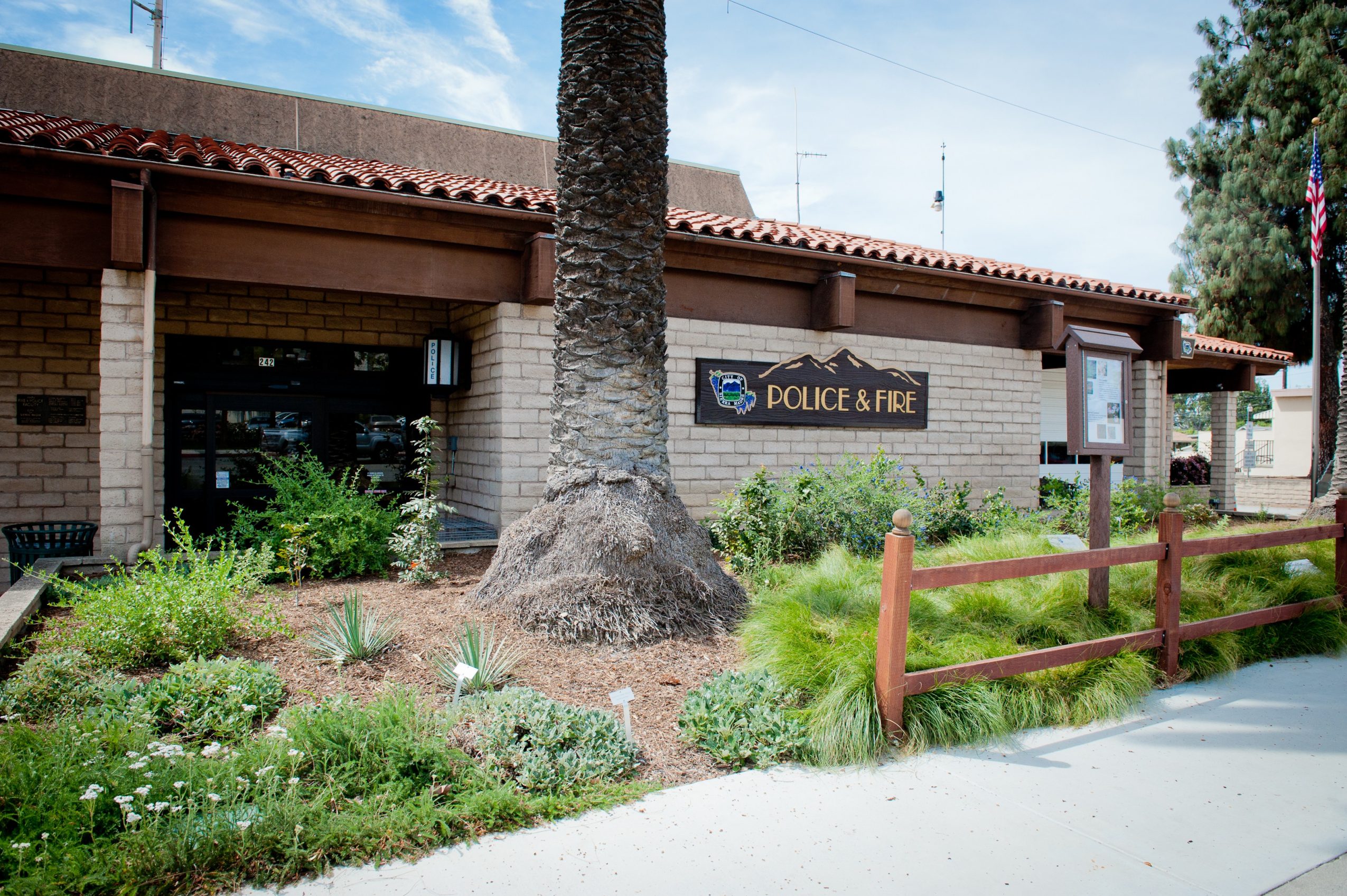
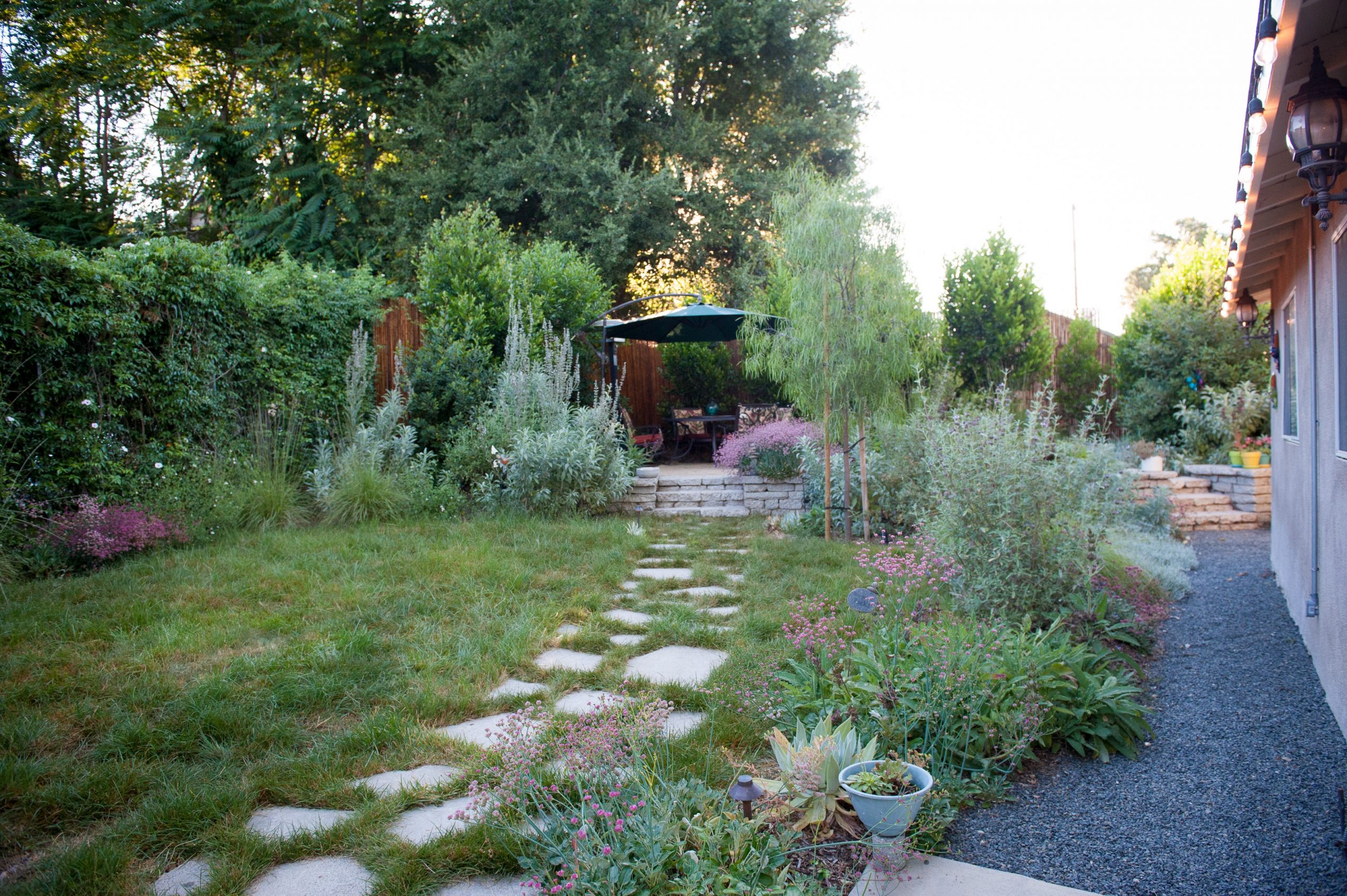
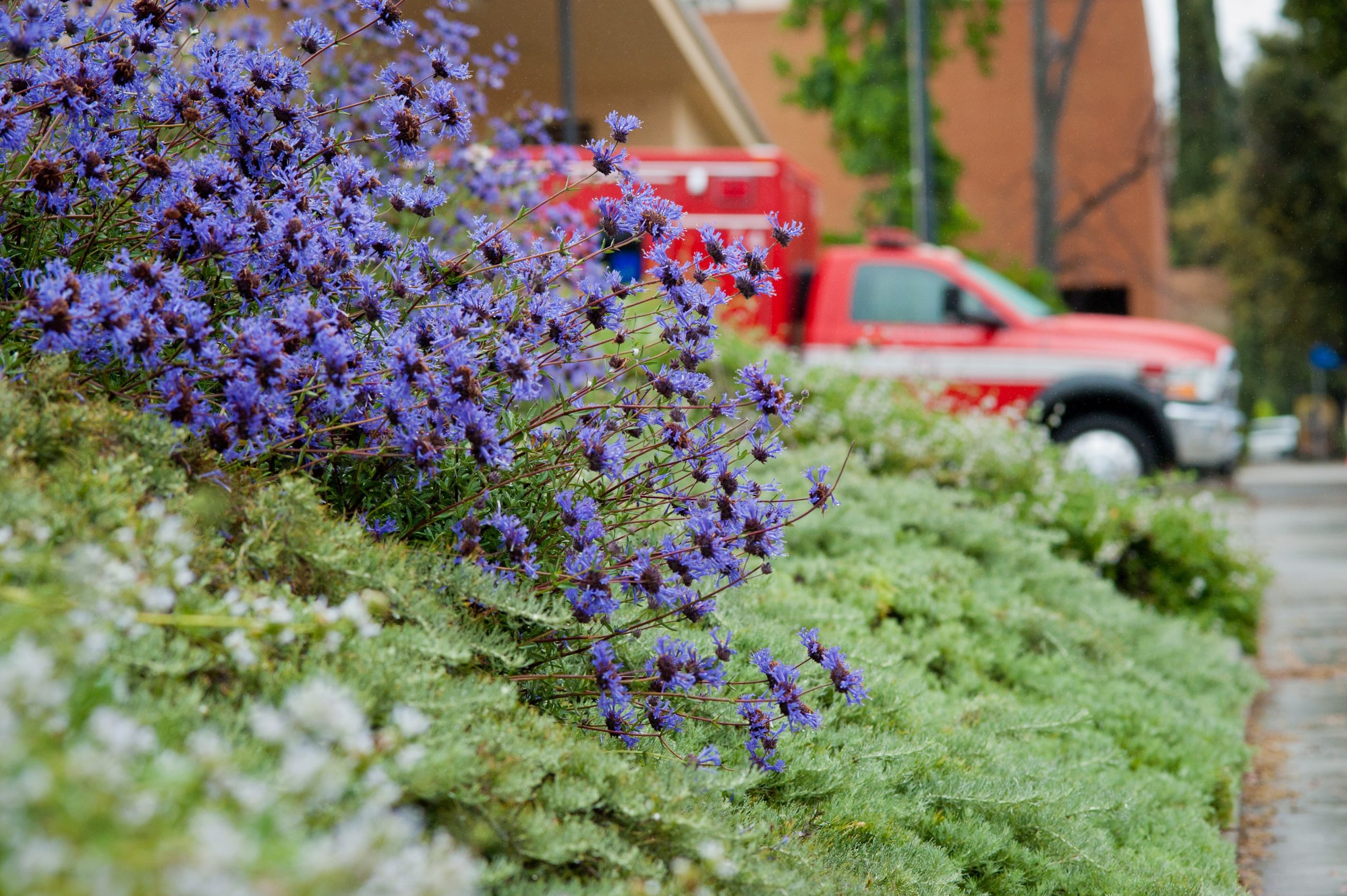
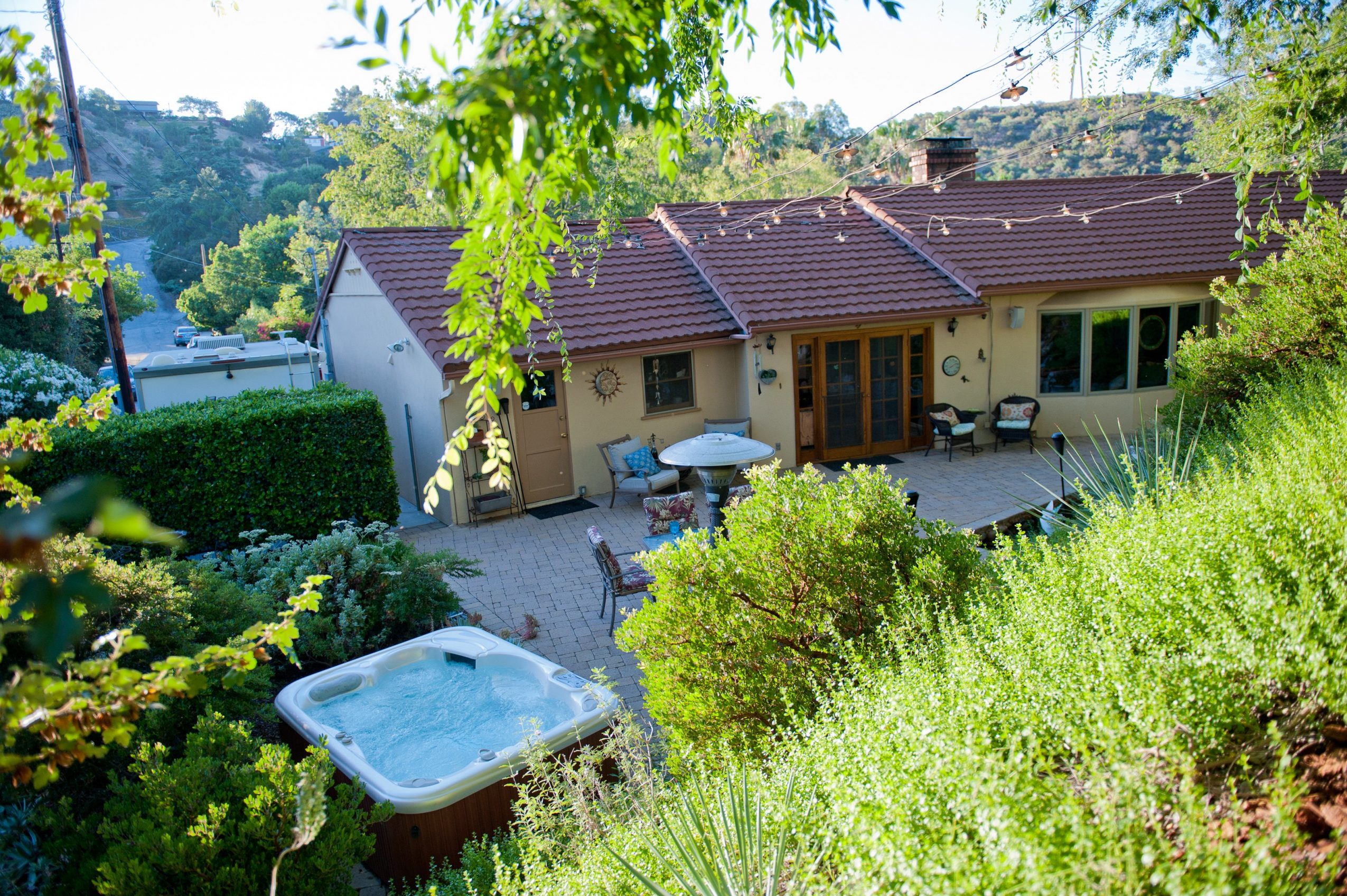
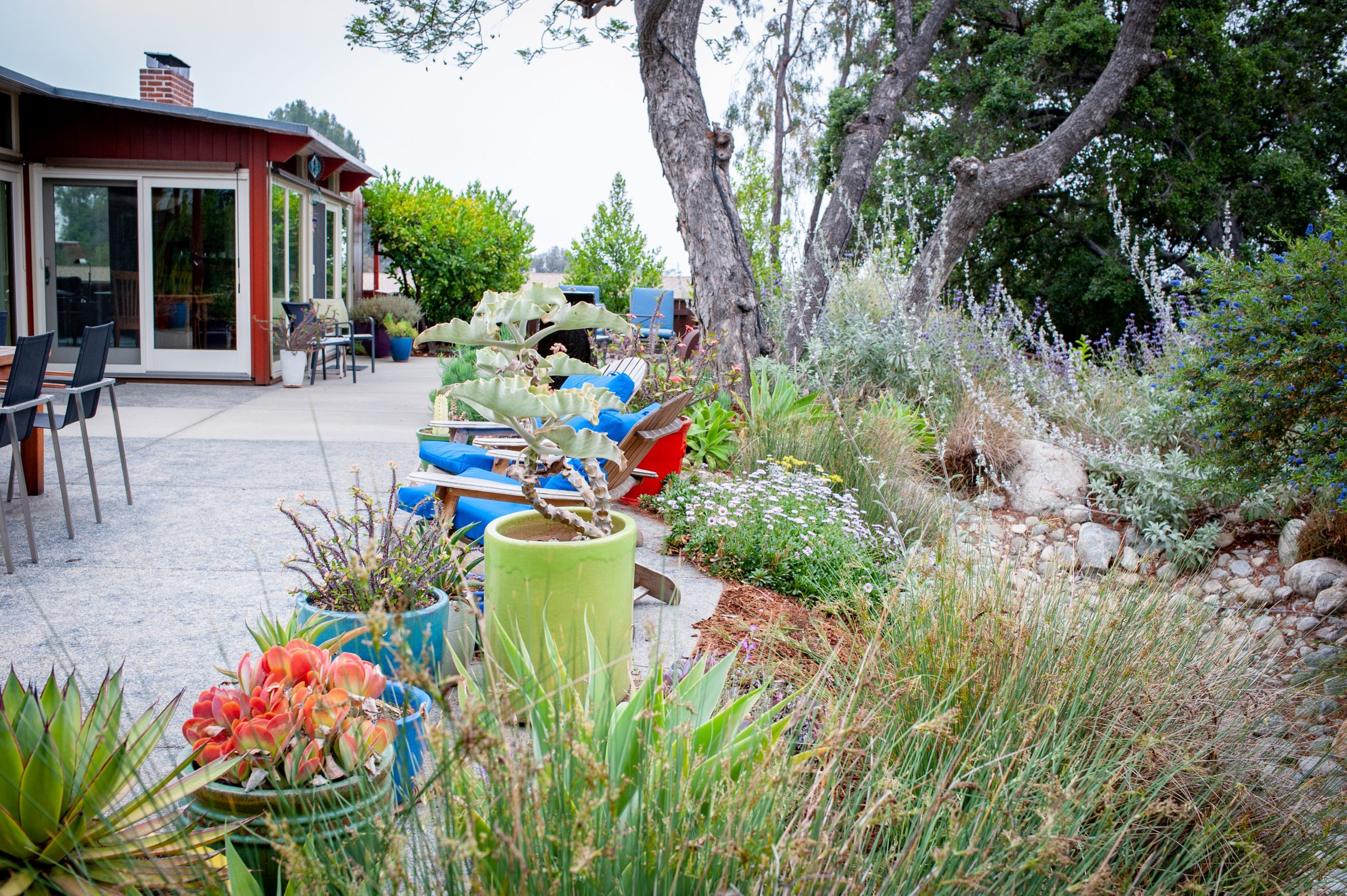 Image Credits
Lesly Hall Photography
Popular
-

What is something outside of work that is bringing you joy lately?
-

Local Highlighter Series
-
What did suffering teach you that success never could?
-

What are you most proud of building — that nobody sees?
-

Who were you before the world told you who you had to be?
-

If you could say one kind thing to your younger self, what would it be?


