




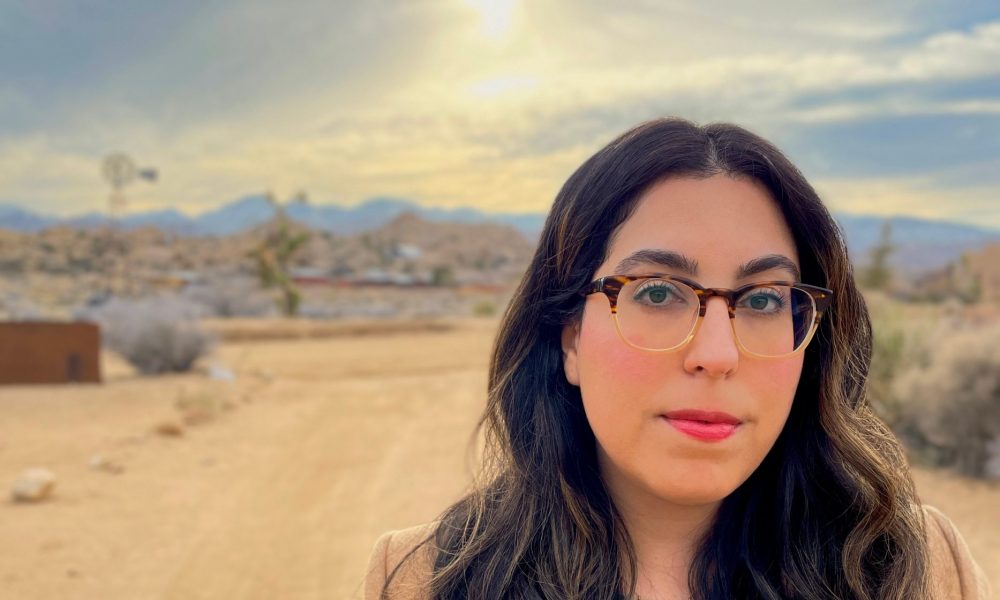
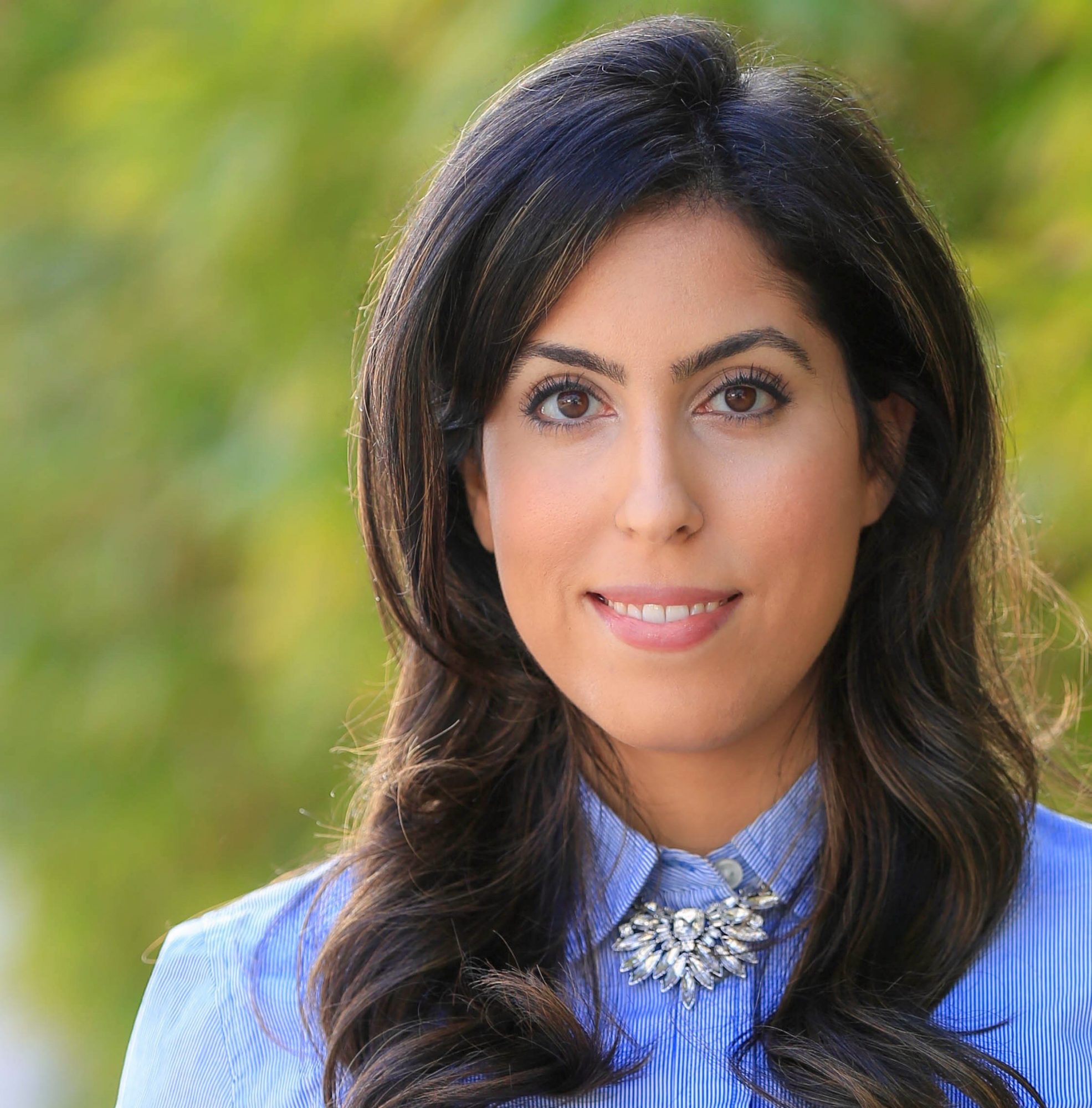
Today we’d like to introduce you to Nicole Moshfegh.
Alright, so thank you so much for sharing your story and insight with our readers. To kick things off, can you tell us a bit about how you got started?
Like many others who chose a career in the field of mental health, my journey started fairly early on in life. As a child of immigrants and as a woman coming from an ethnic and religious minority group, I became intimately familiar with the impacts of trauma from an early age. The combination of my innate curiosity along with my experiences and the ones of those around me, ultimately shaped my interests and career decisions. As a result, I grew deeply fascinated and invested in the field of psychology in my youth, which was then cemented throughout my tenure in college.
As a college student, I had the unique opportunity to join a peer coaching program through my university’s counseling center as well as conduct independent research projects on topics that were near and dear to my heart, exploring the experiences of racial and ethnic minority groups on campus. It was through these engagements that my love of psychology continued to flourish, which is why I decided to further my learning by pursuing graduate school in clinical psychology.
While completing my master’s and doctoral degrees, I was blessed with wonderful mentorship, which further molded my career as a psychologist. I was able to continue to pursue research into multidimensional and multicultural aspects of well-being as well as apply what I was learning by providing psychotherapeutic services to my community. This gave me the opportunity to find meaning and purpose and ultimately be able to feel more like I thrived, despite trauma I endured, rather than continuing to feel victimized by it.
Post many years of rigorous training; I continued to refine my interests further as I had the opportunity to work with a wide range of clients from different walks of life. After working in various settings, from academic institutions to medical centers to large corporations, I ultimately decided that I wanted to mainly focus on working with individuals who have also experienced various forms of trauma, helping to empower them to live their own full, authentic lives.
My journey culminated in me starting my own psychotherapy practice in 2015 in the midst of holding a few different academic appointments. Throughout this time, I have not only been able to assist many amazing humans in their own journeys, but I have also been able to teach, supervise, mentor my own trainees, and was even given the wonderful opportunity to write a book entitled, “The Book of Sleep: 75 Strategies to Relieve Insomnia,” which was published in 2019. As my time and energy permit, I hope to continue to write about other topics, especially regarding the overlap of trauma, burnout, and sleep challenges.
Can you talk to us a bit about the challenges and lessons you’ve learned along the way. Looking back would you say it’s been easy or smooth in retrospect?
While my dedication and fascination with the field of psychology did enable mostly smooth sailing in terms of my academic pursuits, I did face some bumps in the road, especially when it came to building my practice. Similar to many others with minoritized status, I struggled for a long time with imposter syndrome and fell prey to the belief that I wouldn’t succeed despite all evidence to the contrary. It took a long time to put my finger on why I was unable to rid myself of this feeling despite cognitively understanding that this was a false narrative placed into my mind as a result of various forms of trauma and oppression I had experienced.
Even though I had some amazing mentors and teachers in undergraduate and graduate school who were pioneers in the fields of racial trauma, the fact was that they were truly in the minority in many ways at that time (and despite some small progress that has been made in recent years still arguably are). Although I had created this wonderful cocoon of like-minded individuals in school, I still had to interact with the outside world and encountered various others, even within the psychology community, who, despite seemingly well intentions, often continued to make me feel invisible and, frankly, even “crazy” for simply voicing a different perspective from the traditional theories taught in graduate schools that neglect people from the global majority.
After recognizing that my natural tendency to intellectualize my experiences wasn’t getting me anywhere, I explored other types of trauma processing, including more somatic (or body) work, which, in combination with other strategies and experiences, allowed me to release and finally let go of some of the thoughts that were holding me back. This, in turn, gave me the confidence I needed to continue to grow my own practice in a manner that I knew would ultimately serve my community in ways in which the various organizations I had previously worked for could not.
While it would have been nice to not have gone through some of these things, I am now of the perspective that without living through these experiences I would not be as effective of a therapist, teacher, or writer as I am today, and I would not have been able to grow as much as I have as a human, clinician, or business owner.
Alright, so let’s switch gears a bit and talk business. What should we know?
I founded a boutique psychotherapy practice based out of my hometown of Los Angeles, California. My practice specializes in providing culturally responsive, evidence-based care to adults and teens who may be experiencing symptoms of burnout, imposter syndrome, trauma, anxiety, sleep and mood challenges, as well as other stress-related conditions.
While I have extensive training and experience in several evidence-based therapies, such as Cognitive Behavioral Therapy (CBT), Acceptance and Commitment Therapy (ACT), and Mindfulness-Based Cognitive Therapy (MBCT), what makes me different is that my approach to therapy always takes into account my clients concerns in the context of their intersecting identities, environment, preferences, and culture(s). This means that I am often digging in deeper into my client’s lives in a way that they likely haven’t experienced before. Although this can bring up a bit of discomfort at times (which I pride myself on in presenting in the most lovingly kind way), I have found that it allows my clients to achieve a lasting, permanent change in their lives for the better.
In addition to my training, given many of many own experiences that I have described, I am a firm believer in empowering my clients to process and understand how the societal trauma of oppression may have impacted their unique trajectories. Because of this, I am often sought out by individuals who identify as women, Black, Indigenous, and People of Color (BIPOC), LGBTQIA+, first- or second-generation immigrants, and self-described “high achievers” or “overachievers” in their respective fields.
I additionally have the unique expertise of treating physicians and other professionals in addressing burnout, sleep, and anxiety and I am often sought out by various media outlets and organizations to provide my knowledge in these areas.
Is there any advice you’d like to share with our readers who might just be starting out?
Yes, remember to listen to your gut. It’s common for many of us, especially when we are just starting out, to second-guess ourselves and ignore what we know might be best. I would say take your time to tune into your own thoughts and feelings with care and compassion and allow yourself to explore what arises for you throughout your journey. Most importantly, if you are finding things challenging, remember that you are absolutely not alone and so many people are where you are or have been. Try to be gentle with yourself and create your own community of people who will uplift you and encourage you to stay true to yourself and don’t give up!
Contact Info:
- Website: https://drnicolemoshfegh.com/
- Instagram: https://www.instagram.com/drnicolem/
- Facebook: https://www.facebook.com/drnicolemoshfegh
- Linkedin: https://www.linkedin.com/in/drnicolemoshfegh/




Popular
-

What is something outside of work that is bringing you joy lately?
-

Local Highlighter Series
-
What did suffering teach you that success never could?
-

What are you most proud of building — that nobody sees?
-

Who were you before the world told you who you had to be?
-

If you could say one kind thing to your younger self, what would it be?


