



Today we’d like to introduce you to Rodrigo Arruda.
Hi Rodrigo, so excited to have you with us today. What can you tell us about your story?
I was born and raised in São Paulo, Brazil, and I studied visual arts at the Universidade de São Paulo (from which I earned my BFA in 2018). I moved to Los Angeles in 2021 to pursue my MFA at CalArts, and I have been working here since. After I graduated from CalArts I stayed with friends in different locations across the city (Hollywood, Silver Lake, Venice Beach), so I was able to experience at least some parts of LA. Now I’m living in South Central, which I enjoy because the neighborhood is very Latino. I still feel I haven’t grounded myself entirely in LA, but every day I feel closer to being an Angelino.
I was very motivated to come to the US primarily because I had been deeply informed by the American TV and movie industry since I was a child. The LA scene had a profound impact on my subjectivity and imagination (I like to refer to it as my own “colonized subjectivity”), and I needed to understand this scene better in order to better understand myself. During the pandemic, I began working with videos and narratives related to American horror movies that influenced me as a person, and for my thesis show, I presented a group of works regarding colonial relations between Brazil and the US through imagery of cattle, cannibalism, and the zombie.
I often miss Sao Paulo and Brazil, especially because public and social spaces are a lot more common there, but I want to stay here in the US for at least the next few years. I have been having great opportunities since I graduated, and my research is going in directions I would never have predicted. Last August, for instance, I was part of a show in West Hollywood called “High as the Sky”, curated by Greg Jenkins (filmmaker and artist whom I met at CalArts). The piece was a regurgitation of my thesis show, almost a pocket version of it, and I performed a manifesto that I wrote called “Zombie Cattle”, which elaborates on my idea of regurgitation as a subversive act. The performance was in English and Brazilian Sign Language, which literally meant that I was speaking two languages at the same time.
I’m sure you wouldn’t say it’s been obstacle free, but so far would you say the journey have been a fairly smooth road?
The road to coming to the US has been very challenging. I have had to face many barriers as a foreigner, from restrictive VISA demands to legal disadvantages. After graduating I was making no money, and I contemplated going back to Brazil because I couldn’t afford being here. Fortunately, I was offered a job at CalArts, which has been a game changer for me to stay. The VISA for international students only allows you to take jobs in the field on which you graduated, so I couldn’t take just any job to make some money while I waited for the next opportunity. Being here as an international student is really rough, and the artistic opportunities that I have been involved in have been the emotional lifeboat for me to want to stay.
The feeling of being an outsider is also very challenging. I felt that constantly during my time at CalArts, and I still do now, although having lived in the city for a while now, I realize that feeling like an outsider is a part of moving to LA. I believe it was Harry Gamboa Jr, Faculty at CalArts in the Photo Media Program, who told me that LA attracts many people who don’t feel at home in their home country, and that sense of displacement becomes a culture and a sense of belonging in itself.
It has been very challenging to build a new community. I have friends whom I love and hope to continue to develop for my lifetime. But every friendship here is very recent, and the post-pandemic world can be a difficult place. On top of that, cultural differences and the stress of post-graduation have only heightened the isolation. It’s a stew of many different desires, expectations, and experiences, and understanding and adapting to that complexity in such a short amount of time has taken a toll on me. Thankfully I was able to go back to Brazil to visit my family and friends for a week during the holidays, which completely refreshed me. I realized it’s very important to come back to Brazil every year if possible so that I don’t feel like such an outsider or newcomer all the time.
Thanks – so what else should our readers know about your work and what you’re currently focused on?
I am happy to say that in recent months my work have been very collaborative. I have worked with Harry Gamboa Jr. in a series of performances he calls “Cruzada Intuition”, in which a group of people walks around LA in black outfits and heavy make-up from the 1960’s while performing different prompts (such as moving as though there was an earthquake). I am also collaborating with Ivana Dama as part of “Swept Away: Love Letter to a Surrogate!”, a series of performances curated by Anuradha Vikram, Christina Strassfield, and Renee Petropoulos, that will take place in NY and LA this semester.
Right now I am performing at the Museum of Contemporary Art (LA) as part of Simone Forti’s retrospective (which is curated by Rebecca Lowery, Alex Sloane, and Jason Underhill). This amazing show covers 60 years of Forti’s career, and I perform her “Dance Constructions” with a group of fifteen amazing artists (under the coordination of Carmela Hermann Dietrich and Sarah Swenson). It has been a beautiful and collaborative experience, one where the body needs to learn to think for itself and fully trust the other performers.
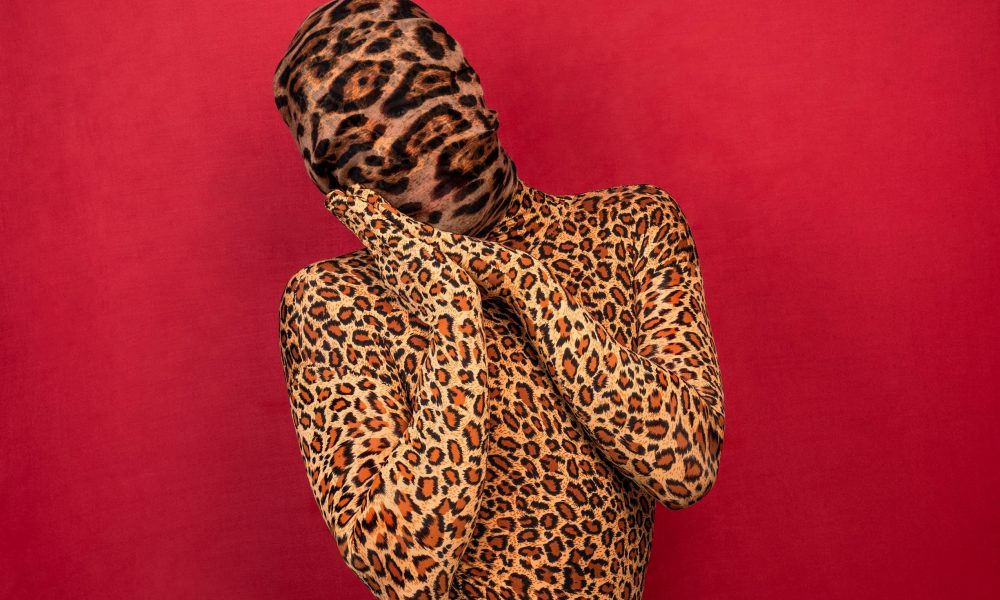
I am also working on a series of photographs where I use costumes, fabrics, and props that question my own identity as an artist influenced by Brazilian and American cultures. In these works, I explore layers of artificiality that conceal but at the same time reveal. In addition, they play with Sado Masochism, which enables me to explore the boundary between pain and pleasure and the desire to dominate/be dominated, thus exploring more complex power dynamics in society.
I have also been very passionate about languages for many years and in 2019 I started to study Brazilian Sign Language (LIBRAS) and be involved with the Deaf community in São Paulo. As a queer person who grew up in a homophobic society and family, I was constantly repressed for gesturing with my hands while speaking and for communicating in a way considered “theatrical”. Unlike many Western languages, LIBRAS thrives on facial and body expressions and it allows me to express myself freely and uninhibitedly. I intend for my work to develop on the artistic and poetic potential of sign languages and to explore the singularities of each of them.
Any advice for finding a mentor or networking in general?
I think the best way to develop a mentor relationship is to find someone who is genuinely interested in the same things as you are and to be genuine and transparent about what you want to explore and your expectations. Some of my mentors in recent years have been Cauleen Smith, Michael Ned Holte, Anuradha Vikram, Harry Gamboa Jr, and many others who continue to challenge me in the most positive and enriching way possible.
Contact Info:
- Website: www.rodrigoarruda.com
- Instagram: @rodrigoarrudaproto
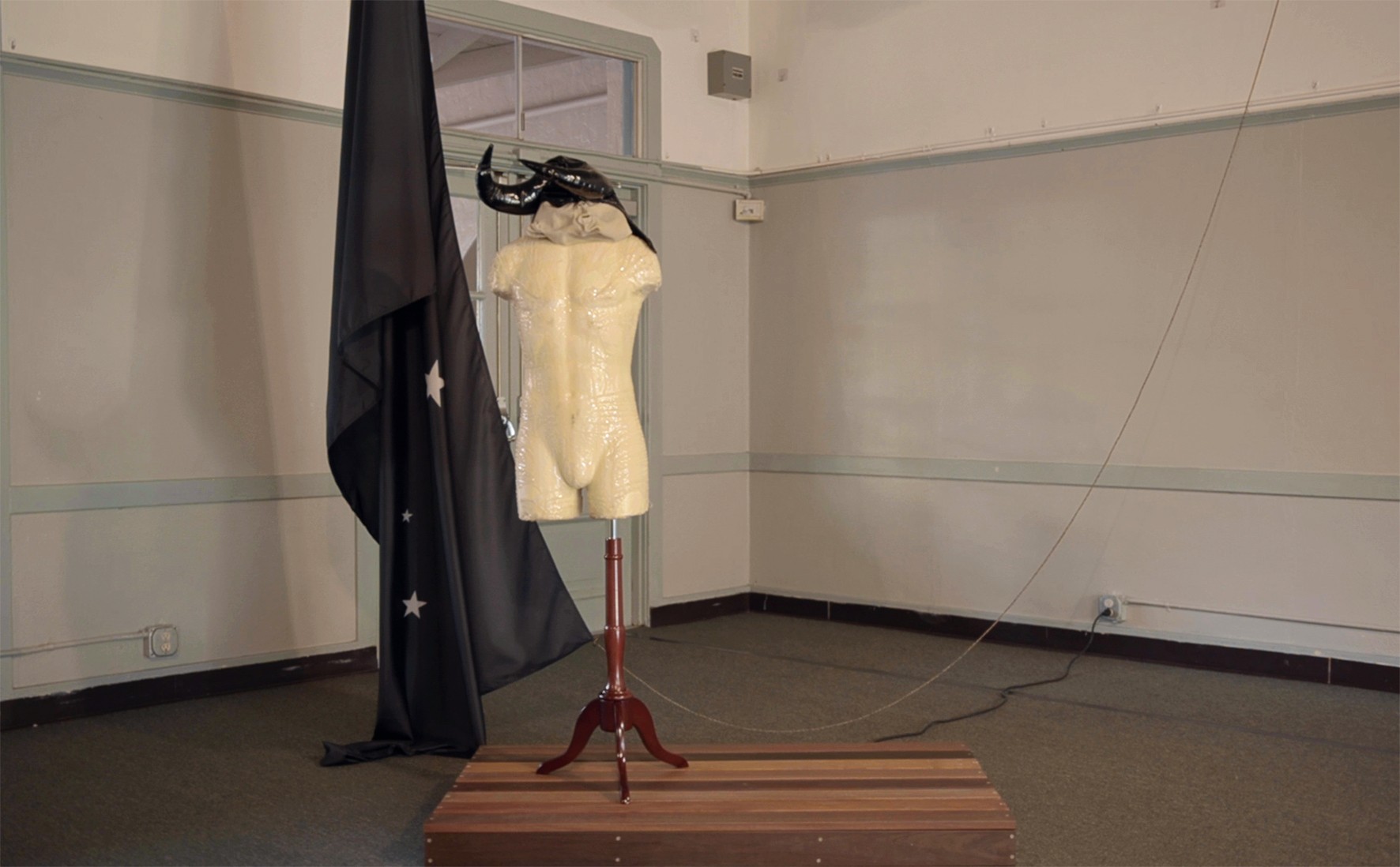
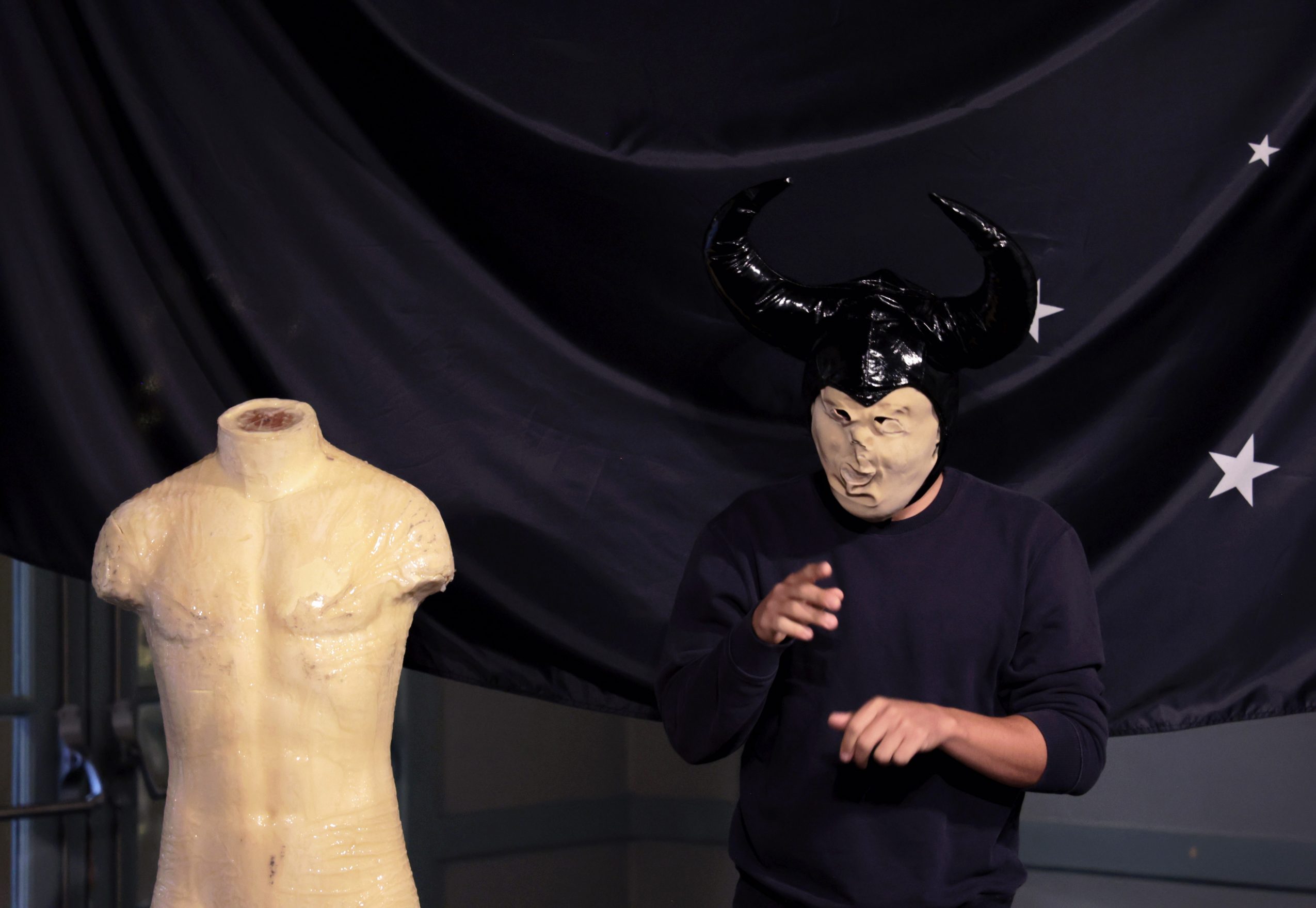
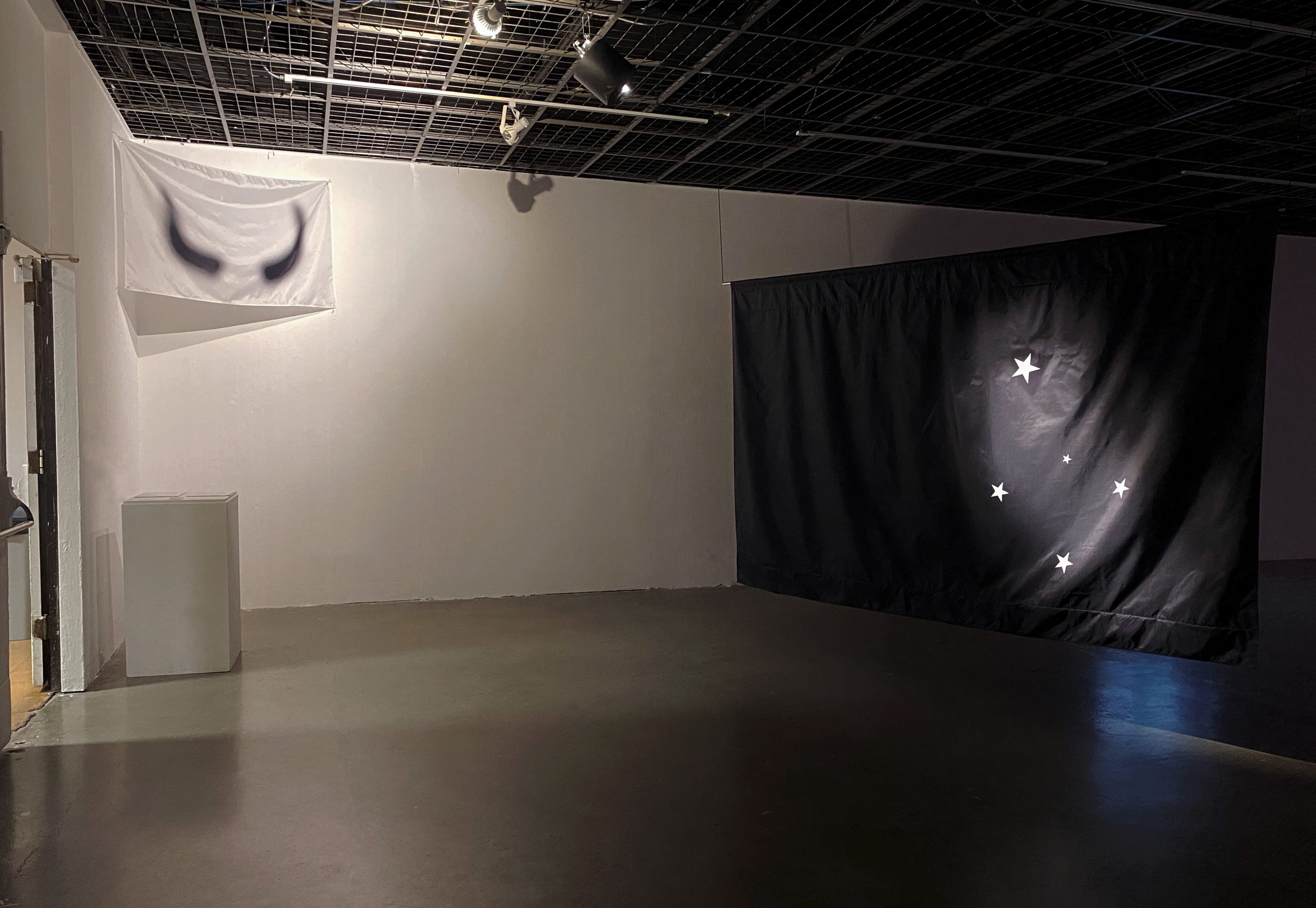
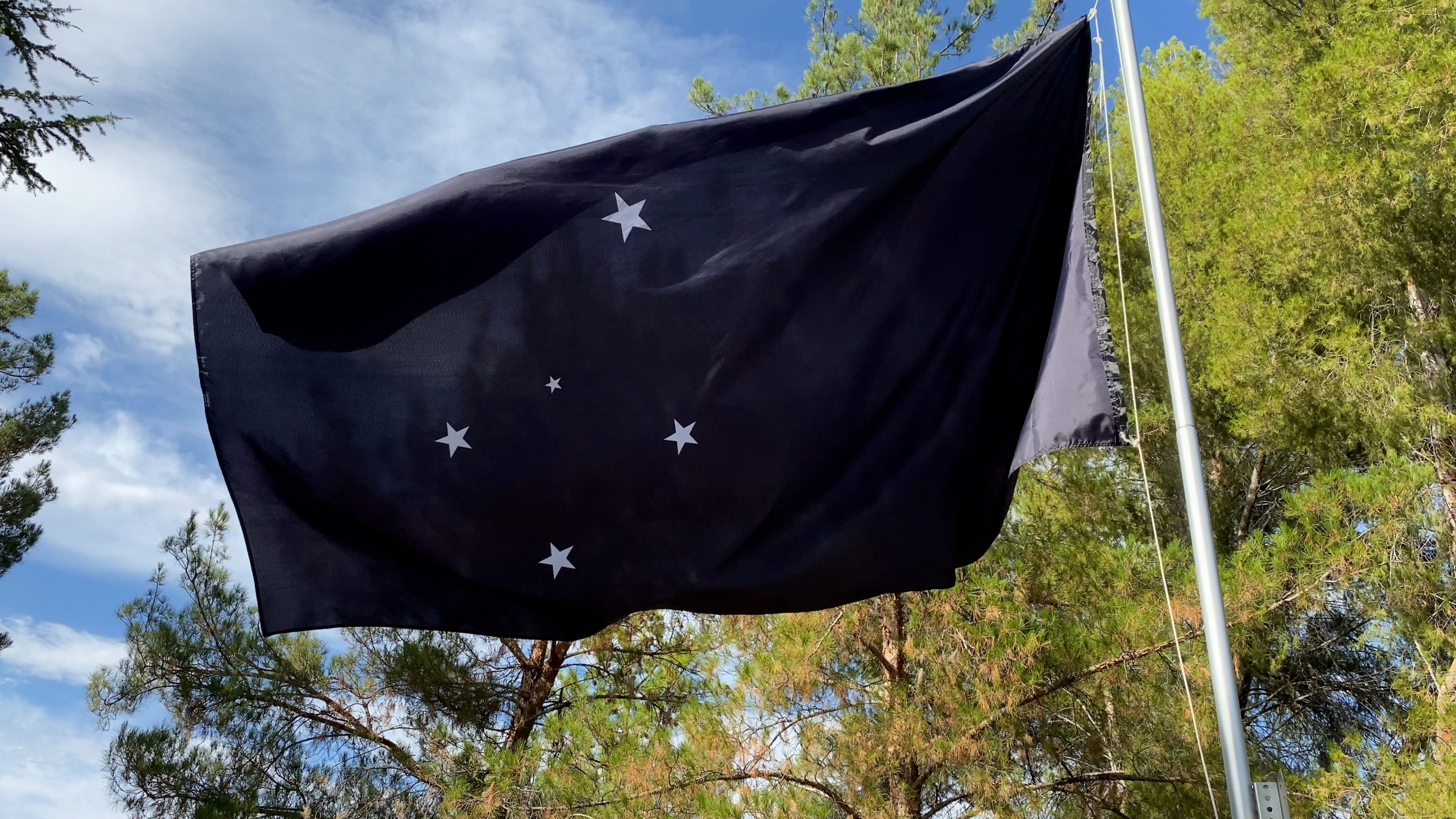
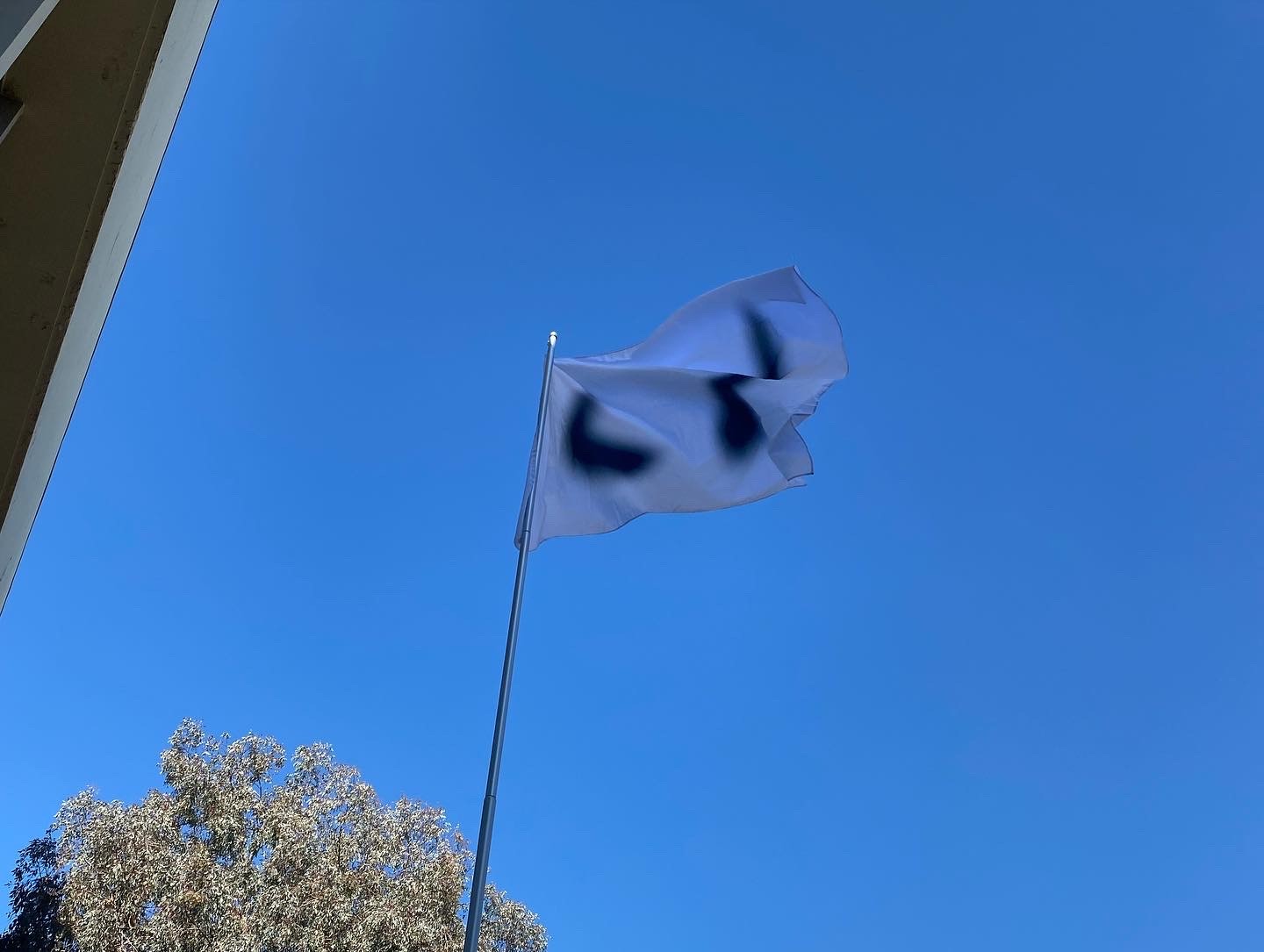
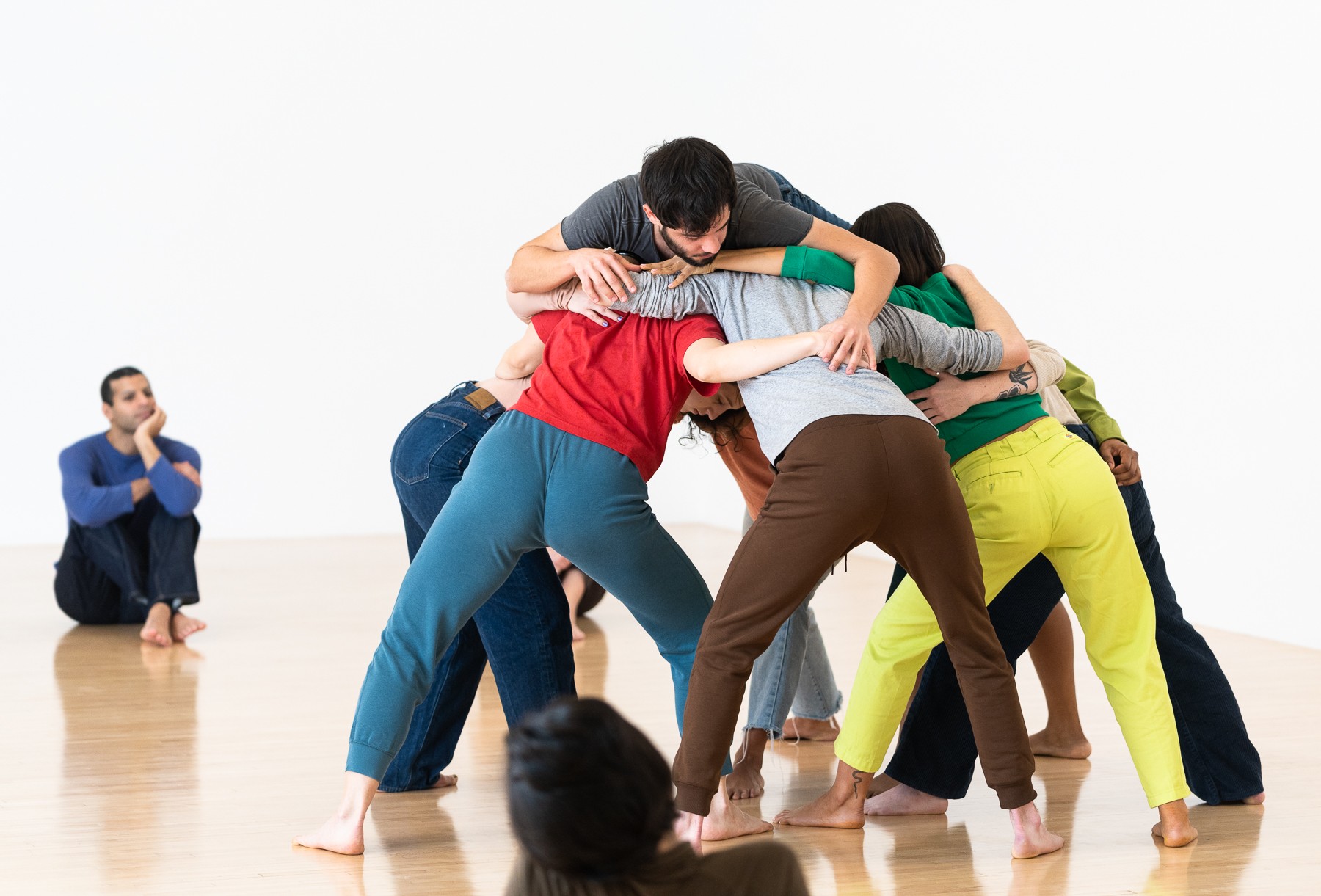
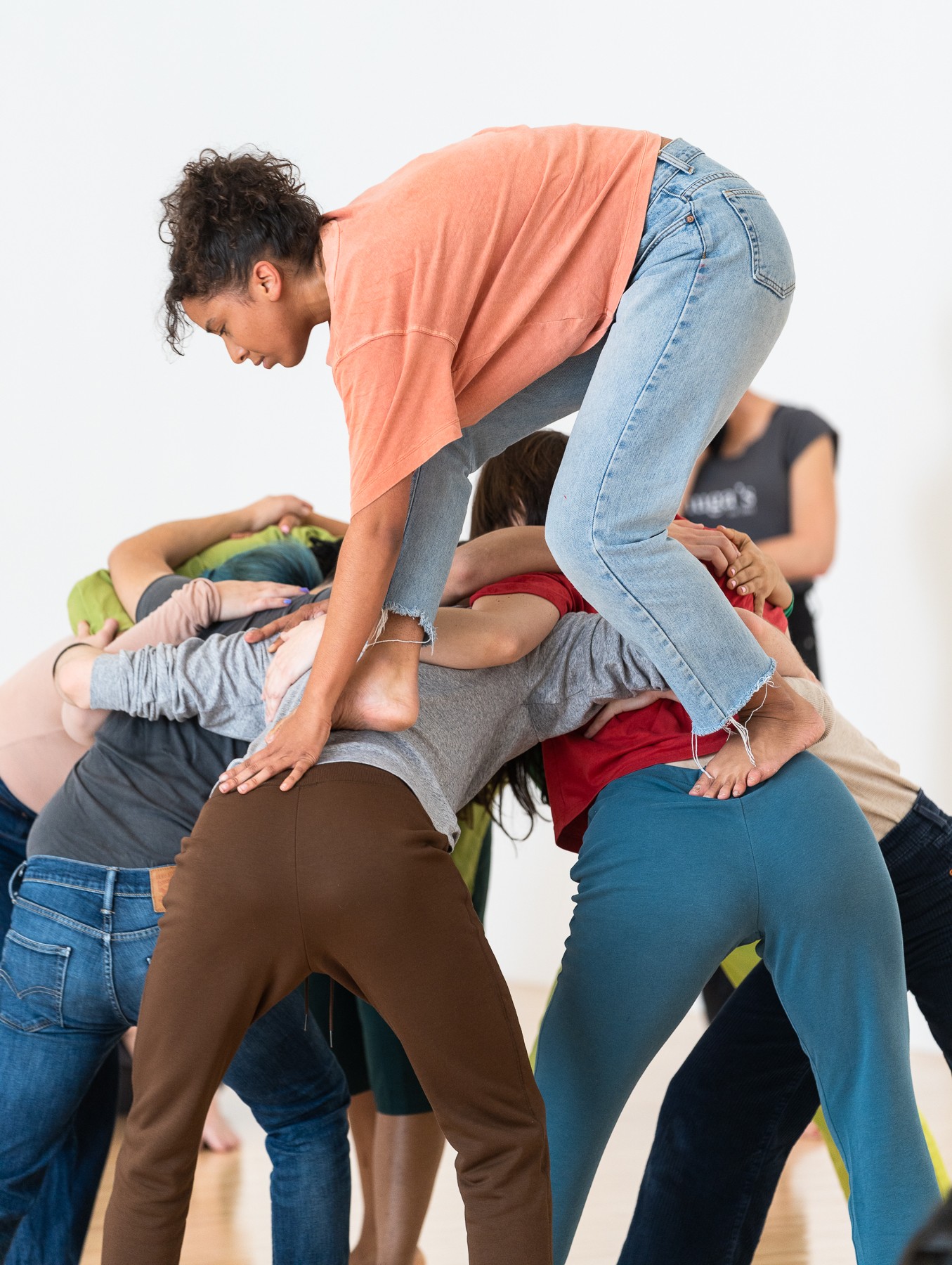 Image Credits
Juan Herrera and Justin Serulneck Greg Jenkins Museum of Contemporary Art (M.O.C.A)
Popular
-
What is something outside of work that is bringing you joy lately?
-
Local Highlighter Series
-
What did suffering teach you that success never could?
-
What are you most proud of building — that nobody sees?
-
Who were you before the world told you who you had to be?
-

If you could say one kind thing to your younger self, what would it be?


