




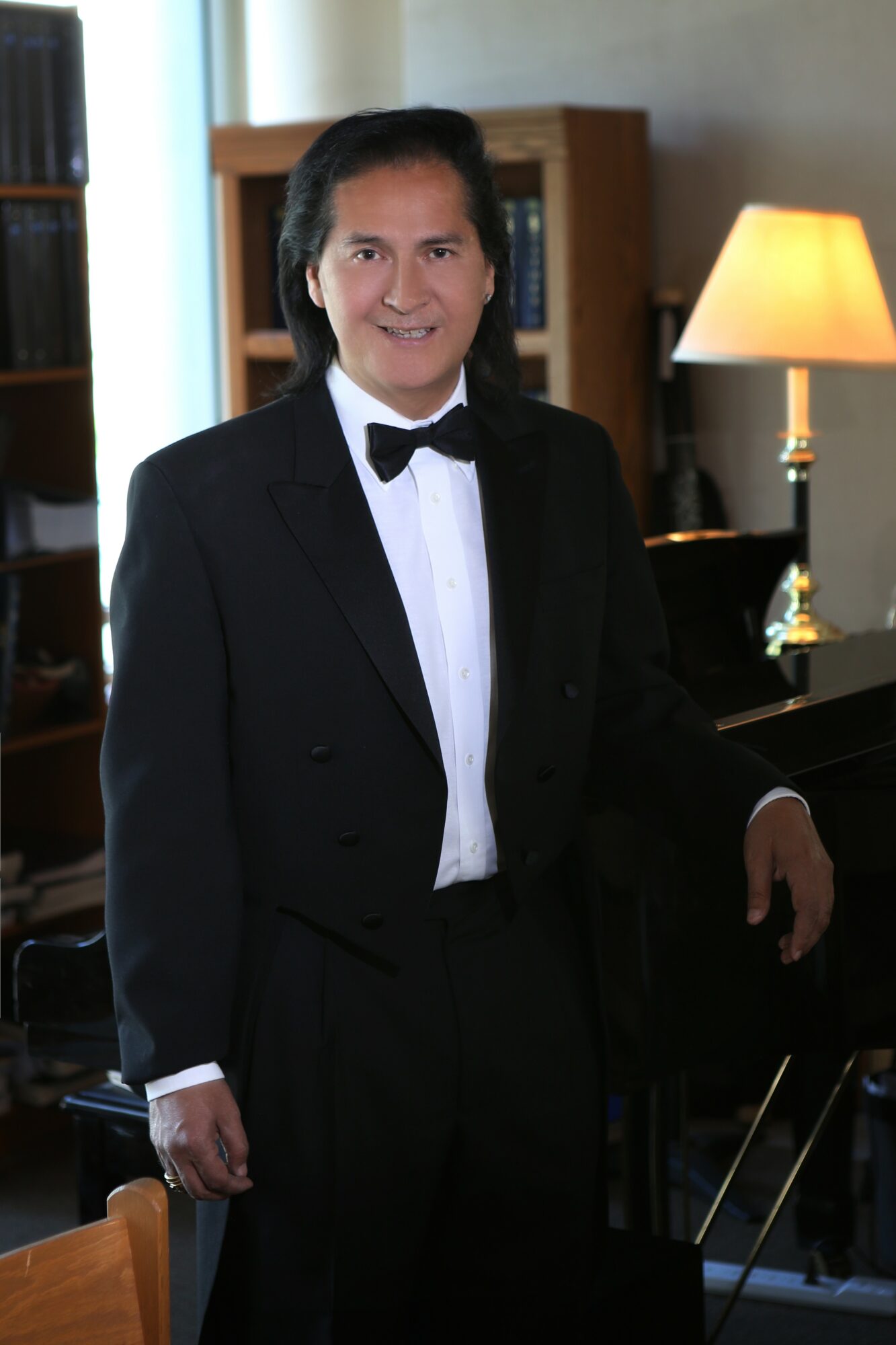
Today we’d like to introduce you to Richard Medrano.
Richard, we appreciate you taking the time to share your story with us today. Where does your story begin?
I was fortunate to begin my musical journey at the age of nine, performing in a family band alongside my seven siblings and other accomplished musicians. Those early years were filled with extraordinary opportunities — performances at notable Hollywood venues, television appearances, and recording projects that gave me a glimpse of what a life in music could be.
And yet, somewhere along the way, I stepped away from that creative calling. Believing I needed a more practical and secure future, I chose what seemed to be the wiser, more responsible path. Before City of Angels Community Choirs ever existed, I spent ten years working as an insurance underwriter. From the outside, it appeared I was living the life I had been taught to pursue — a stable profession, a steady income, the polished version of the American Dream. The voices surrounding me through college and into adulthood urged me toward business, toward financial security, toward a career that promised safety and success.
I followed that blueprint faithfully. And yet, beneath the surface of that stability, I felt a profound and persistent discontent — a quiet but undeniable sense that something essential had been left behind. In that season, I found myself praying with an urgency I had never known. There were moments when my prayers felt less like whispers and more like cries — even shouts — asking for an answer, for a way forward.
Eventually, I had to be honest with myself: success on paper wasn’t the same as fulfillment in real life. I made the difficult decision to go back to school, earn a second degree in music, and essentially recreate myself. I was a late bloomer, and that experience changed me. It taught me how long people can live disconnected from their inner life, their creative voice, and their deeper calling. That realization became the heartbeat of City of Angels Community Choirs.
When I founded COACC, I chose the phrase “Discovering the Inner Artist” intentionally. I don’t mean simply discovering whether someone can sing or perform. I mean discovering who they are on the inside — their voice, their emotional life, and what moves them to be better. Singing engages the whole person: body, breath, emotion, and voice. Research shows that singing releases chemicals in the body that reduce stress and increase feelings of connection and openness. In that kind of environment, people are more willing to take risks, reflect honestly, and discover parts of themselves they may not have known were there. My hope is that COACC becomes a space where people don’t have to wait as long as I did to find themselves — where discovering your voice becomes a doorway to discovering your best self.
At the same time, COACC was always meant to be artistically excellent, not just emotionally meaningful. We serve a culturally diverse community of singers and are committed to world-class musical training and high-quality choral literature. Our ensembles — including the Children’s Chorus and Master Chorale — have toured nationally, performed with the Los Angeles Opera, appeared at Carnegie Hall, and been featured on KCET’s Los Angeles County Holiday Celebration. We’ve recorded for Grammy-winning composers, contributed to Disney film trailers, anime productions, and music videos, and were honored to be the featured choir for the Disney Kingdom Hearts III World Tour.
Beyond the concert stage, we’re deeply committed to community outreach — performing at festivals, parades, and charitable events, and partnering with hospitals, shelters, and community organizations. Since 2012, we’ve awarded thousands of dollars in scholarships to ensure access to music education regardless of financial means. For me, the real success of City of Angels is that artistic excellence and human transformation live side by side. We’re building great music — and helping people become more fully themselves in the process.
Can you talk to us a bit about the challenges and lessons you’ve learned along the way. Looking back would you say it’s been easy or smooth in retrospect?
No, the journey has not always been smooth. There were significant setbacks along the way. When I began my classical studies, one professor initially refused to approve my entry into the performance degree program, advising me instead to pursue an education track because my vocal style was “too pop.” I respectfully asked for the opportunity to prove myself. Within two semesters, I was cast in a leading role in the opera program.
Later, after completing my degree and feeling inspired to establish my own chorale, I encountered a different challenge. While I had vision and artistic direction, I lacked the administrative expertise required to launch and sustain a nonprofit performing arts organization. Vision alone doesn’t get you from the starting gate to the finish line. I needed a vehicle, and that vehicle was my wife, Patti. She owned her own business for over twenty years and stepped in to take the helm of COACC, helping us build real infrastructure, systems, and sustainability. That foundation allowed us to grow into the kind of organization that could attract high-profile collaborations and industry work.
At the same time, I had to learn how to shift from being purely an artist into becoming an administrator, fundraiser, and nonprofit leader — which came with a steep learning curve. There were seasons of financial uncertainty, moments of burnout, and the ongoing challenge of building credibility in a city filled with extraordinary performing arts organizations. Establishing relevance and finding our niche was essential to our survival.
My daughter, Ashleigh Medrano, has also been instrumental in helping us stay relevant. She’s a CSUN graduate with an advanced degree in music industry, began her professional career singing for an anime company, and now works at Universal Music Group. She often advises us on programming direction and industry trends, helping COACC stay connected to where the professional music world is actually going.
What sustained us through the challenges was a shared belief that this work matters — not just artistically, but humanly. The struggles shaped us into an organization that’s both creatively bold and structurally strong.
Appreciate you sharing that. What else should we know about what you do?
I recently retired after 25 years with the Archdiocese of Los Angeles, most recently serving as Campus Minister and Music Director at the University Catholic Center at UCLA. Throughout my career, I’ve worked at the intersection of music, formation, and community-building. I currently conduct City of Angels Community Choirs, which includes the City of Angels Master Chorale and the City of Angels Children’s Chorus.
I specialize in multi-genre choral performance, and we’re known for presenting eclectic, stylistically diverse programs. It’s not unusual for one of our concerts to include a Mozart Missa Brevis, a Rodgers and Hammerstein selection, and a contemporary pop or K-pop–inspired piece all in the same evening. What I’m most proud of is that we don’t just perform across genres — we strive for genuine stylistic authenticity in each one. Our singers are trained to shift vocal color, diction, style, and performance practice so that each genre is honored on its own terms.
What sets us apart is both our musical versatility and our community model. We are one of the few organizations that regularly places children and adult choristers on the same stage, creating a multi-generational artistic experience that reflects how music is actually lived and passed down in families and communities. Beyond that, we prepare singers for real-world musical work — from classical performance to industry recording projects — while also emphasizing belonging, emotional growth, and artistic integrity.
Of all the outreach projects we’ve been involved with, the one I am most proud of is our work in response to the Sandy Hook tragedy. When that tragedy occurred, we initiated a fundraiser to purchase a professional set of handbells, having the manufacturer etch the name of each victim on a separate bell. We flew one of the first responders from Sandy Hook to Hollywood Hills, where COACC performed an evening concert intended to provide a measure of consolation and healing, and we presented the handbells. In 2018, during another East Coast tour, one of our stops was in Newtown, Connecticut, where we performed a benefit concert to raise funds for the community’s response dogs. At that concert, the bells were performed in honor of the victims of Sandy Hook. That experience reminded me of the profound, human impact that music can have — beyond skill or performance, music can provide comfort, connection, and hope.
What I’m most proud of overall is building an organization where artistic excellence and human development coexist. COACC isn’t just about producing great concerts; it’s about forming adaptable, thoughtful musicians who can move between worlds — sacred and secular, classical and contemporary — and do so with authenticity, confidence, and heart.
What’s next?
Planning for the future is always exciting and sometimes unpredictable for us. Each season brings unexpected opportunities — a couple seasons ago we were hired to record a rock opera and a television project, which expanded our professional reach in ways we hadn’t anticipated. This coming summer, we have a major East Coast tour planned, including our fifth performance at Carnegie Hall in New York, followed by a concert in a 250-year-old church in Boston with a regional choir. We’ve programmed a special set of Americana music to celebrate the country’s 250th anniversary.
Immediately following the East Coast tour, we’re preparing a Canadian tour that includes Prince Edward Island and Newfoundland, performing both independently and alongside a renowned basilica choir. Looking further ahead, we’re in discussions for possible tours and collaborations in France and the UK, and exploring partnerships with international festivals and choirs.
Beyond performance, we plan to continue growing our outreach and educational programs — expanding scholarships, mentorships, and workshops to ensure that singers of all ages and backgrounds can access high-quality choral training. We also hope to develop more recording and media collaborations, allowing our singers to experience professional-level music-making while sharing our eclectic, multi-genre sound with wider audiences. At COACC, the future is a mix of careful planning, artistic vision, and openness to opportunities we can’t yet predict — and that’s part of the joy of this work.
Contact Info:
- Website: https://www.coacc.net
- Instagram: https://www.instagram.com/coaccmusic/
- Facebook: https://www.facebook.com/coaccmusic#
- Twitter: https://www.youtube.com/channel/UCrlc0ijGOblBgsFZZBDS9dg
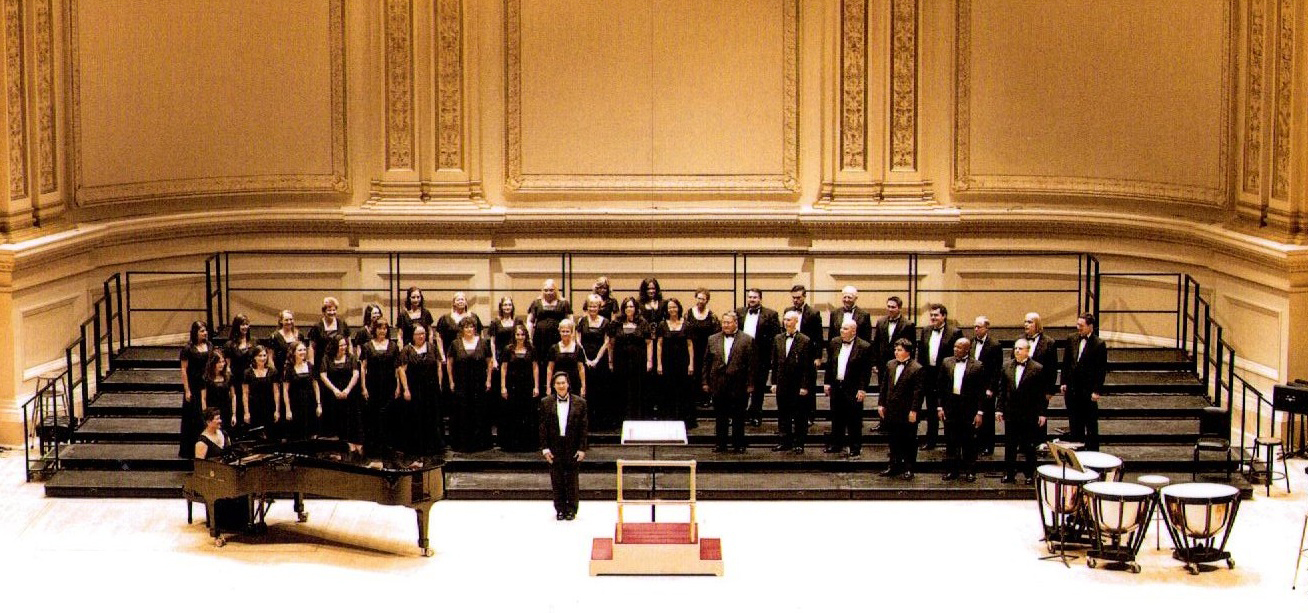
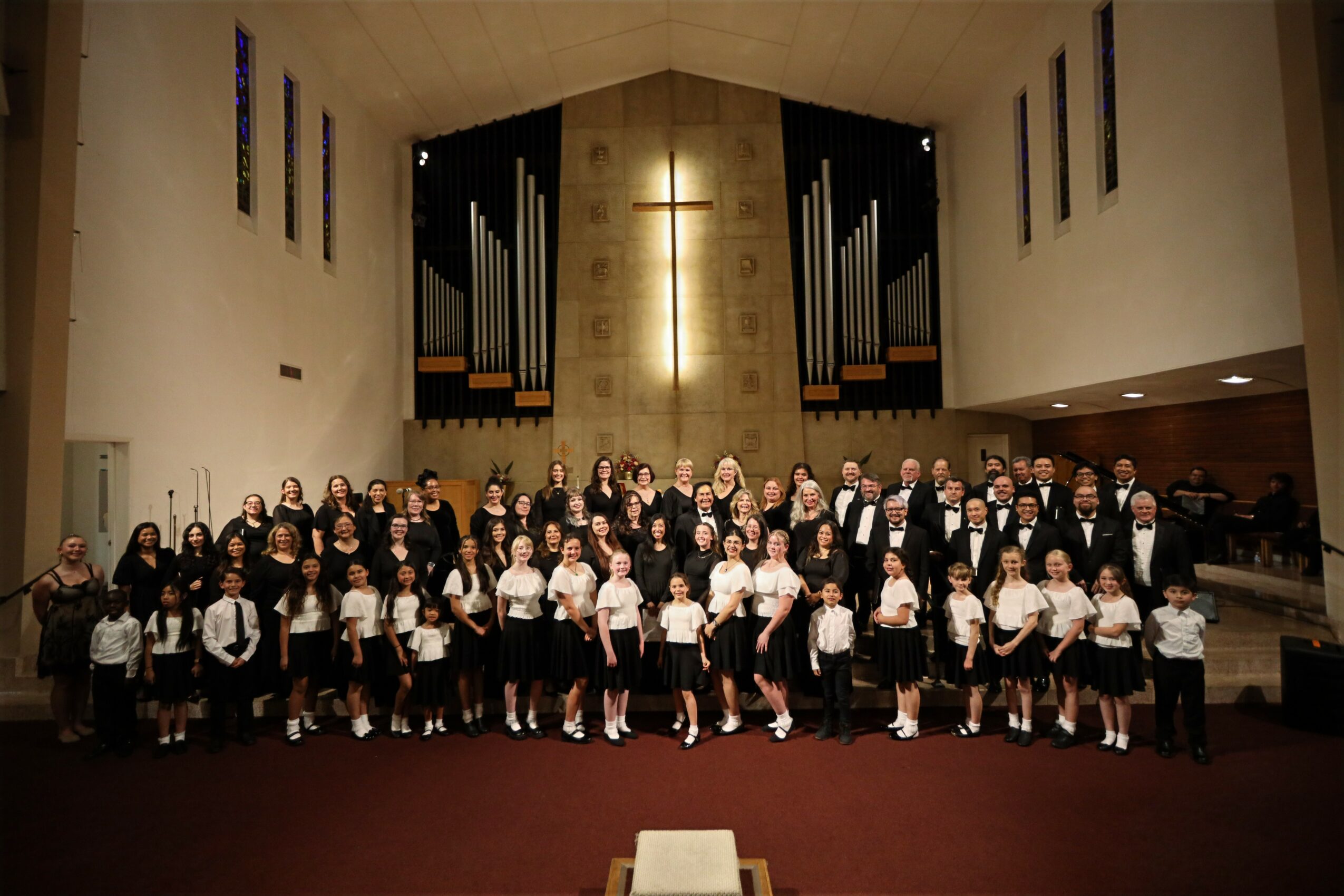
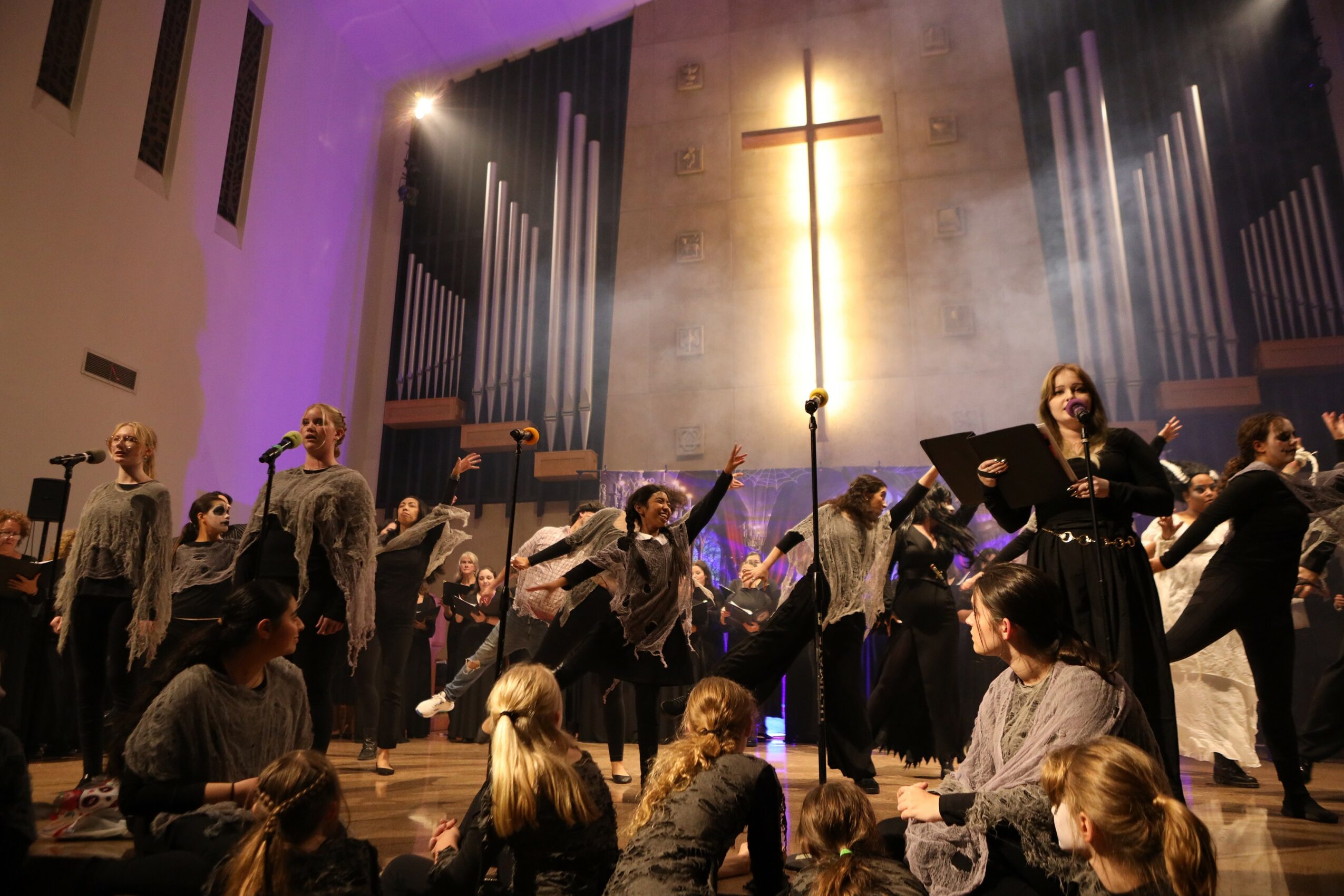
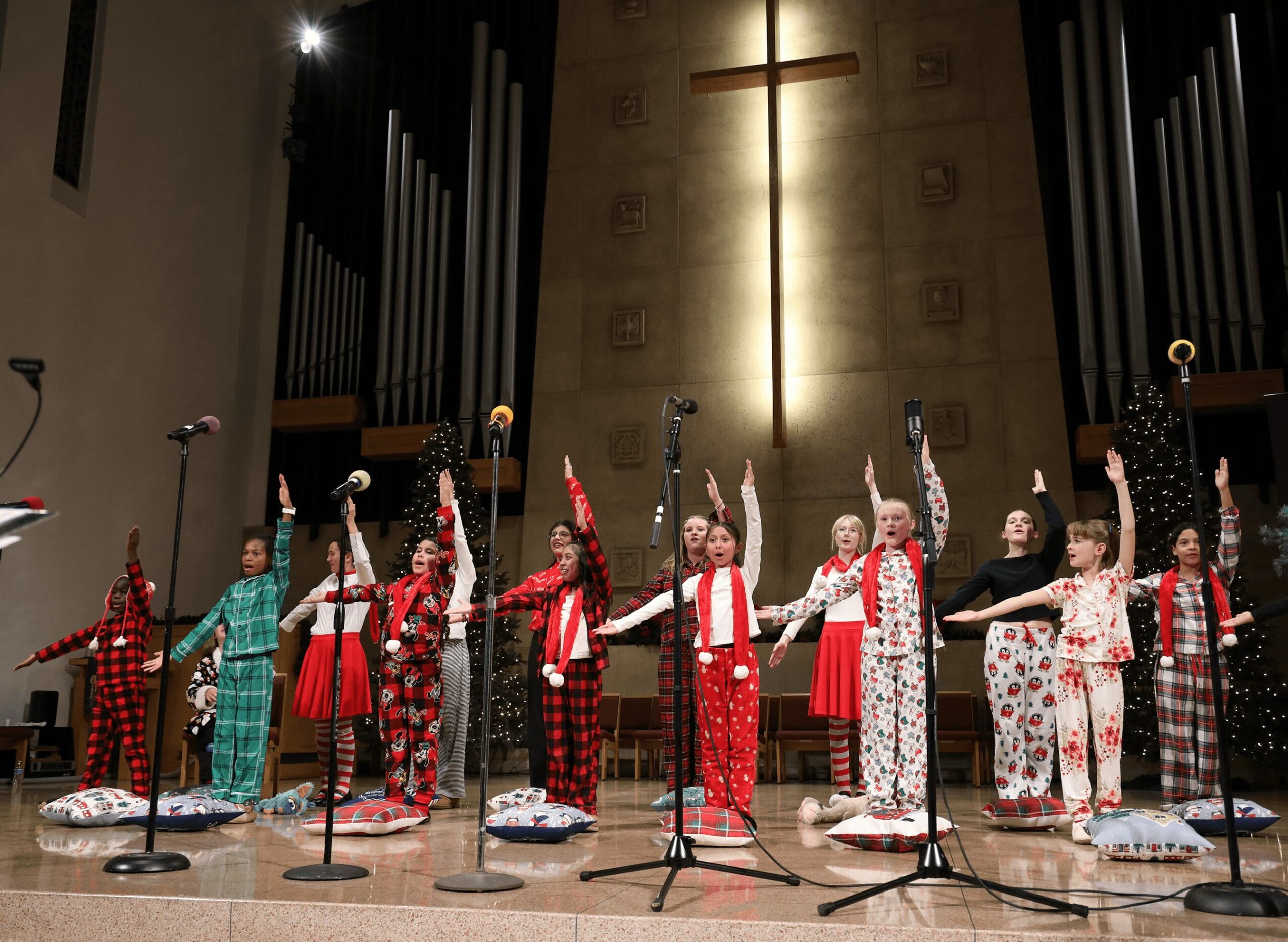
Image Credits
David Joseph Photographics
Popular
-

Cedar Boschan on Elevating Black Music Rights and Driving Urgent Conversations Around Credit, Equity, and Artist Protection
-

Portraits of the Valley
-

LA’s Most Inspiring Stories
-

Robin Olive on Building an Inclusive Performing Arts Movement and Expanding Opportunities for Every Student
-

Que Johnson on Building Brands That Last: From Visibility to True Market Authority
-

Christina Wren Steps Into the Director’s Chair to Tell Stories That Feel Like Home


