




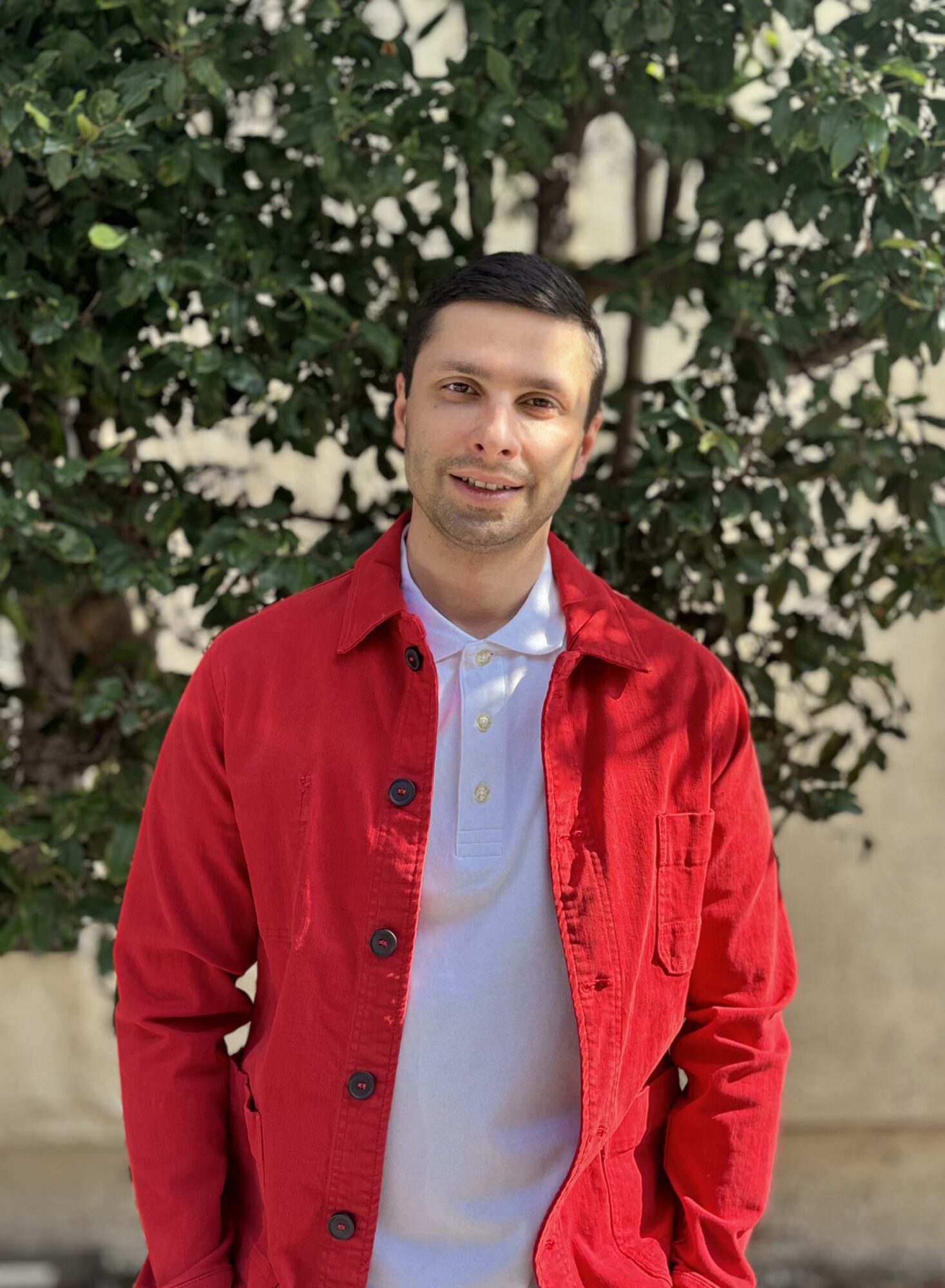
Today we’d like to introduce you to Karlen Nurijanyan.
Karlen, we appreciate you taking the time to share your story with us today. Where does your story begin?
Karlen Nurijanya:
My journey to founding Student LunchBox is deeply rooted in lived experience. I was born in Armenia and grew up in poverty, where food insecurity and financial instability followed my family and me until I was 18. Those early years shaped my understanding of how easily basic needs can be overlooked, and how profoundly that instability affects a person’s mental and physical health, as well as their overall ability to move forward. Experiences like these do not fade with time; they stay with you and shape how you see the world.
In 2009, I immigrated to the United States in search of opportunity and stability. I arrived during a recession, at a moment when my family and thousands of other households were facing severe economic hardship. When I enrolled at Santa Monica College in 2010, food insecurity once again became part of my daily reality. Like many students, I was navigating higher education while making constant, difficult decisions about how to stretch limited resources between tuition, transportation, and meals. My family did not have the financial means to support me while I was in college, and I was largely on my own. At the time, I did not speak English, which made finding work extremely challenging. I eventually secured my first on-campus job, but the pay was insufficient. Limited financial aid, low-paying work-study positions, housing costs, and transportation expenses placed me under constant financial strain. That experience stayed with me throughout my academic journey and shaped how I understood the invisible barriers many students face.
I later transferred to UCLA, where I completed my undergraduate degree, and then earned a master’s degree in public administration from California State University, Long Beach. While these achievements were meaningful, the memory of being a struggling college student never left me as I began building my career. They reinforced an important realization: academic success often depends on factors far beyond the classroom. Many students are capable, driven, and committed, yet remain at risk of falling behind simply because their basic needs are unmet.
That realization became impossible to ignore during the COVID-19 pandemic. As campuses closed and jobs disappeared, I watched student hunger escalate rapidly across Los Angeles. At the time, I was working in the corporate sector, but it became clear that my skills and lived experience could be applied more directly to addressing this crisis. I decided to step away from my career and dedicate myself fully to building a solution.
Using my own economic stimulus payments, working early mornings at Trader Joe’s, and driving for food delivery apps, I raised enough funds to fuel Student LunchBox. The goal was simple but urgent: to ensure students could access nutritious food without stigma, judgment, or unnecessary barriers.
As the organization grew, it became evident that food insecurity was only one part of a broader basic-needs challenge. Students also lacked clothing, hygiene items, toiletries, and other essentials necessary to support themselves while pursuing their degrees. In response, we expanded our model to include essential goods for students, student parents, and their dependents, creating a more comprehensive and dignified support system.
Today, Student LunchBox serves thousands of students each month across 17 colleges in Los Angeles.
While the organization has grown significantly, its mission remains deeply personal. It is informed by my own experiences and driven by the belief that education should never come at the cost of survival. My goal has always been to create a model that allows students not only to remain enrolled but to pursue their education with stability, dignity, and a genuine opportunity to succeed.
Can you talk to us a bit about the challenges and lessons you’ve learned along the way. Looking back would you say it’s been easy or smooth in retrospect?
Running a nonprofit is one of the most difficult things anyone can do. There is constant pressure, and the responsibility never really turns off. Much of our work is a balance between two priorities: securing enough food and essential resources for students, and ensuring we have the financial support needed to keep the organization’s lights on.
Unlike a traditional business, nonprofits do not generate predictable income. Funding requires continuous effort, relationship-building, and creativity. Each year looks different. Some years bring growth and momentum, while others require tough decisions and careful adjustments. Through strategic financial management, we have been able to move through the most challenging stages of growth, and with increased visibility, we hope to expand our impact and invite more partners and supporters to be part of this work.
Can you tell our readers more about what you do and what you think sets you apart from others?
My work today centers on building and leading Student LunchBox into a sustainable, student-centered organization that responds quickly and thoughtfully to the realities students face. As one of the youngest founders and CEOs of a college hunger relief organization, I have been deeply involved in every part of the work, from forming campus partnerships and managing logistics to fundraising, outreach, and daily operations. That hands-on approach has allowed the organization to grow intentionally while staying closely connected to the students we serve.
What I am most proud of is what Student LunchBox has become for so many students: a consistent presence and a source of stability during some of the most challenging moments of their academic journeys. Beyond the immediate support we provide, the organization has also created opportunities for hundreds of students to give back to their peers and their campus communities. Many of our volunteers and ambassadors are students who understand these challenges firsthand and want to be part of the solution.
What sets this work apart is not just the services we provide, but the culture we have built around it. Student LunchBox operates as a peer-driven, community-based model where support is normalized and dignity is preserved. Being able to serve as a role model within college communities, and to show students that it is possible to turn personal hardship into collective impact, is something I value deeply and carry with a great sense of responsibility.
What do you like and dislike about the city?
As someone who lives with Seasonal Affective Disorder, it is easy to understand why Los Angeles became home for me. Beyond the sunshine, LA offers something deeper. It is a city defined by creativity, expression, and a sense of freedom that allows people to fully become who they are. From my very first day here, I felt an immediate connection. Los Angeles did not feel temporary. It felt like home.
To me, LA is a sanctuary and a source of inspiration. It challenges people to explore their potential, to take risks, and to imagine what is possible. The city carries an energy that encourages growth, resilience, and self-expression, and that energy continues to shape both my personal life and my work.
If there is one thing I like least, it is the traffic. Especially when it rains, the city’s pace slows dramatically. But even that feels like a small trade-off for evrything Los Angeles offers.
Contact Info:
- Website: https://www.studentlunchbox.org/
- Instagram: https://www.instagram.com/slbcommunity
- Facebook: https://www.facebook.com/SLBcommunity/
- LinkedIn: https://www.linkedin.com/in/karlnuri-hr-ops-project-manager/
- Youtube: https://www.youtube.com/channel/UCZ3WNzPXFYjJ6wHwxxKoVBQ
- Other: https://www.linkedin.com/company/slbcommunity
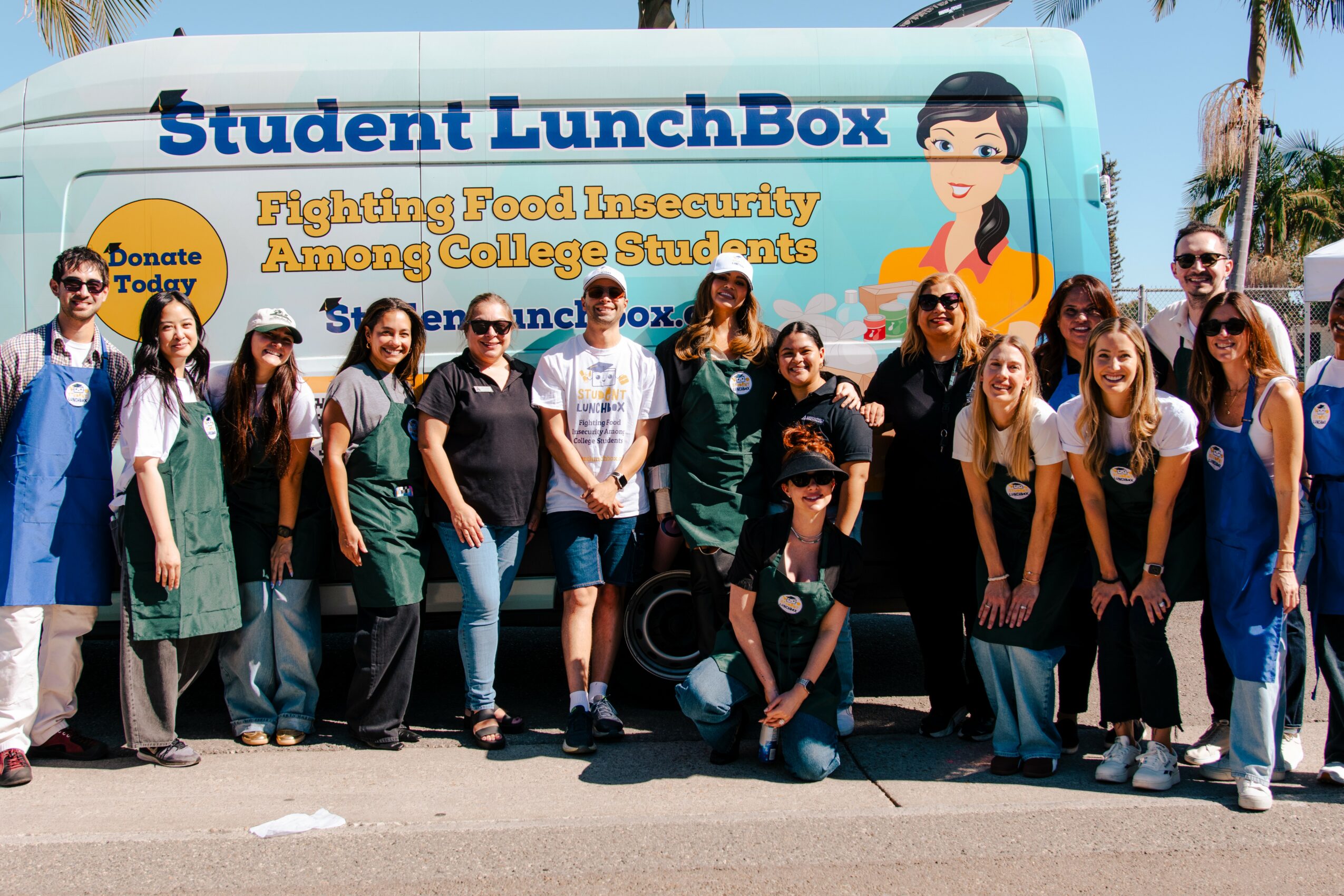
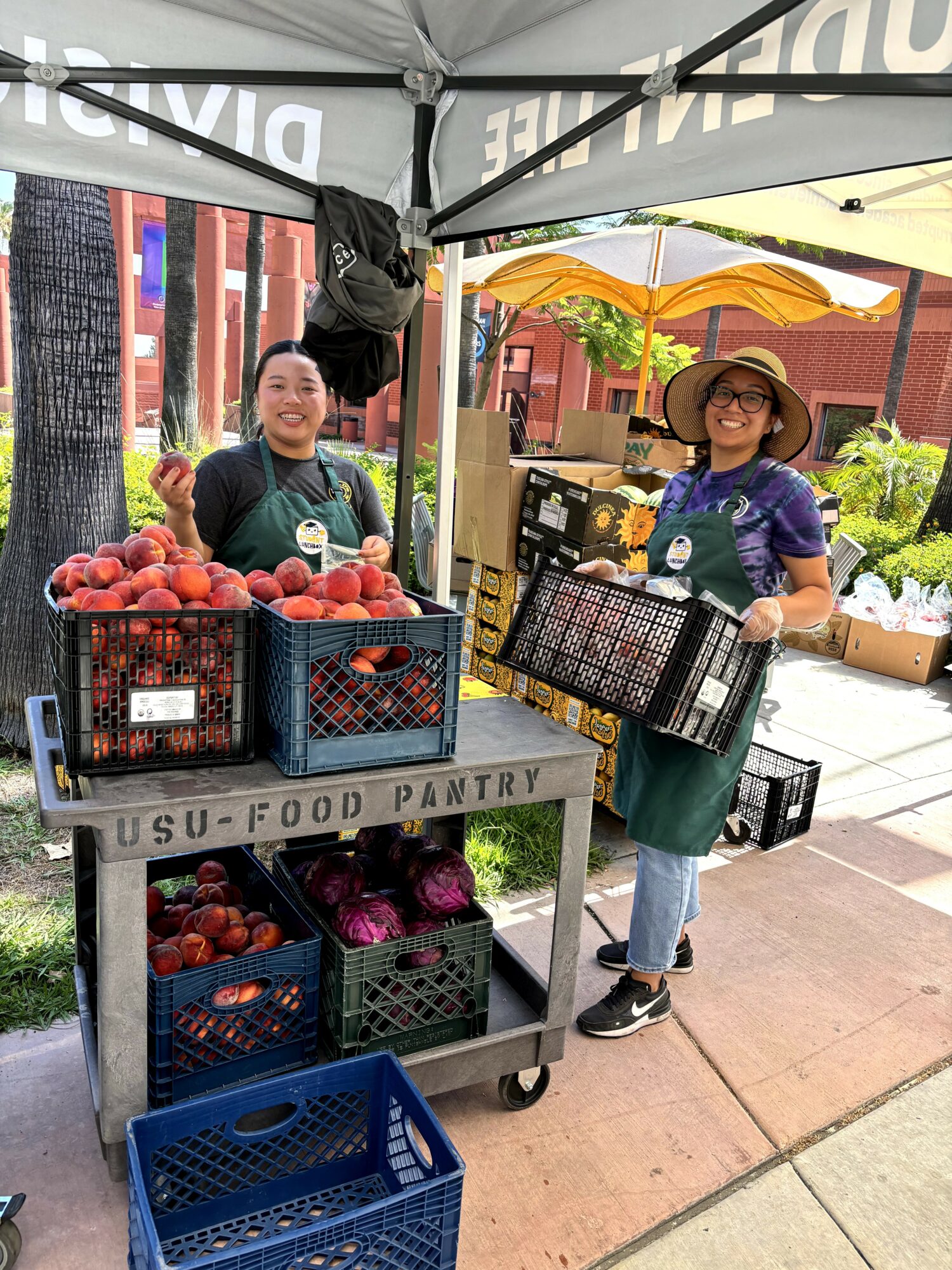
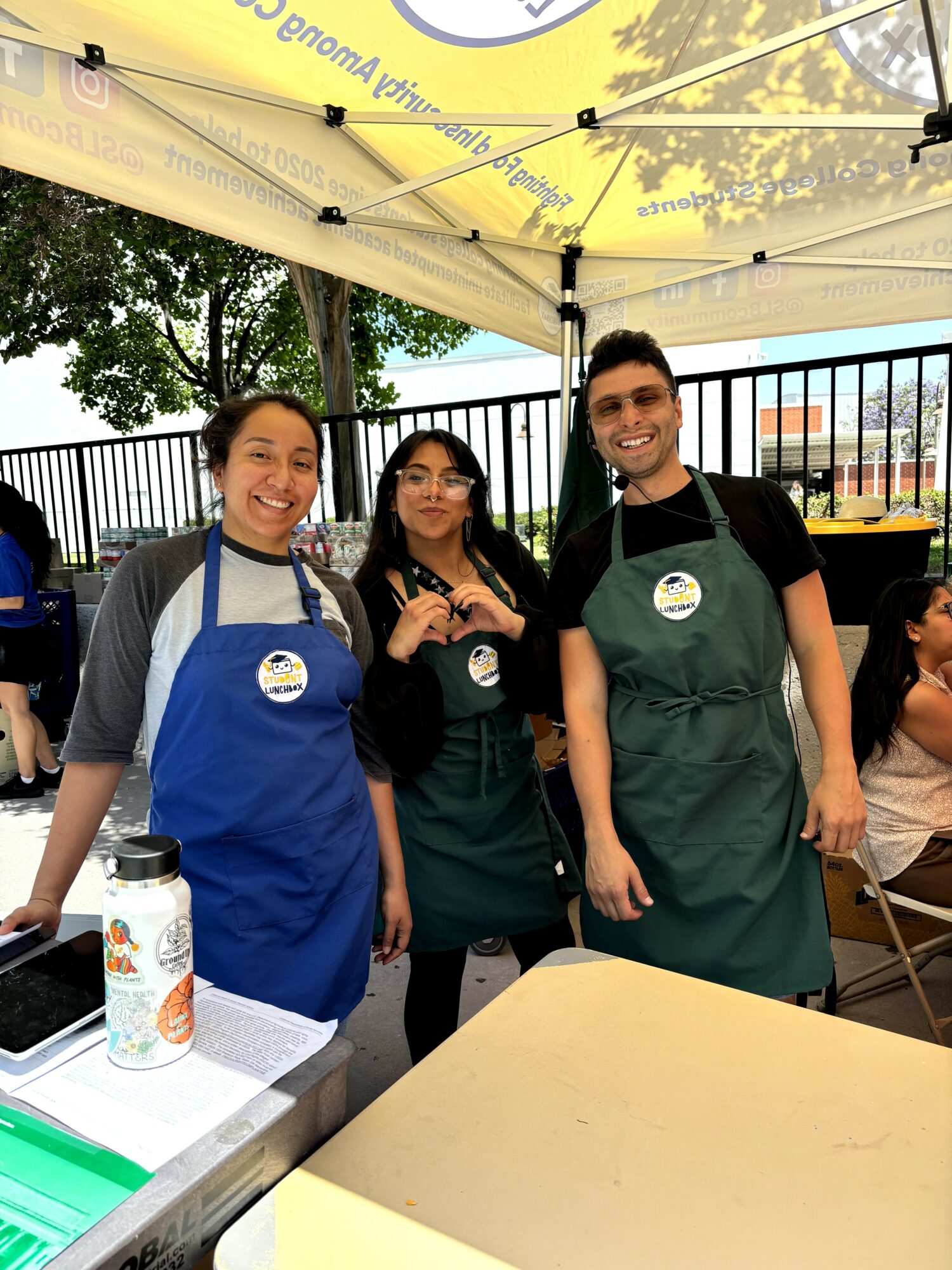
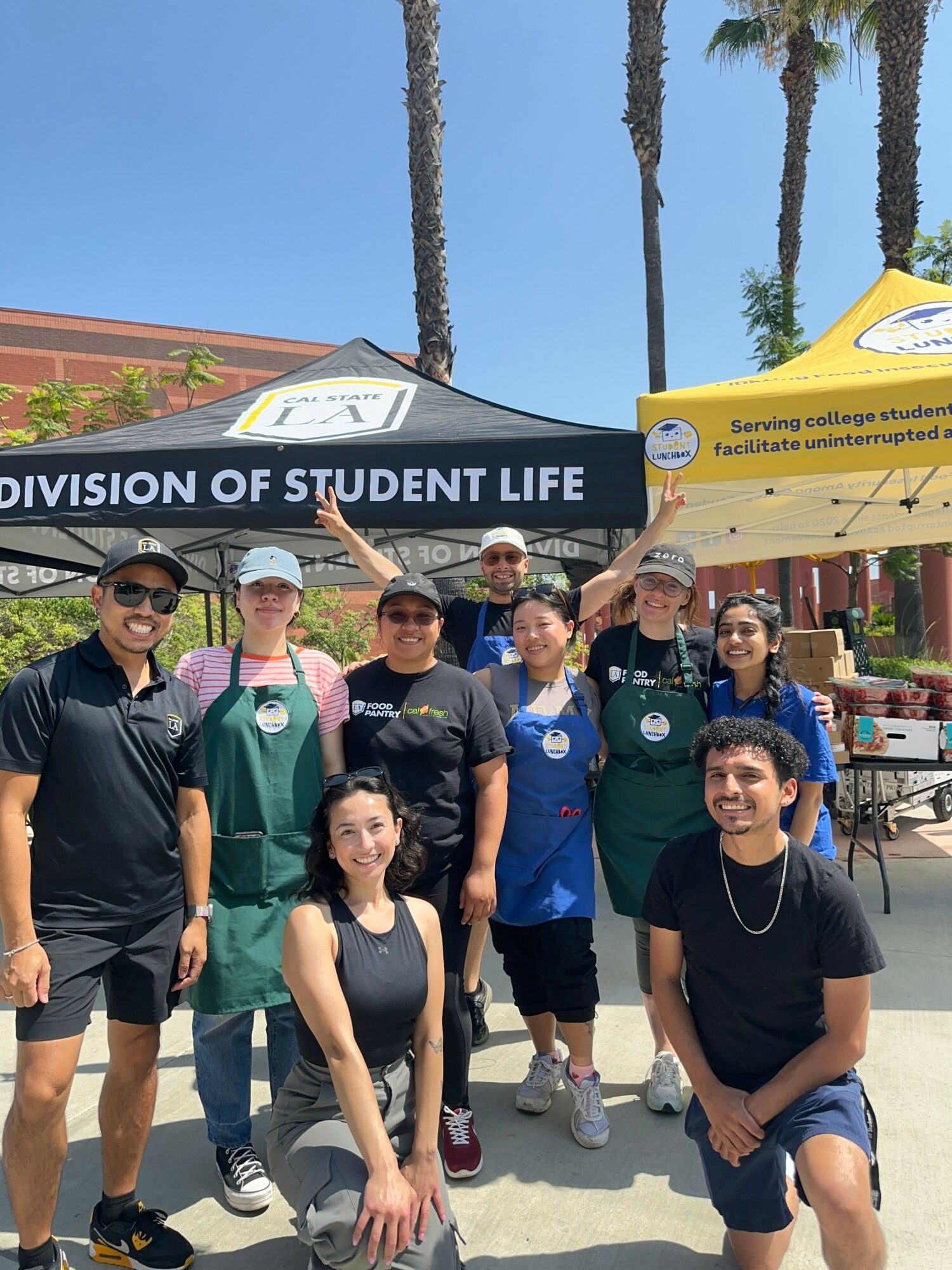
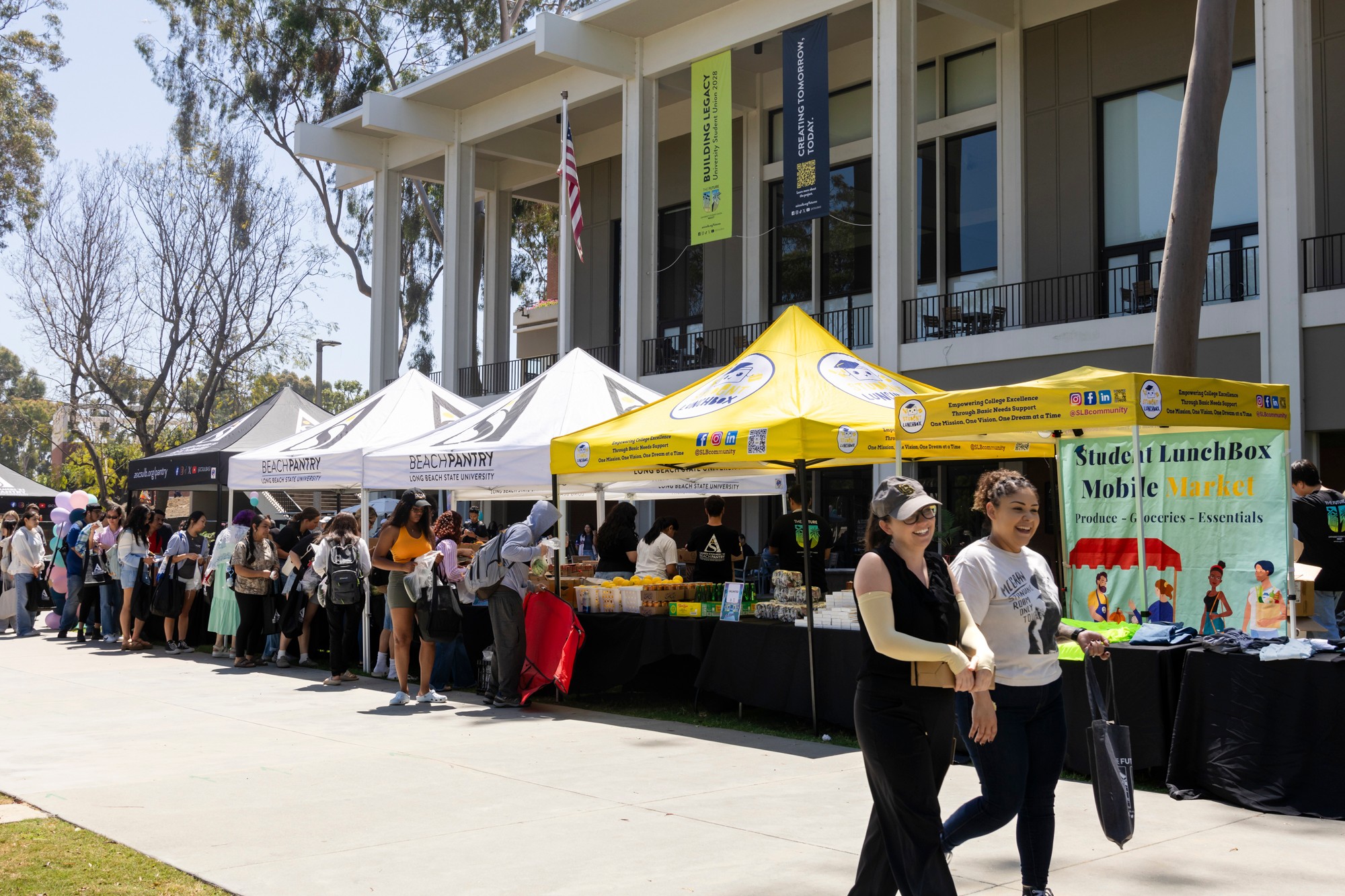
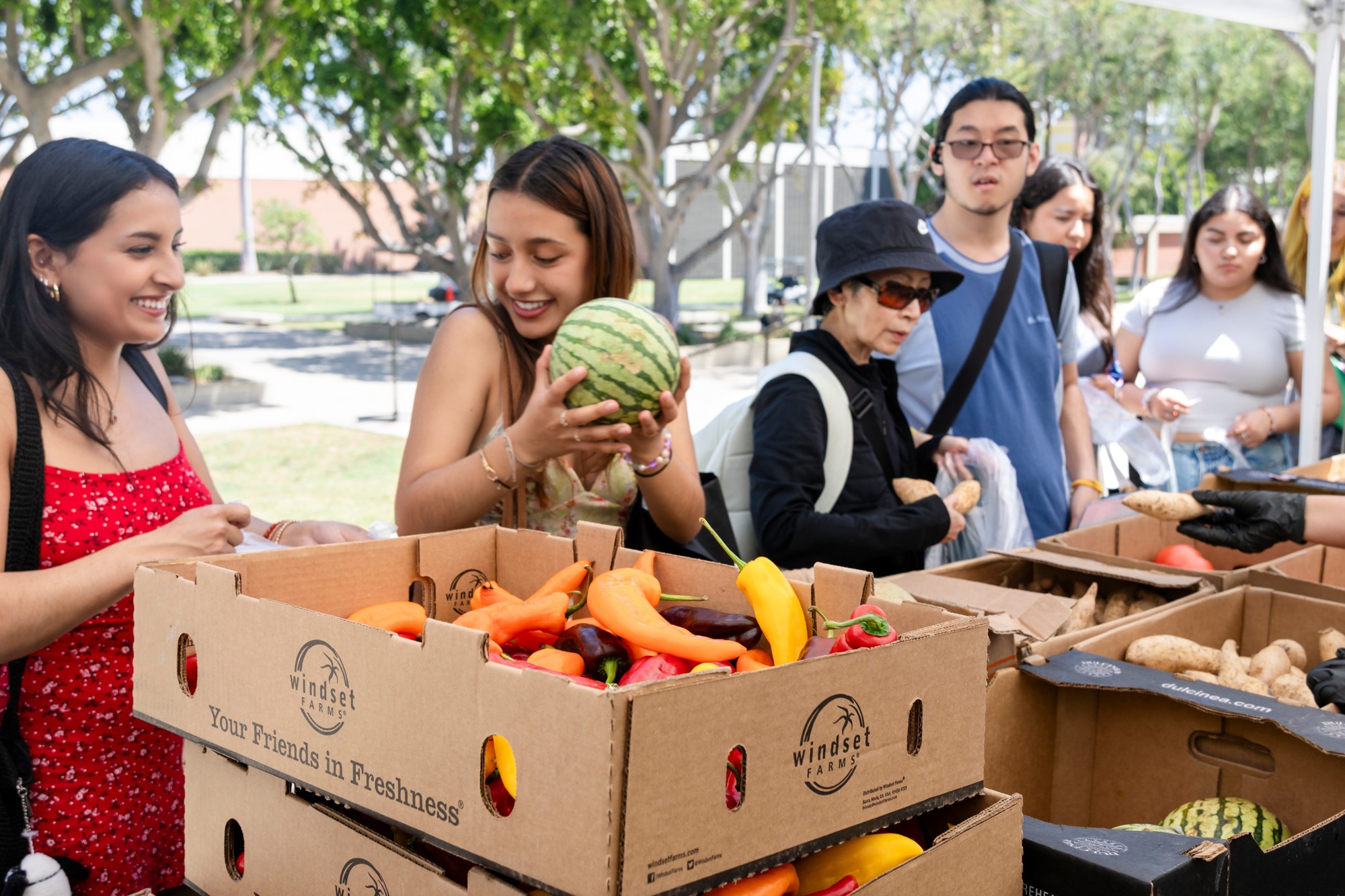
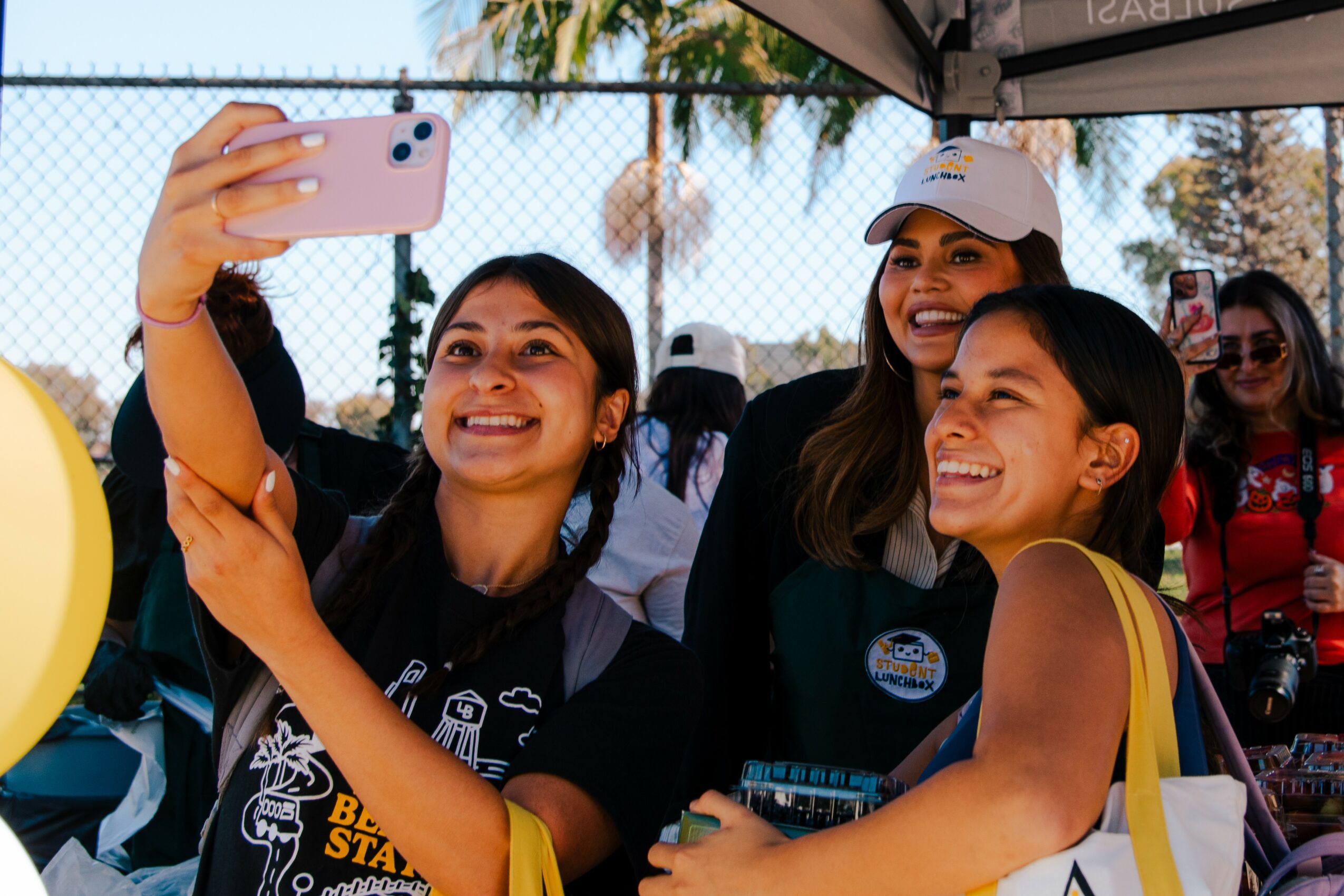
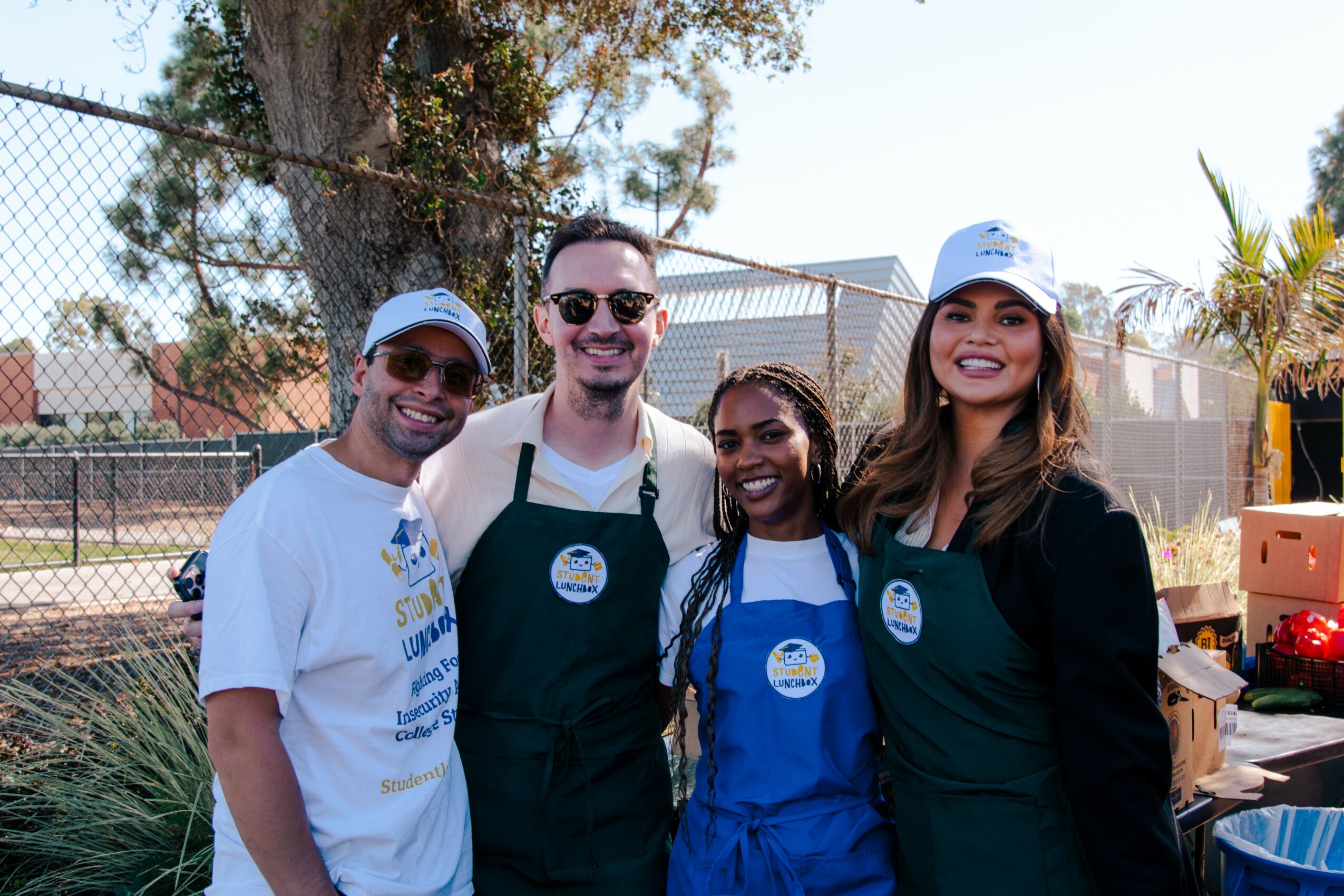
Image Credits
Andre Fonseca
Dylan Ong
Popular
-

Cedar Boschan on Elevating Black Music Rights and Driving Urgent Conversations Around Credit, Equity, and Artist Protection
-

Portraits of the Valley
-

LA’s Most Inspiring Stories
-

Robin Olive on Building an Inclusive Performing Arts Movement and Expanding Opportunities for Every Student
-

Que Johnson on Building Brands That Last: From Visibility to True Market Authority
-

Christina Wren Steps Into the Director’s Chair to Tell Stories That Feel Like Home


