



Today we’d like to introduce you to Karen Heshi.
Hi Karen, so excited to have you on the platform. So before we get into questions about your work-life, maybe you can bring our readers up to speed on your story and how you got to where you are today?
I graduated from Parsons in NYC with a Master’s in Fashion during the height of the pandemic in 2020—aka the year of Zoom ceremonies and canceled runway shows. All I remember from graduation is a 10-second flash of my name on a screen. It still feels surreal. But even without a runway moment, something magical happened: I was selected to be part of a Vogue documentary about my thesis collection. That was also when I did my first-ever interview with 1Granary, which really kickstarted everything. From there, doors started to open—my work was featured in Vogue, Dazed, i-D, BoF, and worn by artists like Tinashe, Aisling Franciosi, Iann Dior, Bella Hadid… and a few more that I can’t share just yet.
Then, out of the blue, one of my professors reached out and asked if I’d be open to working in LA. The job market was terrible at the time, so I figured, why not? I sent over my thesis work, and the next morning, I got a message that read:
“Hi Karen, I showed Kanye your work this morning and he’s very impressed by you.”
That’s how I ended up flying to LA to work on the Yeezy x GAP collection.
For context, my thesis was all about laser-cutting and deconstructing tailored suits—I wasn’t exactly well-versed in streetwear yet. But I’ve always had a playful curiosity when it comes to exploring new techniques and pushing details. I’ll never forget the first time I met Ye. He laid out a bunch of pieces on the floor and asked, “How would you make these different?” From there, I worked closely with the Yeezy design, production, and development teams—an incredibly talented group of creatives from all over the world. We had people like Greg Ross, Mowalola, and Kim Shurab stopping by the office to shake things up. It was a wild and amazing time.
Fast forward about 10 months later—I got a message from someone claiming to be from Nike. At first, I thought it was a scam (they messaged from a personal Gmail!), but I replied anyway. Thankfully I did, because that turned into an opportunity to join Nike’s collaborations team, which some may remember as Nikelab. Since then, I’ve had the chance to work on collabs with Brands like: Jacquemus, Supreme, Stüssy, Corteiz, Patta and more to come.
It’s been over three years now, and I’m still excited to see where this journey takes me next.
Would you say it’s been a smooth road, and if not what are some of the biggest challenges you’ve faced along the way?
There were definitely a lot of obstacles along the way—from endless hours experimenting with shapes, volume, pocket placements, color palettes, styling ideas, and pattern trials. If people knew how many versions it took to perfect that iconic Round Jacket for the Yeezy x GAP drop, their jaws would drop. I used to wish there were more hours in the day—something every fashion designer probably relates to when deadlines are tight and expectations are sky-high.
One of the bigger challenges of working with major companies is that you can’t run your own apparel line at the same time, due to conflict of interest policies. So, I had to put my personal creative projects on pause for a while. It’s a sacrifice, but one that gave me space to grow, learn, and contribute to some incredible collaborations.
That said, I absolutely plan to pick it back up—when the time feels right, and when I’m ready to grow in a new direction.
Thanks – so what else should our readers know about your work and what you’re currently focused on?
I focus on apparel design specializing in laser-cut technology with a focus on perception—best known for using laser-cutting at the material level to distort garment volume and movement in unexpected, expressive ways. My work often brings a playful tone to design, challenging how we perceive and interact with clothing.
My thesis explores the concept of uniformization in society. From a young age, we’re taught to perform in unison—how to sit in school, how to behave in public, how to dress in ways that align with community expectations. As children, we’re conditioned to blend in, to follow the rules.
But as we grow into adolescence and become more self-aware, we begin to de-uniformize—testing boundaries, asserting our individuality, and pushing back against authority. Then, once we enter the workforce, many of us re-uniformize—adopting polished personas, dressing to meet societal expectations, and conforming once again, just in a different context. It’s a quiet but persistent cycle—a subtle system of control that shapes how we move through the world.
That’s why my thesis work challenges the conventional ideas of suiting—both in its physical form and symbolic meaning. I set out to break the traditional mold of what a suit is “supposed” to look like, using it as a metaphor to question broader societal norms around gender, identity, and presentation. I kept asking myself:
Why must clothing have only one definition? Why are we expected to follow unwritten rules about how we should look? Why must a suit look like a suit?
Some garments are made to support the body’s function, while others are created solely to help us perform roles imposed by society—often at the cost of comfort or authenticity. My design philosophy is about challenging these conventions. I aim to reimagine clothing as a medium for self-expression rather than a symbol of conformity.
At its core, my work uses design as a language—to question, to disrupt, and ultimately, to redefine what clothing can be.
How do you think about happiness?
I love inspiring others through my work—whether it’s something deeply personal or a piece I’ve designed in collaboration with a brand. There’s something incredibly fulfilling about seeing someone walking down the street wearing something I helped create. In those moments, I smile to myself and think, “Hey~ I made that.”
It’s a quiet kind of joy that reminds me why I do what I do.
Contact Info:
- Website: https://www.karenheshi.com
- Instagram: https://www.instagram.com/karenheshi/
- LinkedIn: https://www.linkedin.com/in/karenheshi/
- Other: https://1granary.com/designers-to-hire/karen-heshi-why-must-a-suit-look-like-a-suit/
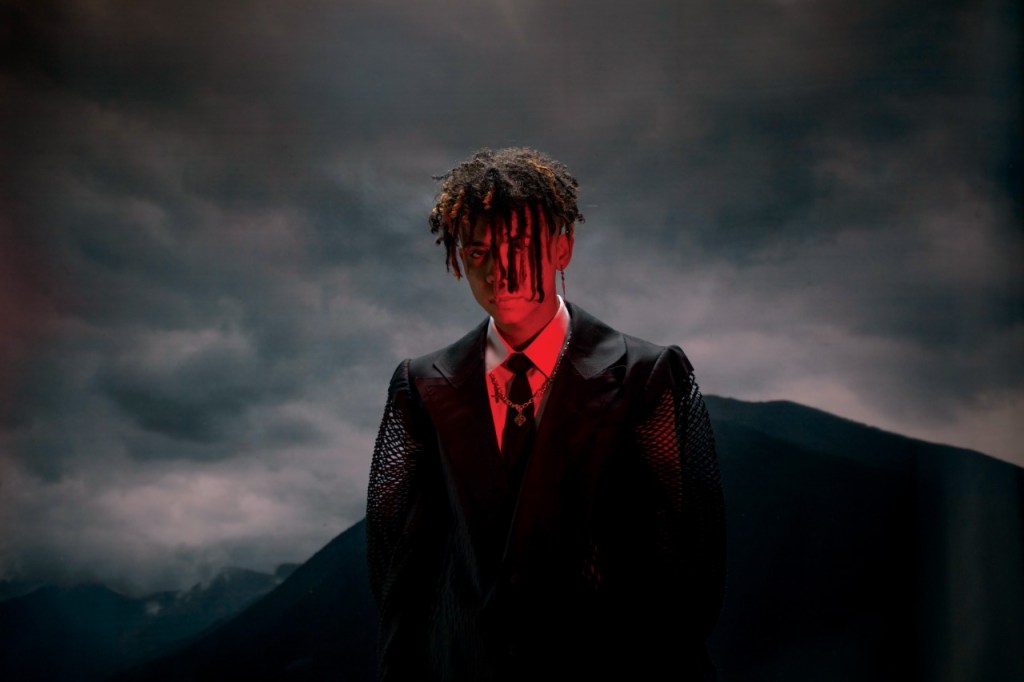
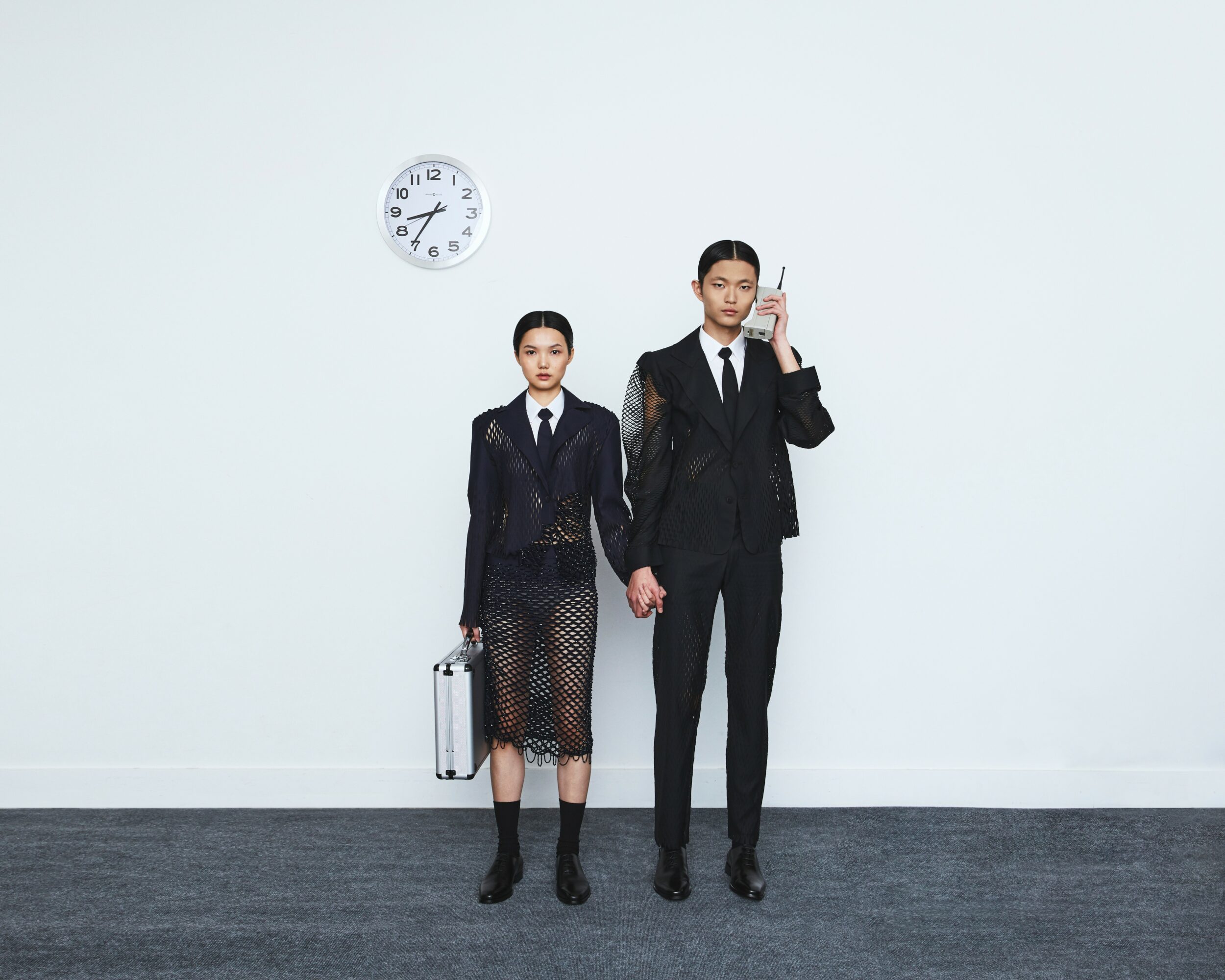
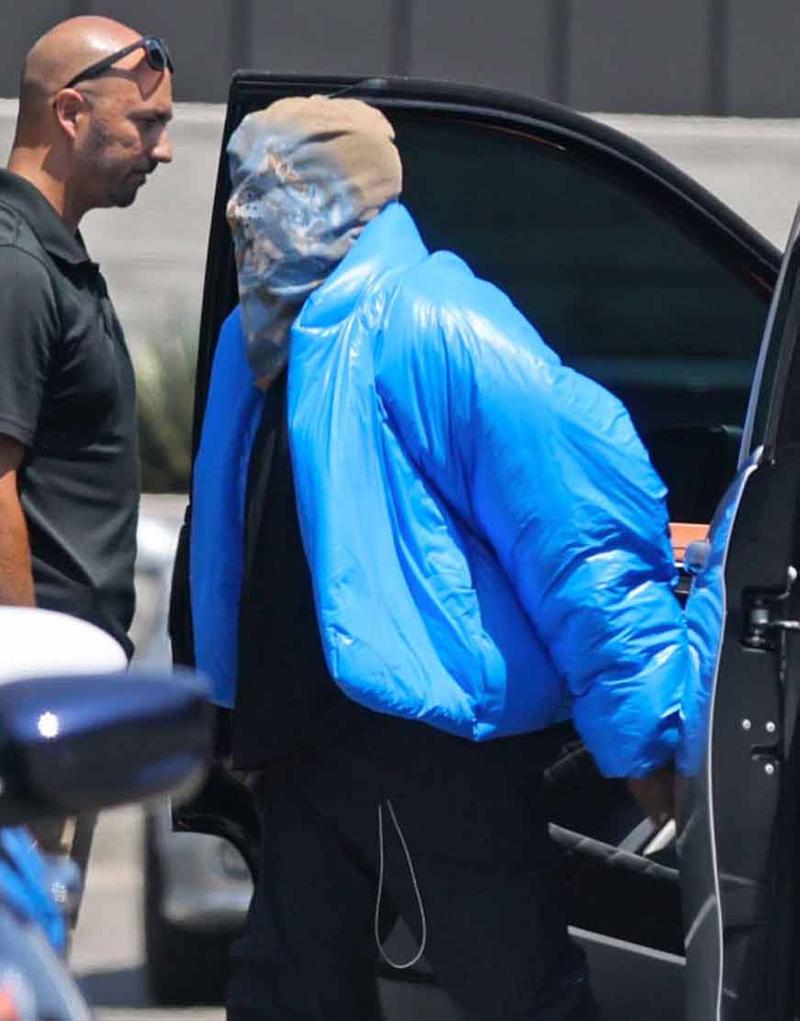
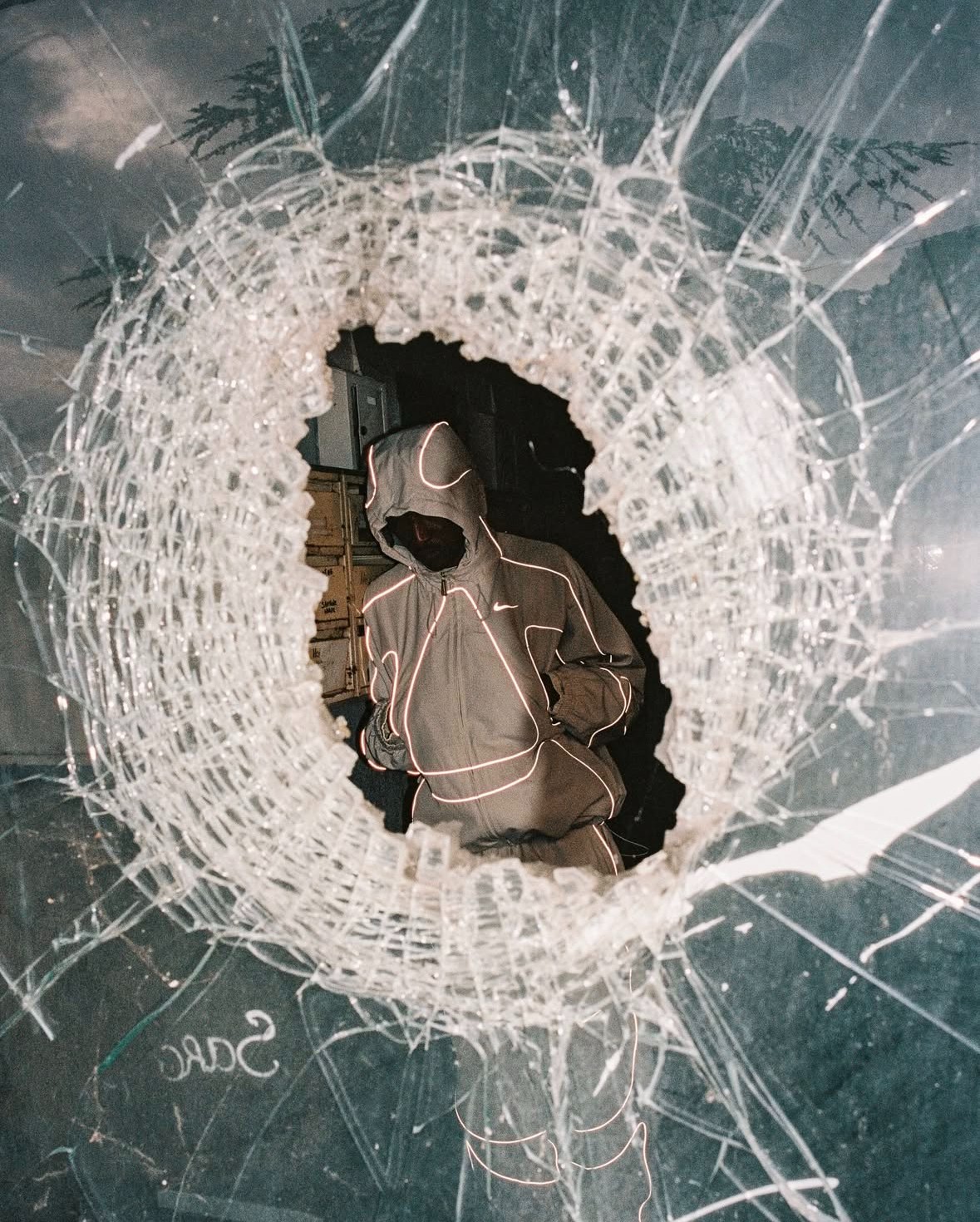
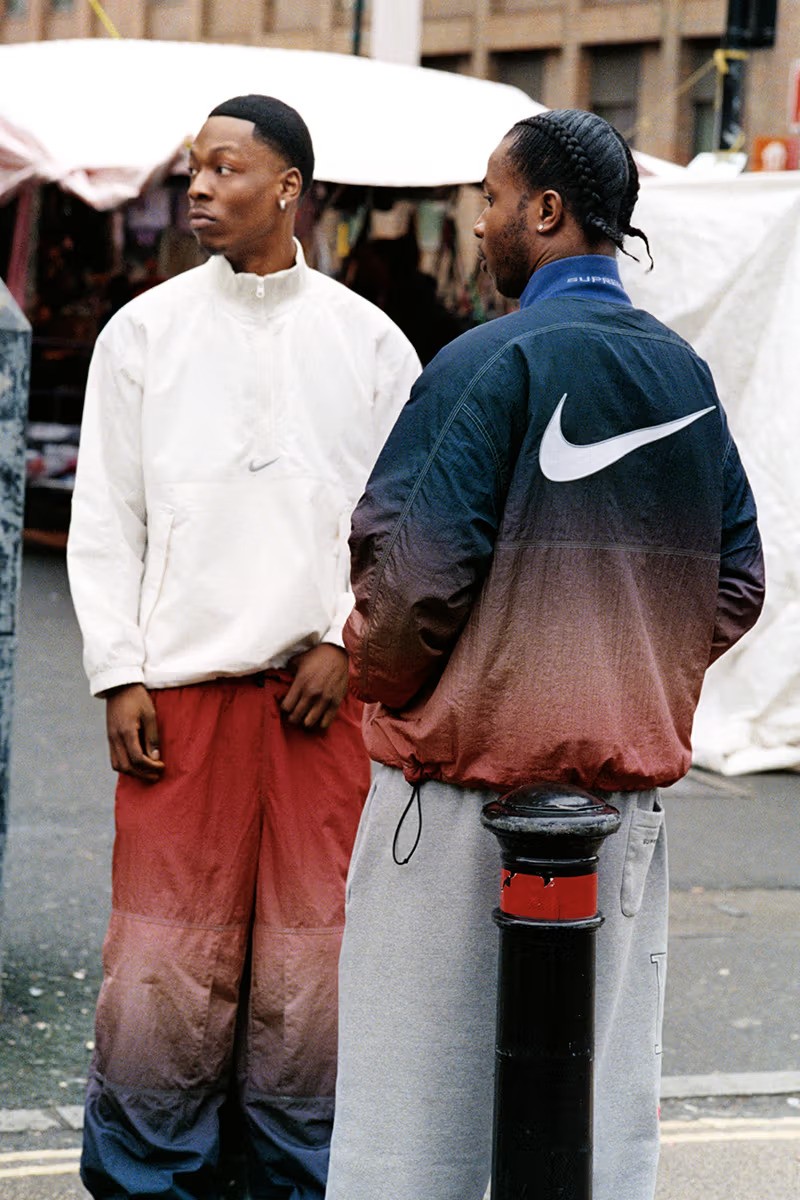
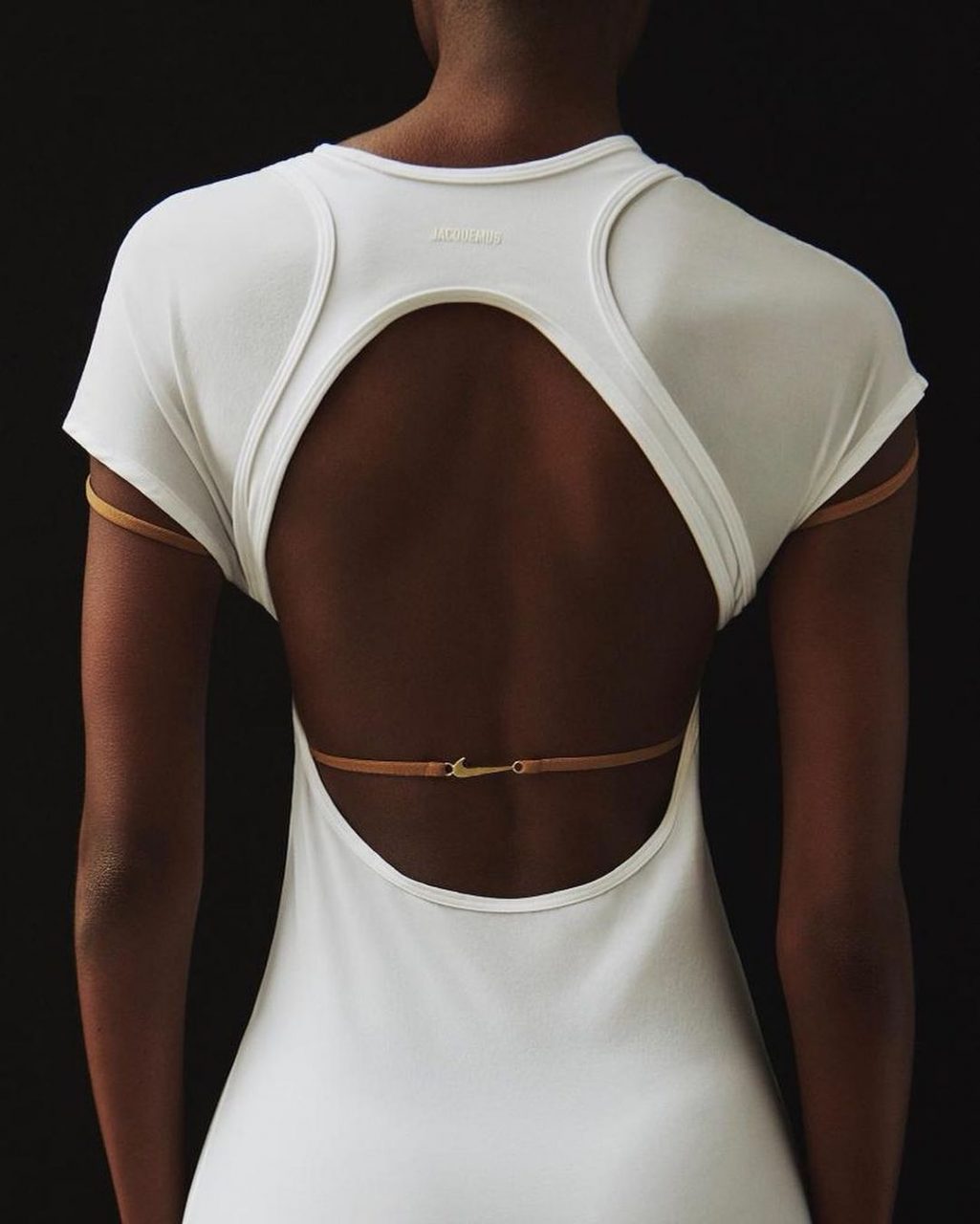
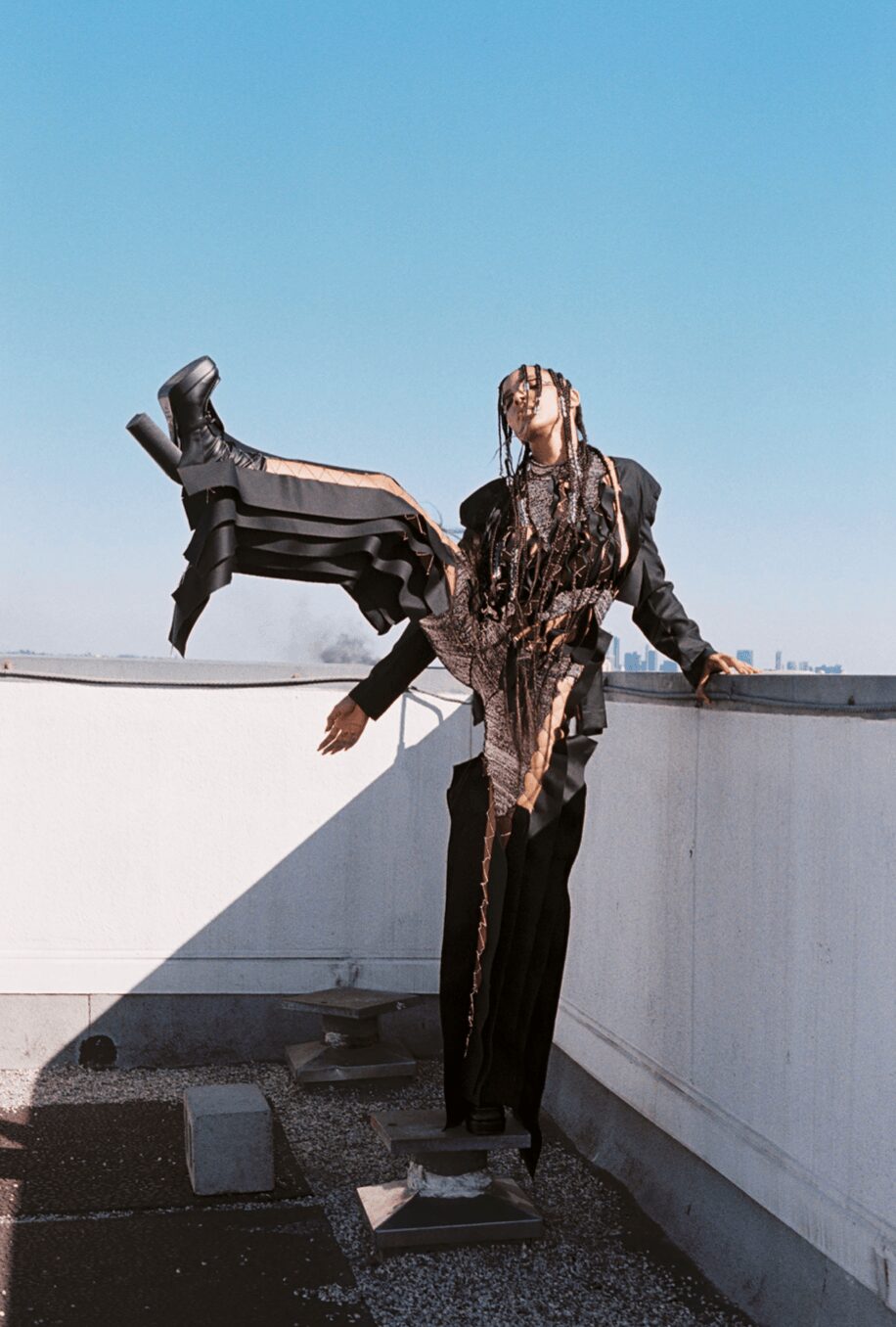

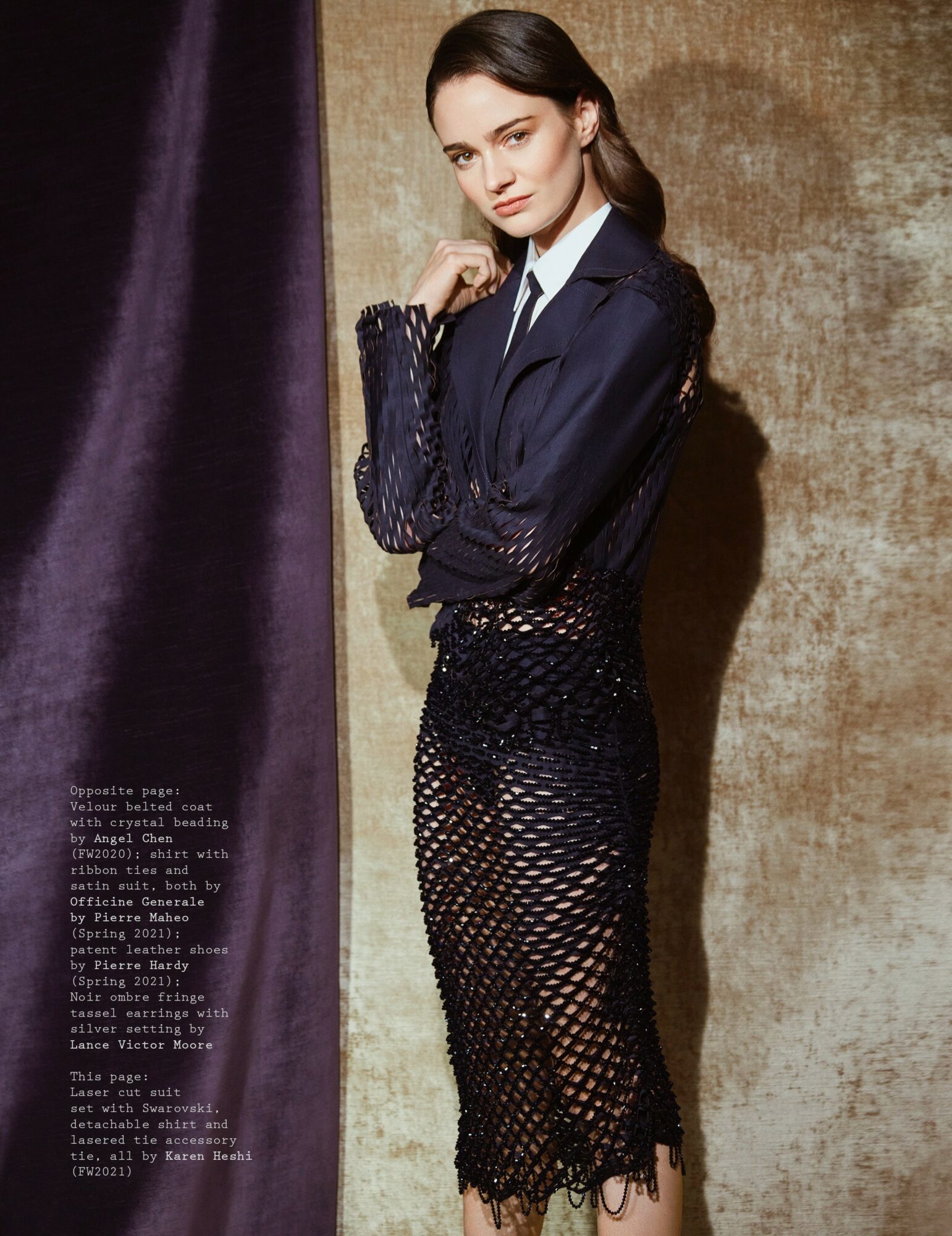
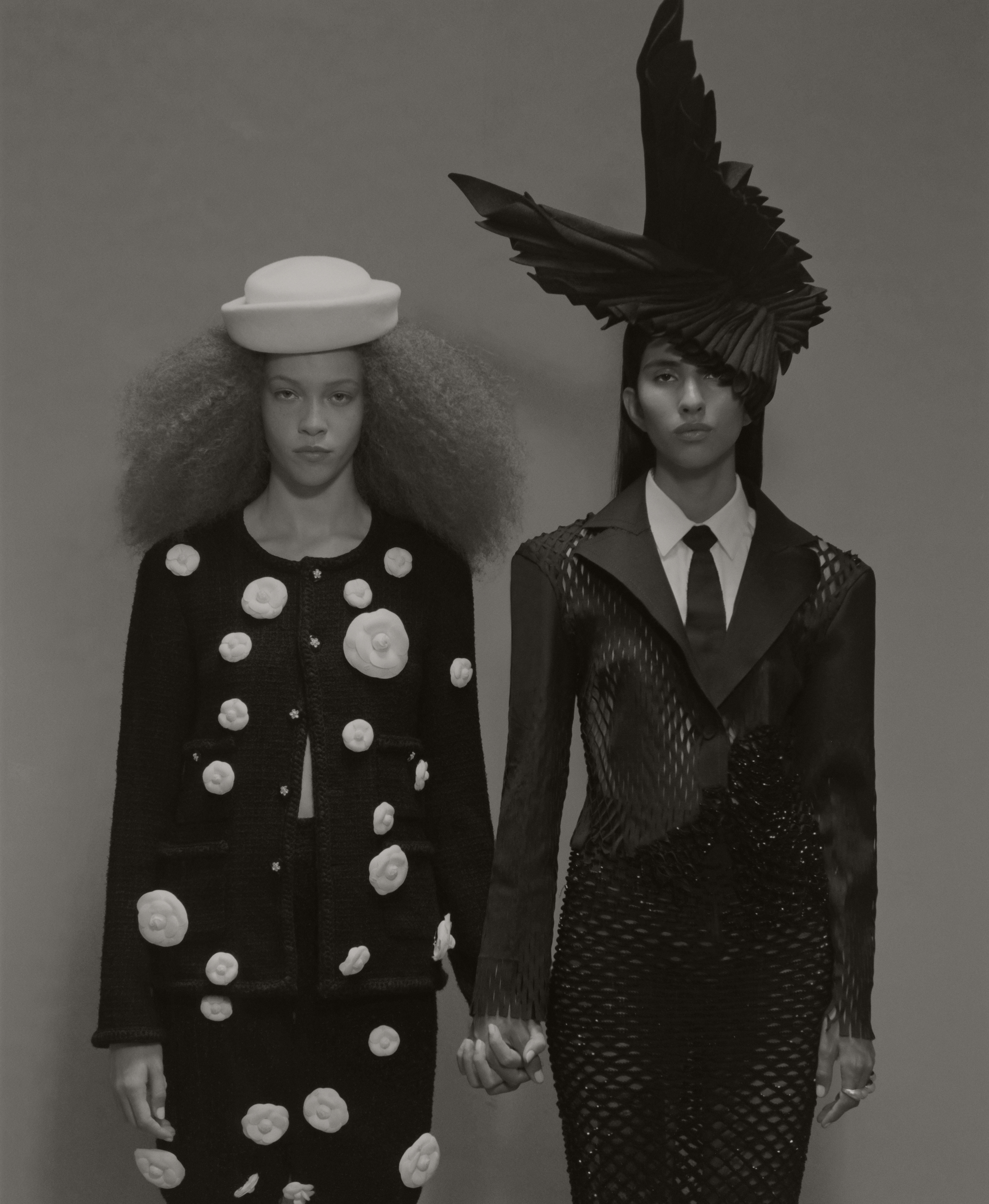
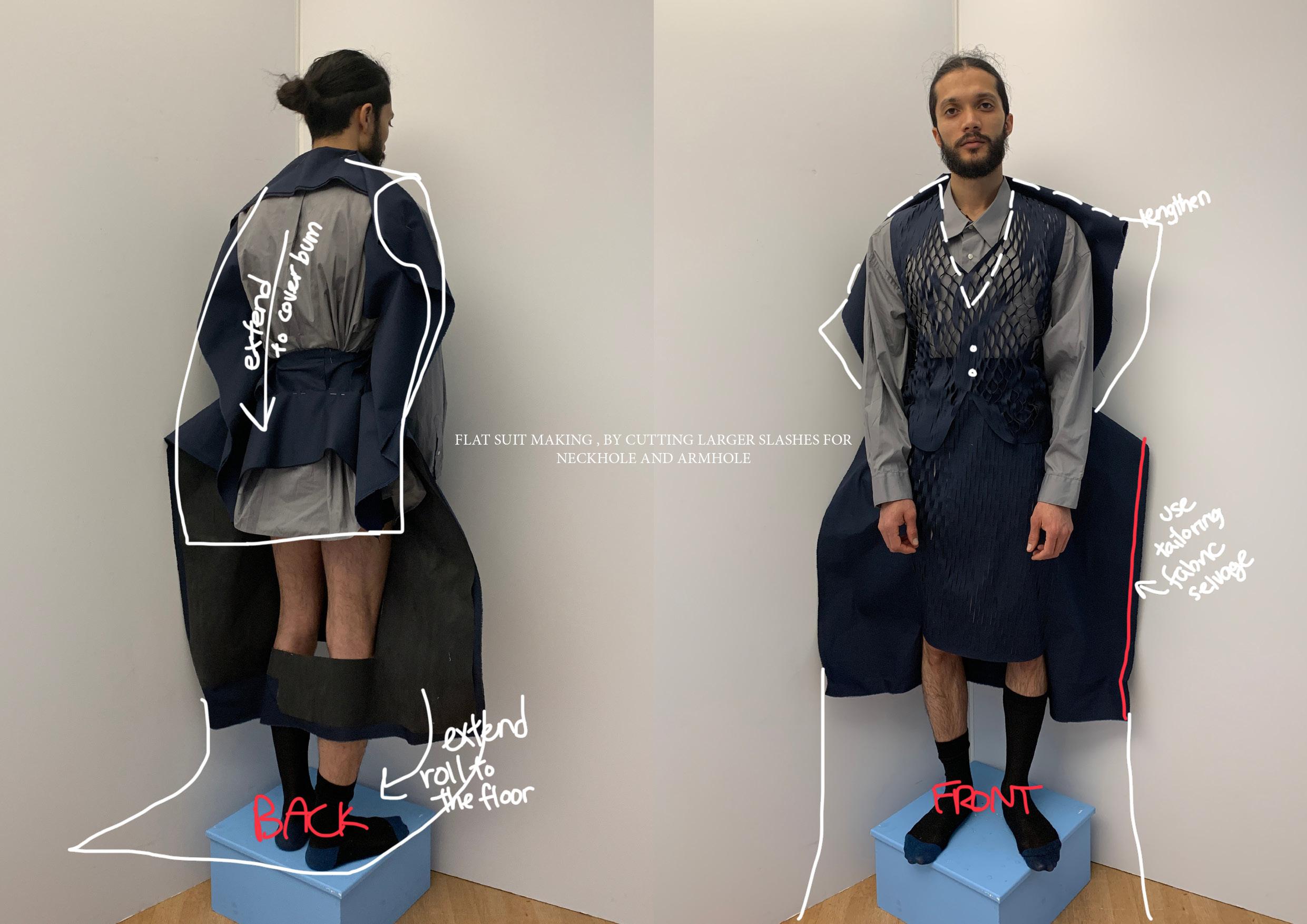
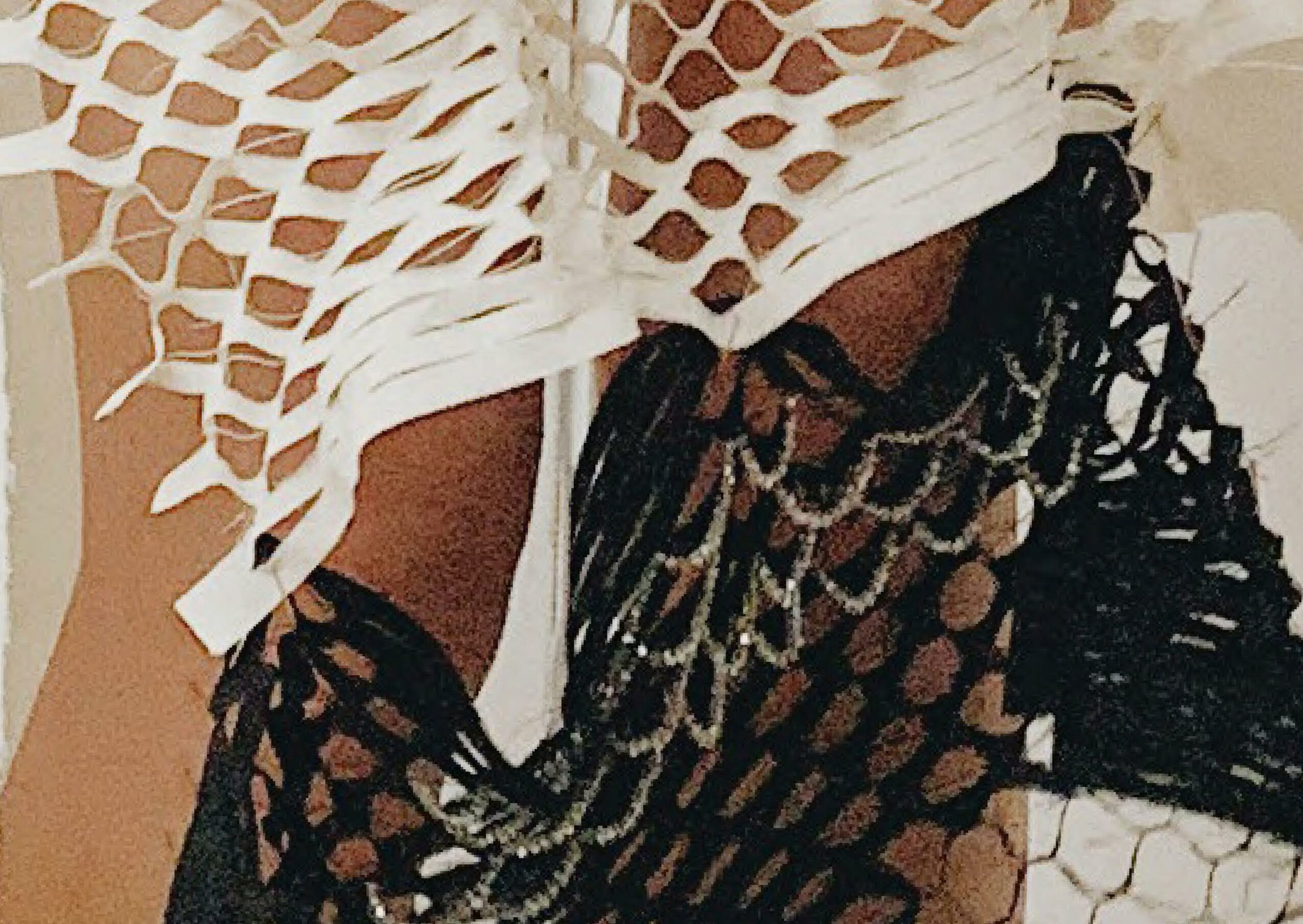
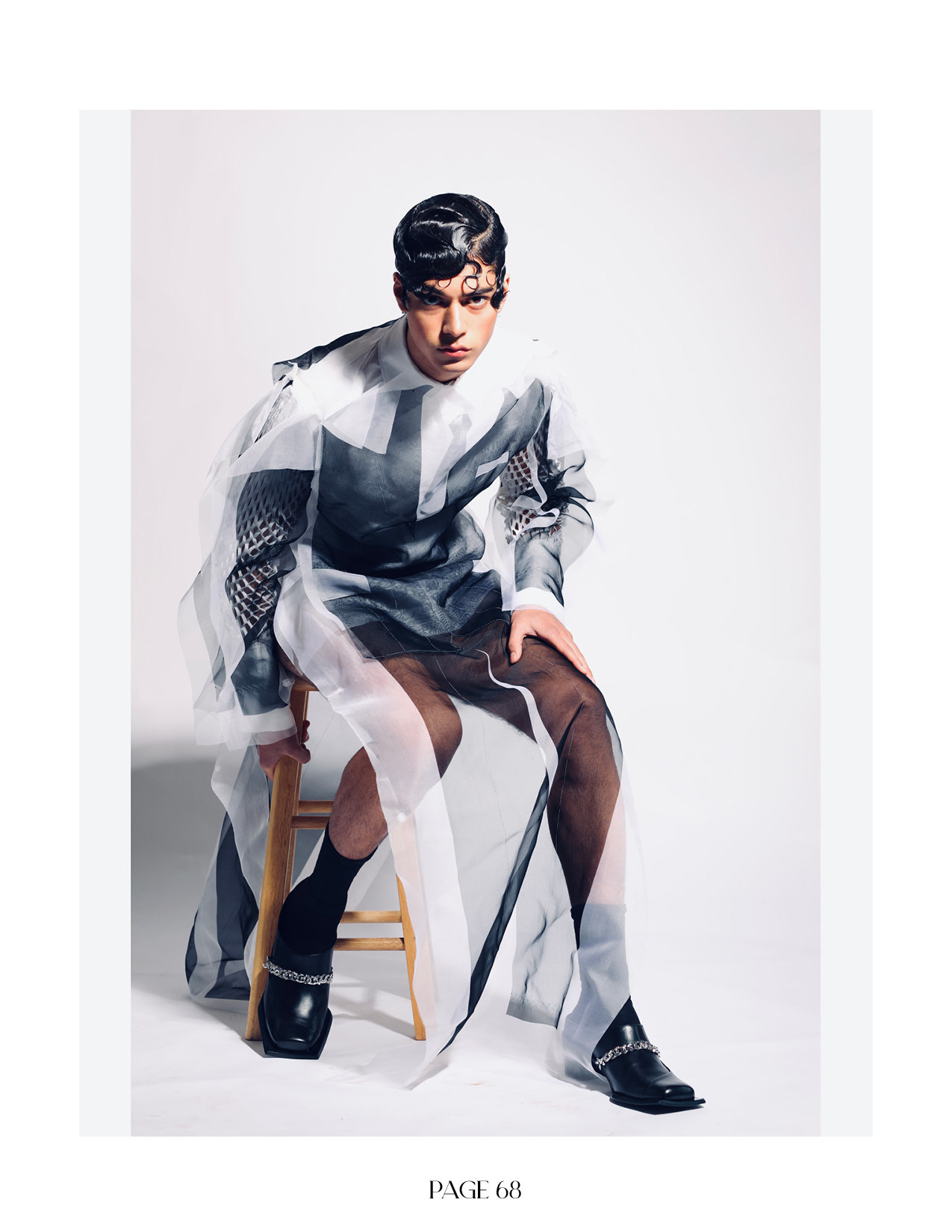
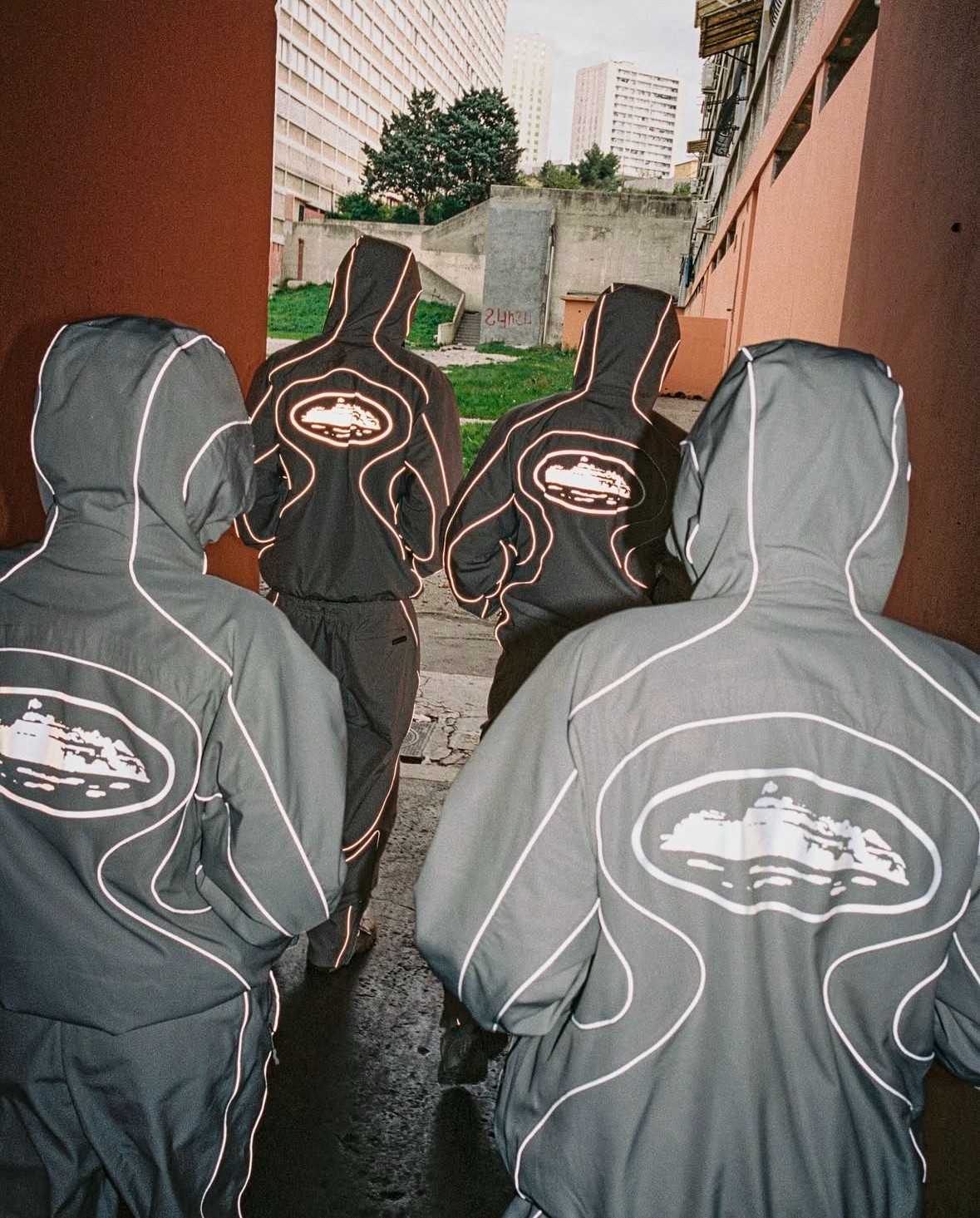
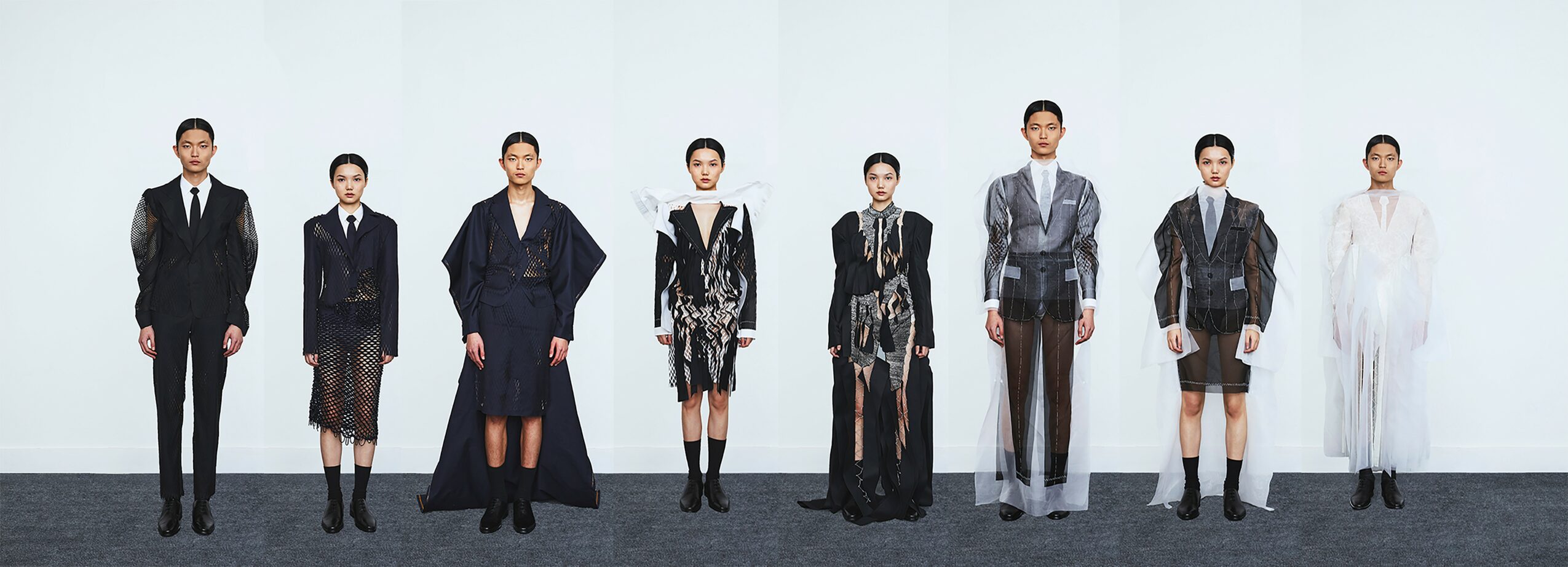
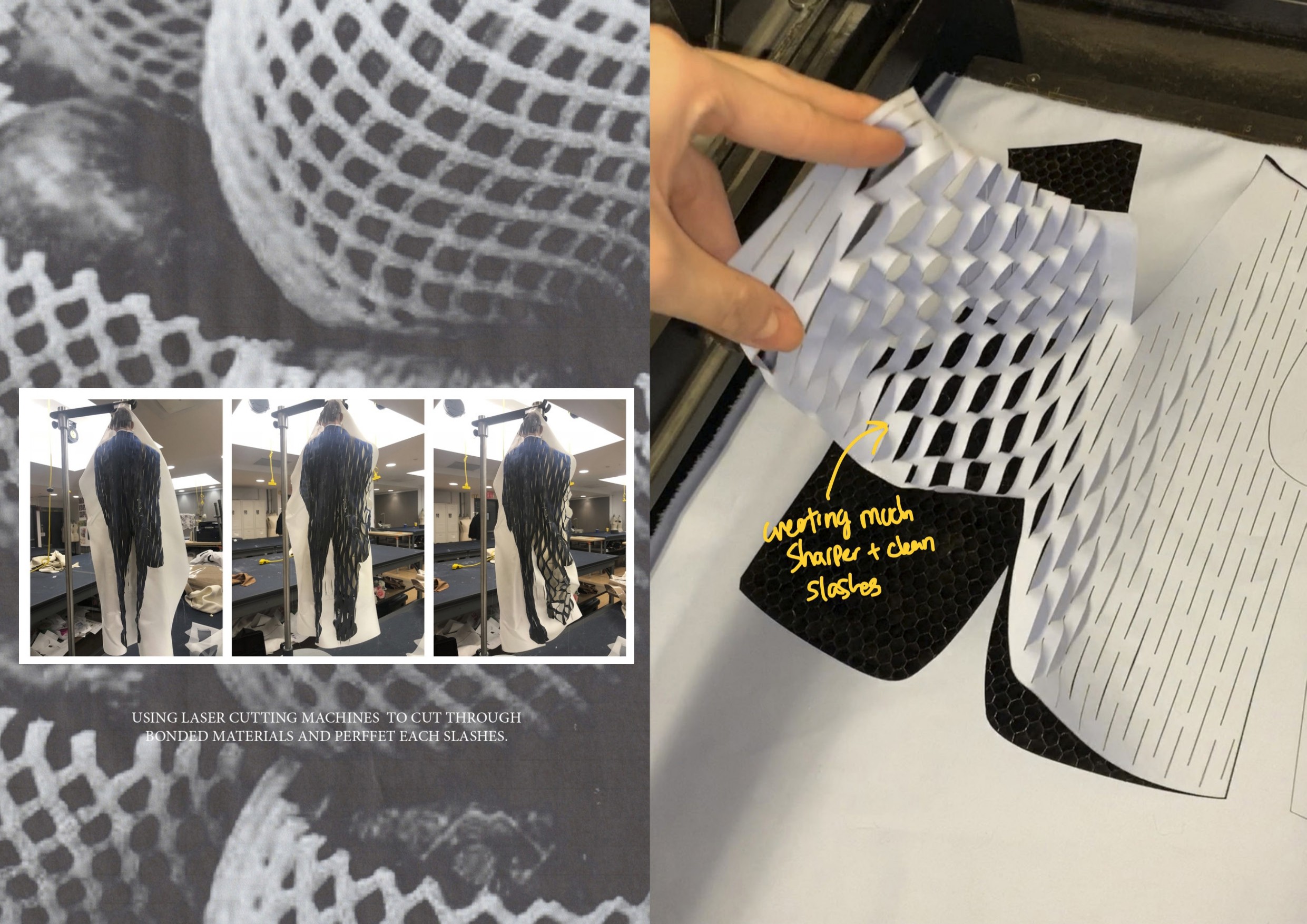

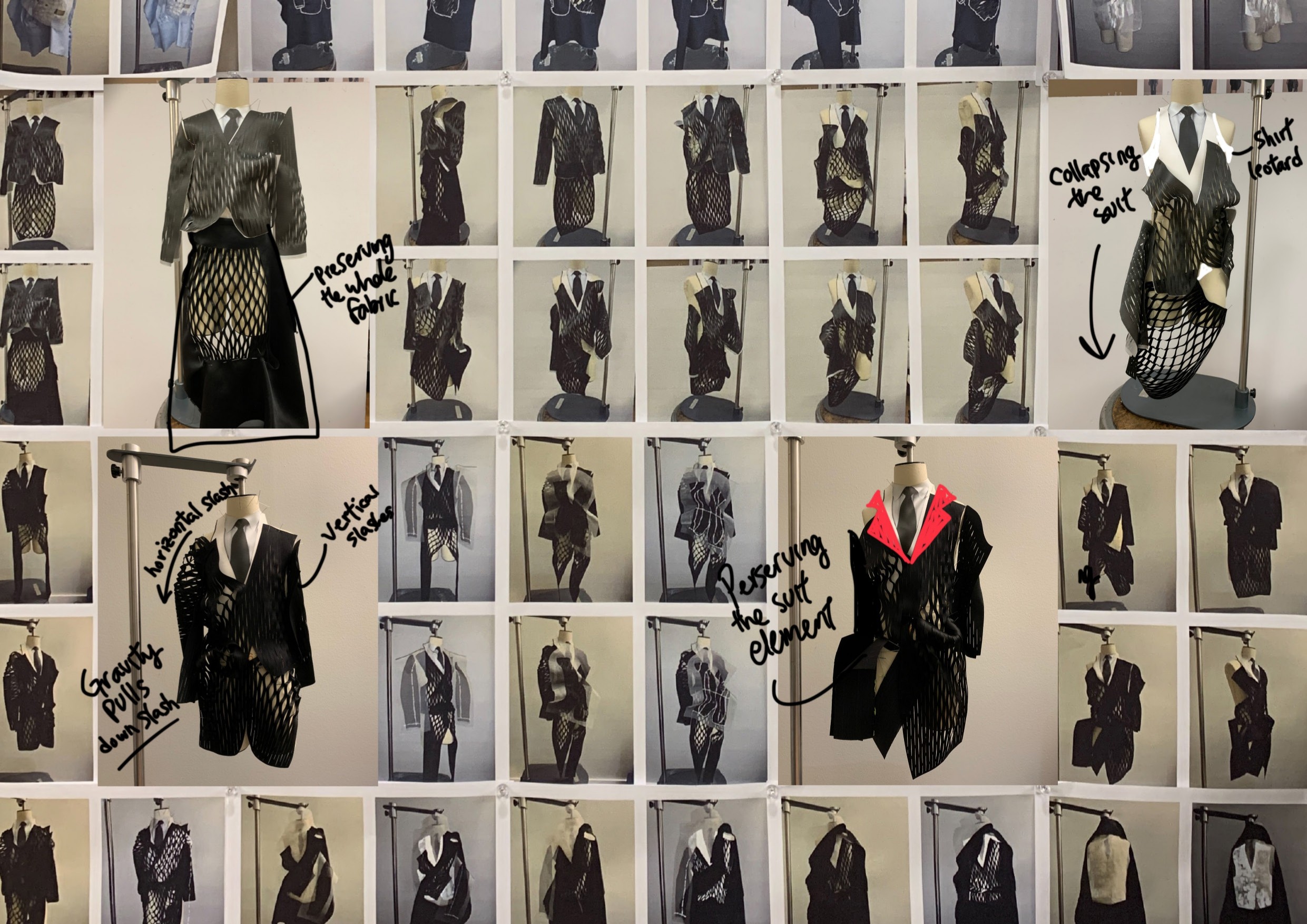
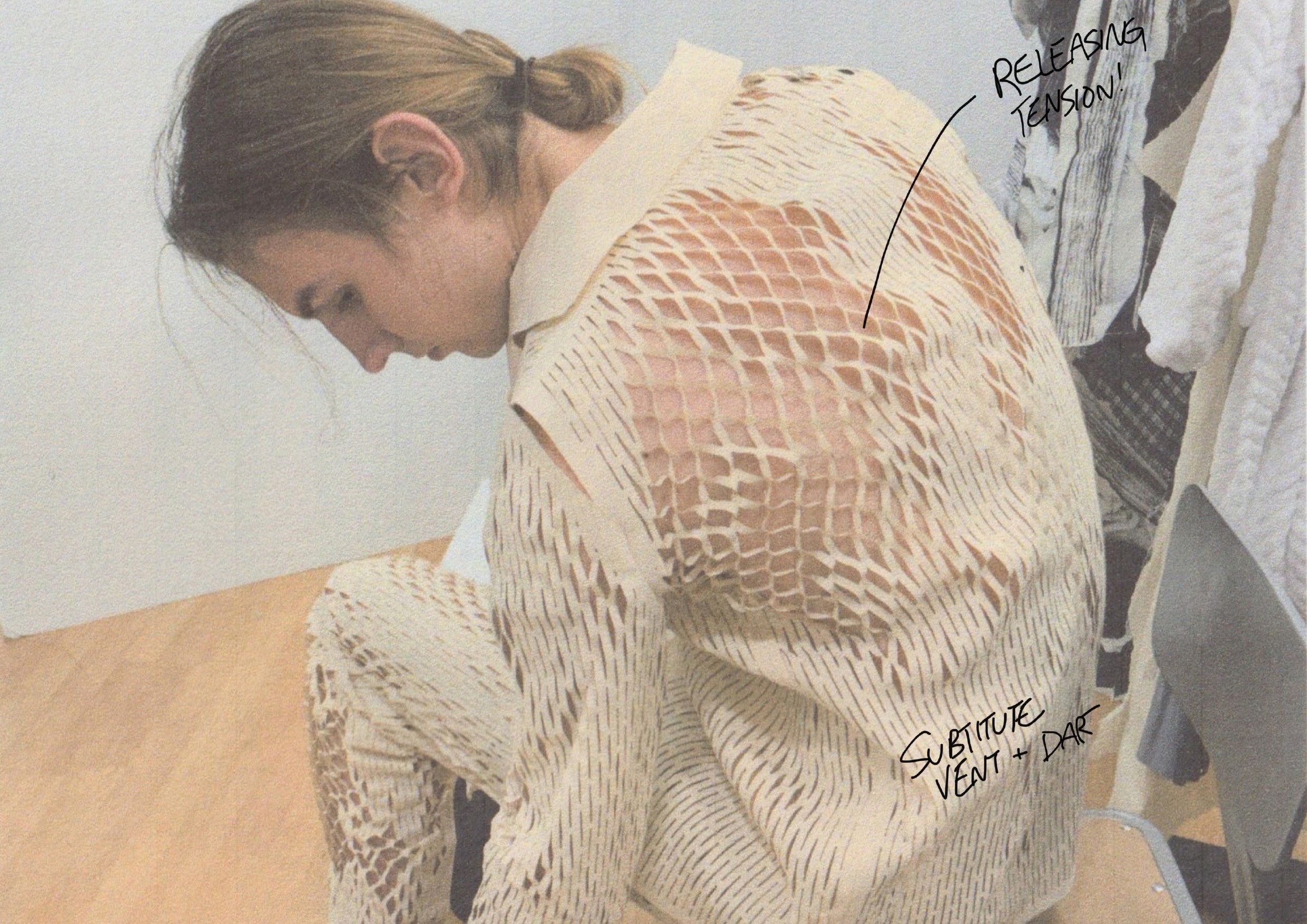
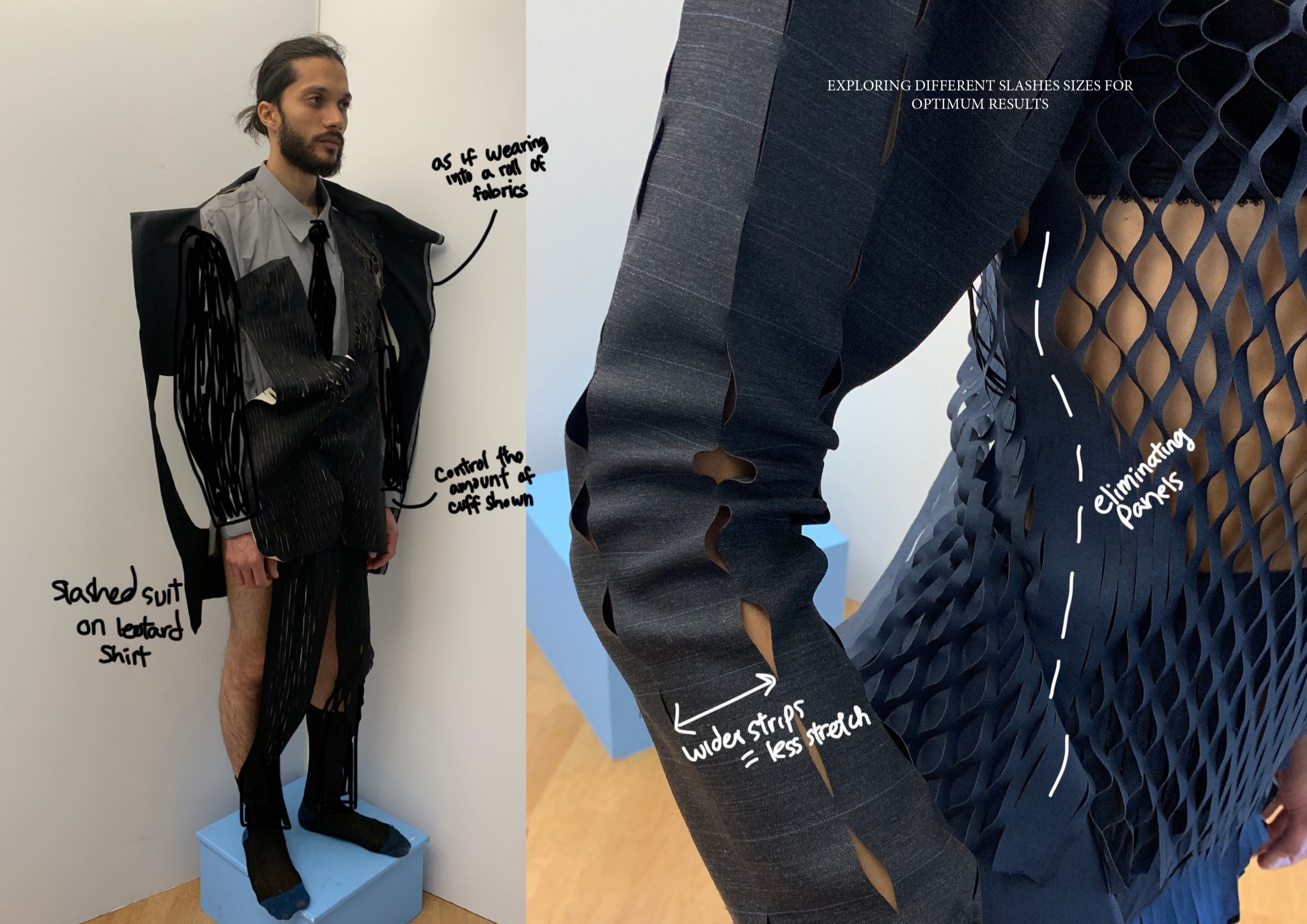
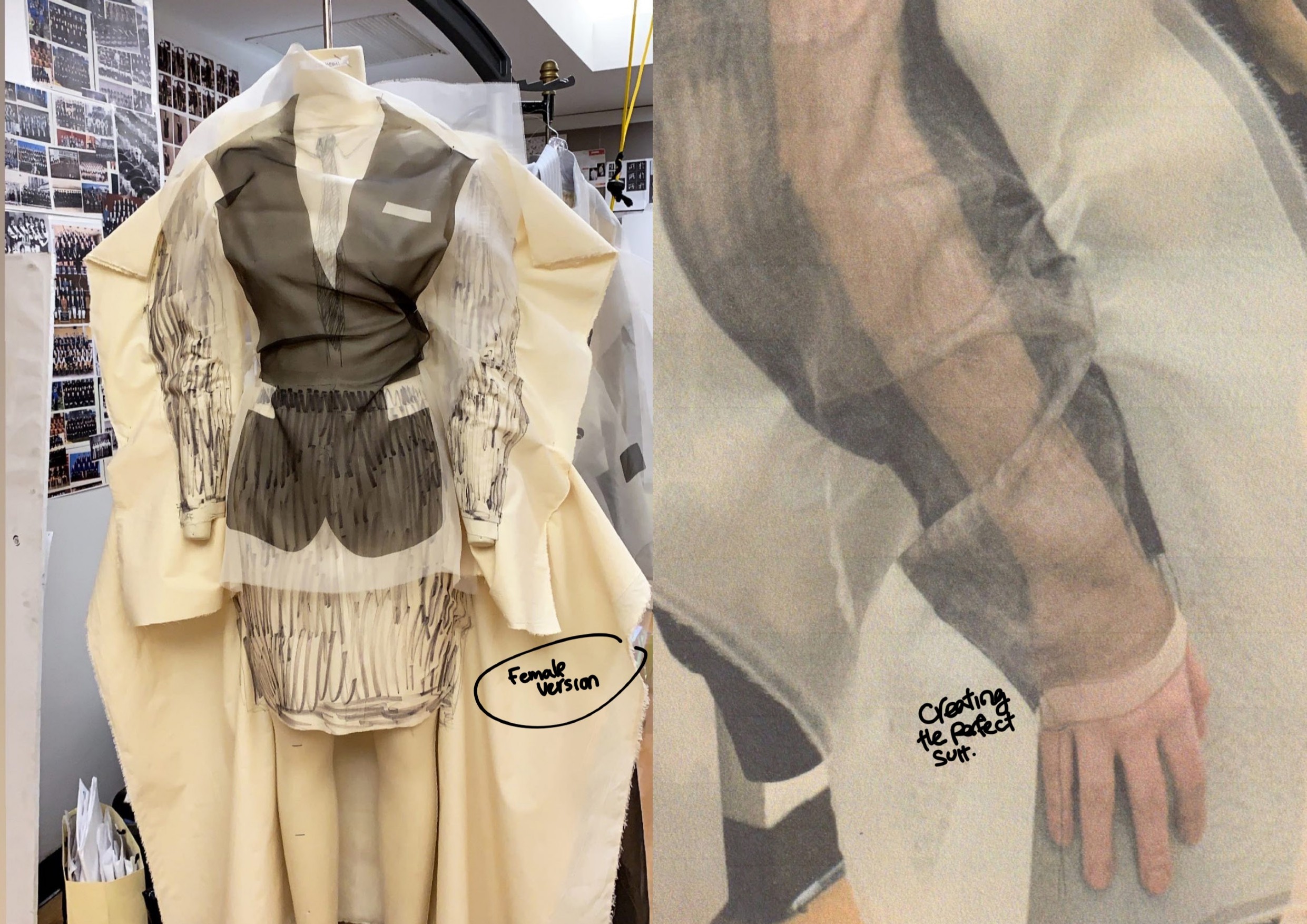
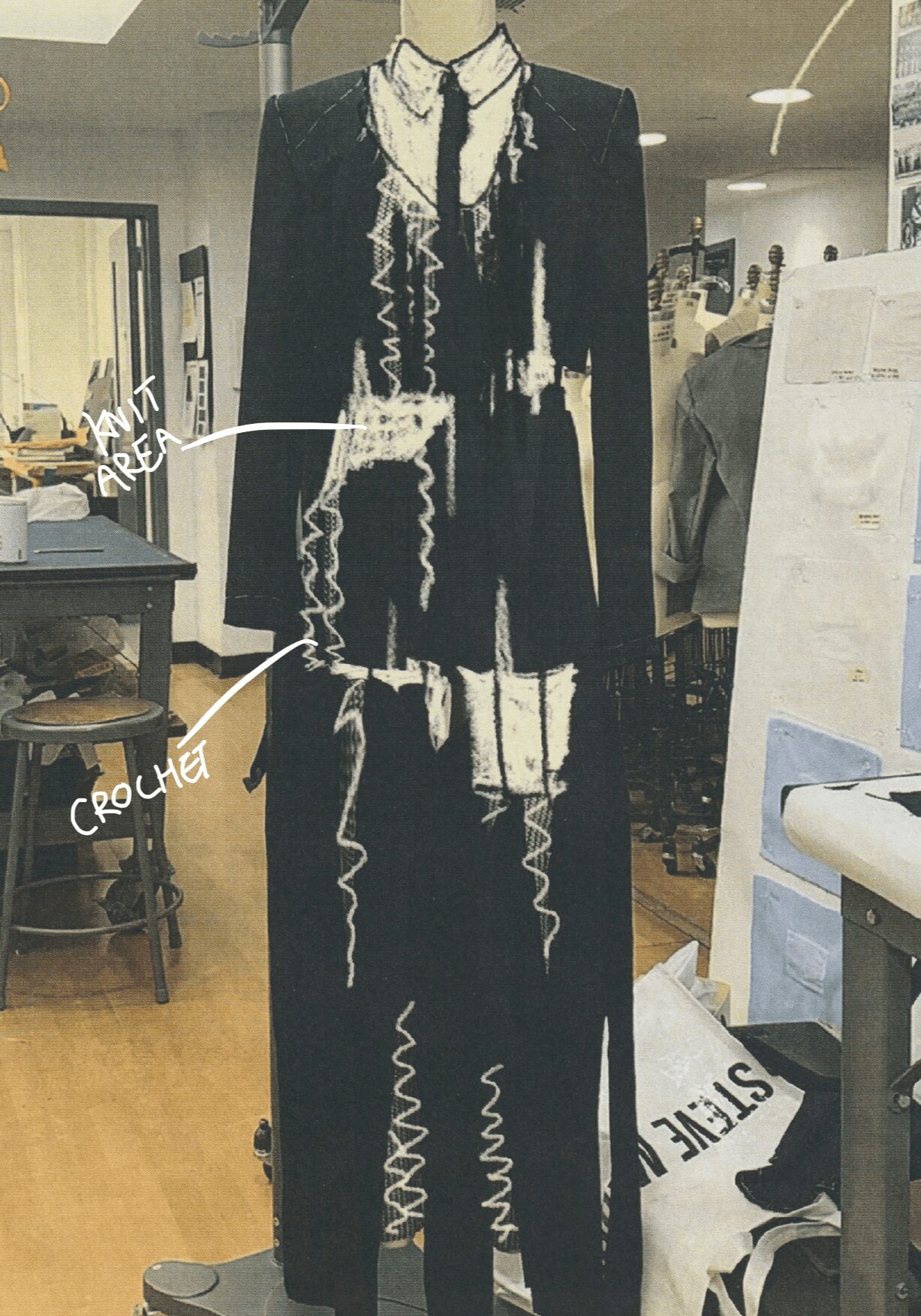
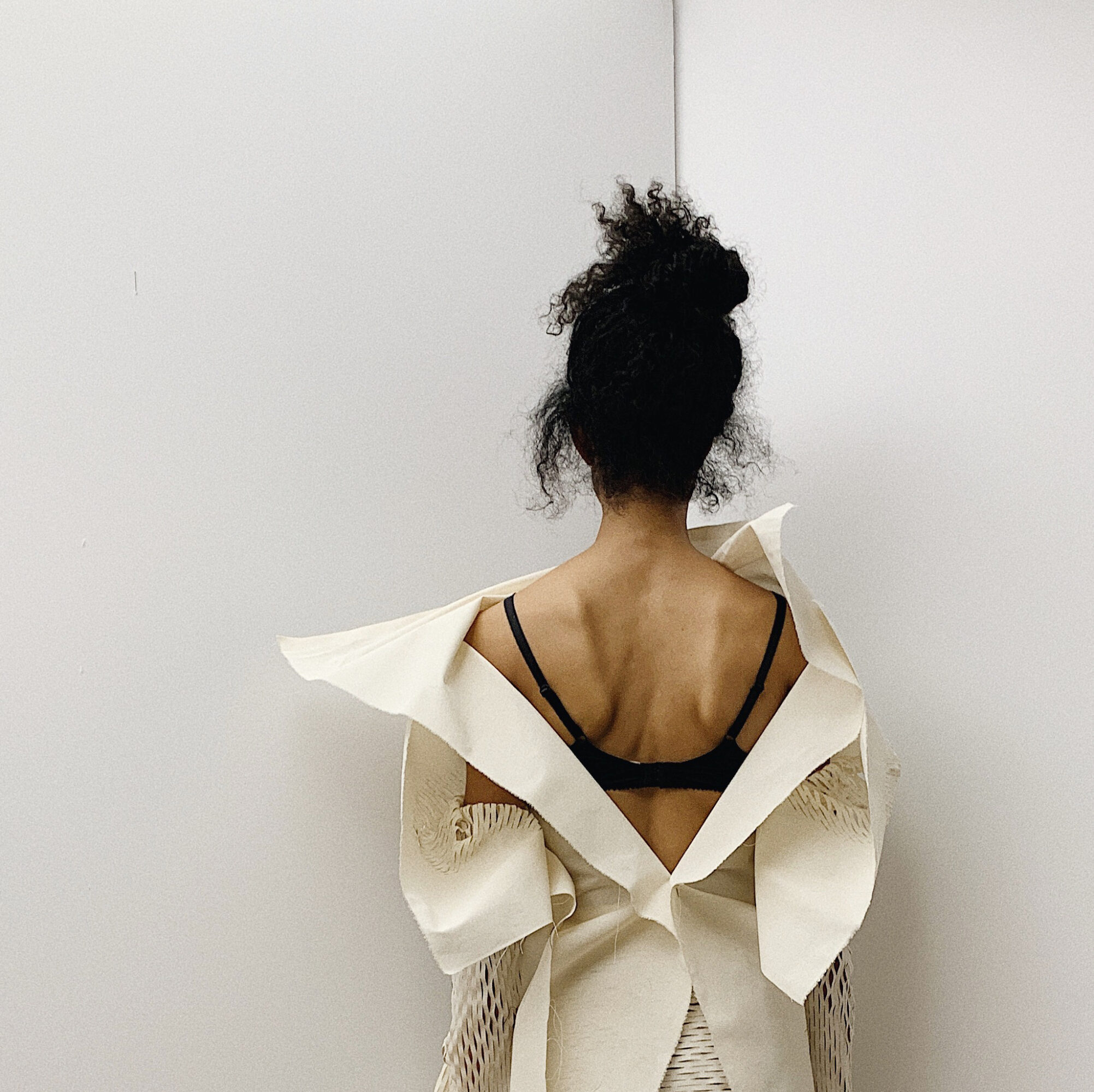
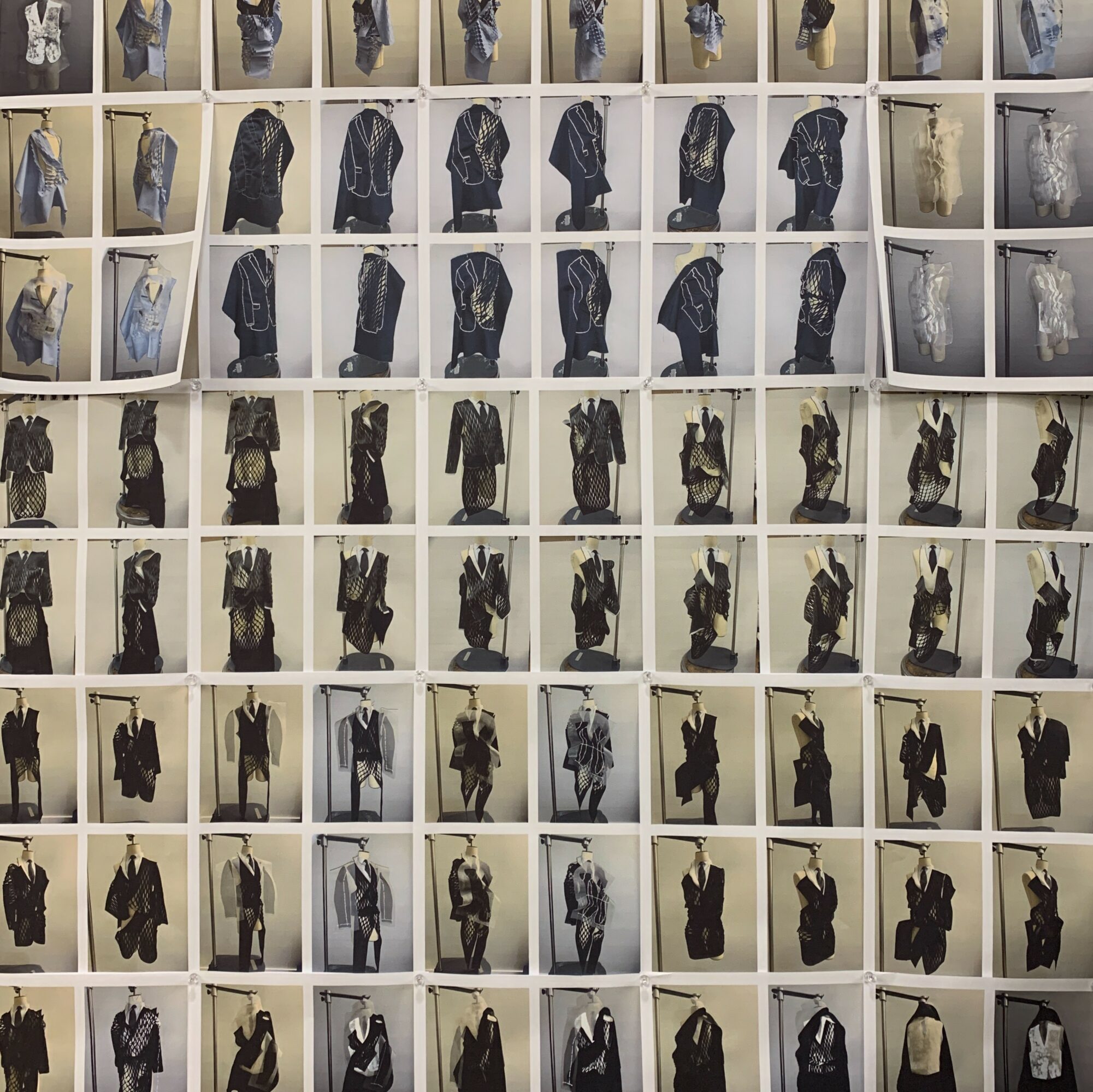
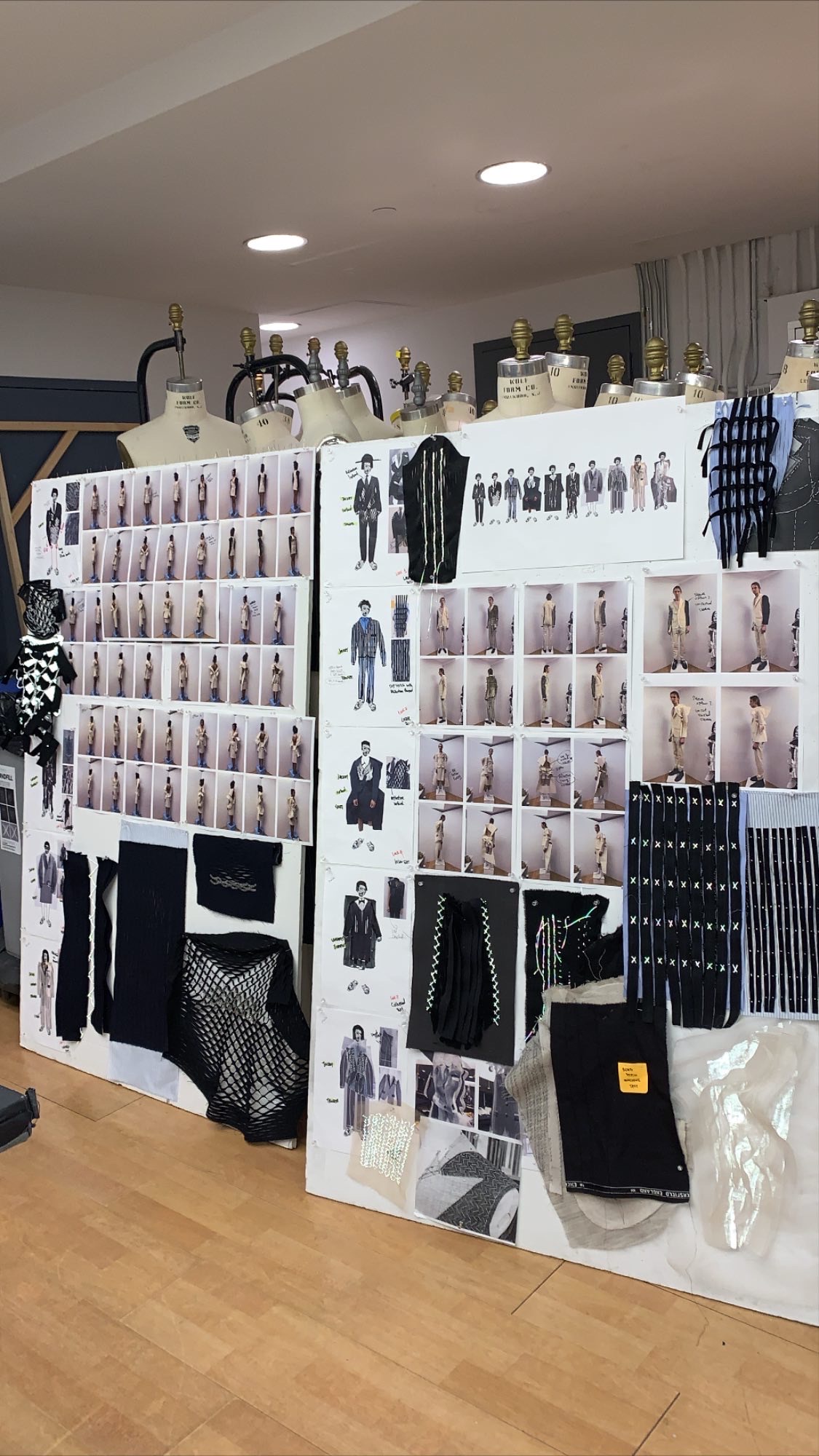
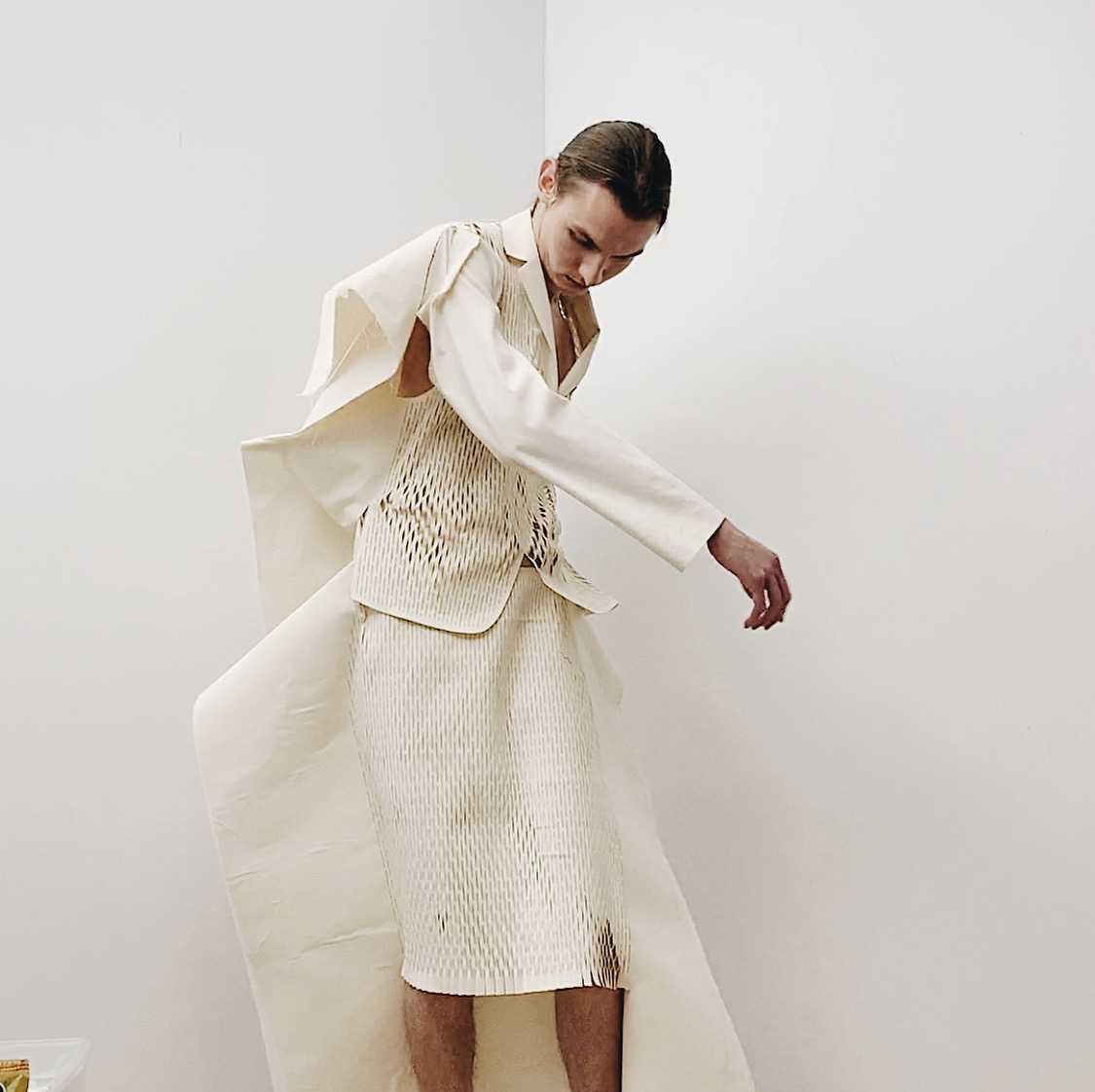
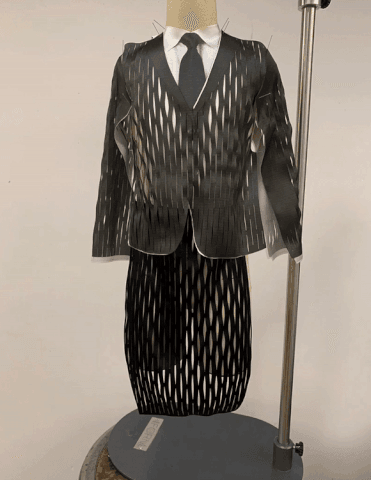
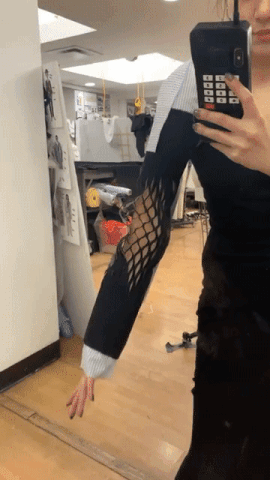
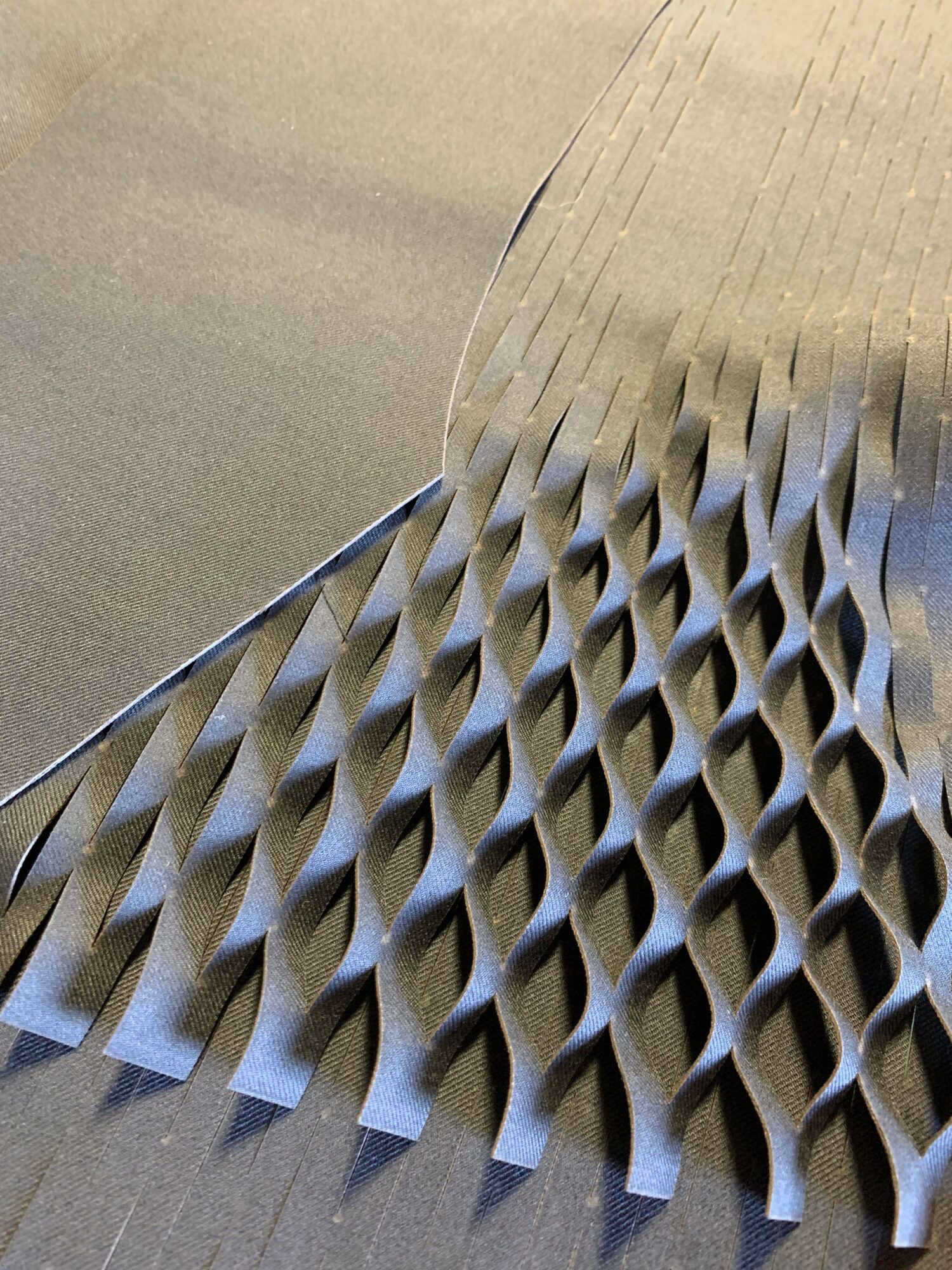
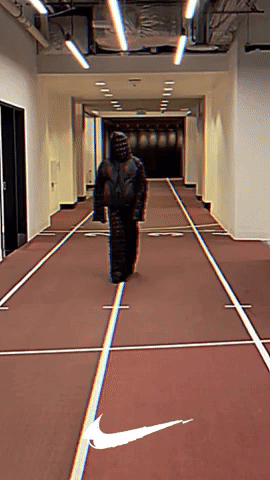
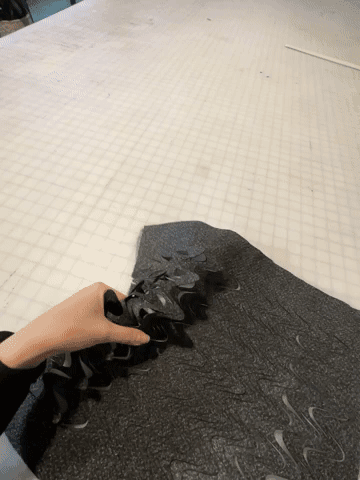
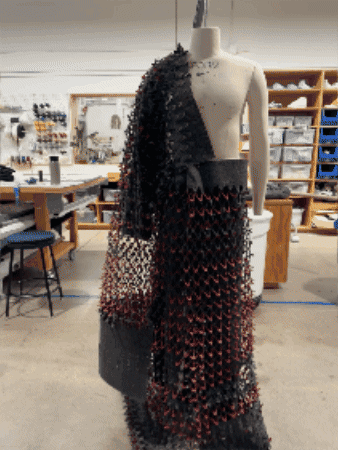
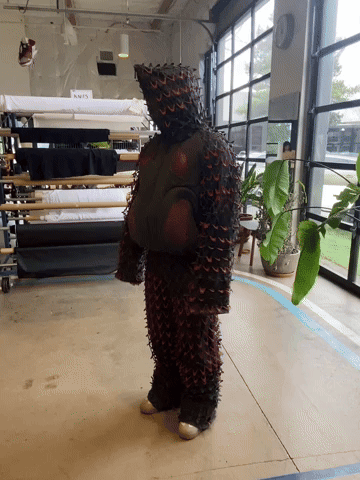
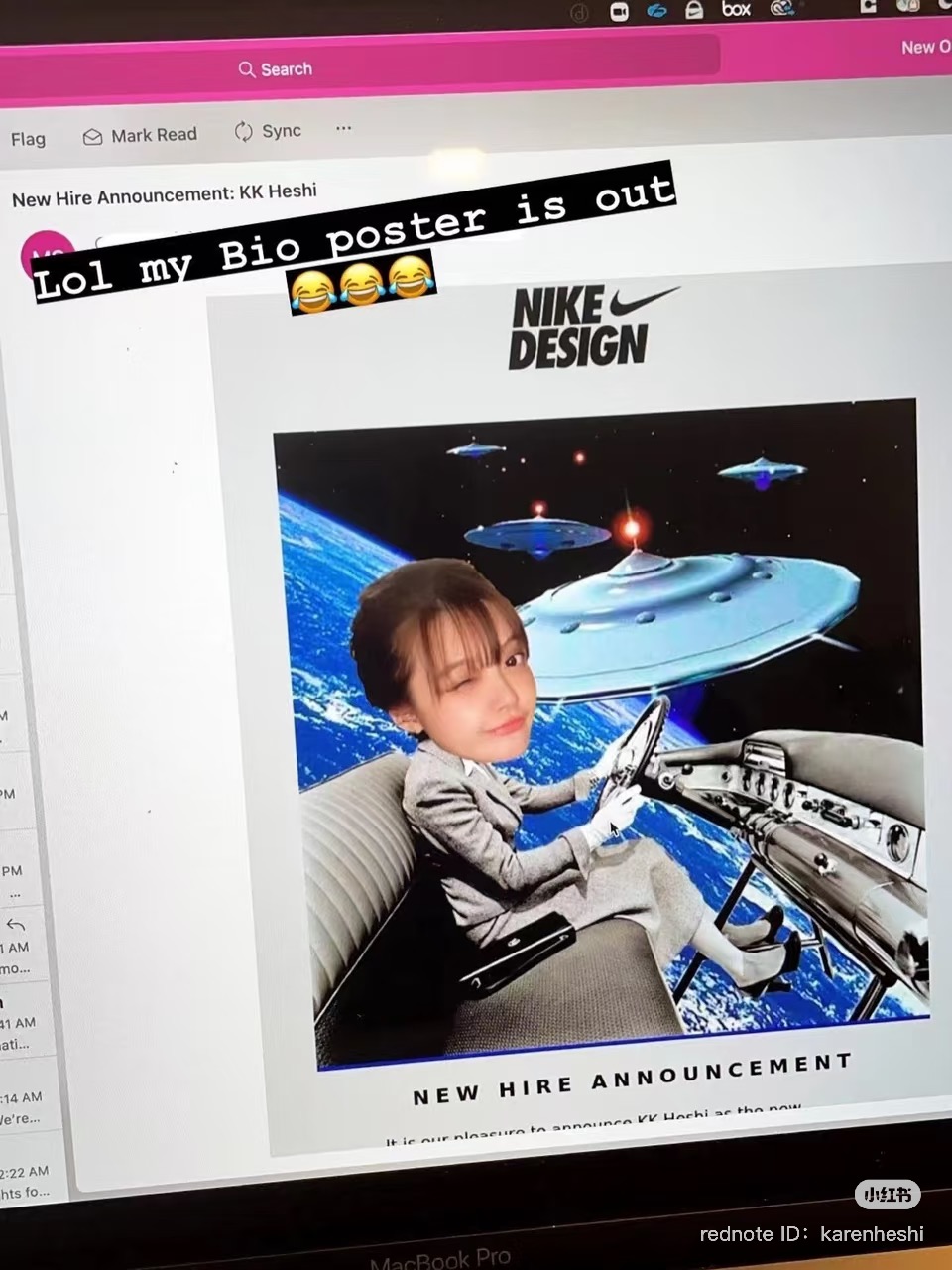
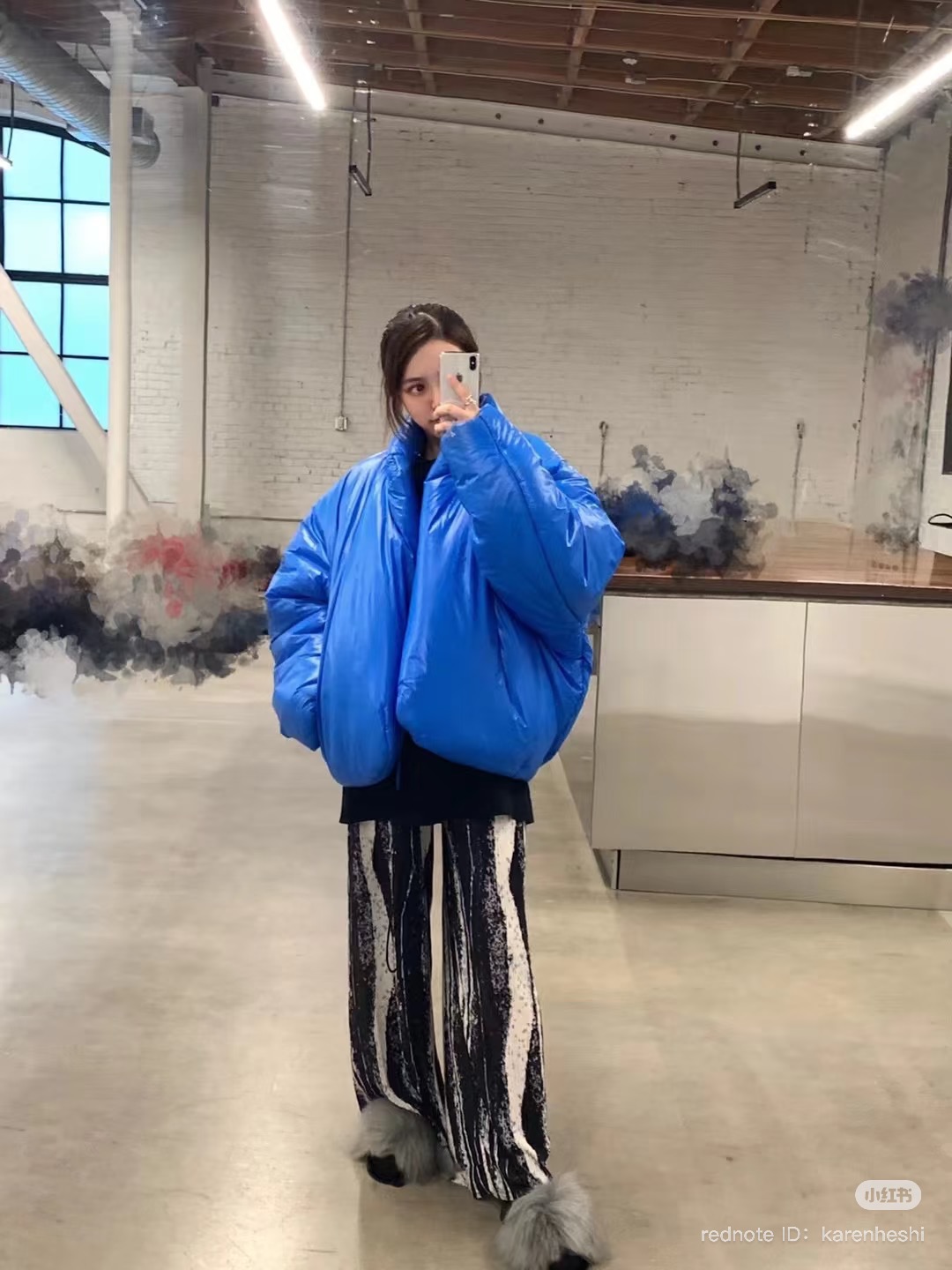
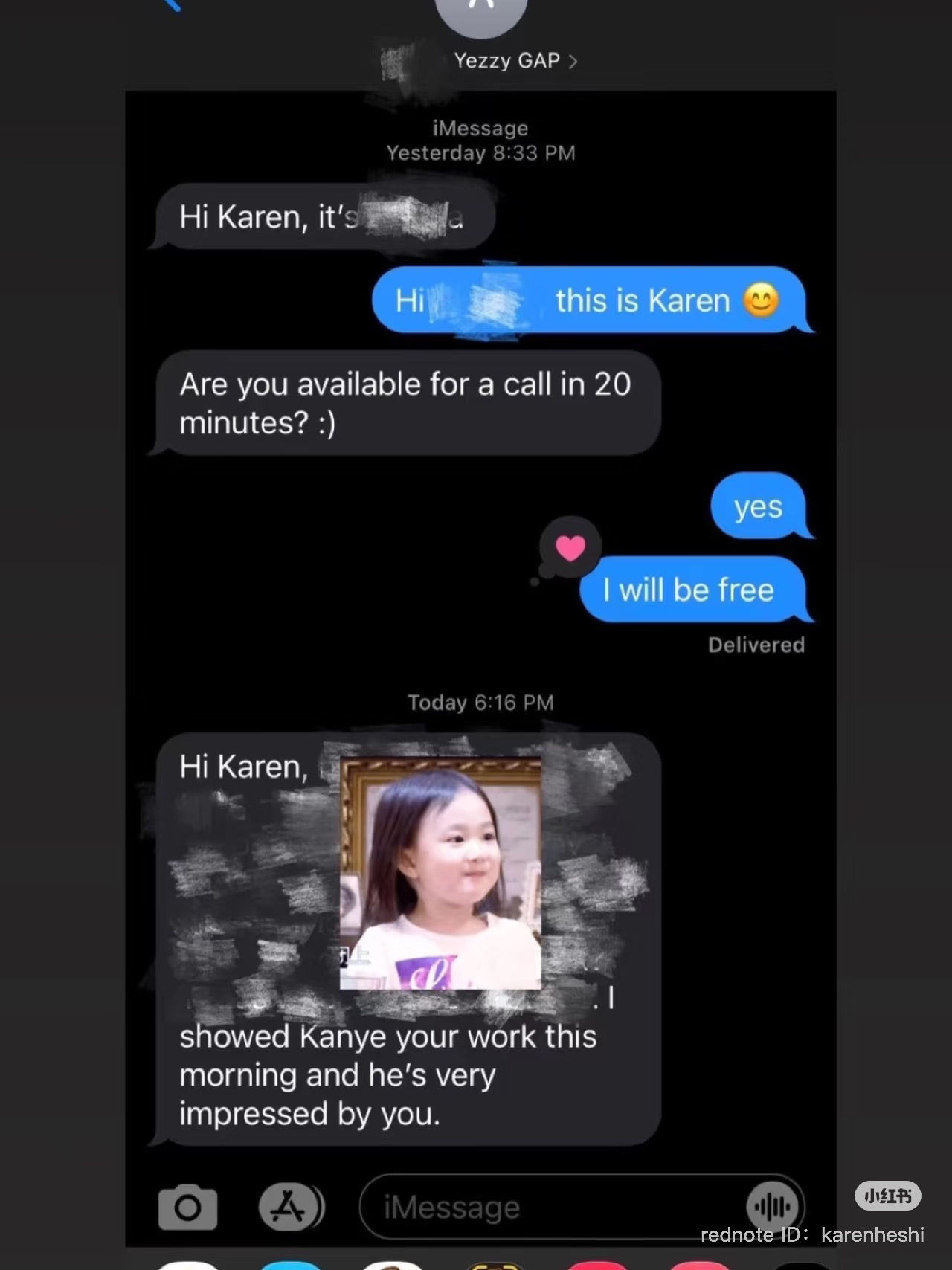
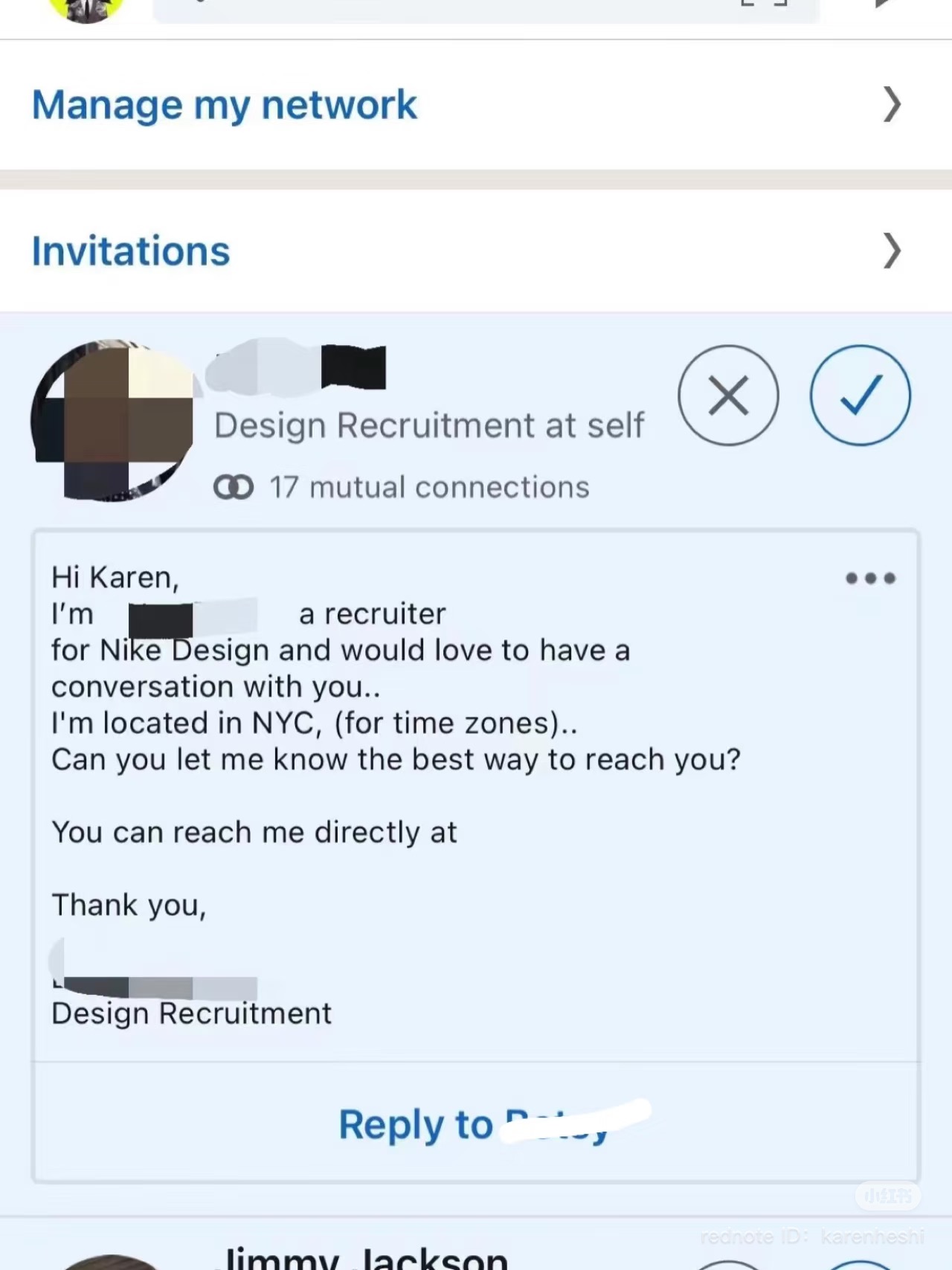
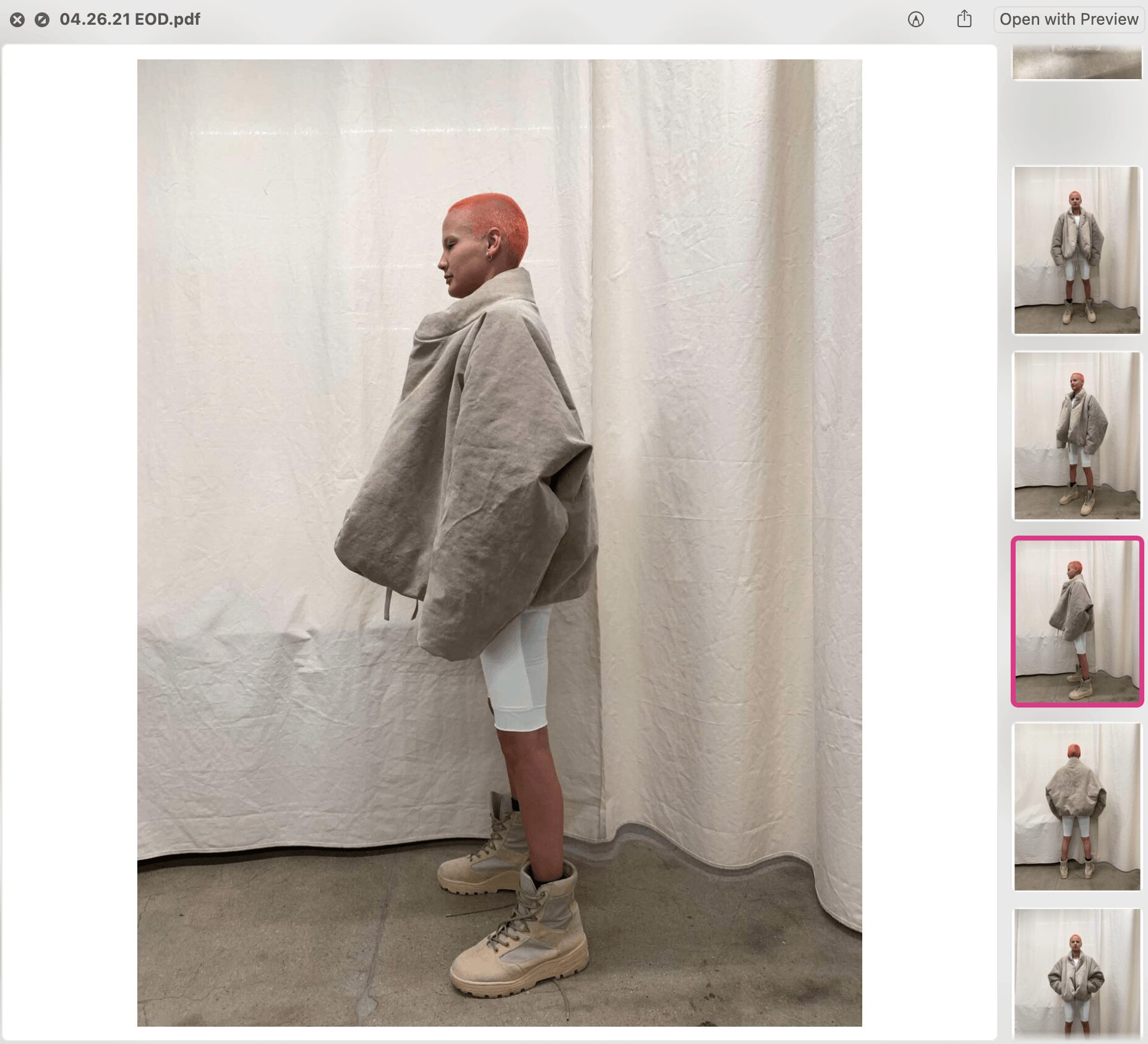
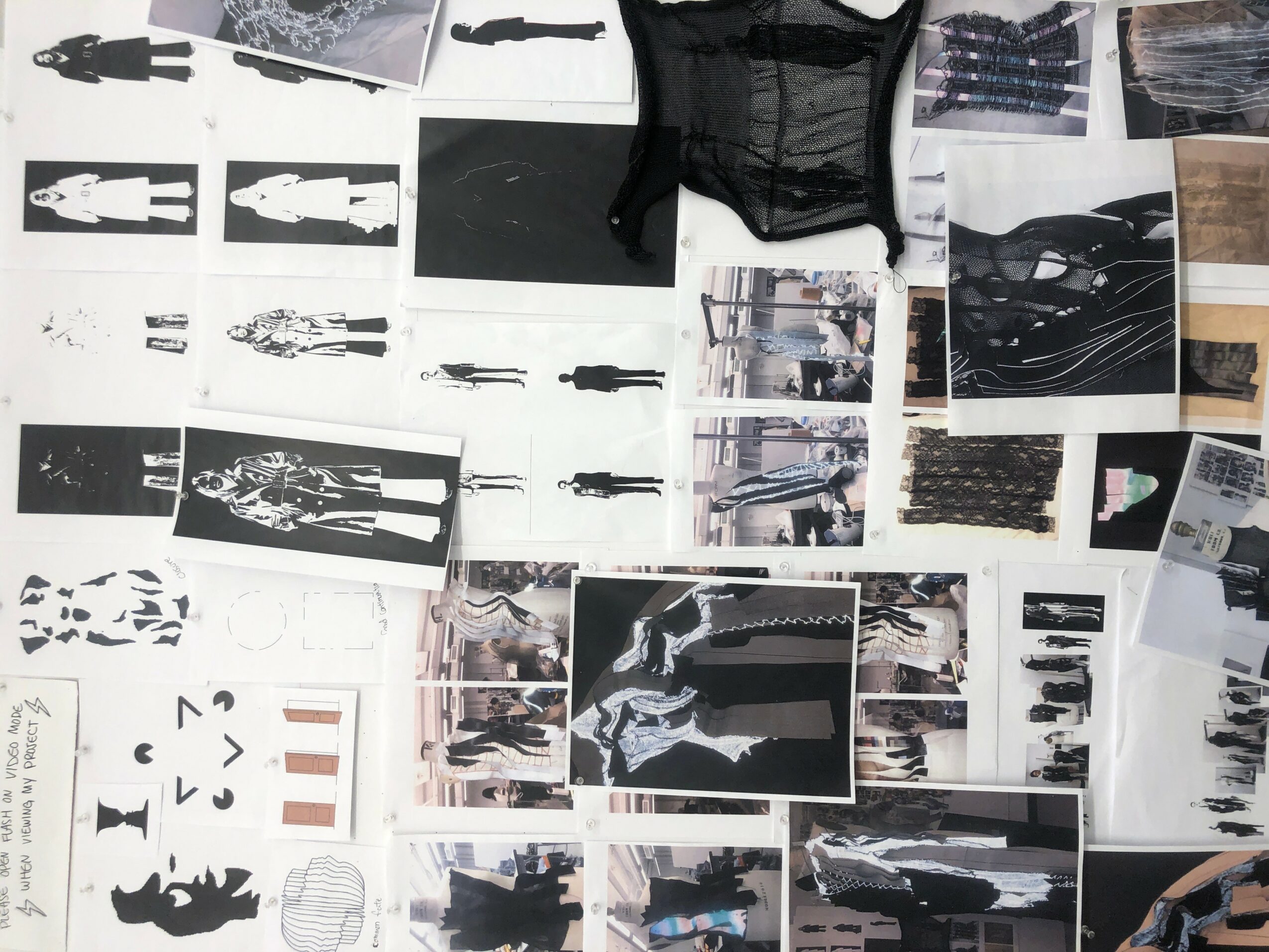
Image Credits
karen heshi
Popular
-

What is something outside of work that is bringing you joy lately?
-

Local Highlighter Series
-

What did suffering teach you that success never could?
-

What are you most proud of building — that nobody sees?
-

Who were you before the world told you who you had to be?
-

If you could say one kind thing to your younger self, what would it be?


