




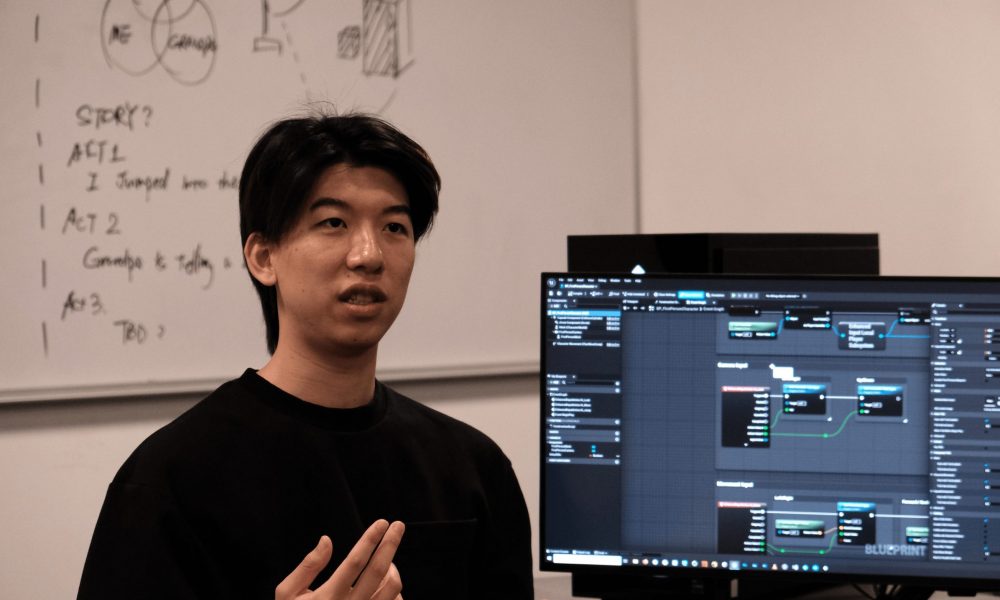
Today we’d like to introduce you to Haocheng Liu
Hi Haocheng, we’d love for you to start by introducing yourself.
During my undergraduate programming class, I created my very first game. It was fascinating to see my code transform into an experience that people can play and enjoy, even though it was just a simple text adventure game. This sparked a passion within me, driving me to further delve into the world of game development through various game jams and side projects. The games I made during this period were a wild exploration as I sought my place in this field. Amidst this exploration, one project stood out: Father and Son (https://haochengliu.com/indie/vater-und-sohn). This VR narrative adventure revolves around the personal relationship between a father and son. The player plays as the son who is in a wheelchair, exploring his father’s abandoned old house to find a gift that his father left for him. In the game, the player needs to push and pull the wheels of the virtual wheelchair in order to move around, forging a deeper connection between the player and the disabled protagonist. The game later received the Best XR Game nomination (2021) from Unity China.
At the end of my undergrad, I was fortunate to intern at miHoYo, a renowned AAA game studio in China, and work on their award-winning title, Genshin: Impact, as a level designer. After three months of work, I declined their job offer. While the opportunity was enticing, I felt it was too early to lock my career path when so many possibilities lay ahead. Opting to explore further and carve out my unique creative voice, I went to the USC Interactive Media & Game Design MFA program in 2022.
Studying and working in a vibrant game development environment at USC, I honed my skills and fully unleashed my creative potential. My work at USC ranges from fast-paced arcade games with innovative physical mechanics (https://haocheng.itch.io/swingggggg) to narrative experiences that evoke strong emotions in players (https://haocheng.itch.io/messages). With several games released, I’ve now moved forward to my next game, Into Dreams, which is also my MFA thesis project. I’m exploring the interactions of closing and opening our real-life eyes in this immersive narrative experience, re-imagining interactive media through the merge of interactivity and storytelling.
Alright, so let’s dig a little deeper into the story – has it been an easy path overall and if not, what were the challenges you’ve had to overcome?
Discovering my artistic voice as a game developer was a lengthy journey for me. Attending a top-tier computer science school in China, I found myself surrounded by a sea of engineering students with aspirations of entering the game industry. However, most of them are very technical-oriented. They care more about technology and implementation than the actual player experience. While everyone was learning advanced algorithms and preparing technical interviews, I was experimenting with game prototypes, novel mechanics, and immersive narratives. Yet, amid this pursuit, doubts crept in. Was I merely trying to stand out? What exactly was my goal? All I knew at that point was that I enjoy making games, and I want to keep doing that. Fortunately, the nomination of my project and acceptance into the USC IMGD program gave me a strong boost to continue this path, even though I had no idea where it would lead me.
Through my studies at USC, I reflected on all the projects I did and found myself always gravitating toward two distinct yet intertwined facets of game development: innovative mechanics (gameplay) and emotional experiences (narrative). While many successful games excel in one of them, I believe the synergy between the two elements could unlock an untapped realm of games, not only for entertainment but also for the art form itself. It was this realization that crystallized my artistic vision—I had been tirelessly exploring and pursuing this synergy all along. At that moment, I finally found my voice as a game developer.
Thanks – so what else should our readers know about your work and what you’re currently focused on?
I’m a game developer and, more specifically, a technical game designer. With my computer engineering background and my current studies at the USC, I’ve crafted a specialization in game design while still maintaining my technical proficiency in programming and technical implementation. This unique fusion between engineering and design allows me to quickly conceptualize and turn game ideas into tangible, playable products. Moreover, when it comes to collaboration, having the vocabulary of both sides helps me to communicate with and bridge people from different disciplines.
One recent project that stands as a testament to this interdisciplinary approach is SDIES, an interactive animation. Collaborating with telanted visual artist and game designer Kat Donahue, alongside the exceptional musician and audio designer Ali Tahir, we crafted a piece that explores the duality of black-and-white thinking and emotional extremes through the lenses of zen interactions and audiovisual metaphors. As the co-creator and technical designer of the project, I was able to fully leverage my design and technical skills, bringing this impactful journey to life through countless rounds of iterations. SDIES was featured in the 2024 USC Games Expo and is now officially released on Steam (https://store.steampowered.com/app/2968900/SDIES/).
Are there any books, apps, podcasts or blogs that help you do your best?
Books:
– A Playful Production Process – For Game Designers (And Everyone), Richard Lemarchand https://www.playfulproductionprocess.com/
– Gane Programming Patterns, Robert Nystrom
https://gameprogrammingpatterns.com/
Podcast:
– Eggplant: The Secret Lives of Games!
https://eggplant.show/
Contact Info:
- Website: https://www.haochengliu.com
- Other: https://haocheng.itch.io/
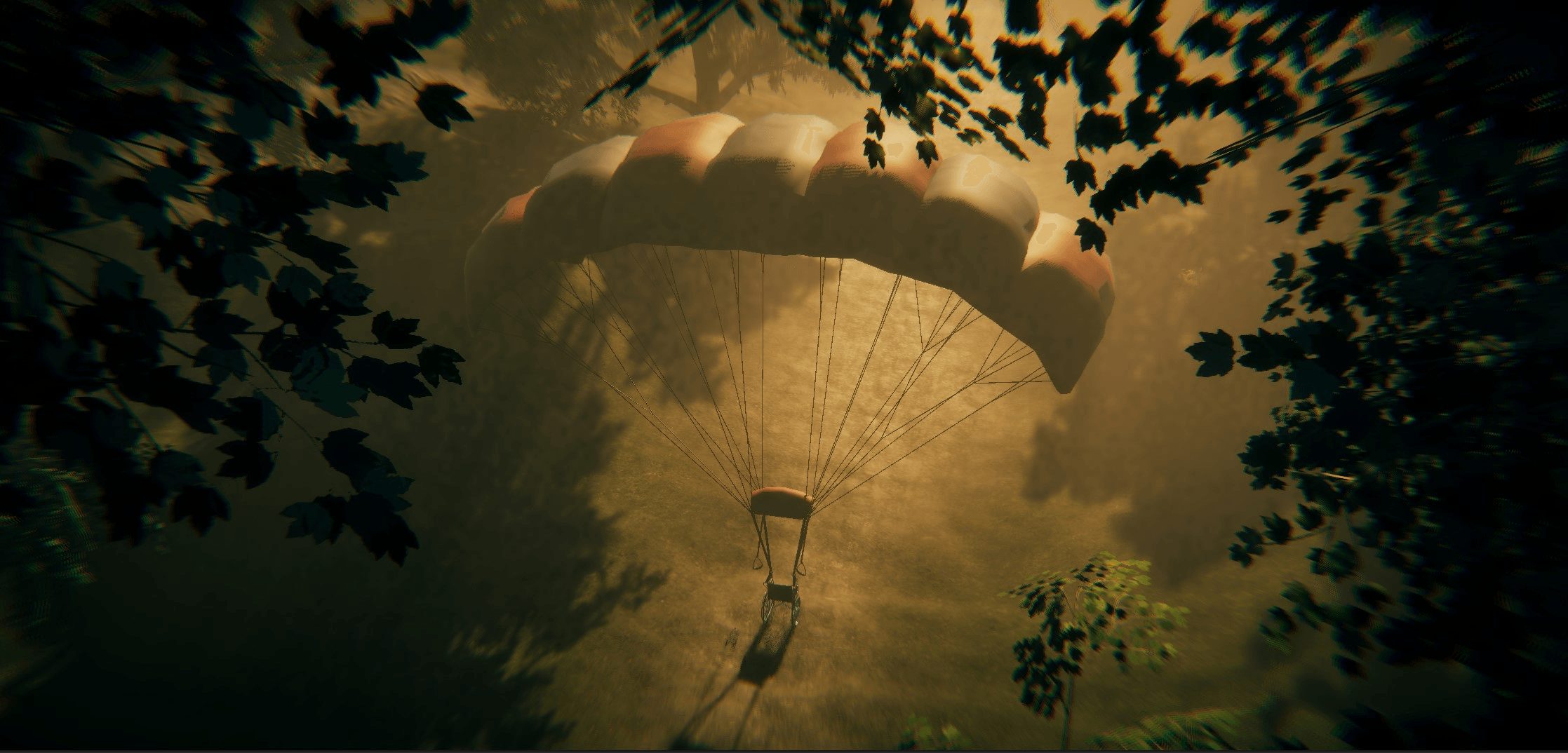
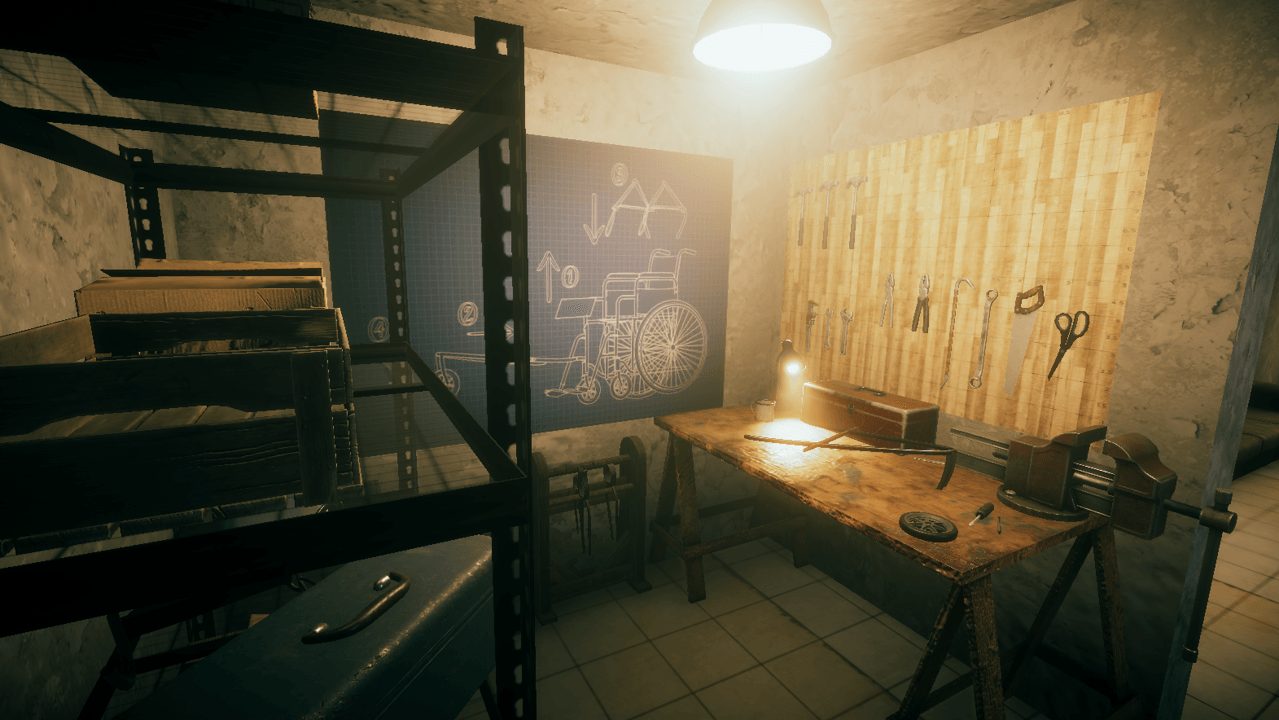
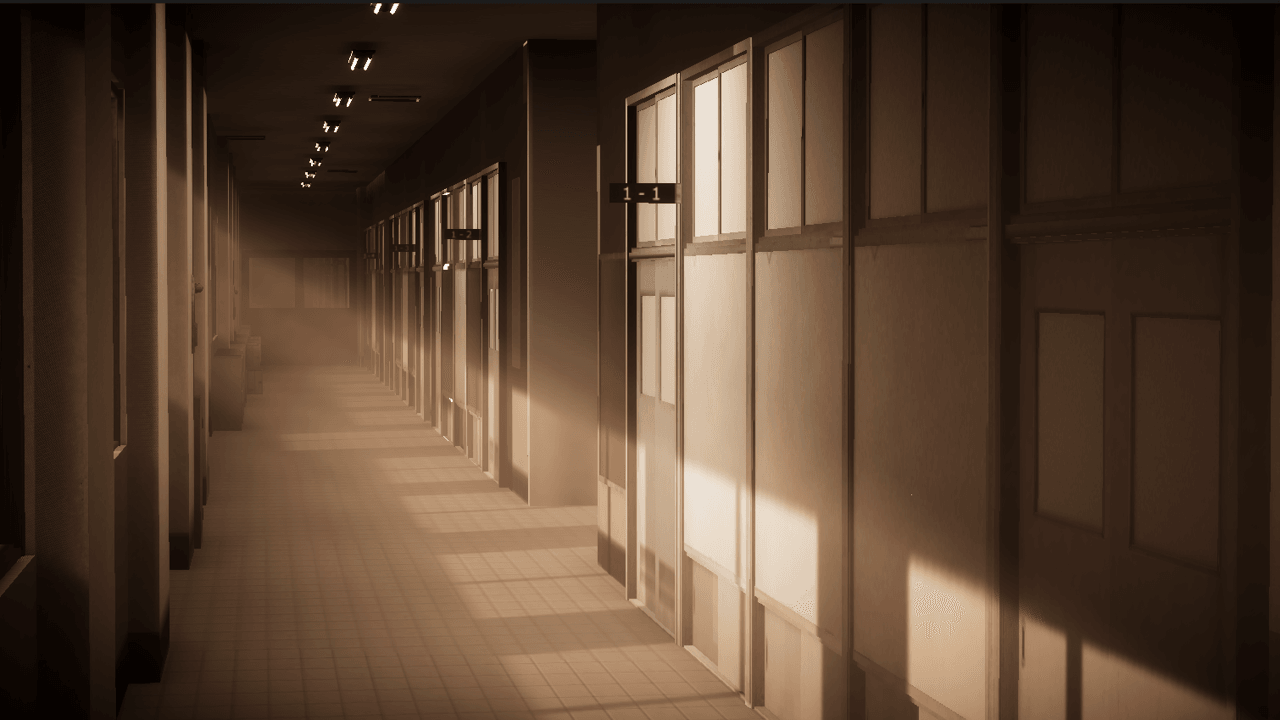
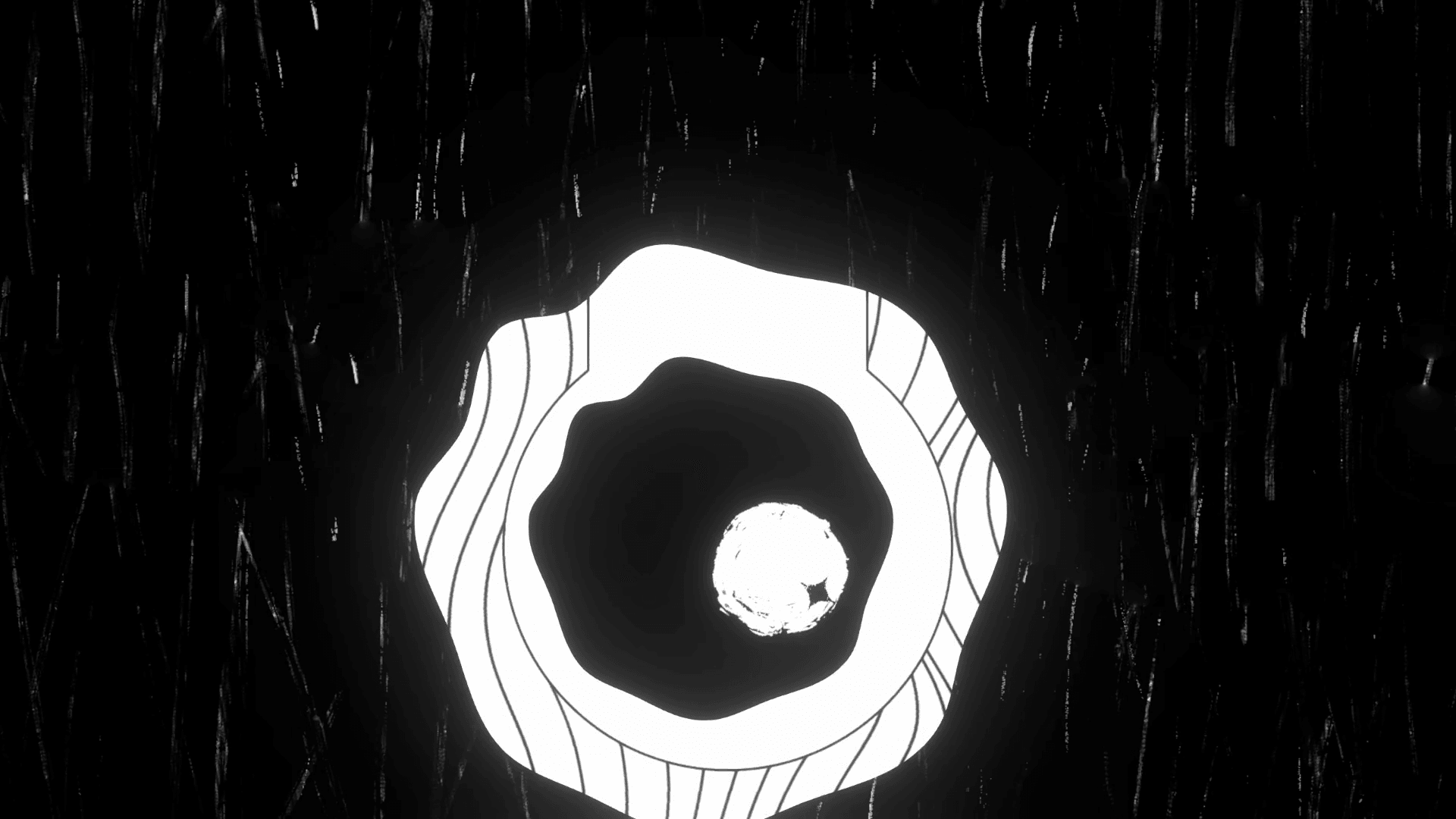

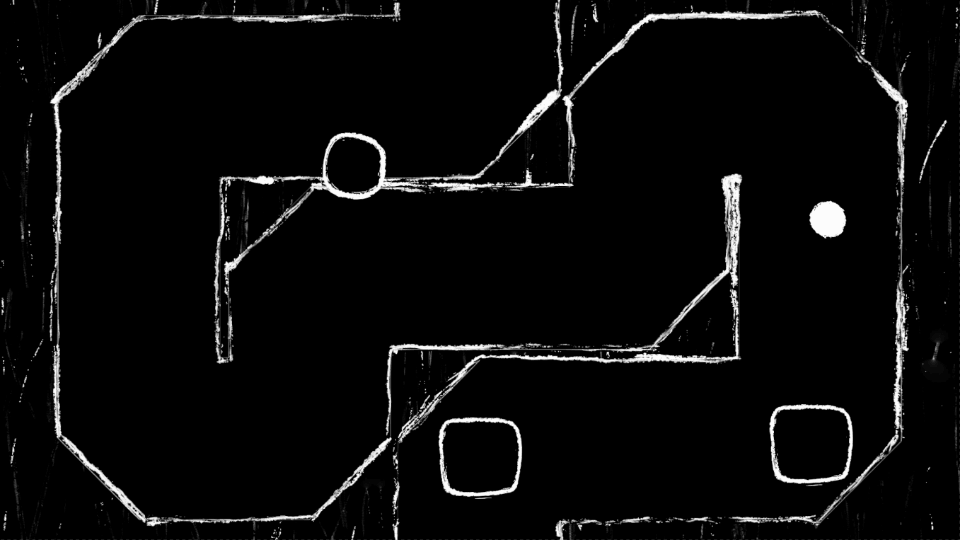
Image Credits
Personal Photo by Bo Fang
Popular
-

Cedar Boschan on Elevating Black Music Rights and Driving Urgent Conversations Around Credit, Equity, and Artist Protection
-

Portraits of the Valley
-

LA’s Most Inspiring Stories
-

Robin Olive on Building an Inclusive Performing Arts Movement and Expanding Opportunities for Every Student
-

Que Johnson on Building Brands That Last: From Visibility to True Market Authority
-

Christina Wren Steps Into the Director’s Chair to Tell Stories That Feel Like Home


