





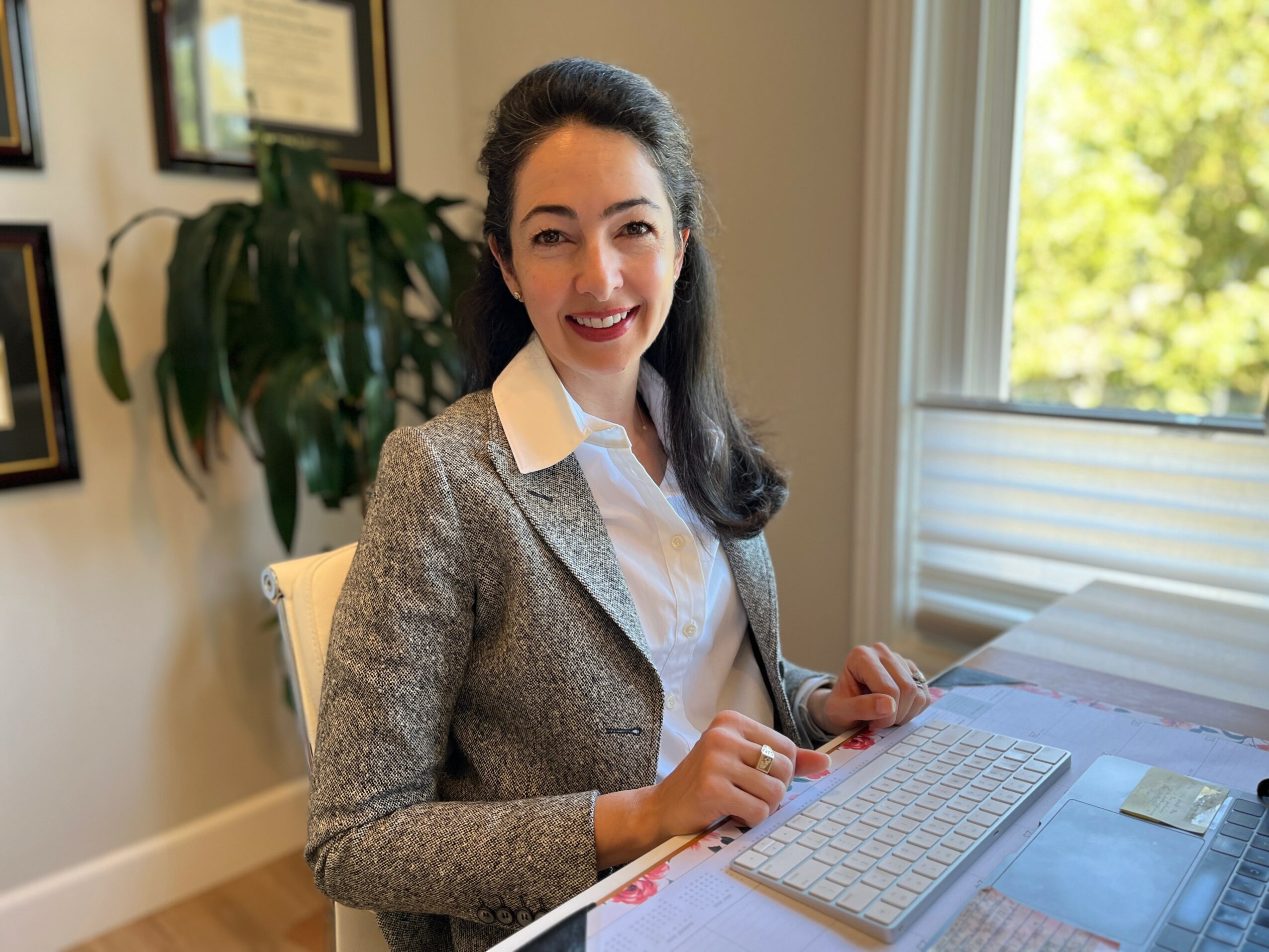
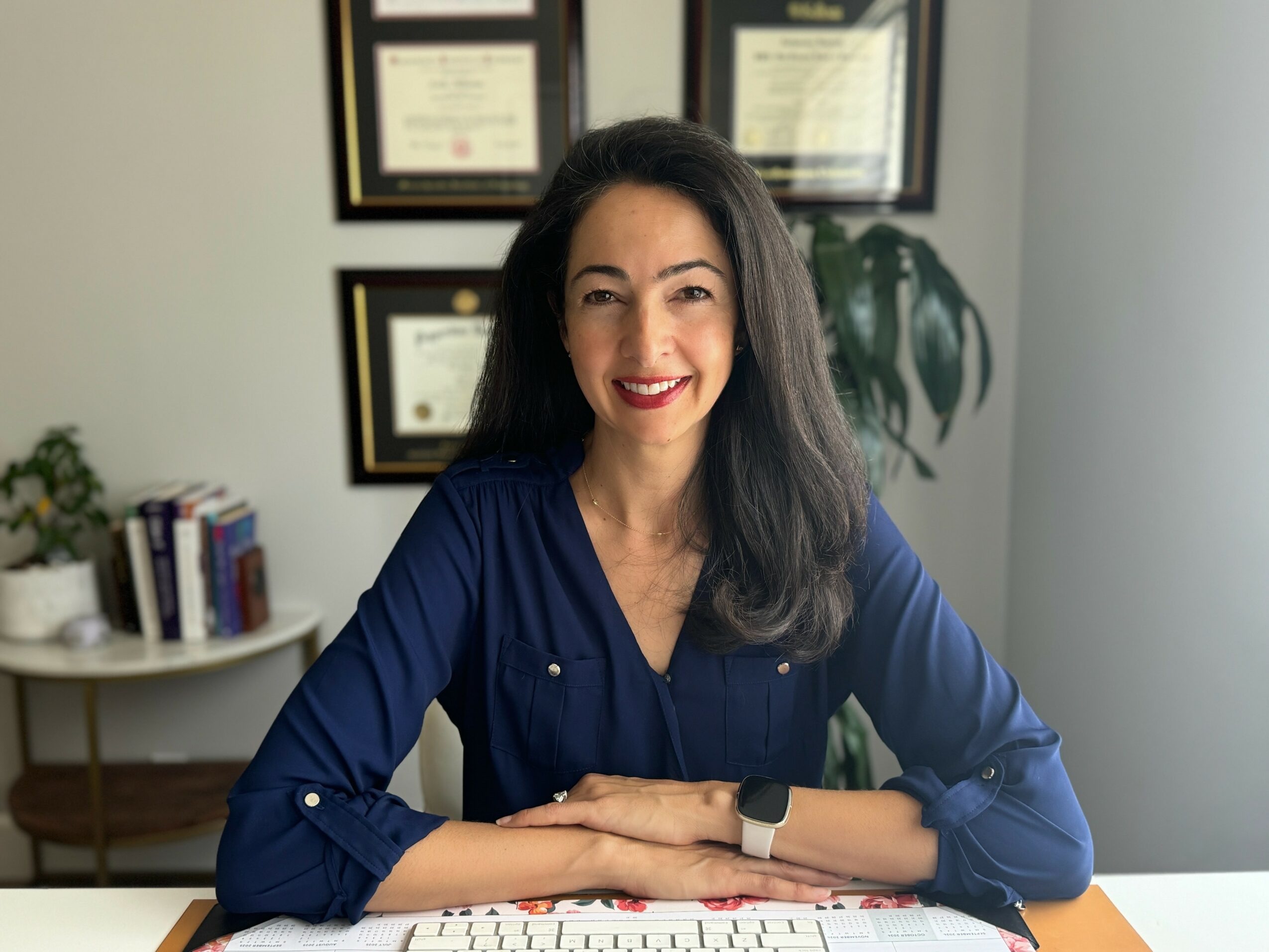
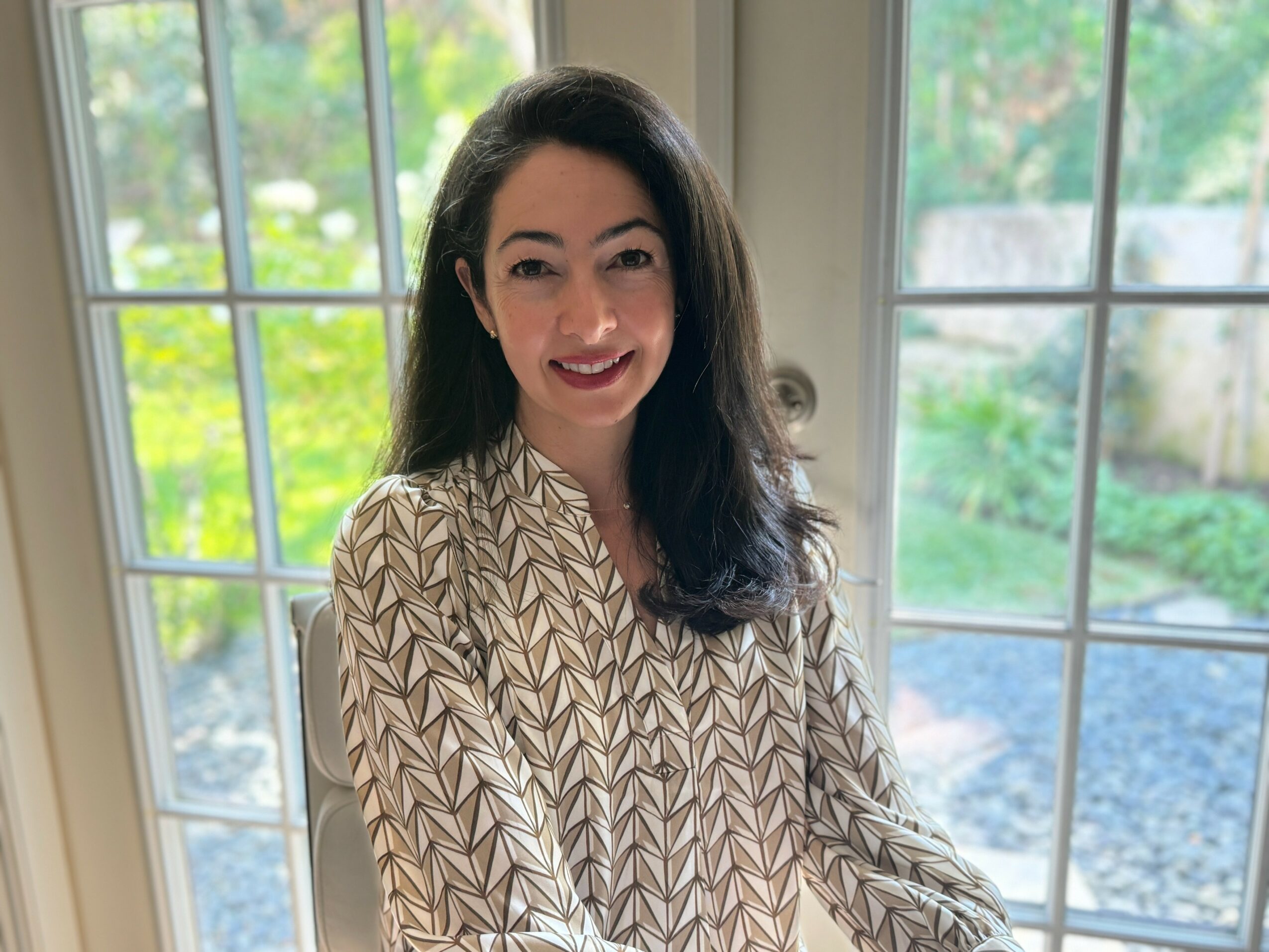
Today we’d like to introduce you to Leila Pirnia
Hi Leila, thanks for sharing your story with us. To start, maybe you can tell our readers some of your backstory.
My journey as a therapist began quite far from where I am today, but every twist and turn has led me to a career that is not just a profession but a passion. I immigrated to the United States when I was just two years old, growing up in La Jolla before heading to the east coast for college. At MIT, I studied Finance and minored in Spanish, a combination that led me into the high-stakes world of investment banking at Merrill Lynch in New York City. I was involved in high stakes deals like the AOL Time Warner merger, which was as thrilling as it was intense.
After several years in NYC, I sought a change that would allow for more creativity and strategic input, prompting my move to Los Angeles to join a children’s entertainment company. My role in strategic planning and business development was dynamic and fulfilling, eventually helping to take the company public. Yet, the entrepreneurial spirit in me sparked the launch of my own ventures in the digital content space and later roles as a CMO and head of marketing for startups like Artkive and HopSkipDrive.
Despite these successes, a new chapter began as I became a parent. My focus shifted towards the impact I wanted to create, steering me towards the nonprofit sector where I served as President of an educational foundation. This role brought a new level of fulfillment, driving me to return to graduate school to pursue a degree in Clinical Psychology.
Today, I specialize in working with neurodiverse individuals, particularly those on the autism spectrum, with ADHD, and twice-exceptional kids—those who are both gifted and face learning differences. My practice is a culmination of all my experiences, leveraging my business acumen and creative problem-solving in a field that allows me to make a tangible difference in people’s lives.
Living in Los Angeles with my husband of 22 years and our two children, I lead a fulfilling personal and professional life, helping my clients navigate their unique challenges with confidence and self-awareness.
I’m sure it wasn’t obstacle-free, but would you say the journey has been fairly smooth so far?
Far from it! Transitioning from an MIT graduate with a degree in finance to becoming a therapist was a complete 180 in terms of priorities and pace. Life’s losses and personal challenges have been my greatest teachers, guiding me through a deep, introspective journey.
I grew up with the belief that success was measured by hard work, climbing the corporate ladder, and accumulating accolades and impressive salaries. Yet, with every new achievement, I found the fulfillment I expected to feel remained just out of reach. It left me questioning, ‘What is all this for?’
It was through these personal trials and my time in the nonprofit sector, raising funds and resources for public education, that I began to see the world differently. My younger self could never have predicted how these experiences would lead me to a career in helping others. This shift has brought a deeper, more enduring sense of contentment and fulfillment to my work that I didn’t find in my previous careers. Each struggle along the way has been essential in guiding me to where I am today, deeply engaged in a profession that not only challenges but also enriches me personally.
Great, so let’s talk business. Can you tell our readers more about what you do and what you think sets you apart from others?
I focus almost exclusively on the neurodivergent community—teens, adults, and couples—through a lens that considers how our brain wiring impacts how we show up in the world and interact with others. My work is informed by both a neurological understanding of conditions like ADHD and autism and my psychodynamic training, which helps clients explore how unconscious beliefs and expectations drive behavior. It’s only by bringing these unconscious patterns into our awareness that we can start making meaningful changes in our lives. This combination of approaches is what makes my practice unique and allows me to support people as they uncover, process, and heal what’s been holding them back.
I am part of a leading neurodiverse-informed group practice based in Silicon Valley, which is recognized as the world’s largest neuro-informed therapy group. Our practice stands out because of our unwavering commitment to staying at the forefront of research and best practices in neurodiversity. We prioritize continuous professional development, holding regular training sessions and case consultations. This collaborative environment benefits clients because it provides a well-rounded support system, where they’re not just getting one therapist’s perspective but the collective wisdom of a whole team of specialists. It’s this collaboration that makes our work so impactful.
What sets me apart personally is my combination of a rigorous academic background, experience as a corporate executive, and expertise in psychology. This background has endowed me with a unique blend of leadership skills and psychological insight, making me particularly adept at supporting neurodiverse clients, including those who are twice-exceptional. These clients possess remarkable gifts alongside their challenges, and by focusing on their strengths, we can help them achieve not just adequacy but excellence. Working from a strengths-based perspective, I help twice-exceptional youth and adults unlock their full potential. These individuals often feel misunderstood or labeled because their exceptional abilities coexist with unique challenges. But when we focus on their strengths, it not only boosts their confidence but also enables them to thrive in ways they never thought possible. I’m passionate about helping these individuals develop greater self-awareness, resilience, and a sense of empowerment that sets them on a positive trajectory in life—one that will have a lasting impact. Through this work, my clients not only overcome obstacles but come to see their neurodiversity as a powerful asset rather than a limitation.
At the heart of everything I do is the belief that neurodivergent individuals deserve to feel understood and supported. My journey from the corporate world to therapy has been about finding ways to make a deeper, more meaningful impact, and my work today reflects that passion. I’m grateful to be part of a movement that champions neurodiversity and empowers people to lead fulfilling, authentic lives.
Is there something surprising that you feel even people who know you might not know about?
One surprising aspect of my work is discovering how frequently adults identify their own neurodivergence only after their children are diagnosed with conditions like ADHD or autism. This revelation often leads to a profound shift in how they understand themselves. Many have spent their lives attributing their quirks and challenges to personality traits or unresolved anxieties. This realization can dramatically shift the narrative they’ve always believed about themselves without question. People often say, ‘I just thought I was quirky and sensitive,’ ‘I just thought that’s my anxiety,’ or ‘I just thought I’m not a people person.’ While all of these may be true to a degree, understanding how your brain wiring contributes to sensory overload, heightened anxiety, or social interactions can profoundly change how you see yourself and how you engage with the world. Understanding that these experiences may be rooted in neurodivergence—like sensory sensitivities or unique social processing—can dramatically change one’s self-perception. It allows individuals to reframe their experiences and challenges, viewing them through the lens of brain wiring rather than personal failings. This new perspective can be incredibly liberating and empowering, offering them a clearer understanding of their behaviors and how to manage their interactions and environments more effectively. It’s not just about identifying challenges; it’s about unlocking a deeper understanding of oneself and enhancing one’s quality of life.
Some of the most meaningful work I’ve had the privilege to be part of happens when one partner in a relationship discovers they are neurodivergent. It allows the couple to connect the dots on long-standing miscommunication and conflict patterns. This deeper knowledge is often where true healing and growth begin. Neurodiverse couples counseling helps bridge gaps in understanding, allowing both partners to feel seen and heard in ways they might not have before. With the right support, couples can rebuild connection, strengthen their communication, and develop a shared language around their differences, which ultimately leads to a healthier, more compassionate relationship.
I’m also passionate about working with twice-exceptional (2e) teens and young adults. Twice-exceptional kids are those who are gifted and also struggle with a learning disability or other neurological difference. These kids often face unique challenges. People tend to focus only on their difficulties rather than their strengths, and they’re often overlooked for gifted programming at school. Or conversely, teachers assume that their gifted abilities will make their other concerns disappear, thinking they’re simply being stubborn or lazy. 2e kids often don’t qualify for individual education plans if they score well on standardized tests, which cuts them off from vital resources. Sometimes their frustration with the struggle of being both talented and differently-abled can lead to behavioral issues, like trouble getting along with their peers, disruptions in class, and defiance at home. Living in a world that often misunderstands them can also lead to depression and anxiety.
The tragedy is that kids are often mislabeled with diagnoses like Oppositional Defiant Disorder (ODD), when the underlying issue is more often a dysregulated nervous system. Understanding this distinction is crucial, as their defiance and behavioral struggles are often a response to feeling overwhelmed and misunderstood, rather than intentional opposition. By working to regulate their nervous system through supportive interventions—such as mindfulness, sensory integration, and emotional regulation strategies—we can help them manage their reactions, reduce frustration, develop healthier coping mechanisms, and ultimately build their resiliency out in the world. This approach not only addresses the root cause but also empowers them to navigate the world with more confidence and resilience.
Working from a strengths-based perspective is key to unlocking the full potential of these special kids. By focusing on what they excel at, rather than just their challenges, we can build their confidence and help them recognize their own unique gifts. When 2e youth are given the right support, their challenges become manageable, and their strengths can truly shine. This approach helps set them on a positive trajectory that will forever impact them in meaningful ways—empowering them to thrive academically, socially, and emotionally, and to see their neurodiversity as a source of strength rather than a limitation.
Contact Info:
- Website: https://www.pirniatherapy.com/
- Other: https://www.neurodiversecouplescounseling.com/team-1/leila-pirnia


Popular
-

LA’s Most Inspiring Stories
-

Maagic Collins on Building a Fearless Publishing Platform for Truth, Advocacy, and Underrepresented Voices
-

Los Angeles Barea on Turning Green Superheroes into a Global Movement for Youth-Led Change
-

Trisha DuVivier on Bridging the Franchisor–Franchisee Divide with Workhero and “Franulate”
-

Portraits of the Valley
-

Cedar Boschan on Elevating Black Music Rights and Driving Urgent Conversations Around Credit, Equity, and Artist Protection


