




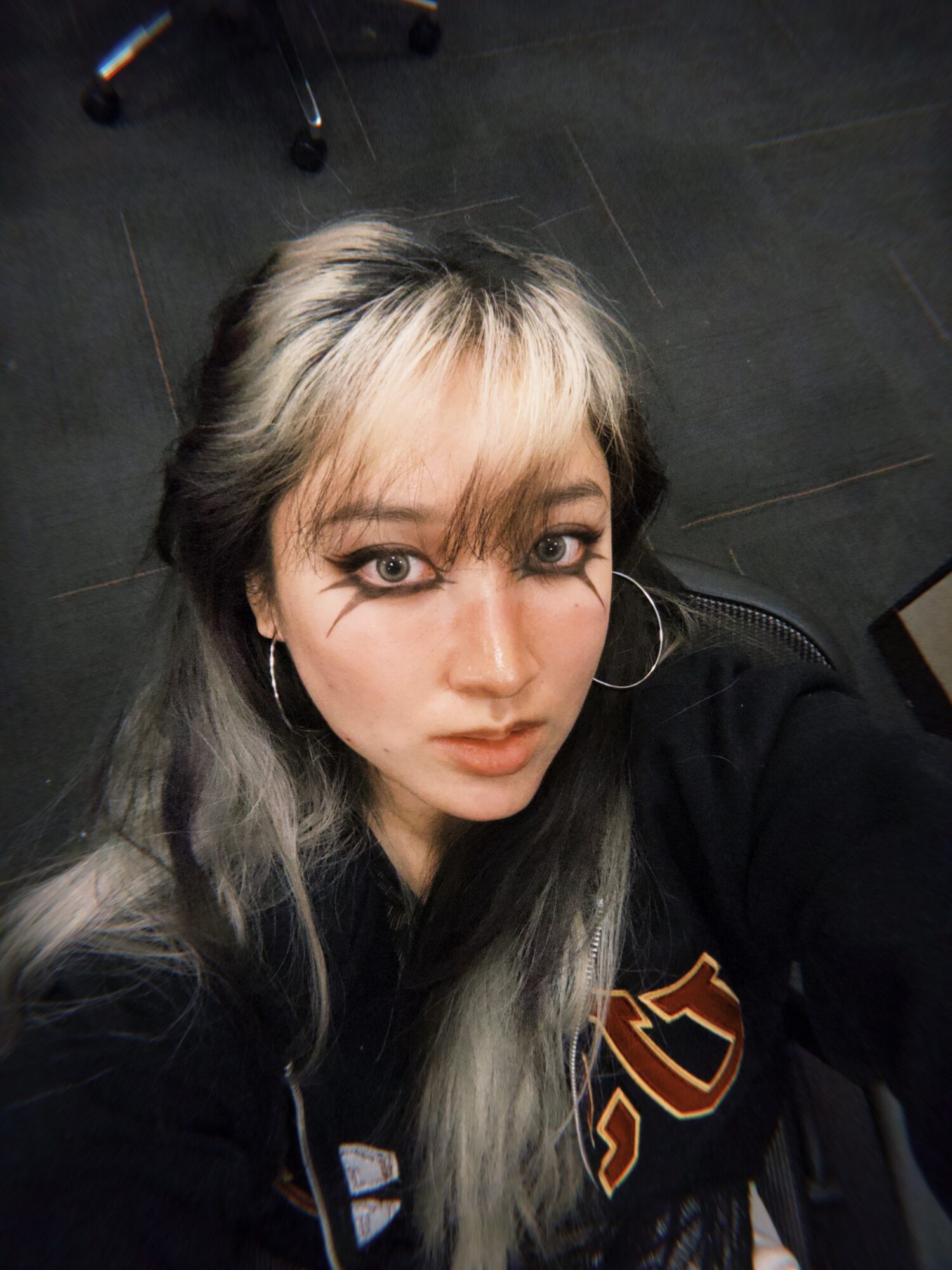
Today we’d like to introduce you to Yujia Huang
Yujia, we appreciate you taking the time to share your story with us today. Where does your story begin?
My passion for art and drawing has been with me since I can remember, as if it were something I was born with. From the moment I could hold a pen, I’d spend hours lying on the floor at my grandfather’s, lost in my own world with nothing more than a pencil and a piece of paper. I’d illustrate the poems my mother read to me, sketch my daily meals, and draw out scenes from imaginary stories. Those afternoons felt endless yet were the foundation of everything I am today.
My grandfather, a bridge engineer, and my sister, an interior designer, also sparked my early fascination with art. During those sweltering summers before smartphones existed, I would escape into every art and design book on their bookshelf—from old, worn high school art books, anatomy sketch guides, and professional architectural and interior design books, to fashion magazines. My bedroom walls became a growing archive, filled with my drawings and collages.
All this constant exposure to art and practice shaped my artistic perspective, inspiring me to pursue a career where I could channel my creativity. In my final year of high school, I made the pivotal decision to seek more structured training. With hard work and a bit of luck, I was accepted into China’s top art school, the Central Academy of Fine Arts, choosing to study architecture—a field that merges both rationality and creativity.
Five years at CAFA immersed me in an environment rich with cutting-edge art and design, providing me the privilege of accessing some of the best artists, innovative design concepts, and global techniques. During my studies, I gained essential skills in spatial awareness, systematic thinking, 3D modeling, and visual programming. Architecture’s precision, combined with my passion for multimedia and emerging technologies, helped me develop a unique artistic approach, one that allowed me to explore virtual spaces in ways traditional architecture could not, leading me to envision new ways to express ideas around space, identity, power, and culture within the urban landscape.
Driven by curiosity, I pursued opportunities to apply multimedia technologies to traditional architectural contexts abroad. After being accepted to RISD, CalArts, Parsons, CMU, RCA, etc, my journey ultimately brought me to USC’s School of Cinematic Arts, where I landed in the vibrant city of Los Angeles. The city’s unique landscape and cultural diversity have become a fresh canvas, inspiring me to work with greater creative freedom—not only visually, but also in cultural expression and urban dynamics.
At USC, I’m currently exploring projects that merge architectural spaces, parametric modeling, XR, 3D visuals, and AI animation, pushing the boundaries of what cross-disciplinary art can achieve.
Alright, so let’s dig a little deeper into the story – has it been an easy path overall and if not, what were the challenges you’ve had to overcome?
My path has been full of challenges that pushed me to grow, both personally and creatively. Beyond managing heavy workloads, recovering from tendon surgery, and dealing with the impact of the pandemic, one of my toughest struggles was facing gender bias during my undergraduate studies. In my sophomore year, a male professor commented, “Your designs are pretty bold—for a girl.” Another suggested that the architecture and art industry were “better suited to men” and implied that women lacked what it took to succeed. It was hard to watch predominantly male professors casually dismiss women’s work and even offer “life advice” unrelated to our studies. Meanwhile, the unequal ratio of male to female students in the School of Architecture only further widened the gap in resources.
As a woman who grew up in an East Asian society and a part of the LGBTQ+ community, I’ve felt the weight of these layered biases. Academically, I face confrontations in parallel to a male-dominant realm; personally, I deal with the dilemma of a silenced queer woman community. While these struggles are, at times, frustrating, they likewise fuel my passion to pursue change for equality.
I poured myself into my studies, ranking among the top in my class, and got involved in gender equality initiatives. I teamed up with students from Renmin University of China to research how queer women’s voices are erased in media and cultural studies. Our work showed how society tends to reduce complex identities to oversimplified labels. This narrow view also shows up in architecture and art, where masculine, heteronormative aesthetics dominate, leaving little space for alternative perspectives.
All these experiences have strengthened my resolve to create immersive digital experiences that give a voice to underrepresented stories and contribute to a more inclusive future in the community.
Alright, so let’s switch gears a bit and talk business. What should we know about your work?
I’m an architectural designer, 3D animator, and multidisciplinary artist with a background in architecture and a focus on mixed-media design. My work centers on exploring how culture, identity, and power shape—and are shaped by—urban spaces. Drawn to the crossroads of real and virtual worlds, I experiment across formats like VR/AR, 3D animation, games, installations, and projections, combining urban space and technology to critically explore social issues and imagine new futures.
2024 has been a big year for me. In July, my undergraduate thesis, The Commons, was featured in CAFA’s Graduation Exhibition in Beijing—one of China’s biggest annual art events, lasting 1.5 months and drawing over 400,000 visitors, with up to 13,000 per day on weekends. Selected as one of the top 5% of projects in the school, my thesis earned second place, a scholarship, and close to 500,000 views and 30k likes on Chinese social media. The Commons reimagines Suzhou’s old town as a shared, multi-generational community hub, moving beyond traditional architectural drawings with 3D animation and exploded diagrams that bring the space’s energy to life.
What sets my work apart is my approach to finding intersections across disciplines. I use immersive mediums like VR games and interactive installations to push the limits of architectural reality, balancing rational spatial design with socially driven content.
Last summer, I created Manufacturing Couples, an interactive project using Arduino and 3D animation to explore the pressures on LGBTQ+ individuals in China’s “formality marriages”—relationships often undertaken to satisfy societal expectations rooted in East Asian family duty. Inspired by my personal experience, I explored the layers of surveillance and identity challenges faced by LGBTQ+ individuals. The installation seats participants at a round dining table, symbolizing family members surveilling the couple and reflecting the intensity of social scrutiny. Using pressure sensors, the piece draws participants into a virtual manufacturing plant with inverted spaces, confronting them with issues of surveillance, self-censorship, and identity dissonance under patriarchal norms.
I’m committed to creating multimedia experiences that transcend aesthetics, serving as tools for social reflection and a call for change in how we understand and inhabit space.
What are your plans for the future?
While studying at USC’s School of Cinematic Arts, I plan to pursue independent projects and pick up some new skills, such as procedural modeling with Houdini, as well as explore how AI can be thoughtfully applied in art. A big change may also involve seeking professional opportunities, like game-related environment design, and collaborations with artists from different fields. I’m also interested in developing site-specific designs that resonate with the urban culture of Los Angeles.
Contact Info:
- Website: https://hannahhuang.webflow.io/
- Instagram: https://www.instagram.com/hannahhuang319/profilecard/?igsh=MzRlODBiNWFlZA==
- Other: https://www.xiaohongshu.com/user/profile/606f1e2500000000010011f6?xhsshare=CopyLink&appuid=606f1e2500000000010011f6&apptime=1730591051&share_id=a75bd1d22ae1403a85e1cef363b2fcf3


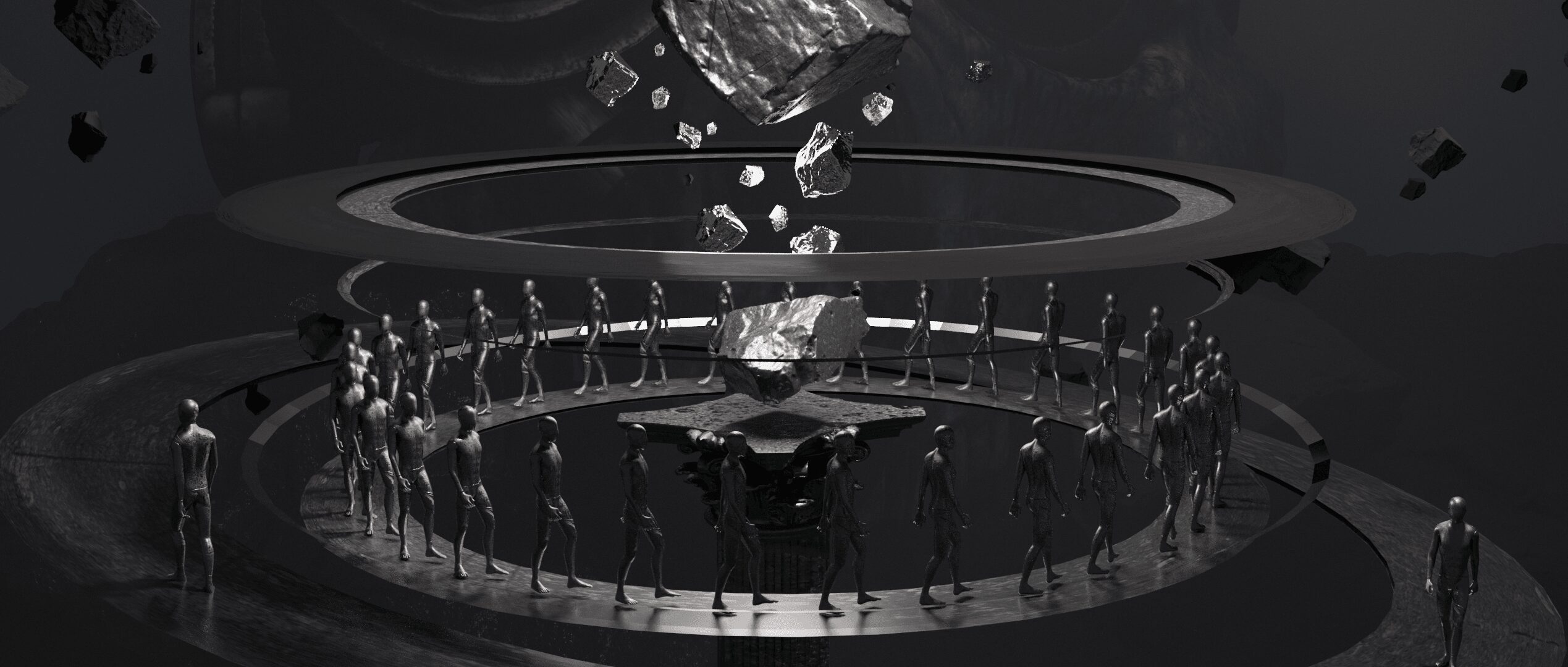
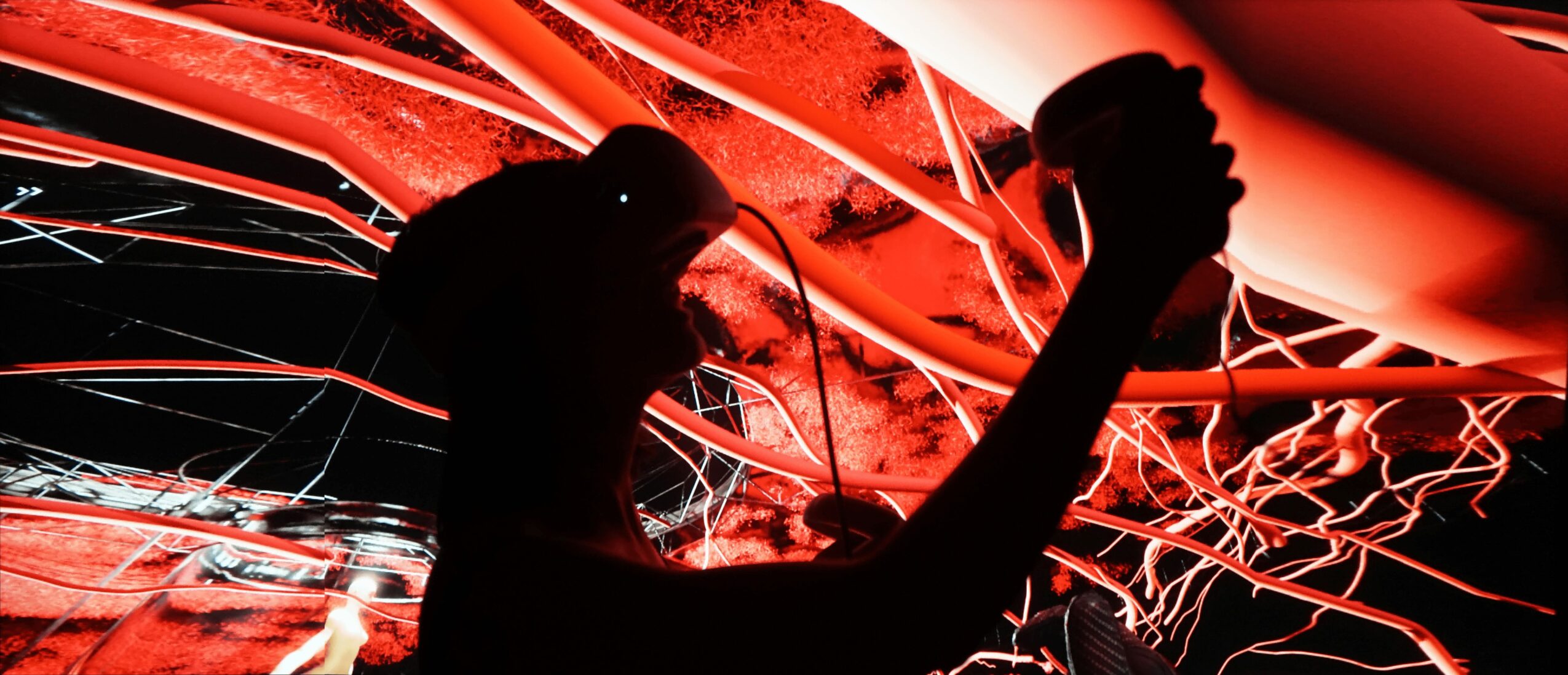
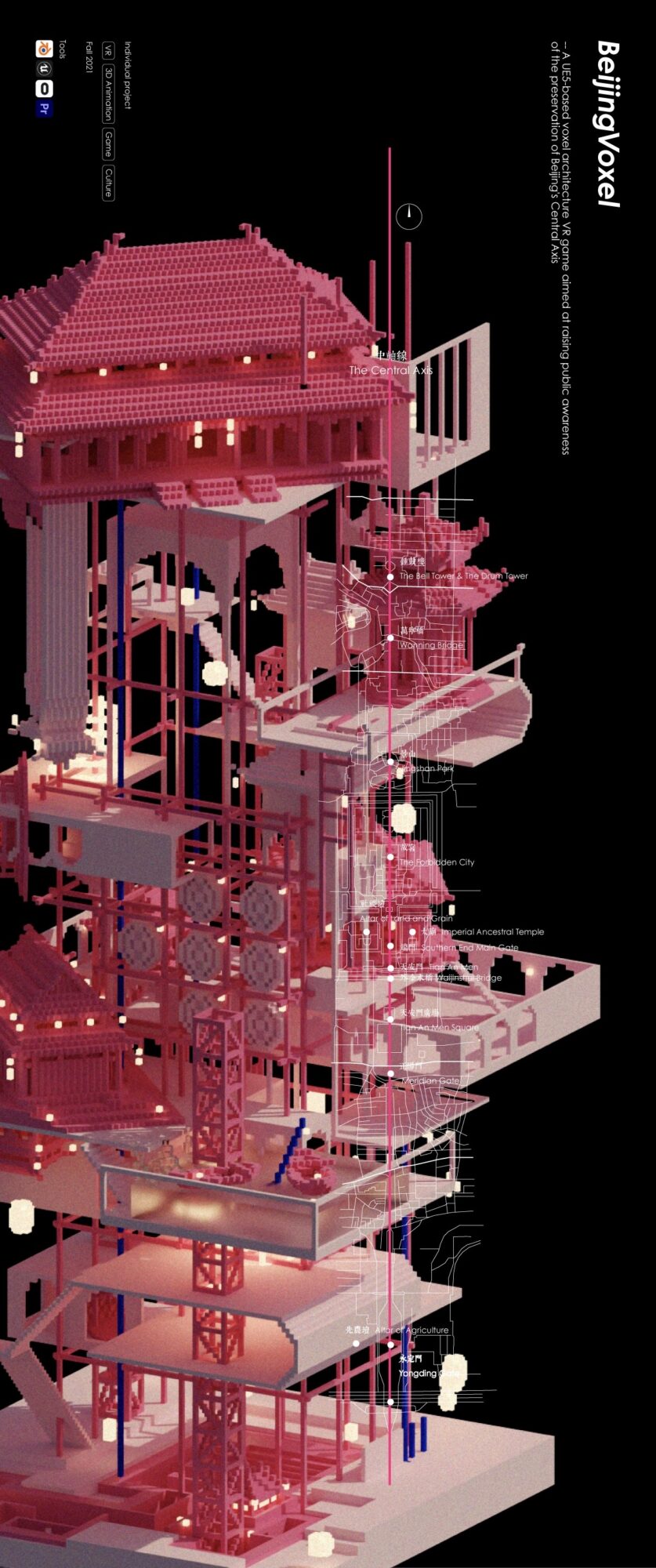
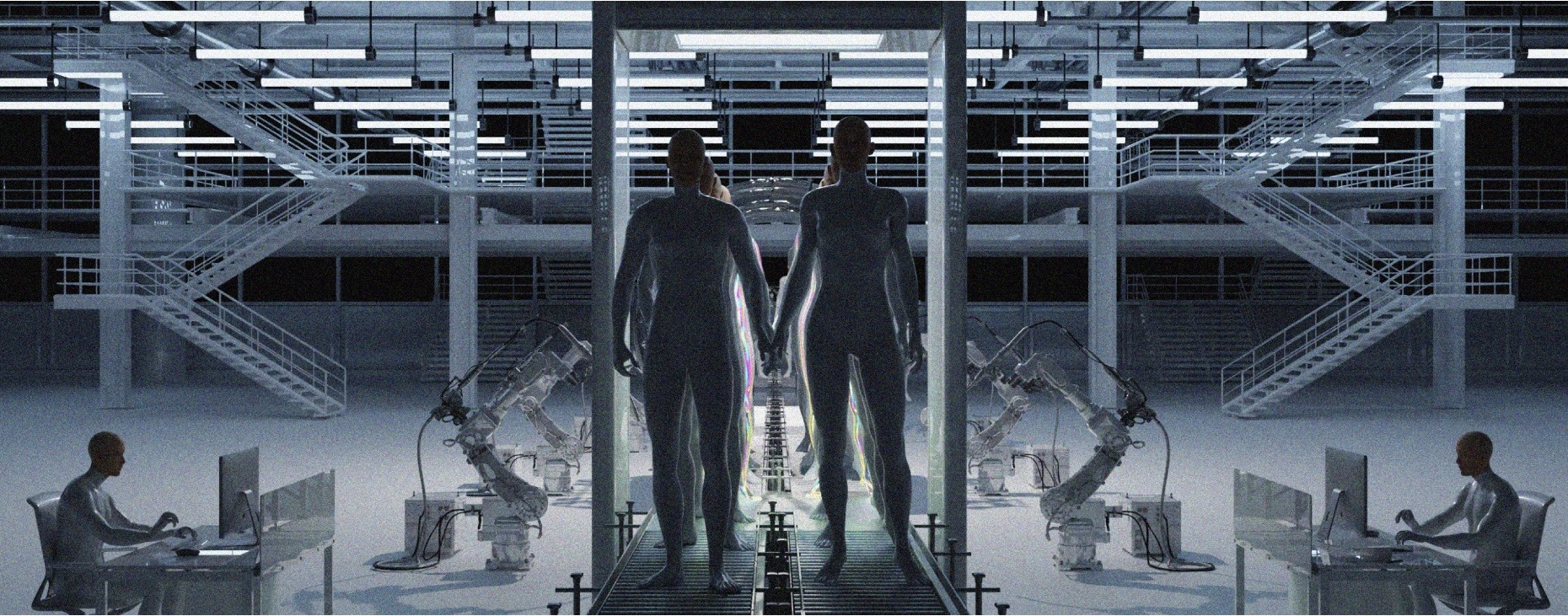
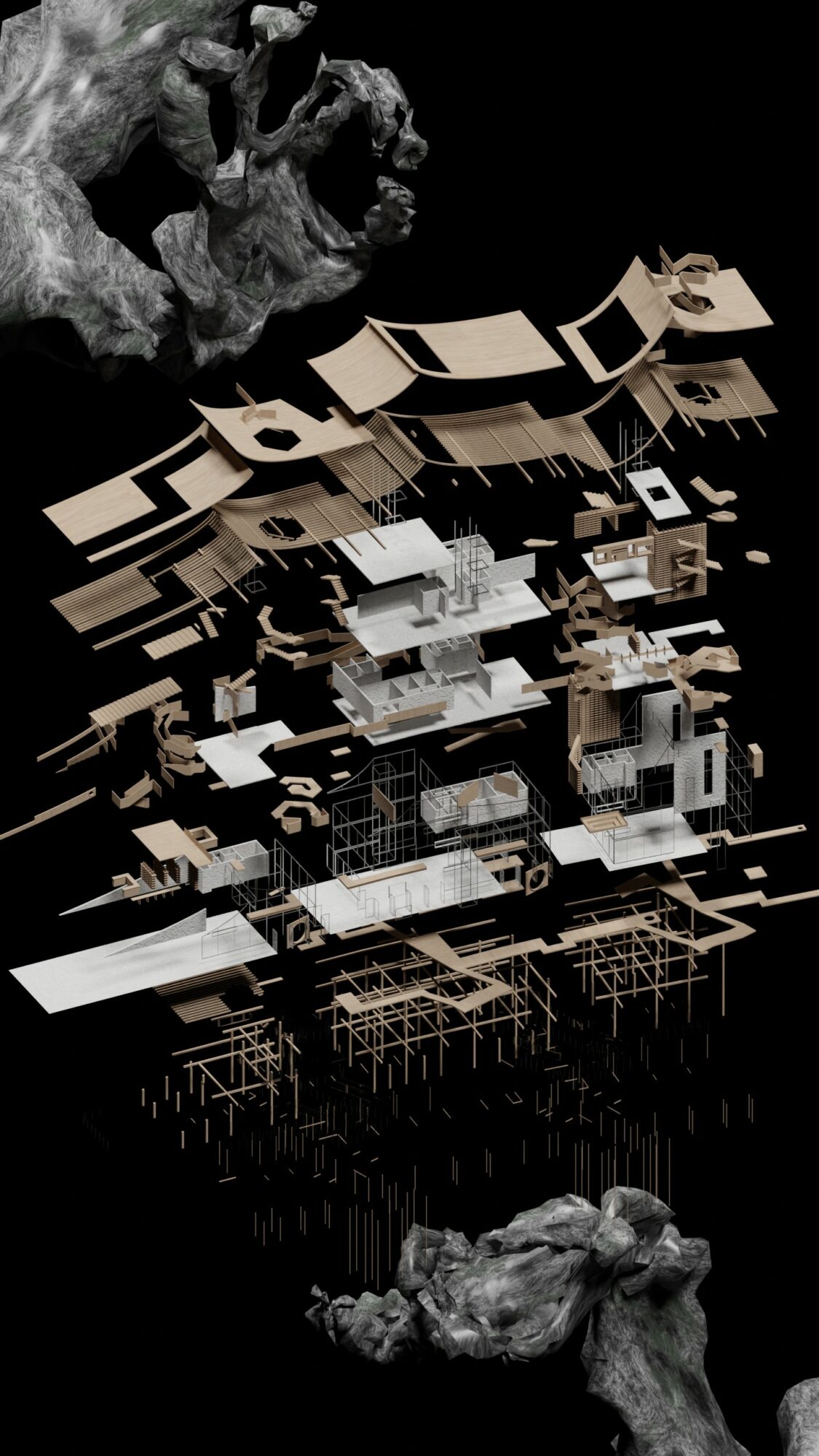
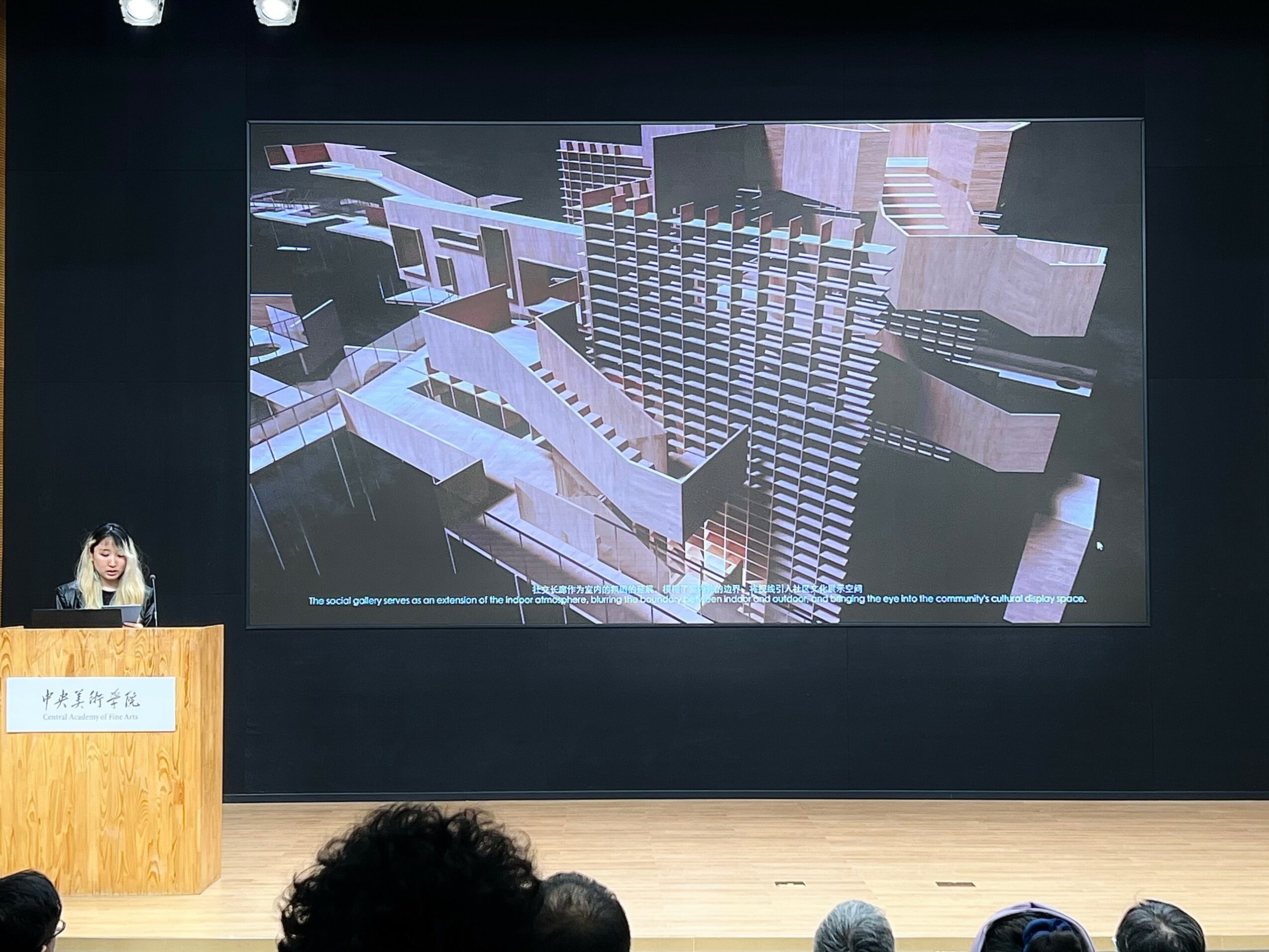
Image Credits
Hannah Huang
Popular
-

LA’s Most Inspiring Stories
-

JordanL on ‘Breathe,’ Belief, and Building a Movement Beyond the Music
-

Megan Birney Rudert on How Access to Light Is Powering a More Sustainable and Equitable Future
-

Linda Kneidinger on Building Lasting Change Through Small Steps and Self-Compassion
-

Jolana Nika on Redefining Modern Connection Through Intentional, Real-Life Experiences
-

What did suffering teach you that success never could?


