




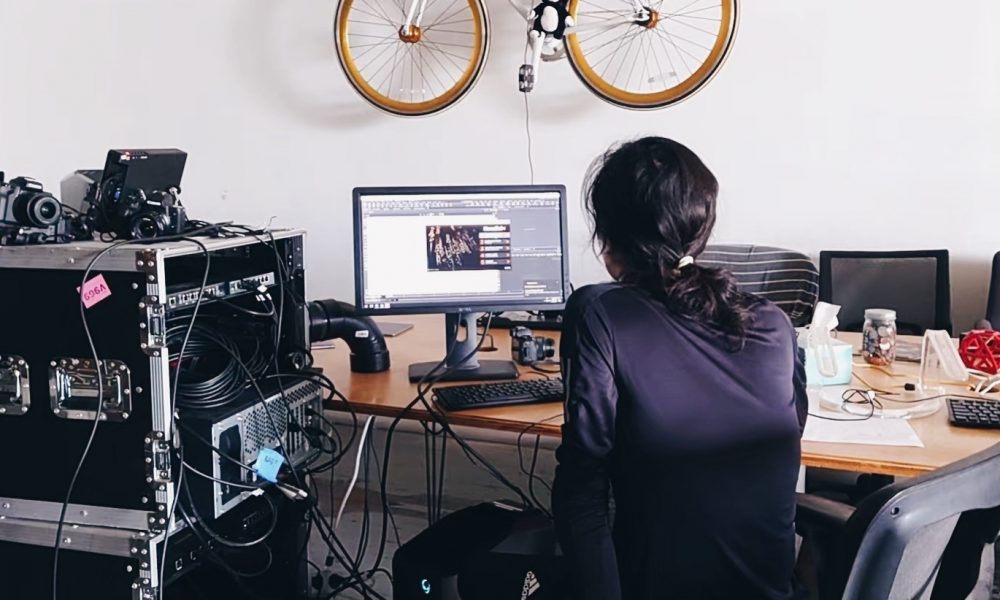
Today we’d like to introduce you to Mingxi Xu.
Hi Mingxi, we’d love for you to start by introducing yourself.
As a kid who never touched upon art or design, something has drawn me to learn art in my college years in University of Wisconsin, Madison, from 2015 to 2019. Apparently, when I told my mom and dad about this, they became anxious because doing art is not a good job to support my living in China. To compromise that, I agreed to take computer science as my second major, which helps to support my living better, in their perspective. From the hindsight, taking both art and computer science is a tough and a wise choice. I will never forget my senior nightmare of taking 21 credits for school and 10 hours of internship work every week. On the other hand, it did give me a perfect skill set to begin with my career. I thought I was going to do UI/UX design, since it seemed reasonable to do when I know both code and design, until I talked with my professor at my junior summer school program at SVA and learnt about ITP. ITP, Interactive Telecommunication Program at New York University, trains what they called “creative technologists”. Ideally, a creative technologist is capable of both art direction and technical implementation, making himself an individual content provider for interactive art.
My first semester in fall 2019 was fantastic when everything seemed so fresh and fit for me, but everything changed when I traveled back to my hometown in China for Christmas break. I am a kid who was raised and grew up in Wuhan, the same place where covid started at the beginning of 2020. I had to give up more than one and half years in China without schoolwork and picked them all up when I traveled back to New York in 2021.
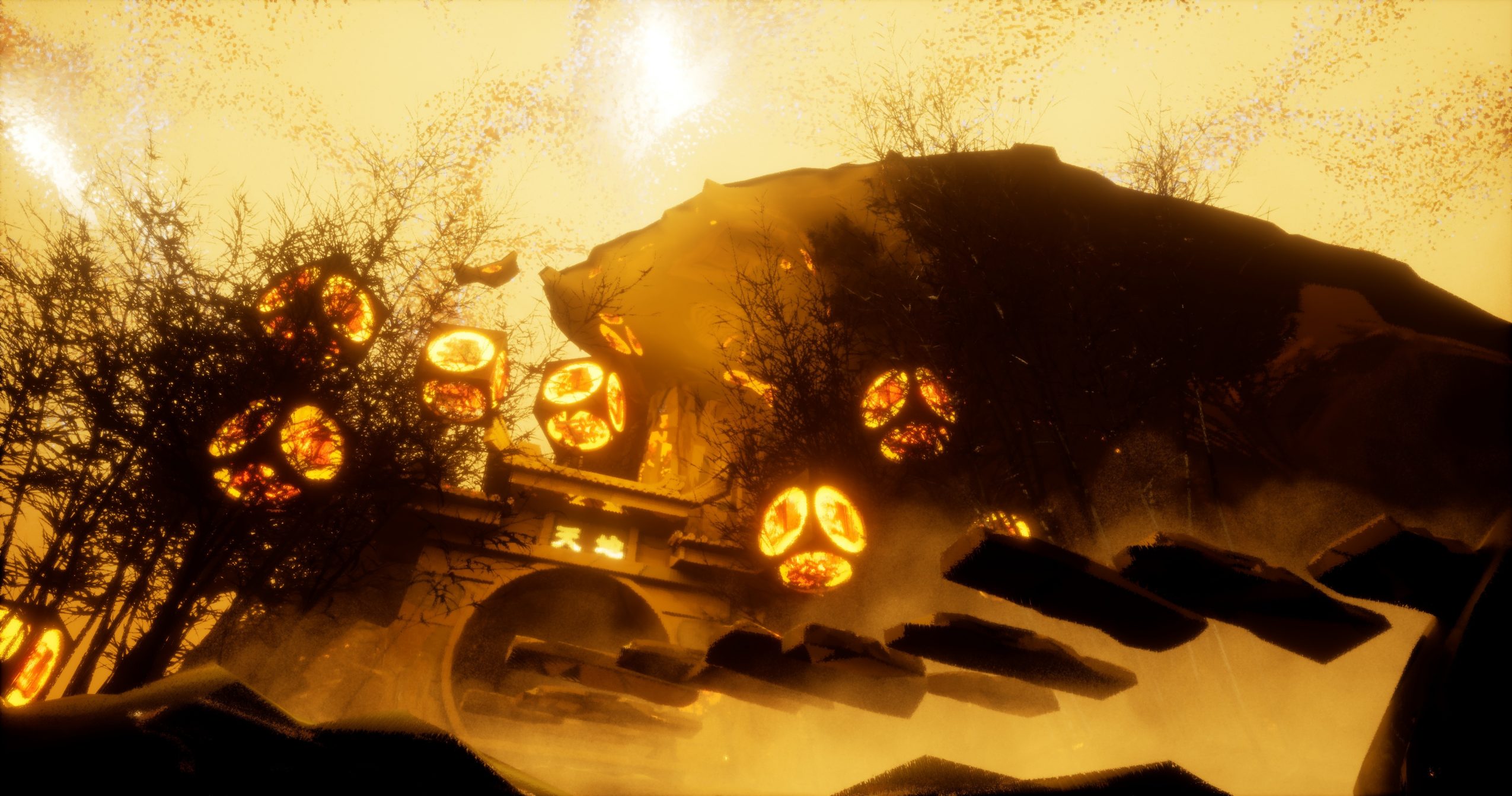
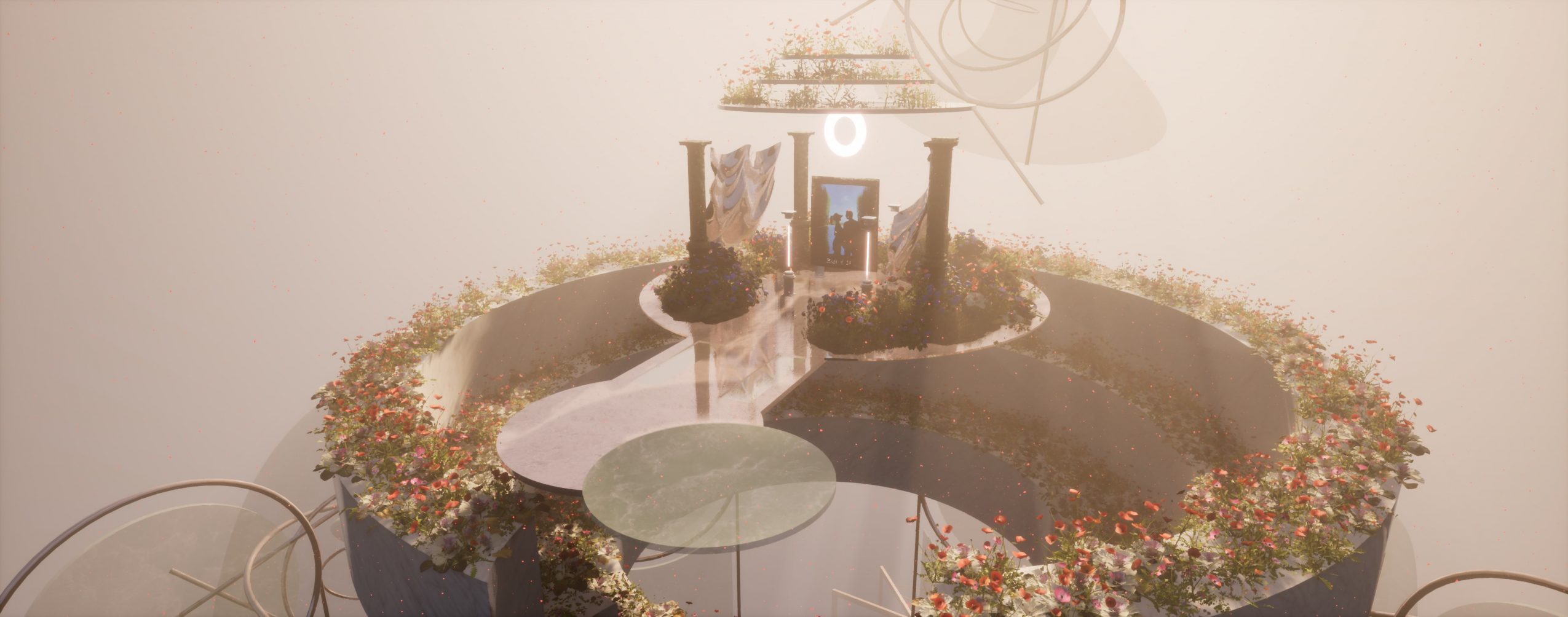
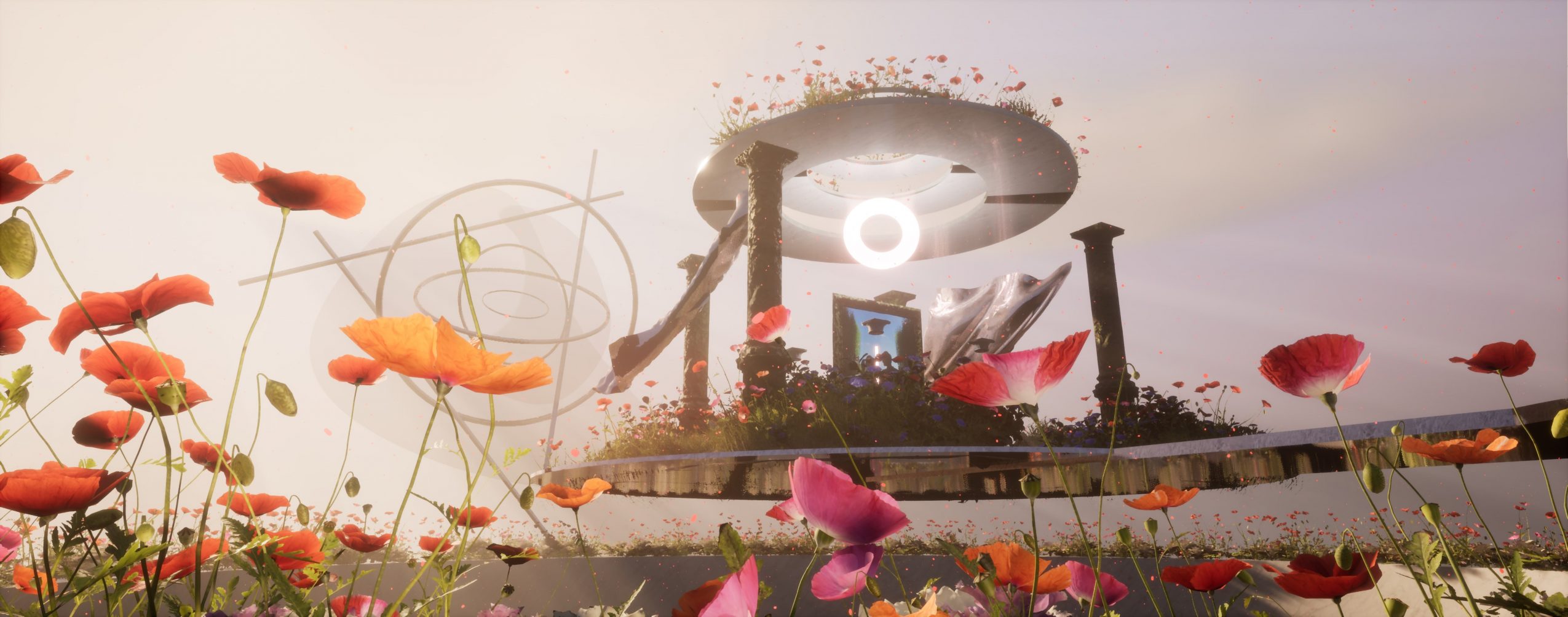
I took my time to explore and found myself comfortable using Unreal Game Engine for my art practices, since it provides a perfect visual playground for anyone who knows programming and loves real time simulation of high-fidelity environments. Although ITP dreams to train people to do tech, design, and art at the same time, it is hard. It requires both knowledge in technical skills and taste in artistic expression. The real situation is that most people have brilliant ideas and proposals but do not have enough technical skill sets and the efforts of persistent execution to produce polished and finished pieces. After working in many different roles on VR/AR and gaming projects with my peers, I found myself enjoying developing technical pipelines to implement the ideas from me and others. After all, what could be more joyful than making someone’s dream come true? Everybody dreams of expressing themselves, but only a few make them true. I have my passion in the process of making, polishing, and delivering.
Keeping that passion in mind, I am now working as a developer for a 12-year creative interactive studio called Red Paper Heart after I graduate from ITP in 2022. I continue to provide technical support for clients who have dreams but no clues about making their dreams come true.
I’m sure it wasn’t obstacle-free, but would you say the journey has been fairly smooth so far?
It’s never a smooth path since nothing in technology is born to be everlasting, especially for my job. I feel like I am doing R&D every day in every project. What should I do to create a VR experience inside a museum elevator as an introductory surprise for a secretly planned wedding proposal? There is no power source and Wi-Fi signal inside the elevator, so how do I get the cableless VR goggles to run high-fidelity simulation? How do I sync the physical space and the virtual space when the fiancée is walking with the goggles on? Will she feel dizzy when she wears the toggles while the elevator is going up? What if she wears glasses? To make it work, all these questions are to be pondered, tested and answered. There is one to be certain that there’s no perfect planning. The portable PowerStation suddenly ran out of power, and the laptop running the simulation had to rely on its own battery, causing the image inside the goggles to turn from 4k/60fps cinema to stop motion cartoon. It happened! I need to have both a strong mentality to keep calm and improvise and a bit of jack-of-all-trades knowledge in technologies, and it requires time. Time is always limited, and it feels even more limited when invested to bring certainty to uncertainty. It is always the core of my job to plant the seeds of dreams in the soil of the red world full of uncertainty and raise them to flourish and bloom for certain.
Appreciate you sharing that. What else should we know about what you do?
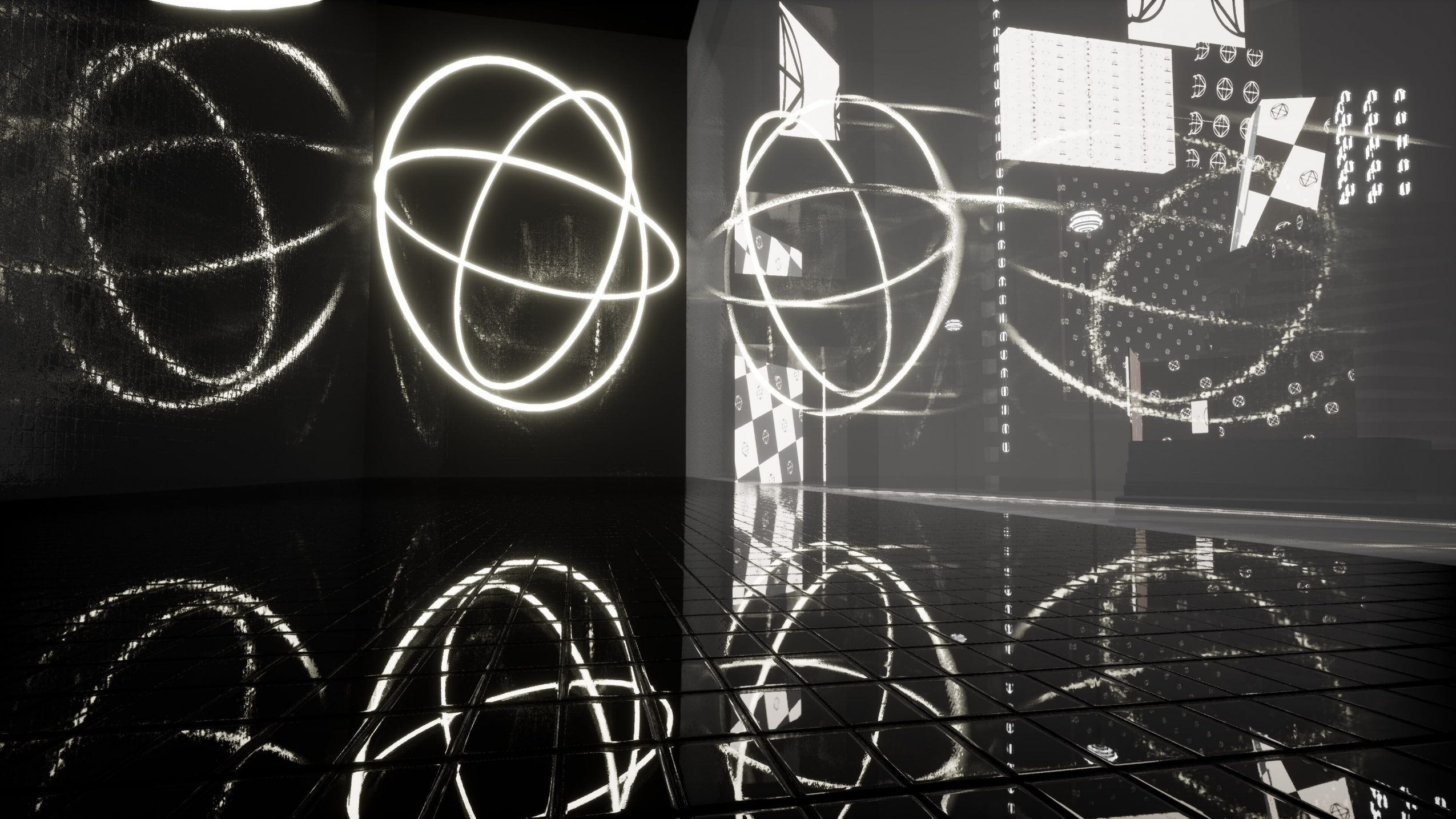
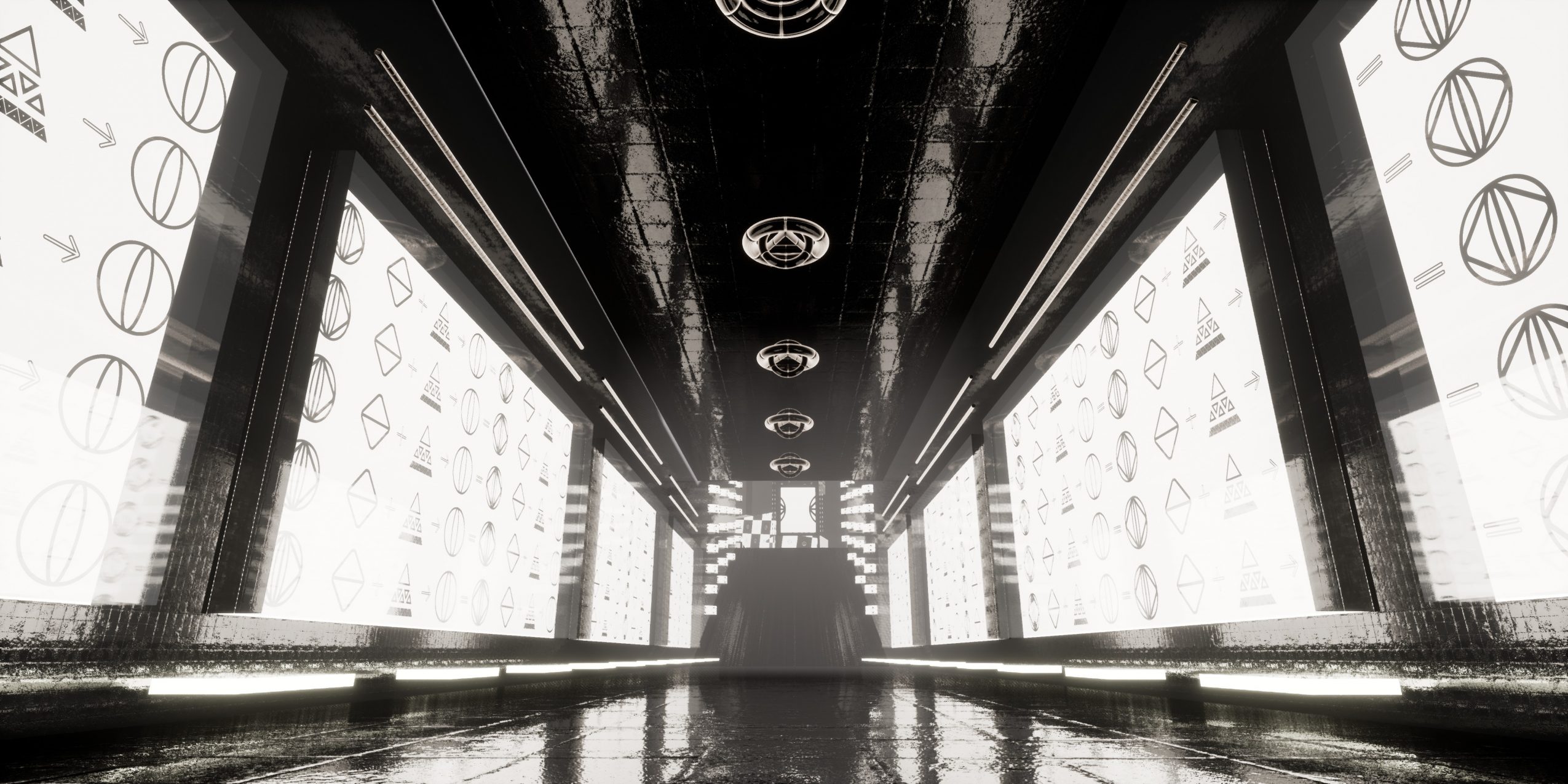
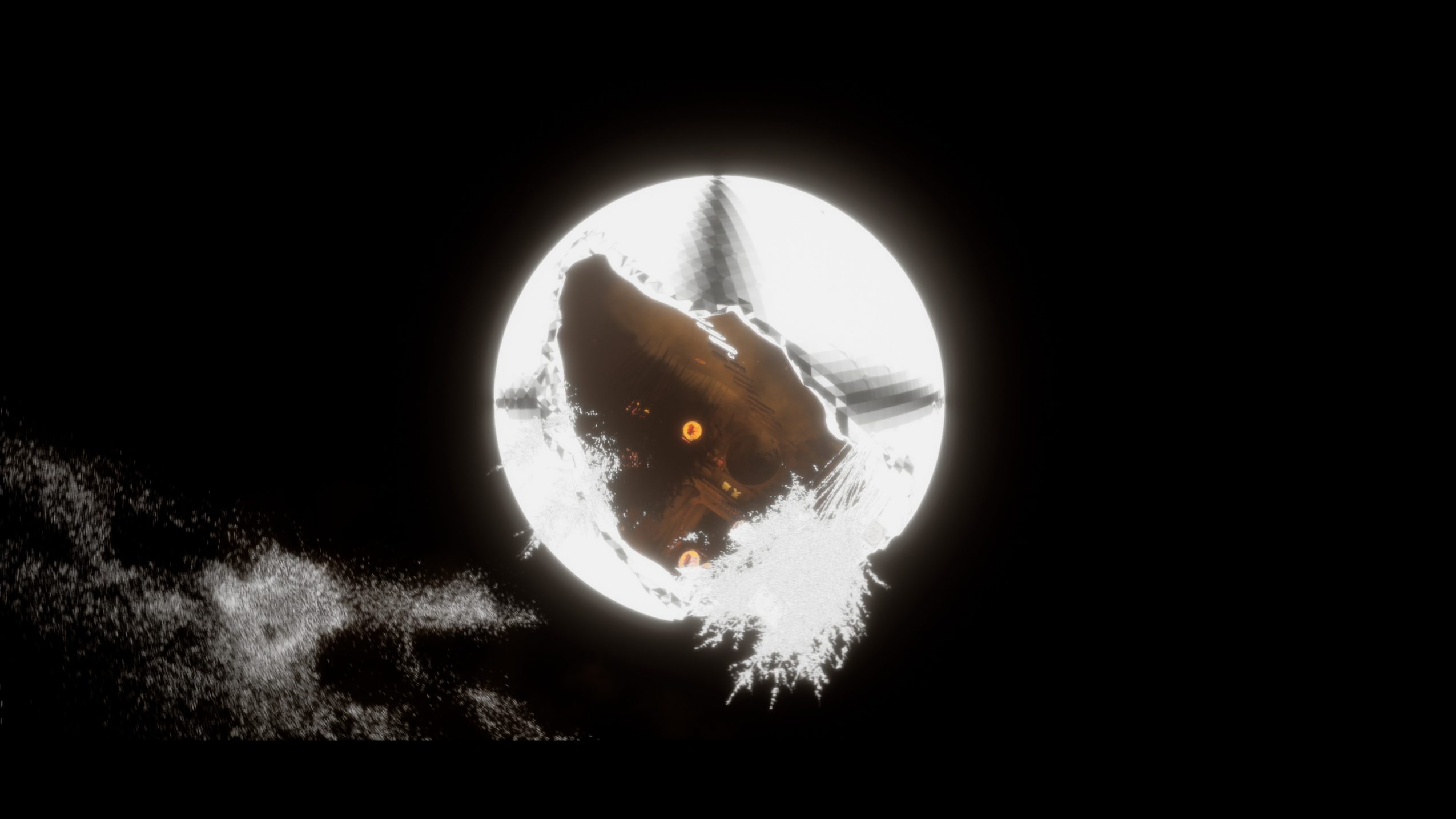
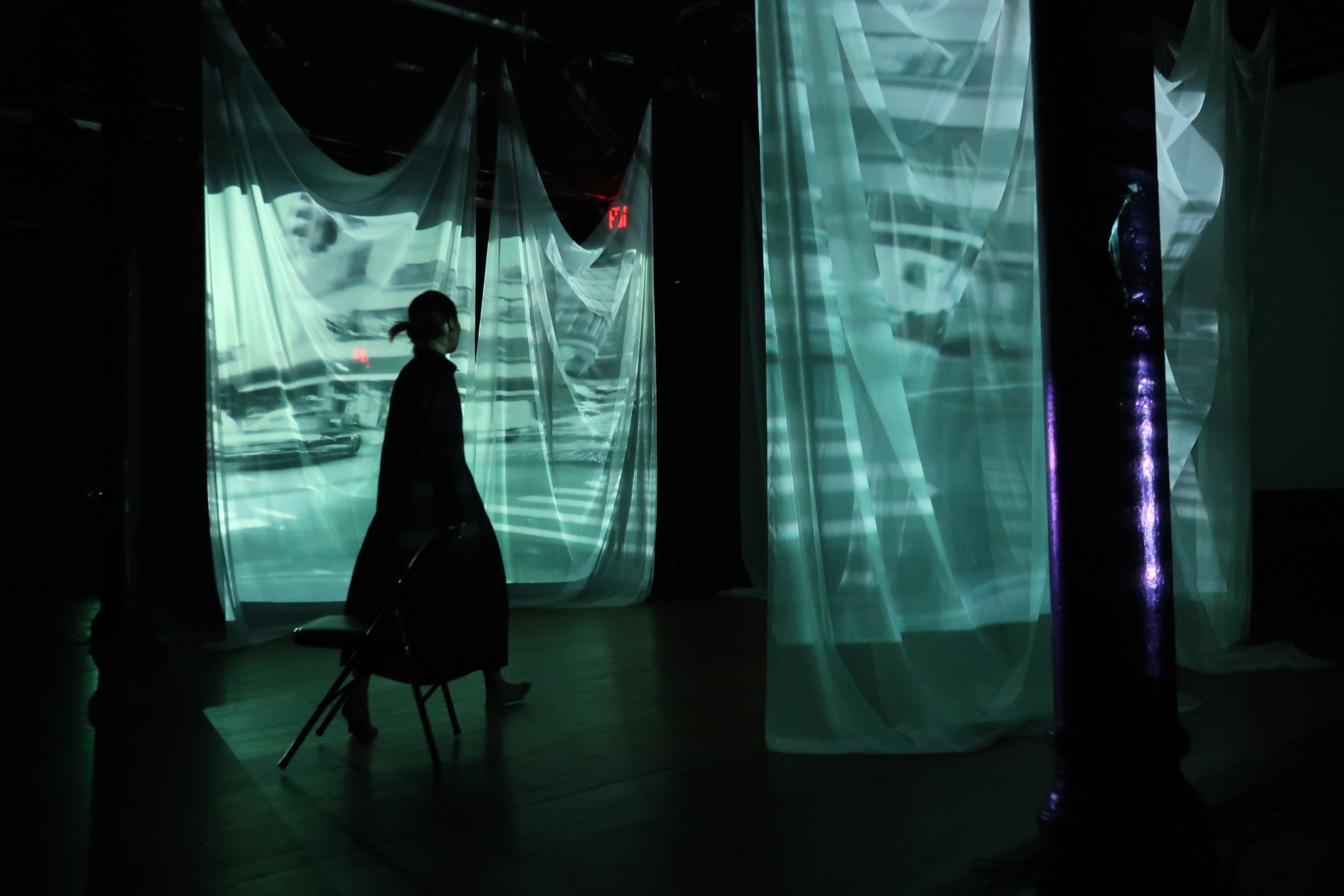
As I talked about before, I am doing most work to develop technical pipelines for real-time simulation. To make it simple, it feels like I am a tool maker to make tools for artists to transform their imaginations into reality, but also at the same time I am also one of the artists. This mixed role sets me apart from both artists, whose imaginations have no limits, and technicians, whose realization clearly dwells on real-world environment limits. Real-time simulation is still a new media form compared with others such as theater, painting, cinema, and architecture. To handle the technical implementation, I have to consider new software features, which have little reference or tutorials from the pioneers’ knowledge, latest hardware limitations, such as the processing limit of the latest VR goggles and GPUs, and on-site environment limitations, such as cable organizations, darkness, and projection distances. To bear with all these limitations but also stay almost obsessive of keeping the integrity of what the final piece should look like becomes my daily mindset, and I love it.
What matters most to you?
To dwell in reality, not in imagination. One of the reasons why I choose to focus on technical realization is I prefer creating something that people can feel, touch, and experience. Everyone can have imaginative ideas, but it is whether those dreams actually come into existence in reality from the process of polishing and execution that matters. That process is the key to bring out the final piece that naturally expresses and conveys. It distinguishes itself from something that needs a dialectic statement to make sense. If people only communicate ideas through words, speeches, persuasions, and eloquence, why would there be art mediums such as music, cinema, and theater etc. To make an idea come true to a real form that people can interact, feel, and experience matters the most to me.
Contact Info:
- Website: mingxixu.me
- Instagram: www.instagram.com/mingxi_works
- Linkedin: www.linkedin.com/in/mingxixu/
Popular
-

LA’s Most Inspiring Stories
-

JordanL on ‘Breathe,’ Belief, and Building a Movement Beyond the Music
-
Megan Birney Rudert on How Access to Light Is Powering a More Sustainable and Equitable Future
-

Linda Kneidinger on Building Lasting Change Through Small Steps and Self-Compassion
-

Jolana Nika on Redefining Modern Connection Through Intentional, Real-Life Experiences
-

What did suffering teach you that success never could?


