




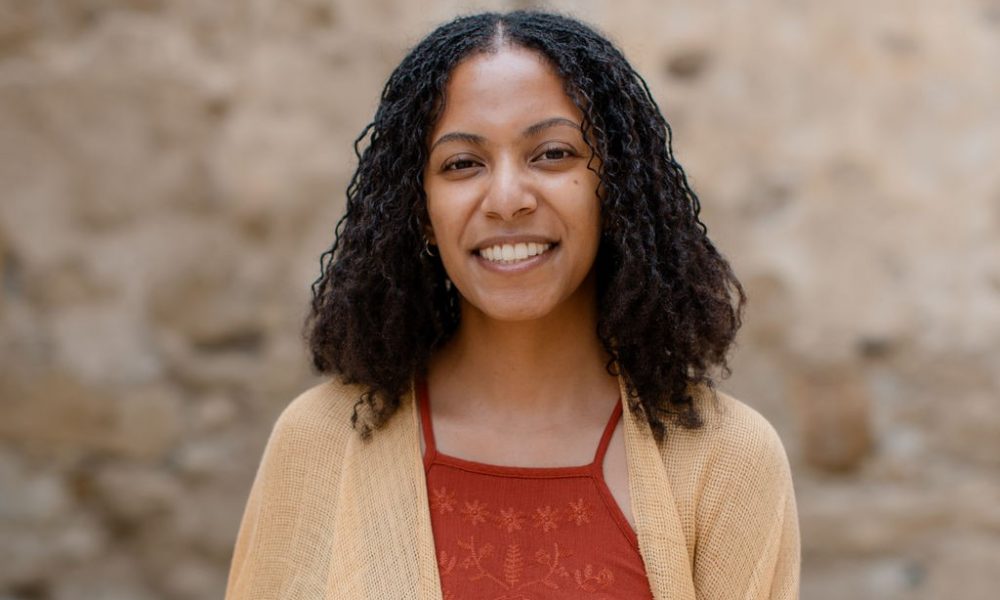
Today we’d like to introduce you to Jessica Faith Achugbue, LMFT, PMH-C.
Hi Jessica, so excited to have you with us today. What can you tell us about your story?
I discovered at an early age that I loved helping families who are navigating the early childhood years, and found ways to explore that love through volunteering with community organizations and lots of babysitting gigs! That love led me through earning a psychology degree, a marriage and family therapy graduate school program, and several jobs and internships in community mental health centers that serve children, adults, and family units. In these roles, I noticed that specific issues were especially heavy on my heart. A birthing person’s special vulnerability, the cruciality of a person’s experiences in their first few years of life, and the impact that trauma can have on these things – it became abundantly clear to me that these are urgent matters.
Becoming a helping professional always felt “right,” and so many pieces of my career journey have come together to clarify my passion for perinatal mental health, infant and early childhood development, and intergenerational healing, bringing me to where I am now: working as a licensed marriage and family therapist, certified perinatal mental health specialist, and certified EMDR trauma therapist.
Can you talk to us a bit about the challenges and lessons you’ve learned along the way. Looking back would you say it’s been easy or smooth in retrospect?
Becoming a licensed therapist is a long and intense process – academically and energetically, but also emotionally. It requires deep self-reflection and exploring the many ways life on Earth can be traumatic. My graduate program emphasized the role of intersectionality in mental health, the ways that the various components of a person’s identity and experiences in the world (for example, their gender, sexuality, race, religion, socioeconomic status, family culture, intergenerational trauma history, childhood community, etc.) impact their relationship with their self and others. So I’ve spent a lot of time doing emotional deep dives, mentally exploring the pieces of myself that feel vulnerable, and acknowledging the marginalization and pain that have been parts of my journey. There were also larger conversations around justice issues happening – in my school program, amongst loved ones, in the media – and seeing those justice issues impacting the clients I’ve worked with was (and still is) one of the most difficult parts of the job.
I’m excited that my work is all about providing a safe, healing space for people who are hurting and empowering them to break hurtful cycles in their own lives; I love getting to do justice work in that way. But I also want what’s hurting them to be stopped on a grand, systemic level.
Thanks – so what else should our readers know about Gentle People Therapy?
I specialize in perinatal (prenatal, postpartum, and early parenthood) mental health, trauma, and anxiety disorders; I often work with moms who are at the intersection of those things. For many, “matrescence” (the holistic process of becoming a mother) is a time when emotional pain from difficult past experiences is brought to the surface and illuminated. And trauma can be caused by events that occur during the pregnancy or birthing process, which isn’t talked about nearly enough. Many parents are suffering in silence while battling perinatal mood and anxiety disorders (PMADs). Matrescence is a time when a person is especially vulnerable to mental health challenges, but also a time when a person is ripe for inner healing. The nervous system is especially sensitive during this time and doing its best to adjust itself to this important new season. And with the right support, majorly transformative healing can happen.
I primarily use a mind-body therapy approach called eye movement desensitization and reprocessing (EMDR), which helps the nervous system release its trauma responses and feel safer, steadier, and more at ease. I find that EMDR is an especially powerful tool for helping new parents heal emotional wounds and feel more peaceful. I practice with an Attachment Theory lens, which means that I consider the ways that a client’s interactions with their caregivers during their own childhood impact their current relationships and self-view, and I collaborate with them to provide care to their “inner child” so they can parent their new child more calmly and confidently.
One thing that’s great about therapy today is the flexibility – I work with clients both in-person in my office in Long Beach and online through a videoconferencing platform, which means that I get to work with folks who live locally and throughout the state.
I named my private practice Gentle People Therapy to pay homage to the Gentle Parenting, Respectful Parenting, Conscious Parenting, and Attachment Theory revolutions that are happening amongst cycle-breaking parents. It signifies the kind of world I hope to help build through the work I do. And the name also represents my personal approach as a therapist – offering warmth and empathy while providing structured support to my clients so they feel safe enough to process the uncomfortable stuff.
Is there a quality that you most attribute to your success?
“Attentiveness” has been a key word for me lately. Paying close attention to a client’s difficulties, strengths, needs, desires for the future, and the intricacies of their life stories is paramount to doing therapy well; it’s healing to feel seen, understood, and emotionally “held” by a nonjudgmental supporter who genuinely wants you to thrive. So when clients have shared that they feel thoroughly cared for by me in that way, that serves as a marker of success for me! And I think that trying to lead with that attentiveness every time I share Gentle People Therapy has been an important part of making this private practice adventure take off.
Contact Info:
- Website: www.gentlepeopletherapy.com
- Instagram: @gentlepeopletherapy
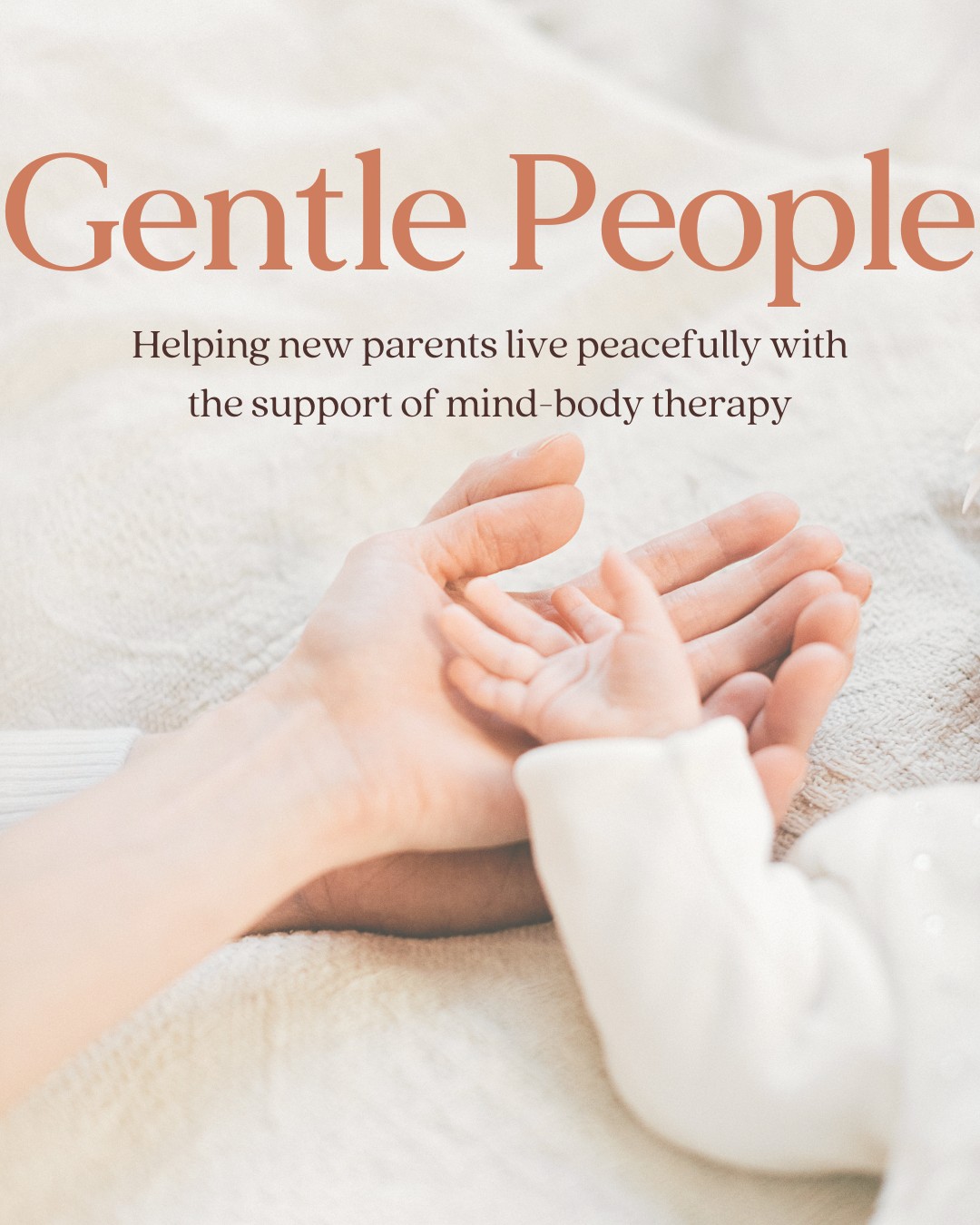



Image Credits
Camryn Clair Photography
Popular
-

What is something outside of work that is bringing you joy lately?
-

Local Highlighter Series
-

What did suffering teach you that success never could?
-

What are you most proud of building — that nobody sees?
-

Who were you before the world told you who you had to be?
-

If you could say one kind thing to your younger self, what would it be?


