




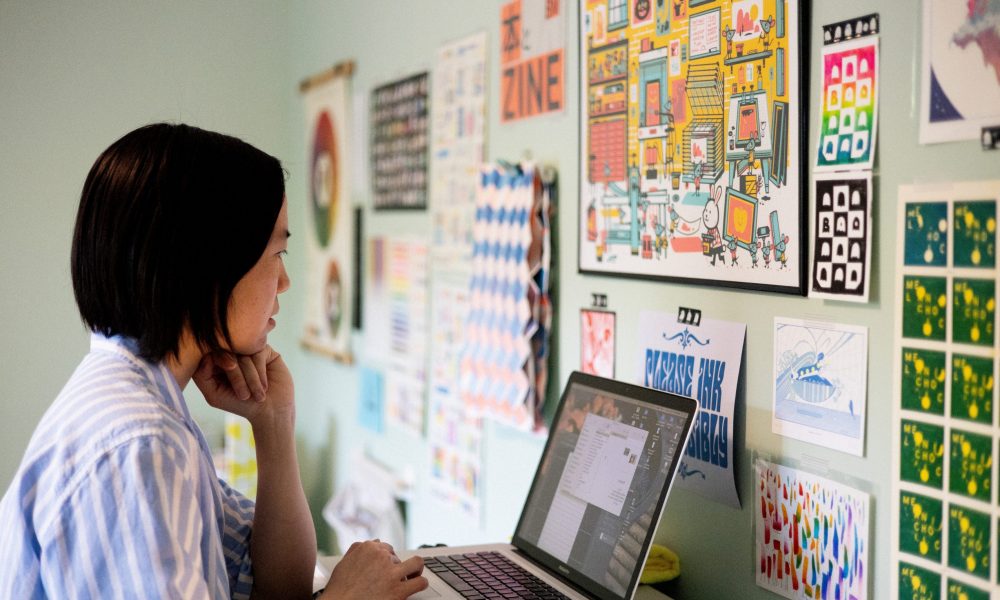
Today we’d like to introduce you to Amanda Fung.
Hi Amanda, we’re thrilled to have a chance to learn your story today. So, before we get into specifics, maybe you can briefly walk us through how you got to where you are today?
Art has been part of my life since the beginning, but my history with zines and risograph as a medium is much more recent. I wish I had known about both sooner in my creative practice, but I believe it all worked out the way it was supposed to so that I could be where I am now.
I went to school for design, and in design, things are usually made to serve a purpose: to communicate information, add aesthetics, increase function, etc. Even prior to college, art that I made had to “look good” or be something of monetary value, something people would want to buy. It’s not that I didn’t or don’t enjoy making art that has an end goal, but those experiences with art that I had thus far were what informed my perceived limitations when it came to my own practice. It wasn’t until I was exposed to art therapy that I started believing it was possible for me to actually express myself through my art. It took quite some time for me to dismantle the mindset that everything I make needs to have value or be a source of income and accept that making art just for myself was okay.
As for how I got into zines, weirdly enough, I initially came into the world of zines with a completely opposite understanding of what they were all about. I realized this was due in part to the art book fairs where I was first exposed to zines. As much as I love art book fairs, that encounter led me to believe that zines were these high art objects, deeply conceptual, inaccessible to laypeople in content, price, and production. To my great relief, I found that making zines is one of the most accessible and liberating mediums out there, and my obsession with zines has only continued to grow exponentially since. Not only that, the culture and community surrounding zines add even more to the experience of zine-making; there’s really nothing else like it.
I fell in love with Risograph in a similar way, drawn at first to its vibrant colors and beautiful texture, but ultimately, what increased my infatuation with it was what someone described to me as Riso’s “democratic accessibility,” particularly with regard to self-publishing. To be involved in the entire publishing process feels incredibly empowering, as you have the ability to control everything from the initial idea to design and layout, the production and finishing of the final product, to the distribution; it’s all in your hands. The more I interacted with others in the zine and risograph community, the more I understood how powerful it was to be able to share your own stories on your own terms, and connect with and support others who are doing the same. I started a to zee press as a means to this end, to expand and allow for more experimentation within my own practice, as well as share that power of self-publishing through riso with others in my community.
Would you say it’s been a smooth road, and if not what are some of the biggest challenges you’ve faced along the way?
I doubt many people have smoothly sailed towards pursuing a life doing what they love, and I’m certainly no different. I’ve spent a lot of time trying to determine the kind of life and career I want for myself, and I don’t know that I have a solid answer to that question, even now. Some things have become clear to me over time; for example, I find that I much prefer the flexibility of being able to direct my energy in multiple directions versus being committed to one 9-5 job. I also really value being part of a larger creative community where all of us can connect with and inspire each other as fellow artists. But these are things I only realized by struggling through the opposite scenarios, where having a 9-5 with a long commute regularly left me too drained to create, and not having access to a wider community and instead working mostly in isolation made me stagnate in a lot of ways.
Since starting a to zee press, I’ve also kept myself pretty busy—probably too busy sometimes—to the point of burning myself out a couple of times. I’m very fortunate that I’ve met enough people at this point who reach out to me with opportunity offers, and it’s so hard to say no sometimes! Moving forward from here though, I aim to adjust what I take on a little more accordingly and schedule in more regular rest periods, now that I understand more about my limits when it comes to running my own print studio.
In terms of income, I’m still struggling to find what works for me, but no matter what, I want to be mindful that I don’t let money drive all the decisions for my creative practice. Obviously, being able to live off your art is what many artists dream of, but ultimately, I still want to make what makes me happy. I personally don’t get much gratification from following trends or trying to chase what I think people want from me, even if that means I could potentially earn more money. I would rather make money from a different source, and be able to preserve what makes my creative practice meaningful to me.
Can you tell our readers more about what you do and what you think sets you apart from others?
I’m probably best known for making things that have some kind of interactive or playful element in it. For zines, that often takes the form of utilizing unique materials and formats, usually complementing the content that is within the zine itself. For example, I made a zine about grieving my recently departed grandfather. I used thin calligraphy paper and bound it on the top and bottom by sewing all the pages together, and the only way to read through the zine is to tear through each page one by one, representing the difficulty of grief and moving on after loss.
Can you share something surprising about yourself?
This is probably something people know about me already but I’m a pretty big introvert. But something people might not know though, is that I’m also a “highly sensitive person”. Coined by Dr. Elaine Aron, an HSP can be summarized by four aspects of high sensitivity: depth of processing, overstimulation, emotional responsiveness/empathy, and sensitivity to subtle stimuli. I won’t get into more of the research here, but for me personally, this exhibits as a deep attunement to my own thoughts and to the emotions and needs of those around me, an aversion to overly stimulating environments, and more. Before discovering the term “highly sensitive person”, I often thought of myself as just “the weird one” who doesn’t like big social gatherings and absorbs other people’s emotions too easily. But now I see some of those traits of mine as more of a superpower, and I can be more mindful to bump up self-care when I know I need it. Plus, being deeply introspective allows me to create pieces that tap into those complex thoughts and feelings, and then being able to share that art with others is super gratifying.
Contact Info:
- Website: https://cargocollective.com/atozeepress
- Instagram: https://www.instagram.com/atozee.press/
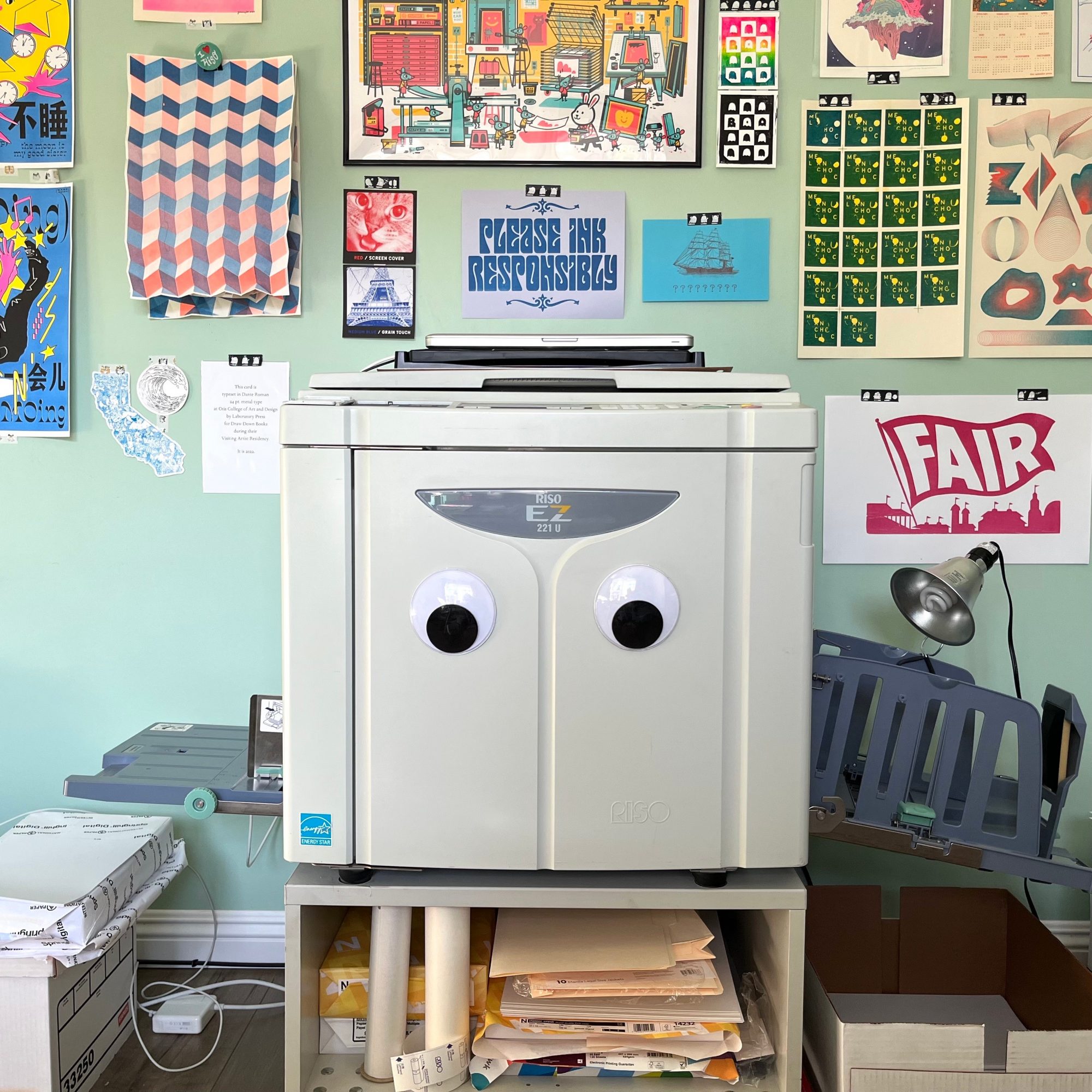
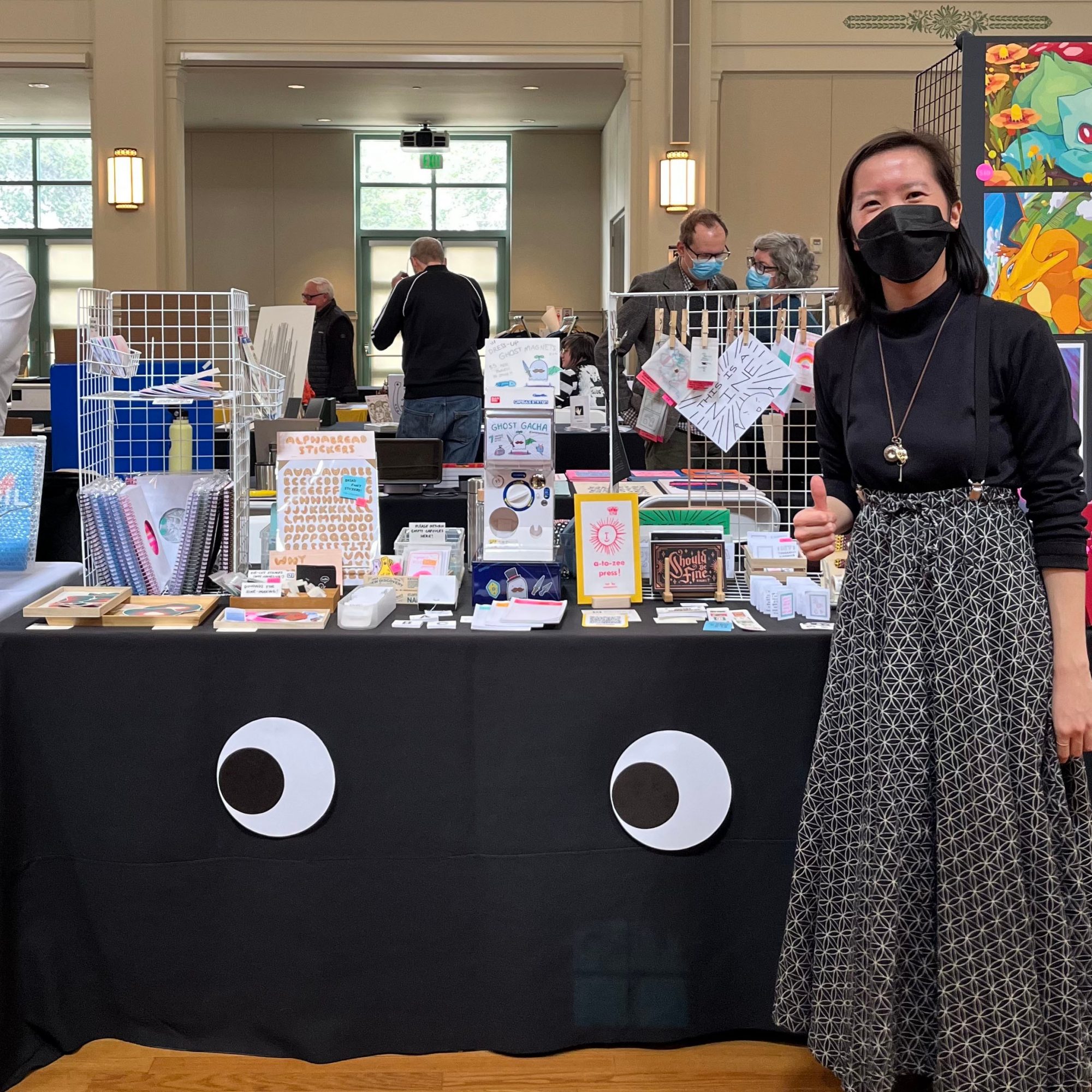
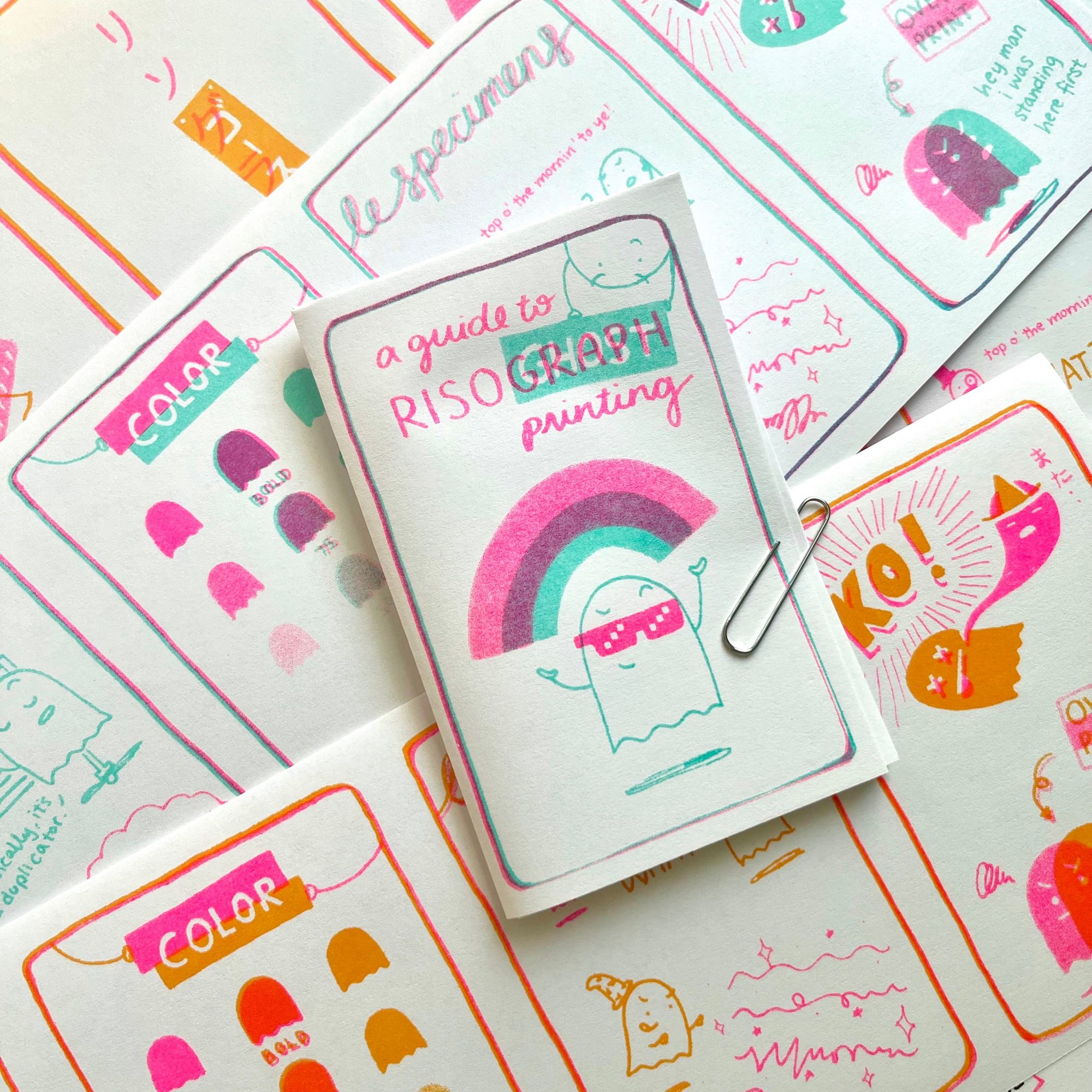
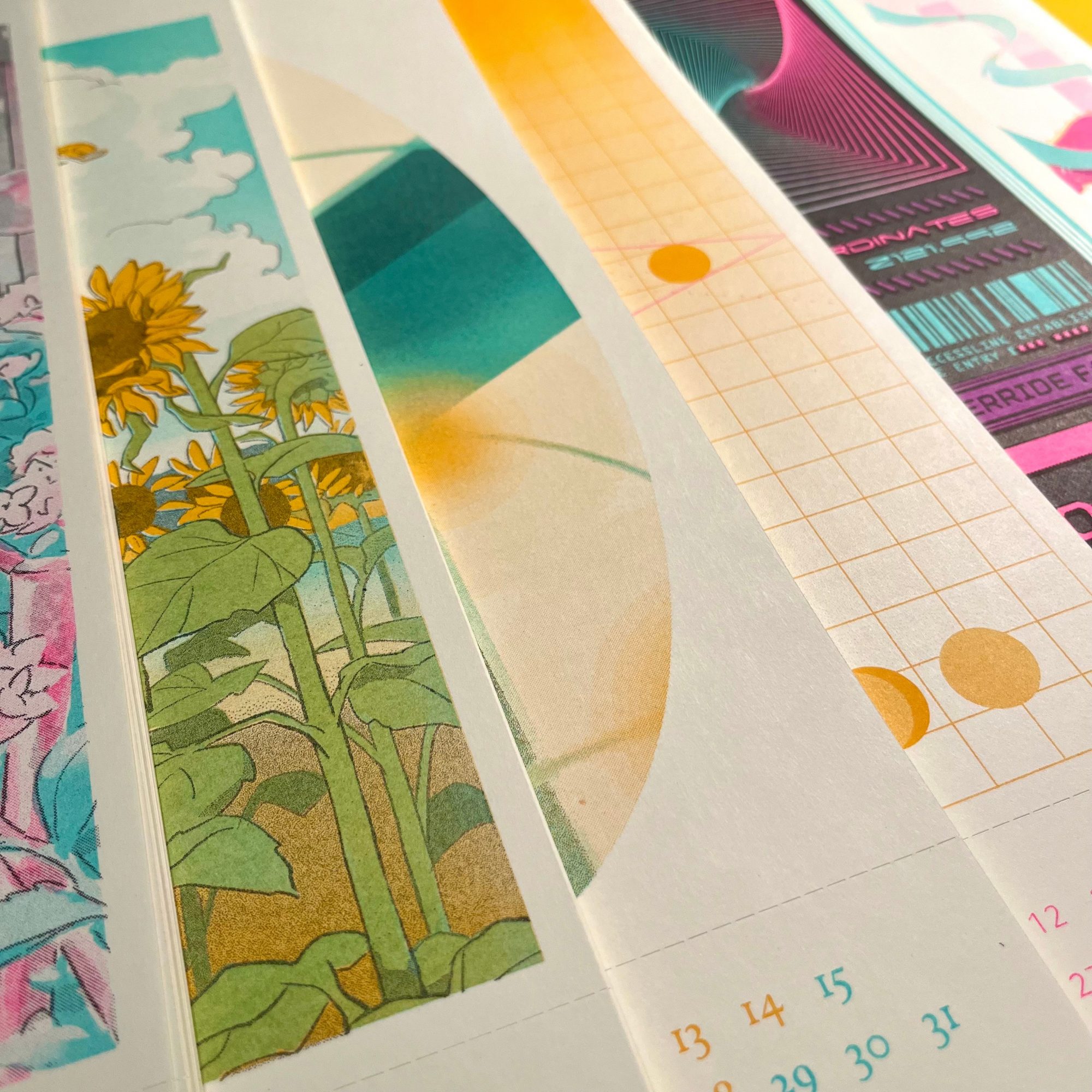
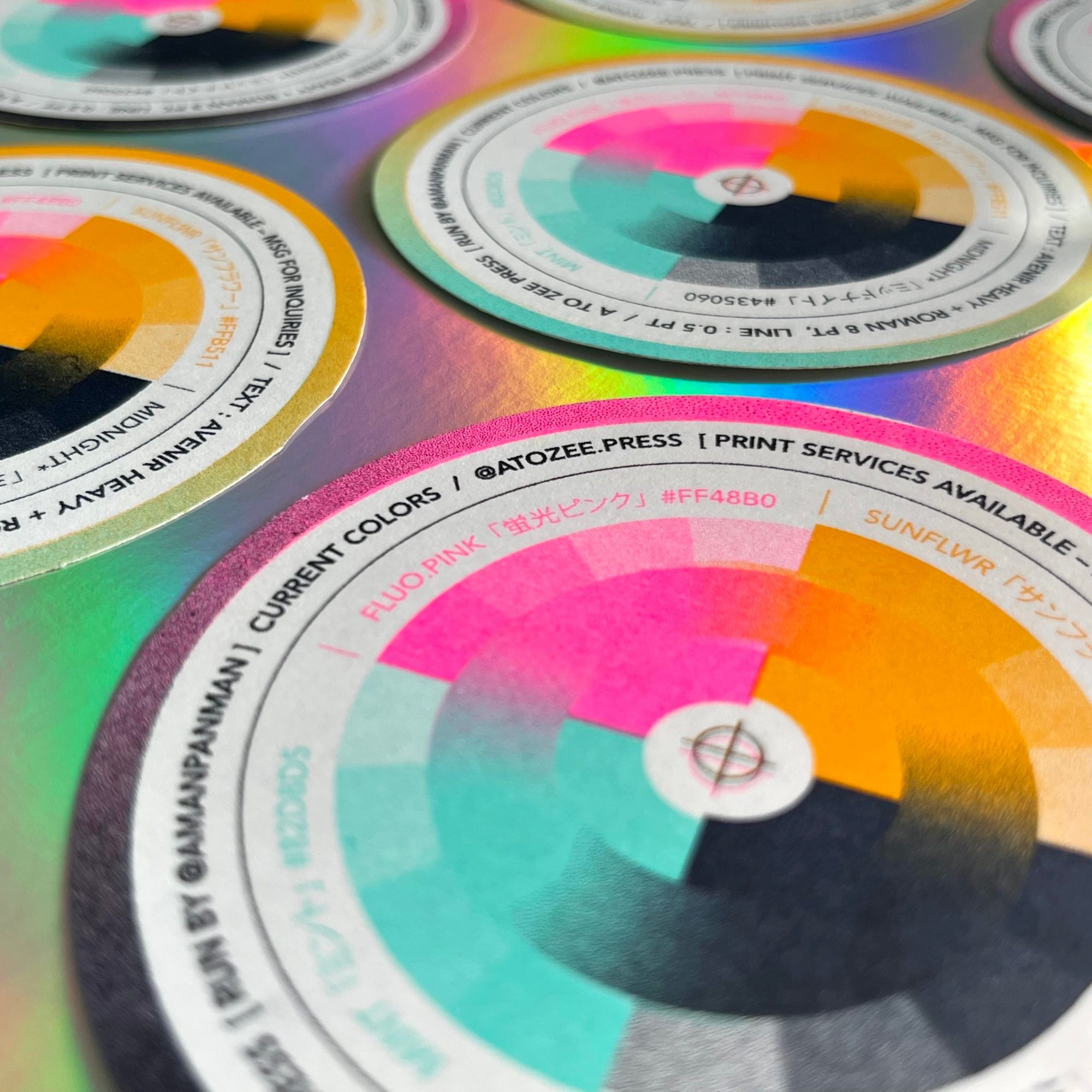
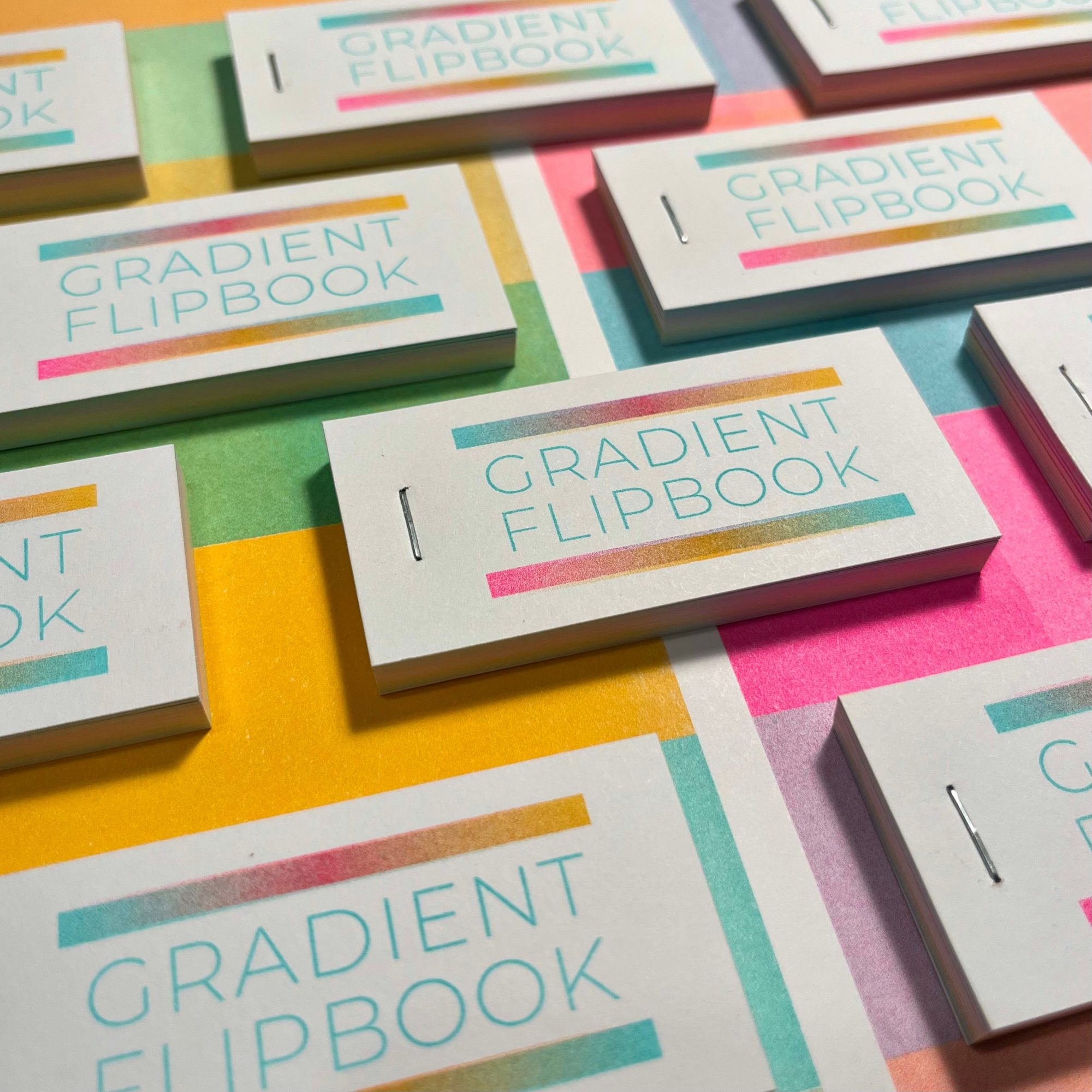
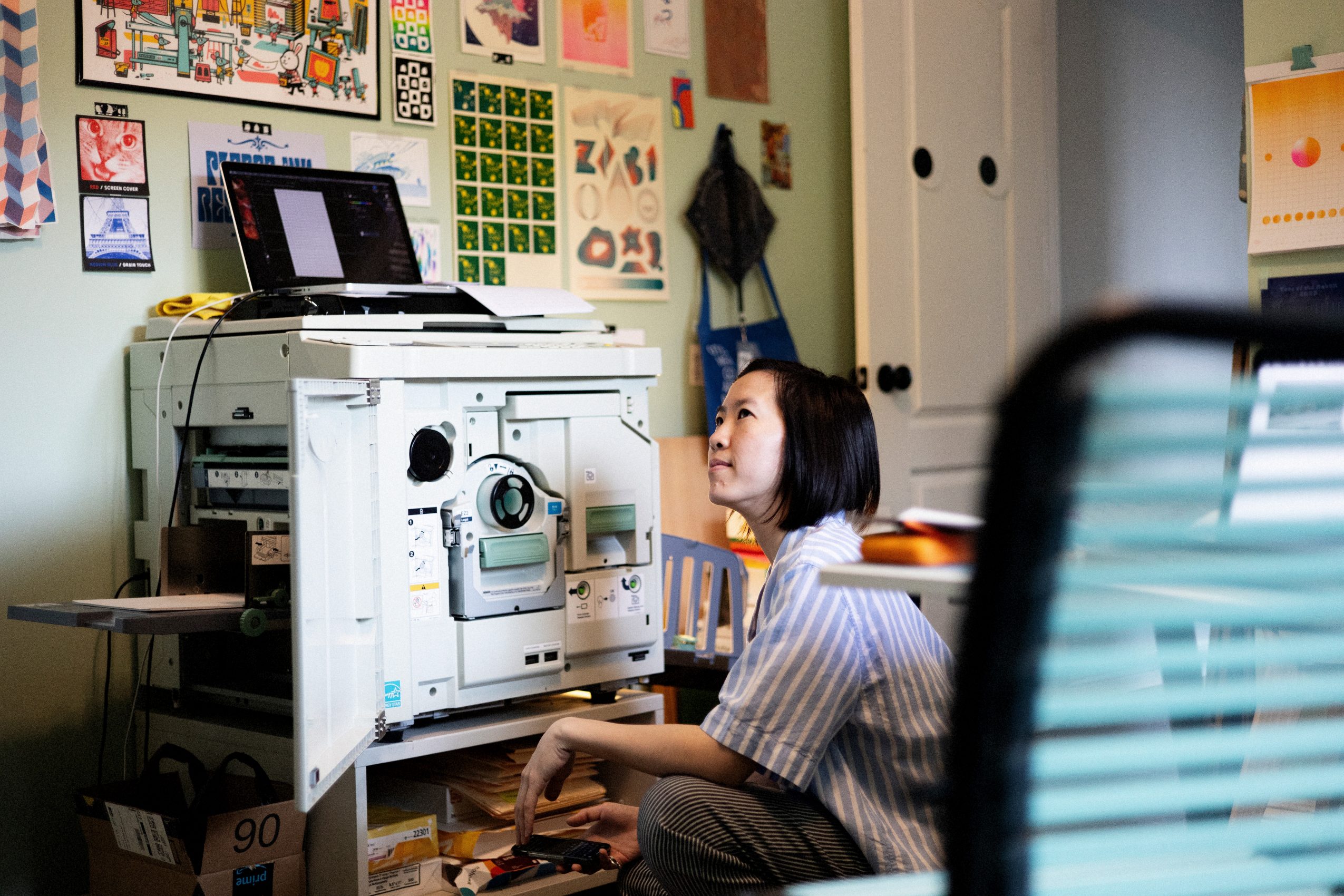 Image Credits
Hikita Chisato, Amanda Fung
Popular
-

What is something outside of work that is bringing you joy lately?
-

Local Highlighter Series
-
What did suffering teach you that success never could?
-

What are you most proud of building — that nobody sees?
-

Who were you before the world told you who you had to be?
-

If you could say one kind thing to your younger self, what would it be?


