





Today we’d like to introduce you to Aurisha Smolarski.
Hi Aurisha, it’s an honor to have you on the platform. Thanks for taking the time to share your story with us – to start maybe you can share some of your backstory with our readers?
My mother used to remind me that I was “that little kid sitting in the corner at parties, content but always observing.” Even then, I was curious about the ways humans interacted and behaved. I may not have felt comfortable in social situations, but I found a way to express myself through music. I started to play piano at age six, then took up the violin two years later. As the notes on the page created movement in my body, I made the connection between music and emotion.
After high school, I moved to Paris, where I lived for three years. I started performing in bands and learning the art of improvisation and slowly came out of my shy shell. On stage, I felt seen and alive. However, after going to music school in Boston and then moving to Los Angeles to follow what I thought was my dream of performing and teaching music, I realized I didn’t want a life on the road. At age thirty-six, I had no money in my account and an uncertain future. I needed a fresh start.
Cultivating a meaningful romantic relationship and building community grounded me and led me to the next chapter in my life: working in public policy as a bicycle advocate in Los Angeles, getting married, having a baby, and going back to school to earn my degree in psychology. My mother was a therapist, so initially the idea of becoming one too seemed like a “hell no.” But I had started to get a reputation for being the “truth serum”—that is, someone who would effortlessly help people open up and share the depths of themselves over a beer or coffee within minutes. I was genuinely curious about people, and they were genuinely interested in being heard and seen.
This experience—along with my own experience of co-parenting for six years—led me to write Cooperative Co-Parenting for Secure Kids: The Attachment Theory Guide to Raising Kids in Two Homes, which will hit the shelves on January 2, 2024. My book brings together my learnings and expertise as a relationship therapist, a mediator, and an educator, working with other co-parents and single parents along with my personal experience as a co-parent.
My hope is to touch families who may benefit from learning how to create a secure foundation for their child in two homes. I also hope to change the narrative that divorce is bad for kids.
Can you talk to us a bit about the challenges and lessons you’ve learned along the way. Looking back would you say it’s been easy or smooth in retrospect?
I’ve walked in the messiness of conflict and of divorce—both as a child and as an adult. My mother and biological father divorced when I was around seventeen months old. I have no memory of them together, nor of him really. He has not been in my life, and I am okay with that. Even so, the few interactions we did have before my mother took me out of state—which I know are stored as memories in my body, even if I can’t consciously recall them—centered on her making him feel good. I don’t know if these early memories are due to the anger with which she spoke about him or what I myself felt. Probably a bit of both.
I saw how the unresolved anger and hurt affected my mom and does to this day. But I also saw her resourcefulness as a single mom with a French passport and two babies. I also know that somewhere in me I harbor a sense of abandonment from my father. These wounds have shaped me and marked some of my own struggles in relationships and love. At age three, my stepfather entered our lives, providing a reliable partnership for my mother and a consistent father figure for me and my twin sister.
When my own marriage was on the rocks, I desperately didn’t want to repeat old familial patterns. I wanted to hold on with every fiber of my body. Even though in pictures and to friends, we looked like the “perfect” couple, we were slowly drifting apart. Issues that had permeated our relationship from the start became more central and unsurmountable. I clung to hope as a way to ignore the truth that I was not happy, and neither was he. I was afraid to face the idea of being alone, afraid to lose the identity of being a family, and afraid to lose the future we had envisioned for ourselves. I was also afraid of how our daughter would be affected. I felt the shame of not being the couple others saw us as and that I was pretending existed.
But I was losing myself in my marriage. My sense of worthiness was deeply intertwined with being with my ex. As a therapist, I worked with clients who came in with similar stories. I’d look at them and think, “This is me.” I helped them find their own truth, their own footing and voice, and I helped them make healthy choices. Yet my own fears gripped me so tightly that it took me a long time to let go.
Eventually, I understood that we needed different things in a relationship. I couldn’t be the person he wanted me to be, and he couldn’t be the person I needed. It took years for me to heal from the hurt and anger after our relationship finally ended. I sat through hours of therapy, with the emotions of fear, anger, sadness, and shame trading places in my body. I leaned on my circle of friends and community for support and focused on parenting my daughter—the most important person to me. I did some deep healing, related not only to what happened in my marriage but also to the early childhood experiences that led me to where I am today.
Separations are messy. And ours certainly was at first. We brought our old conflicts into our co-parenting relationship interactions. But I saw how that was causing distress to our daughter. Even if I never wanted to see her dad again, she needed both of us in her life, and she needed us to work together. That became the most important motivation for me to figure out how to be in this new relationship with him, as co-parents.
Armed with my knowledge of attachment theory and relationship principles, I started to apply what I knew as a therapist to my co-parenting relationship. This drastically shifted my co-parenting relationship from one headed into deeper conflict to one that was moving toward cooperation. Even if I was the only one making intentional changes, the dance we were in together shifted.
I felt myself breathe again, open up and regain vitality, energy, and joy. The inner work I was doing helped me reclaim myself and live from a place of empowerment, not fear. I realized I had based so much of my worthiness on the idea of being in a relationship that I had been willing to forfeit my own boundaries and security. My sense of worthiness belongs to me now. I no longer need that from my ex or from any relationship.
While my life has not always been a smooth road, I’m okay with that. I understand that these are normal aspects of life and are part of who I am today. Rather, my experiences have taught me that it is through increasing our awareness of who we are and why we do what we do that we can start to make the changes we need in our lives. I know it takes a fair amount of privilege and resources to be able to focus on self-care, inner work, and education, so I don’t assume it is easy for everyone. But I do feel my own struggles have made it easier for me to empathize with and support my clients.
Appreciate you sharing that. What else should we know about what you do?
I am a licensed marriage and family therapist specializing in working with couples, co-parents, and individuals. I am passionate about helping people navigate the complex terrain of their relationships—with themselves, with each other, and with their children. As the author of Cooperative Co-Parenting for Secure Kids: The Attachment Theory Guide to Raising Kids in Two Homes (New Harbinger), which will be released in January 2024, I believe divorce itself doesn’t necessarily hurt the kids; rather, it’s how the divorce is done. As a society, we rejoice in the union of marriage yet stay silent when almost 50% of marriages end in divorce. Many books and resources show us how to be in a romantic relationship, but we are left to fend for ourselves when it comes to co-parenting relationships.
Unfortunately, our kids end up getting hurt the most. I believe a co-parenting relationship deserves as much care as a marriage or dating relationship because our children’s lives depend on it. Having watched co-parents (including myself) go from confusion to clarity, conflict to cooperation, and loneliness to a sense of belonging, I’m honored to empower and provide guidance to co-parents so they can do what they most want: make sure their kids thrive in two homes.
How can people work with you, collaborate with you or support you?
To buy my book: https://www.amazon.com/Cooperative-Co-Parenting-Secure-Kids-Attachment/dp/1648481841 or anywhere you buy books.
Contact Info:
- Website: www.aurishasmolarski.com
- Instagram: https://www.instagram.com/cooperativecoparenting/
- Facebook: https://www.facebook.com/cooperativecoparenting
- Linkedin: https://www.linkedin.com/feed/update/urn:li:share:7123414651291250688/
- Youtube: https://www.youtube.com/@cooperativecoparenting
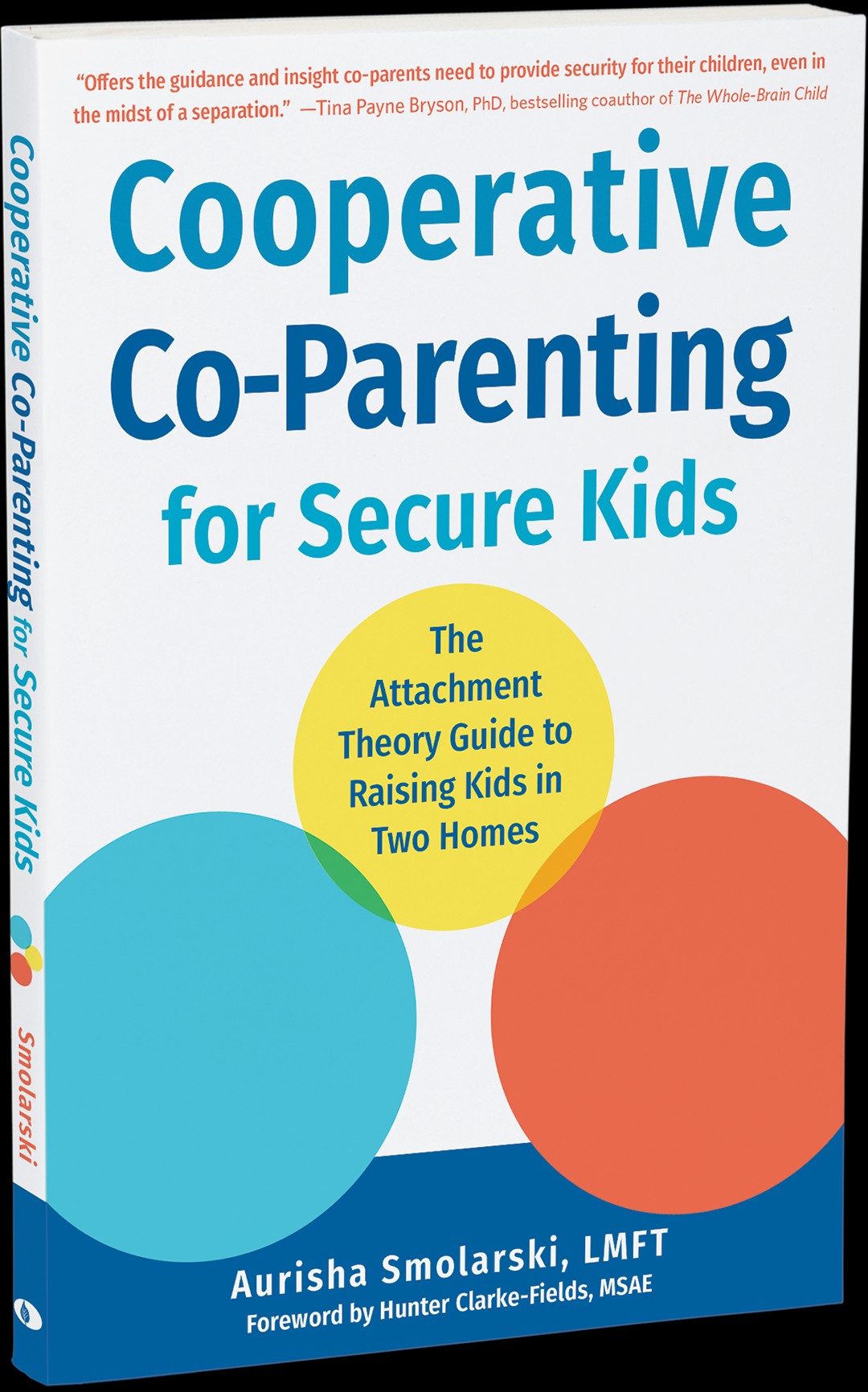
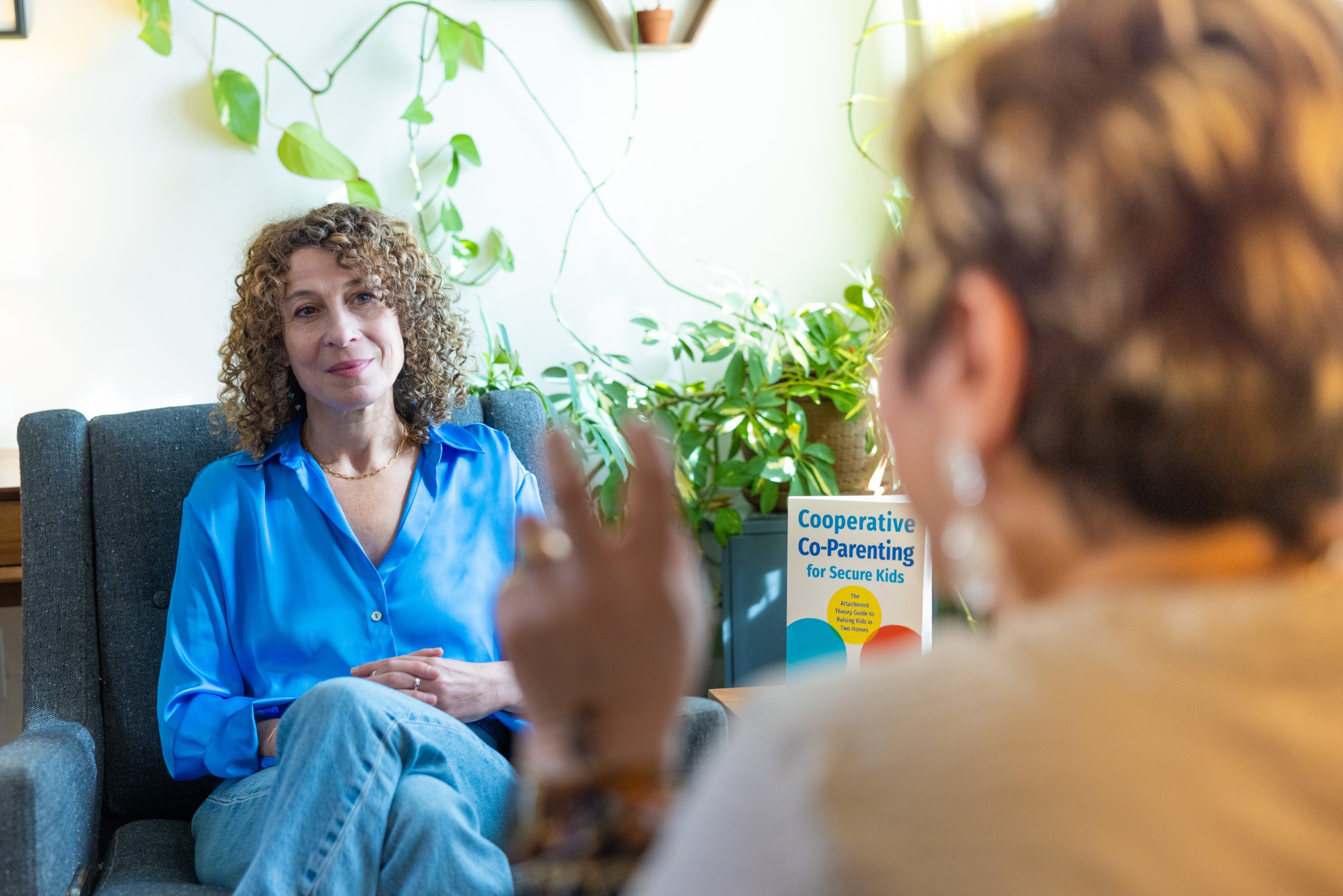
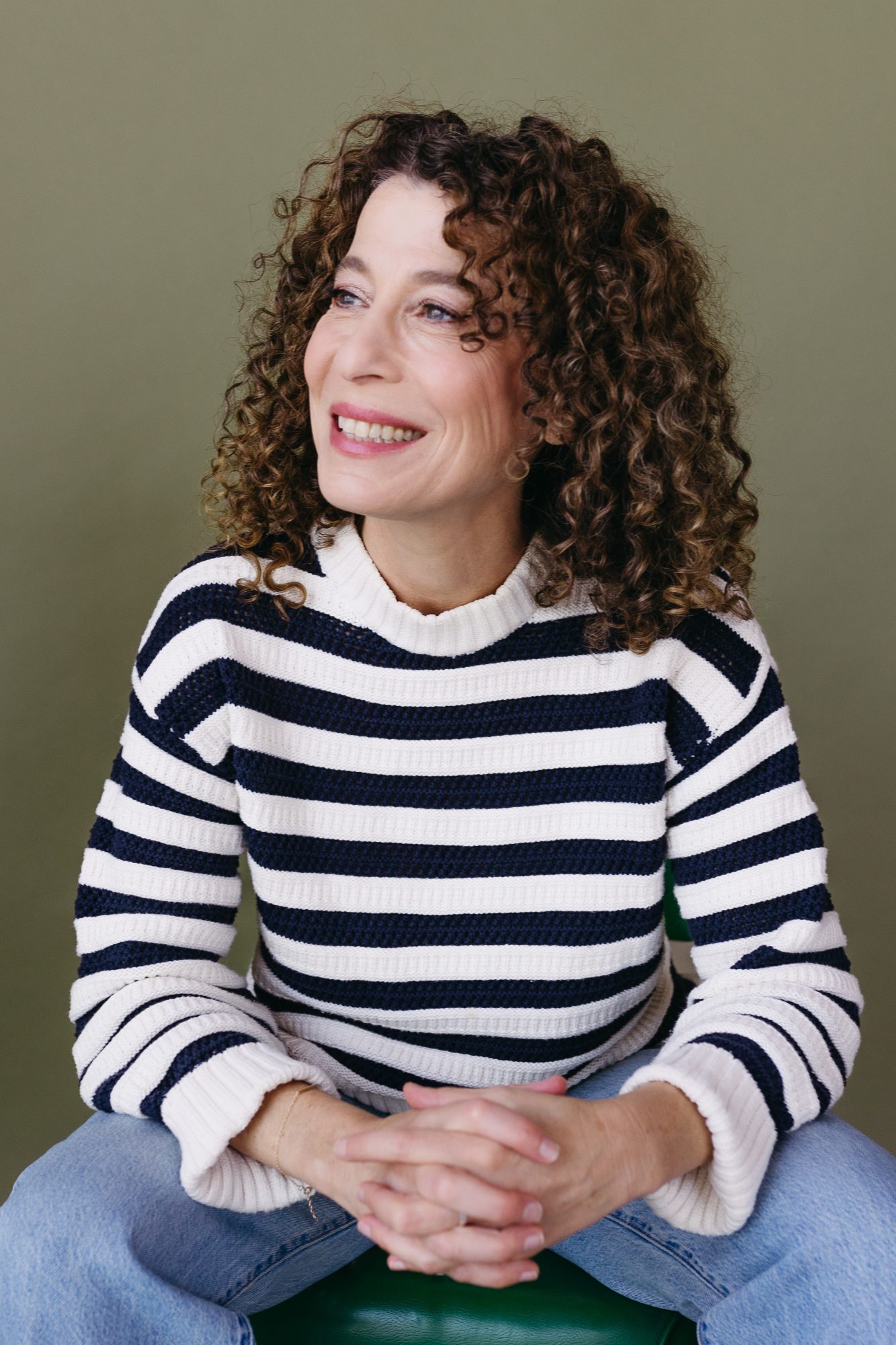
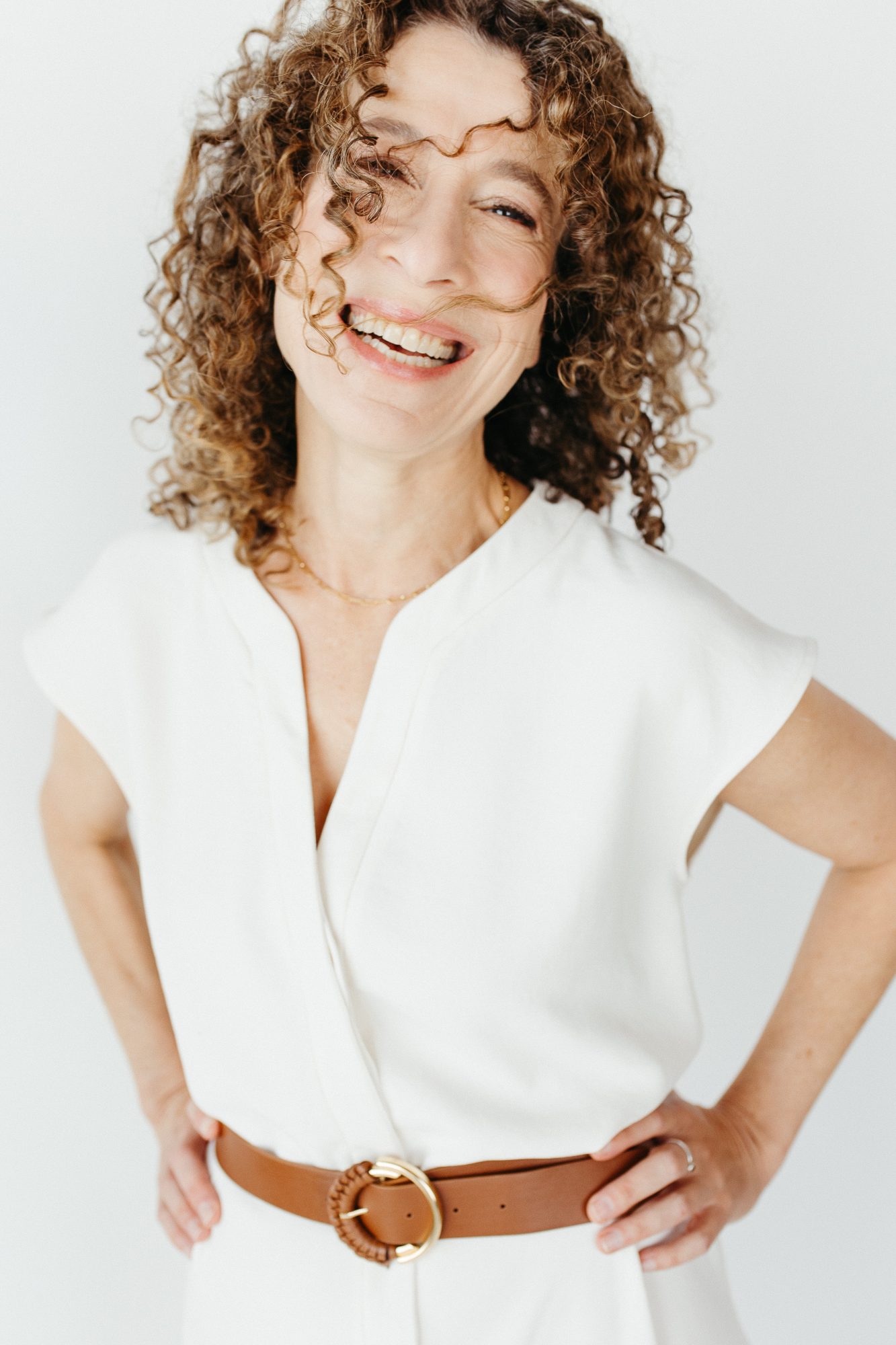 Image Credits
Ericka Kreutz (headshots) Gerome Vizmanos (office shot)
Popular
-

JordanL on ‘Breathe,’ Belief, and Building a Movement Beyond the Music
-

Megan Birney Rudert on How Access to Light Is Powering a More Sustainable and Equitable Future
-

Linda Kneidinger on Building Lasting Change Through Small Steps and Self-Compassion
-

Jolana Nika on Redefining Modern Connection Through Intentional, Real-Life Experiences
-

What did suffering teach you that success never could?
-

Who saw you clearly before you could see yourself?


