



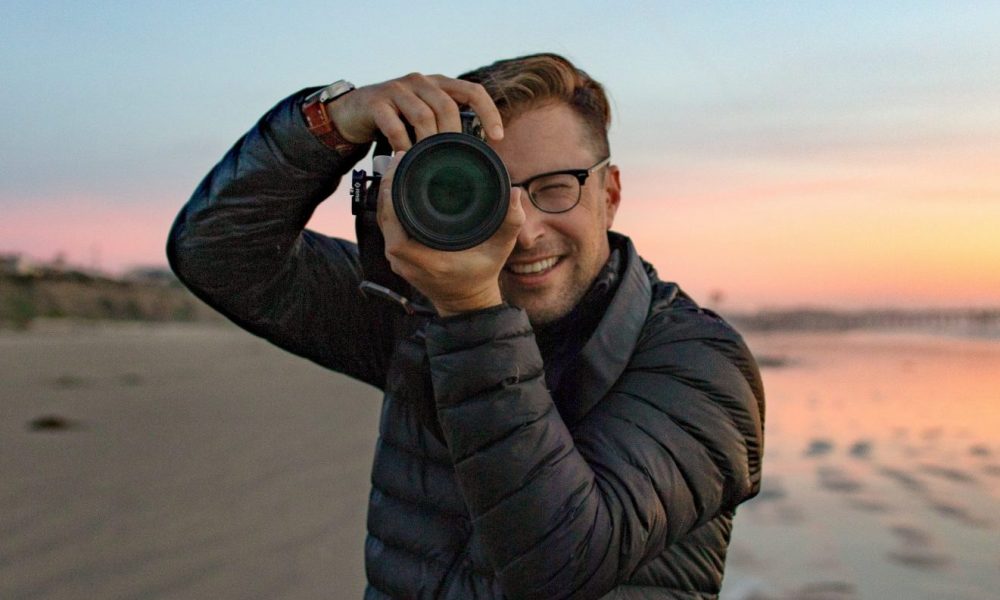
Today we’d like to introduce you to Christopher Petro.
Hi Christopher, thanks for sharing your story with us. To start, maybe you can tell our readers some of your backstory.
I fully endorse the mantra “Live where you vacation.” It’s kept me on California’s Central Coast and within the SoCal region for my entire life. I’m captivated by the notions of California culture and design, obsessed even. Different backgrounds, colors, grammar, and a homogenized influence of long traditions all intertwine and echo the diversity of people found within the state. It’s a space where one can drive a few hours from one of the tallest mountains on the continent to one of the lowest places on the planet. California holds the oldest, the most massive, and the tallest trees known anywhere on the planet. These facts don’t just fascinate me, they inspire me to go places and explore. To find my own meaning within these larger contexts and to document these experiences. Deserts, beaches, plains, massive metropolises, and dense mountainous forests harmonize, blur together, and support a myriad of ways of being all in California.
I come from blue-collar roots, where my folks worked themselves to the bone, and my brother and I were raised largely latchkey. Like most photographers, I have been a creative of some variety throughout the years. Growing up, I was a jazz pianist, playing in trios and bands and making records. I evolved into a radio emcee, then a music writer for magazines, rotating between all of California’s major cities, chasing genres and sonic exploits wherever found.
I ended up parting ways with music to stir a while in academia, ultimately pushing through an environmental engineering dual master’s in graduate school, developing my interest in the sustainable realm, a place where conservation and public lands blend. I got deep into university, and I spent a long time working while in school, cash-flowing the whole endeavor and costing me both my social and creative spheres in the wake of pursuit.
Ultimately, several major life events forced me to let my creative side flourish again. I began taking on a new milieu and medium for creativity: photography. Making art and engaging in creativity became a commanding purpose once more. The need to create art and find influences from the beauty in everyday living became a flow state of its own and a passionate calling. For me, it is a place to find and live in the moment, which is one of my commanding life purposes.
I firmly believe that artists of all guilds should pour their souls into their work, not only to tell a convincing story built on the foundation of life experience but also to use creativity for its therapeutic insights. Today, I have created thousands of pieces, each one reflecting a state of mind, a time in my life constantly evolving and growing. I create because I have to create.
I’m sure you wouldn’t say it’s been obstacle free, but so far would you say the journey have been a fairly smooth road?
I find most artists draw inspiration from life’s challenges and I am no exception. My favorite pieces often reflect a state of mind during turmoil or elation. Whether life is going smoothly or there is a heavy challenge to overcome, the wisdom that what doesn’t kill us makes us stronger rings true. Developing a thick skin not only protects us from future harm but also enables us to push through and face challenges for what they are: temporary circumstances and usually not actual problems.
During college and grad school, I was working so much that I lost touch with my creative side for years. I hadn’t felt the pull toward creativity until I found my father’s simple fixed-lens DSLR camera, and even then it lived in a drawer until life hit hard once more. Then, after all of the work, the academics, sacrifice and stress, and the loss of my folks and relationships–one morning I woke to discover a significant lump on my neck. The lump grew and ultimately took me on the road through oncology. Lymphoma at 35. There’s something about the existential place you get to when you find out you have cancer; something that makes you feel finite, feel the heartbeat of your own mortality, the betrayal of your own body. Chemo, radiation, full bore into the void, and return a changed man. I was lucky that we caught it early, but it forever altered the lens through which I view life and more importantly, how I spend my time. The need for creativity demanded my attention. After all the hard years of stress, working three jobs, while going through school, deaths, and cancer, I needed to pour myself into the universe desperately. Thankfully, I’m in remission (no evidence of disease) today.
Before cancer, I engaged in creativity, sure, but it wasn’t as deeply intentional and necessary as it was after the fight. I look at the way I created art and engaged with creativity before cancer and after cancer and I see more soul in my work today. I strongly believe that artists ought to dump their souls into their work, really be gutted into it, and hang it out there plainly, and confidently. I shifted my life around to focus more on engaging passions and seeking the flow state, a concept I deeply love. This came with a deep awareness about material possessions that often become a distraction from what living our best truly means: it’s our relationships and connections to others that matter most. One of the ways I connect with others today is through my art. I’ve learned this is how I want to spend the rest of my time.
My father’s camera and the road came calling, and creativity came back. I took the first of many road trips to refill my soul with purpose and intention. I began learning about the craft of photography, starting with fine art and landscape, then developing skills in lifestyle, product, and commercial photography.
The pieces I create today are true yet impressionistic visions of my favorite spaces and scenes. I’ve spent a lot of time studying composition and finding influences from everything from cinema, paintings, stories, and plays. I study how other artists choose objects and layouts in a frame and how they select colors and arrange forms.
On the business end, developing my skills took time and required building relationships with artists I admired by doing what I wanted to do. It takes a lot of effort to improve on our weaknesses, let alone figure them out and have the humility to ask for help. But this is how we improve ourselves. Photography is a relationship business, and my focus as a business owner is to ensure my clients’ success. The approach to creating work for ourselves is different from the approach to creating photographs for a client. When I’m making art for myself, I begin unbounded with the aim of doing something new however slight that may be. But when I’m working with a client, I want to forge a relationship and understand their vision and needs for a project. Then, I make photographs with the client’s intention in mind. I worry less about reflecting myself into the client’s work because in many ways, that’s an inevitability, something that happens naturally when developing one’s skills as a professional photographer. Ultimately, our work is a reflection of ourselves, intended or not.
Appreciate you sharing that. What else should we know about what you do?
I’ve worked as a professional photographer for a decade now. I began my journey into the field through fine art and landscape photography and have since developed my skills in commercial, regional, product, and lifestyle imagery. My artistic work is primarily impressionistic visions of California and the greater American Southwest. California, being one of the great amalgamations of history, culture, and nature, it embraces diversity as a way of operation. My aim is to give you my perspective, not just a photo of a view, but my specific viewpoint of the world. I am greatly inspired by impressionistic greats Monet, Cassatt, and Renoir and how they approached composition, light, and contrast. Injecting these broad palettes and affecting nuances in a scene offers infinite opportunities to express oneself in photograph-making. It’s like when I go to a contemporary art gallery and wander the halls of abstract expressionism and impressionism. You’ll find not just a beautiful landscape but a landscape deliberately distorted, sometimes embellished upon with great saturation, stroke intensity, color variation, and form manipulation. These nuances tell you about the artist’s soul. It’s not just, “Here’s a beautiful landscape,” it becomes “Here’s how I view this landscape.” In that vein, the artist is a lens through which nature transcends into art. Personally, I don’t want to see a landscape exclusively reflecting some arbitrary feeling of “this is how it really looks,” I want to see a landscape from the artist’s view.
I tend to shoot Los Angeles, San Francisco, and the Central Coast the most because most of my clients reside in these locations. They are also bountiful creative playgrounds where the landscapes are as varied as the people who reside. Sometimes, people say a photograph I’ve made feels more like a painting. To some extent, this result is intentional. I aim to have my work present a surreal and impressionistic view. Sure, I want the image to accurately represent a place, but there’s a large margin for interpretation beyond just framing a subject. Slight tunings in color, light, exposure, angle of the camera, lens filtering, shutter speed, time of day or year, the presence of individuals, and many other facets create a large array of interpretations for a photographer to personalize a moment. There’s a misconception that laypeople especially have, which assumes a photograph is made when the images are downloaded from the memory card or when the film is exposed. The reality for many of us is that holding a camera is only half of photography. The other half is in the photographer’s hands to personalize and further interpret the scene in post-production. Sometimes I’ll spend six hours working on a single image, editing and re-editing multiple times.
We’re always looking for the lessons that can be learned in any situation, including tragic ones like the Covid-19 crisis. Are there any lessons you’ve learned that you can share?
Being adaptable and thick-skinned is always an asset while running a business. I’ve learned to lean on the relationships I’ve established over the years when it’s a lean month. Being diligent in saving and understanding the fundamentals of personal finance has helped me navigate the long, rough waters of being a creative during an uncertain period. Nobody was purchasing wall art during Covid, it took a rightful backseat to shelter in place while waiting out a storm. Having an emergency fund, and retained earnings, are essential insurance for personal sanity. They turn big, scary financial impediments into inconveniences. Having an emergency fund helps one sleep with ease and in a calm state of mind, allowing one to focus on business development and relationships without losing our mind over the day-to-day ups and downs.
If I’m approaching a commercial or regional shoot, I overshoot as much as practical. Like many other photographers, having a large body of work to pull from makes the final product easy to build. I find that having options allows for the best decision-making and work output. Occasionally, if a shoot is particularly challenging, I’ll intentionally use every lens in my kit, put the drone in the air, and do whatever I can to explore an idea and get a lay of the land and the details.
Being professional and diligent about working with client management is also essential. I care deeply for when clients reach out asking for images to convey a certain aesthetic for their brand. I always want to help achieve my client’s goals, connect with an audience and convey an idea with my work. I’m here to tell your story using all the tools and knowledge I have, but at the end of the day, I want you to be happy with my work as much as I am. This includes having the right insurance, licensing, and business practices in place, managing the minutia of client expectations, and having a professional brand of my own that I stand behind. Building a business in the creative sphere is far from easy, but it’s more doable now than ever before. Clients today need high-quality digital assets, and they want to work with someone who is professional and talented, meets schedules, budgets, and deliverables as stated, and communicates clearly. I always try to lay out the relationship on the front end with my proposals and contract, rearticulating the client’s goals and expectations as well as my own while doing so with humility and kindness.
Contact Info:
- Website: californist.com
- Instagram: https://www.instagram.com/the_californist/
- Facebook: https://www.facebook.com/californist
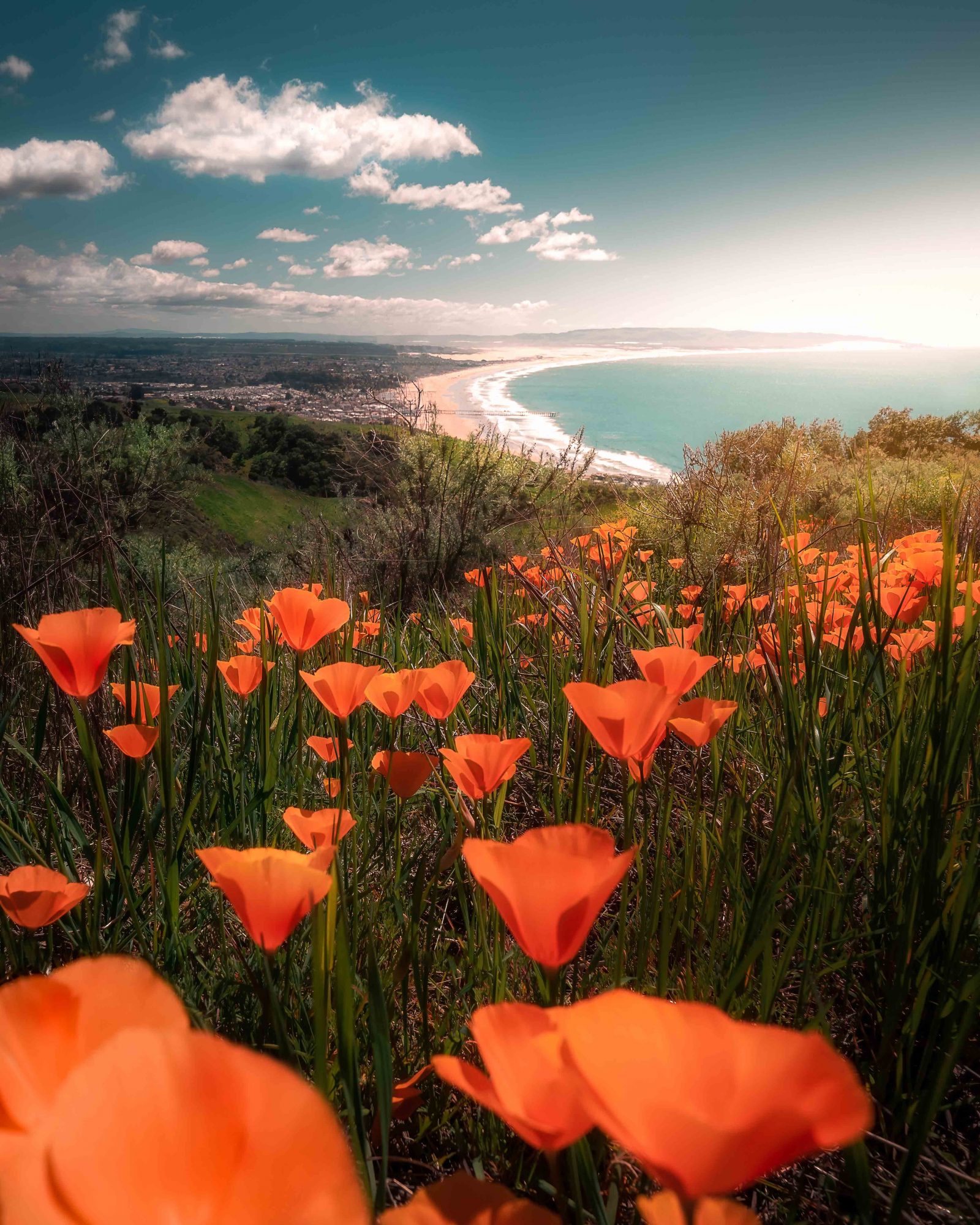
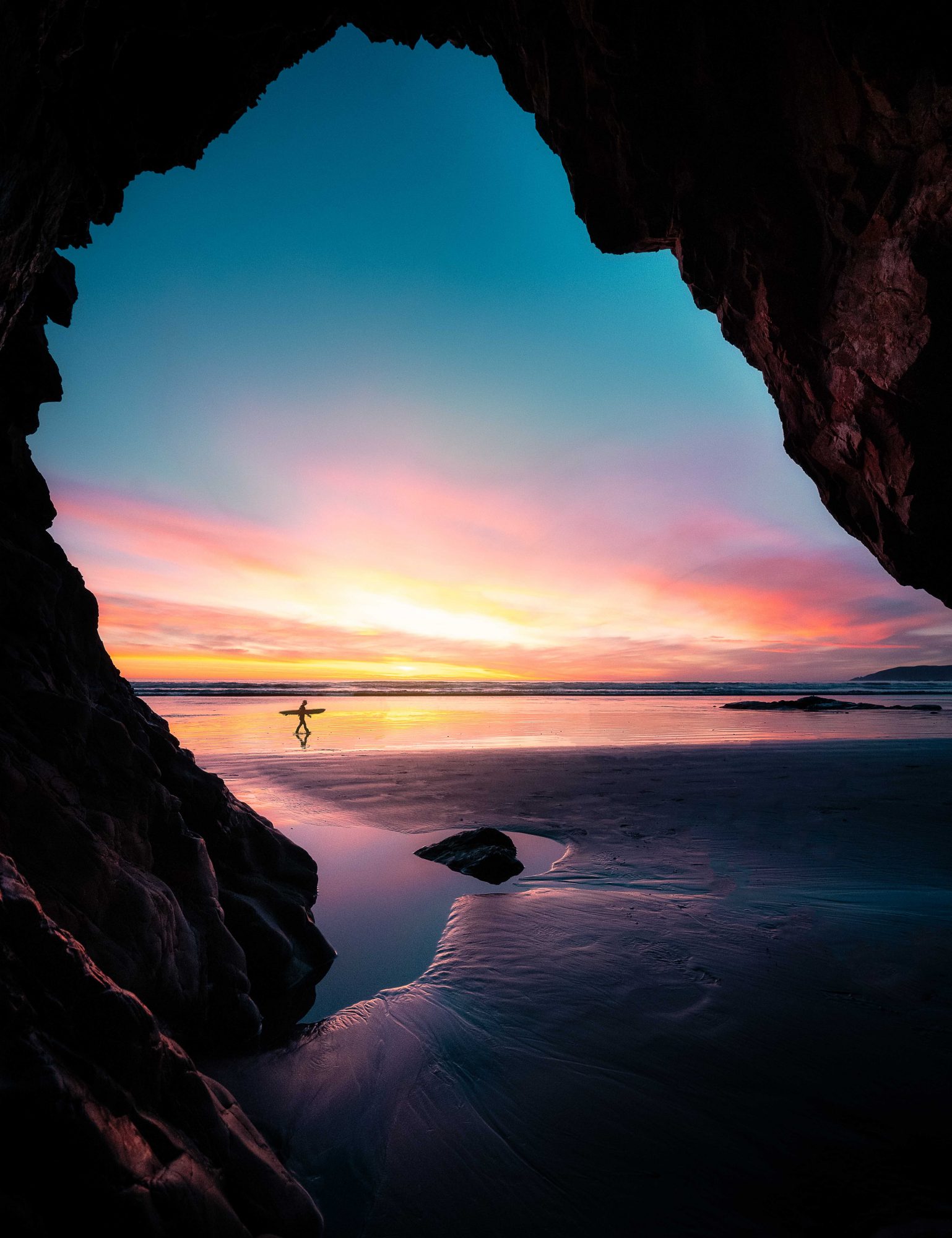
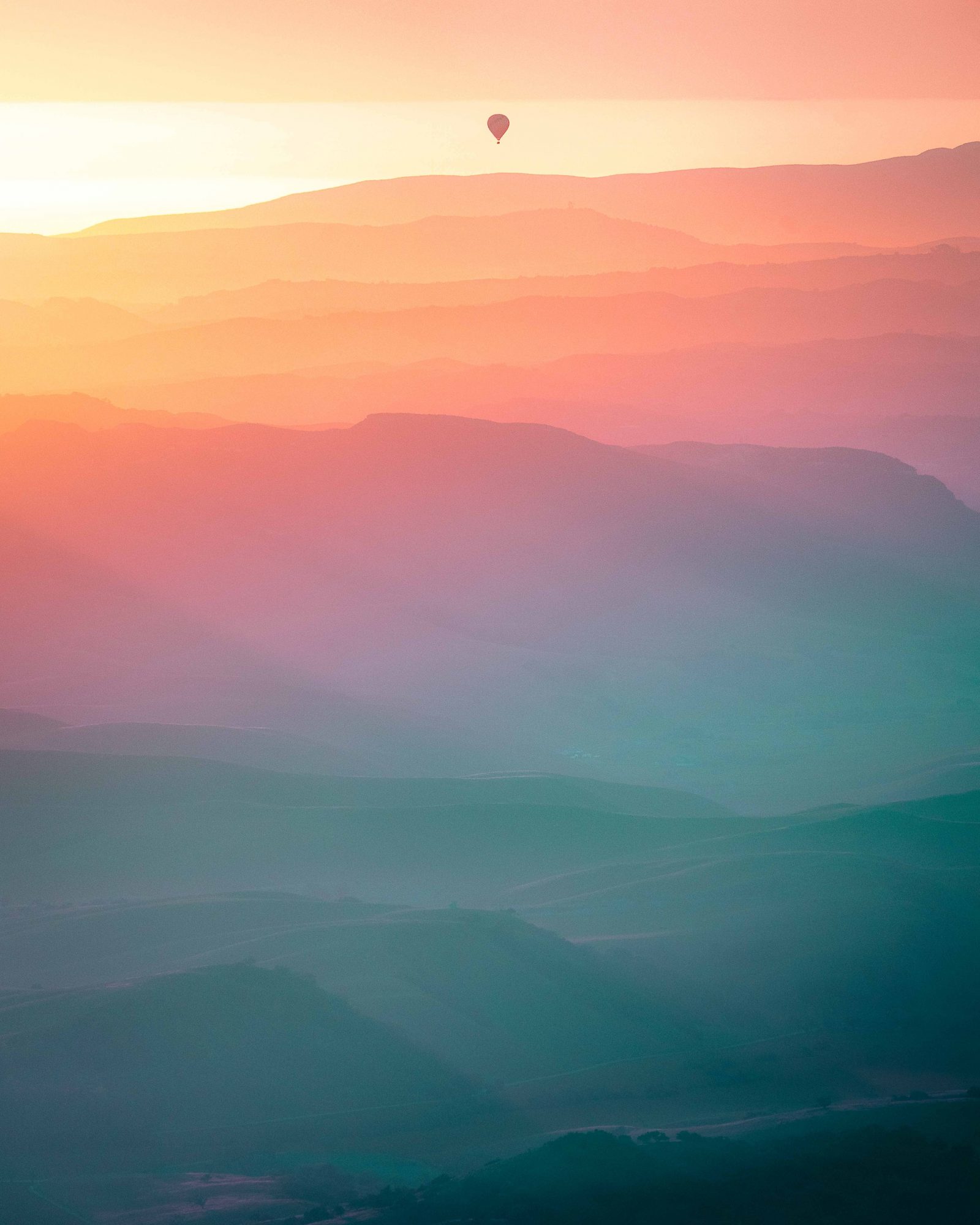
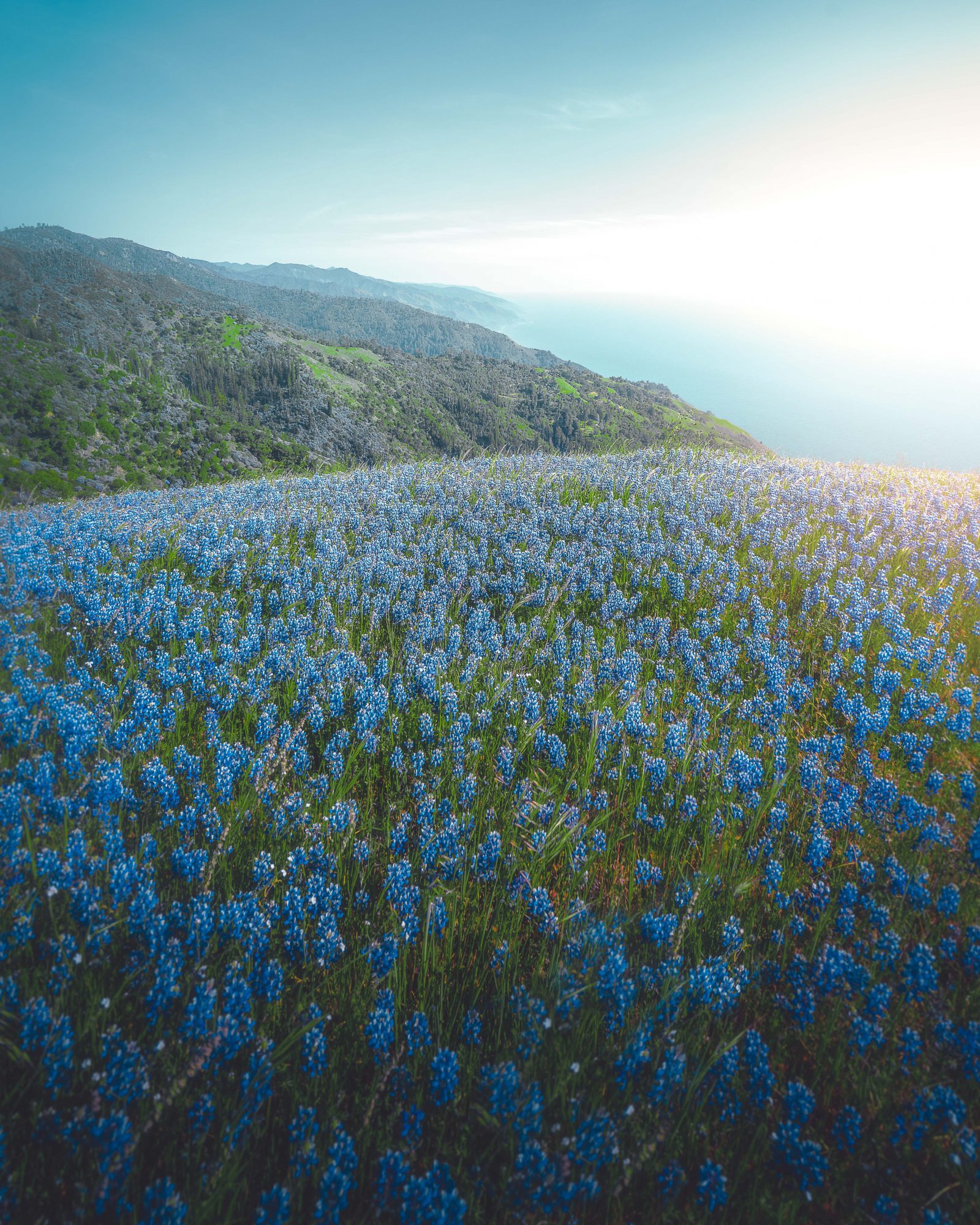
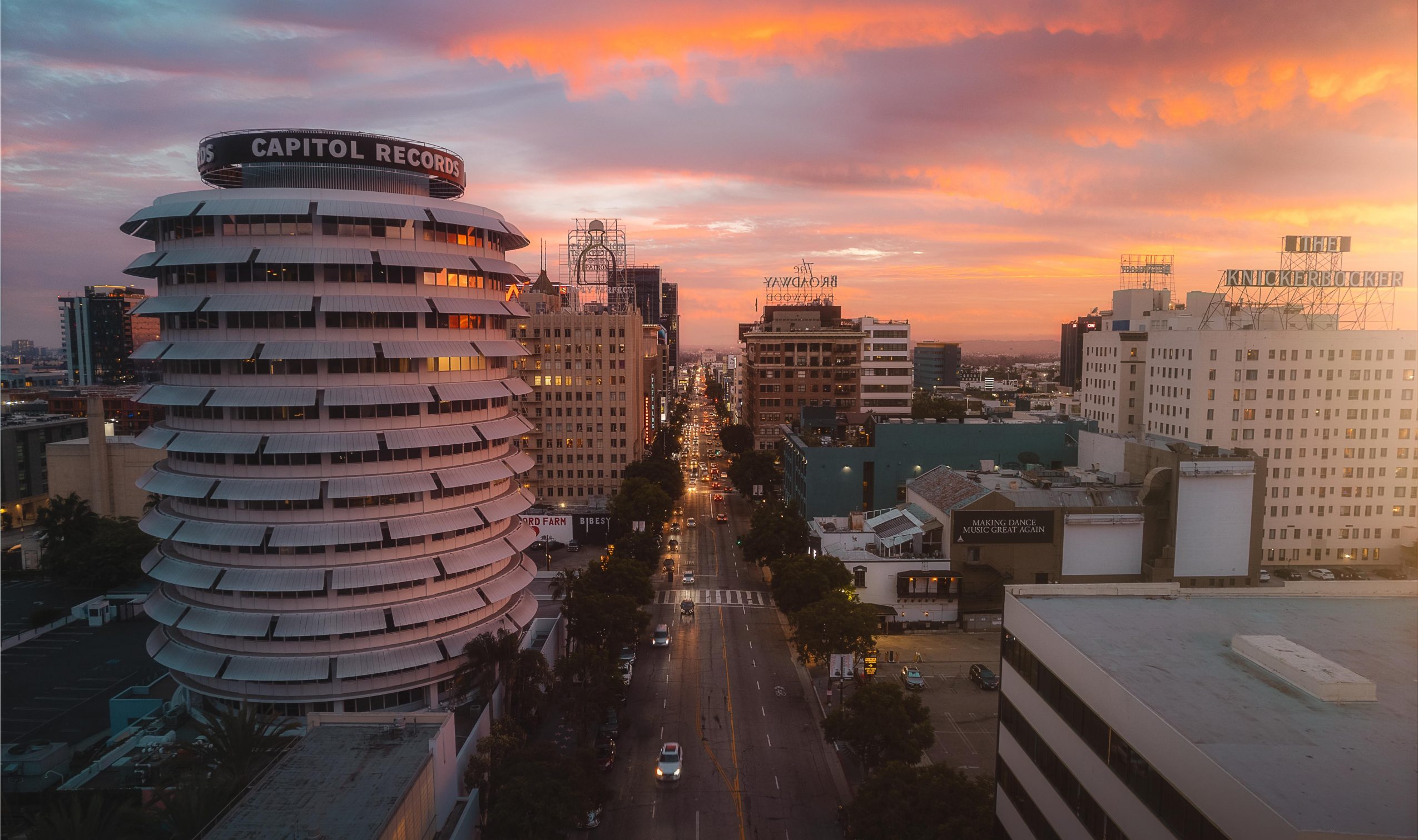
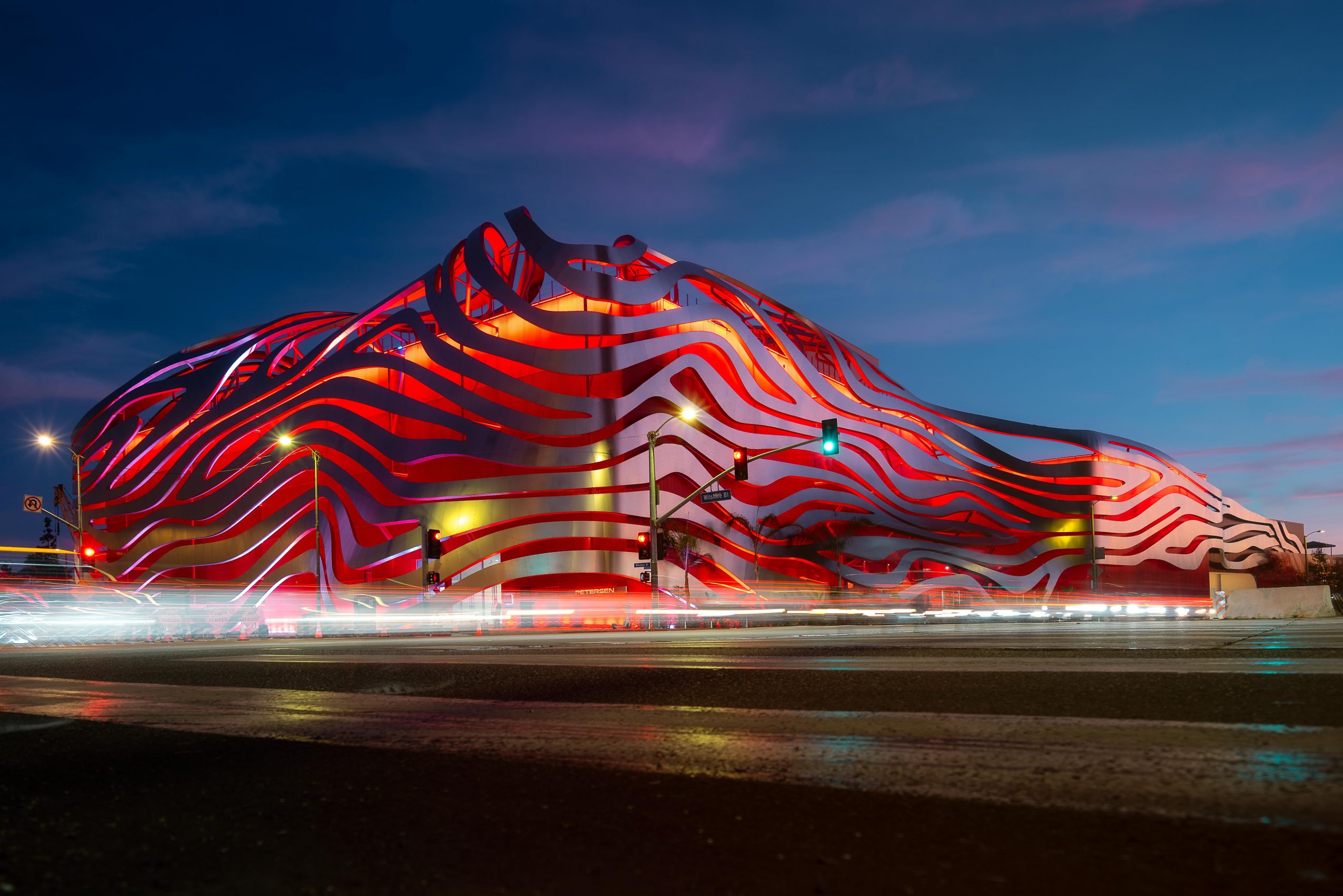
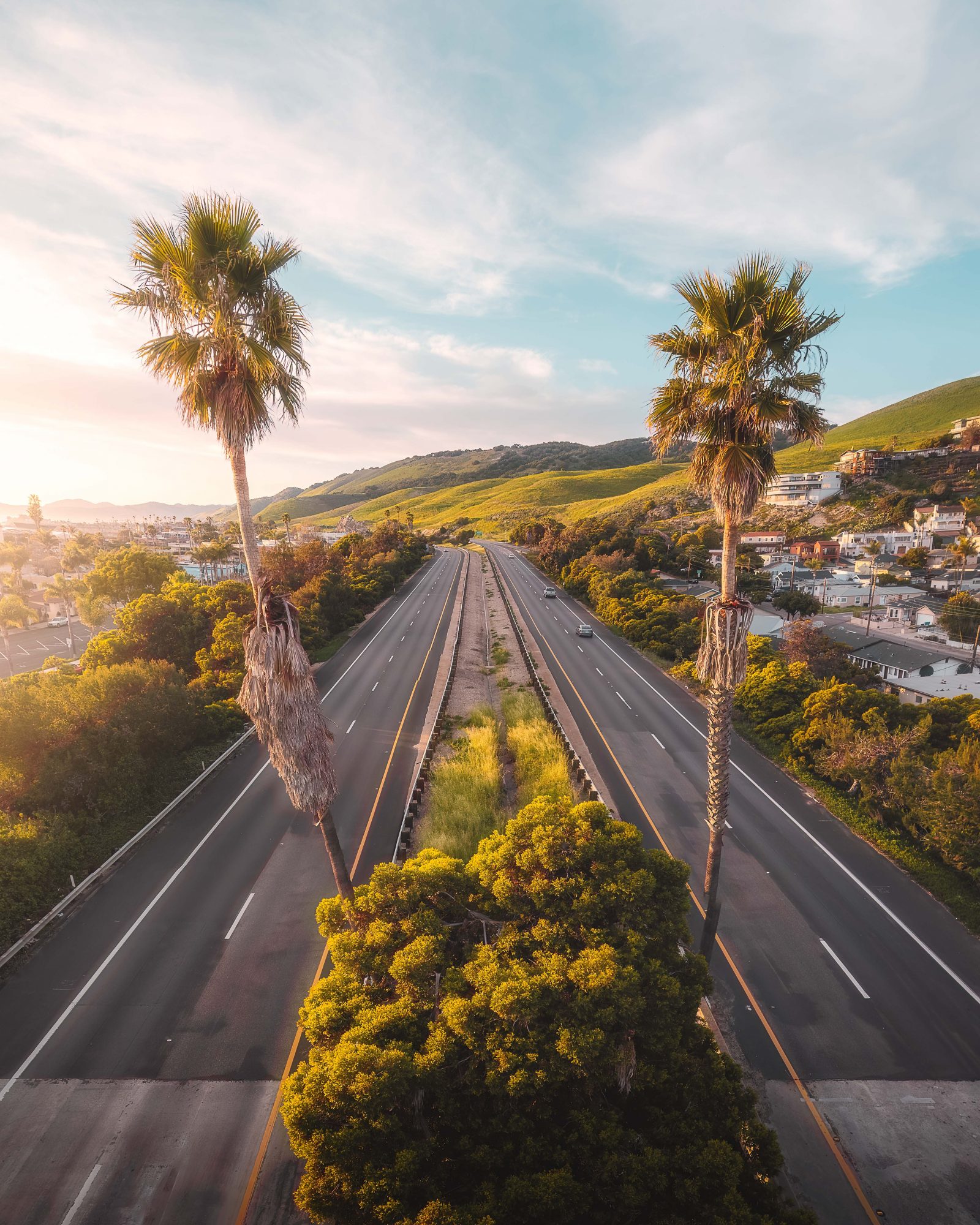
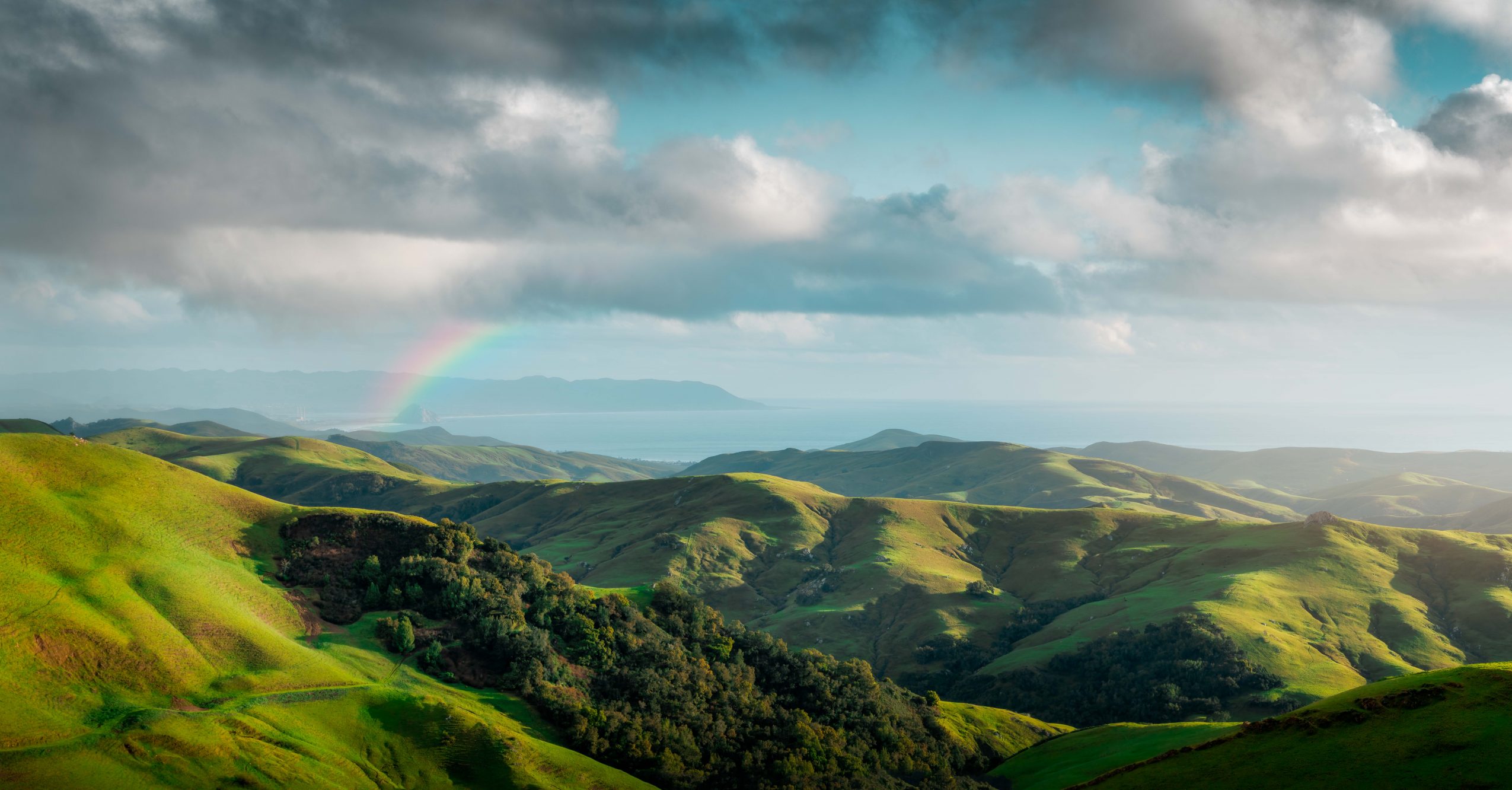 Image Credits
Artist portrait photo credit: Caili Wilk Photography
Popular
-

Que Johnson on Building Brands That Last: From Visibility to True Market Authority
-

Christina Wren Steps Into the Director’s Chair to Tell Stories That Feel Like Home
-

Portraits of the Valley
-

LA’s Most Inspiring Stories
-
JordanL on ‘Breathe,’ Belief, and Building a Movement Beyond the Music
-
Megan Birney Rudert on How Access to Light Is Powering a More Sustainable and Equitable Future


