





Today we’d like to introduce you to Jesse Dean.
Hi Jesse, thanks for joining us today. We’d love for you to start by introducing yourself.
As the third son of a brilliant Jewish medical professor and a brilliant English teacher, who was also a poet, writer, and puppeteer, I grew up in Durham, North Carolina, near the Duke University campus, teaching hospital, football stadium, and basketball arena. Surrounded by love, comfort, and creativity, I enjoyed an ideal childhood as a faculty brat in the 1950s and 1960s.
Outside of school, I ran wild with my dog, Pokey, in the surrounding forest and played sports with neighborhood kids at our local park. We had family dinners, music lessons, and art classes. We also had an old beach house three hours away with sailboats and a ski boat. During summer vacations, we visited loving grandparents in New York City and on the New Jersey shore. Unfortunately, my whole world fell apart when my parents got divorced. My father moved out of state and married my mother’s best friend, devastating my mother. She spent the rest of her life coping with the trauma of the divorce and the violation of trust it represented to her. Meanwhile, my father managed to send all four of us kids to New England boarding schools for our high school years, leaving my mother alone and depressed in North Carolina, trying to build a new life for herself.
The trauma of the family divorce and my cultural dislocation to a New England boarding school was compounded by the need to give away my dog and worry about my suicidal mother, whom I left back home. At sixteen, I began self-medicating by smoking weed to deal with my depression and anxiety. It allowed me to stay in the moment and live my own life with less worry.
Despite the challenges, I excelled in my studies, sports, music training, and artwork. I graduated with honors in art, creating original art furniture, and was awarded a full scholarship to attend one of nine art and design schools. I picked the San Francisco Art Institute because it was in San Francisco, and I was personally recruited by the admissions director to attend. However, because the average age of the student body was in the mid-30s, the admissions director wanted me to take a year off and gain some more life experience before attending. I agreed and spent the next year living on the coast of North Carolina near my mother, painting houses and dealing weed. I bought an old van and fixed it up to travel cross-country.
When I arrived in San Francisco in the fall of 1975, I was greeted by the news that the admissions director who had recruited me had died of a heart attack ten days before. The head of the sculpture department looked at my portfolio and asked what I was doing there. He told me I was at the wrong school and should transfer out to a design school of my choice. I stayed one semester and then dropped out to work in the trades as a painter, carpenter, and museum display maker.
Despite dropping out of school, I had not lost my passion for playing jazz music. I was inspired by the great SF jazz scene to apply to San Francisco State to get a music degree. I auditioned and was accepted as a performance major playing saxophone. I worked my way through college as a handyman in the city so I could study composition, arranging, and improvisation. I graduated with a BA in music and played a Bach Cello suite on the baritone saxophone for my senior jury. After college, I started a building contracting company and played nights and weekends in local funk and jazz bands to keep my music alive. One golden memory of that time was when I was invited to bring my jazz quintet to perform at San Quentin Prison for a fourth of July celebration. The inmates were a tough audience, but they loved our sound and gave us a standing ovation!
Shortly after college, I stopped drinking and smoking weed and started practicing yoga and meditation. My mind became more focused, and my remodeling business started to grow. My contracting work created an opportunity for me to join a large land development company as a project manager. We built over a thousand homes a year, in addition to several large apartment projects. The two years I worked, there were a mind-expanding experiences into corporate life and the real estate development business. Unfortunately, in 1985, interest rates shot up, and the company stopped building. I left to work for myself, remodeling homes again. However, on the day I resigned, I suffered a severe head concussion and a painful disabling back injury in a racquetball accident.
For six months, I was still in terrible pain, out of work, and out of my mind with fear and anxiety, cycling in and out of a manic, suicidal depression. One morning in mid-December, I struggled to keep myself from taking my own life. A few minutes later, a friend stopped by and introduced me to the SGI Buddhist practice of chanting “Nam Myoho Renge Kyo.” He said that chanting this phrase would help me recover my mental and physical health, and it worked. Thirty-eight years later, I still maintain my morning and evening chanting sessions. A few weeks later, I started working again, but this time in sales, selling terrariums, used cars, business phone systems, and vocational computer training. Three years later, I was recruited to sell investment services to educators, which later led to insurance sales. I was then recruited by a large bank as an investment advisor. Over the next six years, I rose through the ranks to become one of the top producers in the entire company. Along the way, I got married, had a child, and purchased a home in San Francisco. Although my music activities were reduced, I still played the piano for relaxation and occasionally performed with my Buddhist faith community on the saxophone. I was also able to support the Buddhist community’s cultural performances as a stagehand and production coordinator.
In 1997 while working for the bank, I suffered a massive TIA which is similar to a stroke. I was speechless and paralyzed on my left side for several hours. After a week of observation and testing in the hospital, I was released to go back to work. It took a while for me to notice that some faculties of my mind were not working as before. My ability to process and retain new information was disturbingly slower. I was having trouble managing complex activities, sorting options and making quick decisions. But the most alarming change for me was my increased emotional sensitivity and reactivity. The passage of time was much slower for me and I could tell that my coworkers and clients were taking notice. Because of these internal changes, I increased my daily chanting activity and I began to recover my full cognitive functions.
Two years later, my employer entered into a merger with an even bigger bank. But within weeks, the merger turned into a takeover and the shock wave through the institution was testing the limits of my emotional control. The new management laid off nearly 20,000 people just before Christmas. I watched 30 years veteran co-workers empty their desks and leave in tears as they walked away from the life of security and success they had known. When my boss called me crying to tell me he had been ordered to fire half of our team members, I felt deep pangs of sadness and then mind-blinding anger at the obvious inhumanity of the situation.
My emotional control was severely tested.
Due to my high-ranking executive position and profitability at the bank, I was offered a large retention bonus to stay. Despite my emotional loyalty to my colleagues and manager, the overwhelming stress of merging computer systems and institutional practices began to take its toll on me. I struggled to process the complex changes in real time, and my anxiety skyrocketed as a result. Worried that my inability to keep up would cause me to make a costly mistake, I took a four-month medical leave of absence.
During this time, I spent my days walking along the beaches of San Francisco and contemplating my future. Eventually, I decided to strike out on my own as a private advisor. After months of negotiations, I convinced a large client to hire me on a contract basis, and I left the bank behind.
I relished my newfound freedom and independence, jetting around the world to meet with new clients and launching a successful financial product. However, my world came crashing down two years later when it was revealed that one of my portfolio managers had stolen tens of millions of dollars from a client’s account. The resulting scandal and legal crisis destroyed my reputation and career, leaving me in a state of despair.
Over the seven long years of legal proceedings, I struggled with feelings of guilt, shame, and self-doubt. I found solace in my creative pursuits, playing piano and composing music as a way to relax and express myself. Despite the daily grind of litigation, I felt a creative impulse welling up inside me. I started to walk for hours in the forest, taking in the healing energy of nature and becoming an avid nature photographer.
One night, I had a musical breakthrough and composed a piece so sweet and complete that I decided to record my music for posterity. I hired a veteran music producer and recording engineer, Cookie Morenko, to come to my home and record my live piano performances. She spent two days recording and three months mixing the tracks, resulting in my first CD, Reflections in the Light. I then hired a video producer to create a relaxing photo montage DVD with my piano music as the soundtrack.
Despite the catastrophic stress and fallout from my former career, I found a way to channel my pain into something beautiful and creative. The resulting music and videos brought peace and relaxation to many, and I found renewed purpose and fulfillment in my creative pursuits.
I also attended various entrepreneurial conferences in search of a new way to monetize my music and earn my living. At one conference I auditioned for Sharon Dennis, a Nashville-based music producer who fell in love with my music. She invited me to Nashville to make a CD in collaboration with a Grammy-winning arranger and producer named James Hollihan Jr. It took over six months and the result was my second CD, Open Window a compilation of my original smooth jazz. I paid for music marketing services which got me airplay on over 250 jazz stations but I never earned back my marketing investment. In addition, I started performing with my Open window CD for a variety of events and conventions.
Concurrent with my Music development activities, I continued my efforts to understand how I had crashed my financial career and how I might avoid repeating that misadventure. My self-reflection deepened my Buddhist practice which gave me the emotional strength I needed to manage through the legal gauntlet that finally lead to a satisfactory settlement.
While sharing my studies with a friend, he suggested I join him to attend a seminar about hypnosis as a means of understanding the unconscious mind. After two days of training, I was so intrigued by what I learned at the seminar that I enrolled in an accredited Hypnotherapy training program that lasted two years. I was deeply impressed by the practice of Hypnosis to help people harness the power of their unconscious minds to practically support self-discovery and lasting positive changes in their lives. Upon graduation for my training program in 2003, I founded the Open Window Institute of Emotional Freedom to practice hypnosis and teach the science and art of hypnosis to others.
In 2007, I moved from Sonoma County down to Orange County. I continued seeing hypnotherapy clients while at the same time returning back to working as a sales professional for home improvements, solar power and finally, clean energy financing. In 2017 I discovered I had life-threatening stage 4 prostate cancer and began a mortal battle with cancer to recover my health. My health crisis created the urgency to discover what I truly value in life: My Faith, Family and Friends”. It also proved to me once again the importance of having Strong Emotional Resilience to bounce back when a powerful wave in life knocks me down. I am winning over this obstacle with what I call “Strong Emotional Resilience”, and the loving support of my family, faith community and awesome doctors.
This year marks my 20th anniversary since I launched my Open Window Institute of Emotional Freedom where people can learn to build Strong Emotional Resilience to bounce back from Life’s Hard Knocks.
I have just launched a new marketing campaign to promote my new book titled The Bounce Method. If your readers would like to have Strong Emotional Resilience in their lives, they can email me at at [email protected]. I will send them a free digital copy of my new book, The Bounce Method: A guide for anyone who has ever been or will be, knocked down by life in pursuit of their Dreams!
My battle with cancer inspired me to write a new book titled The Bounce Method, which provides guidance to anyone who has been knocked down in pursuit of their dreams. My new marketing campaign aims to promote the book, and anyone interested in building strong emotional resilience can email me at [email protected] to receive a free digital copy.
As I celebrate my 20th anniversary since launching the Open Window Institute of Emotional Freedom, I am proud to say that my passion for helping others build strong emotional resilience has only increased. I now work exclusively on Zoom which has allowed me to serve clients all over the world.
Alright, so let’s dig a little deeper into the story – has it been an easy path overall and if not, what were the challenges you’ve had to overcome?
No. The reason for my intense passion to help my clients suffering from trauma caused by life challenges is that I have personally experienced the recovery process from both physical and emotional trauma. I know what it feels like to be isolated, ashamed, and feel limited in my capacity to function with no one on the outside able to see or understand the internal difficulties experienced by those with unresolved trauma.
To help your readers understand just how wide my emotional experience has been and why I can relate to so many different kinds of people, let me share some personal history.
I got the measles when I was six years old, and for three months, I lay in a dark room with high fever. My parents feared I might not survive. When I recovered, we did not know that the virus had attacked my brain’s visual operating center, resulting in extreme myopia and severe dyslexia. I felt disoriented, confused, and frightened. Although I felt ashamed as I fell behind in school, I didn’t tell anyone about my visual disability. I tried to pretend that nothing was wrong, but by the end of first grade, my teacher and parents realized that I could no longer see the blackboard and that I was flipping and skipping letters and numbers.
Despite the challenges of my visual disability simpairing my learning, my competitive nature pushed me to work twice as hard to keep up and succeed in school once I got fitted with bottle thick glasses. To this day, I am still challenged with writing and remembering text and number series when I get tired. The measles virus also attacked my brain’s spatial awareness center, resulting in numerous physical accidents, broken bones, and concussions from sports injuries throughout my life.
At the age of ten, I was in a car accident that ejected me out of the car through the windshield. When I was 30, I suffered a disabling concussion in a racquetball court. At 43, I was temporarily paralyzed by a stroke, and at 62, I began a mortal battle with cancer, which I am now winning. All of these challenges weakened and traumatized my body and mind but taught me courage, persistence, and empathy.
My emotional life was not a walk in the park either. I enjoyed a wonderful, loving childhood until my parents’ sudden divorce in 1969 when I was 14. The trauma from the family dissolution was a shock that triggered a deep depression. In high school, I took refuge in playing sports, music, and making art.
When I turned 16, I started self-medicating my depression by smoking weed. It helped me forget my sadness, narrow my focus, and lessen my fear of being drafted into the Vietnam war, which hung like a dark cloud over my future. I had the good fortune to encounter a wonderful art teacher who encouraged my self-expression in making art. With his support and my hard work, I won a full scholarship to attend art college in San Francisco. However, once in school, I realized that I had no passion or vision of my future as a fine artist. After one semester, I went to work for a builder of museum exhibits.
The owner was a perfectionist and a master toolsmith. I learned silk screening, cabinet making, photo mounting, and much more, all with strict discipline for precision execution and creative problem-solving. I stayed for two years while attending night classes at community college and playing saxophone in local bands on weekends. Inspired by the rich local jazz scene and my passion for playing music, I transferred to San Francisco State University to earn my music degree with the hope of becoming a professional musician. I studied composition, arranging, improvisation, and performance. I excelled in all my classes, but after four joy-filled years, it became clear to me that my impaired capacity to sight-read music at a professional level was going to limit my opportunities to make a living as a musician.
When I was 25, in my third year of college, a classmate introduced me to SGI Buddhism. At that time, I rejected his suggestion to start practicing Buddhism. However, I was intrigued to see how his life expanded with more romance and a greater focus on his career as a musician. My brief encounter with Buddhism did inspire me to start dreaming of creating a happier life. Within a year, I stopped all drinking and drugs and began practicing yoga and studying Eastern philosophy to manage my underlying depression.
After I graduated from college in 1981, I started a construction company to earn my living. I continued to compose music and play in local bands on the weekends. Eventually, my work created an opportunity to join a large corporate construction company as a project manager. For two years, I helped manage the building of thousands of homes. During this time, I fell in love and got engaged while progressing in my yoga practice. My five years of practicing yoga produced a powerful spiritual awakening known as raising Kundalini. This shift in consciousness was life-changing. In a single moment of pure ecstasy, my personal identity dissolved and merged with the entire universe. It was an exciting, transformative, and ecstatic experience that went on for months and which I have never forgotten.
However, in the midst of this experience, my engagement fell apart, and my beloved grandmother died. Due to the ecstatic state, I was in, my unconscious mind suppressed the deep sadness and grief that my soul was feeling over these two heartfelt losses coming back to back. My super-conscious mind was on cloud nine, while my temporal, rational mind was impaired. I quit my job, thinking I would restart my own company, but the day after I resigned, I suffered a serious concussion playing racquetball. I was physically and mentally disabled with a radical bipolarization of my brain resulting in wild emotional mood swings from ecstasy to fear and terror that were beyond my control. It was like being strapped to an emotional roller coaster that never stopped.
After six months of unrelenting back pain and emotional self-torture compounded by unemployment, I was suicidal and came within seconds of taking my own life. On that very day, I was reintroduced to SGI Buddhism by the same friend who had told me about it five years earlier. He taught me how to chant “Nam Myo Ho Renge Kyo” to regain my health, and I started that day. It worked immediately. Within minutes the bipolar activity began to subside and my physical pain lessened. Within a month of chanting twice a day, I was able to think clearly enough to get a job as a salesman at a used car lot. My sales career progressed rapidly over the next 17 years from selling cars to phones to education to financial services. It was an amazing journey that enabled me to sit belly to belly with over 70,000 people helping them make buying decisions to improve their lives. During that time I also got married, raised three children, earned corporate and financial success, purchased multiple homes, traveled and engaged in meaningful philanthropy.
However, it all began to unravel in 1999 when I had another unexpected ecstatic spiritual awakening that made me emotionally manic and clouded my rational judgment once again. It was triggered by intense emotional suppression after months of massive, inhumane changes at my work after a corporate merger.
In my manic state, I quit my job as a successful investment advisor at a large bank and started my own firm as an independent financial advisor without a clearly defined business plan. I had two years of terrific success and then crashed after discovering that one of my business partners had stolen millions of dollars from my biggest client. The ensuing firestorm and public scandal destroyed my financial security, career, and reputation. I shared this history to verify that I have lived a very full life and know firsthand about success, failure and trauma from first-hand experience.
Thanks for sharing that. So, maybe next you can tell us a bit more about your work?
They should know that my personal coaching practice employs hypnosis to help people suffering from trauma to create rapid breakthroughs. They should understand that I am not going to convert them to Buddhism. I respect all faiths and teachings that promote personal responsibility and empowerment. My 38 years of Buddhist practice helped me maintain the strong emotional resilience I need to help others transform a lifetime of trauma. Buddhism teaches that our environment is a reflection of our inner lives. This is similar to the popular notion of the Law of Attraction. When addressing human suffering from a Buddhist perspective, there are no victims, no perpetrators, no blame and no guilt.
There is only understanding, practice, intention and courageous, compassionate action. I use an assortment of hypnosis methods, both ancient and modern, to de-hypnotize people trapped in their own unhappy stories and to “trance-form” their unconscious minds with positive suggestions to create the happier lives they desire. They should know that Hypnosis is not magic but a powerful, proven shortcut to make lasting behavior and emotional changes that will save them time and money. If they feel frustrated with their current personal growth strategy and desire deep, rapid, lasting change they are invited to make a zoom appointment with me for a free evaluation consultation at https://www.hypnothera.org/experts
If you had to, what characteristic of yours would you give the most credit to?
My persistence, optimism, curiosity and empathy. They all empower me to help suffering people to “turn poison into medicine.”
Contact Info:
- Website: www.hypnothera.org and www.thejessedean.com
- Facebook: https://www.facebook.com/jesse.dean.1291/
- Linkedin: https://www.linkedin.com/in/jesse-dean-0133a2a6/
- Youtube: https://www.youtube.com/@JesseDean1253
- Other: https://www.broadjam.com/jessedean

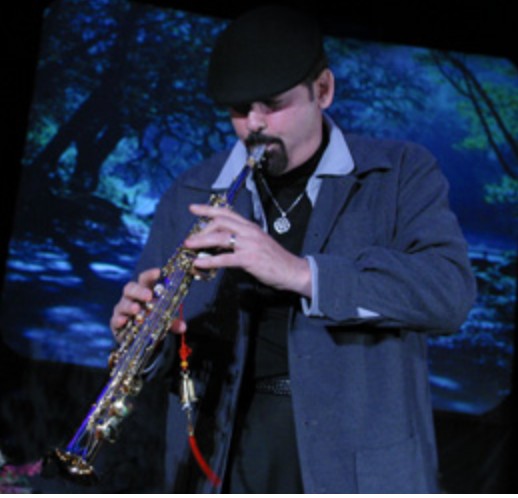

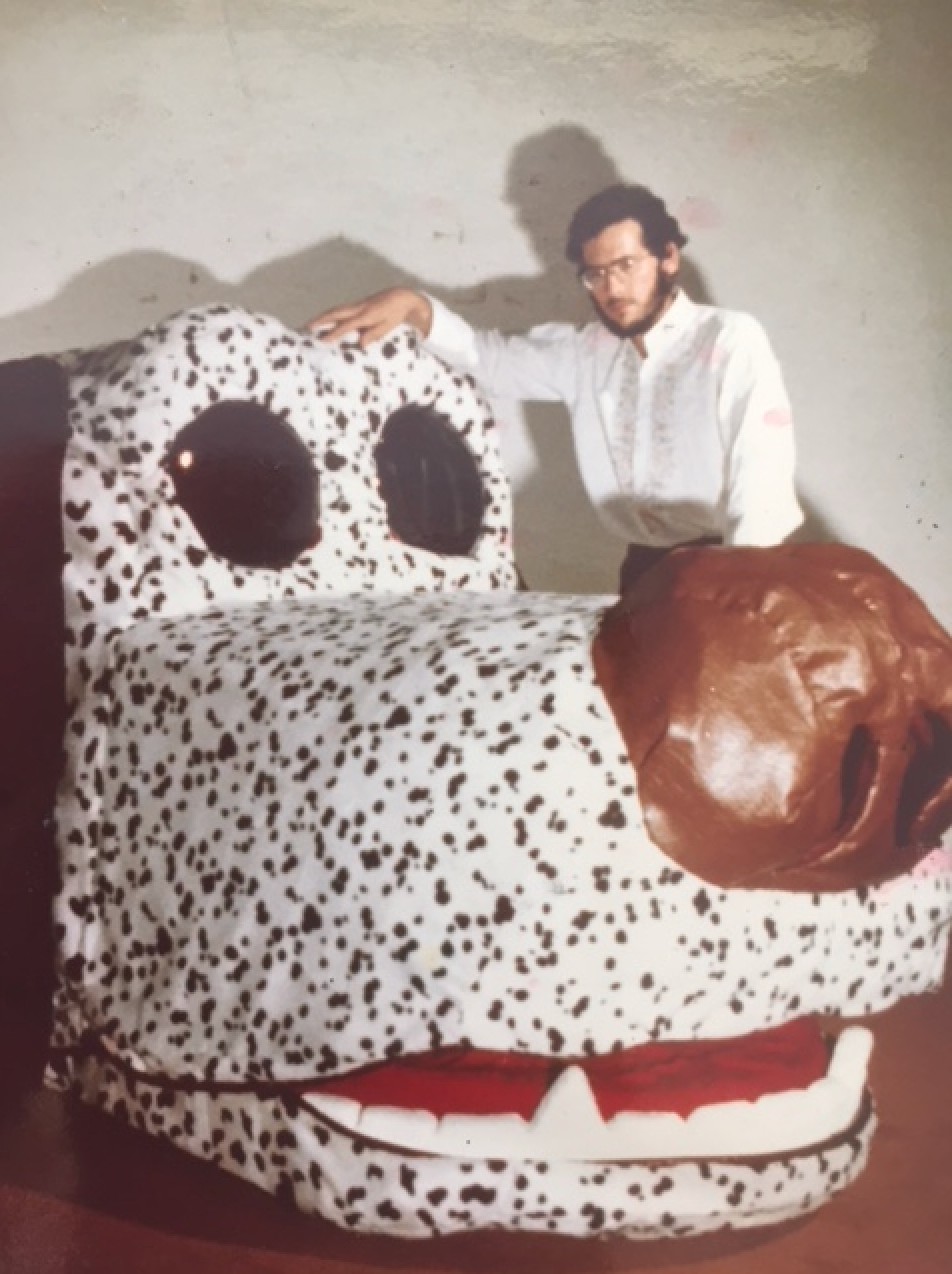

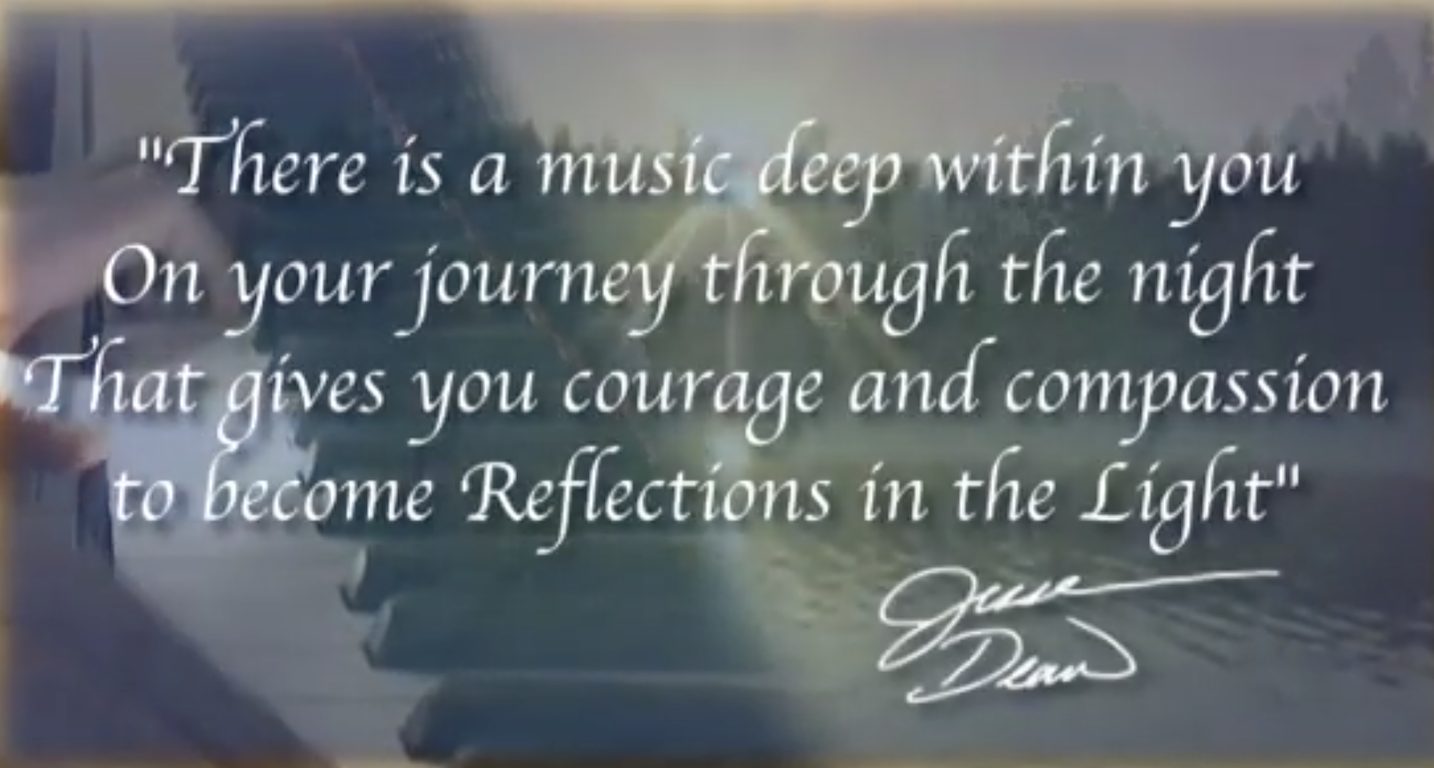 Image Credits
Jesse Dean
Popular
-

What is something outside of work that is bringing you joy lately?
-

Local Highlighter Series
-
What did suffering teach you that success never could?
-

What are you most proud of building — that nobody sees?
-

Who were you before the world told you who you had to be?
-

If you could say one kind thing to your younger self, what would it be?


