



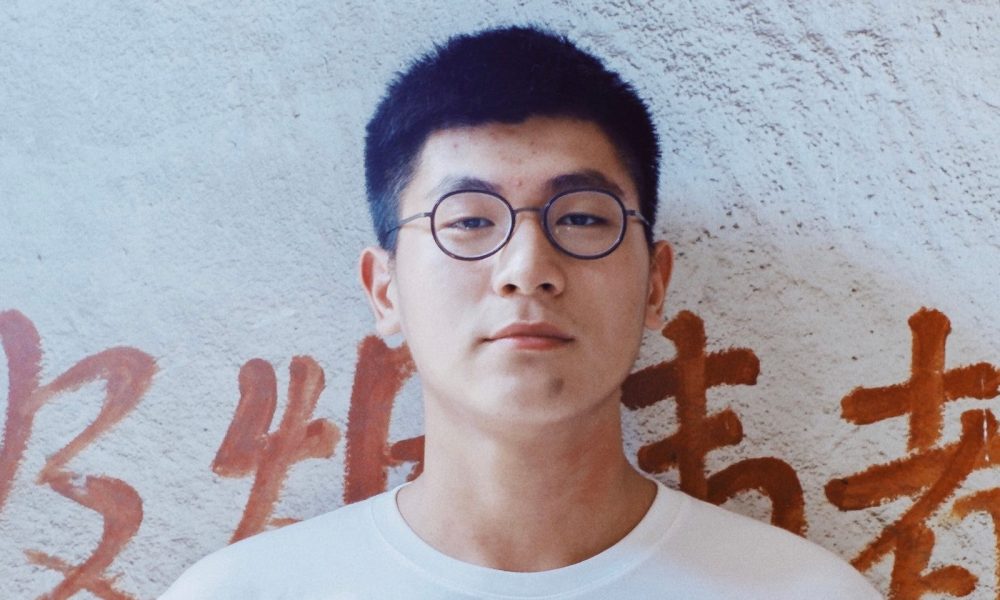
Today we’d like to introduce you to Yibin Wang.
Hi Yibin, we’re thrilled to have a chance to learn your story today. So, before we get into specifics, maybe you can briefly walk us through how you got to where you are today?
I grew up in Hangzhou, China. After my parent’s divorce, I lived with my grandparents who are old revolutionaries/communists; during weekends and vacations, I stayed with either my mother or father, modern capitalists who were deeply impacted by the Chinese political and economic reform of the 80s. This clash of values demonstrated in my life has made me contemplate the individual’s sense of belonging and relationships to the mass since I was little.
Then, I found theater in high school, where I could gather a group of people to experiment with and explore these questions in depth with real human interaction. In 2016, I came to the U.S. for college, which was life-changing. Yes, Trump was elected that year. As a self-identified liberal when I was in China, I contemplated the issues of democracy. I also started to think about how people can be limited but also liberated from their own backgrounds. As I continue switching between two cultural landscapes, which refresh me with comprehensive ways of understanding my own creative works, my exploration of human connections and sense of belonging has extended to cultural concerns – what does it mean to be a Chinese in the global context of now? What determines the difference between East and West? How can I, as a Western-educated Chinese, relocate my tradition and bridge the gap? I will say it will be a life-long topic for me.
Can you talk to us a bit about the challenges and lessons you’ve learned along the way. Looking back would you say it’s been easy or smooth in retrospect?
Whew. Struggles. Well, first I will say that the cultural barrier when I first came to the U.S. was difficult. I came to Bard College for undergrad, and even though the environment was very inclusive and friendly, I still got a lot of inner struggle in terms of “fitting in.” I overcame that by accepting myself and what my life experience gave me as I grew up, but it was a long journey.
Another one was definitely my struggle trying to balance the two worlds that I face all the time: the privileged world in the academic environment and the more tangible “real world” outside where my family came from. I don’t feel that I belong to just any one of the world, and it is my firm belief that there should not be this kind of boundary anyway in the first place, but the label put on you will make you re-think about who you and sometimes it makes it harder for you to know the real self.
Can you tell our readers more about what you do and what you think sets you apart from others?
I am a theater and performance maker. I believe that theater is an art form that can truly examine how the social system works and how can we live together as human beings. So I am very interested in forms, such as online theater, interactive/immersive performances, theater with no actors, and the use of new technology on stage.
In some ways, I do research with the warmth of humanity in the theater. I will usually start with a question as the guide for the creative process. For example, once I gathered a group of international students in my undergrad, and I raise this question: “what has changed in us after we came to this country?” Based on that, we shared our experiences being overseas and confronting different cultures and we devised collectively to make a documentary theater piece. The authentic texture of non-actors and the real stories in the here and now in our society always impress me and I am very interested in the so-called “banality of life.” How can we present that on stage and what does that mean?
Moreover, as a multicultural person who has seen theater and performances, I always try to test the boundary of theater and the definition of it in different countries. I did an original production called The Family that examines the ways of family relationships in Contemporary China, which was presented both in the U.S. and in my hometown Hangzhou. I learned so much in terms of audiences feedback in different cultures. In the current work that I am developing, I am curious about the presentation of the Traditional Opera in my hometown area, Yue Opera, in the U.S. With a personal approach, I will ask the audience to participate in the creation of a Yue Opera.
In terms of your work and the industry, what are some of the changes you are expecting to see over the next five to ten years?
In the U.S., the theater industry is really in a trying time and a moment of drastic change, according to my observation. I don’t know if things will definitely get better in 5-10 years, but it is my wish that it can go toward a more inclusive environment where artists can gain enough to have a decent life, and, besides its important role of representation and safe space, theater can also provide space for more encountering, challenge, and radical conversation across the disciplines and groups of people.
Contact Info:
- Instagram: yibinbillwang
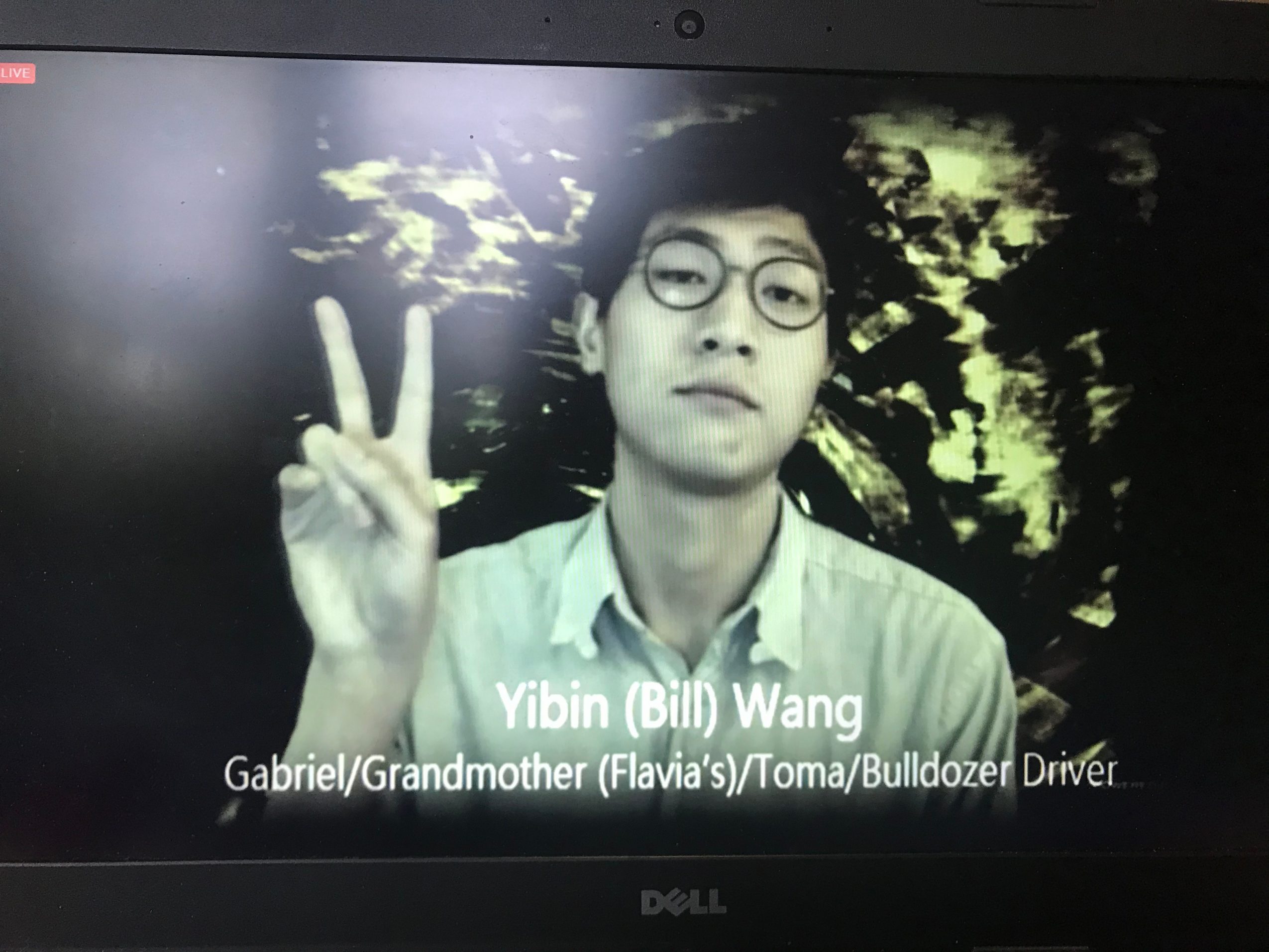
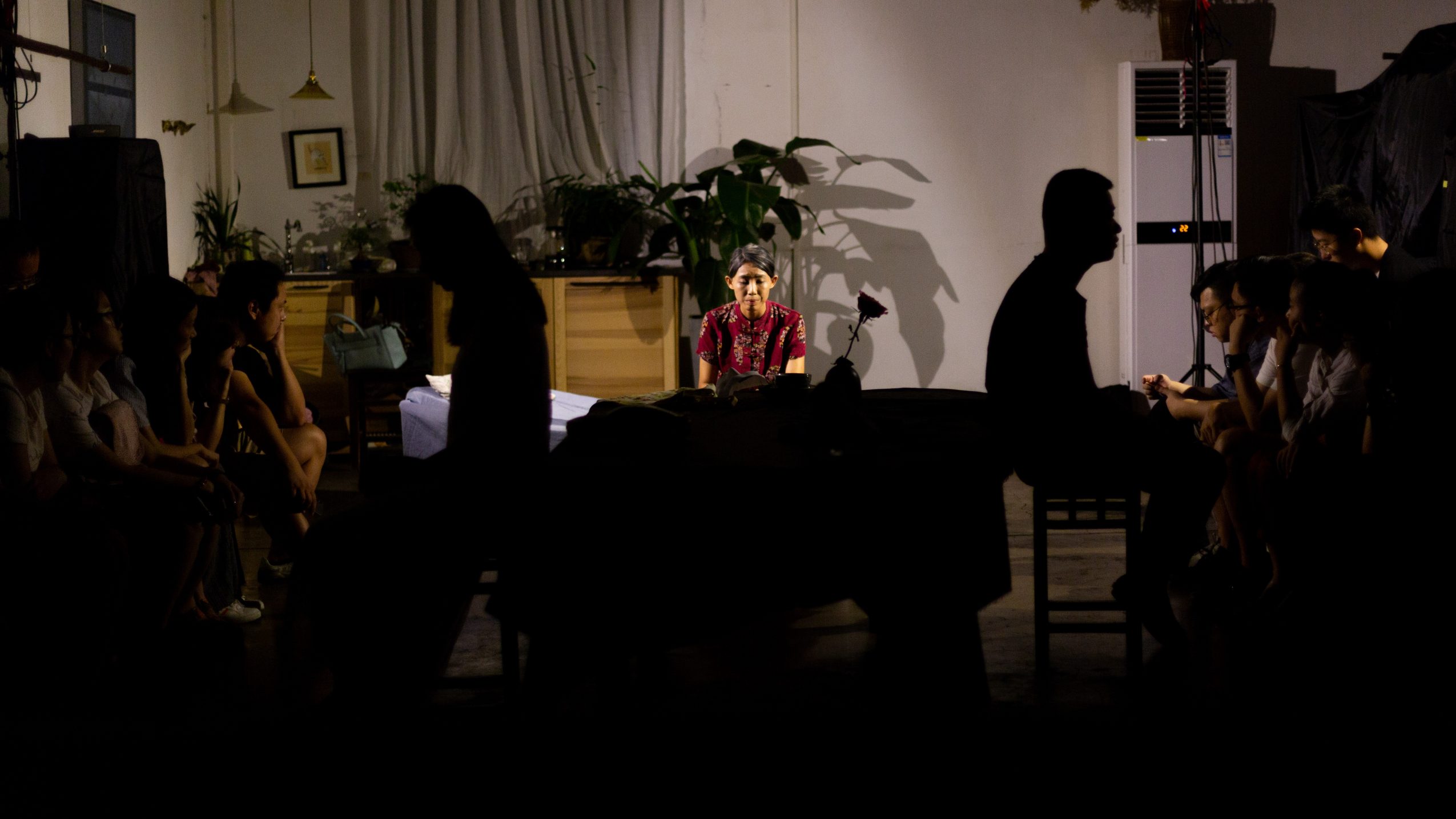
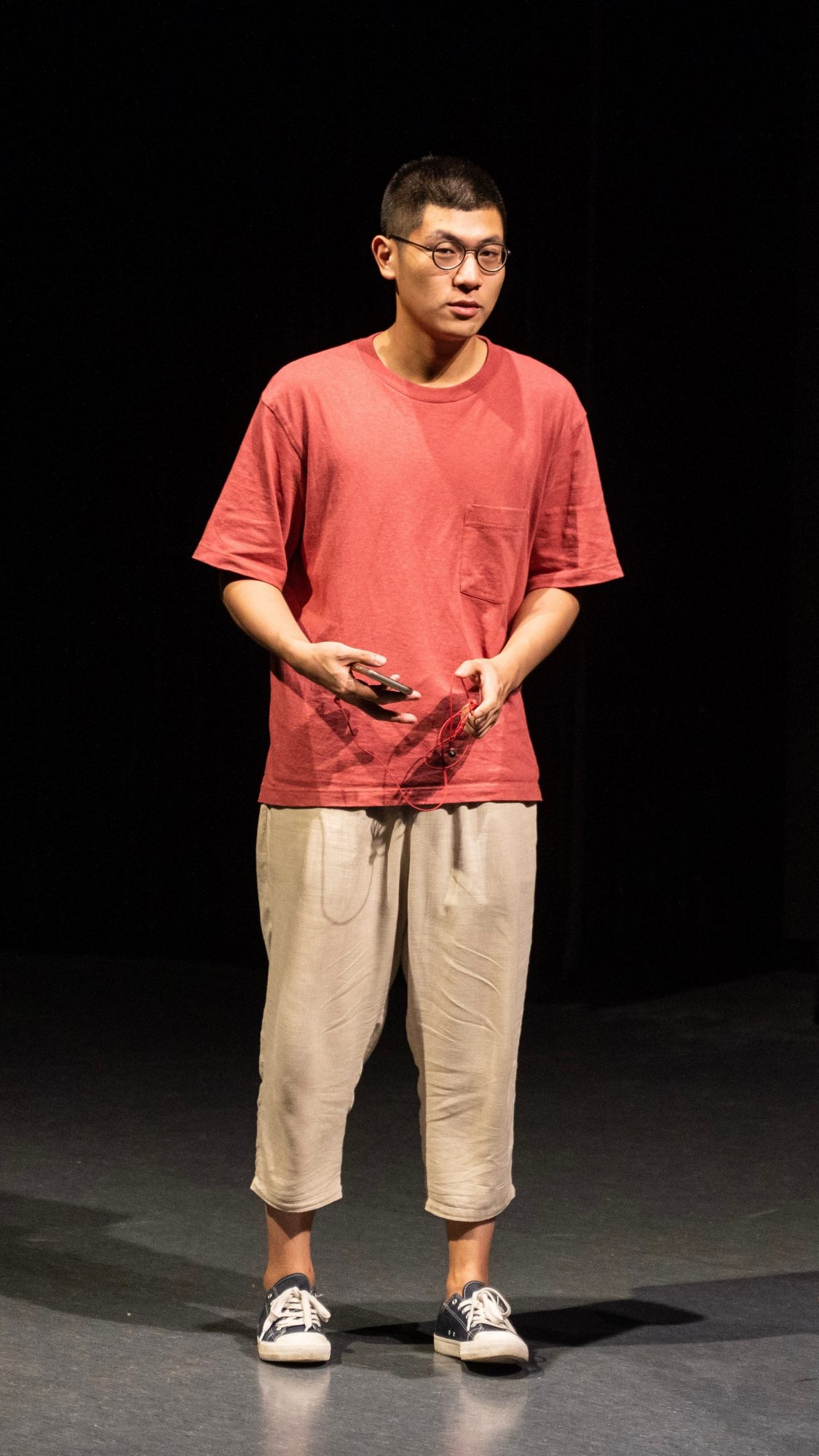
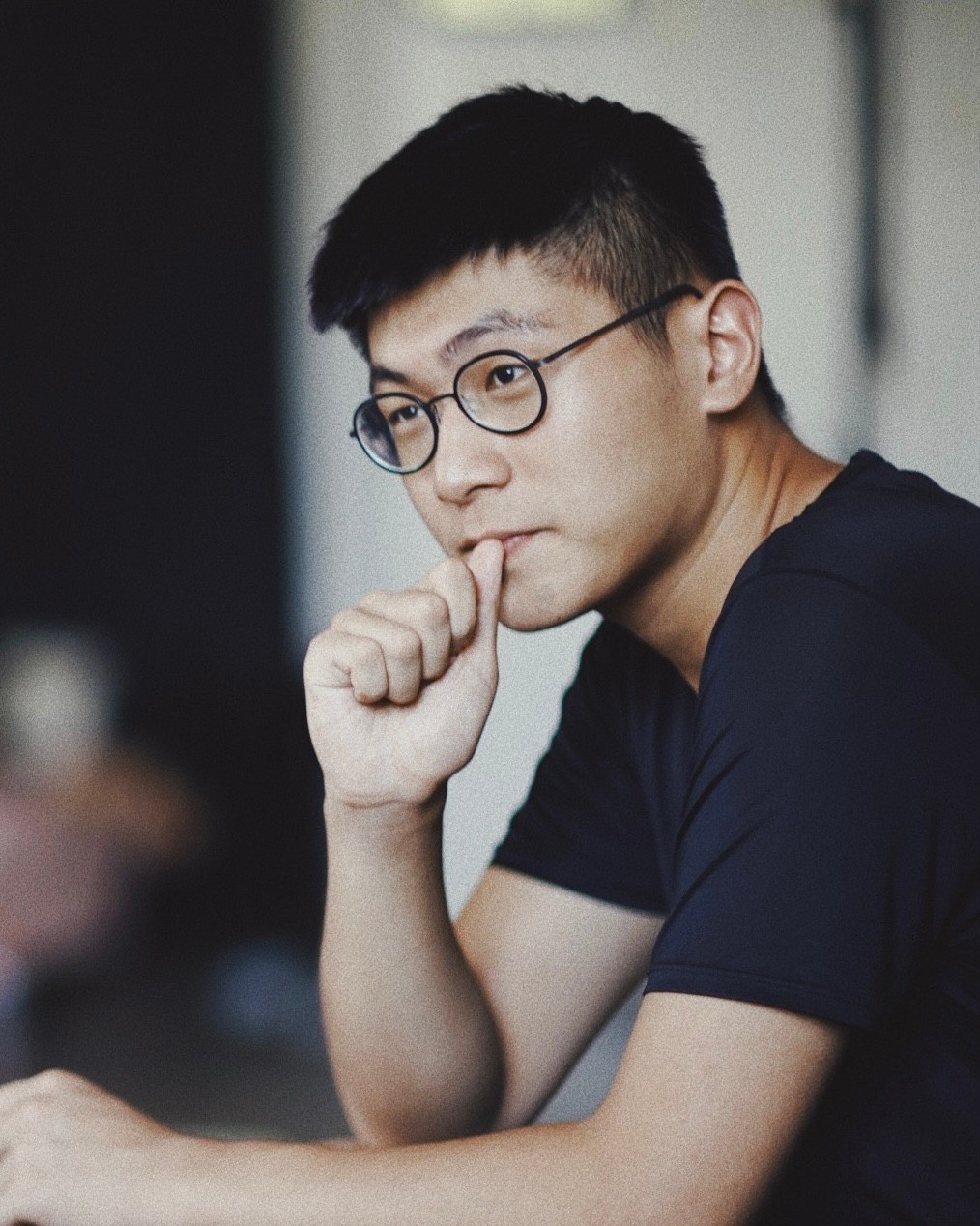 Image Credits
Personal: Xiao Zhang Additional: 1: Shi Huang 2: Xiao Zhang 3: Lanlan Zhang 4: Yuexing Sun
Popular
-

What is something outside of work that is bringing you joy lately?
-

Local Highlighter Series
-
What did suffering teach you that success never could?
-
What are you most proud of building — that nobody sees?
-
Who were you before the world told you who you had to be?
-

If you could say one kind thing to your younger self, what would it be?


