




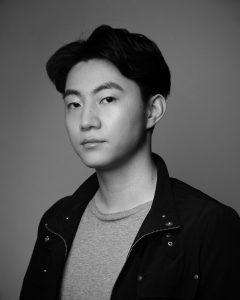
Today we’d like to introduce you to Sichen Liu.
Hi Sichen, it’s an honor to have you on the platform. Thanks for taking the time to share your story with us – to start maybe you can share some of your backstory with our readers?
I would say my game development journey started in elementary school, where I created my own board games using A4 papers, pencils, and random cool images I printed from online. In my homeroom, I’d invite friends to play my human-run battles against imaginary enemies. At one point, I was almost going to start monetizing my characters until the homeroom teacher found out and publicly prohibited trading virtual goods. Unwavered, I kept ethical business practices and continued running my games for free.
As I got busier after elementary school, I put behind my board games and started working towards a Computer Science degree. But when I was finally in college, I didn’t feel any sense of fulfillment. While wandering around the college involvement fair, I was very lucky to have discovered the game development club which was hosting the Ludum Dare game jam – an online event where hundreds of games are created within a weekend. I gave it a try and instantly fell in love with the community and its creativity. The club gatherings and the online community feedback brought me back to the joy of making games, and they kept me constantly motivated to join one game jam after another.
Starting from my second year in college, I got more hands-on experience from the industry, and I was able to further explore my interests in game development. At Tap4fun and Tencent, since most of my work was tool programming, my seat squeezed right between the Technical Artists and the Graphics Programmers. I always overheard fancy jargon that I could not understand, and I grew quite curious about their work. One of the Technical Artists was very kind to lend me a book which, in retrospect, really started my entire technical art journey. It was Feng Lele’s Unity Shader Book (Chinese) – one of the best books to learn about shader programming. I learned to manipulate vertices and shade pixels in any way I liked, and I was completely drawn to how powerful and flexible shader programming can be.
After my early internships, I was determined to become a Technical Artist, and I knew for sure I had to expand my skillsets beyond shader programming. In college, I continued working on several student projects, helping each team build artist-facing tools, workflows, and shaders. Then at the Treyarch internship, I learned a lot more about procedural generation and asset management. After I graduated in 2022, I began my next journey at Naughty Dog, working alongside the industry’s most talented individuals to push the boundary of interactive entertainment.
Would you say it’s been a smooth road, and if not what are some of the biggest challenges you’ve faced along the way?
I’m sure I share the same dilemma with many people: specializing vs. generalizing their skills. I was very frustrated when I first started learning about Technical Art as a discipline, as it spans many other topics such as visual effects, procedural generation, tool programming, computer graphics, and rigging. It confused me more when the title is given wildly different descriptions across the industry. Every time I finish a project, I would look back and think: “should I have chosen to deepen this skillset more? Or should I have tried something new to broaden my skillset?”
Eventually, I realized this challenge had been a non-issue. Through every project at college, in my personal time, and at internships, I was able to naturally learn a lot about different subjects. Rather than spending time thinking about where I should specialize or generalize, I found it more helpful to take whatever hot potato the project has to throw at me. Each project offered me a new perspective, and I was able to pick out and deep dive into whatever topics I liked the most.
Alright, so let’s switch gears a bit and talk business. What should we know about your work?
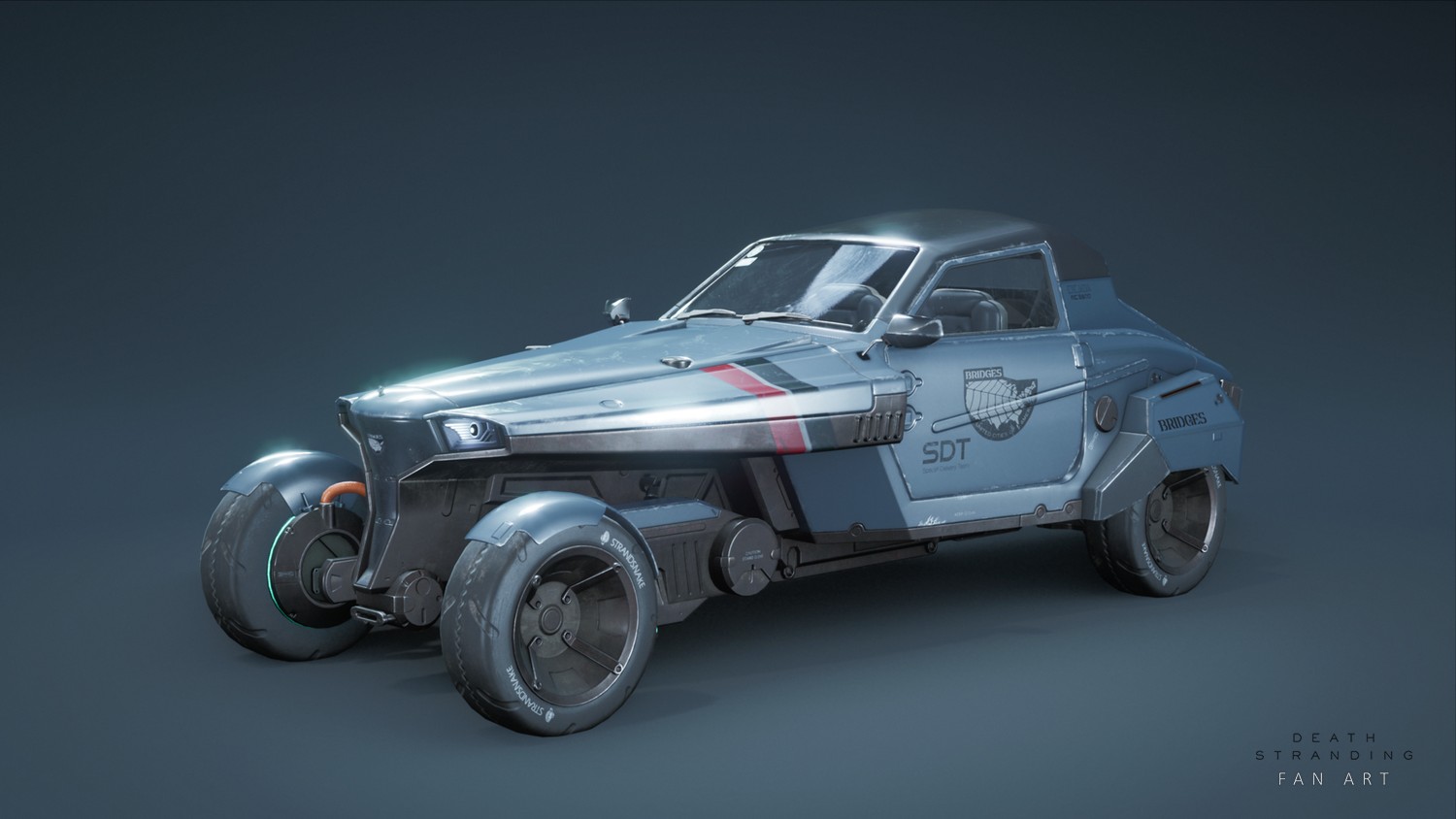
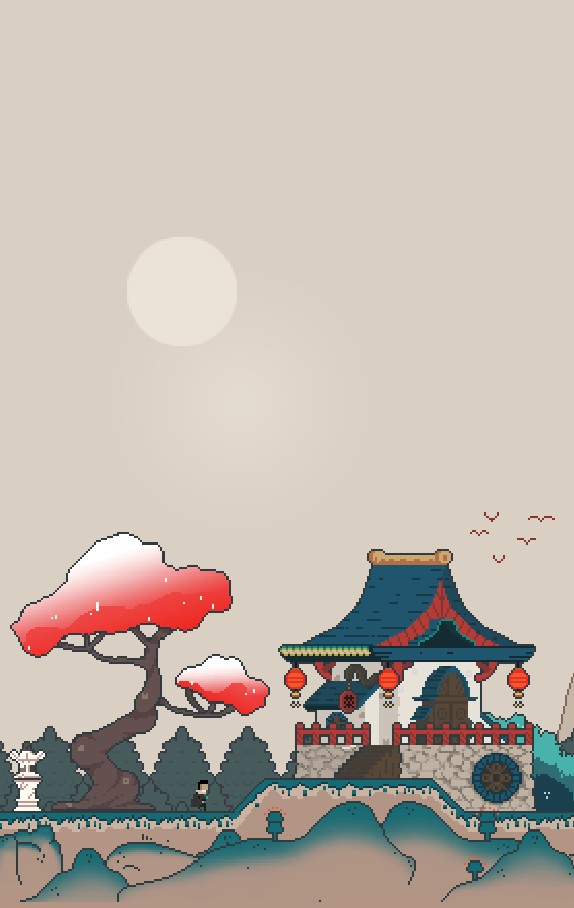
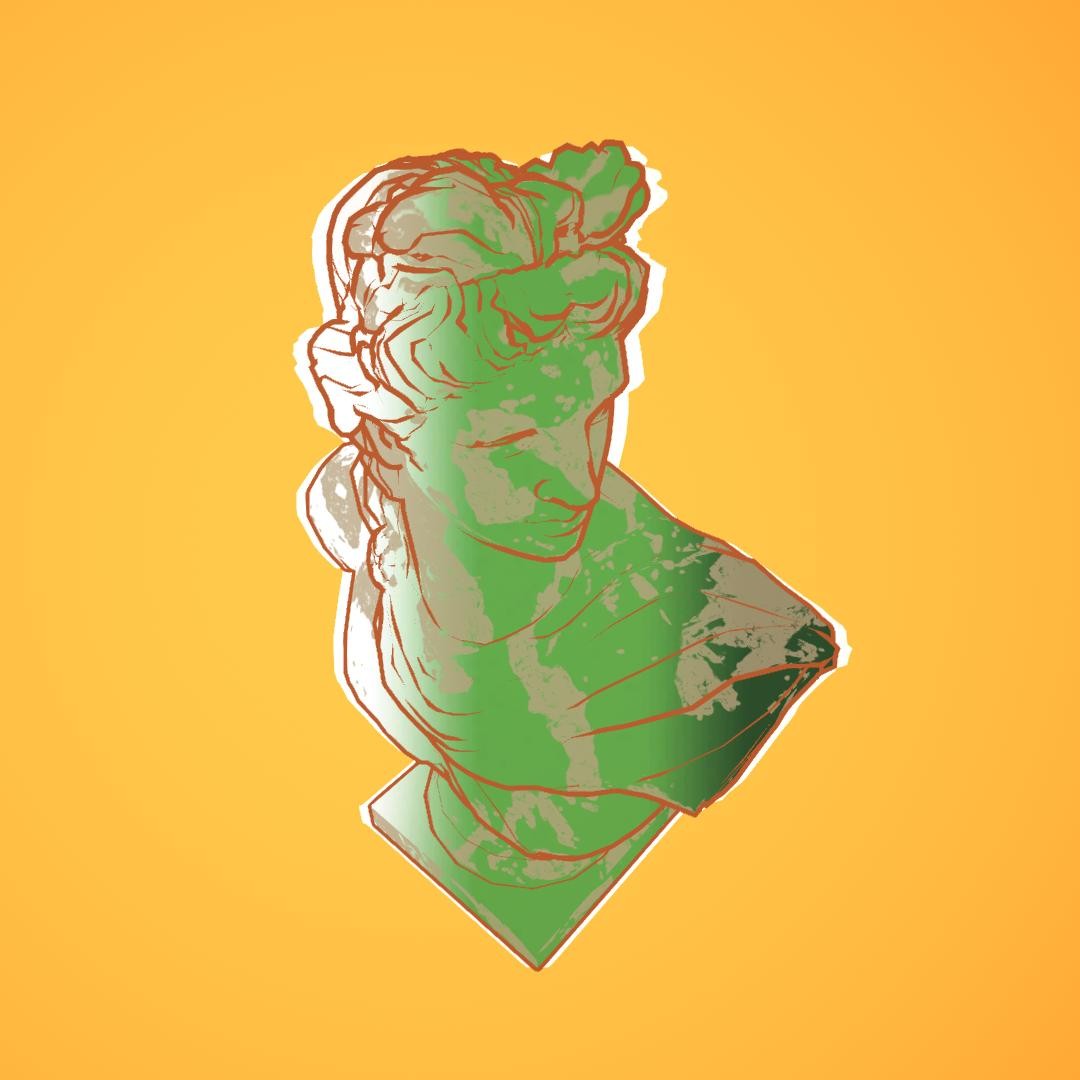
I started in Technical Art by writing shaders – programs that manipulate vertices and pixels on screen; That is what I do the most, but a big part of being a Technical Artist is helping other teams – environment art, lighting and VFX – reach their maximum efficiency. I feel most fulfilled whenever I come up with new solutions that speed up the artist’s workflow. It’s also funny when artists use my tools in unexpected ways and achieve something I did not design the tools for. In general, it’s motivating and satisfying to see my work not only bring me to my goals but also elevate other team members to reach theirs.
Contact Info:
- Website: https://www.sichenliu.com/
- Instagram: https://www.instagram.com/lil.sichen/
- Linkedin: https://www.linkedin.com/in/sichen-liu/
- Twitter: https://twitter.com/lil_sichen
Popular
-

LA’s Most Inspiring Stories
-

JordanL on ‘Breathe,’ Belief, and Building a Movement Beyond the Music
-

Megan Birney Rudert on How Access to Light Is Powering a More Sustainable and Equitable Future
-

Linda Kneidinger on Building Lasting Change Through Small Steps and Self-Compassion
-

Jolana Nika on Redefining Modern Connection Through Intentional, Real-Life Experiences
-

What did suffering teach you that success never could?


