



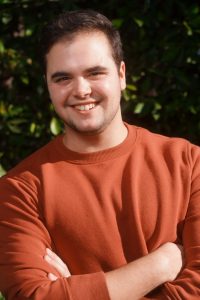
Today we’d like to introduce you to Parker Lemal-Brown.
Hi Parker, we’re thrilled to have a chance to learn your story today. So, before we get into specifics, maybe you can briefly walk us through how you got to where you are today?
Growing up, I was the weird kid constantly lost in my own imagination. I’ve always loved building stories – bringing people I love into new worlds that you can take in your pocket.
I wrote a lot of bad stuff throughout high school, from angsty short stories where the hero always died to half-finished novels about werewolves. I wrote my first TV script at 15, where I discovered the magic of writing about my life but pretending it’s about something else. Thanks to Grey’s Anatomy, I decided I should be a doctor instead because it seemed more practical (and sexier). I studied Neuroscience in college because I love how little we know about our own brain, even though it’s the core of ourselves and how we understand reality. I also worked at a start-up, doing marketing for small nonprofits around the world, trying to find new ways to keep donors engaged with communities that need help. I’m obsessed with empathy and how to build connections with strangers. The idea of empathy eventually brought me back to TV. I’d be a bad doctor, but thanks to Grey’s Anatomy, I also saw how many girls like me connected with seeing a surgeon like Meredith Grey and inspired to do it themselves. I wanted to be a part of a show like that.
Five years ago, I came out as a trans man. Suddenly, I didn’t have role models that looked like me on screen anymore. I couldn’t picture myself in the future, so it felt like it didn’t exist. I realized I didn’t just want to be part of a show, I wanted to create a show with characters like me. TV can be comfort, a community, a way to expand people’s imaginations beyond what they see in real life. I taught myself screenwriting with help from YouTube and bought a ticket to LA.
Since moving here, I’ve worked on shows at Netflix, Shondaland, Amazon and NBC. I’m a writer and story consultant, offering advice on how to tell better trans stories without stereotypes and show gender fluidity in mainstream shows. I also work with upcoming writers on their scripts, networking, and getting jobs. I’m proud to be part of the LA queer theater scene and the amazing LGBTQ+ community in this city!
Alright, so let’s dig a little deeper into the story – has it been an easy path overall and if not, what were the challenges you’ve had to overcome?
I started my gender transition at the start of my career. My job usually only last a few months at a time, so for the last few years, my face was changing as often as my workplace. I felt raw and exposed, like 13 years old with voice cracks and zits working full time. I’ve been lucky to have very supportive coworkers, but I still dealt with invasive questions and looks at the office where I was usually the only trans person. When I first moved to LA, I was scared to use they/them pronouns because I was told it would turn people off from reading my writing. I’ve also been told that trans writers should write for trans people, that stories about us are not mainstream. It took a while to figure out my creative voice and even longer on how to use my literal voice (after it stopped cracking) to advocate for myself at work and pitch my ideas with confidence.
I’ve also struggled with anxiety and grief over the last few years. My family lives on the other side of the country, which was the hardest part of moving to LA. Several loved ones passed away suddenly this year, and I feel like I’ve lost time with them by living so far away for my career. As a creative professional, I feel the pressure to express everything even while I’m still processing. I get really hard on myself to do better work faster, which takes away the joy of writing and why I started in the first place. I’m slowly learning how to give myself space to heal instead of sprinting toward one version of “success”.
Thanks – so what else should our readers know about your work and what you’re currently focused on?
I’m a TV writer and university research consultant. I just staffed on my first series, my biggest milestone since moving to LA. It’s been incredible to learn from the other writers and collaborate on stories together, after years of working on scripts by myself. I’m on an amazing show, the kind that I wish I could have watched as a kid. That was always the dream, so it’s surreal to now truly be in my dream job.
On the academic side, I do research/strategy on ESG and Change Management for working professionals. ESG is the standard for Environmental, Social, and Governance practices for companies to create a more sustainable and ethical global economy. I recently contributed to a chapter of an upcoming book on Digital Governance about how to map the “maturity” of ESG in different companies, from giant corporations to tiny start-ups. I’m also working with a university professor on developing new theories that bring ESG back to the individual – how we can change ourselves to catalyze change in the world.
I’ve always struggled to balance my love of TV with more “serious” pursuits that help people in concrete, practical ways. After a long stretch of unemployment and not feeling like I was doing anything for myself or others, working as a consultant gave me a new perspective and totally different kinds of conversations. I love working with logic and feelings, so it frees me to truly enjoy both sides without feeling like I’m giving something up. My ultimate goal is to be a creative consultant for nonprofits, to create strategic stories that spark empathy and action to help each other in crises around the world.
Can you talk to us a bit about the role of luck?
Luck has played a huge role in my life and career. I’ve been extremely lucky to connect with other writers who helped me get jobs, read my stuff, gave advice and opened doors to new opportunities. I networked my butt off to build my own luck, but even those connections are built off of chance.
I think luck comes in different forms. As a white, cis-passing guy, I automatically have a lot of privilege and protection. Even as a trans person, I feel less danger living in my body and have more access to resources and opportunities due to systems that existed long before I got here. I also have financial stability and amazing supportive parents, which takes off a lot of the daily stress from working in an unstable industry. I’ve had great luck on getting the right job at the right time, then the bad luck of that show shutting down or getting laid off. I’ve also had bad luck, like family death scares and getting into a car accident, that forced me to slow down and make healthier choices in the long run that ended up making my life better.
As a writer, every day doing what I love feels lucky. But just to be clear – even though Hollywood is all about being lucky, there is a difference between random chance and stacked odds. The lack of information online and between companies gatekeeps most of us from hearing about jobs that we are qualified for, so we can’t even apply. Most assistant jobs are incredibly competitive but barely pay a living wage to survive in LA, with few chances for promotion or mentorship. There is a big mystique around getting your “big break”, but it usually boils down to having enough money and connections to hold out on a precarious “word of mouth” ladder. By making job posts and mentoring opportunities more accessible, luck wouldn’t need to be the biggest factor for who gets to show their work on the big screen.
Contact Info:
- Website: thegoodlemal.com
- Instagram: @thegoodlemal
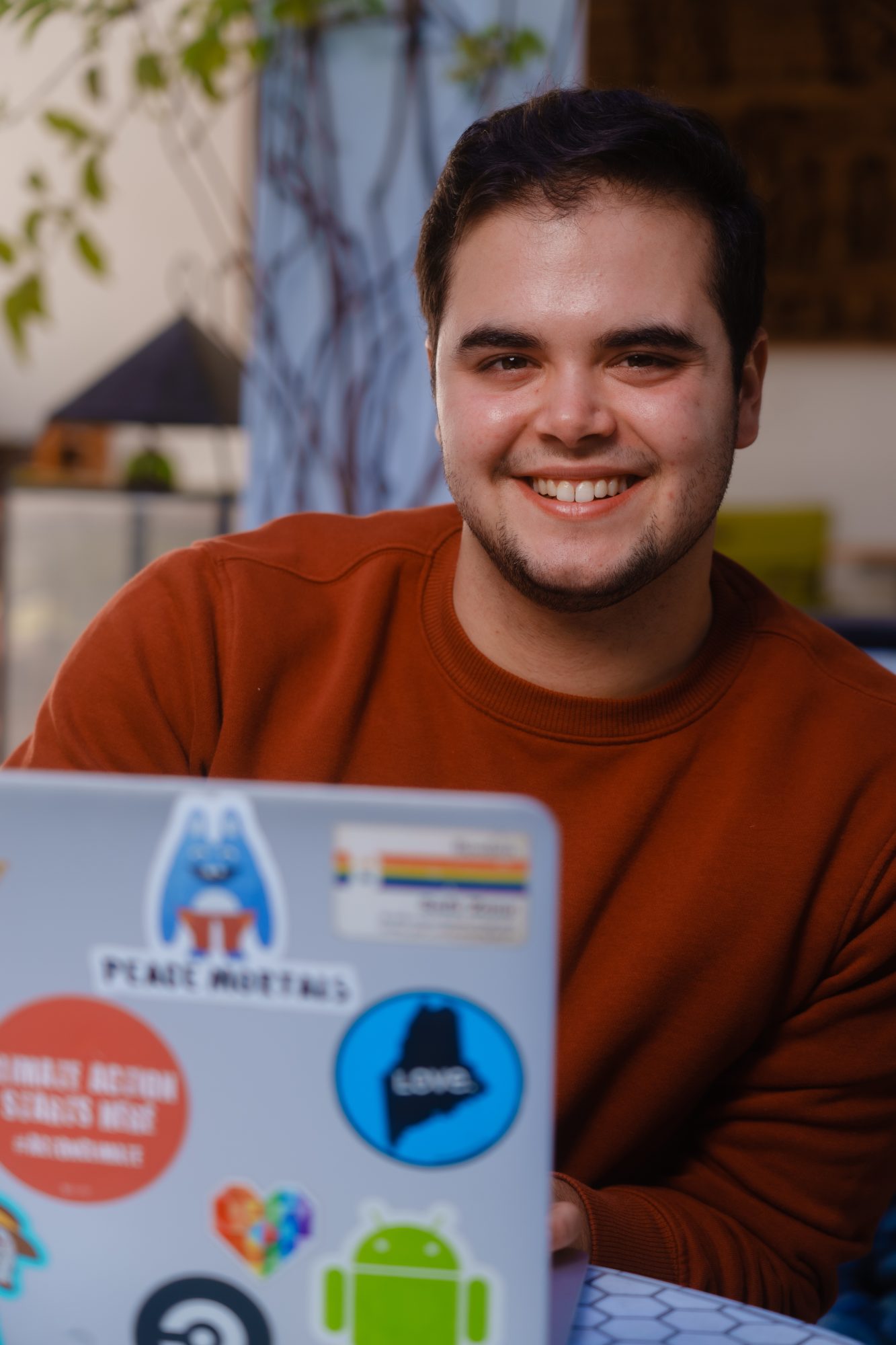
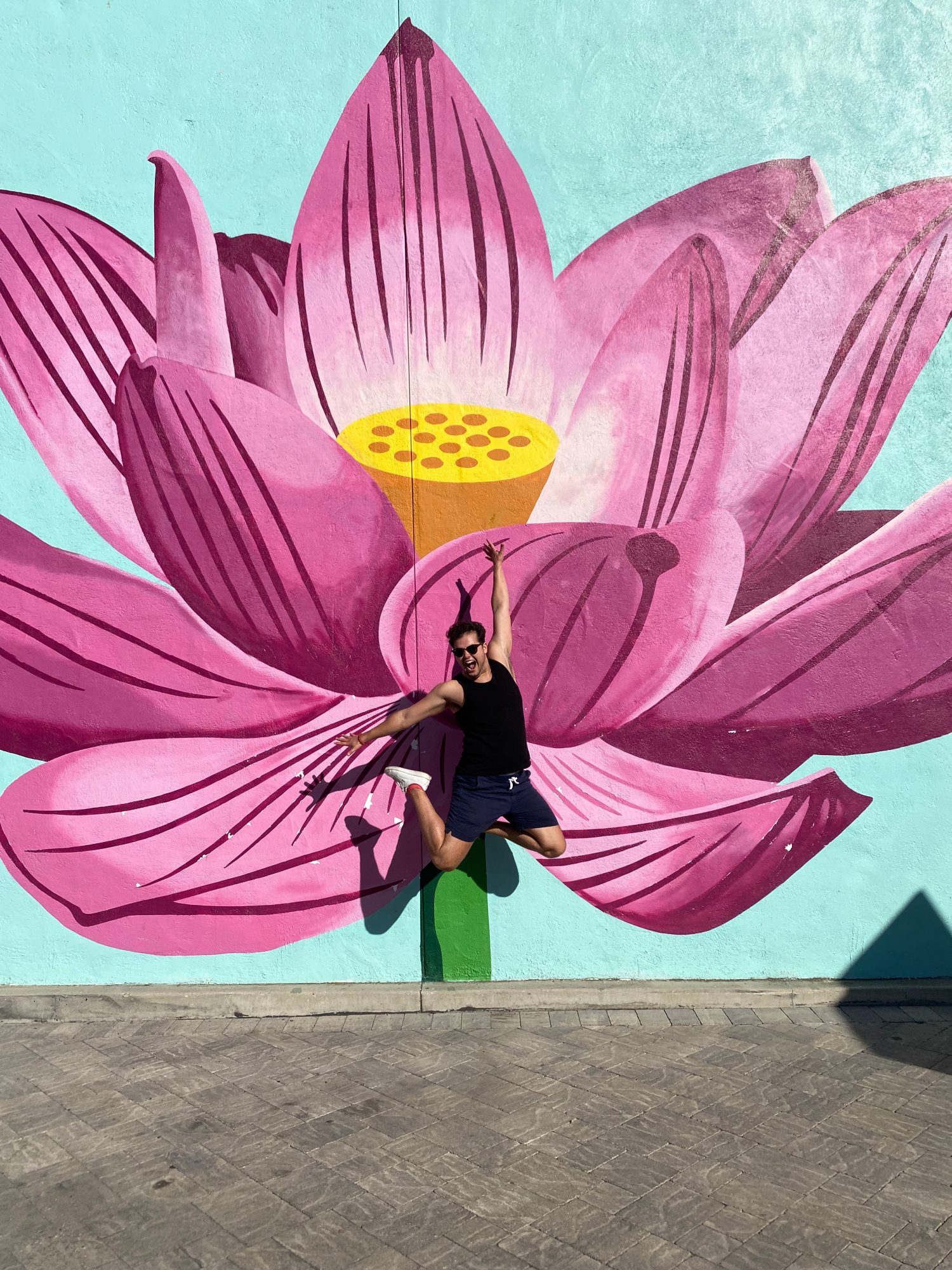
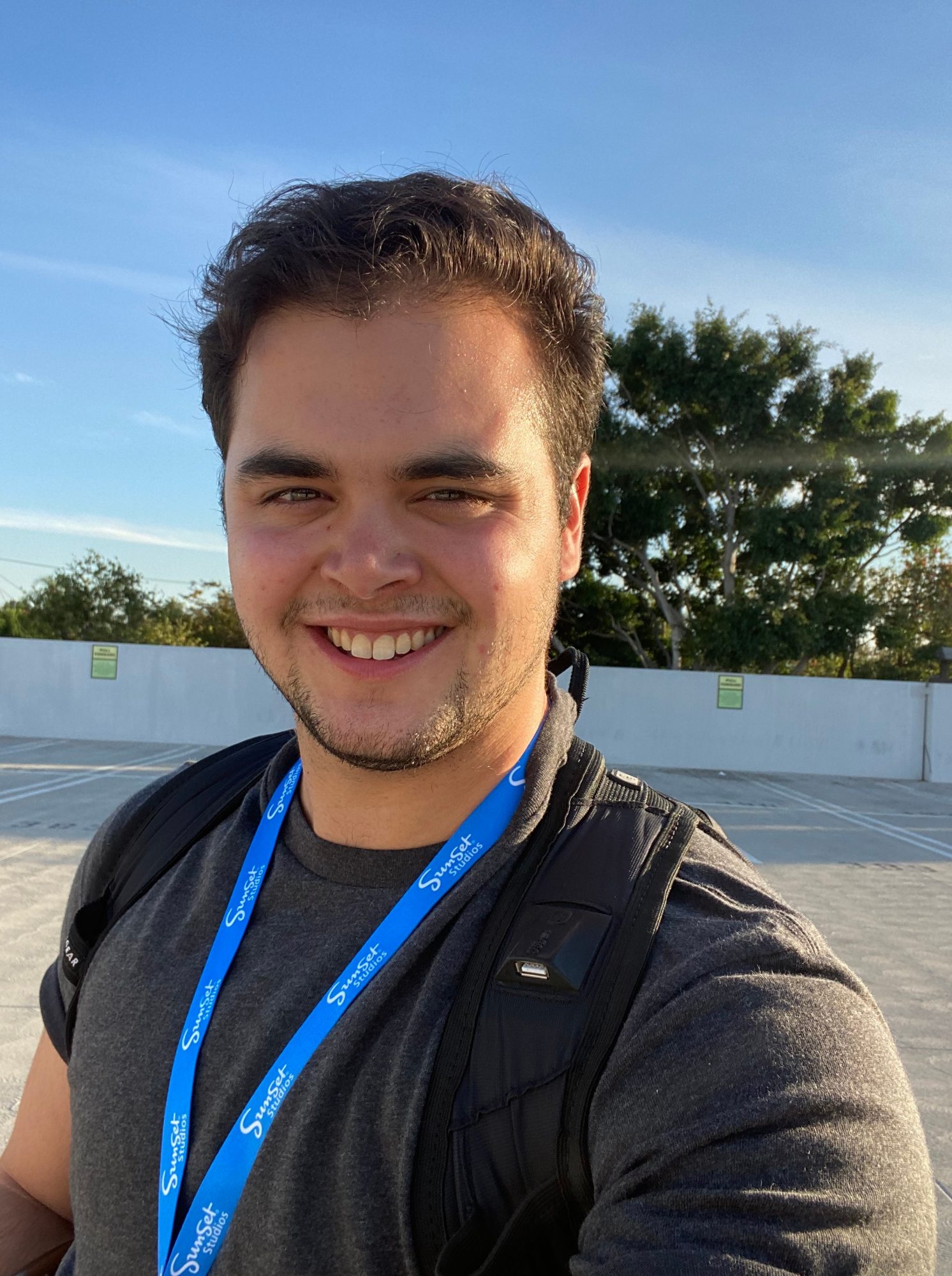
 Image Credits
Anabelle Vo (all portraits) Naomi Shroff-Mehta (Mural photol)
Popular
-
Dorian Southall Is Redefining What It Means to Sit Down for Dinner
-

From Asking for a Shot to Owning the Stage
-

Portraits of the Valley
-

LA’s Most Inspiring Stories
-

Care That Lives in the Body, Not Just the Moment
-
Finding the Music in the Unknown: Cheyanne Taylor on Letting Go, Growing Up, and Staying in Motion


