



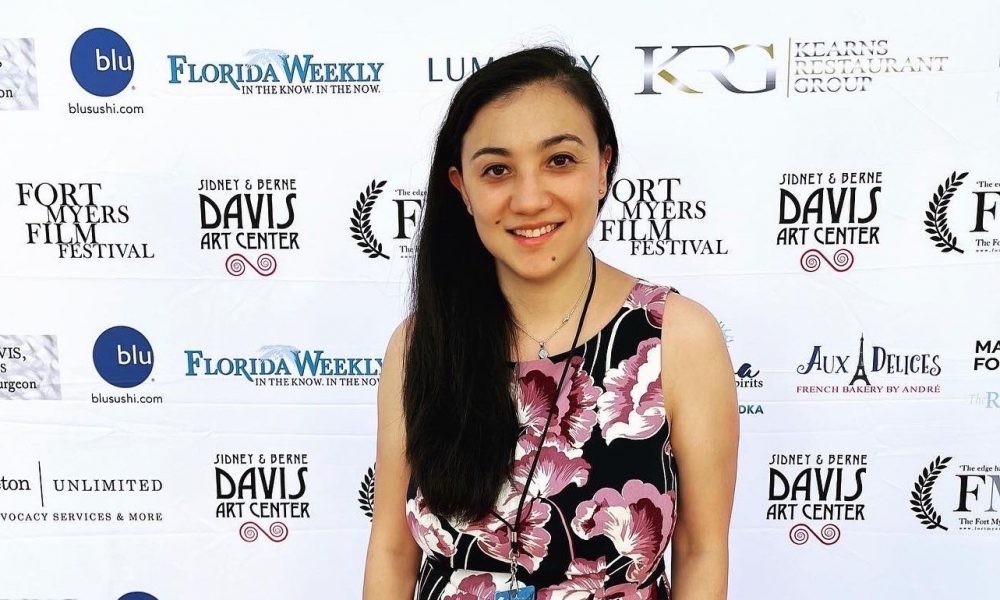
Today we’d like to introduce you to Dayna Li.
Hi Dayna, thanks for joining us today. We’d love for you to start by introducing yourself.
I decided to pursue a career in film because I was interested in ways that I could influence social change on a large scale. I started out by studying politics and policy, but the policy world felt too rigid to me, and I wanted to work in something more creative and innovative. The summer after my sophomore year of college, I took a documentary course at USC and made a film about a young gay Latino man who was abused by his mother when he came out to her, and who became homeless for some time. I saw that by telling a single person’s story, I could shed light on bigger issues, which in this case was LGBTQ+ youth homelessness. I’ve revolved my filmmaking since then around impactful stories that touch on some broader social or human-interest issue. Some of my film topics include exploitation of sex workers, Syrian refugees, and LGBTQ+ issues revolving around coming out and discovering one’s sexuality. I have also enjoyed stories that focus on relationship dynamics, which I have explored in my thesis, and the feature film I am developing about bisexuality. I have found a strong support system through my classmates from Chapman, where I got an MFA in directing. I also recently graduated from a 2-year Meisner program at the Sanford Meisner Center in Burbank and found a supportive community there as well. I think it is crucial for any artist to surround themselves with like-minded people who lift them up and inspire them because the road can have so many challenges.
Can you talk to us a bit about the challenges and lessons you’ve learned along the way? Looking back would you say it’s been easy or smooth in retrospect?
The biggest challenge in my career so far has been trying to find time to be creative and to work on my own projects, while also making a consistent income to support myself. I think this is a very common dilemma among artists; we don’t want a job that takes all our time and energy so that we can’t pursue our projects, but at the same time we need to be making enough to cover daily expenses. Right now, I have a part-time job in development which is helpful because it involves reading and analyzing scripts, but I am still looking for a good balance between being practical and also pursuing what I really want to be doing. I think another big challenge for directors is that in the beginning, we have to fund our own projects, which can get costly if they are out of pocket. It is a steep learning curve to discover what is most cost-efficient and what expenses can be cut without hurting the overall project. A third challenge is being able to find one’s voice among dissenting opinions. I think it’s a sign of growth when you can hear an opinion and say, “thank you,” but ultimately decide the opinion is not constructive to what you want your end product or end performance to be. Being aware of exactly what suits you personally as an artist is something really special, but it requires sifting through many other opinions first.
Thanks – so what else should our readers know about your work and what you’re currently focused on?
I have made a variety of documentary and narrative shorts, mostly dramas that shed light on real or true-to-life stories. I recently had three shorts that traveled the festival circuit: a narrative short, “Qafas,” about a family in wartime Aleppo who are debating about leaving their home, a documentary short, “Sex Sells,” on the decriminalization of prostitution in the US, and a narrative short, “Aurora,” about a songwriter who falls in love with a performer classmate who she looks up to. They have been recognized by festivals including Fort Lauderdale International Film Festival, Bushwick Film Festival, La Femme Film Festival, and Pasadena Film Festival. “Qafas” was nominated for a Student Short Jury Award at Austin Film Festival, and “Aurora” won Outstanding LGBTQ+ Themed Film at Nevada Women’s Film Festival. I am expanding the themes in my thesis, “Aurora,” into an anthology feature about bisexuality, which tells stories of four different women’s experiences with same-sex love at different life stages. I am interested in films about human rights issues, whether documentary or narrative, especially if they have an international bent. I hope to explore human rights subjects more in my own filmmaking in the future. As I mentioned, I also finished a 2-year program in Meisner training, and I would like to get more experience acting, both in theater and film. Learning Meisner technique has been instrumental to getting more in touch with my emotions and noticing the nuances of everyday moments. Unfortunately, being acutely observant to the external world is something that has to be relearned for a lot of people, because we get so in our heads. Having the opportunity to dive into the technique has been truly a blessing and has improved my everyday interactions. I recently worked on a scene from “Angels in America” where I played a homeless woman. It was an engaging challenge for me to dive into an experience of mental illness, and I hope to portray more complex characters like this one.
Alright, so to wrap up, is there anything else you’d like to share with us?
I would like to emphasize that an important thing for any artist is to identify what is helpful feedback and what is noise. It can be easy to get swayed and go off your path, but you have to just keep reminding yourself of what you are passionate about and what your end goal is. It’s a daily exercise to remind yourself of your purpose. Remember, people don’t care what you do as much as you do. It is helpful to be around people who support you and will help you stay on your path, and who understand the challenges you are facing.
Contact Info:
- Website: spectreproductions.org
- Instagram: @dmli @spectreprod @daynaliactor
- Facebook: dayna.l3
- Twitter: @daynamli
- Youtube: https://www.youtube.com/channel/UCVaDT-9YBDUmqQsnZ-dtSOA
- Other: https://vimeo.com/daynali
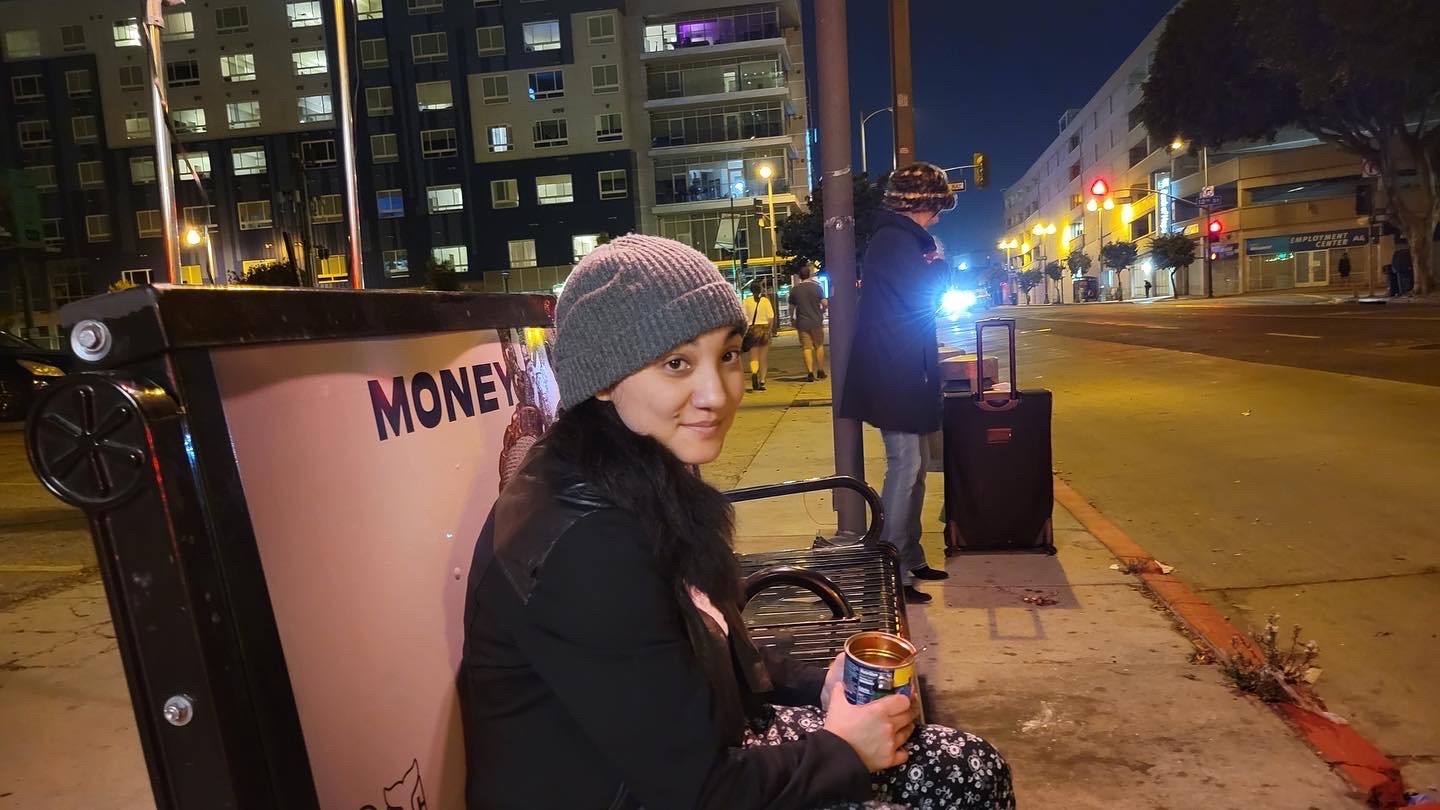
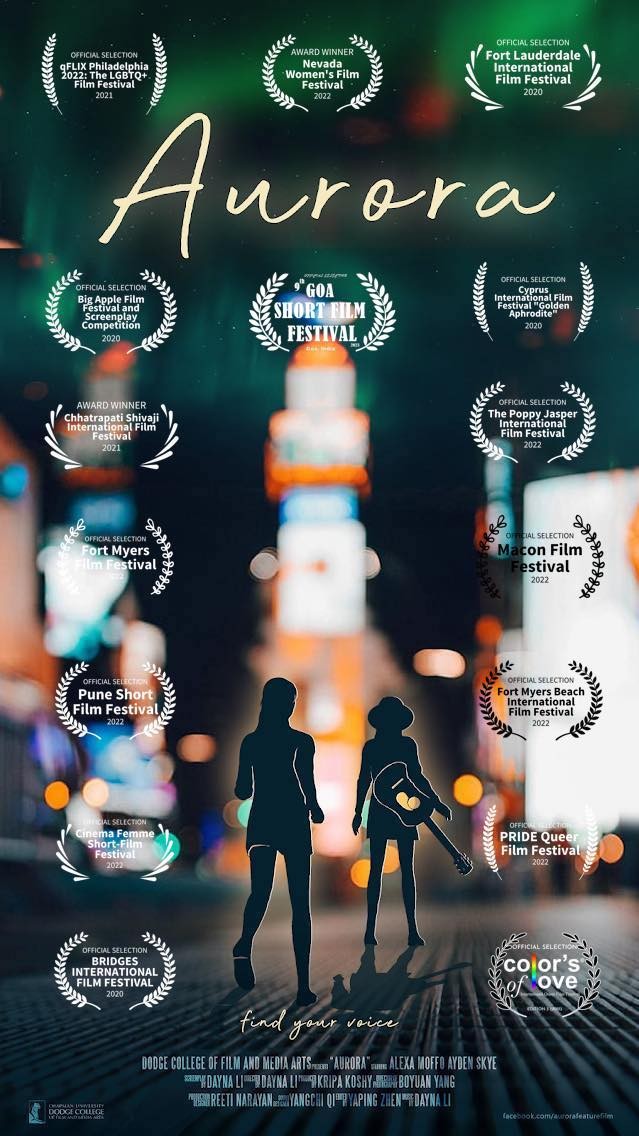
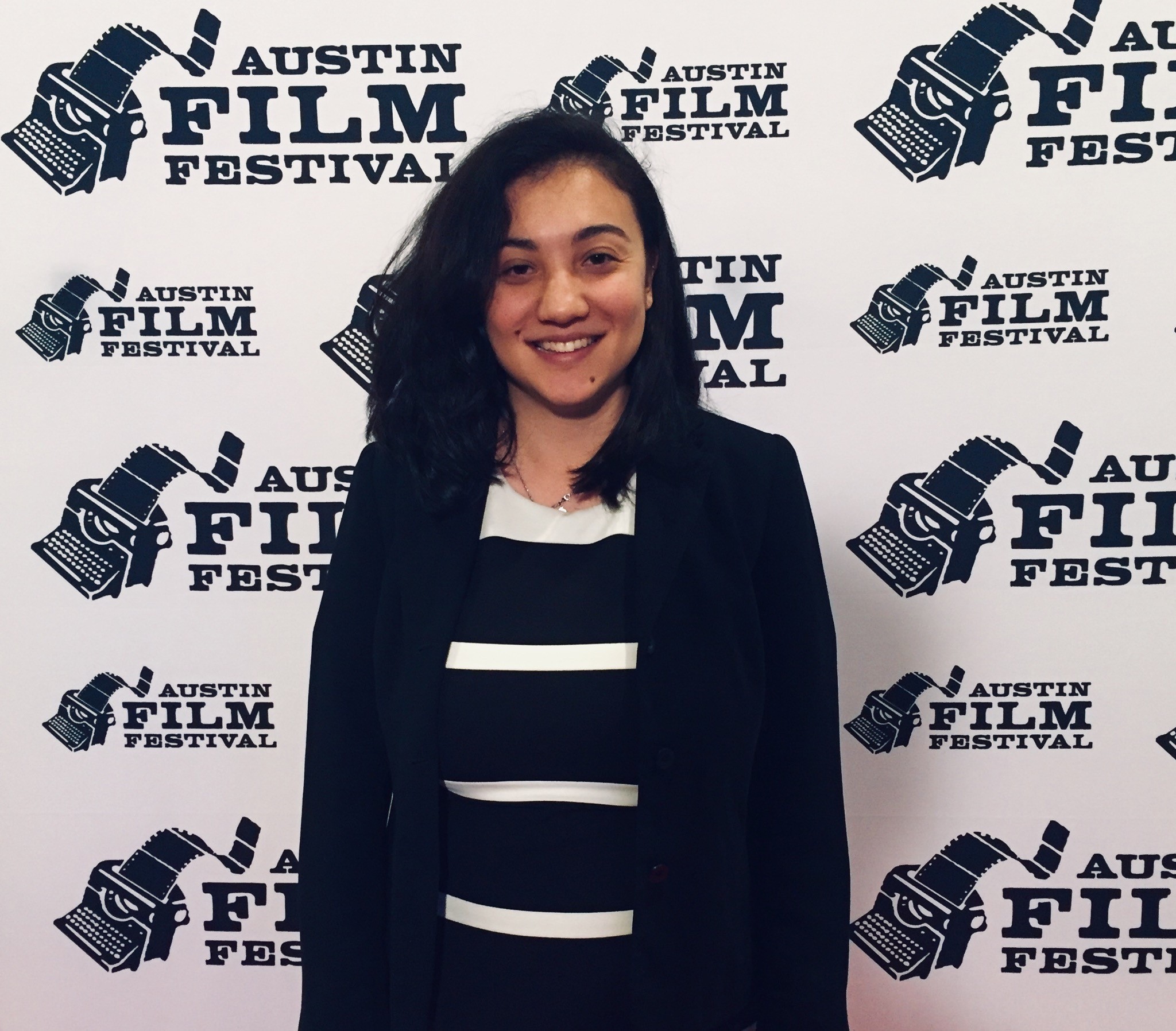
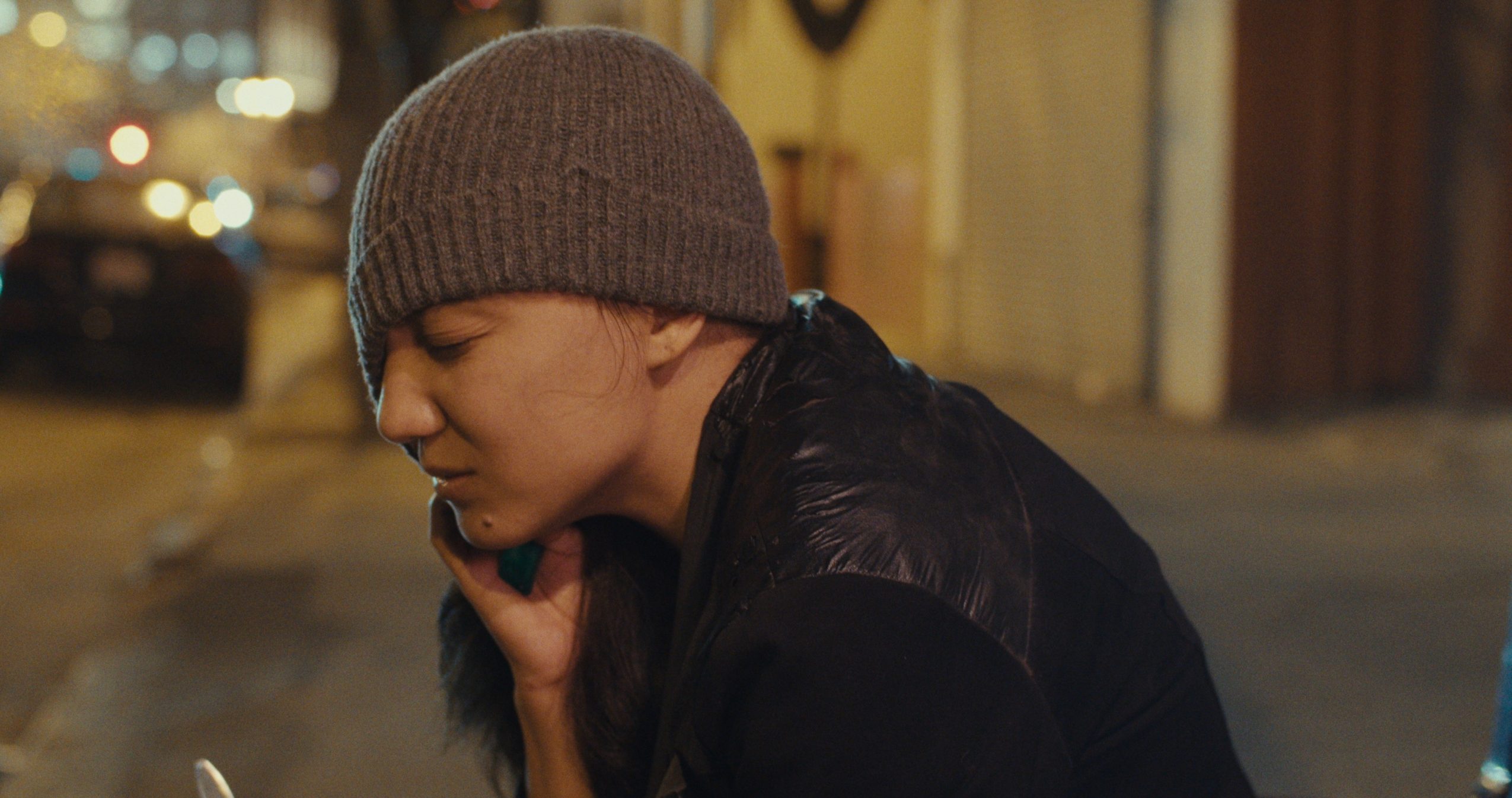

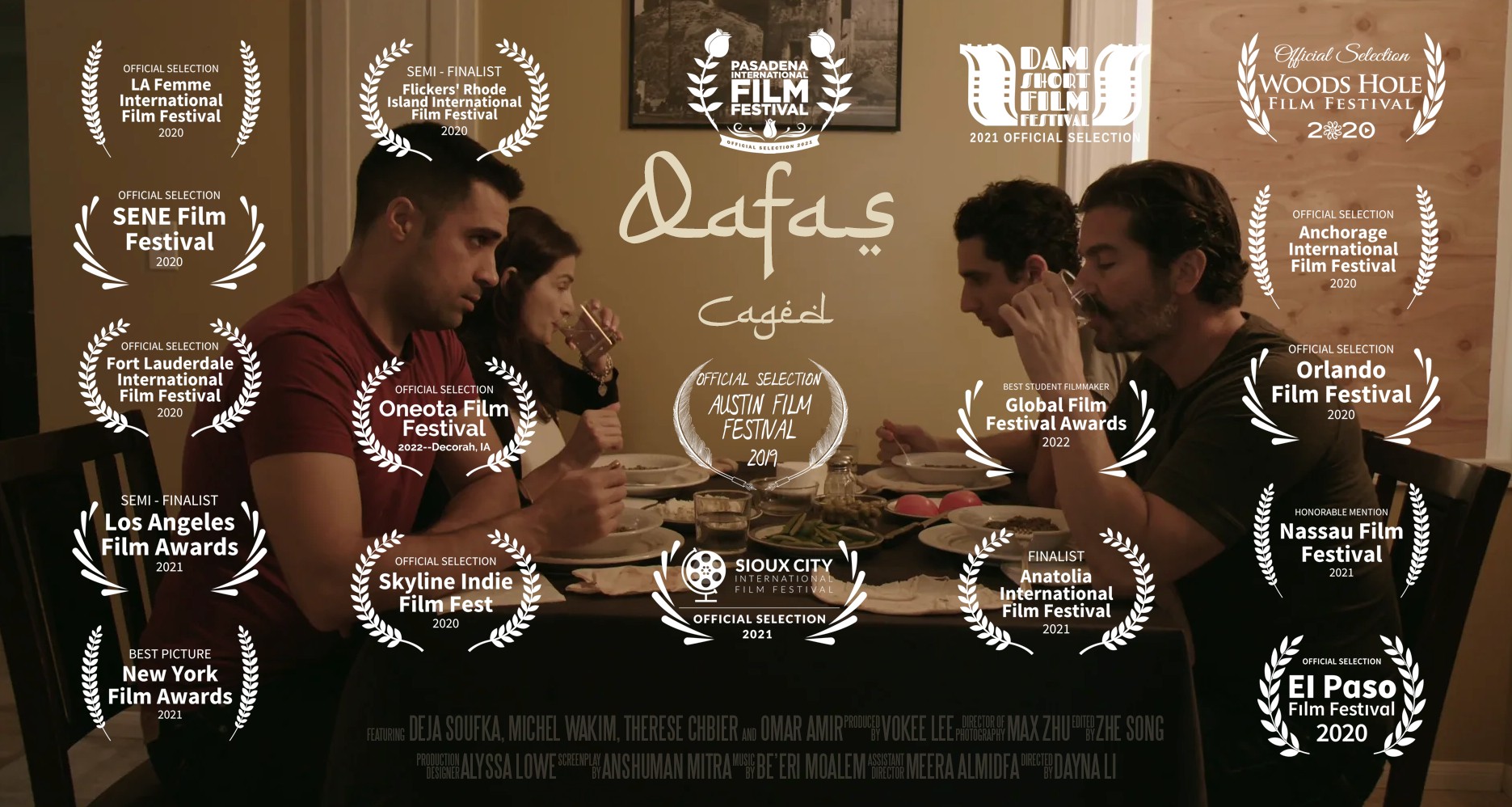
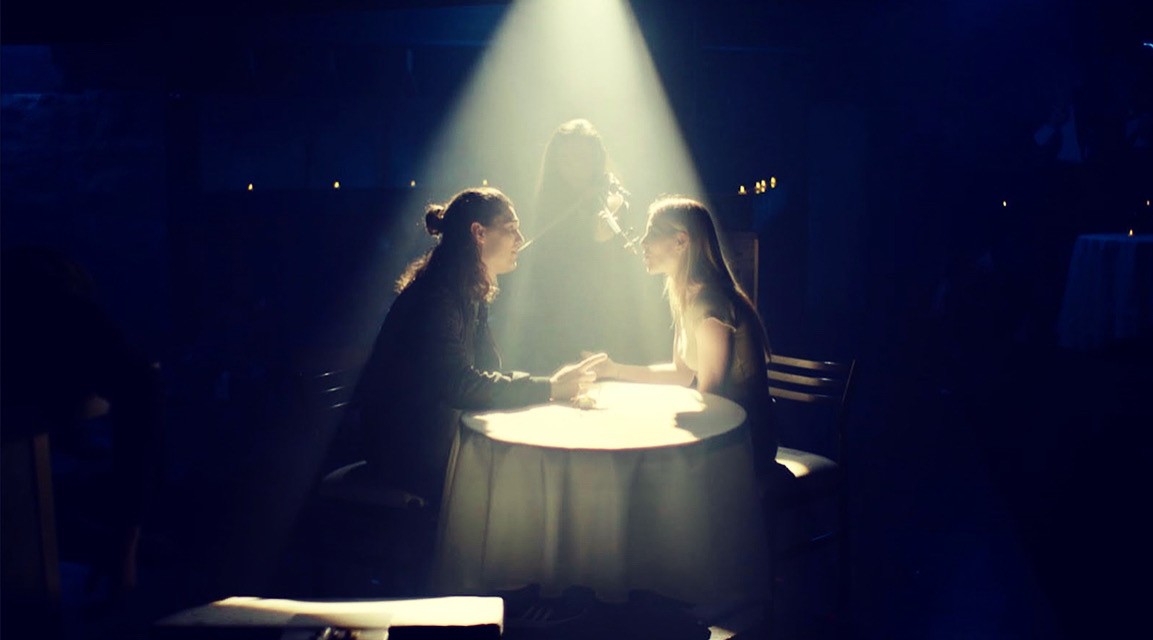
Image Credits
Sarah Reddy