



Today we’d like to introduce you to Giselle Bonilla.
Hi Giselle, we’re thrilled to have a chance to learn your story today. So, before we get into specifics, maybe you can briefly walk us through how you got to where you are today?
I was a hyperactive kid, forced to play sports I’d never be good at, yet, garnered the prestigious ‘team spirit’ award. My father, slightly embarrassed by my pride over the new role, suggested I take an improv class; a last attempt to be included on a team. I immediately fell in love with the control we had over story, the limitless possibilities to create whatever world we desired as long as we were supporting each other. Plus, it had the desired effect of tiring me out.
I begged my parents to let me be an actor. They were worried I wouldn’t be able to handle the rejection, but I reminded them of all the sports teams I had previously never played for yet still managed to get awards for. They agreed.
I was prepared for rejection but was too naive to anticipate the limitations that came with being a Latinx actor. There were no opportunities to participate as an authentic storyteller, most of the roles I booked were stereotypical and even racist. Not one of those roles were written by Latinx people. I wanted to represent my community honestly and knew the only way to successfully do that was to be the person in charge of the story.
I took a break from acting to pursue a career in writing and directing and became the first in my family to graduate from college. I received a BFA in Film and Television Production from NYU’s Tisch School of the Arts and am currently pursuing an MFA in Directing at the American Film Institute because I am addicted to being validated by institutions.
Would you say it’s been a smooth road, and if not what are some of the biggest challenges you’ve faced along the way?
The time between my undergraduate degree and deciding to go back to school was my toughest period. I was broke, working late nights as a bartender, and hadn’t directed anything narrative since my time in college. I was depressed and creatively deprived. No one really prepares you for life after college, it requires discipline to be protective of your creative energy, but also (and arguably more importantly) it requires money.
It wasn’t until I was laid off due to the pandemic that I had the time and energy to write again. I applied to several fellowships and residencies, was rejected by most – but managed to somehow land the Sundance Ignite x Adobe Fellowship. It was a year-long program that allowed us to workshop projects with an assigned mentor. I could not have been luckier to have been paired with Hannah Pearl Utt – who also happens to act, write, and direct comedies. She was incredibly supportive and gave me the confidence I needed to allow myself to write badly. By that I mean I tend to be my biggest obstacle when it comes to creating because I have an identity crisis every time I write. As I’m writing I think, “Wow. Revolutionary. No one has ever thought of this before.” Then I read it over the next day and undergo paralysis from the shock of cliche. Editing drafts always makes me feel like Dr. Jekyll and Mr. Hyde, but Hannah taught me how to appreciate the process.
After the fellowship ended, I was asked to go back to the restaurant I worked at, but I knew I was going to fall into the same traps of exhaustion and recklessness if I went back to bartending. I would have definitely gone back if I had any ounce of discipline, but I don’t. I needed another form of creative protection to just focus on the work, so I applied to grad school. Even in undergrad, I worked full-time as a waiter and didn’t have the opportunity or privilege of taking on unpaid internships and felt like I missed out on crucial steps to post-grad success. I am incredibly grateful and aware of my privilege to now be able to live, breathe, and often suffocate from film, thanks to the messy creatively dry years it took for me to get here.
Alright, so let’s switch gears a bit and talk business. What should we know about your work?
I’m a filmmaker who makes comedies based on my own experiences. My undergrad thesis film, “Virgencita,” is a heightened version of what it would take in order to be able to talk about sex with your Mexican-Catholic mother. It’s about a woman living with her mother who on this particular day of masturbating in the shower – slips and grabs at the shower rod, slitting her wrist on a rusty shower ring on the way down, and passes out. Her mother thinks she tried to commit suicide, and she goes along with it because being suicidal seems easier than your mother thinking you’re a sexual being.
The short received the Horizon Award at the 2018 Sundance Film Festival, was in the official selection at the Palm Springs International Short Film Festival, and won the Audience Award at the National Festival for Talented Youth.
I only write from what I know, and I’ve only directed what I’ve written so I think my take on observational comedy sets me apart just because my immediate environment is fundamentally different from that of traditional “American” comedies.
Let’s talk about our city – what do you love? What do you not love?
Because I’m a local, I love driving. That’s typically my only time of solitude. I’m used to long drives, they can be meditative against the diverse landscape. I’ll often take the long route somewhere just to finish my podcast episode or song, which is probably the reason I’m late often.
I hate looking for parking. Something atrocious I’ve inherited from my parents is resenting a perfectly nice individual who has invited us over for dinner in a permitted neighborhood – without warning.
Contact Info:
- Website: gisellebonilla.com
- Instagram: @locanilla
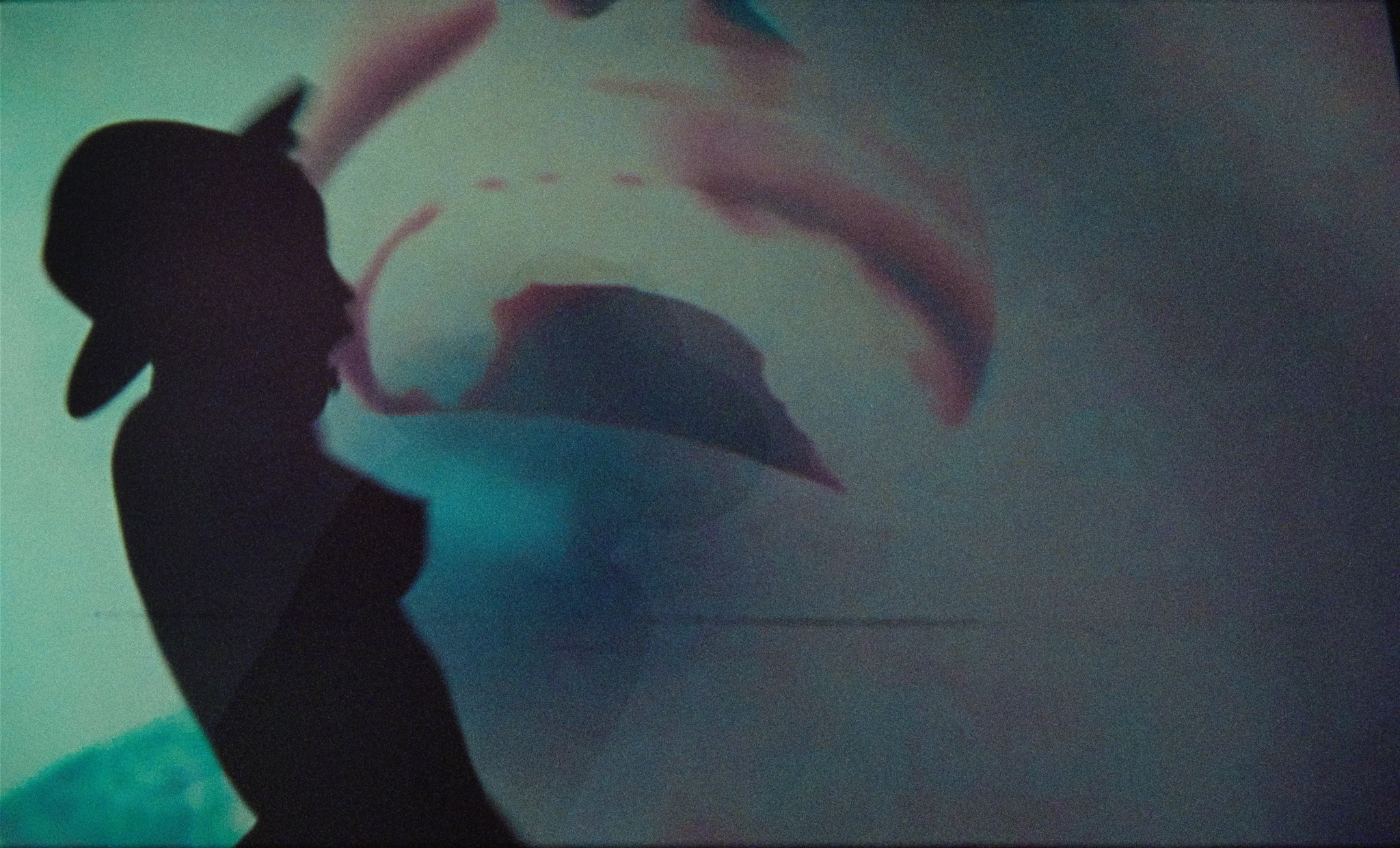
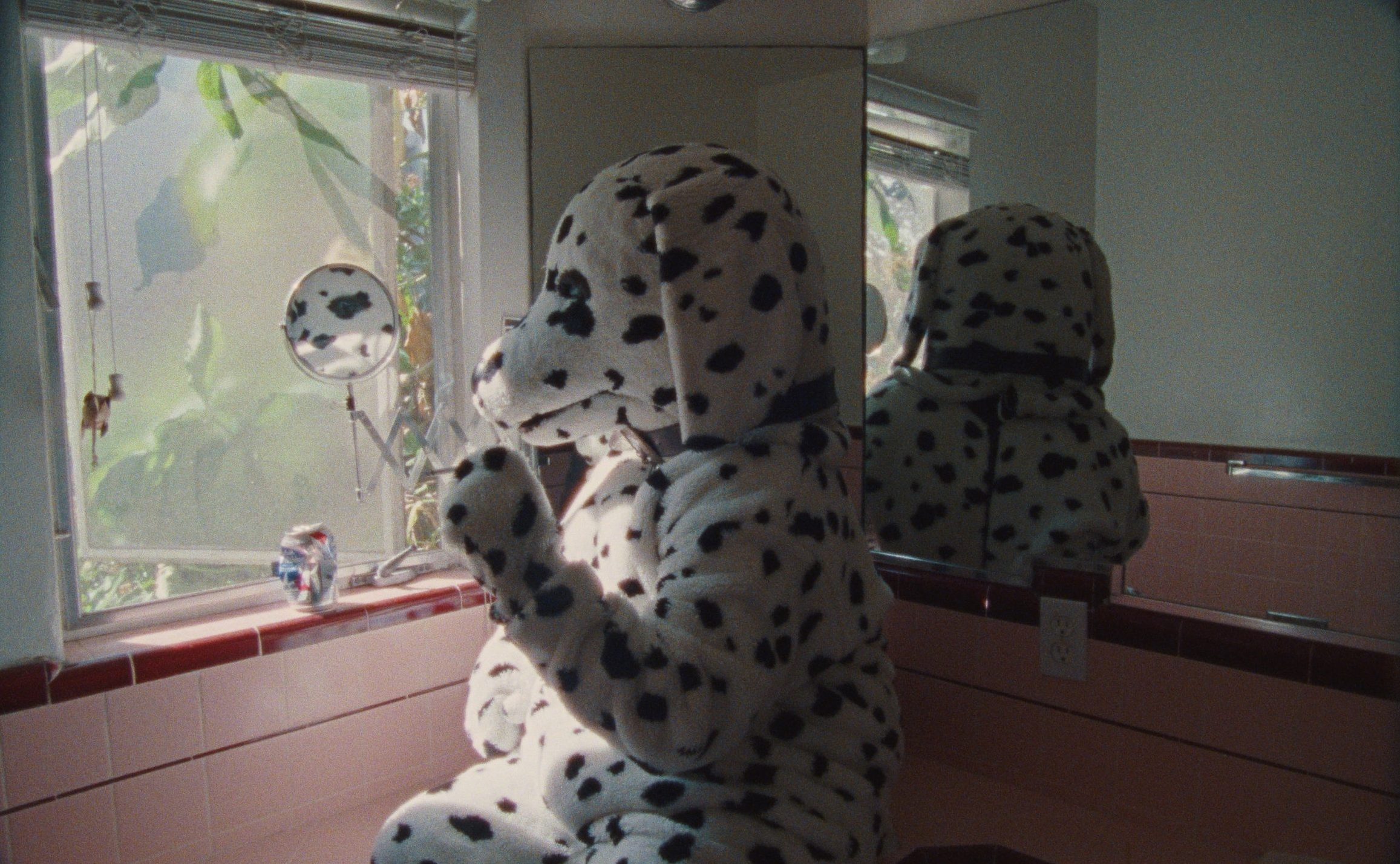
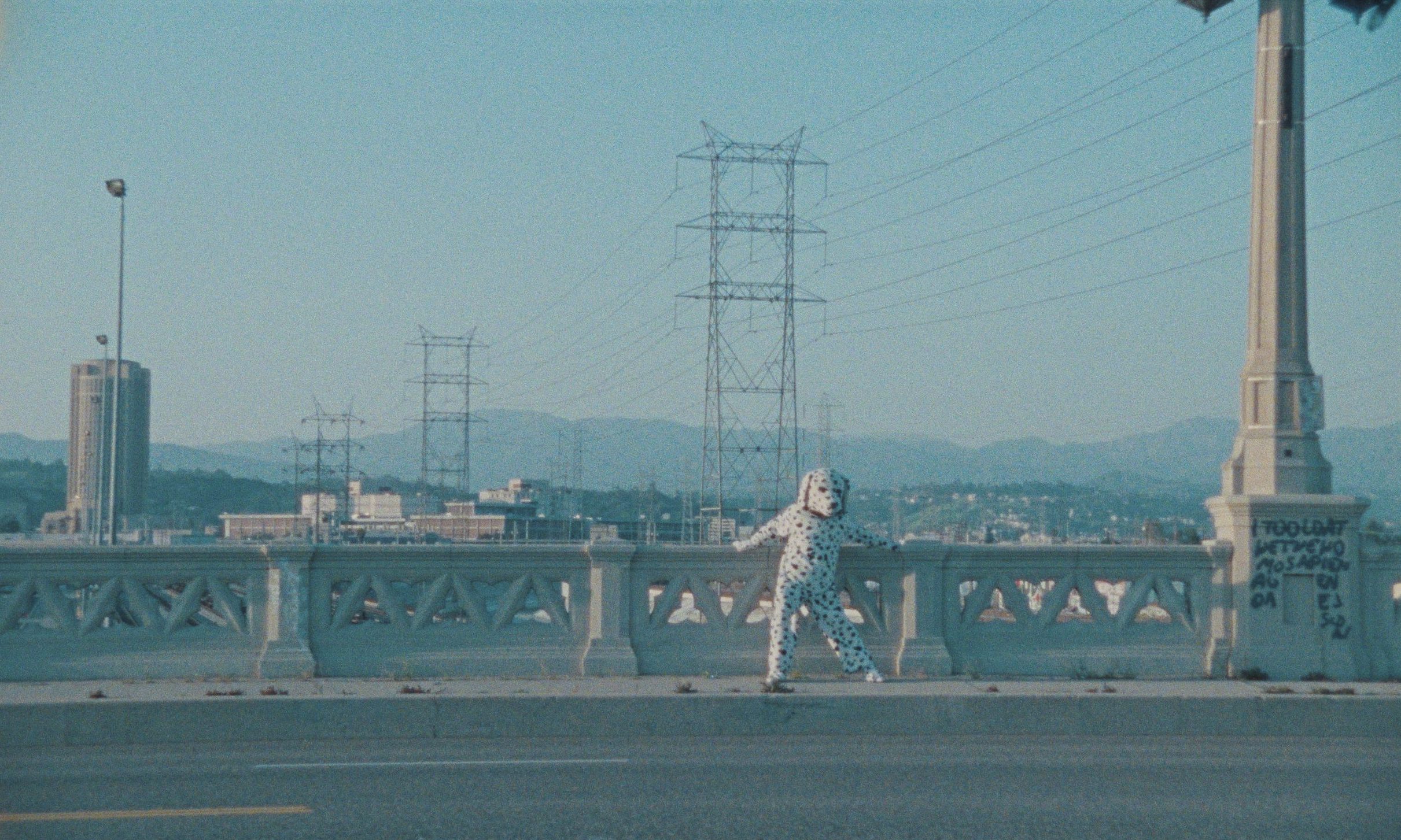
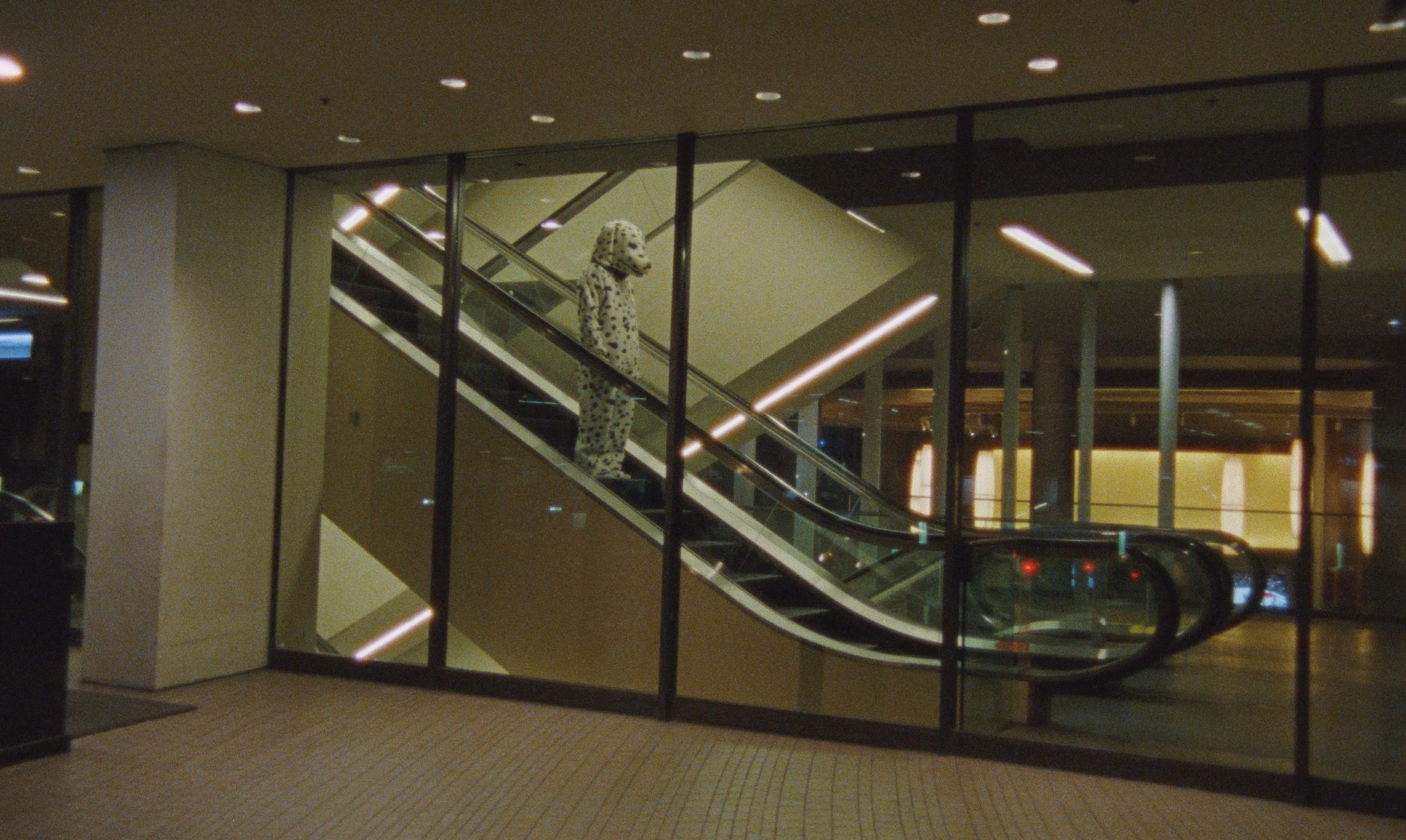
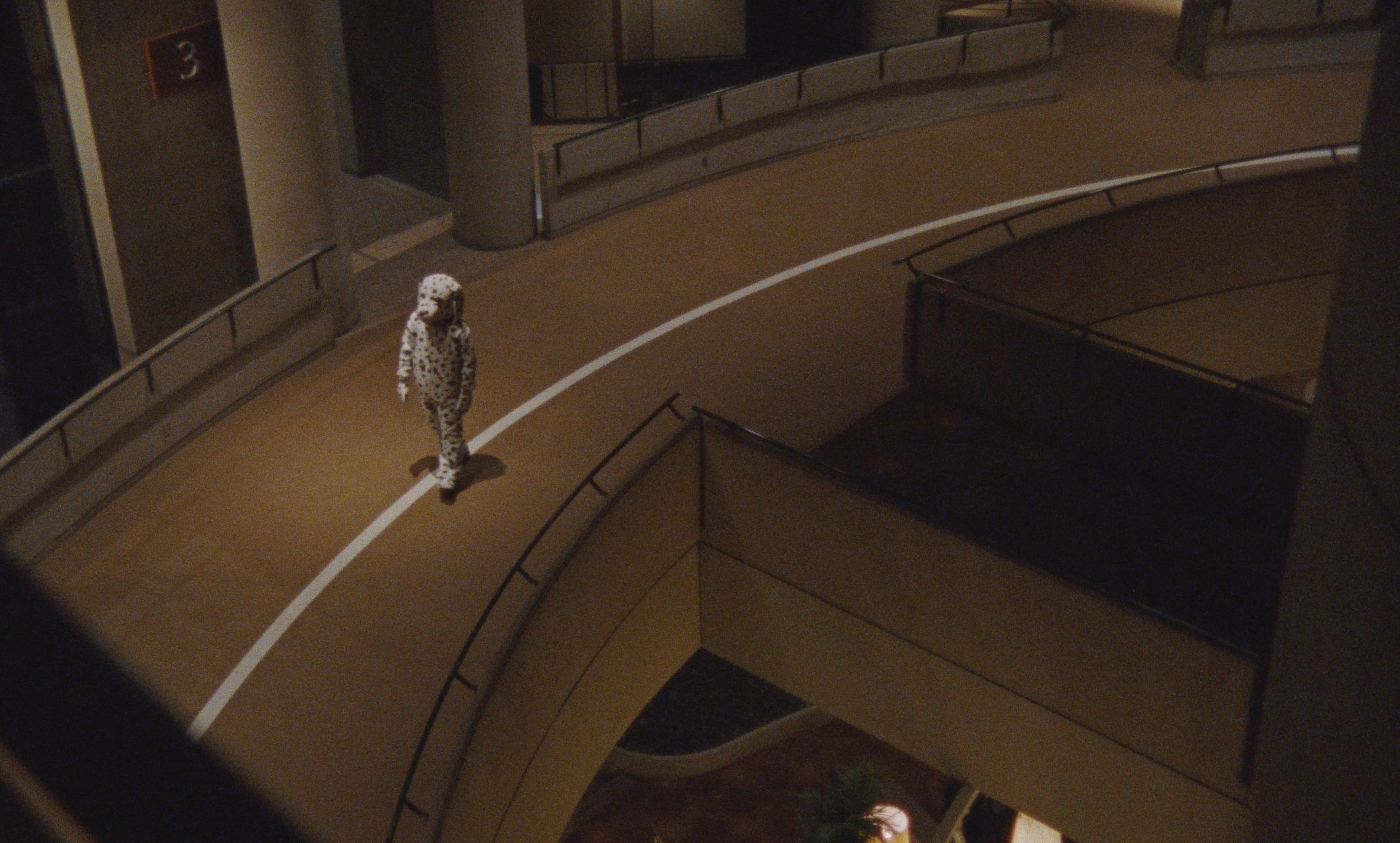
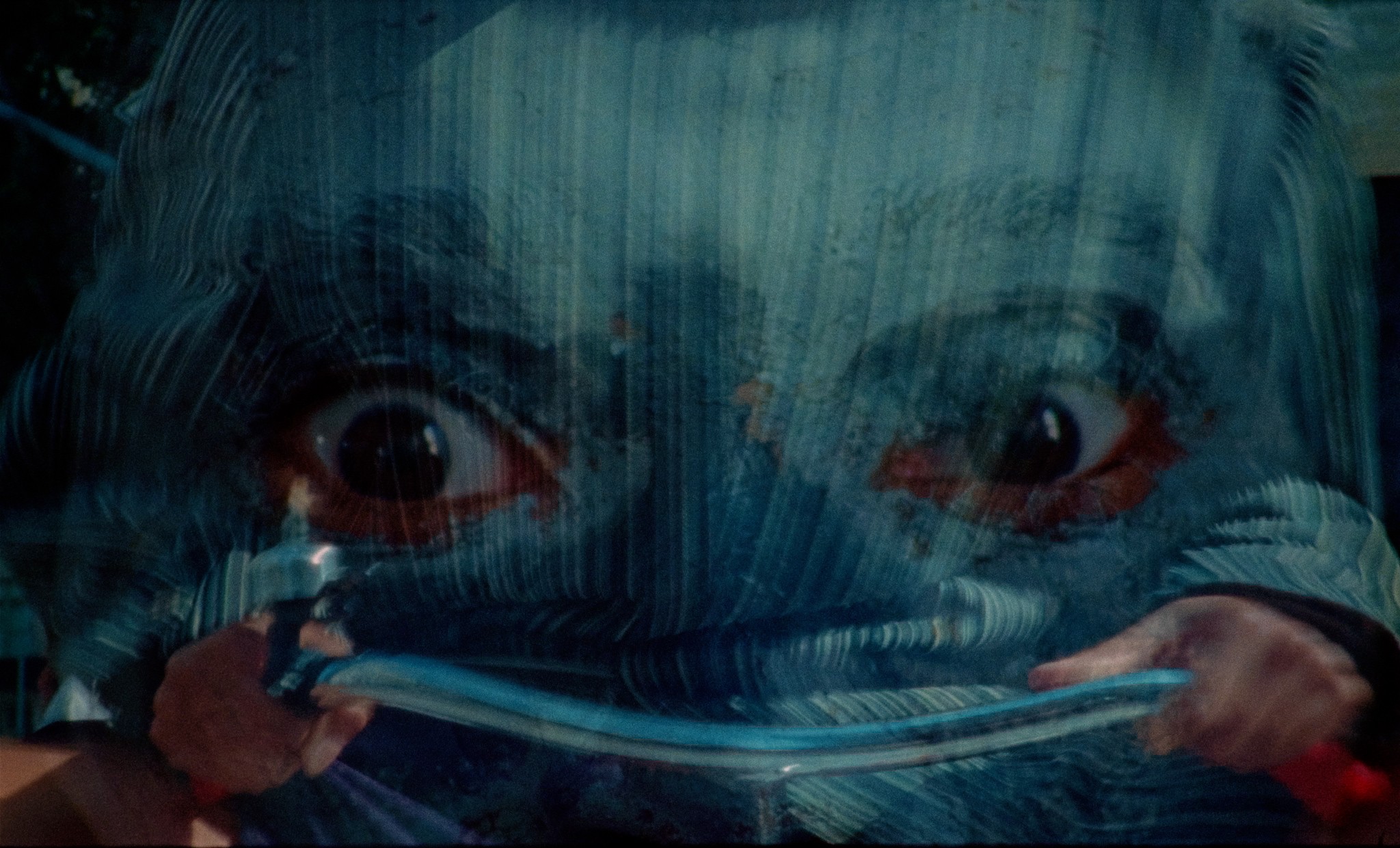
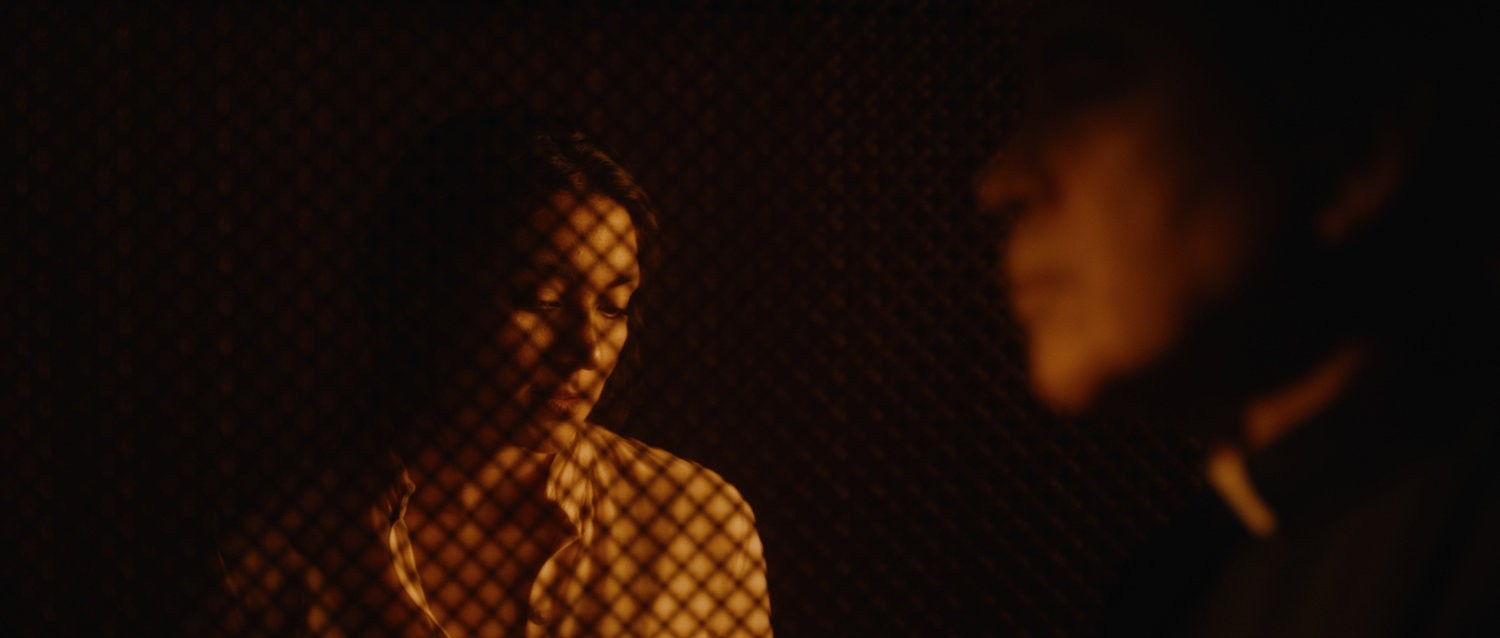
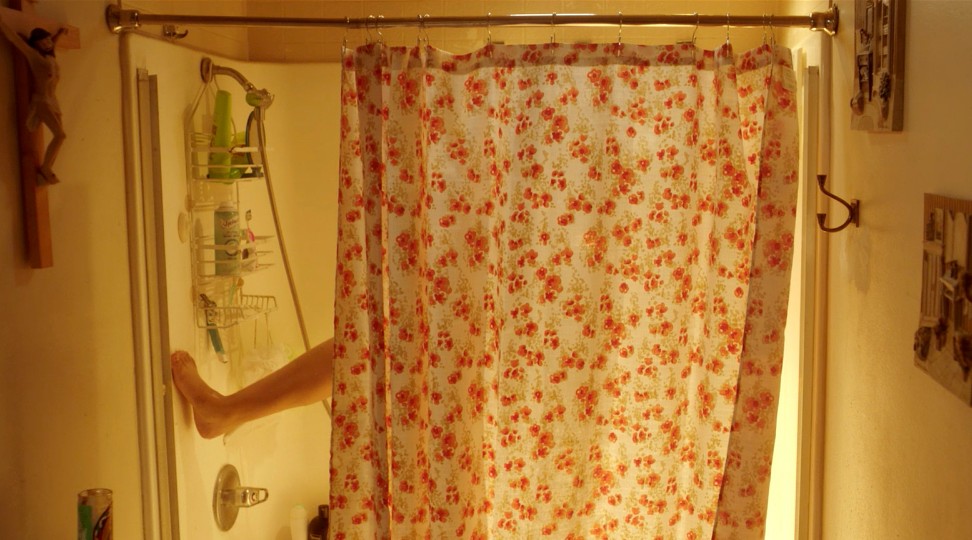
Image Credits
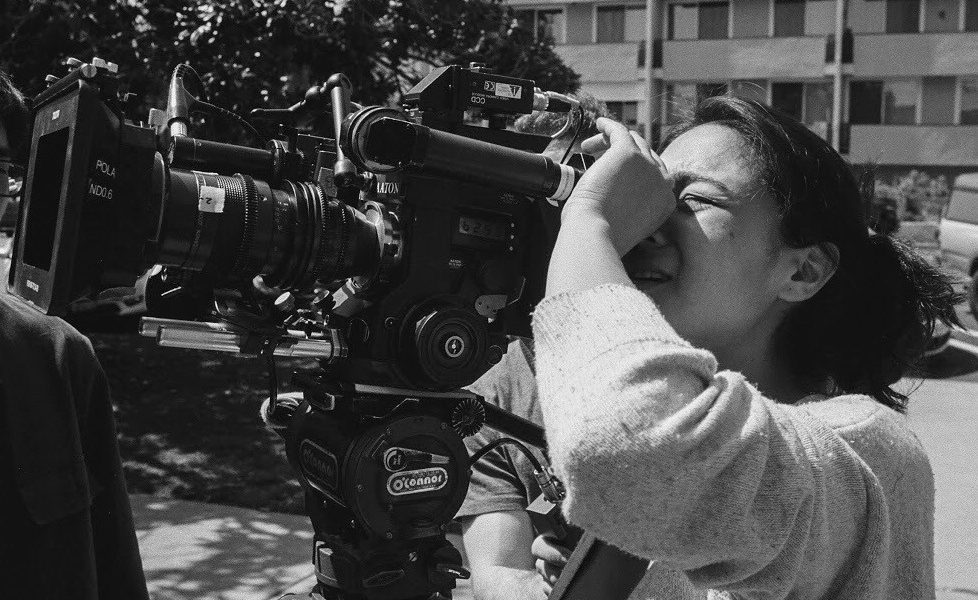
Personal Photo taken by Alex Michael Kennedy First two stills from our experimental film “TriKE” premiering at the 2022 Ann Arbor Film Festival shot by Tehillah De Castro. Second couple of stills from “Virgencita” shot by Alex Hass. Last four stills from a music video I directed for Chapis called, “First Day,” shot by Alex Hass.
Popular
-

What is something outside of work that is bringing you joy lately?
-

Local Highlighter Series
-
What did suffering teach you that success never could?
-

What are you most proud of building — that nobody sees?
-

Who were you before the world told you who you had to be?
-

If you could say one kind thing to your younger self, what would it be?


