


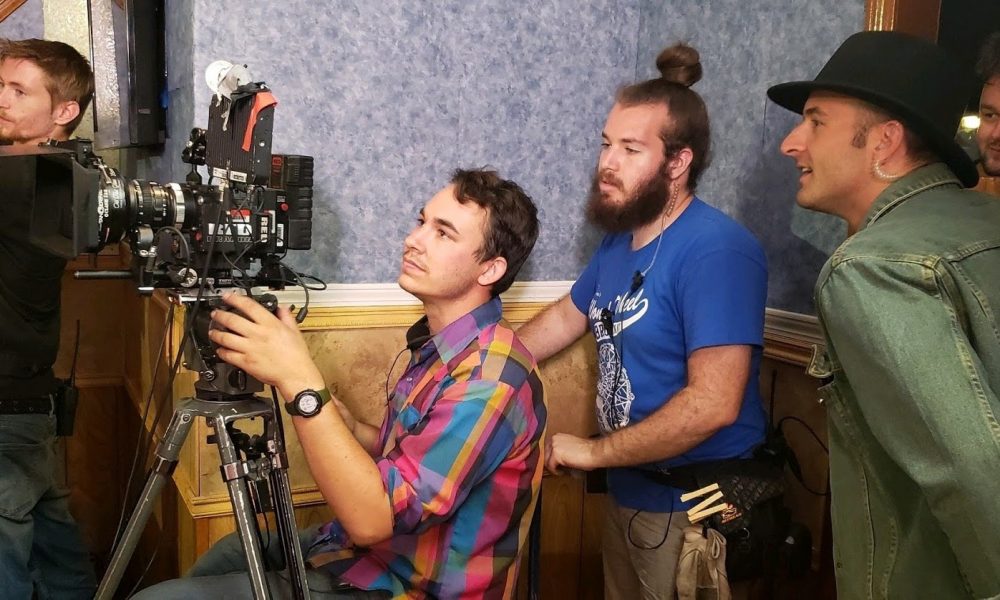
Today we’d like to introduce you to Luke Sargent.
Luke, can you briefly walk us through your story – how you started and how you got to where you are today.
I became interested in cinematography at an earlier age than most. I suffer from dyslexia so reading wasn’t enjoyable, even watching television shows or films with a lot of talking gave me migraines. So when I was a kid, all I watched was Tom and Jerry cartoons because it was all visual. My grandpa noticed this and began showing me his favorite movies, which were Buster Keaton and Charlie Chaplin films. I was instantly obsessed. I went through the silent era like those movies didn’t come out 90 years ago. But when I entered elementary school, all of my friends were into Lord of The Rings, Star Wars, and Harry Potter. I wanted to be included but it was impossible for me to engage with the story. I just got headaches so I eventually started muting everything just to be able to watch it. I really enjoyed it and began watching everything this way. Looking back, it was a masterclass in visual storytelling, but at the time it was just a way for me to consume the same media as my friends, so I was able to be a part of the conversation. When I was nine, I got interested in animation and started trying to do stop motion animation with legos. My mom told my grandparents this but something got lost in translation and my grandparents got me a video camera for my 10th birthday because they thought I had gotten into filmmaking. Soon, every weekend, my best friend Alex and I were making movies together.
I grew up in a family of exclusively doctors, engineers, and scientists. I didn’t even know film was a career until my mom took me to Universal Studios. We were on their Backlot Tour and I saw a car that looked exactly like hers, so I pointed it out and told her that her car was going to be in a movie. She told me it probably belonged to a crew member who was working on the movie. I had never considered that anyone “worked” on a movie. I left Universal Studios that day with a book on the making of Lord of The Rings and I never really considered another career from that point on. I started making short films with any friends who would get in front of the camera or hold a boom pole. At that stage, you really do everything yourself, so it never clicked that cinematography was something I enjoyed more than anything else. When I entered USC, we had a class called 310 where we were put into groups of three and had to make three films together, switching roles in each film. My first day directing with my trio mate doing cinematography, I felt like a bird without wings. It was like I couldn’t tell the story I wanted to tell without using the camera and lighting as the primary way of expressing myself. That was the moment I realized I didn’t want to do anything but cinematography.
Has it been a smooth road?
The hardest thing for me recently has been to step back and listen. A lot of the directors I’ve been working with recently are minorities so I’m often shooting a movie about a struggle that I don’t fully understand. I recently shot a film called “Steam!” which was a western about the toxic masculinity and how it can really hurt people especially in the gay community. As someone who grew up watching and loving westerns, it was hard for me to step back away from my love of those movies and listen to the director talk about how problematic some of the archetypes were in these movies. Then working with him to find ways to shoot an authentic western story without furthering those problematic narratives.
We’d love to hear more about your work and what you are currently focused on. What else should we know?
I am a cinematographer for all kinds of content. I’ve done everything from feature films, commercials, music videos, documentaries, and shorts. I am based in LA but work all over the world. My favorite projects I’ve done are stories that break genre conventions and show minorities in ways that they have never been shown before.
How do you think the industry will change over the next decade?
The environment is going to get more collaborative and more inclusive. With new technologies developed during the COVID pandemic people will be able to be anywhere and still give live feedback on what is happening on set. With long overdue pushes in diversity more and more stories are going to get told from minority perspectives and get the attention they deserve. I’m excited for both. Collaboration is a great thing and having more eyes and ears is going to be great. I do think people might suffer from too many cooks in the kitchen but with the right department heads, I think productions will turn out better than ever. The diversity is what I’m most excited about. Learning about new cultures, opinions, and ways of life has always been the great joy of this field. I think being put in that different mindset breeds creativity.
Contact Info:
- Website: https://lukesargentdp.com/
- Phone: 714-305-4293
- Email: [email protected]
- Instagram: https://www.instagram.com/lukesargentdp/


 Image Credit:
Pim Clark
Suggest a story: VoyageLA is built on recommendations from the community; it’s how we uncover hidden gems, so if you or someone you know deserves recognition please let us know here.
Popular
-
Cedar Boschan on Elevating Black Music Rights and Driving Urgent Conversations Around Credit, Equity, and Artist Protection
-

Portraits of the Valley
-

LA’s Most Inspiring Stories
-

Robin Olive on Building an Inclusive Performing Arts Movement and Expanding Opportunities for Every Student
-

Que Johnson on Building Brands That Last: From Visibility to True Market Authority
-

Christina Wren Steps Into the Director’s Chair to Tell Stories That Feel Like Home