




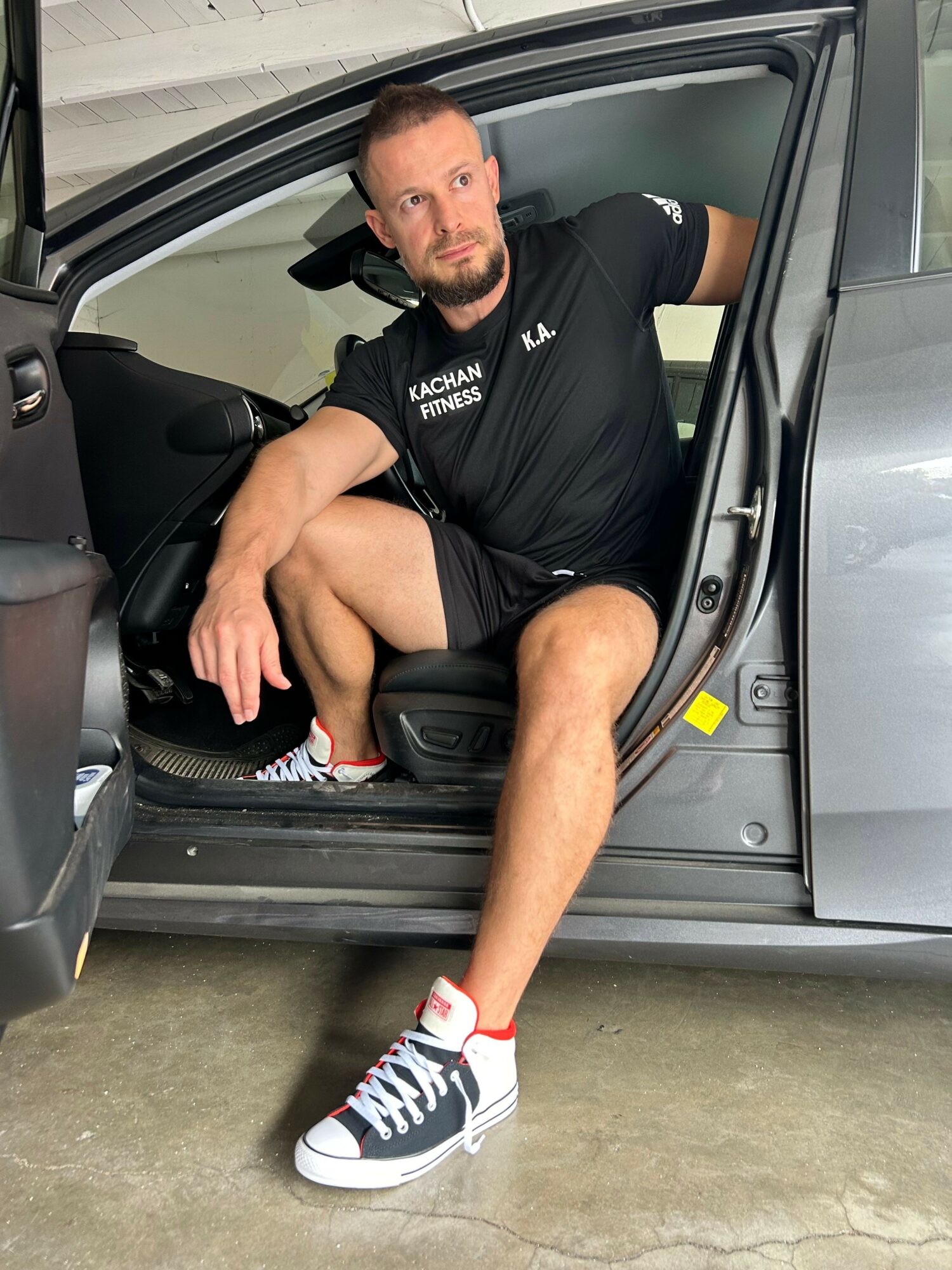
Today we’d like to introduce you to Andrii Kachan.
Hi Andrii , so excited to have you on the platform. So before we get into questions about your work-life, maybe you can bring our readers up to speed on your story and how you got to where you are today?
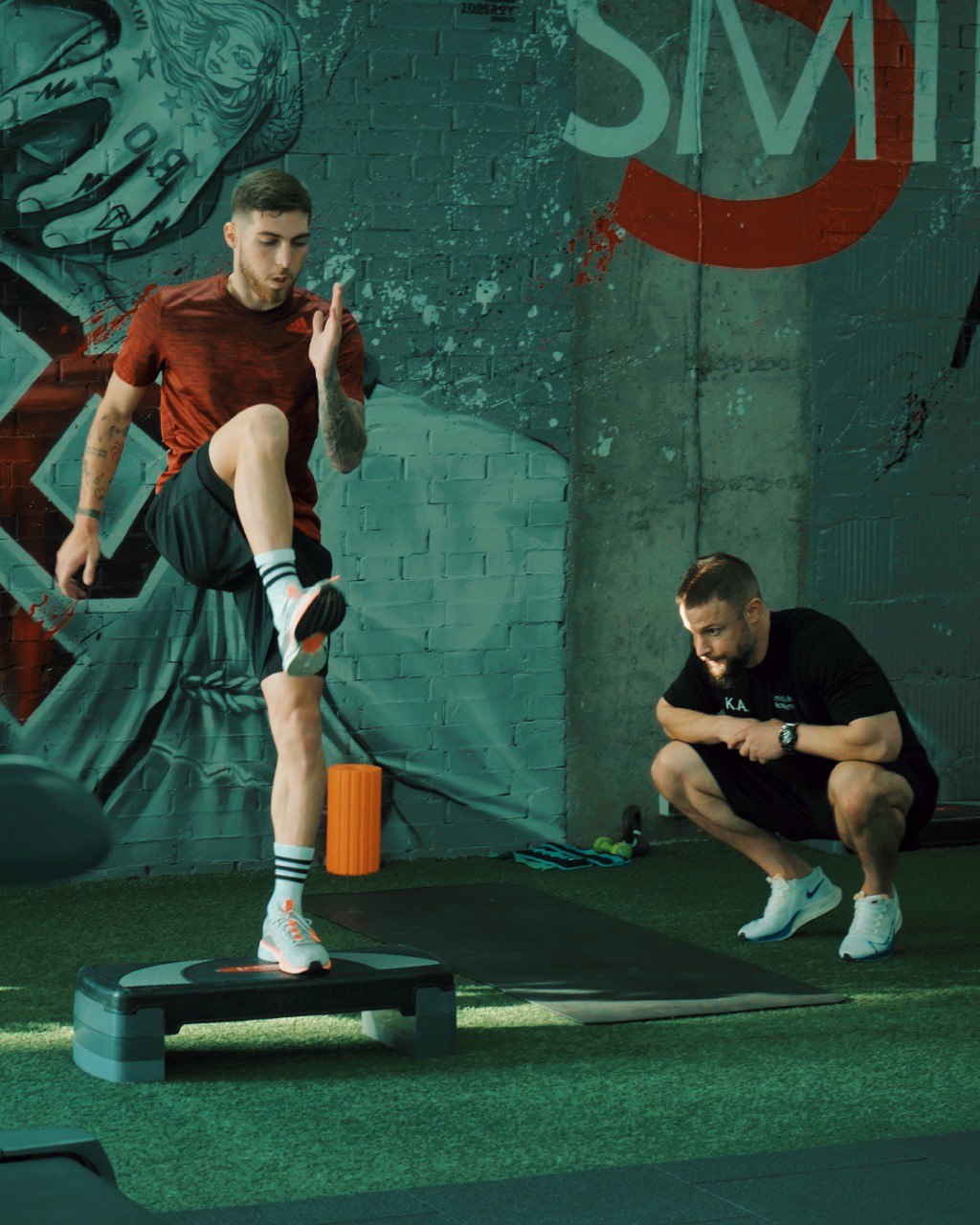
I started in professional sports. I was a football player in Ukraine, and that environment shaped how I think about performance, discipline, and standards. Early on, I understood that results aren’t accidental – they’re built through structure, repetition, and recovery just as much as effort.
After my playing career, I transitioned into coaching. What began as strength and conditioning work evolved into something broader. I became deeply interested not just in training, but in how sleep, stress, nutrition, and lifestyle influence performance – especially for adults who aren’t professional athletes but still want to operate at a high level.
Over the years, I worked with a wide range of clients – from athletes to executives to busy professionals. I saw a consistent pattern: high performers in business were often neglecting their health, not because they didn’t care, but because they lacked a system that fit their reality.
About three years ago, I moved to the United States and rebuilt my career in Los Angeles. Starting over in a new country forces you to refine your message and your methods. It pushed me to formalize what I had been developing for years – a structured, data-driven approach to strength, metabolic health, and longevity for professionals 35+.
Today, my work focuses on helping busy, high-performing individuals build sustainable strength, improve metabolic markers, and increase long-term resilience. Not through extremes, but through precision, consistency, and intelligent programming.
That evolution – from athlete to coach to performance strategist – is really the thread that connects everything I do.
I’m sure it wasn’t obstacle-free, but would you say the journey has been fairly smooth so far?
No, it definitely hasn’t been a smooth road.
Transitioning from professional sports into coaching was the first major shift. When you’re an athlete, your identity is clear. When that chapter ends, you have to rebuild your sense of purpose and redefine your value. Coaching required me to develop a completely different skill set – communication, psychology, business, leadership.
Another major challenge was moving to the United States and starting over. New country, new market, no built-in reputation. In Ukraine, I had years of credibility, media presence, professional connections. In Los Angeles, none of that automatically transferred. I had to earn trust from scratch.
There were also internal challenges. Learning that working harder isn’t always the solution. Understanding systems, marketing, positioning. Accepting that consistency matters more than intensity in business just like in training.
And of course, there’s the personal side – immigration uncertainty, financial pressure, building stability while maintaining standards for clients. That requires resilience.
But I don’t view those periods as setbacks. They were refining phases. They forced me to clarify my philosophy, strengthen my structure, and build something that isn’t dependent on one location or one identity.
Looking back, the friction was necessary. It shaped the way I coach today.
Thanks – so what else should our readers know about your work and what you’re currently focused on?
I work primarily with high-performing professionals – executives, entrepreneurs, and experienced specialists, typically 35 and older – who want to build strength, improve metabolic health, and increase long-term resilience without disrupting their careers or personal lives.
My specialization is performance-driven health. That means strength training, body composition, and conditioning are integrated with sleep quality, stress management, recovery metrics, and nutrition strategy. I don’t separate fitness from physiology. We look at the full system – movement quality, biomarkers when available, workload tolerance, and lifestyle constraints – and build around that.
I’m known for structured, data-informed programming and for translating complex performance science into practical execution. Many of my clients are analytical and time-constrained. They don’t want trends. They want clarity, structure, and measurable progress.
What I’m most proud of is consistency of results. I’ve worked with hundreds of clients across different environments – from athletes to busy professionals and the common outcome is not just fat loss or muscle gain, but improved capacity. Better energy, stronger lab markers, reduced pain, and sustainable strength that fits their life long term.
What sets me apart is that my background bridges professional sport and real-world adult performance. I understand elite standards, but I also understand the constraints of a 45-year-old executive managing a company. My approach isn’t extreme or performative. It’s precise, sustainable, and designed for longevity.
Ultimately, my work is about helping capable people maintain high output without sacrificing their health.
Do you have any advice for those just starting out?
If you’re just starting out, focus on fundamentals longer than you think you need to.
Early on, it’s tempting to chase complexity – advanced methods, sophisticated branding, shortcuts to growth. But long-term success in any field is built on mastering the basics: competence, consistency, and clear communication.
When I was starting, I wish I had understood two things earlier.
First, skill compounds. Whether it’s coaching, leadership, or business – the small daily reps matter more than occasional intensity. Show up, improve 1%, repeat. Over years, that becomes difficult to compete with.
Second, reputation is built quietly. Not through big announcements, but through delivering results for real people. Focus on doing excellent work for the clients in front of you. Word of mouth, trust, and credibility grow from that foundation.
I would also say: don’t compare your beginning to someone else’s middle. Especially today, with social media, it’s easy to misjudge timelines. What looks like “overnight success” is usually a decade of invisible work.
And finally – build systems early. Discipline is unreliable. Systems create stability. Whether that’s how you train, how you schedule, how you market, or how you recover.
The people who last aren’t the most intense. They’re the most consistent and adaptable.
Pricing:
- There isn’t a single fixed pricing structure, because every client works within an individualized framework. My programs are customized, and pricing is formed based on multiple factors
- Each client operates under a structured system designed around their schedule, capacity, and goals. Because of that, investment levels vary depending on the scope and intensity of the work. Anyone interested can schedule a consultation to determine the most appropriate structure.
Contact Info:
- Instagram: https://www.instagram.com/andrewfitnesscoach?igsh=NTc4MTIwNjQ2YQ==
- Facebook: https://www.facebook.com/andrey.kachan.90?mibextid=wwXIfr&mibextid=wwXIfr
- LinkedIn: https://www.linkedin.com/in/andrii-kachan-74a97b2b5
- Youtube: https://youtube.com/@kachan_fitness?si=bDE7CgZWvjtZIr6b
- Other: https://www.threads.com/@andrewfitnesscoach?igshid=NTc4MTIwNjQ2YQ==


Popular
-

Building Creative Bridges: Torrey Tayenaka on Community, Collaboration, and the Future of Sparkhouse
-

Scaling the Vision: Jordan Meinster on the Momentum Behind PickUp USA
-

Designing Intelligence, Not Just Using It: Stanley Lin on AI‑Native Entrepreneurship
-

Sherman Perryman Makes the Case for Building Businesses That Last
-

Portraits of the Valley
-

LA’s Most Inspiring Stories


