




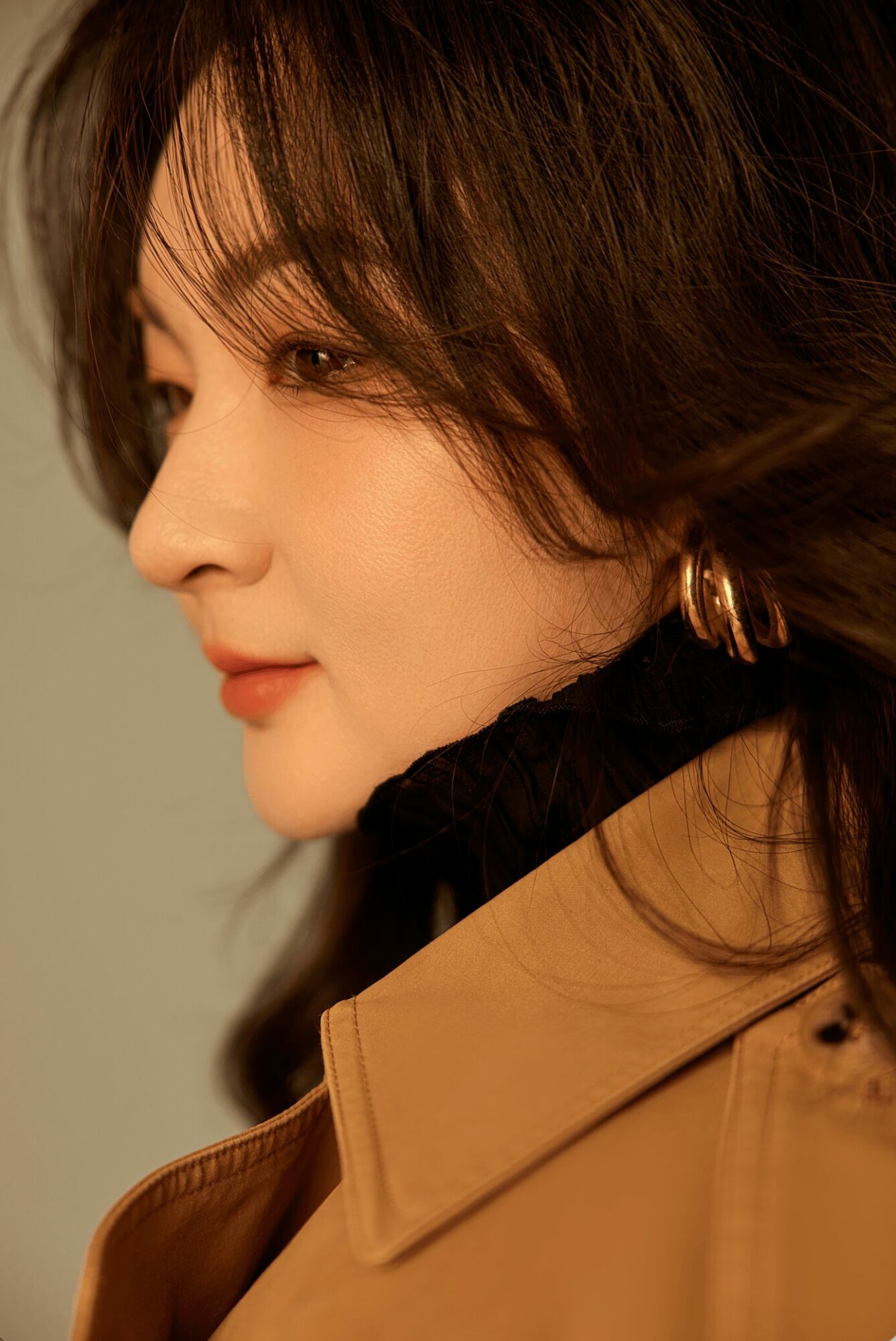
Today we’d like to introduce you to Hanbo Ma.
Hi Hanbo, thanks for sharing your story with us. To start, maybe you can tell our readers some of your backstory.
My journey with music began at a very young age, and from the beginning, piano was never just about performance for me—it was about communication, connection, and responsibility. I was fortunate to receive strong mentorship and educational opportunities early on, including studying and performing internationally, which shaped both my artistic standards and my understanding of what access to quality music education can mean in someone’s life.
As my career developed, I began performing, teaching, and collaborating closely with emerging artists and diverse audiences. Over time, I realized that many talented artists lacked platforms, and many potential audiences felt disconnected from classical music because it seemed distant or intimidating. That gap stayed with me.
In response, I founded the Cadence Collective Foundation as a way to bridge those worlds. Our mission is to create thoughtfully curated concert experiences that make high-level classical music accessible, meaningful, and welcoming. We focus on supporting emerging artists, building educational context around performances, and bringing music into community spaces where it can truly be experienced, not just observed.
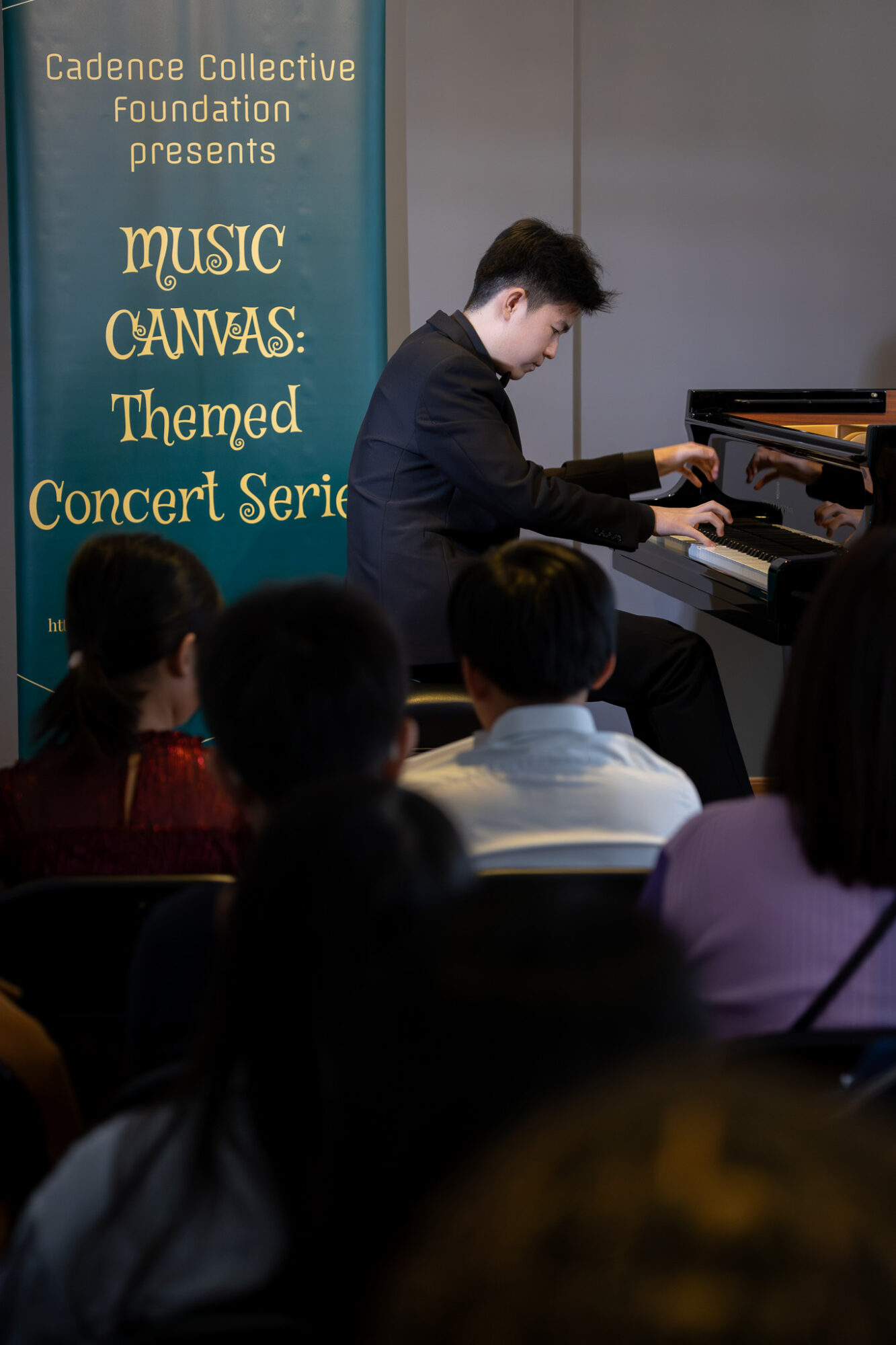
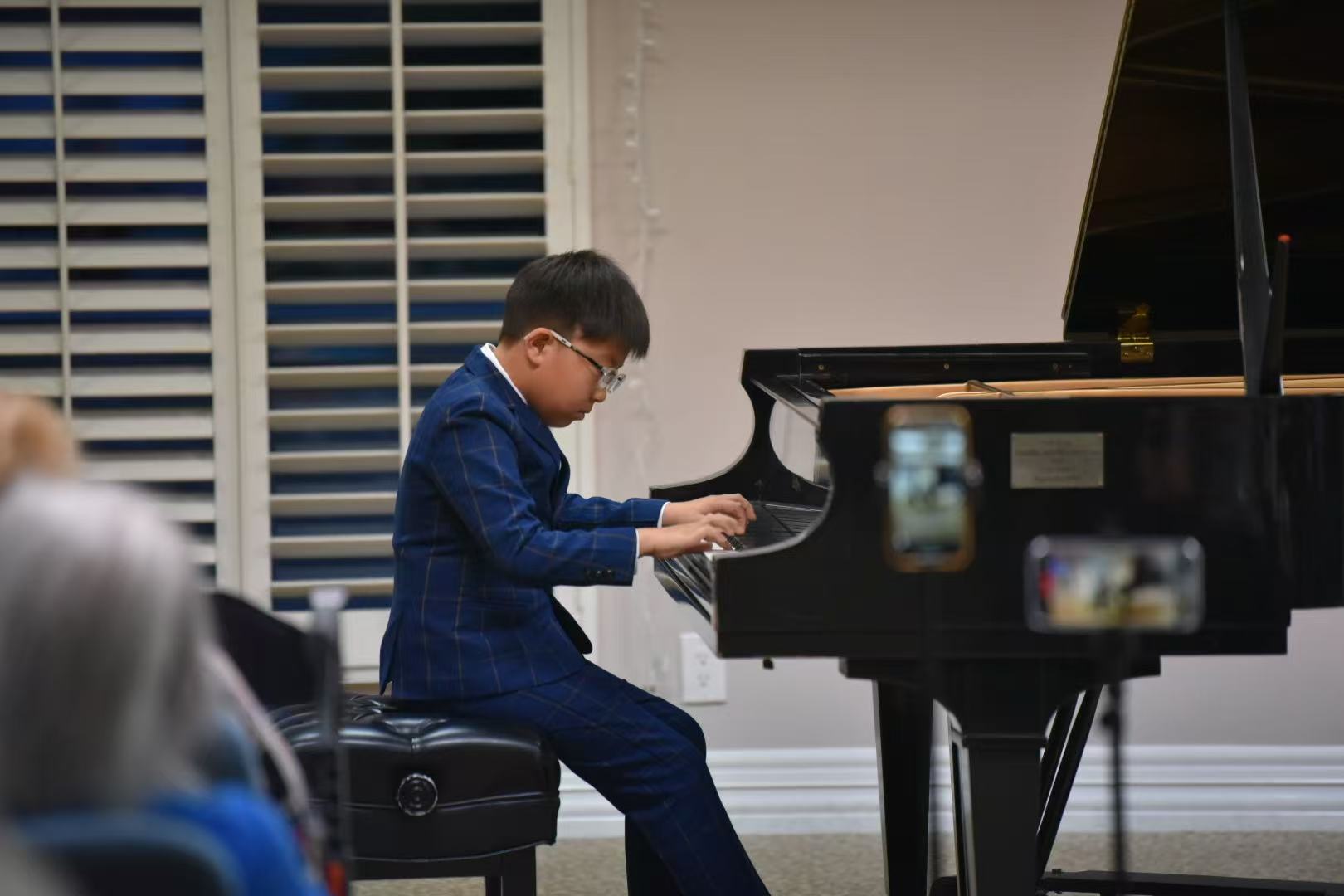
Today, my work as a pianist and artistic director is deeply interconnected. Every project I take on—whether performing, teaching, or programming—feeds into the same goal: creating spaces where music feels alive, relevant, and shared. What began as a personal artistic path has evolved into a broader commitment to cultivating audiences and nurturing young artists. Most recently, on January 25th, we hosted a piano recital with award-winning Canadian pianist Evan Chen, which marked the opening of the newest theme, The Music Time Machine, in our MUSIC CANVAS: Themed Concert Series. This series brings together emerging artistry, thoughtful programming, and community engagement in a shared experience.
We all face challenges, but looking back would you describe it as a relatively smooth road?
It has not been a completely smooth road, and much of the challenge has come from stepping into a role I was never formally trained for. As a performer, my primary focus used to be practicing, refining my craft, and preparing for the stage. My world was centered on the piano.
Becoming an artistic director required a fundamental shift. Suddenly, I was responsible not only for the music, but also for logistics, budgeting, communication, fundraising, scheduling, and relationship-building. I had to learn how to manage teams, coordinate with venues, communicate with donors and partners, and balance many moving parts—often at the same time.
One of the biggest adjustments was learning how to move between creative thinking and administrative reality. I had to become comfortable making decisions, solving unexpected problems, and advocating for the organization, even when it felt far outside my comfort zone.
At the same time, this process has been deeply rewarding. It has expanded my understanding of what it takes to build meaningful cultural work. I’ve learned that strong artistic vision only becomes impactful when it is supported by thoughtful structure, trust, and collaboration. These challenges have ultimately strengthened both my leadership and my artistic perspective.
As you know, we’re big fans of Cadence Collective Foundation. For our readers who might not be as familiar what can you tell them about the brand?
Cadence Collective Foundation is a nonprofit organization dedicated to creating thoughtfully curated classical music experiences that are both artistically rigorous and deeply accessible. Our work centers on supporting emerging musicians while building meaningful connections between artists and audiences.
At the heart of our programming is the MUSIC CANVAS: Themed Concert Series. Each program is developed around a carefully selected theme that may span multiple seasons and projects, allowing ideas to unfold over time rather than being confined to a single concert cycle. These themes are created collaboratively by the Foundation and the performing artist, inviting musicians to design cohesive programs that reflect both their artistic voice and a broader narrative.
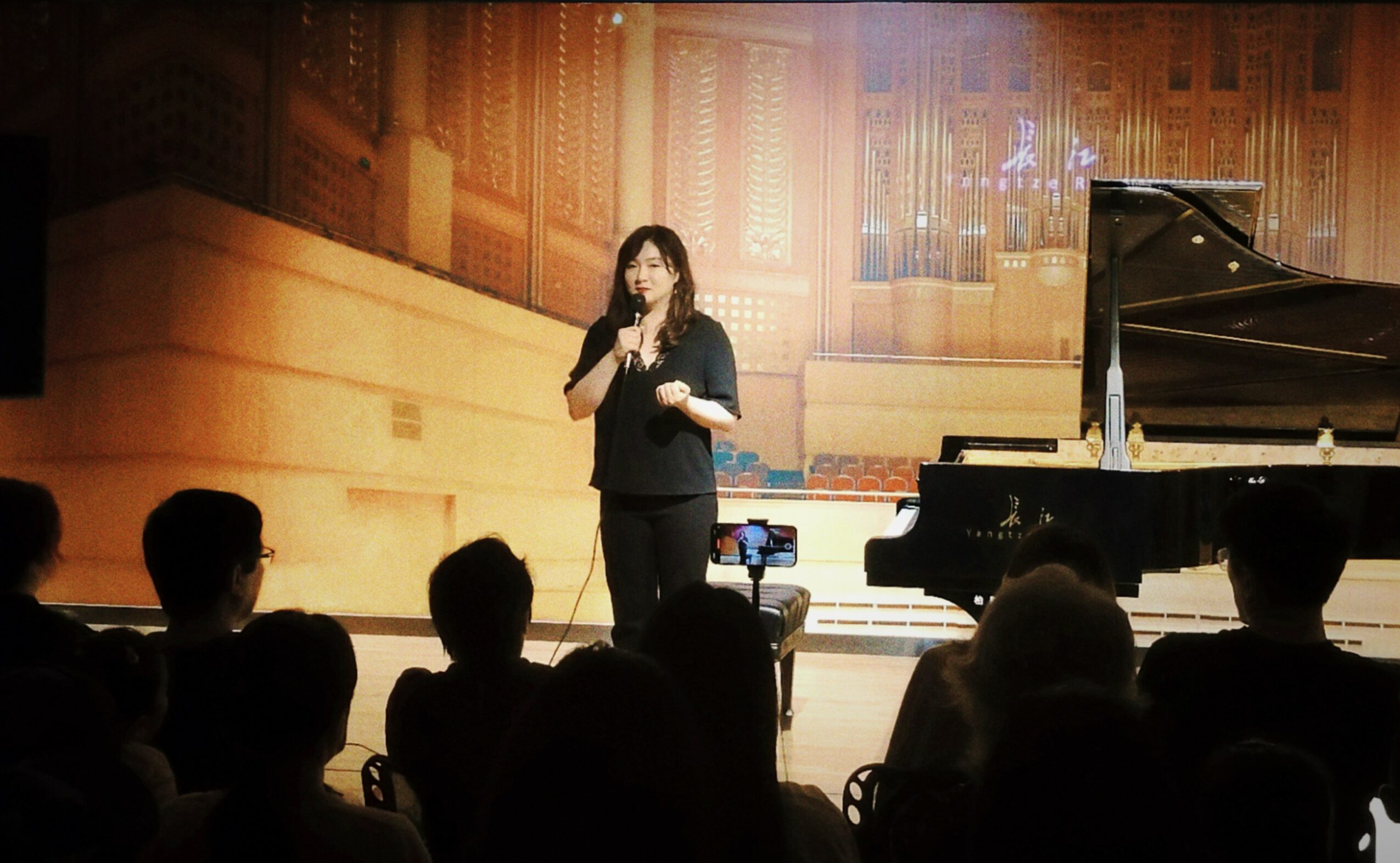
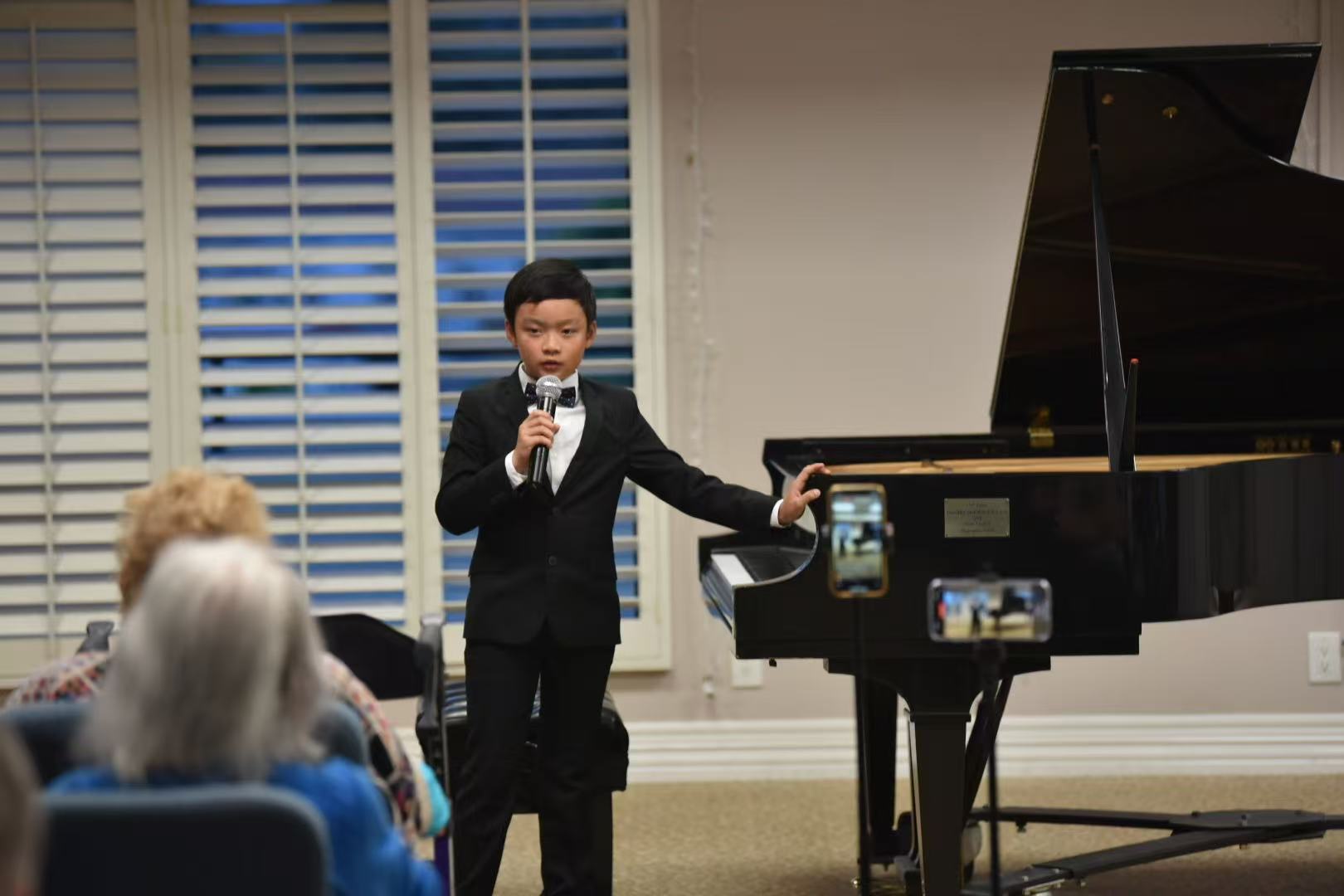
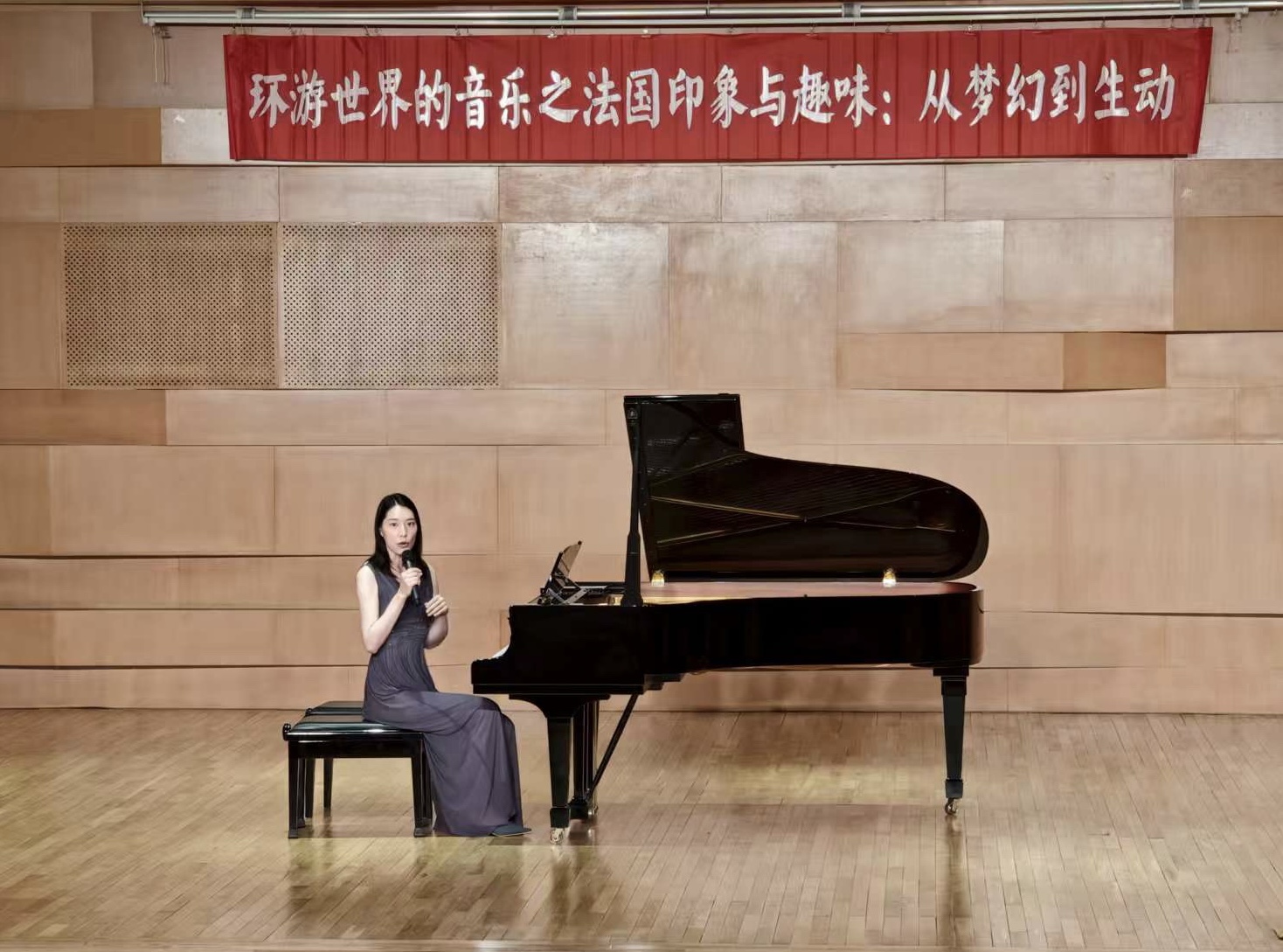
A defining feature of the series is its emphasis on communication. Performers actively engage with audiences through spoken introductions, visual materials, and guided listening, helping listeners understand the historical, emotional, and structural context behind each work. Our goal is to combine the intimacy of 19th-century salon concerts with the artistic depth and rigor of traditional concert hall performances.
The MUSIC CANVAS series has also been presented internationally, with touring programs in cities such as Shanghai, Xi’an, Chengdu, and Hangzhou. These projects have included masterclasses and concerts for students at Xi’an Conservatory of Music, expanding access to high-level artistic exchange and cross-cultural artistic exchange.
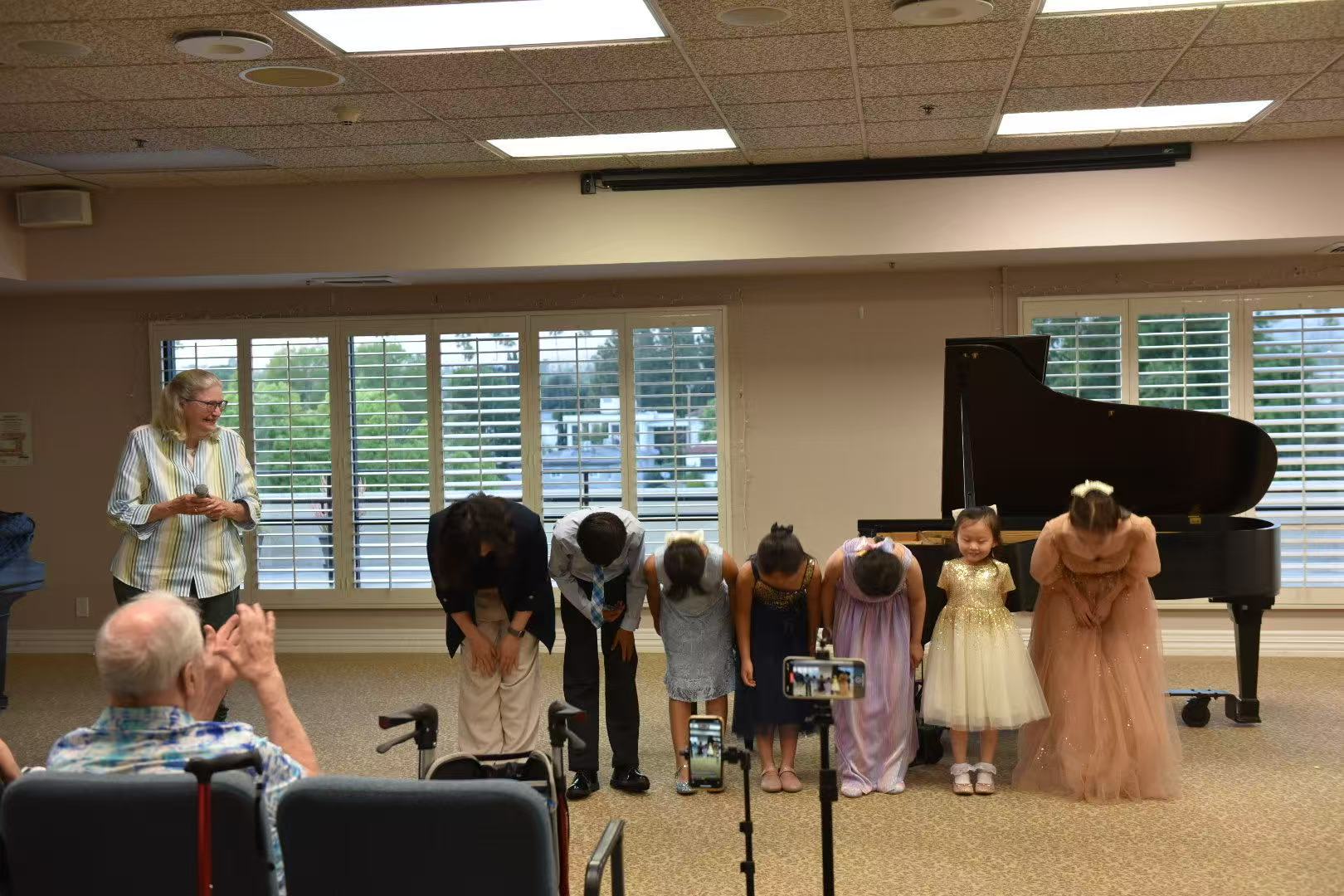
Community engagement is a central pillar of our mission. In Pasadena and Altadena, we have presented free educational concert series for local communities, including programs developed in response to the Eaton Fire and its aftermath. Through a combination of live performance, contextual explanation, and open dialogue, these concerts offered spaces for reflection, emotional healing, and reconnection during periods of collective uncertainty and recovery.
One of our proudest accomplishments is building a fully volunteer-driven organization that maintains high artistic standards while remaining financially accessible. This structure allows us to remain responsive to community needs while sustaining long-term artistic integrity.
Ultimately, Cadence Collective exists to make classical music feel relevant, welcoming, and alive. We strive to cultivate not only excellent performances, but also lasting relationships between artists, audiences, and the communities we serve.
What was your favorite childhood memory?
One of my favorite childhood memories is playing the piano for my classmates in elementary school. During breaks or after class, I would play theme songs from their favorite animated shows. As soon as they recognized the melodies, their faces would light up. Everyone started singing along, clapping, and even dancing around the classroom.
It was loud, messy, and completely unplanned—but full of energy and joy. I remember feeling amazed by how quickly music could change the atmosphere and bring everyone into the same moment. Suddenly, we were all doing the same thing, laughing and sharing the experience together.
That was one of the first times I realized that music could create connection so naturally. It didn’t require explanations or perfect technique—it just needed sincerity. Looking back, that simple childhood experience still shapes how I think about music today: not as something distant or formal, but as something meant to be shared.
Contact Info:
- Website: https://www.cadencecollectivefoundation.org
- Instagram: https://www.instagram.com/cadencecollectivefoundation/
- Facebook: https://www.facebook.com/people/Cadence-Collective-Foundation/61557042264030/
- Youtube: https://www.youtube.com/@CadenceCollectiveFoundation
Popular
-
Cedar Boschan on Elevating Black Music Rights and Driving Urgent Conversations Around Credit, Equity, and Artist Protection
-

Portraits of the Valley
-

LA’s Most Inspiring Stories
-
Robin Olive on Building an Inclusive Performing Arts Movement and Expanding Opportunities for Every Student
-

Que Johnson on Building Brands That Last: From Visibility to True Market Authority
-

Christina Wren Steps Into the Director’s Chair to Tell Stories That Feel Like Home


