





Today we’d like to introduce you to Shushan Khachatryan.
Hi Shushan, thanks for sharing your story with us. To start, maybe you can tell our readers some of your backstory.
I moved to Los Angeles with my mother when I was 12 years old, leaving behind my hometown of Yerevan, Armenia. A couple years before the move, my father passed away so navigating loss and immigration became part of my early life experience. Coming to the United States meant starting over completely from zero. Like many immigrants, adjusting to a new language, culture, and school system was challenging. Middle school was especially tough—I faced bullying, struggled with English, and had to navigate the difficult balance of holding on to my heritage while trying to fit in. My mother and I also had to adjust to a completely new lifestyle with limited financial resources, learning how to manage bills, transportation, and daily life from scratch. Speaking to authorities on behalf of my mother and I was particularly challenging as it forced me to grow up faster and act as an “adult” from a younger age. There were moments of loneliness and uncertainty, but I threw myself into my studies, and my hard work paid off when I was accepted into Bravo Medical Magnet High School.
After high school, I enrolled at Glendale Community College, still figuring out what I wanted to do. Initially, I aimed for pharmacy school and took all the required science courses, including chemistry and physics. But after volunteering in a local pharmacy, I realized it wasn’t the right path for me. I’ve always been someone with high emotional intelligence; I naturally notice when people are struggling, and I feel fulfilled when I can support them through their challenges. I realized that helping others navigate emotional difficulties wasn’t just something I enjoyed—it was where I could make the most meaningful impact. That understanding led me to psychology, a field that felt like home from the very first day.
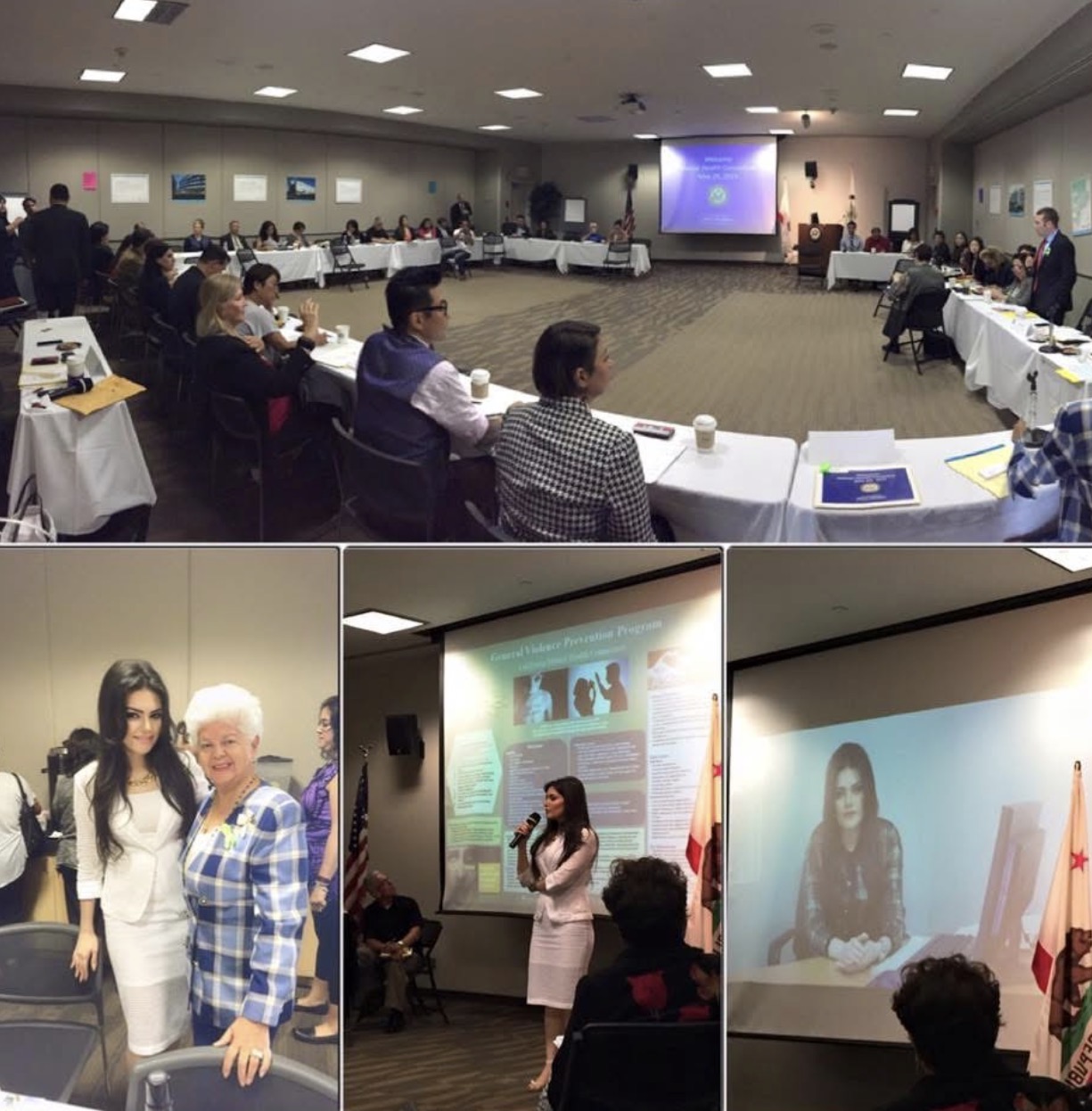
I began volunteering at a local mental health agency, and the experience confirmed that I had found my path. After three years at community college, I earned my B.S. in psychology from California State University, Northridge. I then continued my studies at the University of La Verne, completing the Marriage and Family Therapy program. After graduation, I joined California Mental Health Connections to complete my 3,000-hour post-graduate internship, an essential step toward licensure. During this period, I not only gained practical experience but also deeply engaged with the community, providing mental health education, reducing stigma, and supporting families in need.
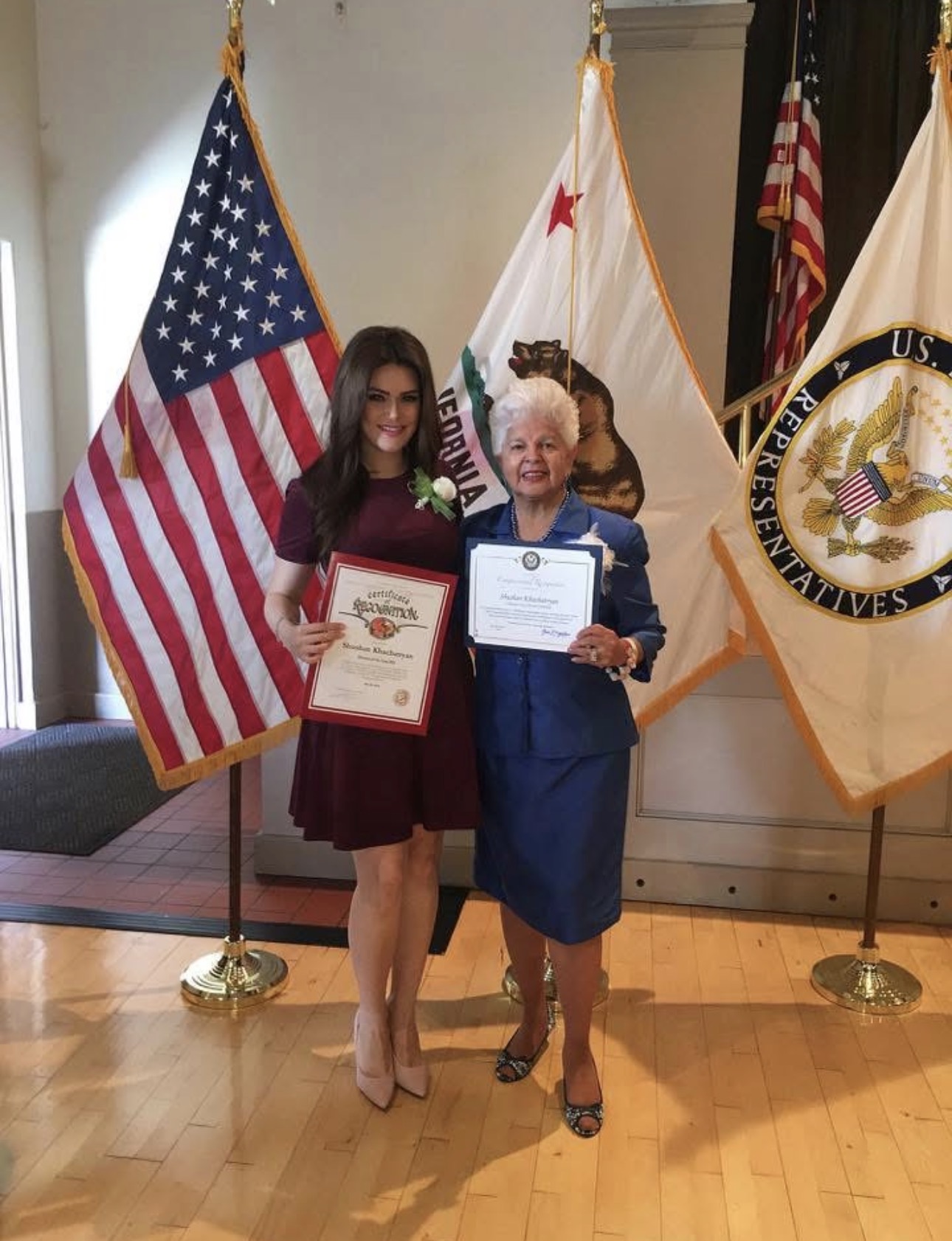
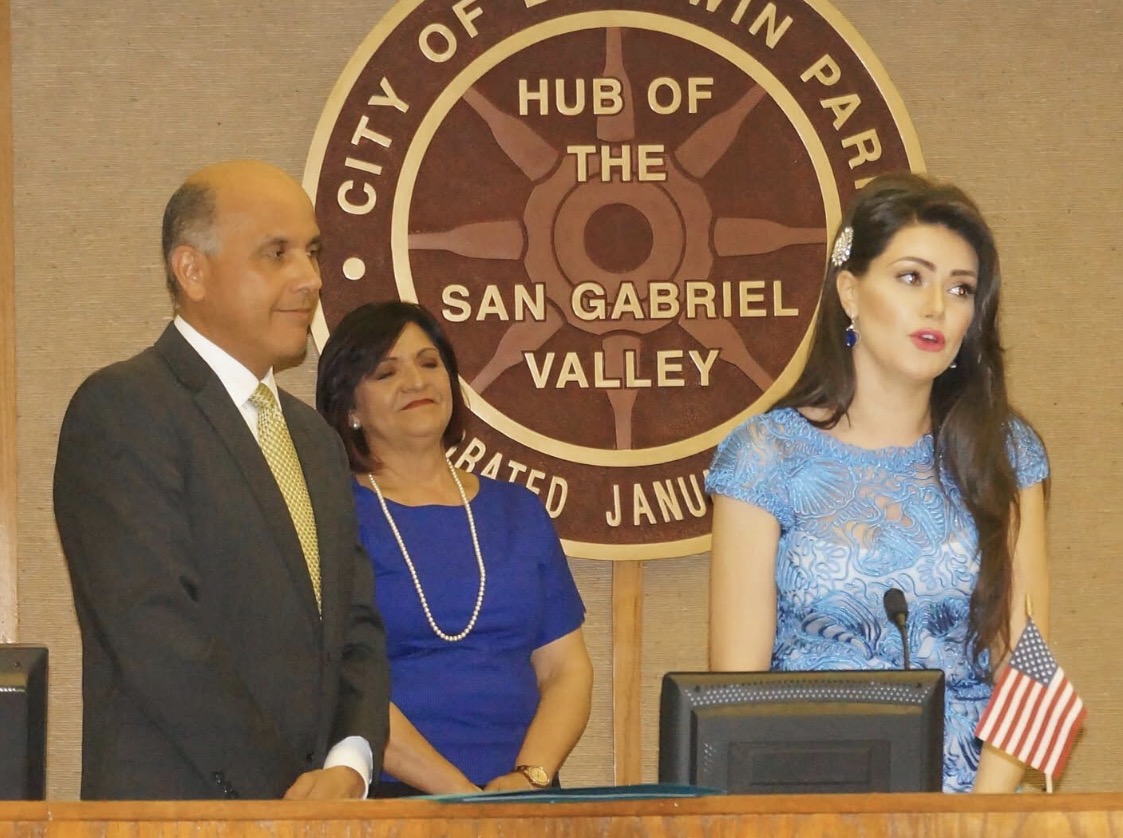
My dedication was recognized through numerous honors. In 2016, I was named Woman of the Year, by Senator Ed Hernandez and Congresswoman Grace Napolitano, a recognition of my work and commitment to mental health in the community. Congresswoman Grace Napolitano awarded me multiple certificates of recognition in 2015 and 2016, highlighting my work to educate communities on mental health issues and for my efforts in helping remove stigma for individuals facing mental health challenges. I also received a California Legislature Assembly Certificate of Recognition from Assembly Member Roger Hernandez, commending my steadfast dedication to ensuring families and community members receive therapeutic program assistance. California State Senator Susan Rubio extended a recognition in appreciation of my work for empowering our young women of today with the tools for success to become leaders of tomorrow. The Baldwin Park City Council presented me with a certificate recognizing my collaboration with city staff to educate families on mental health awareness and for providing outpatient services to the community. These recognitions were not just honors—they were affirmations that the work I was doing was meaningful and impactful, and that my approach to therapy—grounded in empathy and emotional intelligence—was making a real difference.
In August 2017, I reached a significant milestone: I became a licensed Marriage and Family Therapist. I spent the following year working at a large practice to gain additional experience, both in therapy and in understanding the business side of running a practice. Then, in 2018, I took the leap and opened my own practice, Shushan Khachatryan, LMFT. Today, I continue to support individuals and families, helping people navigate emotional challenges, improve relationships, and strengthen mental health in their communities.
Looking back, my journey—from moving to a new country as a pre-teen to establishing a thriving practice—is a story of resilience, self-discovery, and purpose. Choosing psychology was not just a career decision; it was a calling. My ability to understand and connect with people on an emotional level has shaped every step of my path, allowing me to make a meaningful difference in the lives of those I serve.
Would you say it’s been a smooth road, and if not what are some of the biggest challenges you’ve faced along the way?
No, it definitely hasn’t been a smooth road. Moving to a new country as a pre-teen was a huge adjustment—learning a new language, navigating school, and trying to fit in while carrying the grief of leaving behind the relationships I had were challenges I didn’t expect to face at that age. Middle school was especially hard; I experienced bullying and felt the pressure of being “different” while trying to succeed academically. There were moments of isolation and doubt, and learning how to advocate for myself in a completely new culture was something I had to figure out as I went along.
Even after school, the path wasn’t always clear. I initially thought pharmacy would be my future, but after volunteering, I realized it wasn’t where my heart was. Making the decision to switch to psychology, and to pursue a career in mental health, took courage—I had to trust my instincts, start over academically in a sense, and commit to a long educational journey with multiple degrees and thousands of hours of clinical training.
Balancing the demands of school, internships, and volunteering while navigating financial and cultural pressures was challenging. There were moments when I wondered if I could keep going, but my drive to help others and my passion for mental health carried me forward. Every challenge—whether it was language, cultural adjustment, academic pressure, or the emotional weight of supporting others—shaped me into the therapist I am today and strengthened my resilience.
Opening my private practice wasn’t without its challenges. Most people encouraged me to stay in a large practice for several more years to gain additional experience before taking on the responsibility of running my own business. There were doubts—both external and internal—about whether I was ready to manage everything from therapy sessions to the business side of running a practice. I had to learn about marketing, client management, insurance, and finances all while continuing to provide quality care for my clients.
Despite the uncertainty, I had a gut feeling that it was the right time. I trusted my instincts and took the leap. It required a lot of courage and persistence, and there were moments of self-doubt, but it also taught me invaluable lessons about resilience, decision-making, and trusting yourself.
Looking back, the struggles were just as meaningful as the successes. They taught me empathy, perseverance, and the value of truly connecting with people—lessons I now bring to every client I work with.
As you know, we’re big fans of Shushan Khachatryan, LMFT. For our readers who might not be as familiar what can you tell them about the brand?
My specialty is working with clients who are experiencing emotional or relational distress. I primarily treat depressive disorders, anxiety disorders, and OCD, helping individuals manage symptoms and regain balance in their lives. I also work extensively with clients who are struggling with relationship challenges—whether that’s conflict with a partner, family dynamics, or difficulties in communication—that are causing significant stress or emotional pain.
I focus on understanding each client’s unique situation and tailoring therapy to their needs, combining evidence-based techniques with a compassionate, supportive approach. My goal is to help clients develop insight, coping strategies, and healthier patterns so they can improve both their mental well-being and their relationships.
My approach blends clinical expertise with deep empathy. I tailor every session to the unique needs of the individual, combining evidence-based therapies with practical tools for emotional resilience and personal growth. Many clients have found that my work not only addresses immediate concerns but also transforms their long-term emotional wellbeing.
I’m most proud of the safe, judgment-free environment I create, where clients feel truly seen and supported. The progress my clients make—and the courage they show in facing difficult emotions—is a reflection of the care and commitment I bring to every session.
My goal is to empower clients with insights, tools, and strategies that foster lasting change and personal fulfillment.
Networking and finding a mentor can have such a positive impact on one’s life and career. Any advice?
Finding a mentor and building a professional network is really about being intentional. I’m naturally introverted, so connecting with new people doesn’t always come naturally to me, but I’ve learned that in order to grow professionally, I had to be extremely extroverted and put myself out there. It was an intentional path—volunteering at mental health agencies, attending workshops, and getting involved in community initiatives gave me opportunities to meet people, build relationships, and learn from experienced professionals.
One piece of advice I would give is to approach potential mentors with genuine curiosity and respect. Most people are happy to share their knowledge if they see you are sincerely interested. Focus on building meaningful relationships rather than just collecting contacts: ask thoughtful questions, offer support when you can, and stay consistent in keeping in touch.
Networking and mentorship are not just about career advancement—they’re about growth, learning, and surrounding yourself with people who inspire and challenge you. For me, stepping out of my comfort zone and being intentionally proactive in connecting with others has been one of the most valuable strategies in my career.
Pricing:
- I work with most health insurance. My rate is $185 a session.
Contact Info:
- Website: https://www.ShushanTherapy.com
- Instagram: https://www.instagram.com/shushantherapy





Popular
-

Portraits of the Valley
-

LA’s Most Inspiring Stories
-

JordanL on ‘Breathe,’ Belief, and Building a Movement Beyond the Music
-

Megan Birney Rudert on How Access to Light Is Powering a More Sustainable and Equitable Future
-

Linda Kneidinger on Building Lasting Change Through Small Steps and Self-Compassion
-

Jolana Nika on Redefining Modern Connection Through Intentional, Real-Life Experiences


