




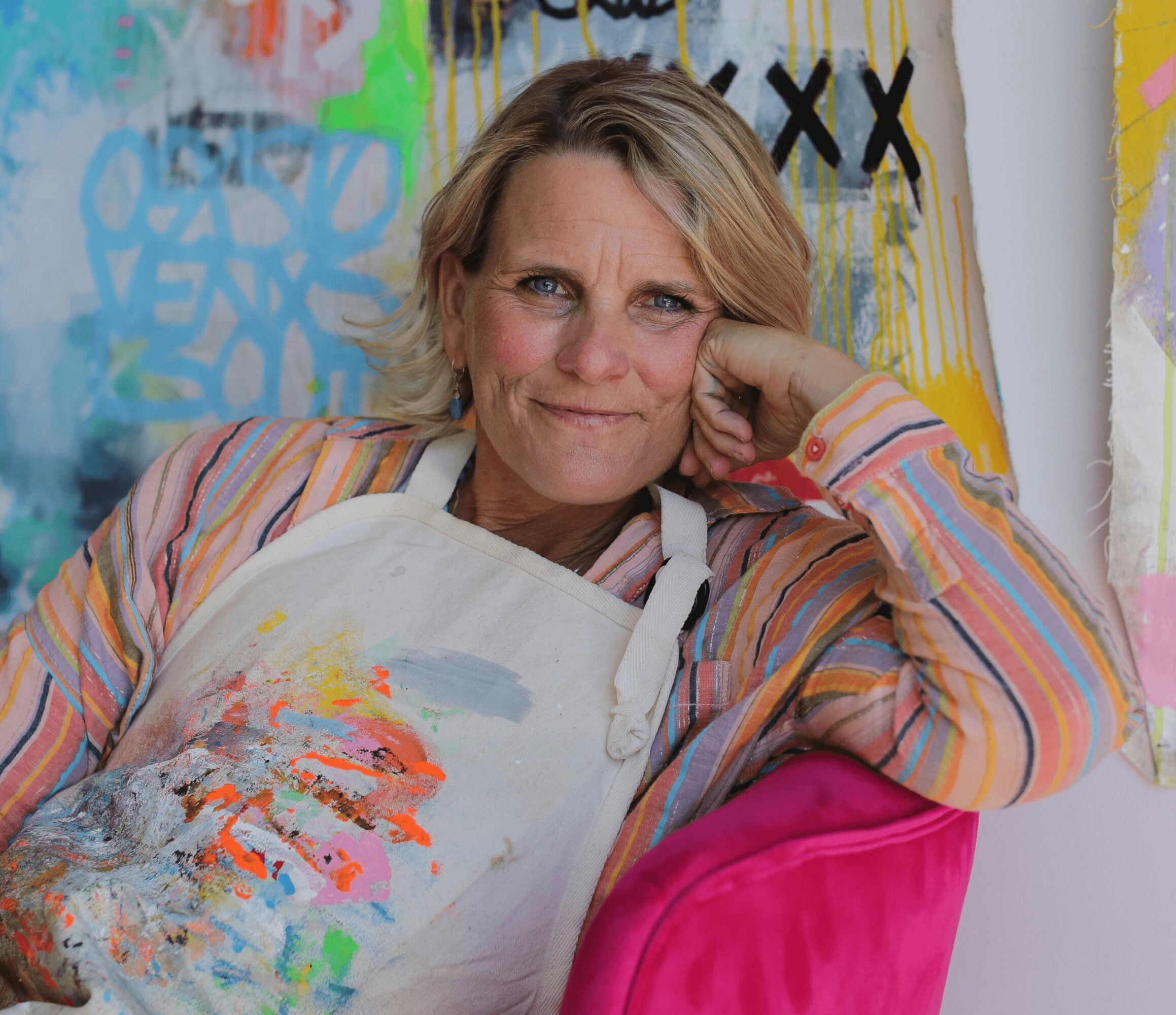
Margie Woods shared their story and experiences with us recently and you can find our conversation below.
Margie, a huge thanks to you for investing the time to share your wisdom with those who are seeking it. We think it’s so important for us to share stories with our neighbors, friends and community because knowledge multiples when we share with each other. Let’s jump in: What do the first 90 minutes of your day look like?
I get up early and keep my mornings intentionally slow and spacious. I start with coffee, mellow music, and some writing that allows me to express everything that’s inside me and clear out the cobwebs. Then I move into my home studio for my morning devotional art practice. I usually spend anywhere from 30 to 60 minutes there. It’s less about making a finished product and more about moving energy and allowing whatever needs to be expressed to come out. That process grounds me and sets the tone for how I move through the rest of the day.
Can you briefly introduce yourself and share what makes you or your brand unique?
I’m Margie Woods, a mixed media artist, teacher, and creativity guide. My work centers on helping women reconnect with themselves through expressive art practices that prioritize presence, nervous system safety, and honesty over performance or perfection. Through my work under the umbrella of Language of the Soul™, I teach art journaling and abstract mixed media expression as a practice rather than a product-driven pursuit. It’s about using marks, words, and mixed media to move energy, process emotion, and develop a personal visual language that feels honest.
My background includes a master’s degree in psychology and decades of personal art making and art journaling, which deeply inform how I teach. I’m especially interested in what happens when we stop trying to make “good art” and instead allow creativity to become a form of listening and self-trust. Right now, I’m further developing online and in-person workshops that invite women into a slower, more spacious relationship with creativity as self-care and healing.
Amazing, so let’s take a moment to go back in time. What part of you has served its purpose and must now be released?
The part of me that has served its purpose and is ready to be released is the part that learned to stay hyper-vigilant and overfunction in order to feel safe and accepted. That version of me was essential at one time, but it no longer reflects who I am becoming. Releasing it doesn’t mean rejecting it. It means honoring what it gave me and choosing a way of being that is more rooted in trust, presence, and self-permission rather than survival.
What have been the defining wounds of your life—and how have you healed them?
One of the defining wounds of my life was ongoing CSA from a very young age, and the survival strategies that grew out of that trauma. Those early wounds shaped how I learned to move through the world, often through hypervigilance, self-abandonment, and a deep disconnection from my own inner compass.
Healing has been a long and ongoing process. Therapy has been essential, as has art. Art became a way to access what lived beyond words, a place where I could safely process emotion, restore agency, and slowly rebuild trust with myself. Over time, helping others heal through creativity has also been profoundly reparative. It has transformed my pain into something purposeful and life-giving, reminding me that healing is not about erasing the past but about reclaiming presence, choice, and self-trust in the here and now.
Sure, so let’s go deeper into your values and how you think. What would your closest friends say really matters to you?
My closest friends would say that what really matters to me is connection in its truest form. Expressing love openly, showing up for the people I care about, and nurturing real friendship are at the top of that list. I value honesty and depth and I’m not very interested in small talk. I care about being real with each other, even when it’s messy or uncomfortable.
They’d probably also say I’m deeply committed to creativity, presence, and living in a way that feels aligned rather than performative. I’m drawn to spaces where people can drop their masks, tell the truth, and feel safe being fully themselves. That sense of genuine connection, with myself and with others, is what I keep coming back to again and again.
Thank you so much for all of your openness so far. Maybe we can close with a future oriented question. What do you understand deeply that most people don’t?
What I understand most deeply is that people are almost always carrying more pain than they let on. Even when I don’t know someone well, I tend to tune into the undercurrent of their experience, what’s happening beneath the words, the roles, and the social ease. I’m often aware of the tenderness, fear, or longing that sits just below the surface.
That awareness has shaped how I move through the world and how I work with others. It’s made me more patient, less interested in quick judgments, and more committed to creating spaces where people feel seen without having to explain themselves. I think many of us are walking around hoping someone will notice what we’re holding, and I’ve learned how powerful it is when someone does.
Contact Info:
- Website: https://languageofthesoulart.com
- Instagram: https://www.instagram.com/language_of_the_soul_studio/
- Linkedin: https://www.linkedin.com/in/languageofthesoulart/
- Facebook: https://www.facebook.com/languageofthesoul
- Youtube: https://www.youtube.com/@languageofthesoulart
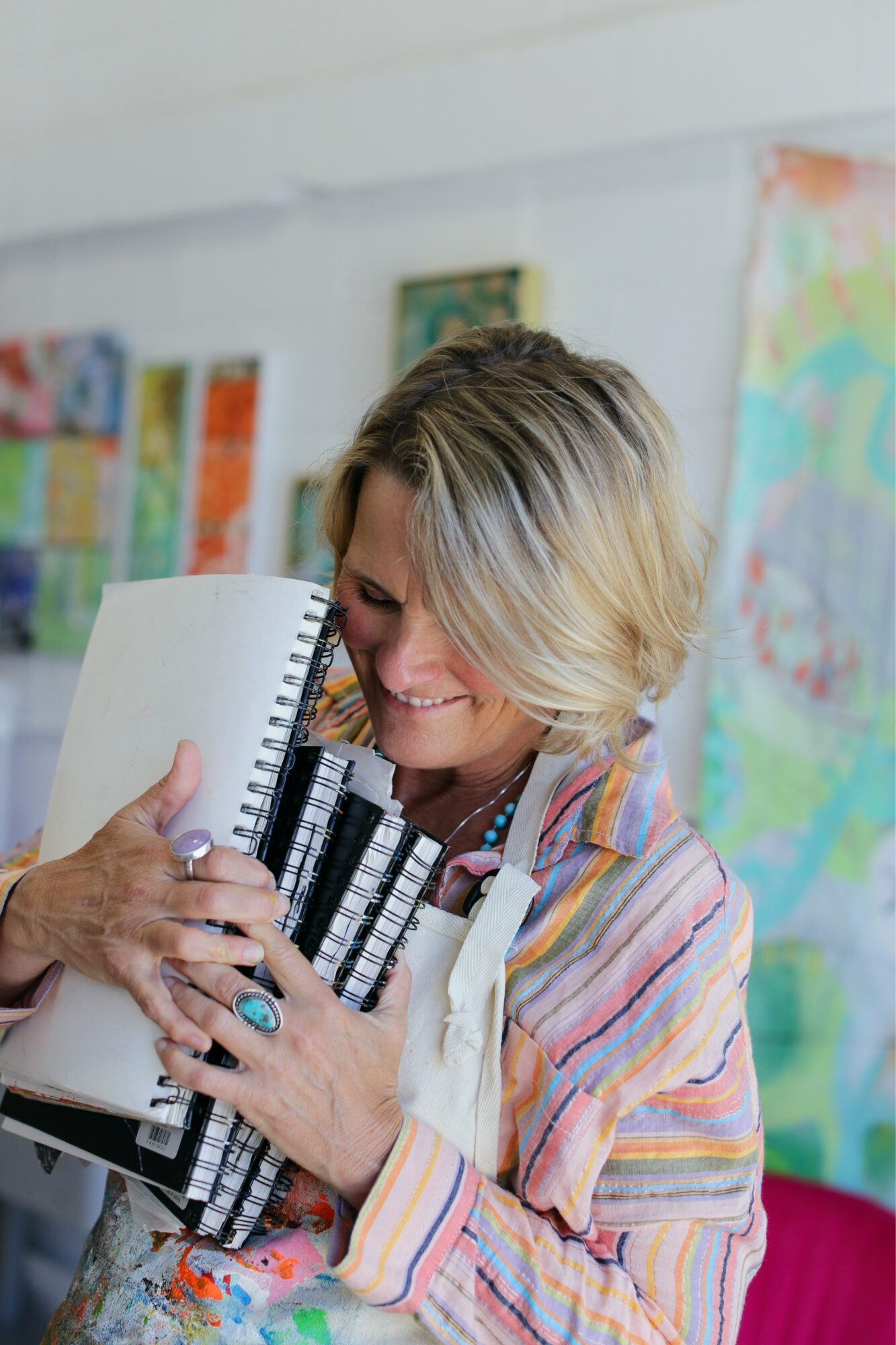
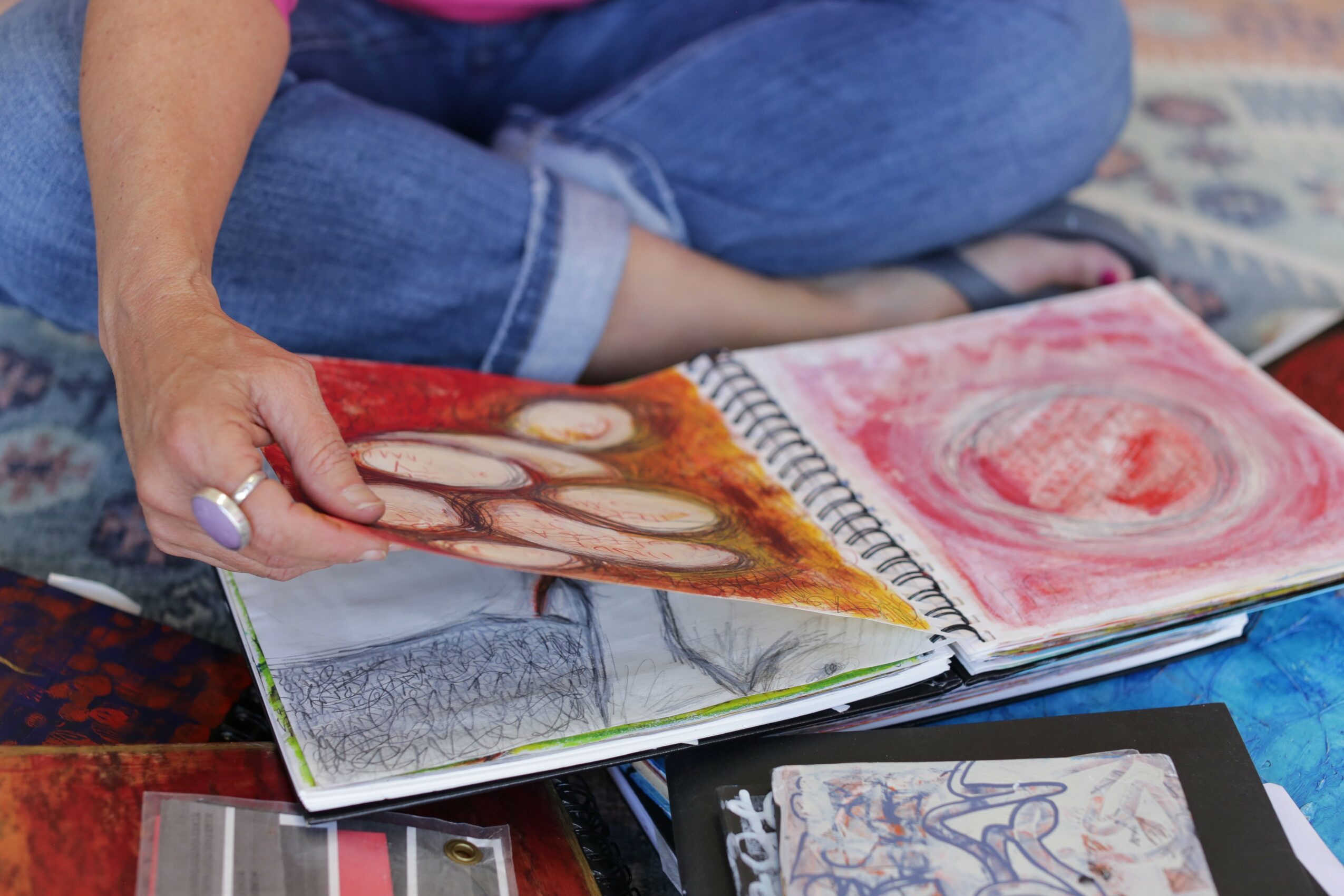
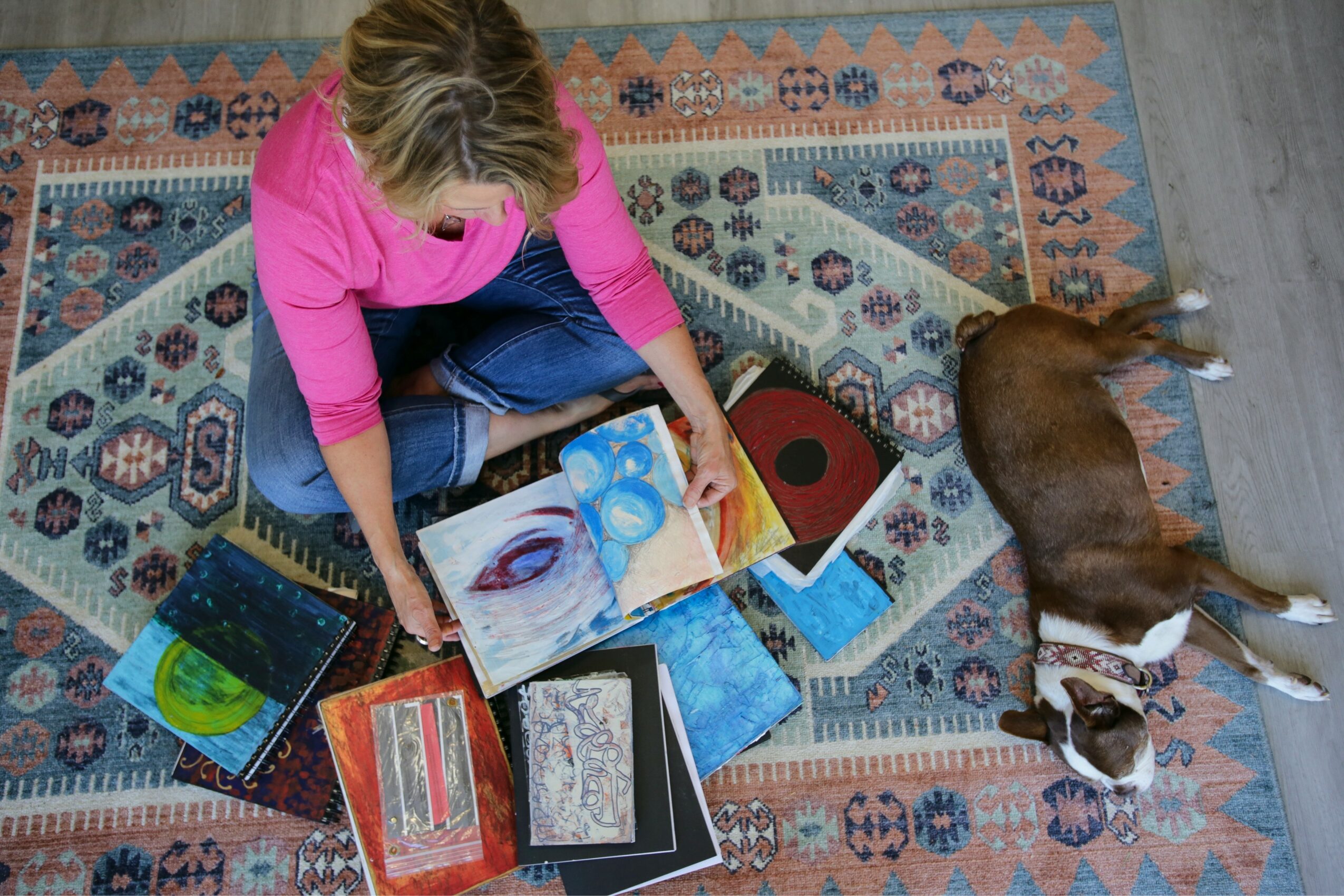
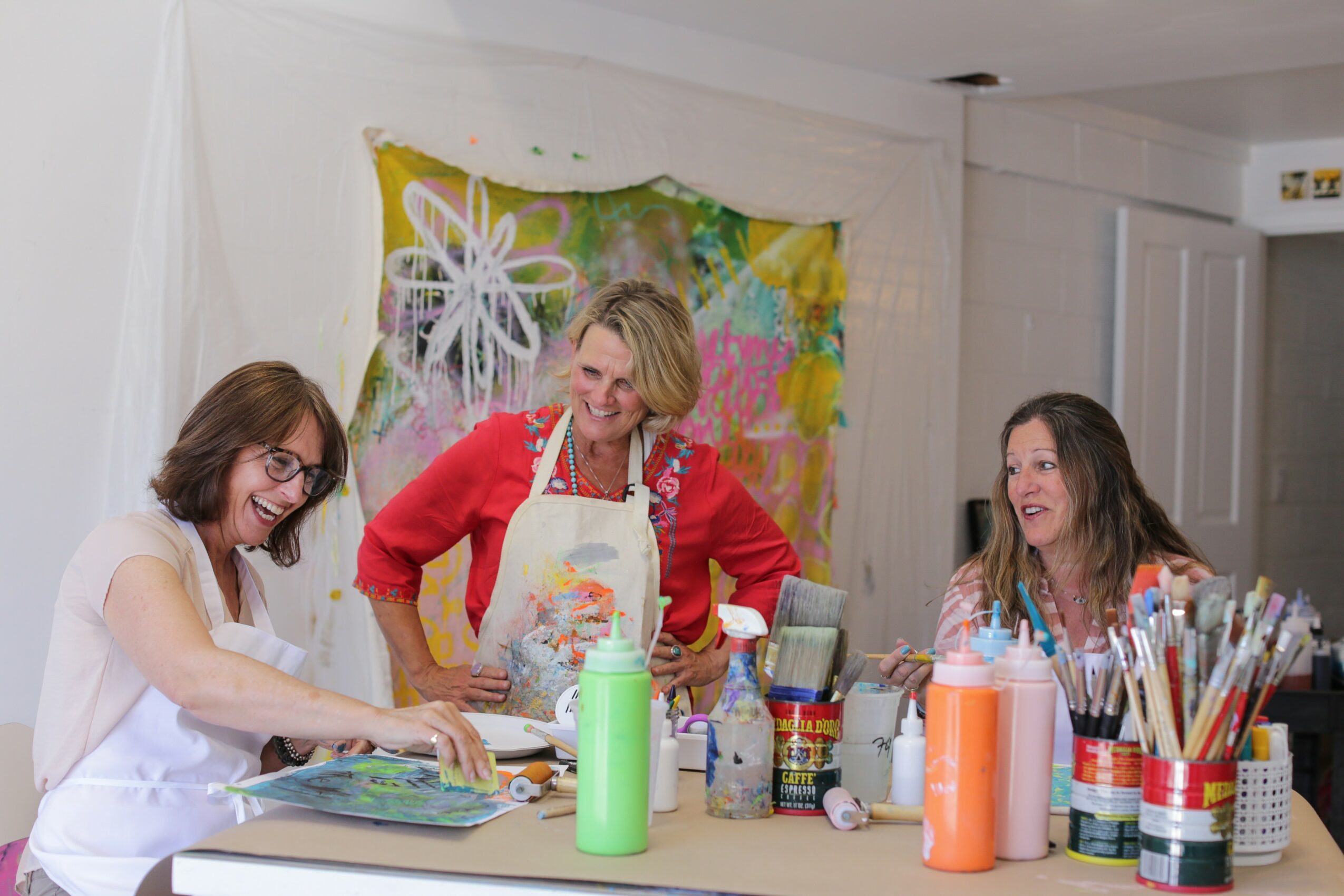
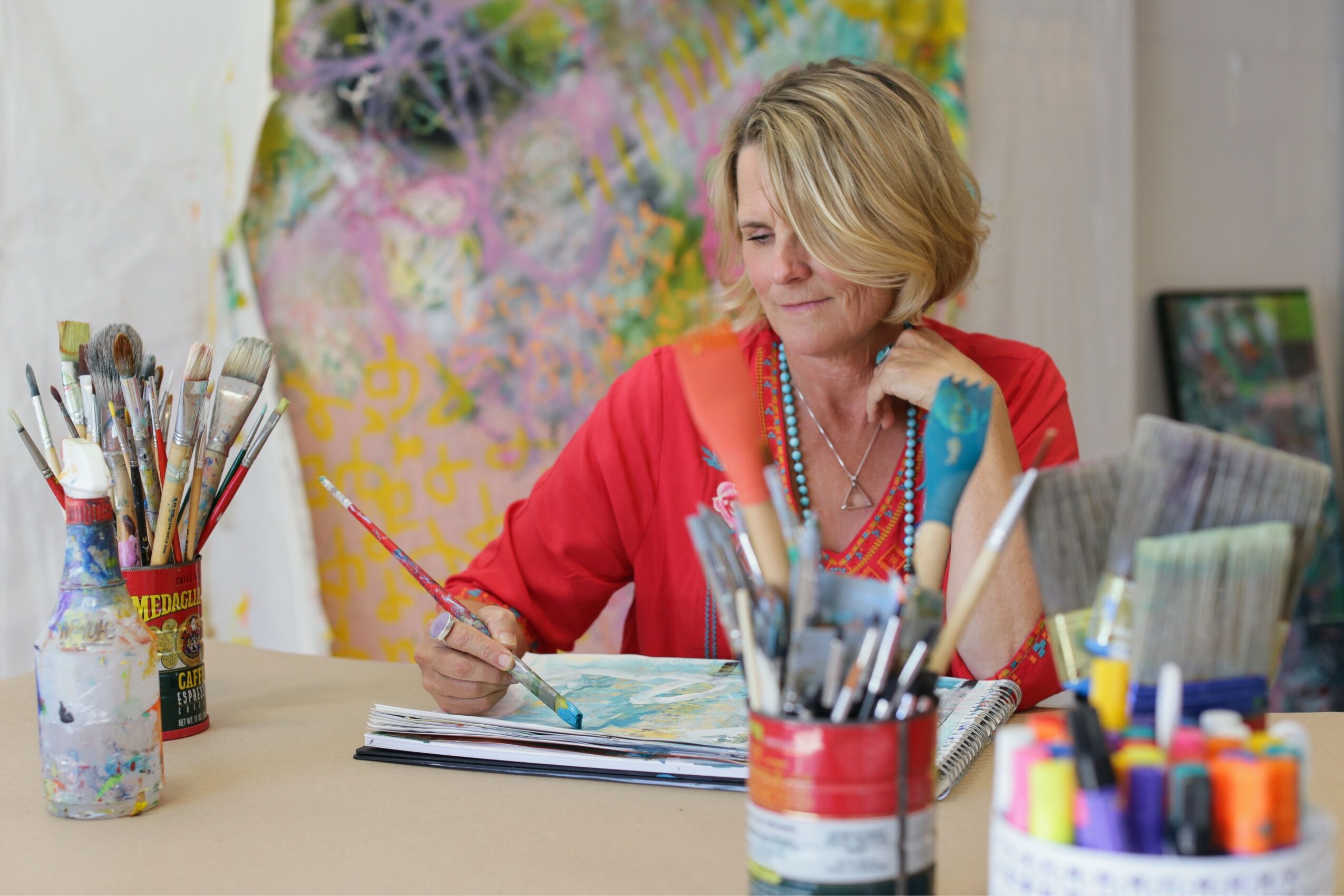
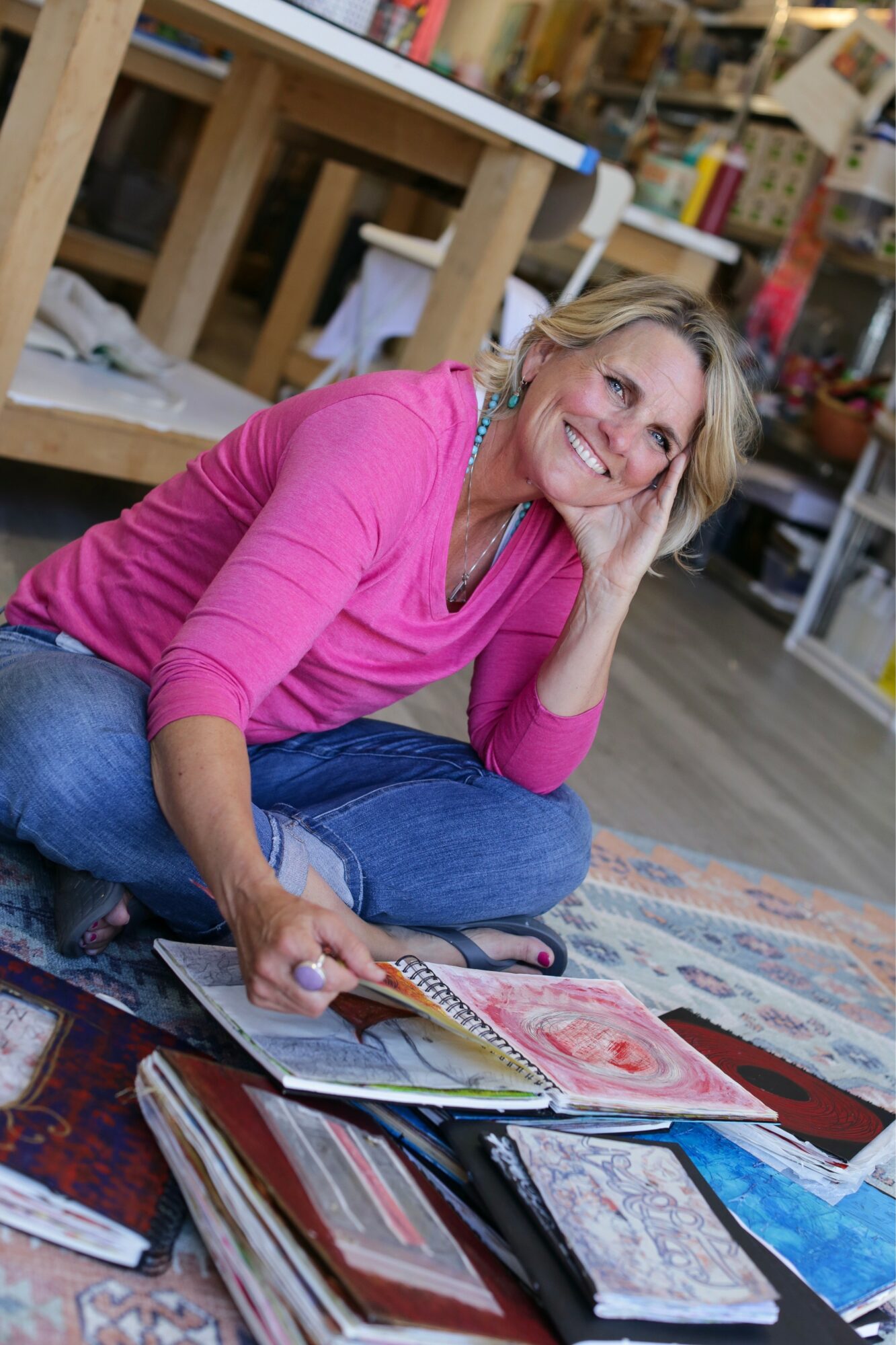
Image Credits
Andrea Scher
Popular
-

Portraits of the Valley
-

LA’s Most Inspiring Stories
-

Rick Norris Learned That Building a Successful Business Means Building a Life You Actually Want to Live
-

How Olivia Rush Turned Survival Into a Mission to Help Others Keep Going
-

How Bibi Goldstein Is Helping Entrepreneurs Reclaim Their Time by Embracing the Power of Delegation
-

Victoria Hasson is Redefining Voice Coaching Through Community and Collaboration


