




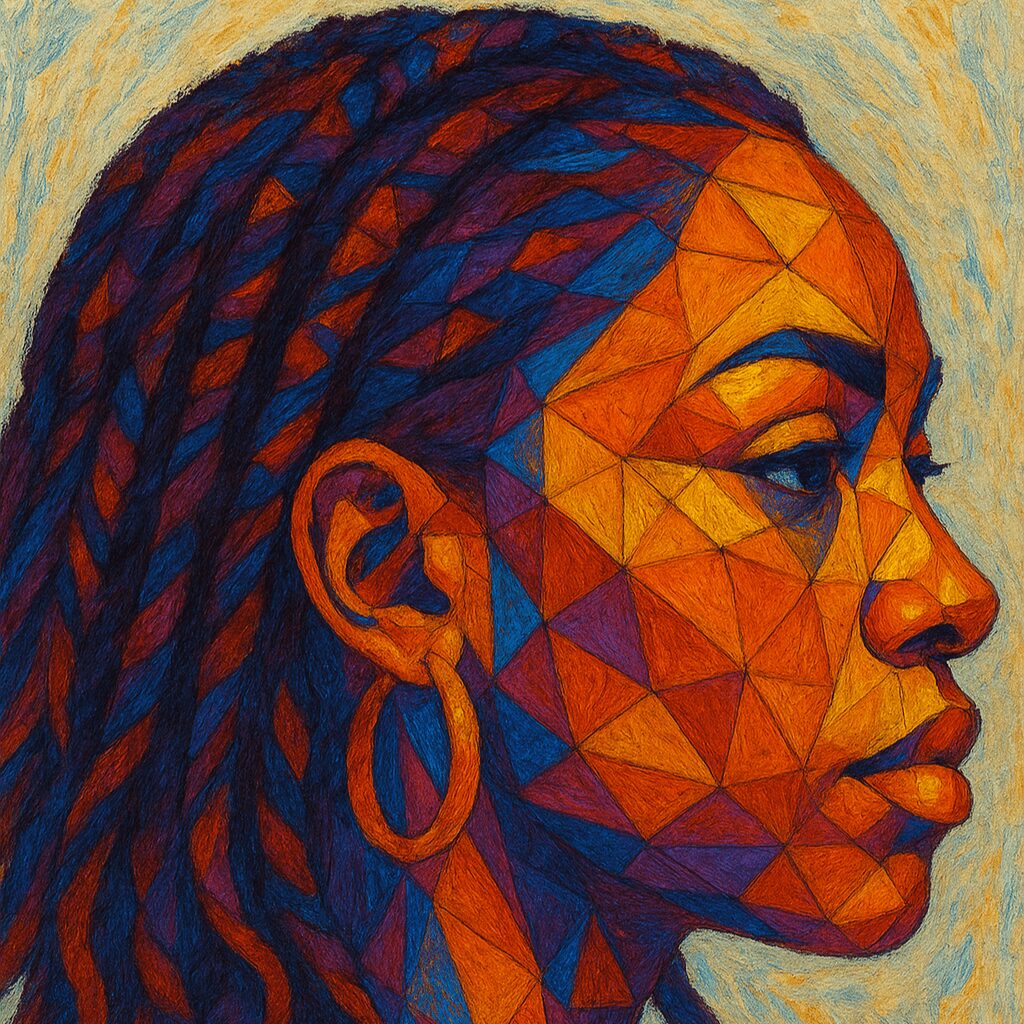
Patrice Monteiro shared their story and experiences with us recently and you can find our conversation below.
Patrice, really appreciate you sharing your stories and insights with us. The world would have so much more understanding and empathy if we all were a bit more open about our stories and how they have helped shaped our journey and worldview. Let’s jump in with a fun one: What makes you lose track of time—and find yourself again?
I lose track of time when my hands are busy. There’s a moment, usually somewhere between domestic responsibilities, parenting, creating, and adjusting, when hours slip by without me noticing. In the moments artistry is flowing, I’m not rushing, performing, or multitasking. I’m fully present. In moments to myself I rediscover who I am at the core. Art pulls me out of the noise of daily responsibility and back into my body, my breath, and my intuition. It reminds me of who I am beneath the roles I carry—parent, wife, student, advocate. When I’m creating, I’m not fragmented. I’m whole. Losing track of time in that way feels like coming home. I’m reminded of my childhood when I spent hours crocheting, sketching, or painting paint-by-number art boards. It’s within that time where my experiences, emotions, and purpose quietly align. Art has a way of returning me to myself and leaves me feeling more grounded.
Can you briefly introduce yourself and share what makes you or your brand unique?
I’m the founder and creative force behind GABA GIRL, a multidisciplinary art brand that began as a social network celebrating art, music, fashion, and has grown into a purpose-driven platform centered on art therapy, mental health advocacy, and women’s empowerment. GABA GIRL is a creative ecosystem rooted in expression, empowerment, and storytelling. My work blends 3D portraiture, paper quilling, and mixed-media sculpture to explore themes of identity, resilience, and the human experience. What makes GABA GIRL unique is that the brand evolved organically as people began connecting with the work not just visually, but emotionally. Each piece is layered—both physically and conceptually—reflecting the complexity of inner lives and lived experiences, particularly those of women. Beyond creating artwork, I facilitate one-on-one instruction, group workshops, and guest speaking engagements, using art as a bridge between creativity and mental wellness. Currently, I’m focused on continuing to expand GABA GIRL through community-based projects, exhibitions, and educational collaborations that invite people to engage with art not just as something to observe, but as something to process, participate in, and heal through.
Great, so let’s dive into your journey a bit more. What breaks the bonds between people—and what restores them?
What breaks the bonds between people, in my experience, is disconnection—from ourselves first, and then from each other. When fear, unspoken pain, misunderstanding, or trauma go unacknowledged, we begin to retreat. We protect ourselves instead of revealing ourselves. Over time, that distance grows, and the threads that once held us together quietly loosen. What restores those bonds is intentional connection. I’ve seen this most clearly through art. Art has a way of creating space for honesty when words fall short. It allows us to be seen without having to explain ourselves fully. When I create, I am not just making something visual—I am opening a door for dialogue, reflection, and shared humanity. Art reminds me that while our stories are personal, they are never isolated. This is where purpose lives for me. Purpose shows up in the act of using creativity as a bridge—between people, between experiences, and between pain and healing. When I create with intention, I am participating in restoration. I am choosing connection over isolation and empathy over silence. In both life and art, I believe we repair what has been broken by showing up authentically and allowing ourselves—and others—to be fully seen.
When did you stop hiding your pain and start using it as power?
I stopped hiding my pain when I realized that silence was costing me more than transparency ever could. For many years, I carried my experiences quietly trying to balance motherhood, partnership, the loss of a child, and personal healing while trying to appear composed and capable. “Pain” became something I managed privately, something I pushed through rather than named. The shift happened when I turned to art—not as a past time, but as survival and truth. Creating became a place where I no longer had to minimize what I had lived through. Instead of hiding the fractures, I began to build with them. Paper, texture, layers, and discovery allowed me to translate what couldn’t be spoken into something visible and tangible. My pain stopped being something to conceal and became something to transform. That transformation gave me power. Each piece I create now carries intention: to connect, to heal, and serve as a reminder that our struggles do not disqualify us from strength or purpose. Through art, I learned that vulnerability is not weakness; it is the source of meaning. Using my pain as power meant allowing it to inform my voice, guide my purpose, and create space for others to feel seen. In that way, my life and my art are no longer separate—they are working together toward healing, empowerment, and connection.
So a lot of these questions go deep, but if you are open to it, we’ve got a few more questions that we’d love to get your take on. What’s a belief or project you’re committed to, no matter how long it takes?
One project I am deeply committed to—no matter how long it takes—is the realization of a community-based quilled art installation I hope to one day bring to life at Long Beach City College. This vision centers on collective creation: a large-scale artwork made entirely of quilled paper, composed of individual panels created by students, faculty, and members of the broader campus community. Each contribution would represent a unique story, while together forming a unified whole—a visual metaphor for connection, equity, and shared humanity. I am committed to this project because I believe art can function as a powerful tool for inclusion, healing, and belonging—especially within a community college setting, where diverse lived experiences intersect. Whether this project takes months or years to realize, my commitment remains rooted in purpose rather than timeline: to use art as a way of building community and leaving behind something that continues to inspire long after the process itself.
Before we go, we’d love to hear your thoughts on some longer-run, legacy type questions. Could you give everything your best, even if no one ever praised you for it?
Yes—I already live that way.
I’ve learned to give my best without waiting for praise because so much of my life has required it. Returning to college as an adult, raising a family, being a partner, and rebuilding myself creatively—none of that came with guaranteed recognition. I showed up anyway. Not because someone was watching, but because it mattered to me. Art is where this shows up most clearly. I don’t create for applause. I create because it’s how I process, heal, and stay connected to who I am. Even when no one sees the hours, the hardship, or the emotional weight behind the work, I still give it my full attention. The care I put into the process is a form of self-respect. At this point in my life, doing my best feels less like a performance and more like a personal promise. It’s about alignment—knowing I showed up with integrity, intention, and heart. Praise is lovely, but it’s not the reason I keep going. I do it because it’s true to me, and because living and creating any other way would feel like I was holding back.
Contact Info:
- Instagram: https://www.instagram.com/1gabagirl/
- Linkedin: https://www.linkedin.com/in/patrice-monteiro-9297934b
- Facebook: https://www.facebook.com/quilldoodles/
- Youtube: https://www.youtube.com/@gabagirl8306
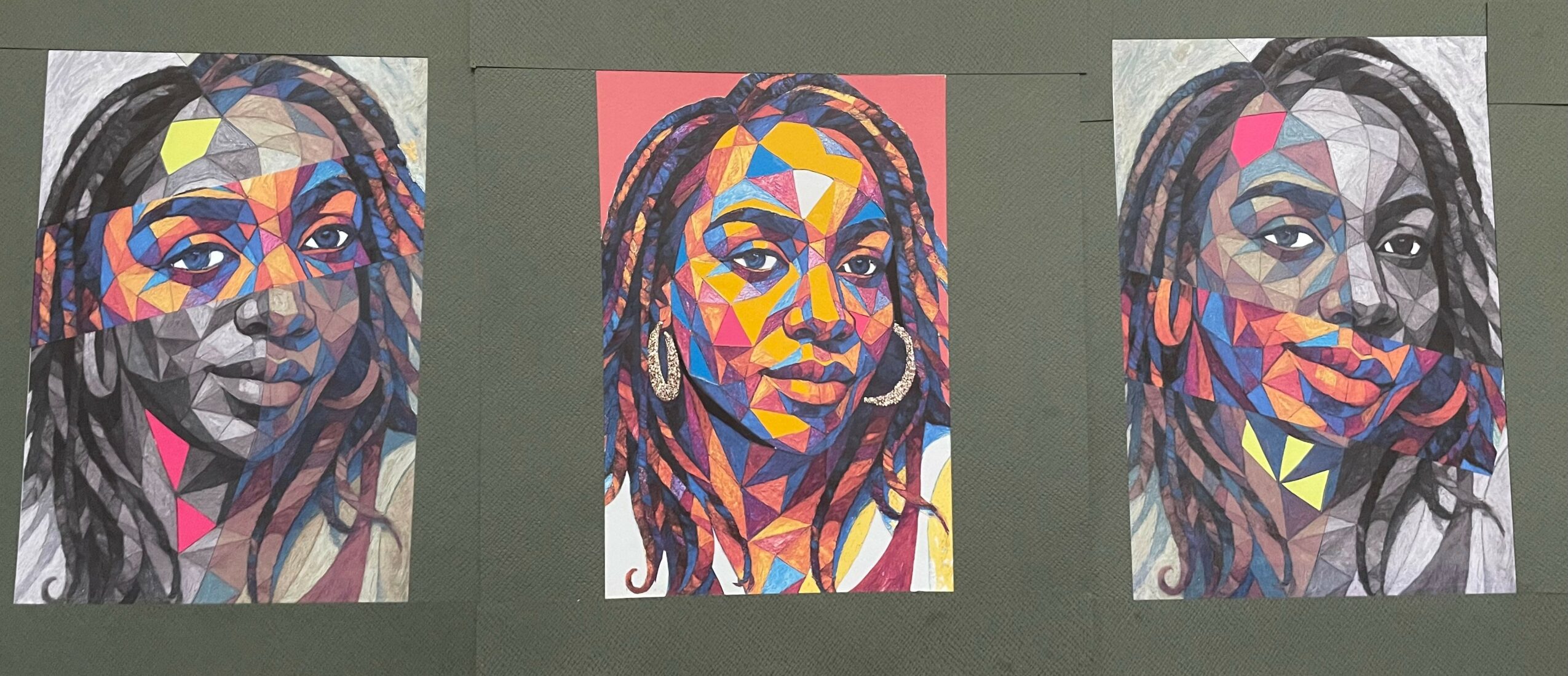
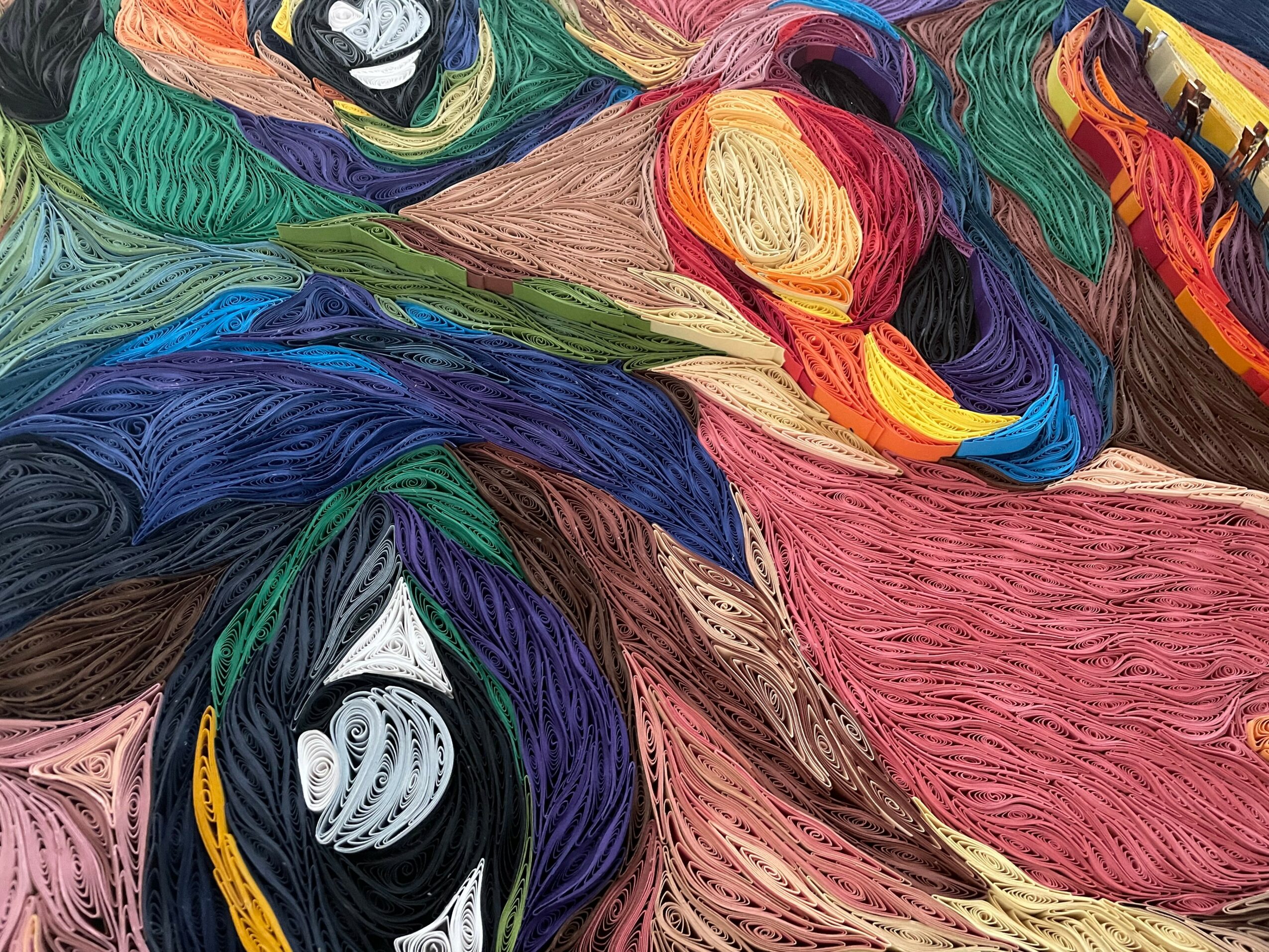
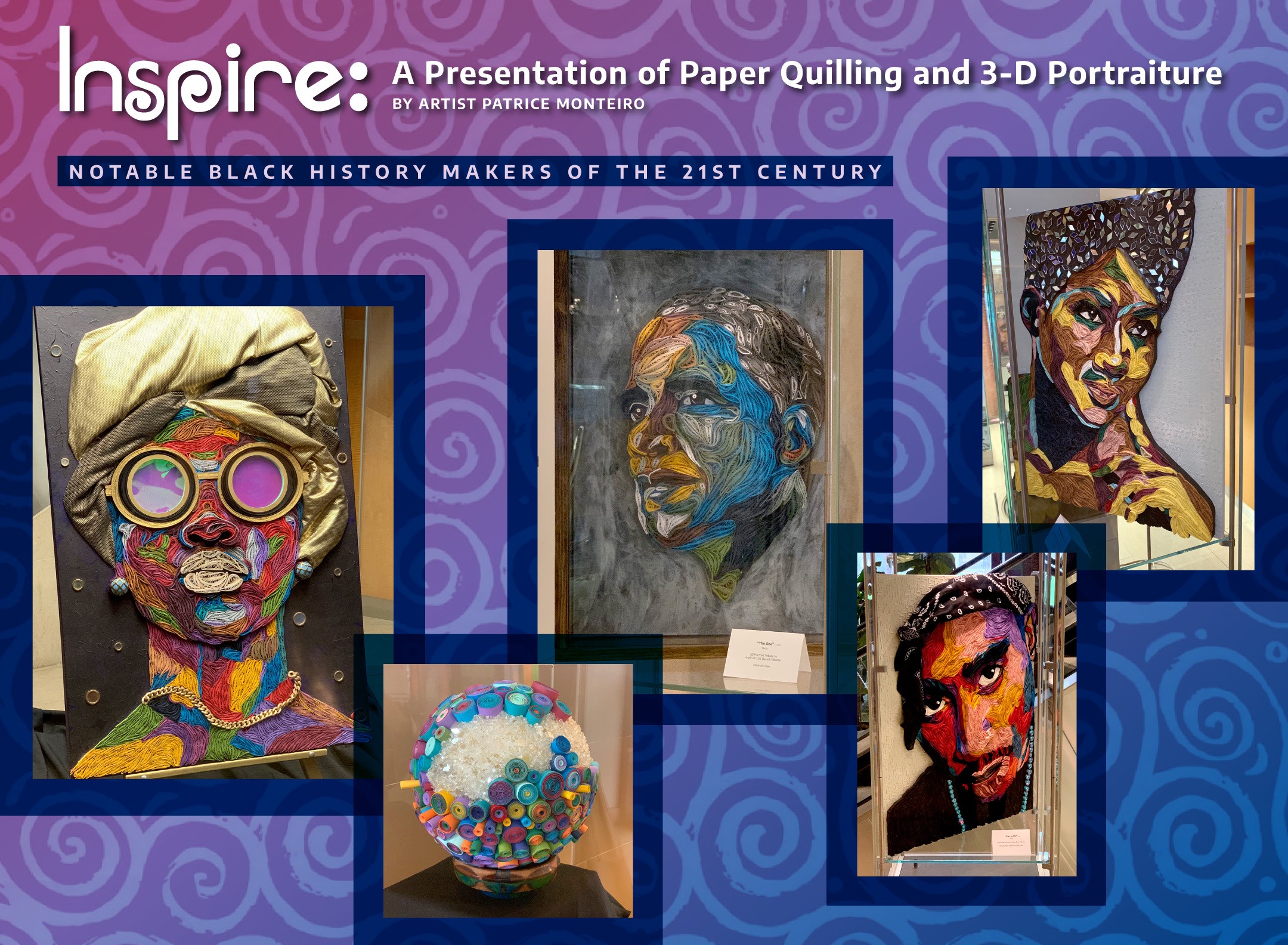
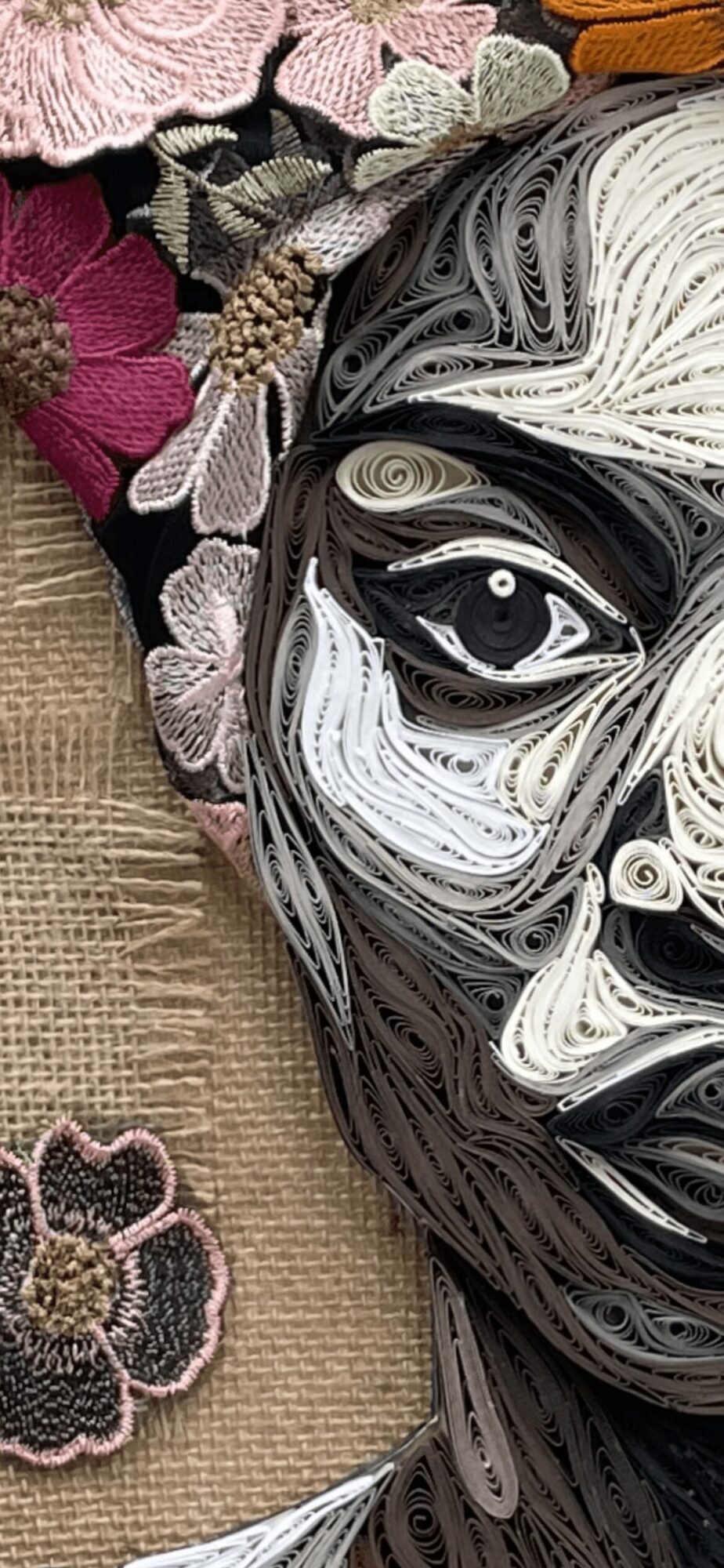
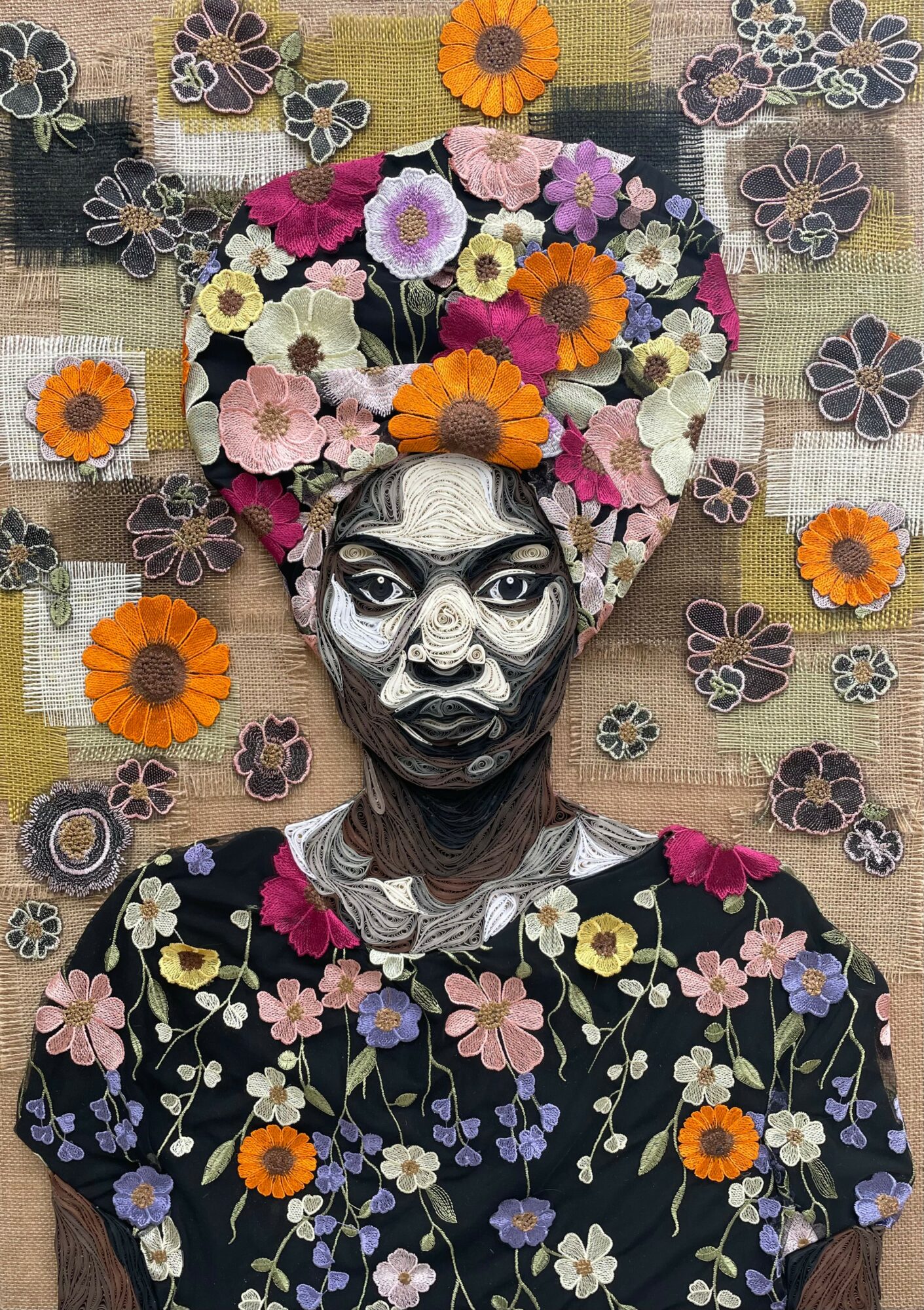
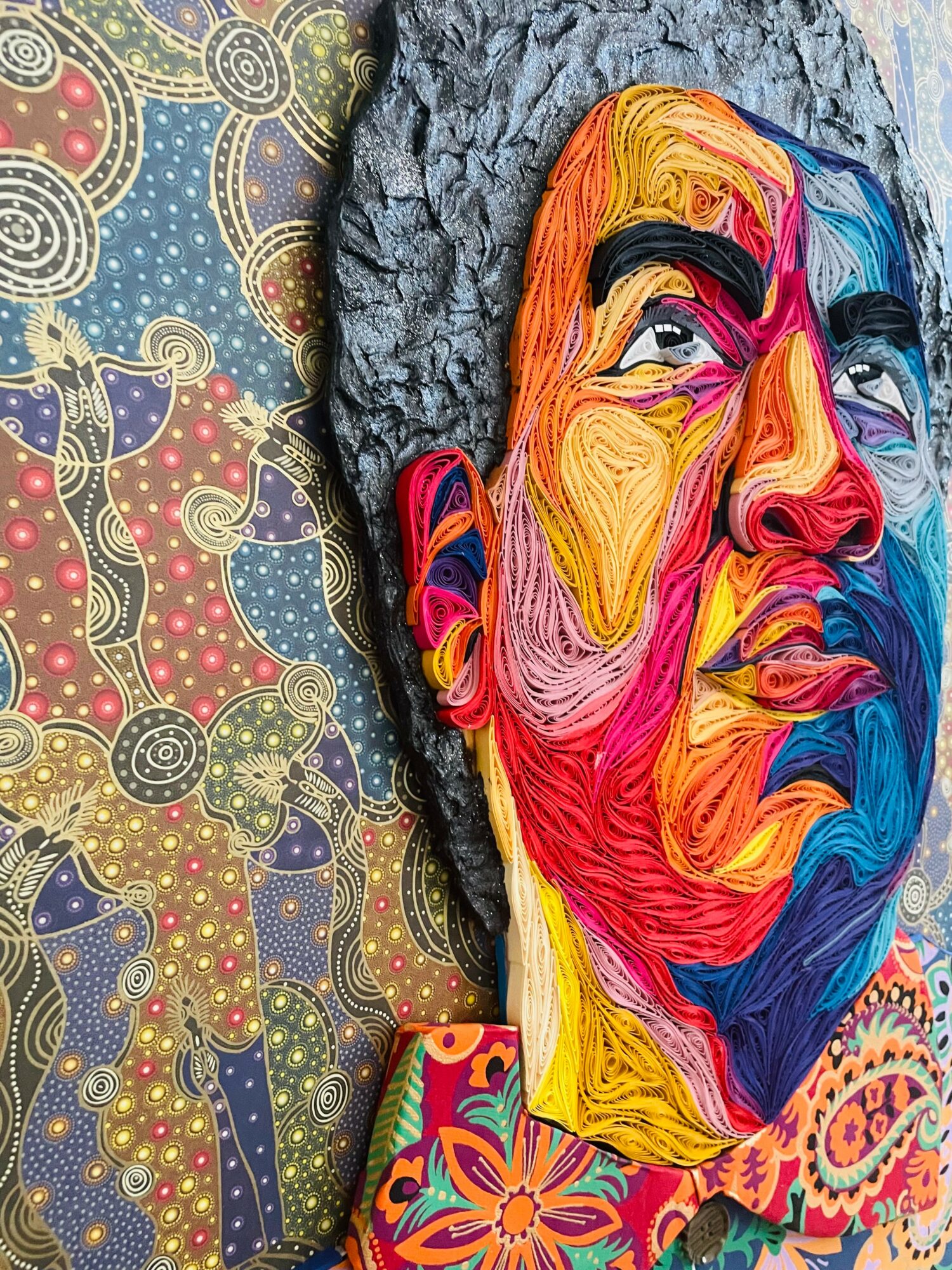
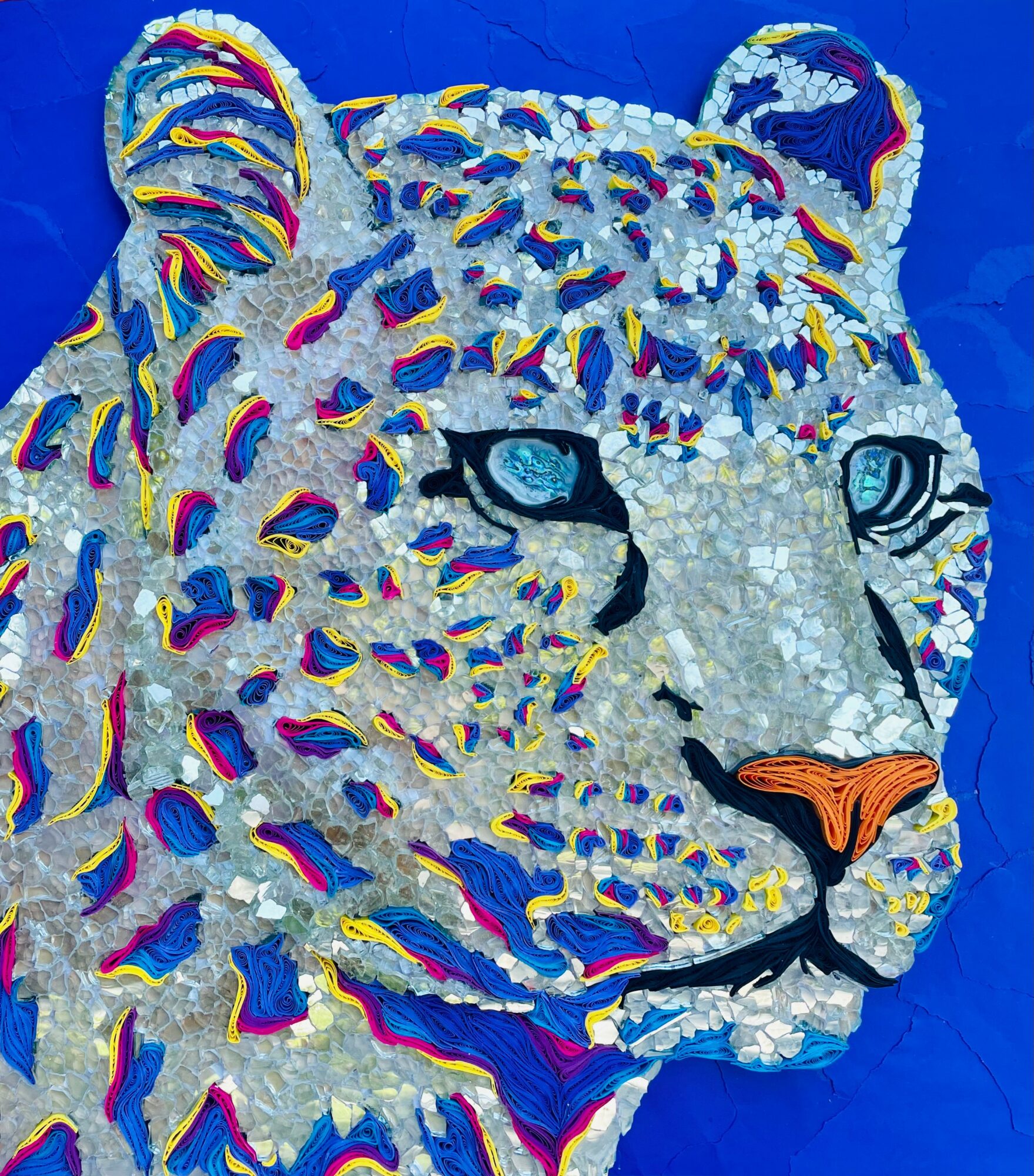
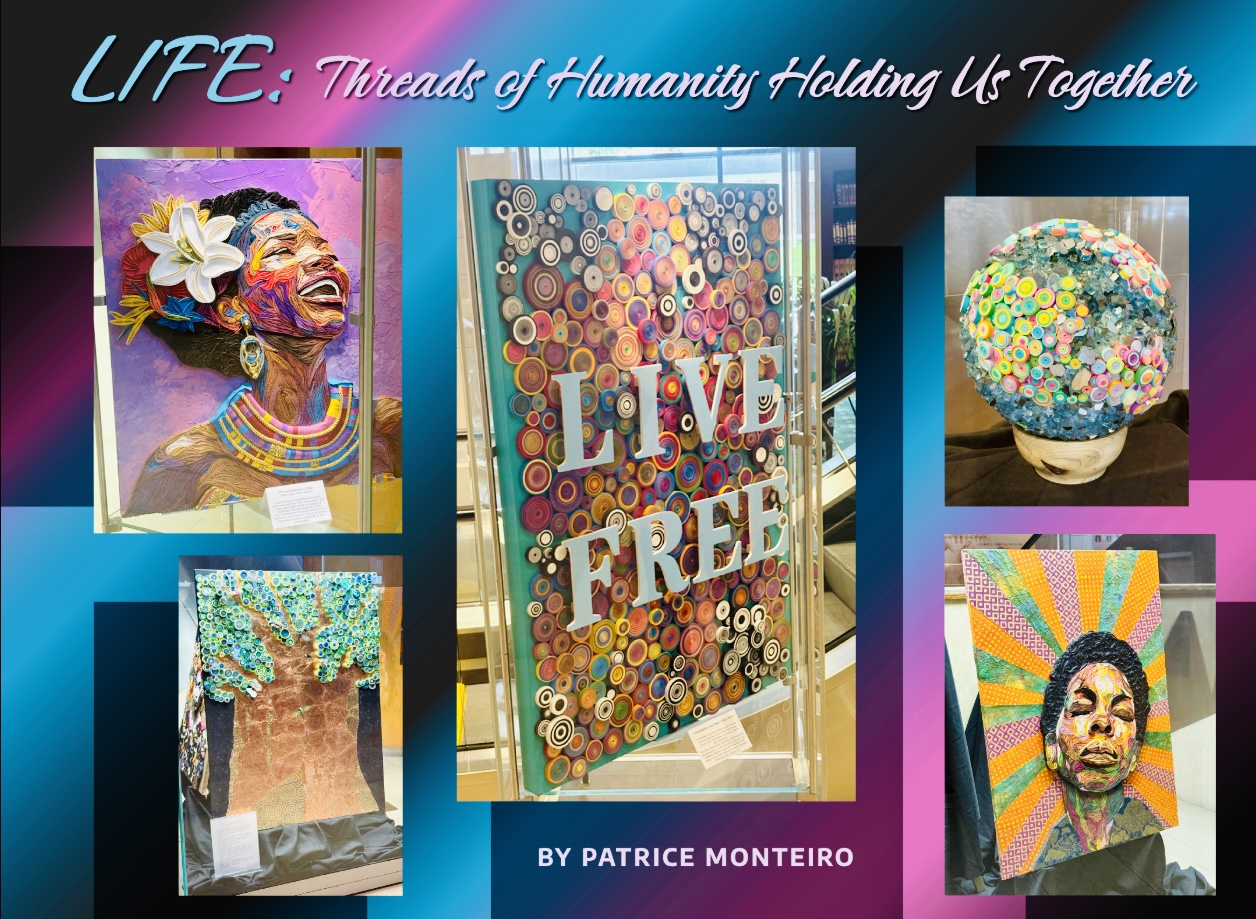
Image Credits
Patrice Monteiro
Popular
-

Portraits of the Valley
-

LA’s Most Inspiring Stories
-

Rick Norris Learned That Building a Successful Business Means Building a Life You Actually Want to Live
-

How Olivia Rush Turned Survival Into a Mission to Help Others Keep Going
-

How Bibi Goldstein Is Helping Entrepreneurs Reclaim Their Time by Embracing the Power of Delegation
-

Victoria Hasson is Redefining Voice Coaching Through Community and Collaboration


