




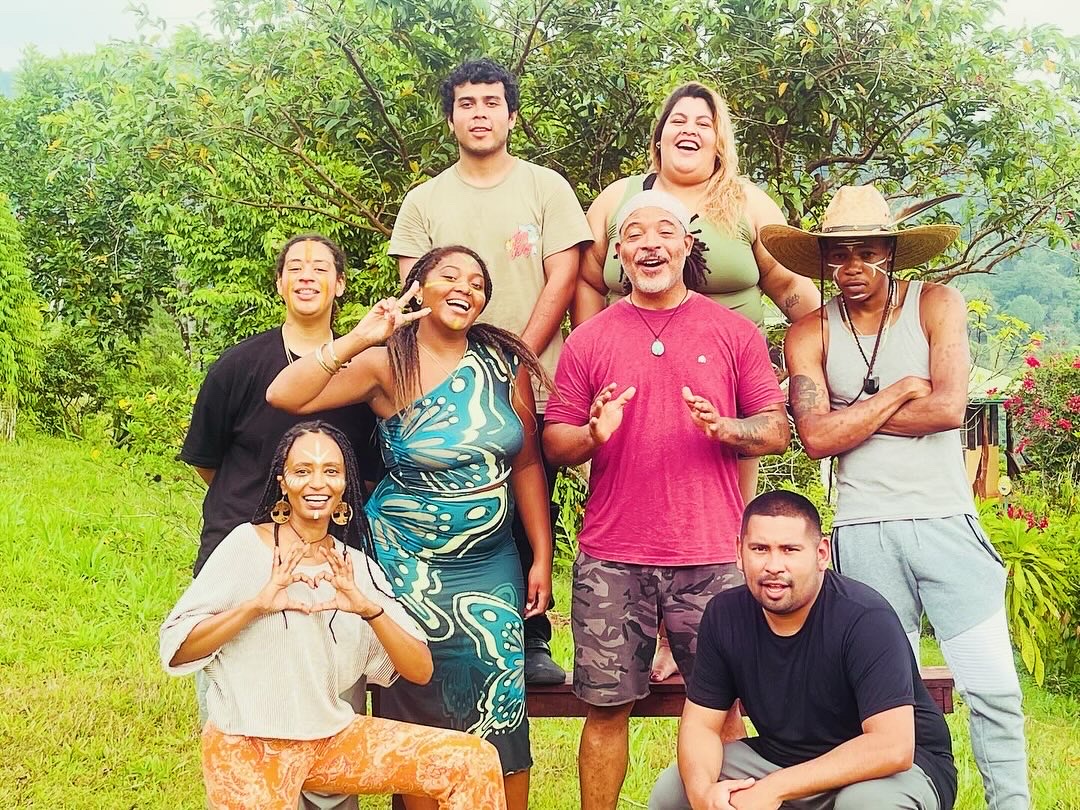
Dr. Harry Grammer shared their story and experiences with us recently and you can find our conversation below.
Hi Harry, thank you so much for taking time out of your busy day to share your story, experiences and insights with our readers. Let’s jump right in with an interesting one: Are you walking a path—or wandering?
I’m not a wanderer. I choose that the path if I’ve accepted it. The vision usually comes first. I then meditate on the structure and direction. Then I take action.
Can you briefly introduce yourself and share what makes you or your brand unique?
I’m Harry Grammer. I’m a builder, restorer, writer, and founder of a few things that all point to the same intention: helping people and places recover, evolve, and come back stronger.
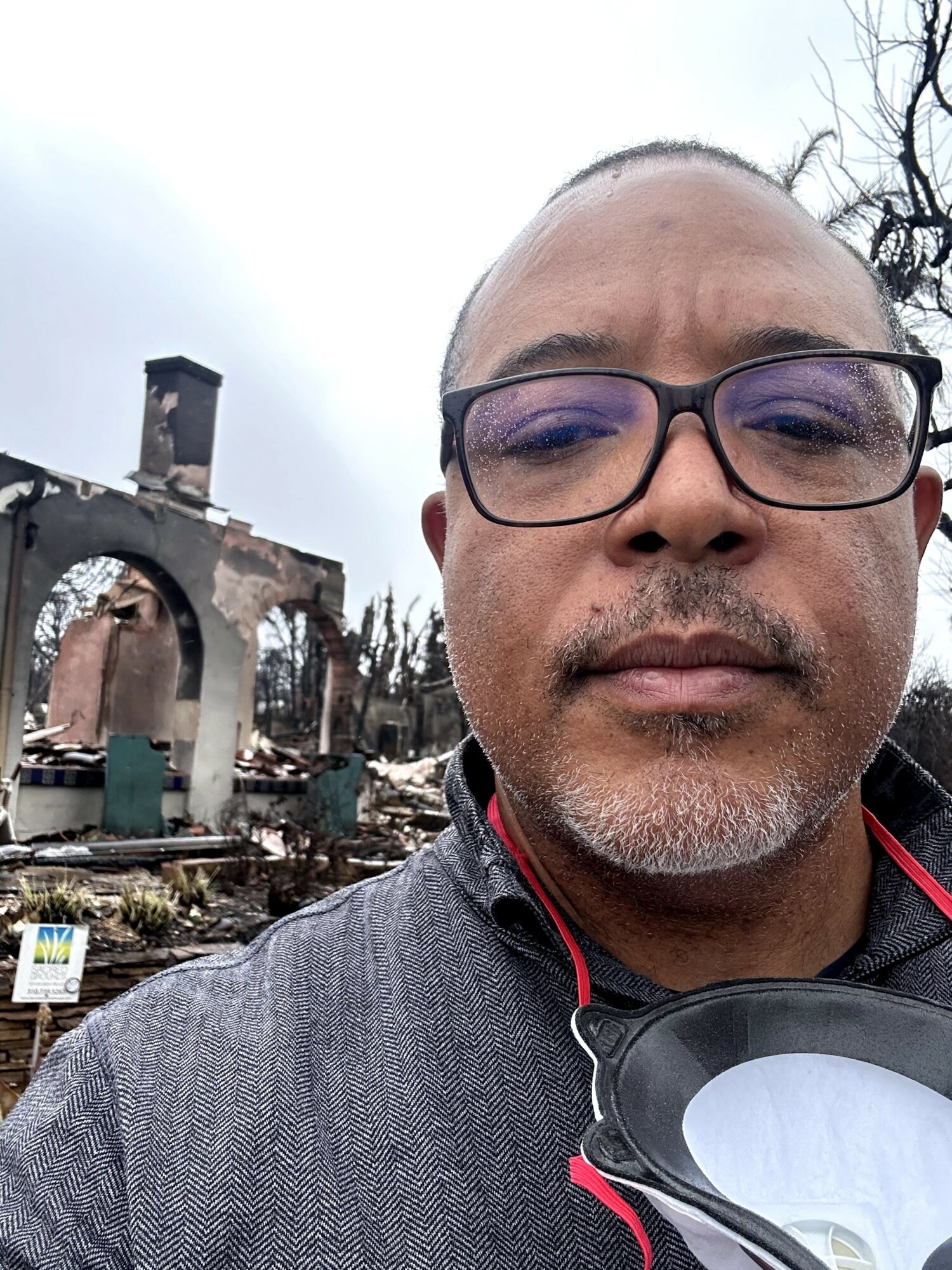
By trade, I own a disaster restoration and construction company, Paul Davis Restoration of West Los Angeles. We step in after fires, floods, mold, and major losses, often at moments when families are overwhelmed, and bring homes and buildings back to life. Currently, serving victims of the Alta Dena and Palisades fire.
What makes our work different is that we don’t just think in terms of structures; we think in terms of nervous systems. A home after a fire isn’t just damaged, it’s carrying shock. Our job is to restore safety, dignity, and trust alongside the physical rebuild.
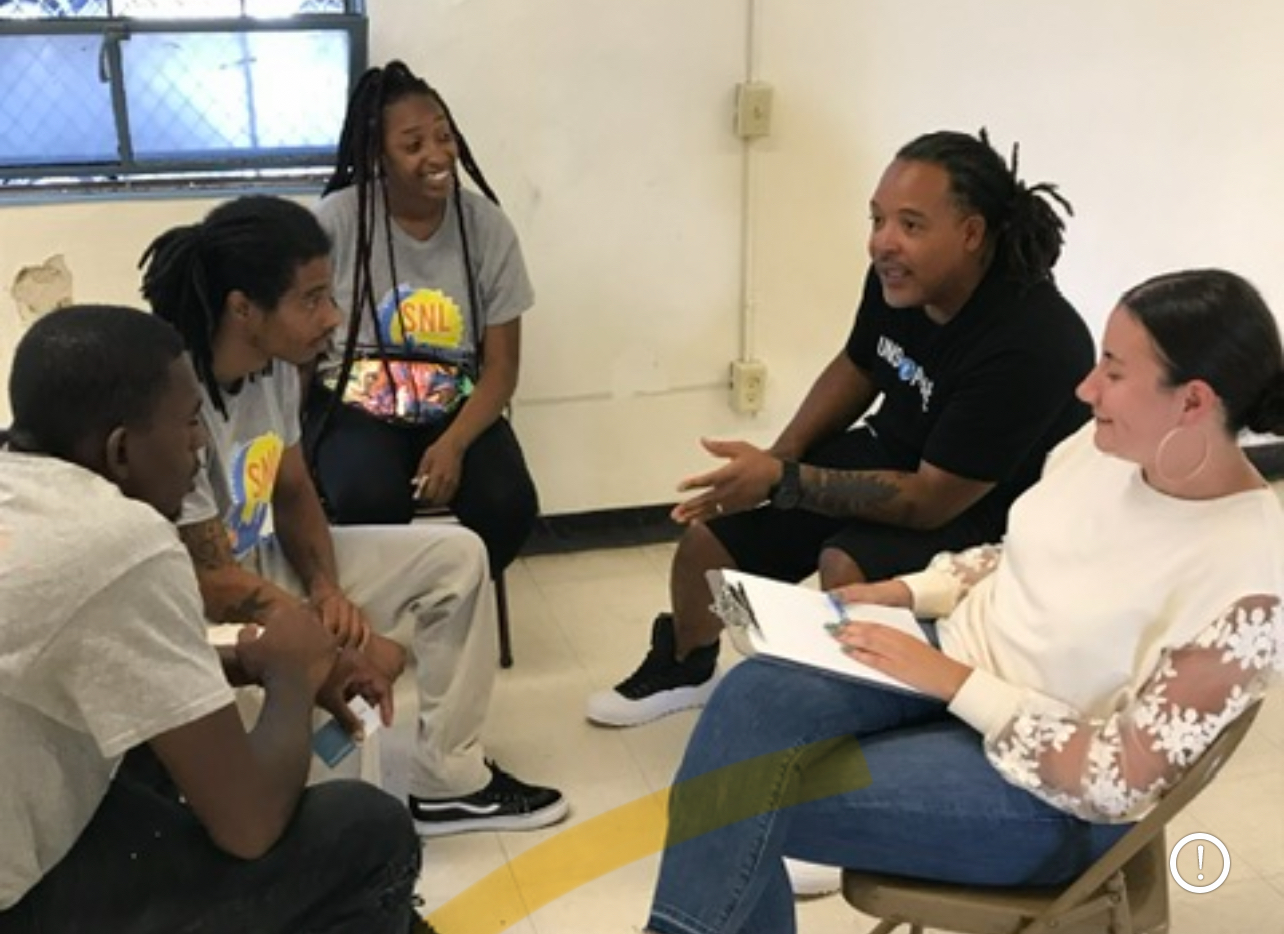
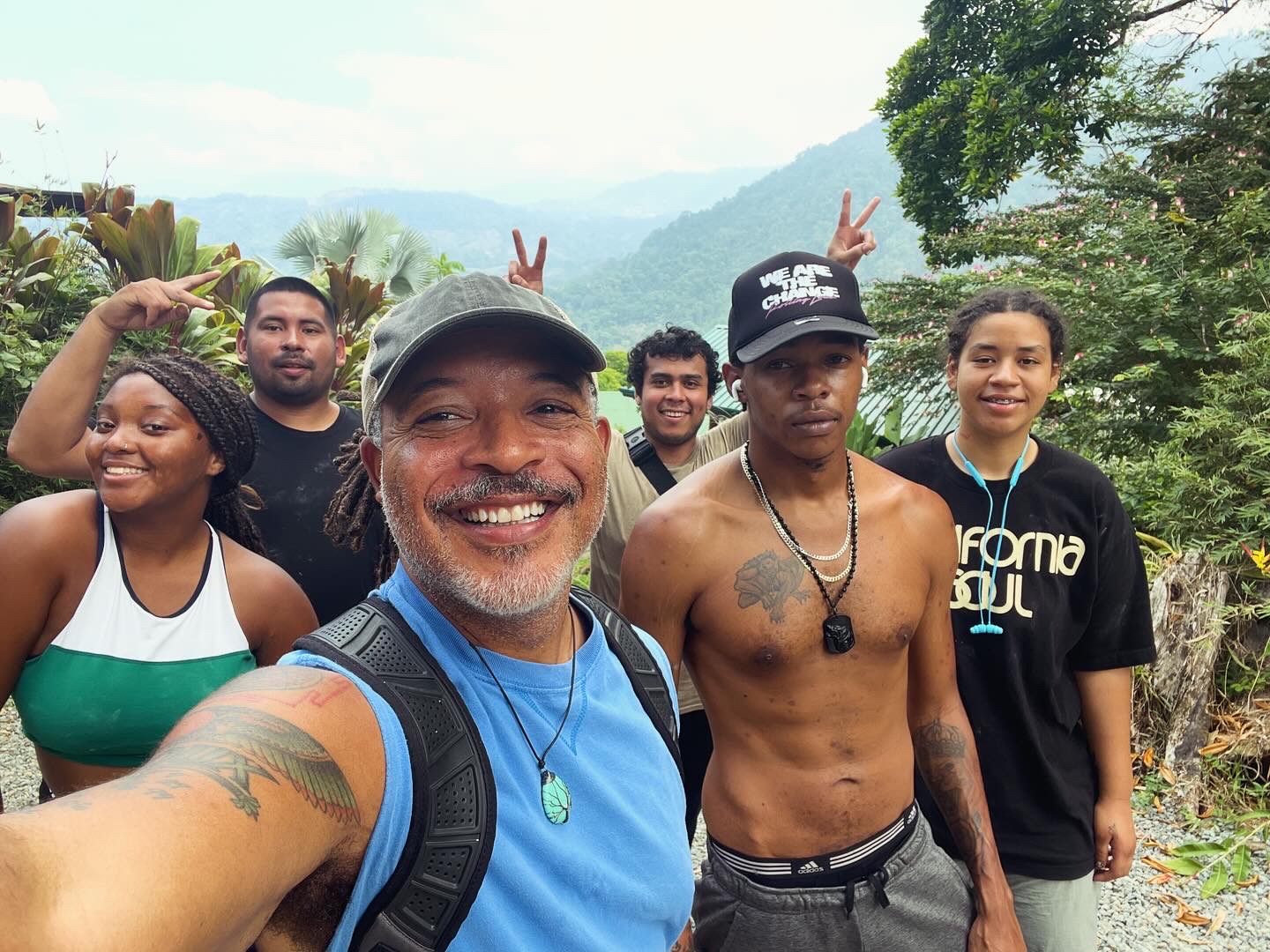
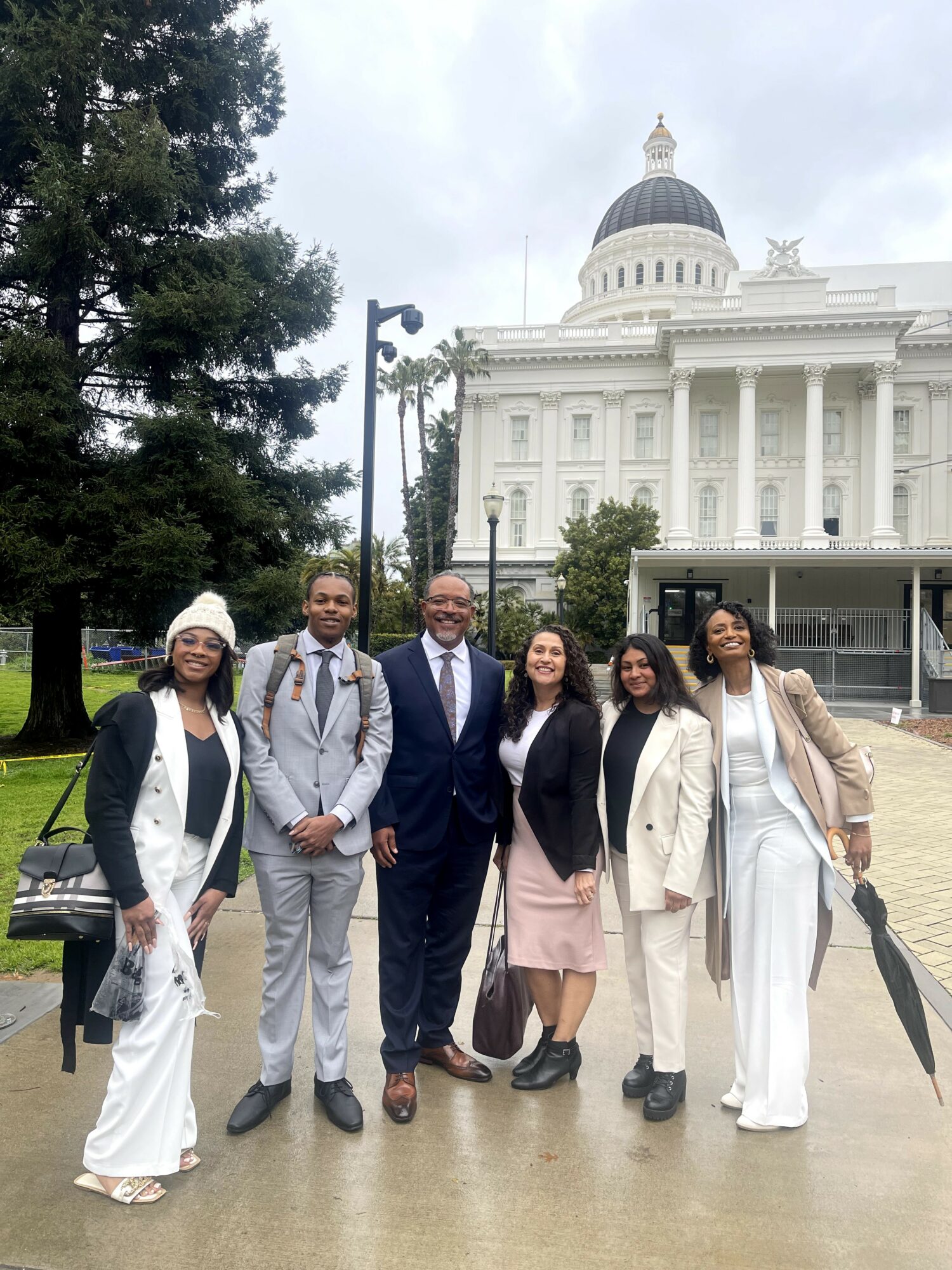
Alongside that, I’m deeply involved in New Earth, a nonprofit I founded 22 years ago focused on youth development, healing, and transitional housing for young people coming out of foster care and other high-risk environments. That work informs everything I do. It keeps me grounded in the question: How do we build systems that actually help people stabilize, grow, and belong?
I’m also a writer and long-time student of psychology, somatics, and systems thinking. Much of my writing explores how trauma…personal, generational, and collective..lives in the body, and how repair happens through rhythm, structure, and relationship. Whether I’m writing a chapter, designing a housing model, or creating an SOP for a job site, I’m always thinking about alignment: between body and environment, mission and mechanics, impact and sustainability.
Right now, I’m working at the intersection of all of this, building scalable restoration operations, developing impact-driven real estate and housing models, and writing projects that explore healing, memory, and liberation. On the surface, it may look like construction, nonprofit work, and writing, but underneath, it’s one practice: restoring what’s been damaged and helping something truer emerge in its place.
Great, so let’s dive into your journey a bit more. What’s a moment that really shaped how you see the world?
I was homeless when everything became clear.
Not symbolically but literally. I was living without a home, carrying what I owned, sleeping outdoors, stripped of the structures most people rely on for identity and safety. That period wasn’t dramatic in the way people imagine; it was quiet, humbling, and deeply revealing. When you lose shelter, you lose the illusion of control. What remains is the body, the breath, and the truth of how environment shapes a human being.
Living that way taught me something fundamental: instability doesn’t just affect circumstances, it lives in the nervous system. Without safety, people can’t access their potential, no matter how talented or motivated they are. I saw this in myself, and I saw it in others around me. At the same time, I felt a profound awakening. In that stripped-down state, I knew my life’s work would be about restoring ground, internally and externally.
That realization became the seed of New Earth.
I founded New Earth as a response to what I lived through. It began simply—creating spaces where young people, especially those impacted by homelessness, foster care, incarceration, and systemic instability, could experience belonging, creative expression, and real support. The mission wasn’t charity; it was restoration. New Earth was built on the belief that when you give people structure without punishment, community without conditions, and opportunity rooted in dignity, they don’t just survive, they transform.
As New Earth grew, so did my understanding that healing isn’t abstract. It’s architectural. It’s environmental. It’s practical.
That understanding eventually carried me into my work with Paul Davis Restoration. When a family loses their home to fire, flood, or disaster, they don’t just lose a building; they lose safety, rhythm, and a sense of control over their lives. Because I’ve lived without ground beneath my feet, I approach restoration differently. Our work isn’t just about drywall and framing; it’s about helping people re-establish stability after chaos. It’s about returning dignity to a moment when everything feels uncertain.
Today, whether I’m building housing models for system-impacted youth, restoring disaster-damaged homes, or writing about trauma, memory, and healing, I’m doing the same work I was called into during that homeless chapter: helping people and places come back into coherence after loss.
Homelessness didn’t derail my life. It clarified it. It showed me that my purpose is restoration, of homes, of systems, and of human beings who just need solid ground to stand on again.
What did suffering teach you that success never could?
Suffering taught me what success never could: what actually matters when nothing is guaranteed.
Success rewards performance. Suffering reveals truth.
When I was homeless, there was no audience, no validation, no metrics. No one was impressed by effort. No one was watching. And that’s where the real lessons live. I learned that identity collapses quickly when it’s built on roles, income, or momentum. What remains is the nervous system, the breath, the next decision, and the quiet question of whether you can stay present without reassurance.
Suffering taught me empathy that isn’t conceptual. It taught me what instability feels like in the body, how lack of safety narrows perception, how fear shortens time horizons, how people labeled “unmotivated” are often just dysregulated. Success can make you efficient; suffering makes you precise in your understanding of human behavior.
It also taught me humility in a way achievement never could. Success tends to reinforce the idea that outcomes are earned. Suffering shows you how much of life is circumstantial, environmental, and relational. It breaks the myth that people fail because they lack character. It shows you that most people are doing the best they can with the ground they’re standing on.
Most importantly, suffering taught me purpose without ego. When you have nothing, you don’t ask, “How do I win?” You ask, “How do I serve? How do I stabilize? How do I make today survivable?” That orientation never left me. It’s why I build the way I build, lead the way I lead, and restore the way I restore.
Success can teach strategy, leverage, and scale.
Suffering taught me compassion, clarity, and responsibility.
Success tells you what you can do when things are working.
Suffering teaches you who you are when nothing is.
And that lesson shapes everything I’ve built since.
Next, maybe we can discuss some of your foundational philosophies and views? Whom do you admire for their character, not their power?
My admiration for President Barack Obama isn’t rooted in politics alone, it’s rooted in character.
I had the honor of being selected as an Inaugural Fellow of the Obama Foundation, a distinction that carries deep meaning for me. The fellowship was not awarded based on titles or résumés alone. It was a rigorous, values-driven selection process that identified leaders from around the world who had lived experience with adversity, demonstrated a commitment to service, and were actively building solutions that uplift communities from the ground up. I was selected because my work, particularly the founding and growth of New Earth, reflected a lived commitment to dignity, equity, and transformation, not as theory, but as practice.
What I most admire about Barack Obama is not simply what he achieved, but how he carried himself while doing it.
First, his calm under pressure. Obama has an extraordinary ability to remain centered in chaos, to respond rather than react. That steadiness is something I strive to embody in my own life and leadership. Whether I’m navigating disaster recovery for families who’ve lost everything, guiding youth who’ve never experienced stability, or leading teams through complex challenges, I understand that regulation at the top creates safety throughout the system. Calm is not passive, it’s powerful.
Second, his moral clarity paired with humility. Obama never pretended to have all the answers. He listened. He reflected. He allowed complexity to exist without collapsing into cynicism. In my own work, through New Earth and Paul Davis Restoration, I try to lead the same way: grounded in values, open to learning, and willing to evolve. Real leadership, I’ve learned, isn’t about dominance; it’s about coherence.
Third, his belief in people. Obama has always spoken to the best in us, even when circumstances suggest otherwise. That belief mirrors how I approach youth who’ve been written off, families in crisis, and communities recovering from trauma. I don’t see broken people, I see people who’ve been living without sufficient ground. My work is about restoring that ground so their inherent capacity can emerge.
Finally, I admire his integration of intellect, empathy, and service. He bridges thought and action. Vision and execution. That integration deeply influences how I live: blending systems thinking with human care, structure with compassion, and ambition with responsibility.
Being an Obama Foundation Fellow didn’t just affirm my path, it refined it. It reinforced my belief that leadership is less about being seen and more about being steady, less about ideology and more about integrity.
In many ways, I try to mirror what I admire most in Barack Obama:
to lead with calm, act with conscience, build with purpose, and always, especially in moments of fracture, speak to the possibility of something better taking shape.
Okay, so let’s keep going with one more question that means a lot to us: What are you doing today that won’t pay off for 7–10 years?
I’m building foundations instead of outcomes, the kind that compound quietly and don’t show up on a balance sheet for years.
Through New Earth, I’m investing in young people who are learning regulation, responsibility, and self-trust long before the world rewards those traits. The payoff isn’t immediate. It shows up years later when someone who once lacked stability becomes a grounded parent, leader, or builder of their own community. That kind of return doesn’t spike, it compounds.
Through Paul Davis Restoration, I’m building systems, culture, and leaders who know how to restore order in chaos with integrity. I’m not optimizing just for this year’s revenue; I’m designing an organization that can endure disasters, scale without losing its soul, and train people to lead calmly under pressure. The real payoff is resilience, and that only reveals itself over time.
Personally, I’m investing in inner infrastructure: nervous-system regulation, patience, discernment, and long-range thinking. I’m choosing depth over speed, alignment over shortcuts, and trust over control. That kind of work doesn’t trend. But ten years from now, it determines whether what I’ve built collapses or holds.
In short, I’m doing things today that create stability where there was none, leaders where there was chaos, and systems that outlast me.
That’s the kind of payoff that takes 7–10 years, and it’s the only one I’m interested in.
Contact Info:
- Website: https://www.newearthlife.org
- Instagram: grammerharry
- Linkedin: https://www.linkedin.com/in/dr-harry-grammer-21716393/
- Facebook: https://www.facebook.com/harry.grammer/
- Other: https://westlosangeles.pauldavis.com
Popular
-

What is the story you hope people tell about you when you’re gone?
-
What do the first 90 minutes of your day look like?
-

Local Highlighter Series
-

What did suffering teach you that success never could?
-

Who were you before the world told you who you had to be?
-

What are you most proud of building — that nobody sees?


