



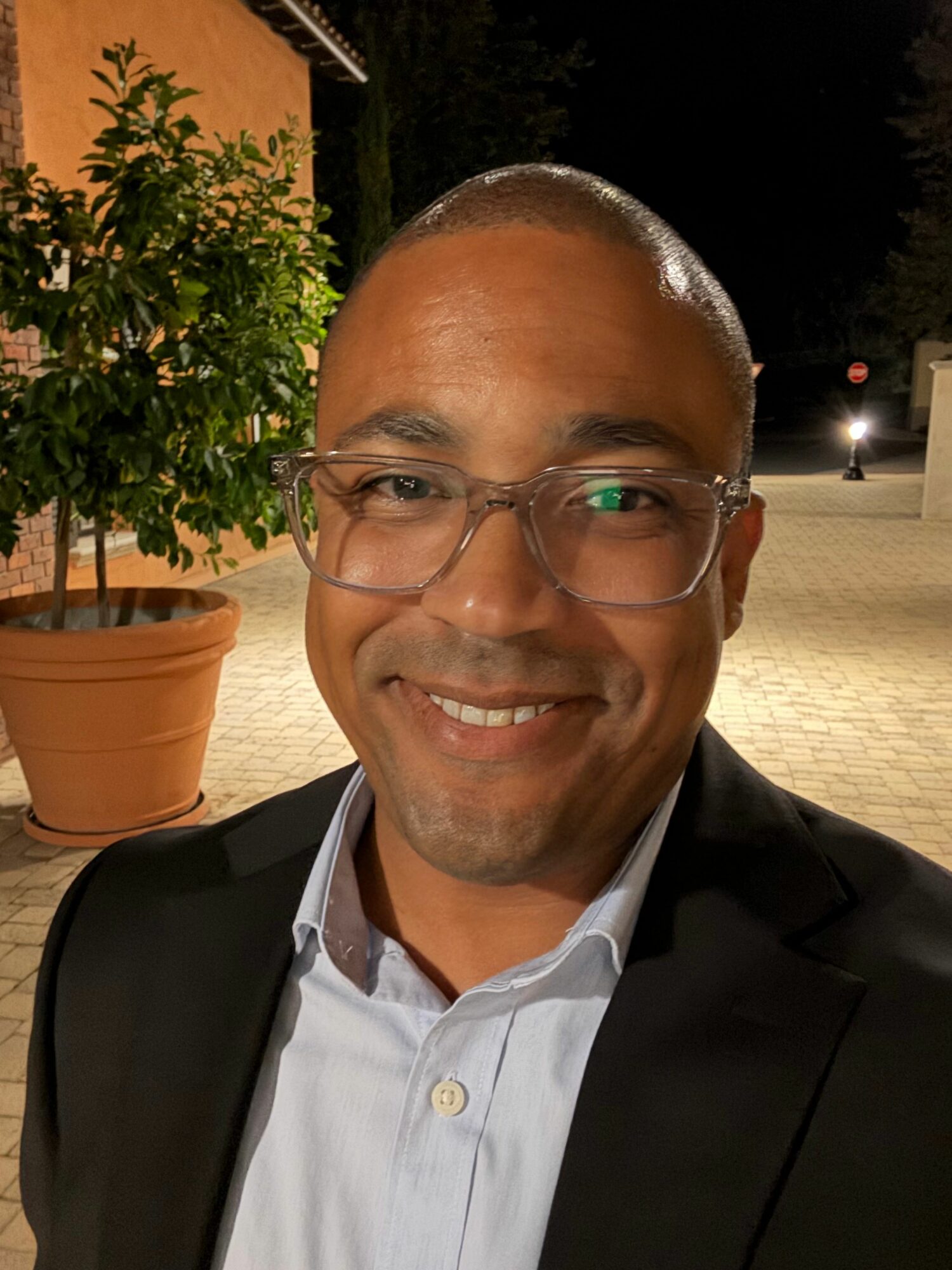
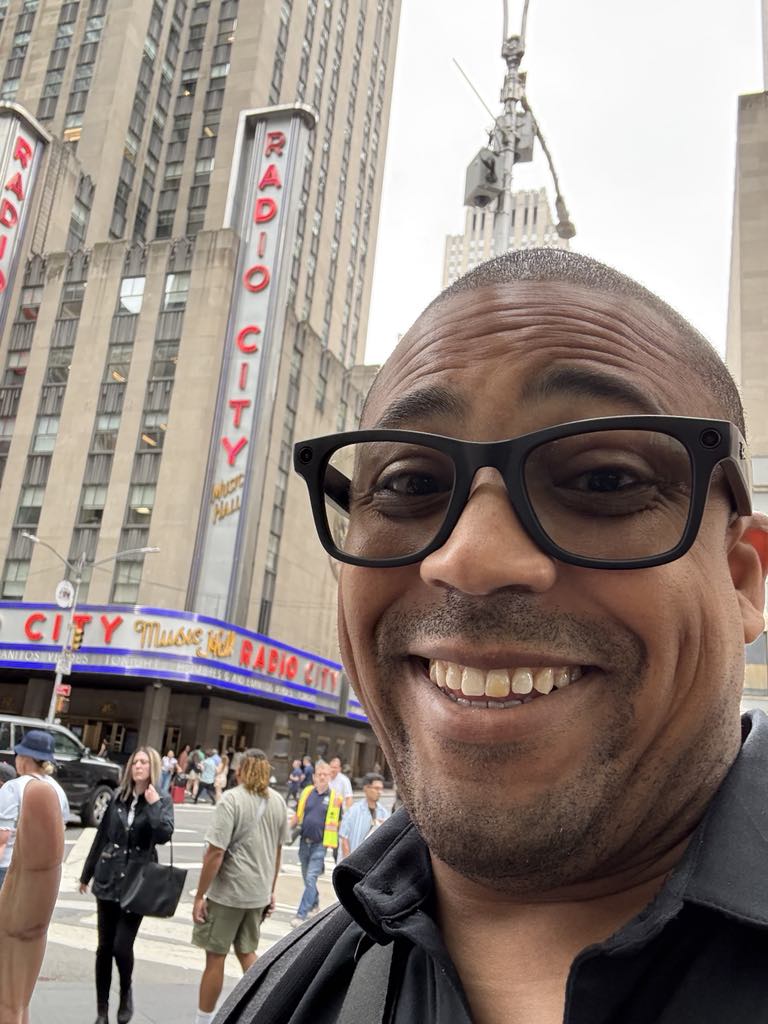
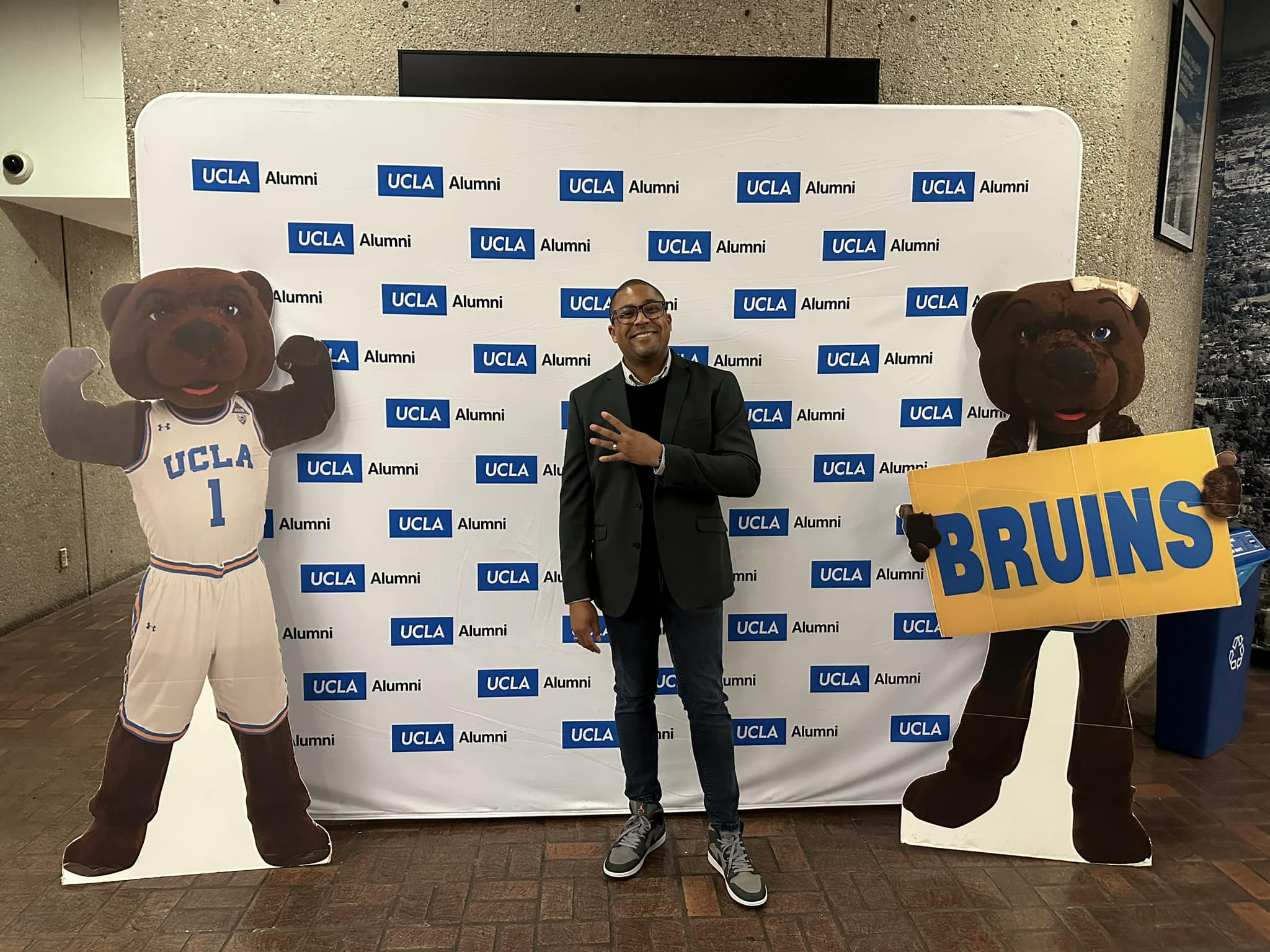
We’re looking forward to introducing you to Rolondo Talbott. Check out our conversation below.
Good morning Rolondo, we’re so happy to have you here with us and we’d love to explore your story and how you think about life and legacy and so much more. So let’s start with a question we often ask: What are you most proud of building — that nobody sees?
What I’m most proud of building is the invisible infrastructure that allows people to survive, stay, and eventually thrive — often without ever knowing it was intentionally designed.
I’ve spent much of my career creating systems, frameworks, and quiet guardrails that make workplaces more humane for people who were never centered in their design, especially Black professionals, neurodivergent employees, and those navigating both.
Most people never see the emotional translation, the process redesign, the advance conversations, or the protections built behind the scenes. They just feel safer. They feel clearer. They feel like maybe they belong.
I’m proud of that work because it doesn’t require credit to be effective. It requires care, foresight, and a deep understanding of how power, identity, and systems actually function when no one is watching.
Can you briefly introduce yourself and share what makes you or your brand unique?
I’m a strategist, writer, and inclusion leader whose work sits at the intersection of systems, identity, and human potential. For over two decades, I’ve worked inside large, complex organizations helping leaders translate values like equity and belonging into real structures, decisions, and behaviors.
What makes my work different is that it’s shaped equally by lived experience and systems thinking. I’m autistic, Black, and deeply attuned to how performance culture, power, and expectation quietly shape who gets to thrive. I don’t just talk about inclusion, I build frameworks, tools, and narratives that make it usable, measurable, and humane.
Today, I’m focused on expanding my public body of work through writing, speaking, and thought leadership — exploring ideas like compulsory performance, neuroinclusive leadership, and what it means to design systems that honor difference rather than suppress it.
Thanks for sharing that. Would love to go back in time and hear about how your past might have impacted who you are today. Who were you before the world told you who you had to be?
Before the world told me who I had to be, I was deeply curious, observant, imaginative, and intensely attuned to patterns, both in people and in systems. I noticed inconsistencies, inequities, and emotional undercurrents long before I had language for them. I asked questions that didn’t always land well, felt things more deeply than others seemed to, and processed the world in a way that was both expansive and exhausting.
Over time, the world gave me instructions: be quieter, be less intense, be more “professional,” perform competence in ways that felt unnatural, and shrink parts of myself to fit environments that were never designed with me in mind. As a Black, neurodivergent person, those instructions weren’t neutral; they were survival strategies dressed up as expectations.
It wasn’t until much later that I realized I hadn’t lost myself; I had been managing myself. My work now, through writing, frameworks, and advocacy, is about reclaiming that earlier version of me and creating conditions where others don’t have to abandon themselves to belong. I’m interested in helping people and institutions remember what gets lost when conformity is mistaken for excellence, and what becomes possible when we allow human complexity to lead.
If you could say one kind thing to your younger self, what would it be?
I would tell my younger self that nothing is wrong with you. Your sensitivity, your intensity, your way of noticing patterns and feeling things deeply are not weaknesses to correct, but gifts that will one day become your greatest strengths. The world may try to teach you to perform, to shrink, or to translate yourself into something more palatable, but you do not owe anyone a version of yourself that costs you your wholeness. You are already enough, exactly as you are, and one day you will learn to trust that.
Sure, so let’s go deeper into your values and how you think. Is the public version of you the real you?
The public version of me is real, but it is not the whole of me.
What people usually see is the strategist, the speaker, the leader who can articulate systems, challenge norms, and advocate for inclusion with confidence and clarity. That version is authentic. It is earned. It reflects years of experience, discipline, and intention. But it is also curated in the sense that it is shaped by context, expectations, and the roles I am asked to occupy.
The parts of me that are less visible are quieter, more contemplative, and more vulnerable. The part that needs solitude to regulate. The part that feels deeply and processes slowly. The part that once internalized the idea that difference needed to be managed or masked in order to belong. Those parts are not separate from the public version, but they are often held back, not because they are inauthentic, but because the world does not always make space for them.
Over time, I have learned that authenticity is not about full exposure. It is about alignment. It is about whether the version of yourself you offer to the world is in integrity with who you are when no one is watching. For me, the work now is less about performing credibility and more about allowing coherence, letting the internal and external versions of myself live closer together.
So yes, the public version of me is real. But the truest version of me is the one that no longer feels the need to prove its worth by hiding complexity. That is the version I am increasingly allowing into the room, into the work, and into the story I tell about myself.
Thank you so much for all of your openness so far. Maybe we can close with a future oriented question. What do you think people will most misunderstand about your legacy?
I think people will misunderstand my work as being primarily about inclusion, when in truth it has always been about humanity. Inclusion is simply the language available to us right now.
Some may see frameworks, policies, and strategies and assume my legacy is procedural or institutional. What they may miss is that every system I’ve built was an attempt to translate lived experience into something the world could hold without harming people further. The tools were never the point. Reducing unnecessary suffering was.
Others might believe my work was driven by advocacy alone. But much of it came from observation, grief, curiosity, and a lifelong effort to understand why certain people are asked to contort themselves to belong while others are allowed to simply exist. My legacy is not about fixing people or convincing institutions to be kinder. It is about naming patterns that were never meant to be named and offering language for experiences many people felt but could not articulate.
And perhaps most misunderstood of all, people may assume my work came from certainty. It didn’t. It came from questions. From sitting with discomfort. From learning to trust that clarity does not always arrive quickly, but it does arrive honestly if you are willing to listen long enough.
If there is a legacy at all, I hope it’s not remembered as answers I provided, but as permission I gave others to see themselves more clearly, and to stop performing for systems that were never built with their full humanity in mind.
Contact Info:
Popular
-

Portraits of the Valley
-

LA’s Most Inspiring Stories
-

Rick Norris Learned That Building a Successful Business Means Building a Life You Actually Want to Live
-
How Olivia Rush Turned Survival Into a Mission to Help Others Keep Going
-

How Bibi Goldstein Is Helping Entrepreneurs Reclaim Their Time by Embracing the Power of Delegation
-

Victoria Hasson is Redefining Voice Coaching Through Community and Collaboration


