




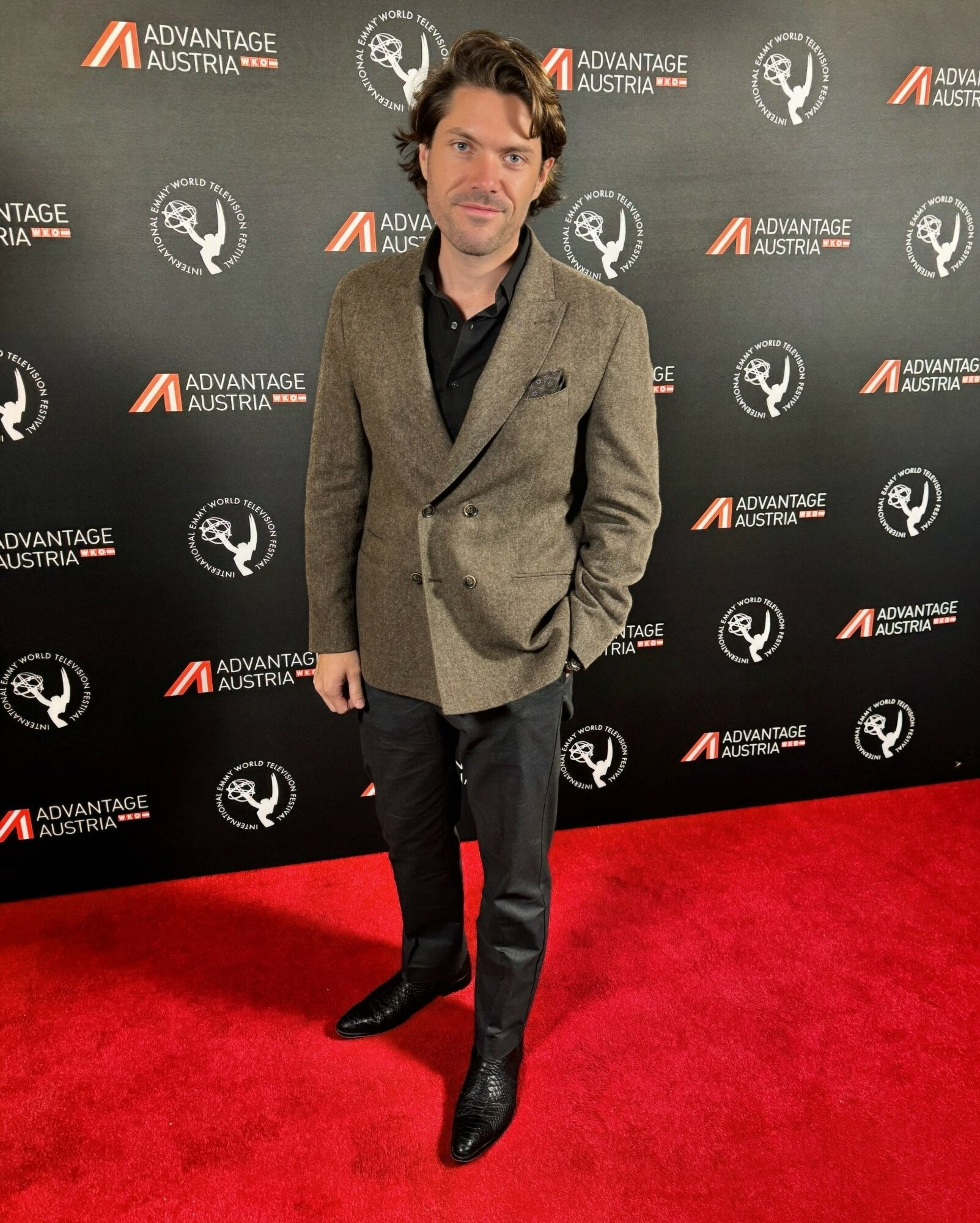
Thomas Pallier shared their story and experiences with us recently and you can find our conversation below.
Thomas, so good to connect and we’re excited to share your story and insights with our audience. There’s a ton to learn from your story, but let’s start with a warm up before we get into the heart of the interview. What is something outside of work that is bringing you joy lately?
Cooking has been bringing me a lot of joy lately, and honestly, a lot of peace. I cook almost every day, and it’s one of the few spaces where my mind fully settles. I rarely use recipes unless it’s a planned dinner. Most of the time, I just open the fridge, trust my instincts, and build something in the moment.
That freedom — reacting, adjusting, tasting, listening to what feels right is incredibly grounding for me. It’s very connected to how I approach filmmaking. I’ve always believed in leading with instinct, in staying present rather than over-planning every beat. Cooking reminds me that intuition is a skill you sharpen by using it, not by second-guessing it. In many ways, it’s the same mantra I bring to set: I’m all instinct.
Can you briefly introduce yourself and share what makes you or your brand unique?
I’m Thomas Pallier, a Los Angeles–based director, producer, and writer working primarily in vertical short-form drama. I come from a more traditional filmmaking background — I earned my MFA in Film Directing at Chapman University, where I was mentored by Asghar Farhadi — but I’ve always been interested in where storytelling is going, not just where it’s been.
Over the 18 months my company, Enzyme Films, has focused on producing verticals / micro dramas, and it’s been incredibly exciting to help shape this format as it grows. We’ve been fortunate to collaborate with some of the biggest players in the space and to deliver high-end productions that reach global audiences, generating millions of views and real engagement.
What makes the work special to me is that we treat these stories with the same care and emotional truth as traditional film or television. I’m deeply performance-driven and very instinct-led as a director, and I think that comes through in the work. Blending my European roots with sharp, fast-paced American storytelling, I gravitate toward romantic comedies and dramas that are addictive, emotional, and accessible — stories that meet audiences where they are, without talking down to them.
Amazing, so let’s take a moment to go back in time. Who saw you clearly before you could see yourself?
A teacher in high school did. At a time when I probably looked more like a troublemaker than someone with potential. I was a rebel, restless, always questioning authority, and not particularly interested in fitting into a traditional academic box. But instead of seeing that as a problem, this teacher recognized it as energy that just hadn’t found the right outlet yet.
He treated me like someone worth taking seriously, even when I wasn’t making it easy. That belief stayed with me. It helped me understand that my instinct to push back, to challenge structures, wasn’t something to suppress, it was something to refine.
Looking back, that early encouragement shaped how I see people now, especially as a director. I’m always drawn to those who don’t quite fit, because sometimes they’re the ones who just need someone to see them clearly before they can see themselves.
What did suffering teach you that success never could?
Suffering taught me the value of earning things. Not in a romanticized way, but in a very real, almost physical sense. When something comes too easily, it rarely stays with you. The struggle, the doubt, the waiting, the friction, all this is what gives the outcome weight.
At some point I realized I wouldn’t want to win the lottery. Not because success or comfort is bad, but because skipping the process would mean skipping the meaning. The reward isn’t in magically avoiding hardship; it’s in moving through it and coming out the other side changed, sharper, more certain of who you are.
Success can validate you, but suffering builds you. It teaches patience, resilience, and discernment. It gives you a deeper respect for the work, for the people you collaborate with, and for yourself. That understanding has shaped how I create and how I live. I trust things more when they’ve been earned.
Next, maybe we can discuss some of your foundational philosophies and views? What’s a cultural value you protect at all costs?
Human connection. Real interaction. Rooted in something genuine. I think we’re at a moment where convenience and speed are slowly replacing presence, and that’s something I’m very protective of.
Storytelling, at its core, is a shared human experience. It’s something that has always worked best when people gather, exchange energy, and feel something together. Whether that’s around a fire, in a theater, or even just across a table with a drink. Technology can amplify that, but it should never replace it.
What makes us human isn’t efficiency or algorithms — it’s connection. It’s being present with one another, listening, sharing stories, disagreeing, laughing, and feeling seen. I try to protect that in my work and in my life. At the end of the day, life is more than data and screens. Sometimes the most important thing you can do is step outside, be grounded, and remember that we’re meant to experience things together.
Before we go, we’d love to hear your thoughts on some longer-run, legacy type questions. When have you had to bet the company?
Six years ago, I left Germany to pursue filmmaking in Hollywood — and it wasn’t a soft landing. I cut ties, walked away from stability, and arrived in Los Angeles with almost nothing except belief in my instincts and a willingness to bet everything on them. There was no backup plan, because having one would have diluted the commitment.
That decision shaped how I work today and how Enzyme Films was built. The company comes from that same mindset: full commitment, no shortcuts, and a belief that if you treat new formats with ambition and seriousness, audiences will respond. Every project we take on carries that original risk tolerance — trusting instinct over fear, action over hesitation.
I didn’t move here to play it safe. I came to build something meaningful. Betting on myself then is the reason I’m able to bet on Enzyme Films now — and I’d make that same decision again without hesitation.
Contact Info:
- Website: https://www.enzymefilms.com
- Instagram: https://www.instagram.com/thepallier/
- Linkedin: https://www.linkedin.com/in/pallier


Image Credits
Thomas Pallier, Jessklyn Loh, Candy Jar
Popular
-

Portraits of the Valley
-

LA’s Most Inspiring Stories
-

Rick Norris Learned That Building a Successful Business Means Building a Life You Actually Want to Live
-

How Olivia Rush Turned Survival Into a Mission to Help Others Keep Going
-

How Bibi Goldstein Is Helping Entrepreneurs Reclaim Their Time by Embracing the Power of Delegation
-

Victoria Hasson is Redefining Voice Coaching Through Community and Collaboration


