



We’re looking forward to introducing you to Kay Erickson. Check out our conversation below.
Kay, it’s always a pleasure to learn from you and your journey. Let’s start with a bit of a warmup: What makes you lose track of time—and find yourself again?
When things start piling up and success is hard to find, I strap on my camera and go out for a walk by the ocean in Santa Monica, or the seaside village in Long Beach. Just getting out in the fresh air, seeing people, discovering things, finding good lighting, and having fun creating interesting angles for my photos.
Can you briefly introduce yourself and share what makes you or your brand unique?
When I was 7 years old, I was given my first 120 film camera, and I usually cut the heads off of people that I was photographing,
I did get a chance to photograph President Eisenhower when he visited Minneapolis in a convertible limo going down the street even though he turned his head away the minute I clicked the shutter.
Going forward I usually had my camera with me wherever I went. I got better and no longer had photos of headless people. I always wanted to be an artist. I was given lots of art supplies when I was little, and loved to spend the time making things.
I went to the University of Minnesota and earned a BFA in Studio Arts. We were required to take classes in several disciplines, including printing, welding, ceramics, color, and of course photography. I studied photography and filmaking under Jay Liebring and Allen Downs, two great recognized photography and film making artists. When taking photos, we were not allowed to crop or alter the image when printing in the darkroom. It was shoot what you see, and print it that way. I still do that to this day. I later got a MS degree in Instructional Media and Technology from Minnesota State University – Mankato, and worked with the Minneapolis Public Schools as librarian and video technician.
I then moved to California to be a film editor, and continue to take photos. I managed to get into the Editor’s Guild and worked on a lot of TV shows and a few features.
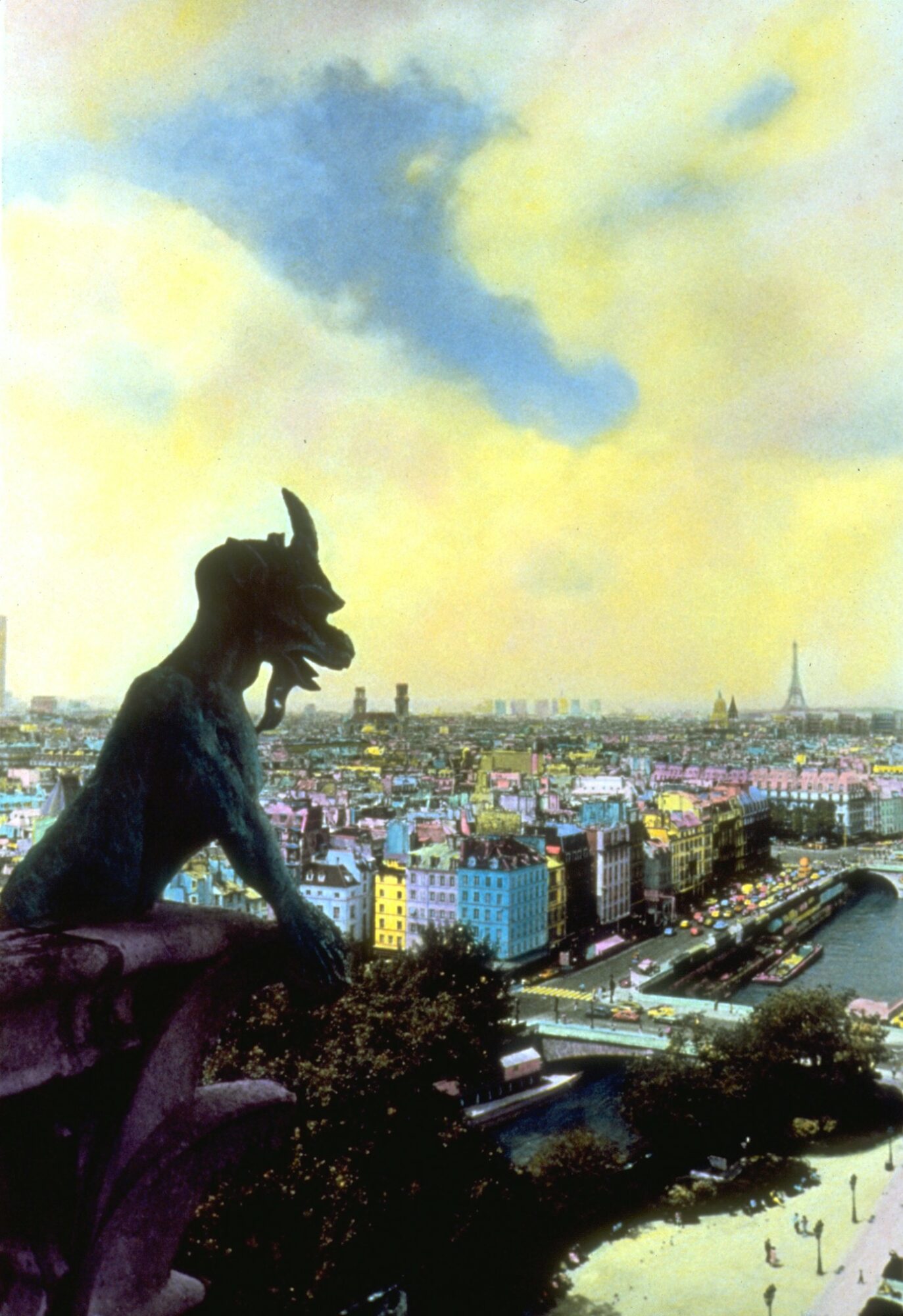
I then started a greeting card company taking black and white photos of children in holiday and celebratory scenes set up in my studio, and then hand-tinting the prints. My cards and calendars were sold internationally.
After that, I worked at Yahoo Music, building a CD and music video library and managing a group of people entering data of incoming music CDs for the Yahoo site.
I then retired and continue to take photos and have had them shown around the world through competitions and solo shows. My current challenge is incorporating new technology into my photography, and going beyond the normal image to reflect a more abstract angle or scene. I mostly do street photography, but sometimes shoot portraits, group photos, and other images requested by friends and clients.
The best compliment I ever received was that after they looked at one of my photos, they started looking at things differently. To me, that was success.
Okay, so here’s a deep one: What’s a moment that really shaped how you see the world?
My Mother worked for a major airline, so we were able to travel a lot to other states including Hawaii (before it was a state), and Alaska up by the Berring Straits.
Travel opened my eyes. I saw different landscapes, cultures, neighborhoods, and architecture.
This was the most important and life changing event of my life and greatly influenced how I capture images.
If you could say one kind thing to your younger self, what would it be?
I would tell my younger self that I was doing really good work, and to keep doing it. Encouragement it key, especially to children as they are trying make their mark.
I think our readers would appreciate hearing more about your values and what you think matters in life and career, etc. So our next question is along those lines. What are the biggest lies your industry tells itself?
It would seem that artists with great technique and imagery, would be the ‘winners’ and the gallery champions.
But in real life, success depends much more on who you know, how you conduct yourself, and how you fit into the current fads.
I see a lot of copying of ideas, and the over use of AI technology. It’s all good going forward to incorporate these ideas and techniques into your artwork, but try to do it with a sense of individuality and uniqueness instead of trying to fit into the mold.
Okay, so let’s keep going with one more question that means a lot to us: What will you regret not doing?
I would certainly regret not continuing to travel and to keep evolving my personal style. After retirement it’s too easy to just sit back and watch. I would very much regret following that path. To avoid that I always carry my camera, continue to take classes, and visit art shows regularily.
Contact Info:
- Website: https://kayerickson.com/
- Instagram: https://www.instagram.com/holgalens/
- Linkedin: https://www.linkedin.com/in/kay-erickson-8909a58/
- Facebook: Kay Erickson Photography
- Youtube: okaycards E
- Other: https://www.ojibweproject.com/
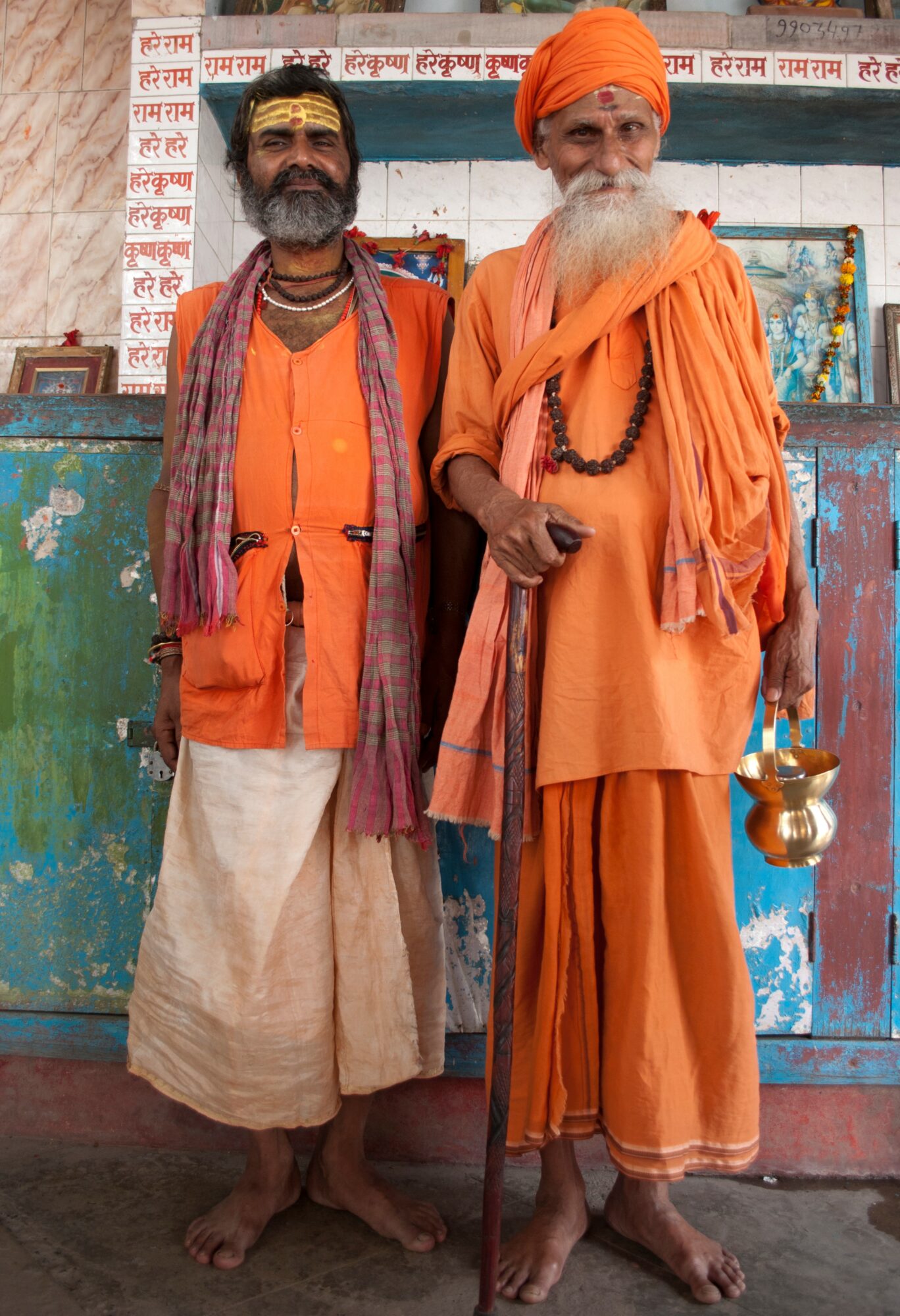
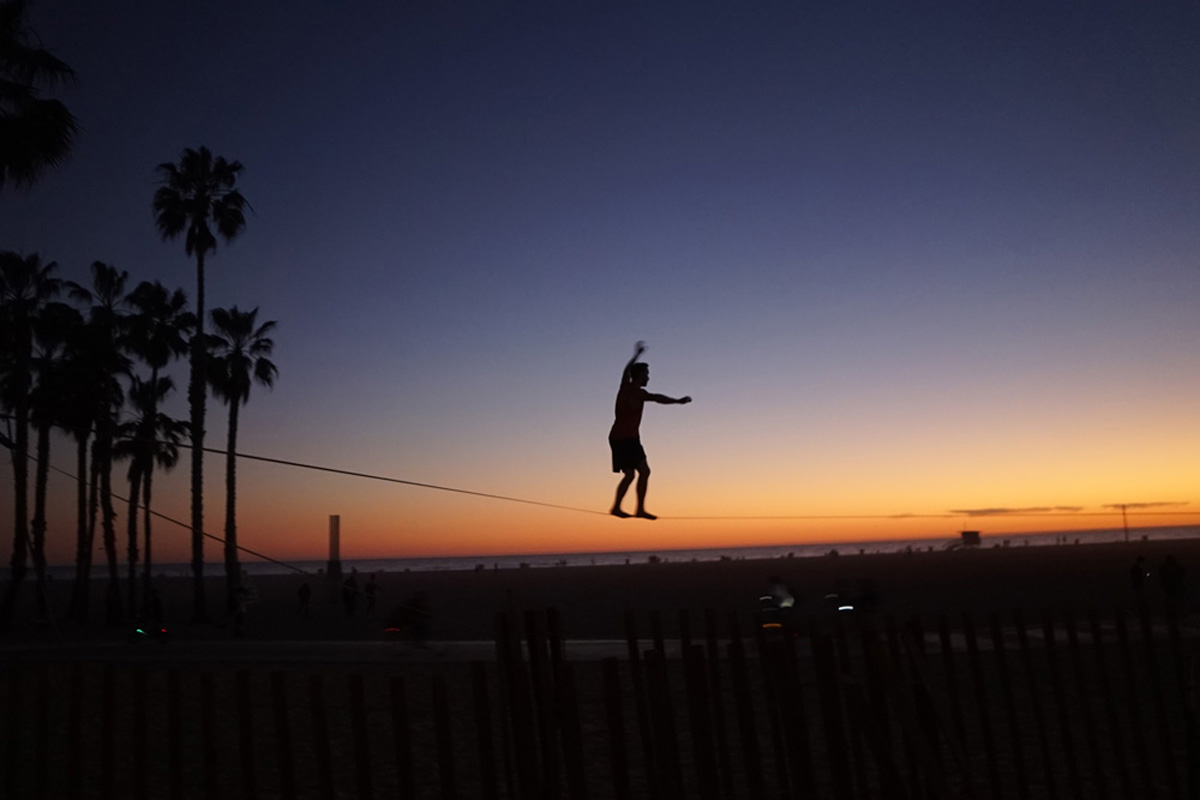
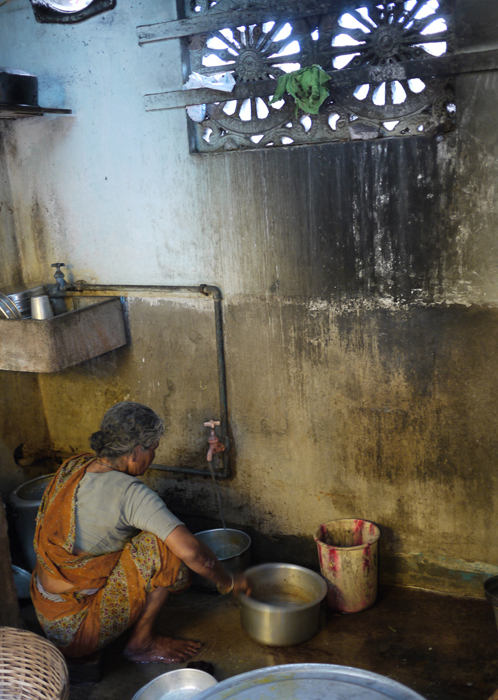
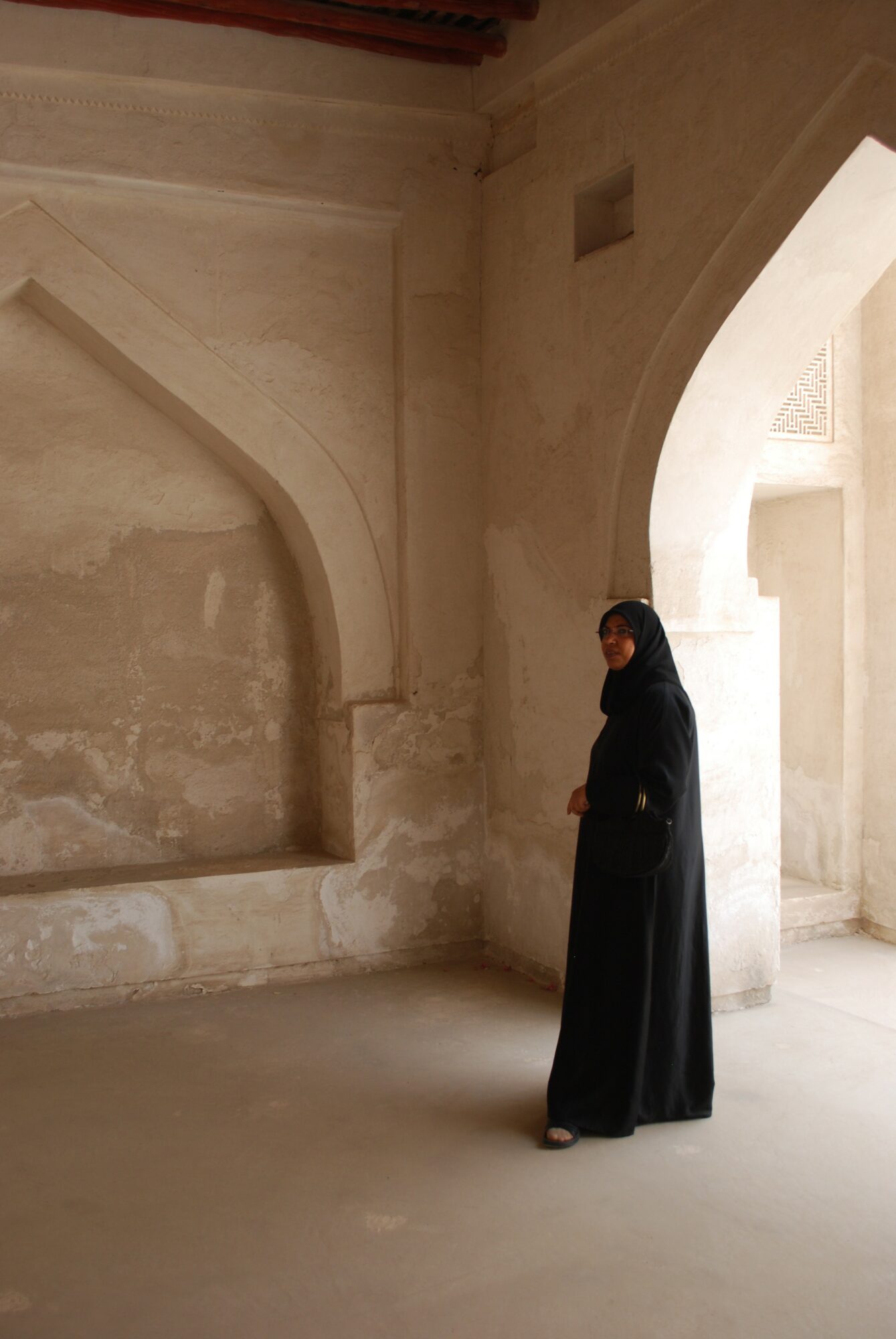
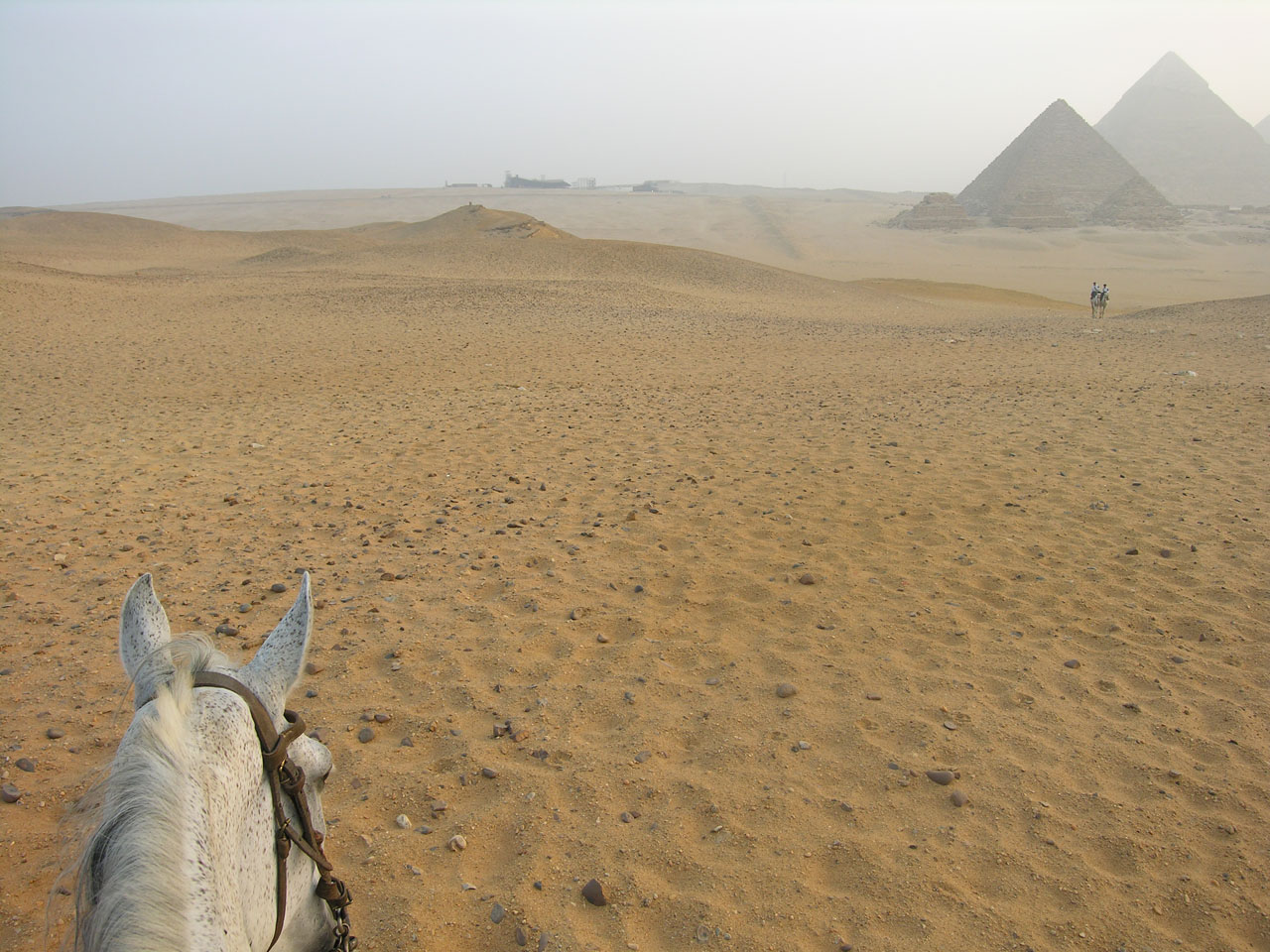
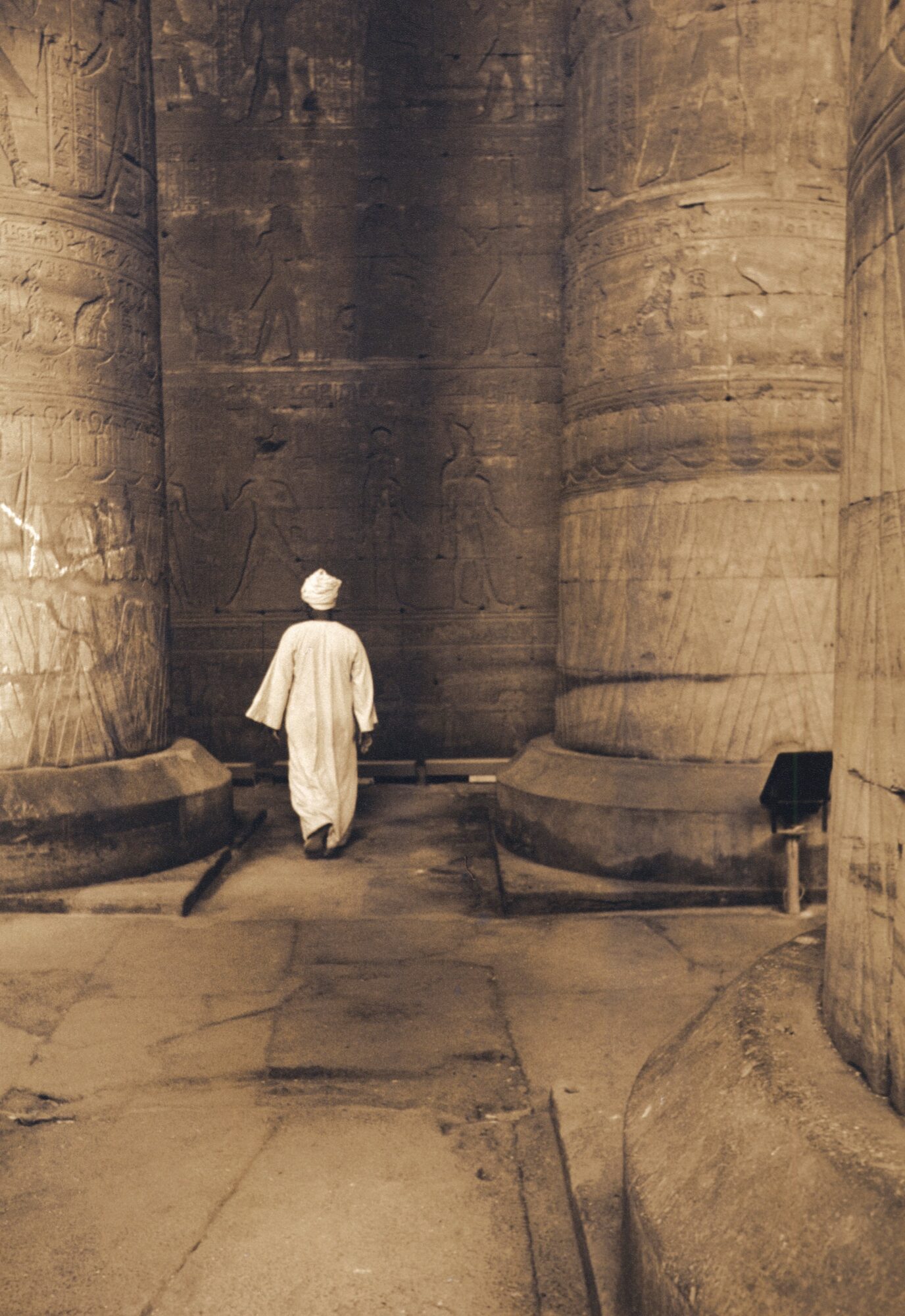
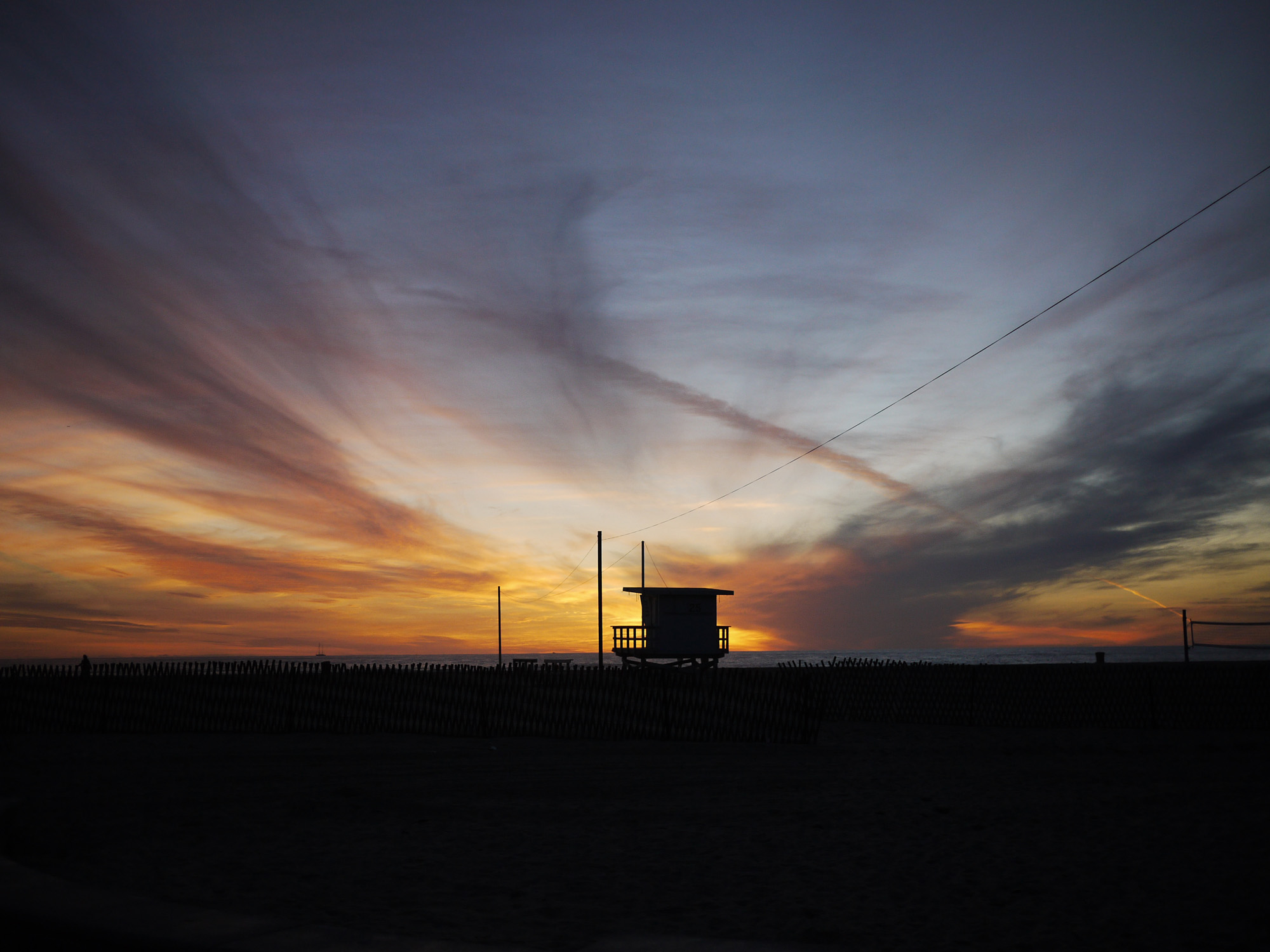
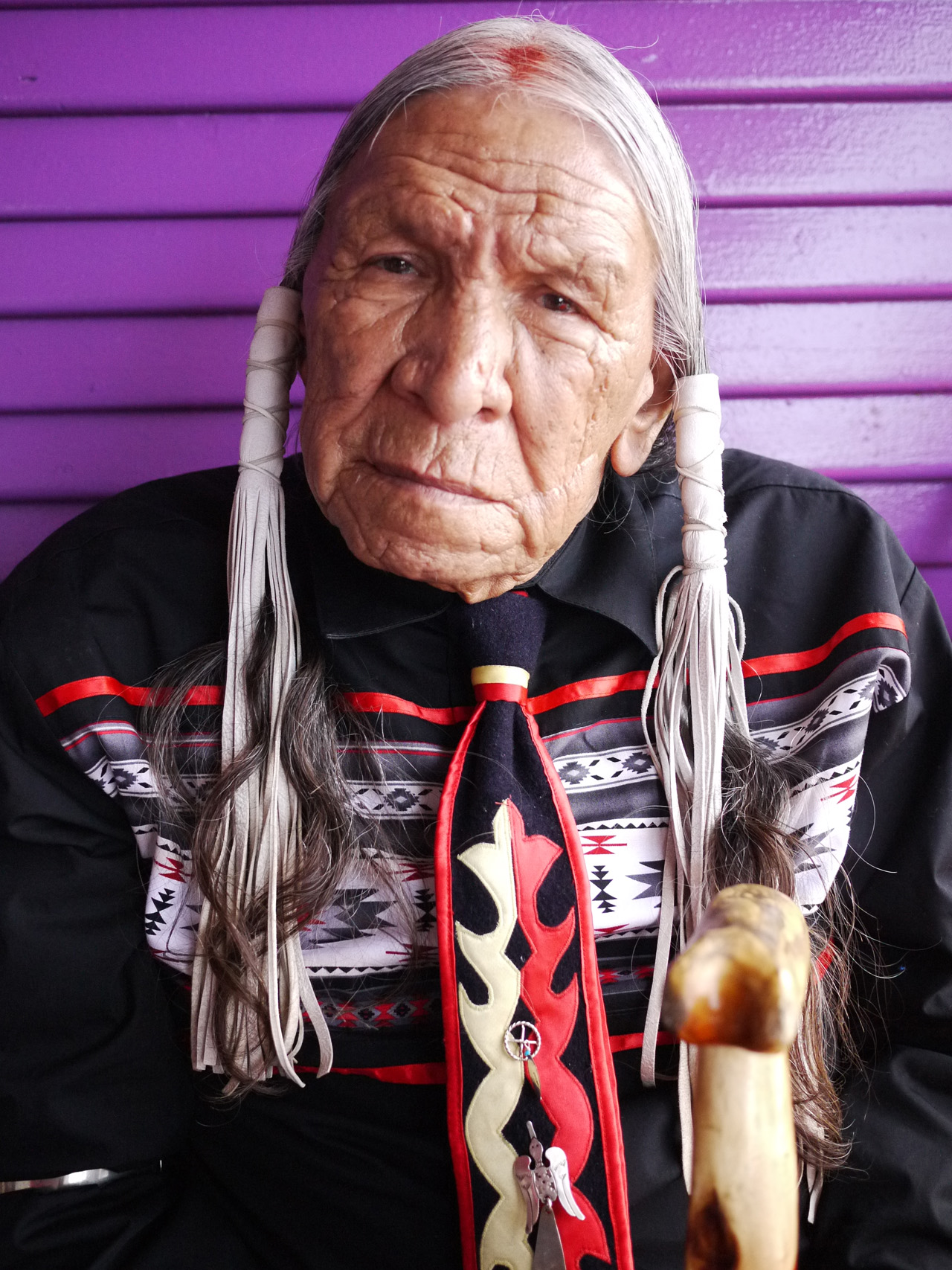
Image Credits
Kay Erickson
Popular
-

Portraits of the Valley
-

LA’s Most Inspiring Stories
-

Rick Norris Learned That Building a Successful Business Means Building a Life You Actually Want to Live
-
How Olivia Rush Turned Survival Into a Mission to Help Others Keep Going
-

How Bibi Goldstein Is Helping Entrepreneurs Reclaim Their Time by Embracing the Power of Delegation
-
Victoria Hasson is Redefining Voice Coaching Through Community and Collaboration


